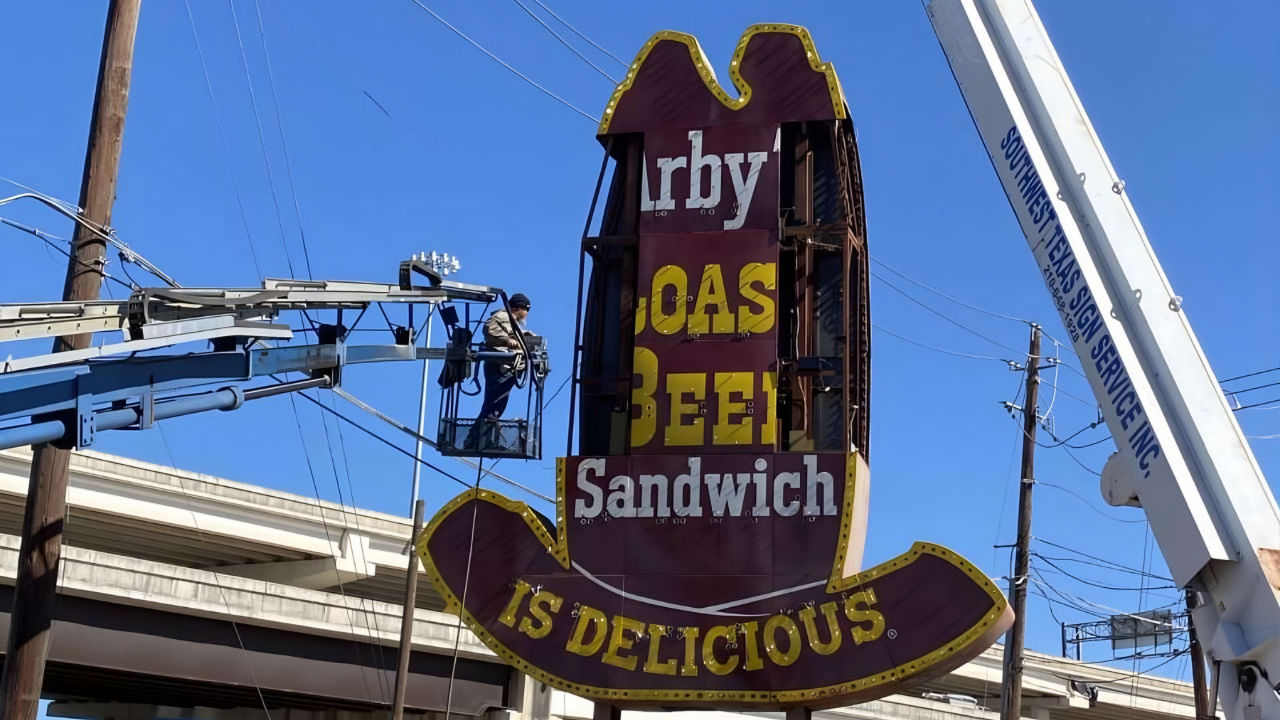
Arby’s has shuttered 62 locations across eight states in 2024 and 2025, marking the most aggressive wave of closures since its 2011 financial restructuring. The move, affecting franchisees and customers searching for answers, signals a deepening crisis within Inspire Brands, the parent company overseeing Arby’s, Sonic Drive-In, and other chains. No official explanation or turnaround plan has been released, amplifying uncertainty about the future of the once-stable fast-food giant.
A Perfect Storm of Challenges
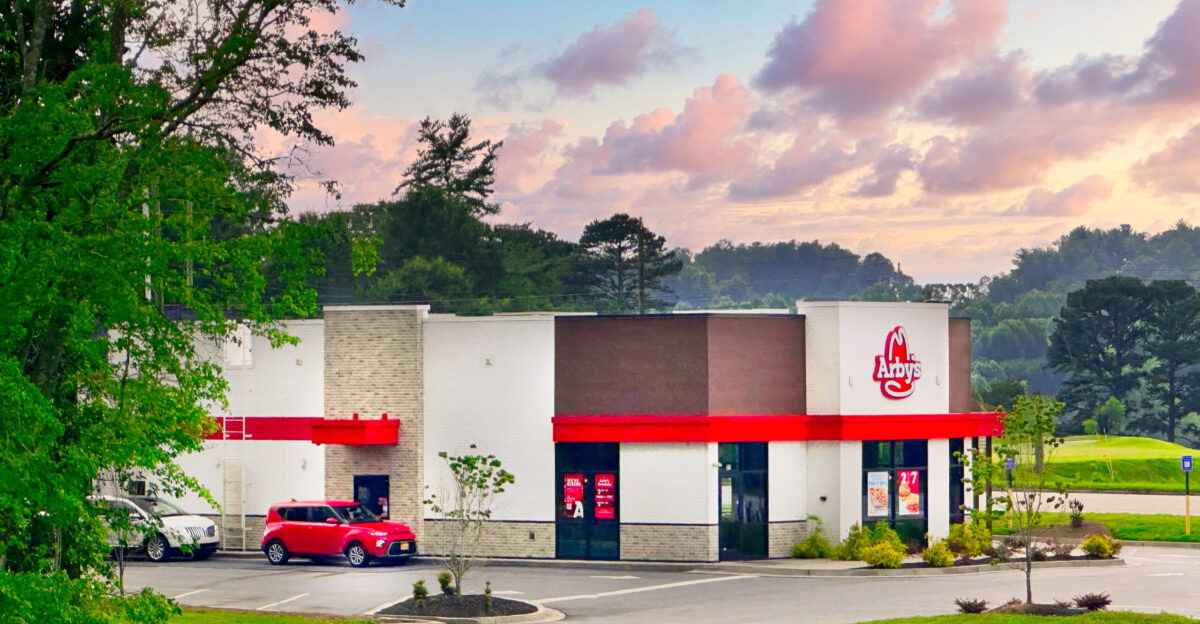
Arby’s faced a 6.3% sales decline in 2024, outpaced by rivals such as McDonald’s and Wendy’s. The chain was hit by rising labor costs, inflation-driven food price increases, and a post-pandemic dip in consumer spending. With Inspire Brands managing multiple chains across its portfolio, Arby’s was left to absorb mounting losses. The closures represent a 1.4% drop in Arby’s total restaurant count, suggesting that the parent company faces significant operational challenges in maintaining its portfolio.
Shifting Local Landscapes
The closure of Arby’s locations in Tennessee, California, Florida, and five other states has left neighborhoods with fewer fast, affordable dining options. Many consumers who relied on Arby’s for quick roast beef sandwiches are now turning to competitors like Subway, Panera, and local chains. The disappearance of these stores is reshaping the local dining scene, often pushing consumers toward alternatives that may be less convenient or more expensive.
Competitors Gain Ground
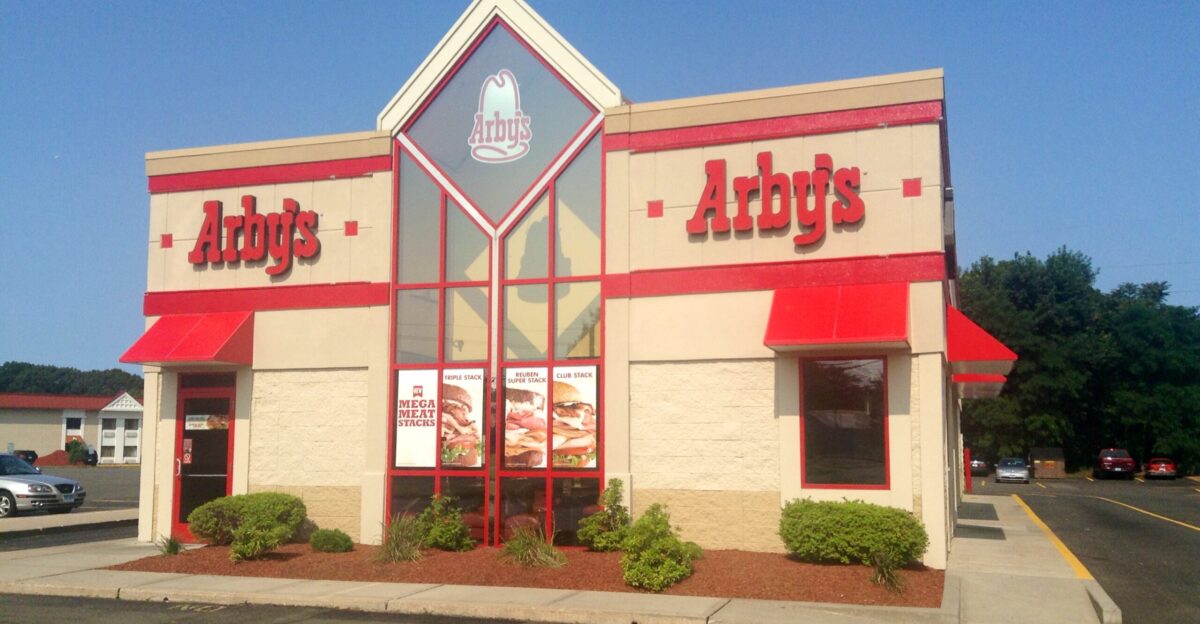
While Arby’s struggles, sandwich rivals like Jersey Mike’s and Charleys Cheesesteaks have posted strong growth in 2024. Subway and Panera, despite modest declines, continue to dominate with larger networks. Arby’s shrinking footprint and declining sales mean its market share is being absorbed by better-capitalized, faster-growing competitors. These shifts in consumer preference are forcing Arby’s to reassess its position in a highly competitive segment.
Impact on Workers and Franchisees
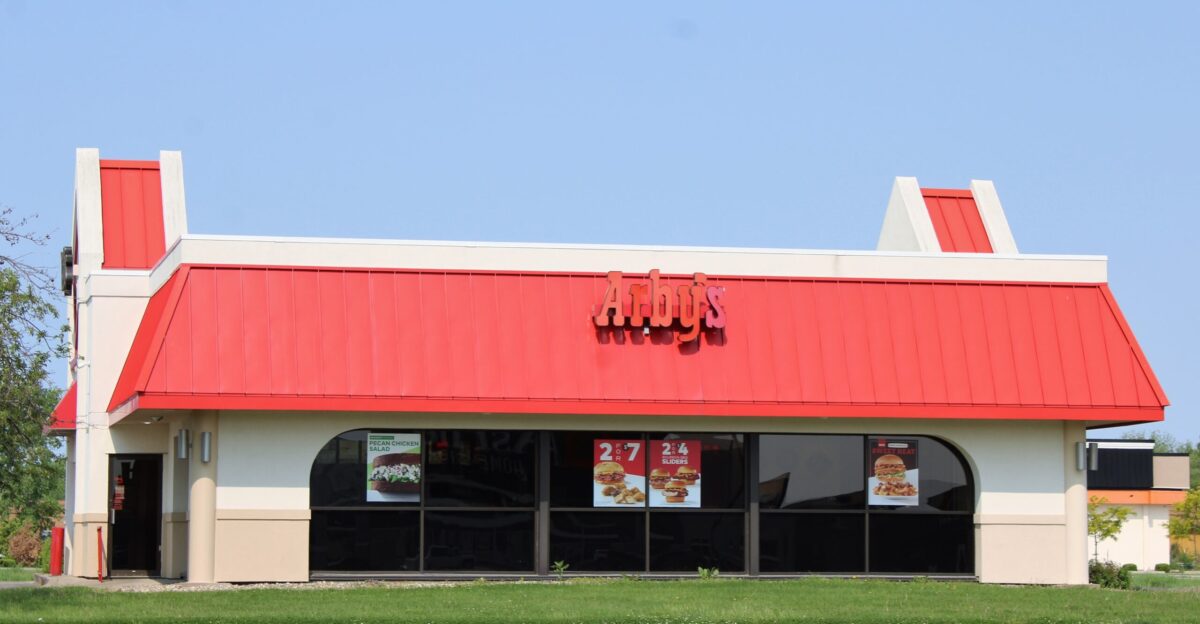
Arby’s employees and franchisees face significant challenges from the closures. In rural and suburban areas, where Arby’s was often a primary employer, the closures have affected workers scrambling for new opportunities. Based on typical fast-food staffing ratios of 20-25 employees per location, the 62 store closures would affect approximately 1,200-1,500 workers, though Arby’s has not officially confirmed employment figures. Franchisees, meanwhile, are grappling with severe financial setbacks, including lease obligations and unrecoverable equipment investments. The lack of corporate safety nets has left many operators with limited recourse to recover their losses.
Broader Industry Implications
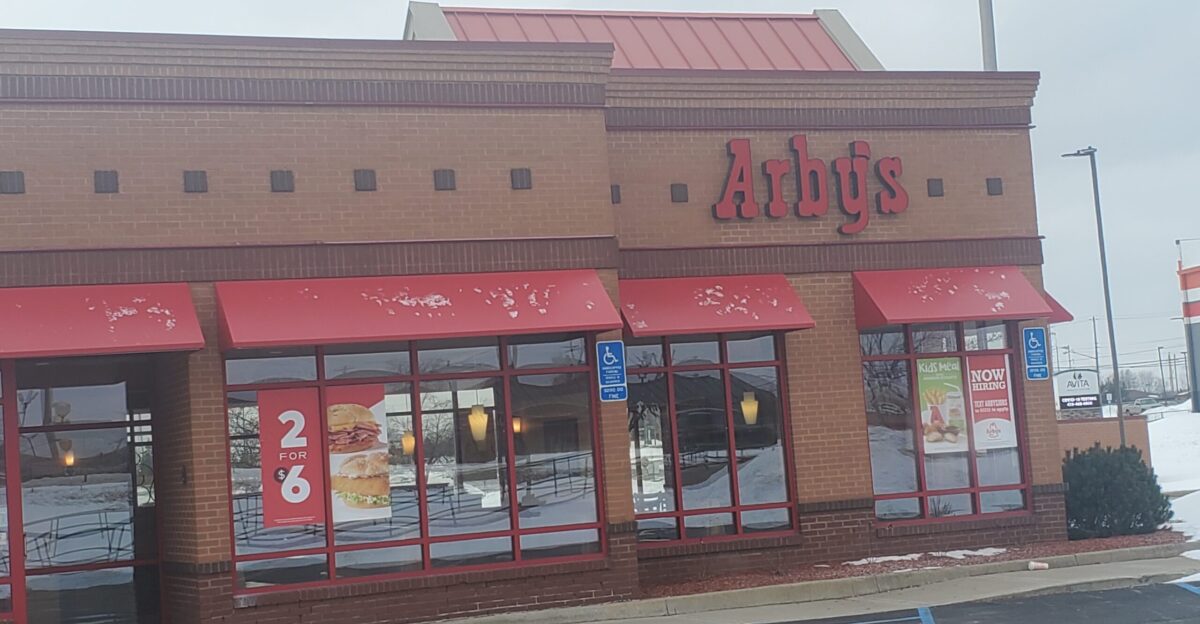
Arby’s closures are part of a broader trend of fast-food retrenchment. Wendy’s, Denny’s, and Red Lobster have also announced significant closures in 2024, reflecting persistent structural challenges rather than temporary market disruptions. The industry is increasingly focused on rationalizing portfolios, with smaller, underperforming chains exiting the market while larger, stronger brands consolidate their position. International investors and franchisees may reassess their commitment to U.S.-based fast-food chains, raising questions about the stability of American brands abroad.
Looking Ahead
The future of Arby’s remains uncertain. Inspire Brands has yet to announce a formal turnaround plan, leaving the chain’s trajectory unclear. Strategic repositioning—such as menu changes or franchisee support—could help stabilize the chain, but the broader fast-food landscape is defined by consolidation, sustainability, and profitability. Consumers may need to diversify their fast-food choices, while workers and franchisees affected by the closures are encouraged to seek support through state programs and legal advice.