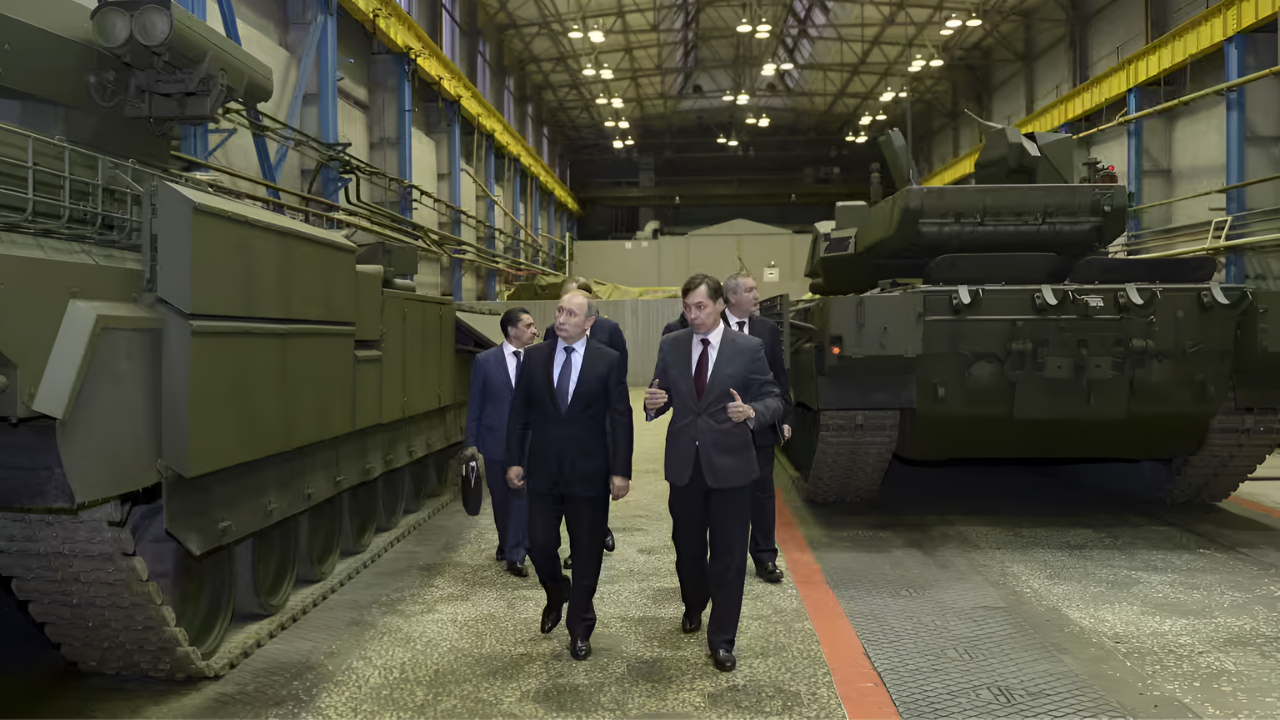
Since February 2022, as the war in Ukraine escalated, 146 Italian companies continued to operate in Russia, funneling over €1 billion in taxes directly to the Kremlin. Half of that money—roughly €518 million—has gone straight to military expenditures, helping sustain Russia’s war efforts against Ukraine.
Despite sweeping Western sanctions, this financial flow raises critical questions about the effectiveness of these measures and the true cost of doing business in a conflict zone.
The Limits of Sanctions
Despite the European Union’s strict sanctions regime, the financial ties between Italy and Russia remain strong. These companies continue to pay taxes to the Russian state, with Italian firms contributing over €346 million annually.
The persistence of this financial lifeline highlights how global supply chains and loopholes in the sanctions system allow companies to operate in Russia, despite mounting international pressure. This situation challenges the perceived effectiveness of current sanctions.
A Deep-Rooted Relationship
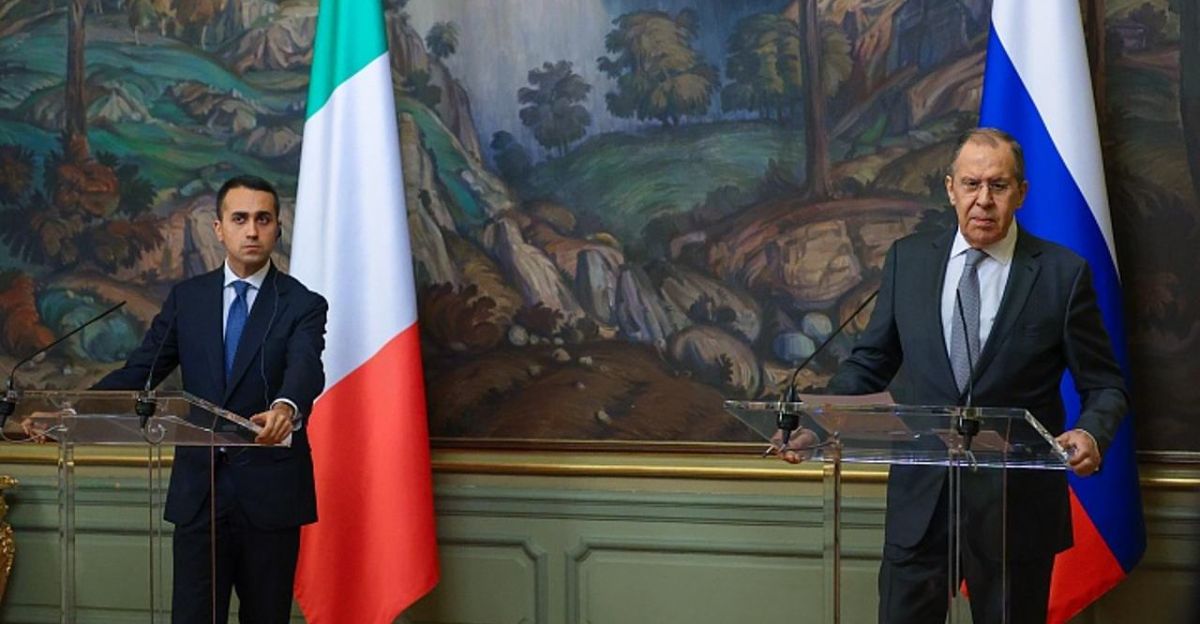
Italian businesses have long-standing connections to Russia, dating back decades before the invasion. With 442 subsidiaries across the country, these companies employed around 34,700 people and generated €7.4 billion in turnover.
The history of Italian investment in Russia has made it difficult for firms to rapidly disengage, even as political and reputational risks grow. The conflict has now turned those decisions into a moral dilemma for many businesses.
The Pressure to Exit
Since the start of the war, Italian firms have faced significant pressure from governments, activists, and shareholders to exit the Russian market. However, legal, financial, and logistical barriers complicate their departure.
Some companies have suspended operations or announced plans to leave, while others maintain a limited legal presence in the country. Despite the growing international condemnation, the exodus of Italian companies from Russia is far from complete.
Tax Payments for War
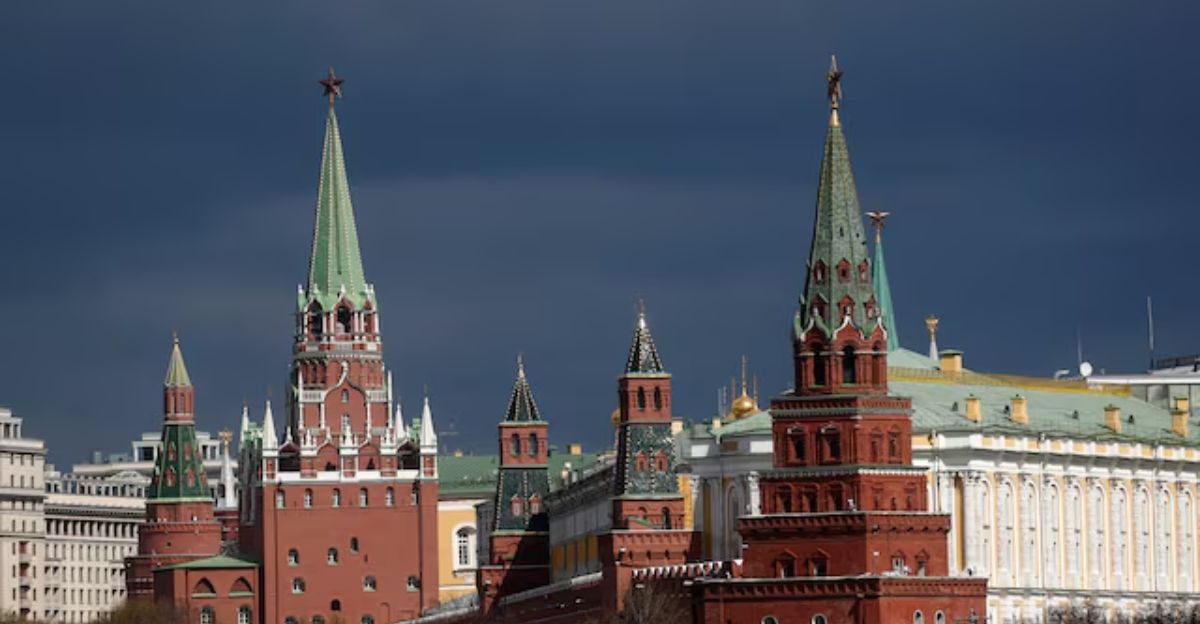
Over the past three years, Italian companies have paid €1.037 billion in taxes to Russia. Around half of that total—approximately €518 million—has gone toward financing Russia’s military efforts.
Companies such as Ferrero, Barilla, and Calzedonia continue to be significant contributors to the Russian state, despite the risks involved in maintaining business ties with the Kremlin during an active war.
Local Impact in Russia

The continued presence of Italian companies in Russia has a direct impact on local economies. These businesses provide jobs, pay taxes, and sustain industries in various Russian regions.
However, their operations are increasingly viewed with criticism, especially by Ukraine and its allies. Many argue that the financial contributions from these firms directly fuel the Russian war machine, undermining international efforts to isolate Russia and end the conflict.
Personal and Professional Dilemmas

The decisions of executives and employees of Italian companies in Russia are filled with personal and professional dilemmas. Some staff remain out of necessity, while others have left, uncertain of their futures.
“There is a grey area of trade that exists beyond the data,” says Carolina Stefano, professor of Russian history at Luiss University. The human cost of these decisions is often overlooked in the broader geopolitical debate, highlighting the emotional toll of these corporate choices.
Global Competitors in Russia
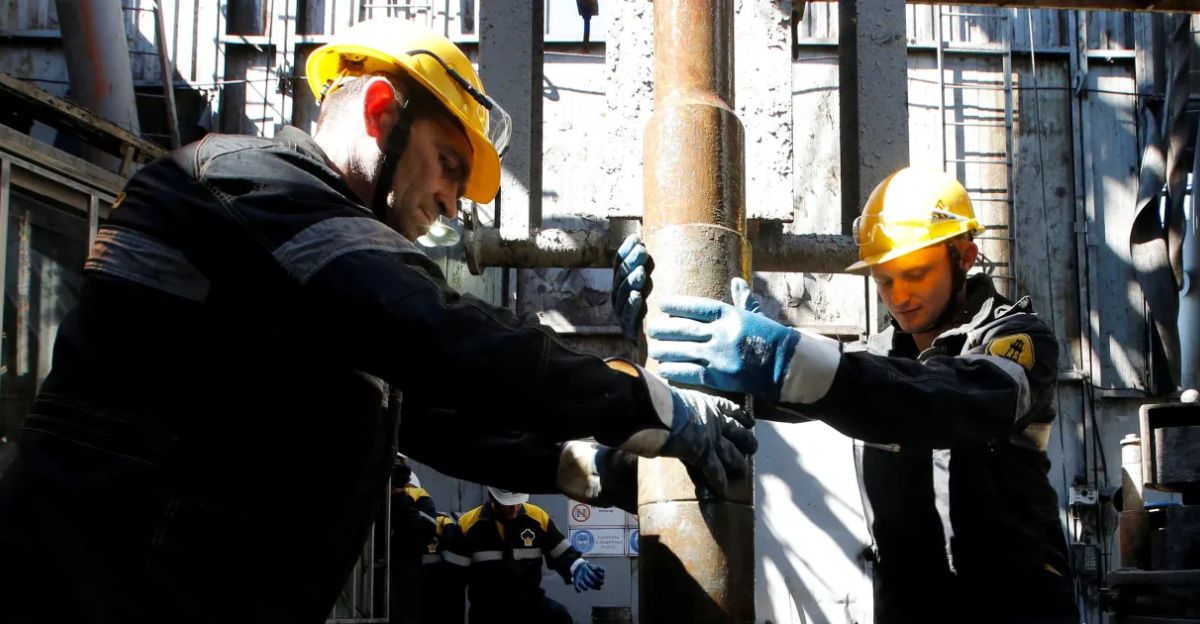
Italy is not alone in maintaining a commercial presence in Russia. Germany, the UK, and the US all continue to operate in the country, with German companies numbering 459, UK companies 290, and the US maintaining the largest presence of 810 companies.
The competitive landscape is shifting as businesses weigh reputational risks against the financial opportunities still present in Russia, despite the sanctions.
Russia’s Military Spending Surge
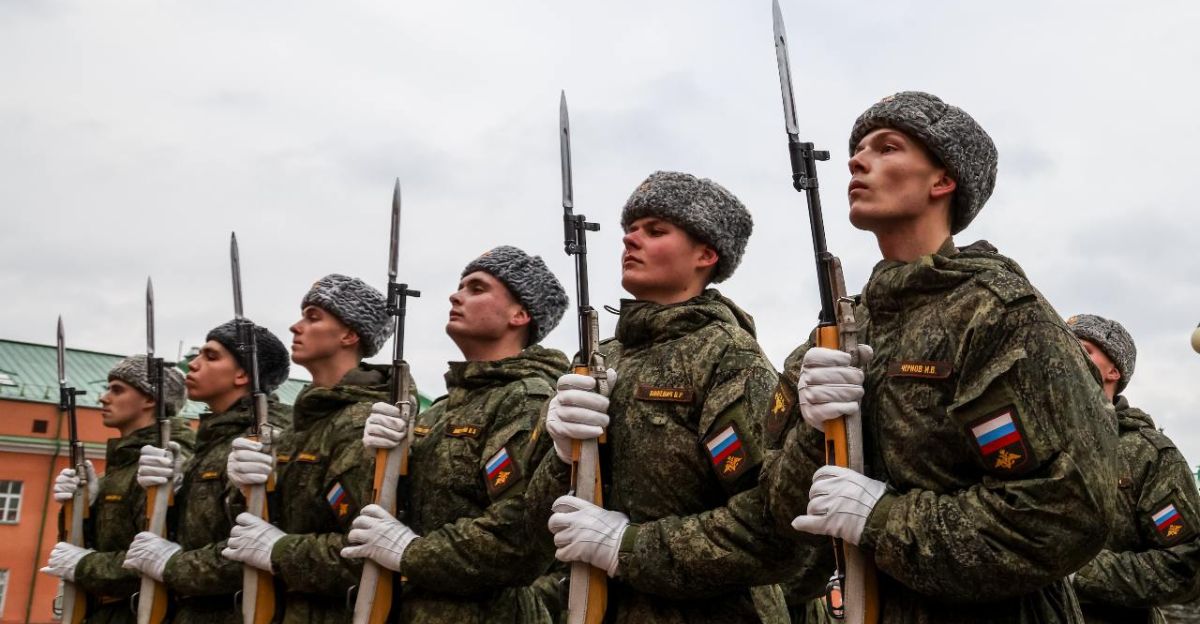
Since the start of the war, Russia’s military and defense spending has doubled, now comprising 8% of GDP and 40% of the state budget. This significant increase in funding has been partially supported by tax revenues from foreign companies, including Italian firms.
The Russian government’s growing dependence on foreign capital is becoming increasingly evident as its military expenditures rise.
Exit Costs and Punitive Measures
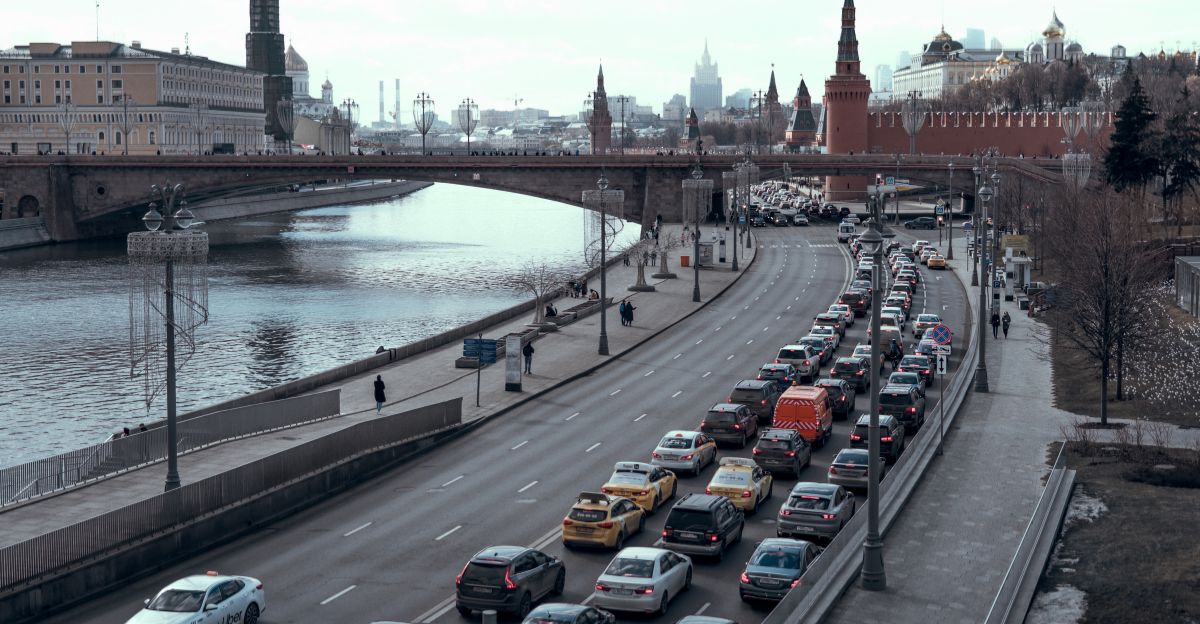
For companies attempting to exit Russia, the Kremlin has made departure increasingly expensive. Many firms face asset seizures, forced sales at steep discounts, or punitive exit costs.
These measures have acted as a deterrent for some, while others stay despite the reputational damage. The exit strategy is fraught with challenges, especially for companies still tied to Russian interests.
Internal Company Friction

Italian companies operating in Russia are not immune to internal friction. Franchisees and local managers often feel caught between conflicting directives from their headquarters and the political realities on the ground.
Many executives express a sense of being trapped in Russia, especially after the Russian government began implementing increasingly punitive exit processes in 2022. This uncertainty has strained decision-making and led to a sense of corporate paralysis.
Shifting Ownership Structures
In response to sanctions and the difficulties of operating in Russia, several Italian companies have shifted their ownership structures. State-owned giants like Enel and Eni have fully exited, while others have transferred operations to local partners or third-country entities.
This shift reflects a broader trend of strategic adaptation as companies navigate an uncertain future in Russia.
The Desire to Return
Despite the risks, some Italian companies are quietly preparing for a potential return to Russia once geopolitical conditions improve. Industry insiders report that there is significant interest in re-entry, with many companies eager to return to the lucrative Russian market.
However, for now, most are focused on minimizing exposure and maintaining compliance, knowing the geopolitical risks are still high.
Lasting Reputational Damage
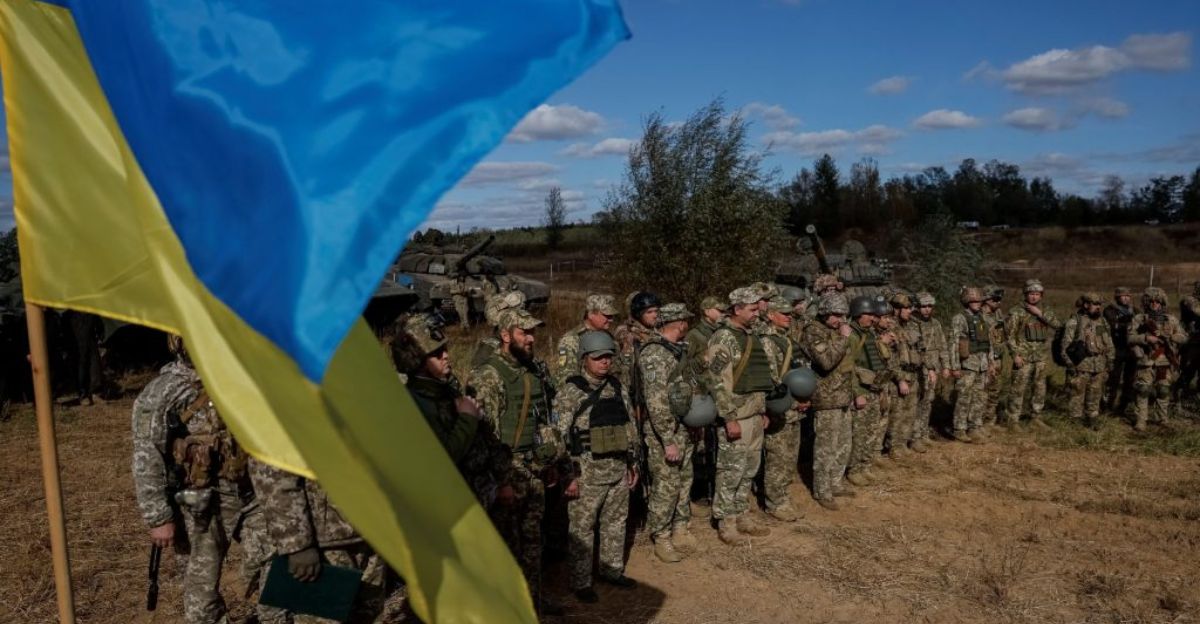
Experts warn that even if the war in Ukraine ends, the reputational damage for companies operating in Russia may persist for years. Alexandra Prokopenko, a fellow at the Carnegie Russia Eurasia Centre, suggests that Russia may struggle to transition from a wartime economy back to a civil economy model.
For companies like Ferrero and Barilla, their involvement in Russia may forever alter their global reputations.
What’s Next for Italian Business in Russia?
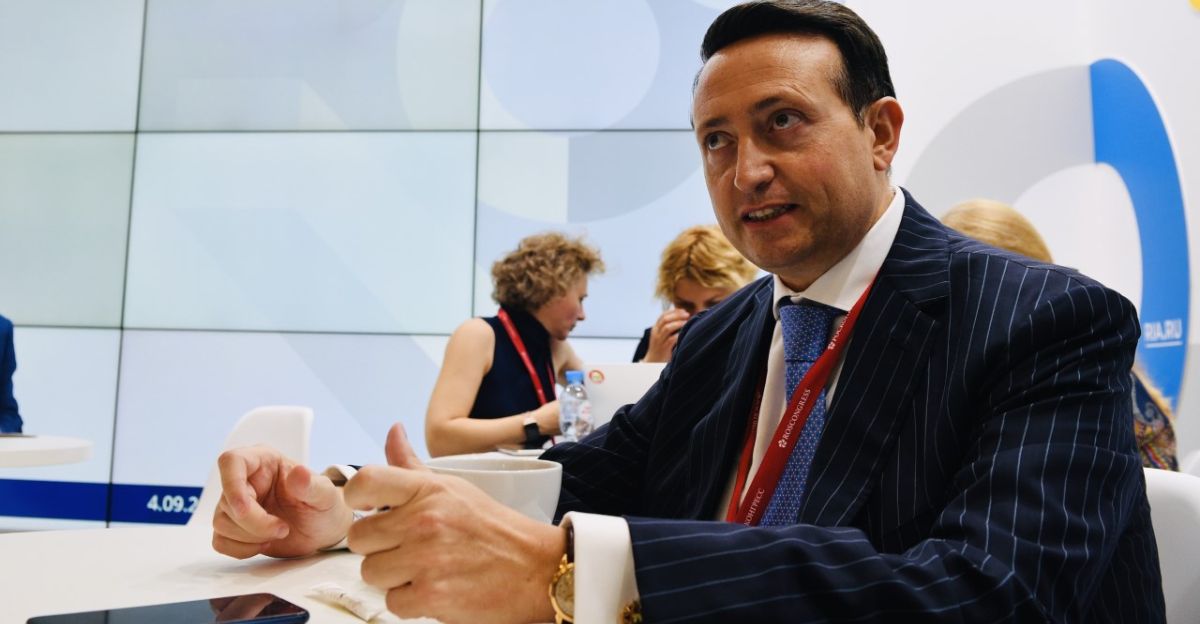
As the war in Ukraine continues and sanctions evolve, the future of Italian business in Russia remains uncertain. Will more companies sever their ties with Russia, or will economic interests continue to drive decisions?
The outcome of this situation will not only impact the future of Italian companies but also shape the broader narrative of corporate responsibility in times of global crises.