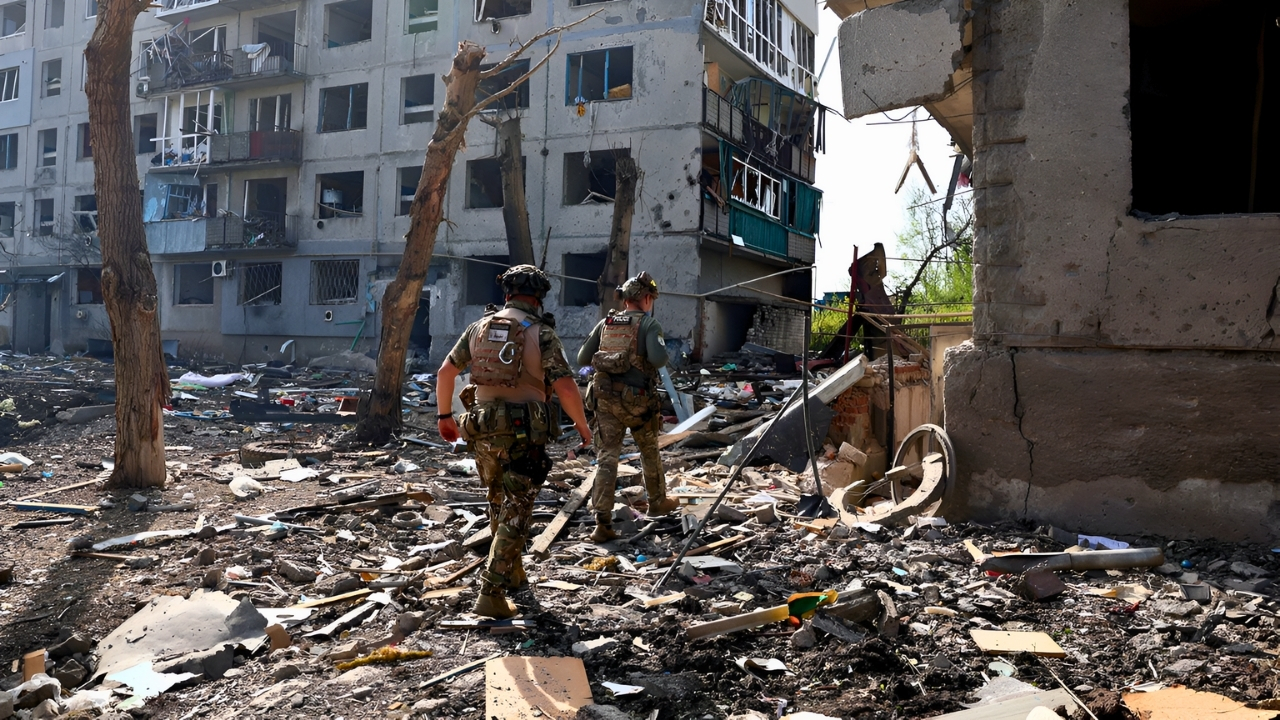
Russia has recently launched its largest offensive in eastern Ukraine since 2022, focusing an estimated 100,000–150,000 troops on seizing the key cities of Pokrovsk and Myrnohrad. The intense pressure on Ukrainian defenders and civilians in the region is raising serious humanitarian concerns and could reshape control of the eastern front.
Russian Advance and Encirclement
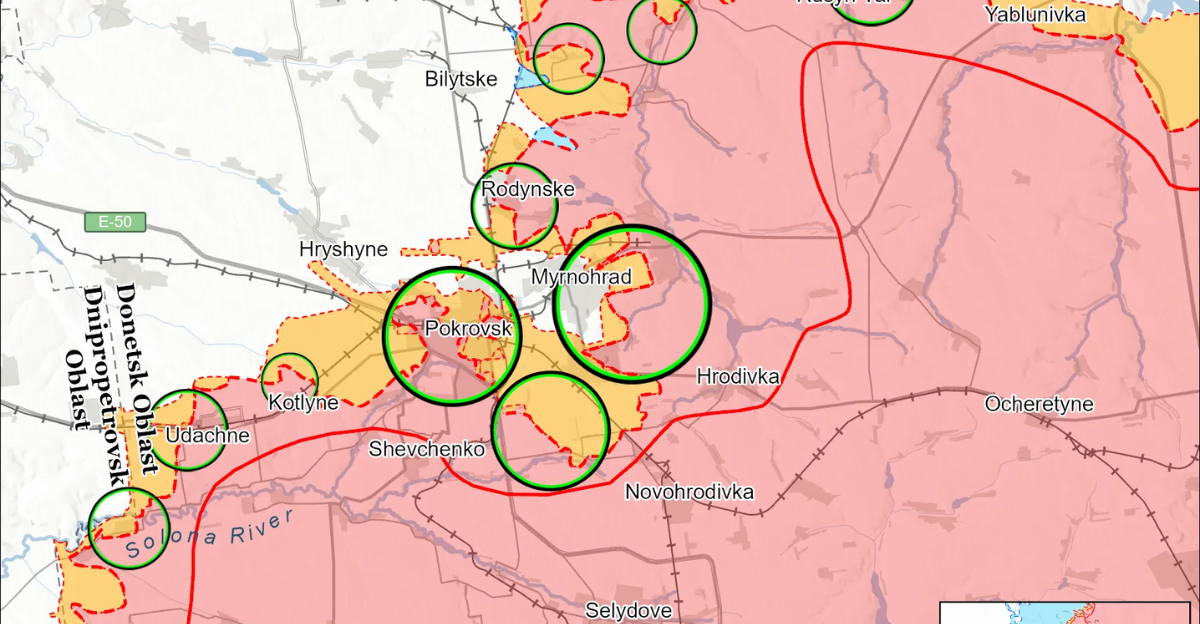
Russian forces have surrounded Pokrovsk and Myrnohrad on three sides, with only narrow corridors leading west still open for Ukrainian supplies and possible evacuation. Every day, these corridors get smaller, putting both soldiers and residents at greater risk of being completely cut off. In some spots, Ukrainian troops are outnumbered as much as eight to one. Should Russian advances continue unchecked, it is likely that Ukrainian units and civilians could be trapped with no safe route to escape.
Pokrovsk, once an important supply city, has become the main target. After taking nearby Avdiivka earlier in the year, the Russian army slowly pushed toward Pokrovsk and reached its outskirts by late 2025. The city’s railways and highways make it valuable for controlling movement and military supplies. Who controls Pokrovsk may set the stage for further conflict across the entire region.
Frontline Fighting and Tactics
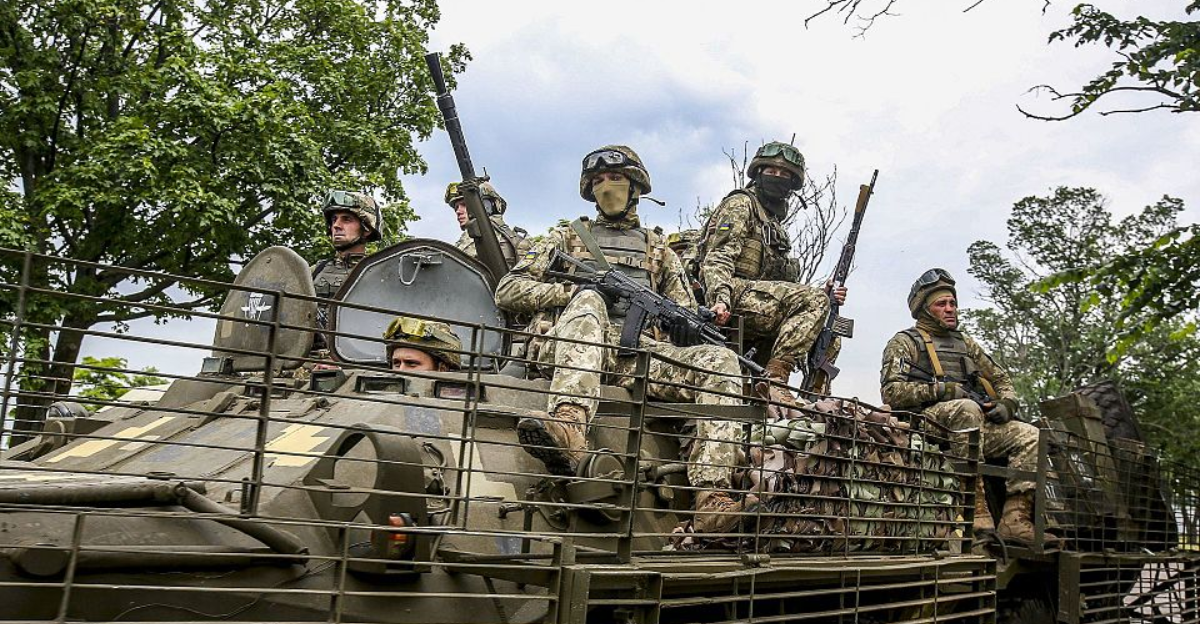
Ukrainian forces, including elite air assault units like the 7th Air Assault Corps, are fighting hard to hold the line in key parts of Pokrovsk and Myrnohrad. They face daily artillery barrages, drone attacks, and attempts by Russian troops to break through from many directions. Some Russian troops have started using smaller groups and fog cover for surprise attacks, while Ukrainian units race to reinforce defenses and block further advances.
Despite these difficult odds, Ukrainian defenders have blocked Russian attempts to cross major railway lines in Pokrovsk, pushed back enemy squads in the north and south, and recently neutralized a number of Russian infiltration teams. However, supply lines are dangerously thin and depend on just a few narrow roads that could be lost at any time.
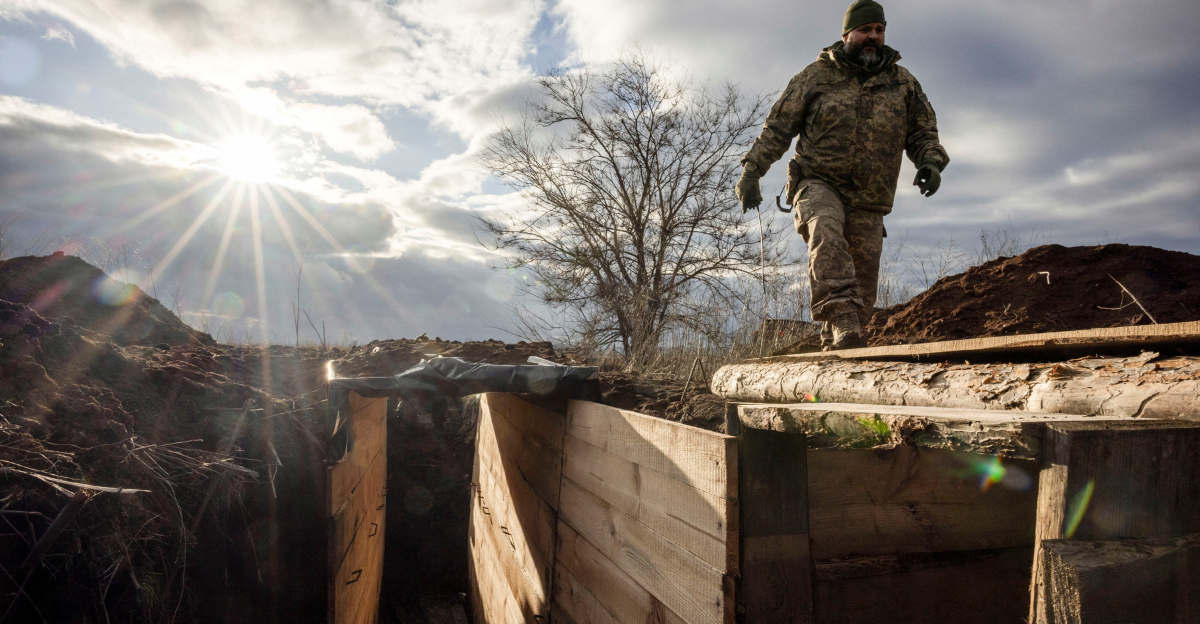
The fighting is especially fierce in certain areas. Some Russian assault groups managed momentary breakthroughs, but Ukrainian counterattacks and tactical use of drones have forced some Russian soldiers to surrender and, at times, regain lost ground. Defensive obstacles like anti-tank ditches and concrete barriers known as Dragon’s Teeth have been set up, but it is uncertain if they can withstand sustained attacks.
Humanitarian Impact and Civilian Risks
Up to 100,000 civilians live in or around the embattled cities, many of whom are now in grave danger. Humanitarian supplies, like food, water, and medicine, can no longer be delivered safely because of ongoing shelling and blocked roads. Local officials estimate only a few thousand civilians remain in the cities themselves, relying on the Ukrainian military for what little aid is still available.
As the fighting intensifies, thousands are fleeing westward, placing additional strain on shelters and services in cities like Dnipro. The collapse of humanitarian corridors and loss of the last local stores has made survival even more difficult for the people left behind. If Russia completes the encirclement, it could create a massive humanitarian disaster with tens of thousands cut off from help.
Endurance, Frustration, and What’s Next
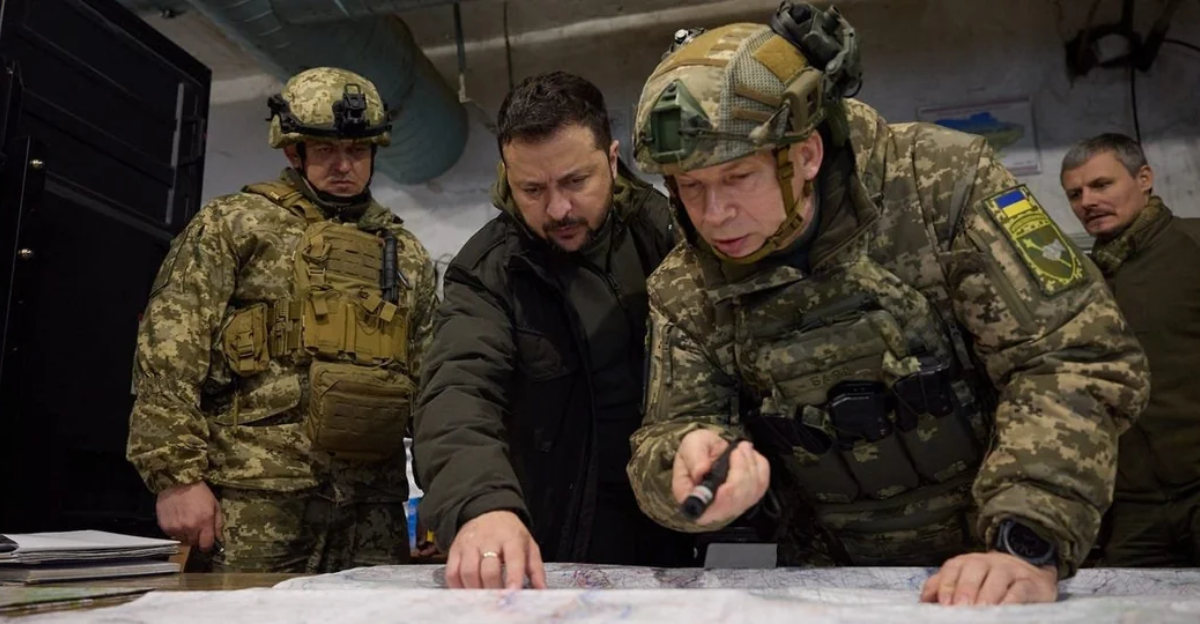
Despite being outnumbered, Ukrainian forces have shown determination and adaptability, redeploying elite units to reinforce key defenses and launching counterattacks to disrupt Russian advances. However, replacing lost soldiers and equipment has become harder, and morale is being tested by weeks of non-stop fighting and limited supplies.
Inside Ukraine, frustration is growing, some blame shortages of ammunition and weaker defenses after the fall of Avdiivka. Commanders must now decide whether to fight for Pokrovsk at any cost, risking being surrounded, or to withdraw to preserve experienced troops for future battles. Military experts warn that the decisions made in the next days could shape the entire conflict in the East.
Looking forward, the battle for Pokrovsk remains a turning point for both sides. While Ukrainian forces have managed to slow the Russian advance and inflict losses, Russia’s larger numbers and ongoing pressure give it an advantage, at least for now. The coming weeks could decide not just the fate of these cities but the future of the Donetsk region as a whole.