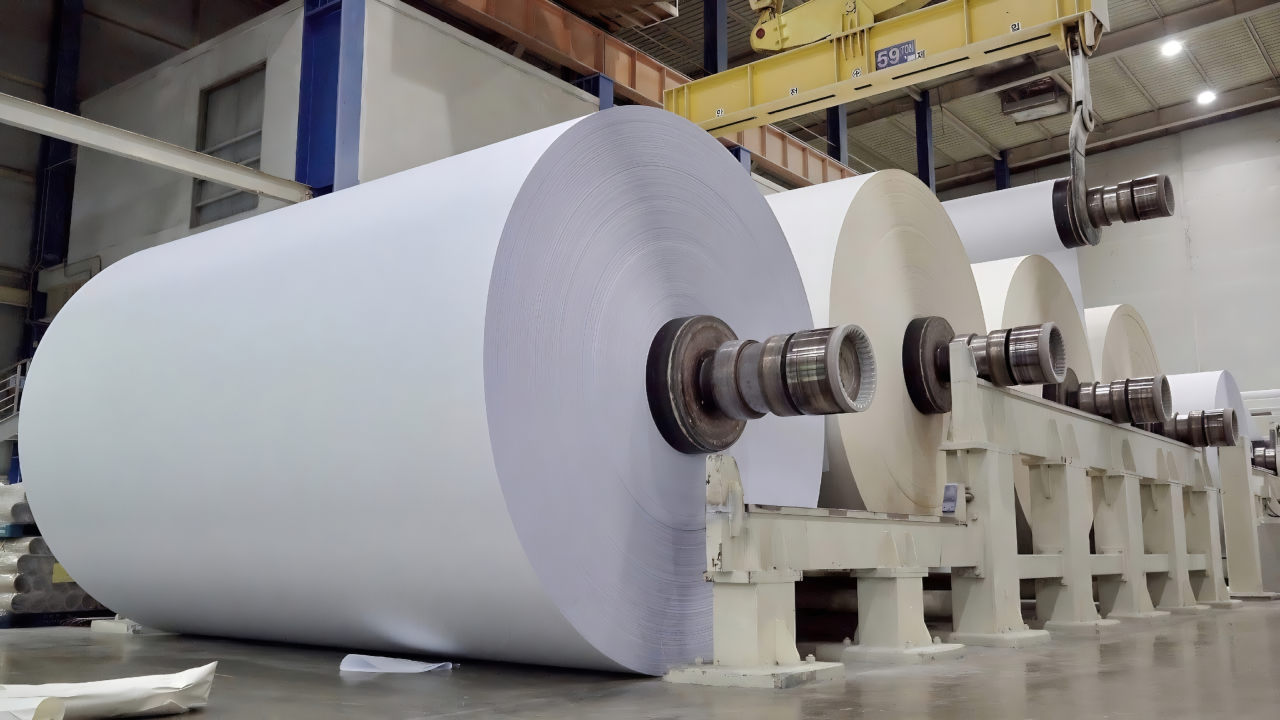
The heavy clang of machinery echoed through the Compton plant as employees worked, unaware that their shifts would soon come to an end. Operations that had supported local communities for years were set to halt.
In Louisville, Kentucky, another plant faced the same fate. By January 2026, 218 workers would lose their jobs, and both facilities would close, leaving employees and management in shock. What prompted such a drastic decision from a long-established manufacturer?
Uncertainty Ahead for Workers

As the shutdown deadline looms, 218 employees at the Compton and Louisville plants are bracing for an uncertain future. With the closures scheduled for January 2026, many workers are left to prepare for layoffs.
The ripple effect of these closures extends beyond the employees, impacting their families and local communities. The company’s decision to close these plants has left many questioning what led to such a move.
The Global Restructuring Unfolds

The closures in Compton and Louisville are just one part of a larger global restructuring. Alongside U.S. plant closures, the company is proposing to shut down five facilities in Germany by the end of 2026.
The move is part of a broader strategy to streamline operations, enhance sustainability, and adapt to shifting market demands. As these closures unfold, the impact is felt across multiple continents, affecting workers and supply chains alike.
Support for Affected Workers

In response to the plant closures, the company has pledged to provide comprehensive support for those affected. Severance packages, outplacement assistance, and mental-health support will be offered to help ease the transition.
Despite these measures, the human cost of the closures remains significant, with 218 families facing unemployment by early 2026. The impact on the workforce is undeniable, as long-term employees face a new reality.
A Strategic Shift in Operations
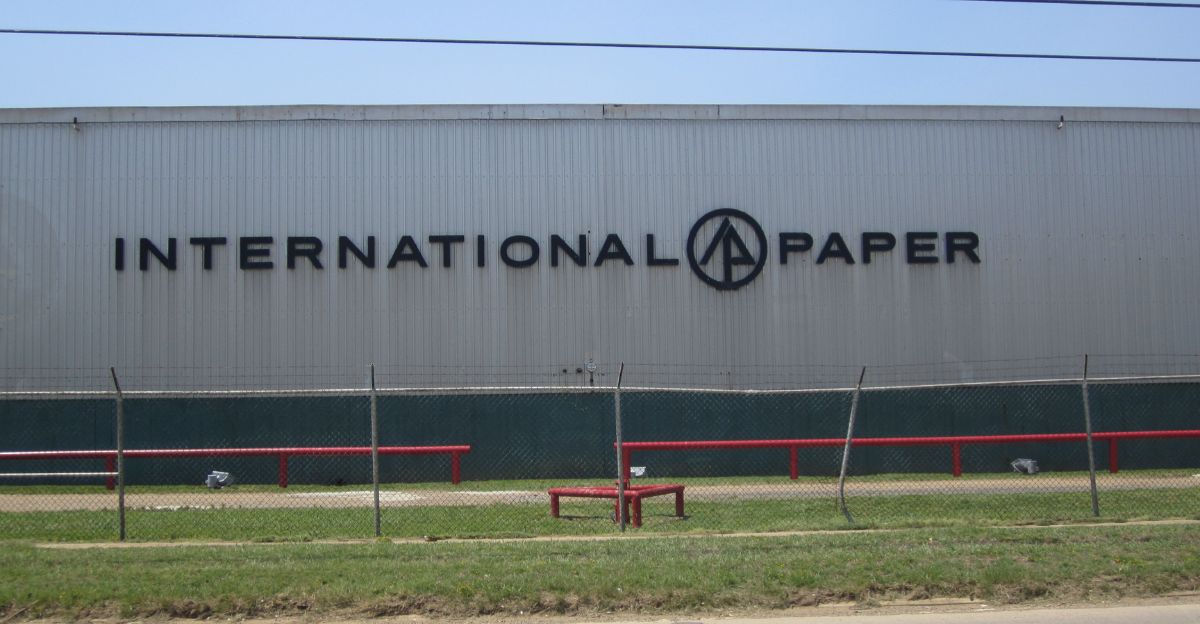
Behind these closures lies a strategic decision to reallocate resources. The company, International Paper, is refocusing its investments on facilities that better align with customer needs and long-term growth goals.
This restructuring is part of an effort to streamline operations, improve sustainability, and enhance competitiveness in a rapidly changing market. The closures are a painful but necessary step in the company’s vision to evolve and meet future challenges.
The Growing Pressure on Packaging Giants
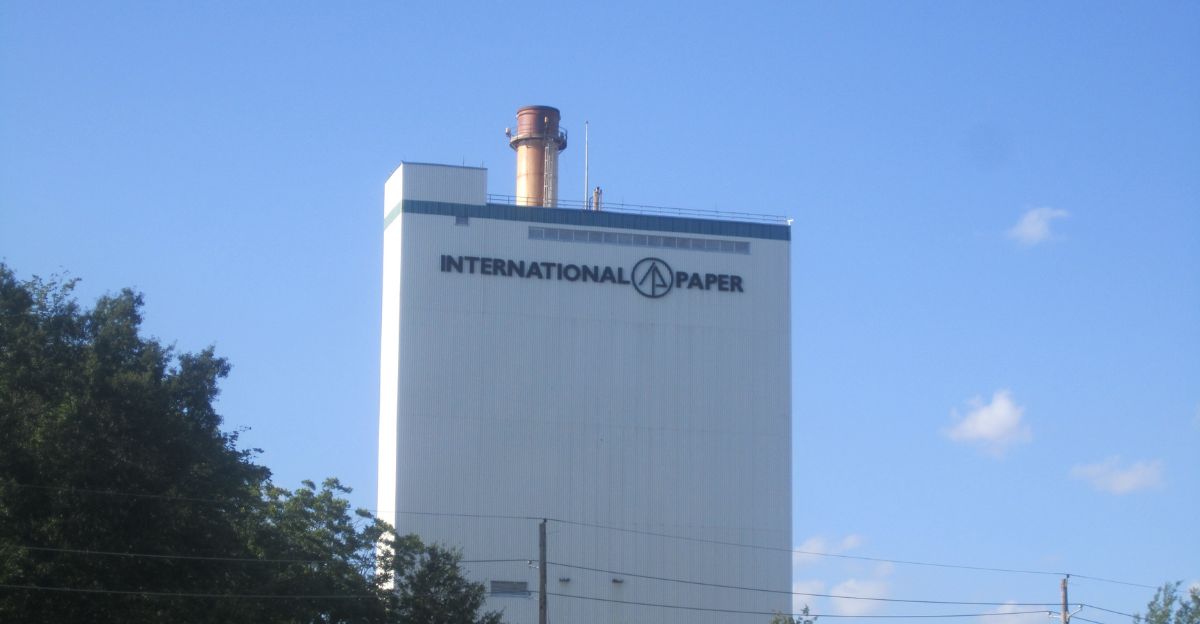
Packaging companies are facing mounting pressures, not just from economic factors but also from increasing regulatory requirements.
As sustainability becomes a central issue for consumers and regulators, companies like International Paper are rethinking their strategies. These shifts are exacerbating the closure of underperforming plants, contributing to a significant wave of industry-wide job cuts and consolidations.
A Shift Toward Digital and Sustainable Packaging

The growing focus on digital innovation and sustainable packaging solutions is driving major shifts within the industry. Companies are increasingly prioritizing green technologies and packaging formats that minimize environmental impact.
For International Paper, this means closing certain facilities and reorienting resources towards locations that are better positioned to meet these evolving demands.
Regional Impact and Community Disruption
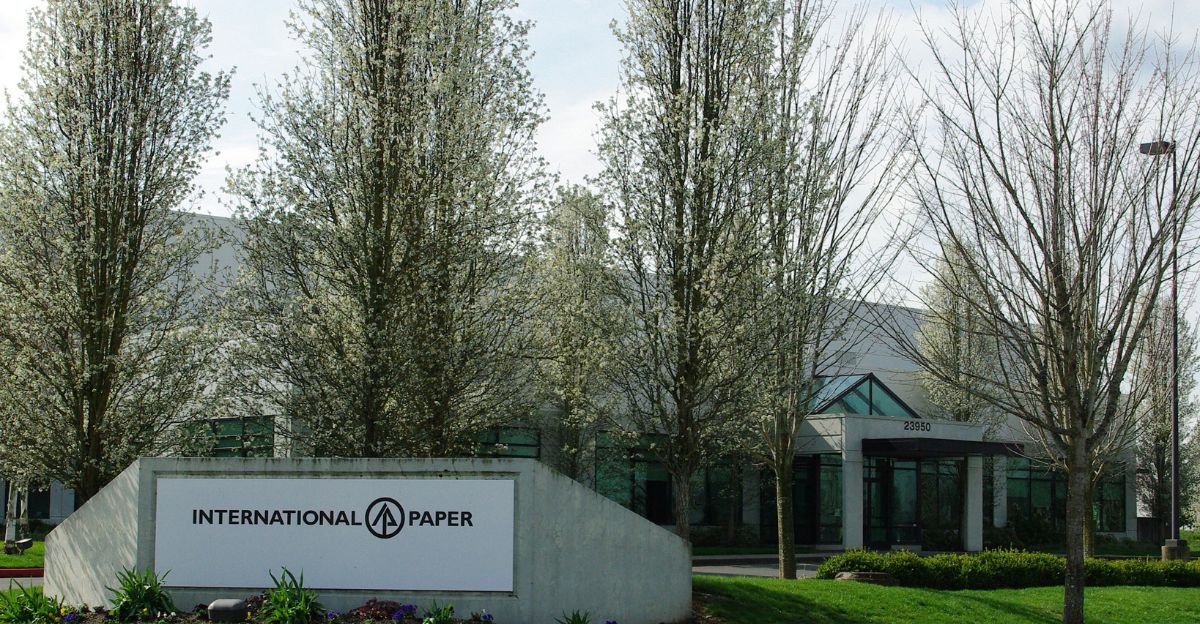
The plant closures in Compton and Louisville have a profound impact on their local communities. The loss of 218 jobs is felt deeply in these regions, with local economies losing key employers.
The supply chains that depend on these plants will be serviced from other nearby International Paper locations, minimizing service disruption.
The Domino Effect on Suppliers and Vendors

The closure of these two plants will also affect local suppliers and vendors. Packaging facilities typically support many indirect jobs, and the ripple effect could put additional jobs at risk in these communities.
These closures are not just a blow to employees but to the broader ecosystem that depends on these manufacturing plants.
A Trend of Industry Consolidation
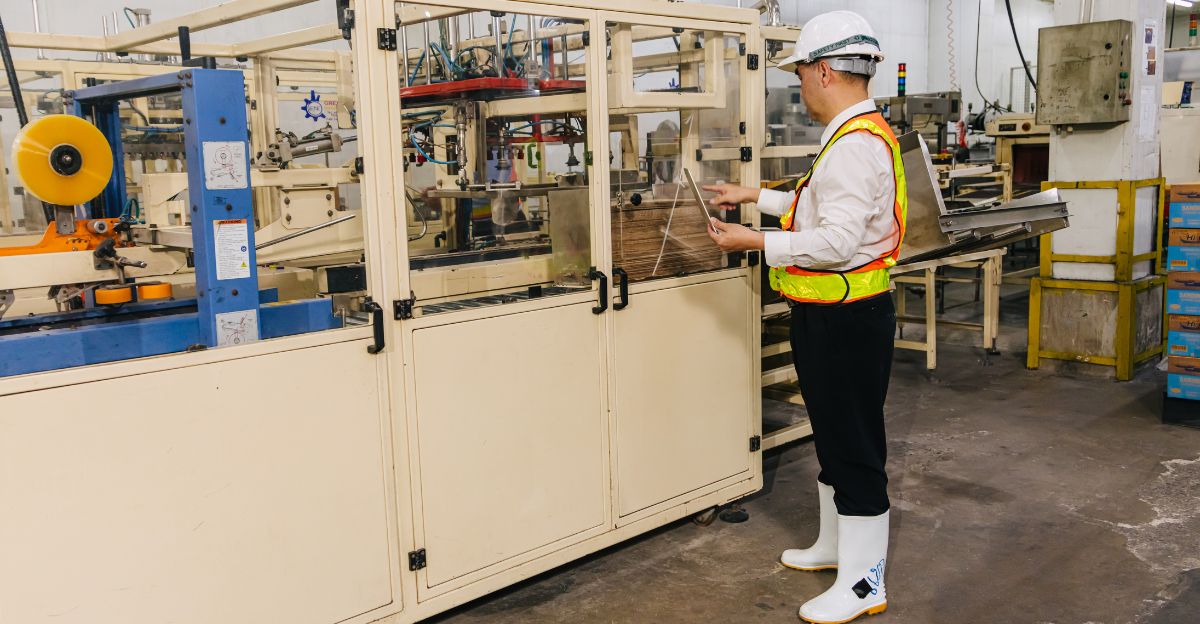
The consolidation in the packaging sector has become a defining trend in recent years, with major players like International Paper and DS Smith leading the way.
Mergers and acquisitions are reshaping the competitive landscape, leading to plant closures, workforce reductions, and shifts in market power. This trend is expected to continue as companies look for ways to strengthen their positions and cut costs.
Integration of DS Smith and Restructuring
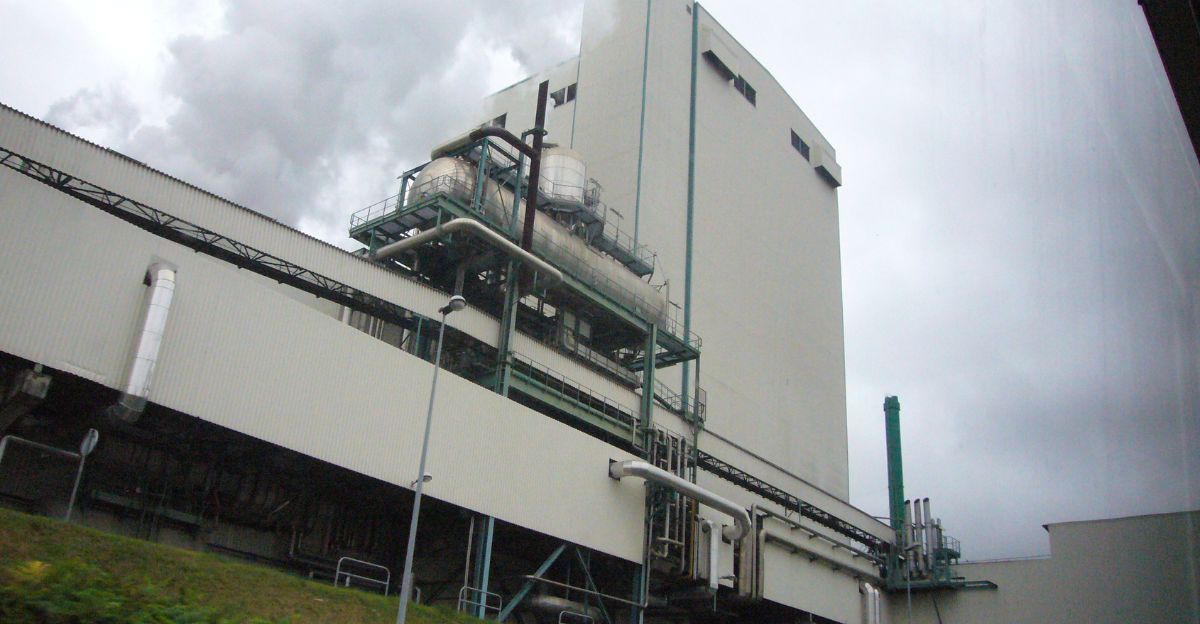
International Paper’s acquisition of DS Smith in early 2025 has been a driving force behind these closures. The integration of the two companies is a strategic move designed to streamline operations and reduce redundancies.
As part of its broader restructuring efforts spanning 2024 and 2025, International Paper has made significant organizational changes affecting thousands of employees globally, including facility consolidations in Georgia, the United Kingdom, and the United States.
Regulatory Approval and Strategic Actions
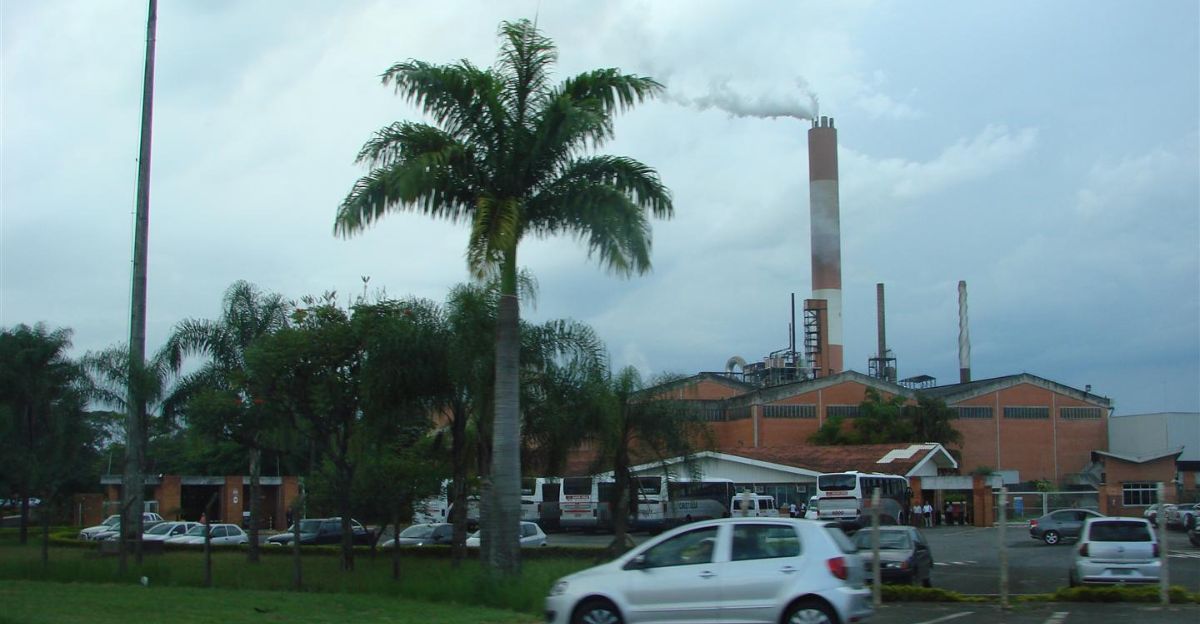
The merger with DS Smith required regulatory scrutiny from the European Commission. As part of the approval conditions, International Paper divested five corrugated box plants in France, Portugal, and Spain to PALM Group in mid-2025 to address competition concerns.
This regulatory intervention highlights the role that governments play in shaping the packaging industry’s future, influencing company decisions on where to invest and which facilities to close or divest.
A Global Shift in Packaging
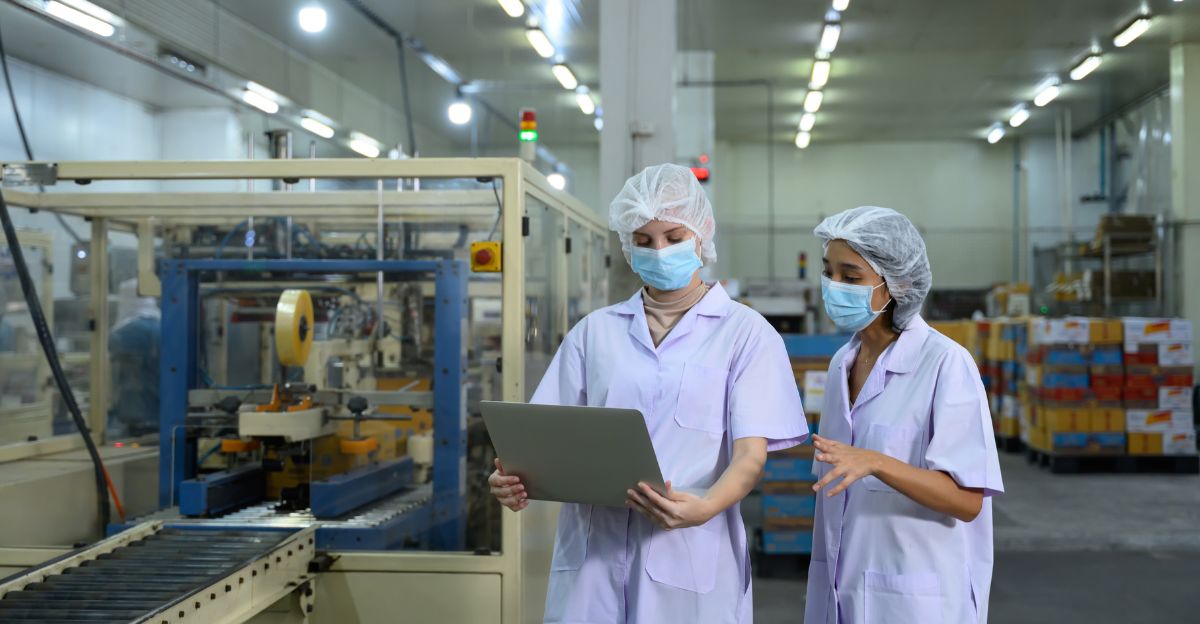
The wave of restructuring extends beyond the U.S., with facility consolidations across Germany, the United Kingdom, Europe, and North America. International Paper proposed closures of five sites in Germany, affecting approximately 500 jobs, and previously announced closures of five UK sites, affecting approximately 300 jobs.
The global restructuring efforts reflect a broader trend in the packaging industry, where companies are seeking to consolidate their operations to meet growing sustainability standards while addressing customer demands for efficiency and cost-effectiveness.
Leadership Vision for the Future
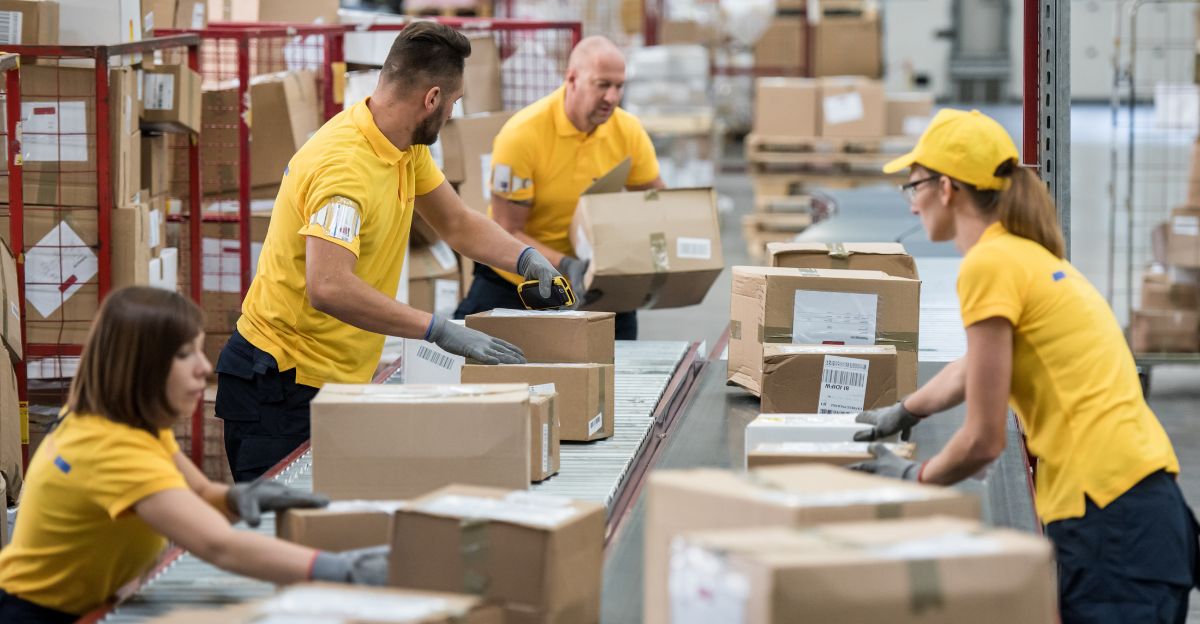
Andrew K. Silvernail, Chairman and CEO of International Paper, is guiding the company through these challenging changes. Under his leadership, the company is focused on repositioning itself as a global leader in sustainable packaging solutions.
This includes investing in technologies that reduce environmental impact while streamlining operations to enhance efficiency and service delivery.
The Long-Term Outlook for International Paper
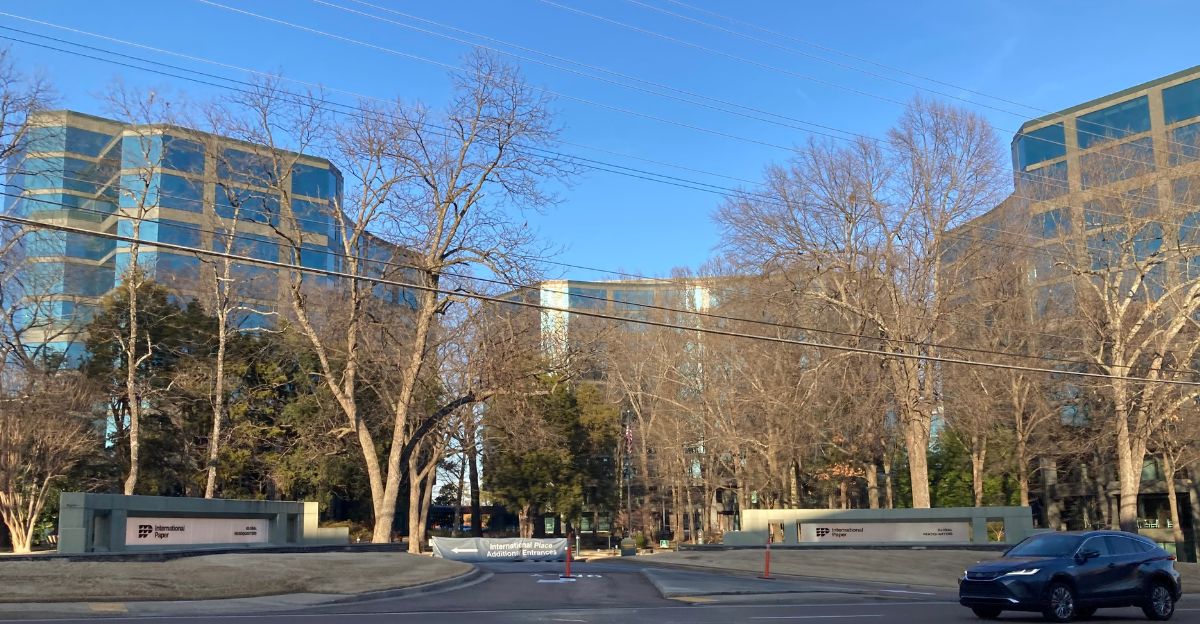
Industry observers are divided on the long-term impact of International Paper’s restructuring.
Some believe the company’s focus on sustainability and quality will position it well for future success, while others are concerned about the disruptions these closures will cause to supply chains and customer relationships. The full effects of the restructuring remain to be seen.
Shifting the Focus to Sustainability
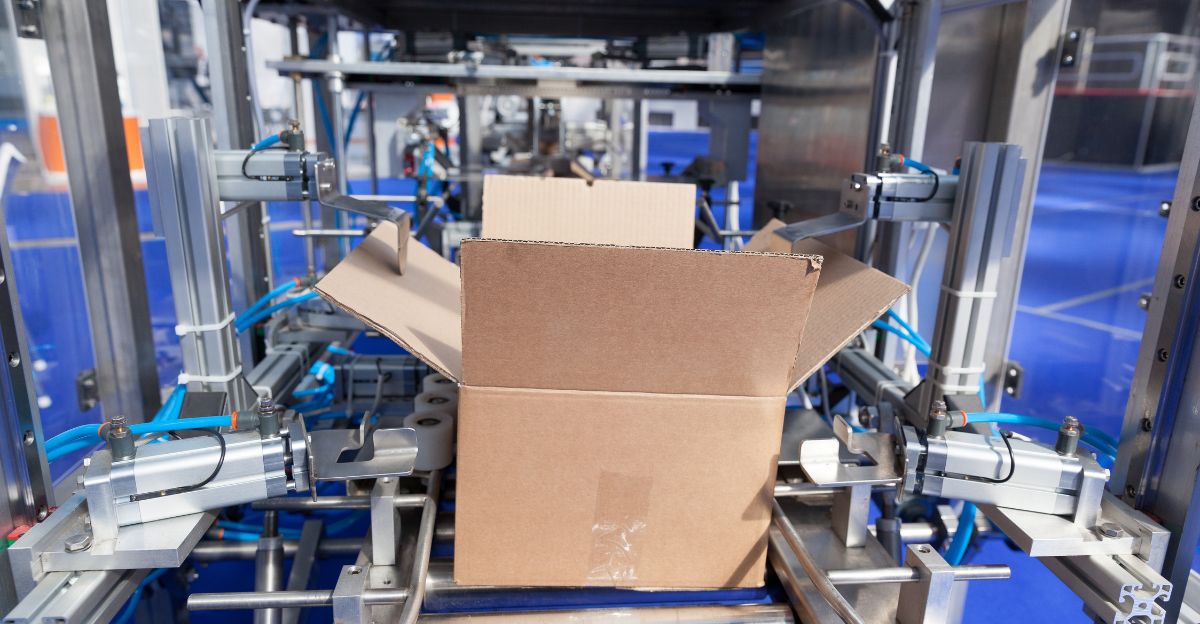
As the company restructures, it’s placing an increasing focus on sustainability. International Paper aims to reduce its greenhouse gas emissions, water usage, and waste production while creating products that are fully recyclable and reusable.
This environmental commitment is driving the company’s shift toward more sustainable packaging solutions, which aligns with its strategic facility optimization efforts.
Examining the Environmental Impacts
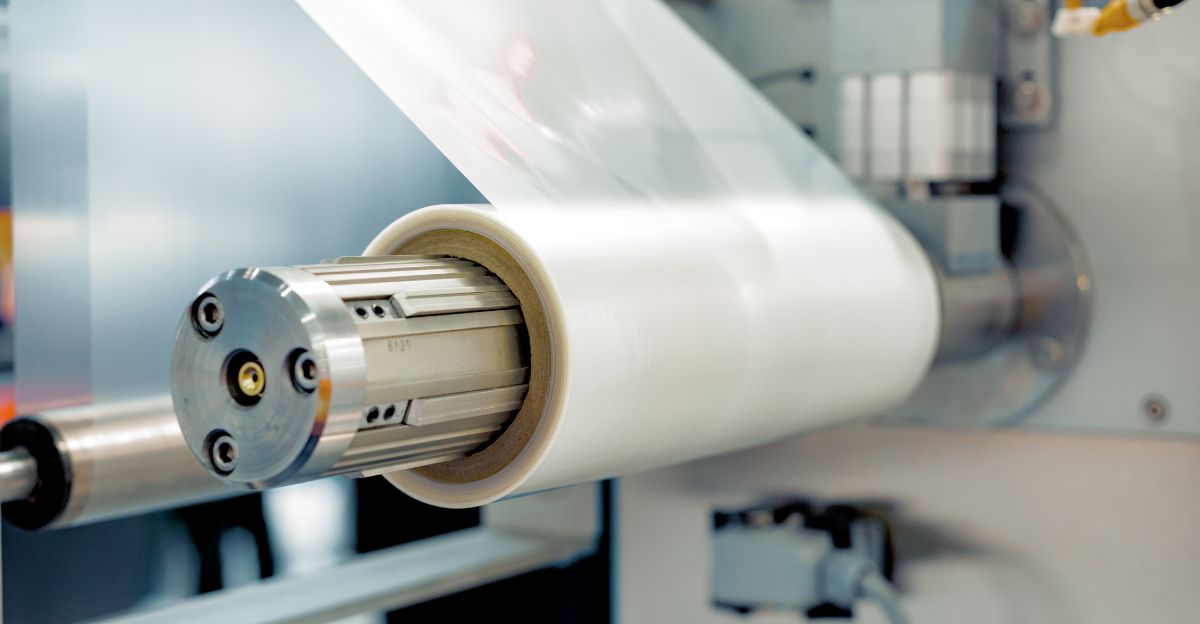
The closures come as part of a larger push toward sustainability, aligning with International Paper’s goals to reduce its carbon footprint.
This shift is part of a broader effort by the company to focus on creating packaging solutions that support a circular economy, with minimal environmental impact and maximum recyclability.
Looking Ahead: What’s Next for the Industry?
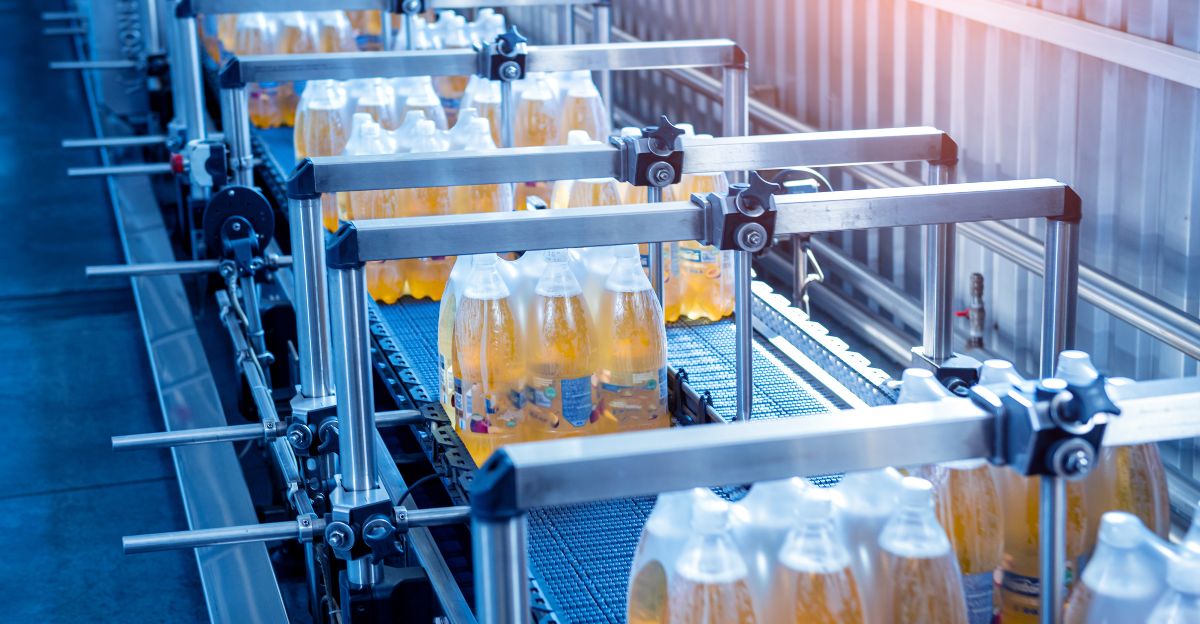
The packaging industry’s rapid evolution presents both challenges and opportunities. As companies like International Paper streamline their operations, the focus is shifting toward sustainability, innovation, and digital transformation.
The industry will continue to face pressure to adapt to changing regulations, supply chain disruptions, and evolving consumer preferences.
A Cultural Shift in the Packaging World
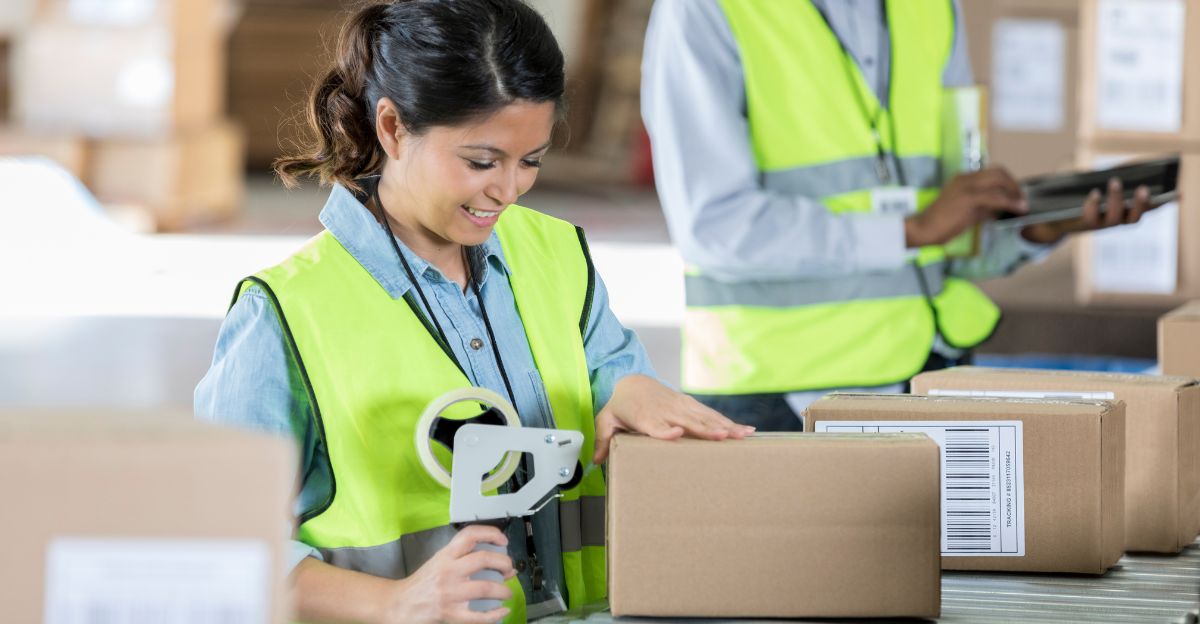
The closures reflect a broader cultural shift within the packaging industry. As companies embrace digital transformation and sustainability, traditional manufacturing models are being replaced by more efficient and environmentally friendly alternatives.
This cultural shift is reshaping the way packaging companies interact with their employees, customers, and the environment.
A New Era for Packaging
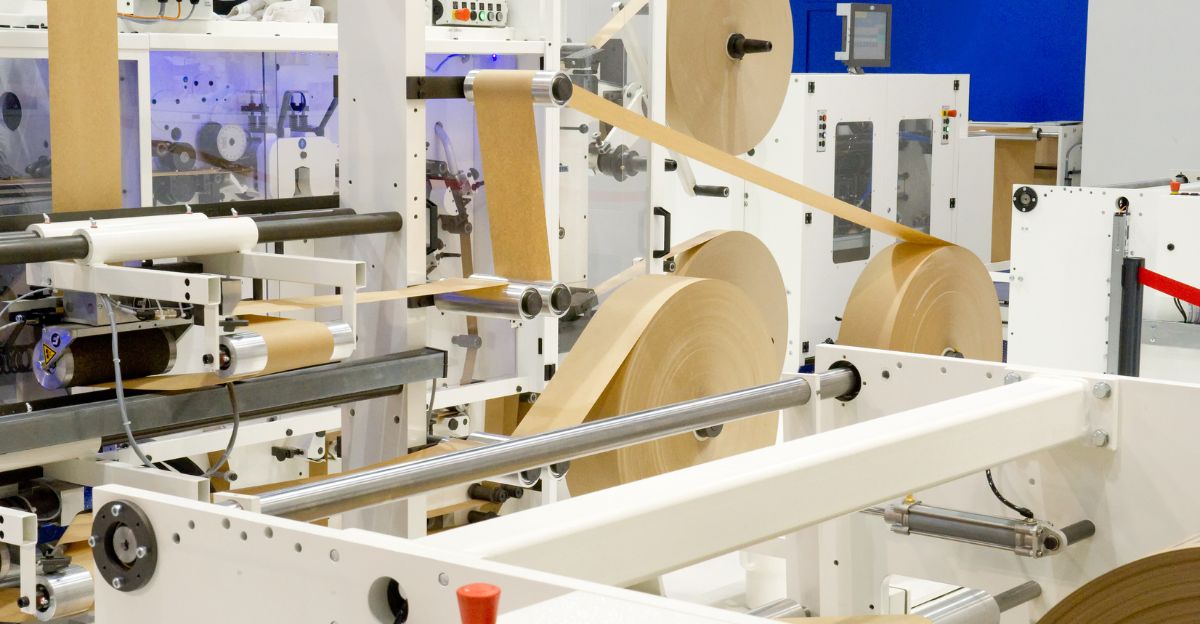
The restructuring efforts following the DS Smith acquisition signal a new era for the packaging industry.
As companies continue to adapt to new challenges and opportunities, the sector’s transformation will continue to shape the global economy and influence how packaging is manufactured, delivered, and recycled globally.