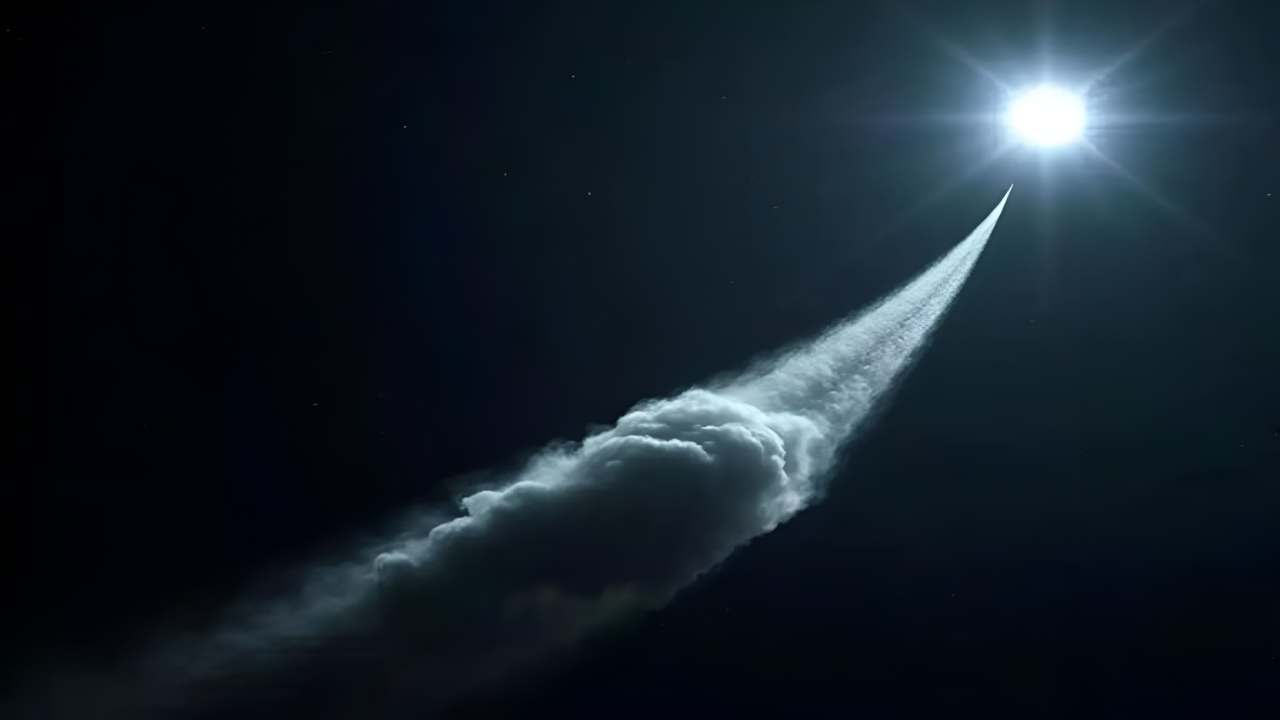
When Harvard astrophysicist Avi Loeb claimed 3I/ATLAS was losing 5 billion tons a month and hinted at “technological thrusters pointing toward the Sun,” the statement ignited both curiosity and controversy. NASA quickly countered, calling it a natural comet.
The debate has drawn scientists, celebrities, and lawmakers into the spotlight. But what exactly is this interstellar object, and why are experts split? Let’s look into what makes 3I/ATLAS so unusual.
What Is 3I/ATLAS?
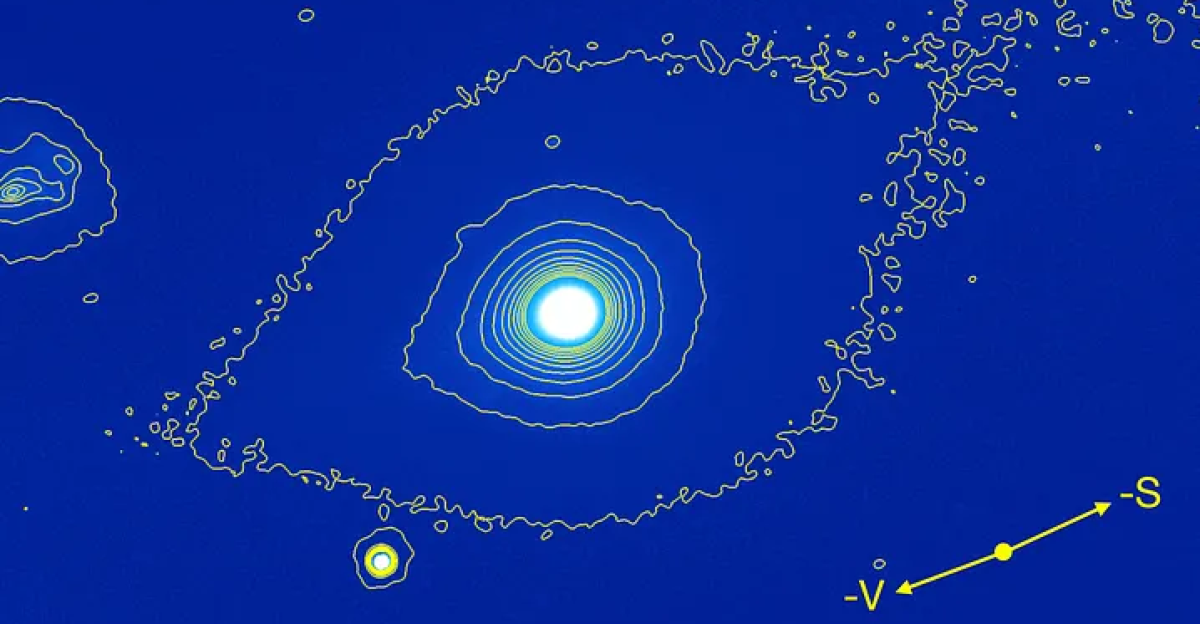
3I/ATLAS, formally C/2025 N1, was discovered on 1 July 2025 by Chile’s ATLAS survey telescope. Traveling at 58 km/s, it passed perihelion on 29 October 2025 and continues outbound. Its diameter is estimated at 5.6 km, with sunward and anti-solar jets reaching 1 and 3 million kilometers.
Despite these observations, some suggest its unusual behavior may hint at technology beyond human reach, sparking controversy over what “normal” comet activity truly looks like.
Loeb’s 5 Billion Ton Claim

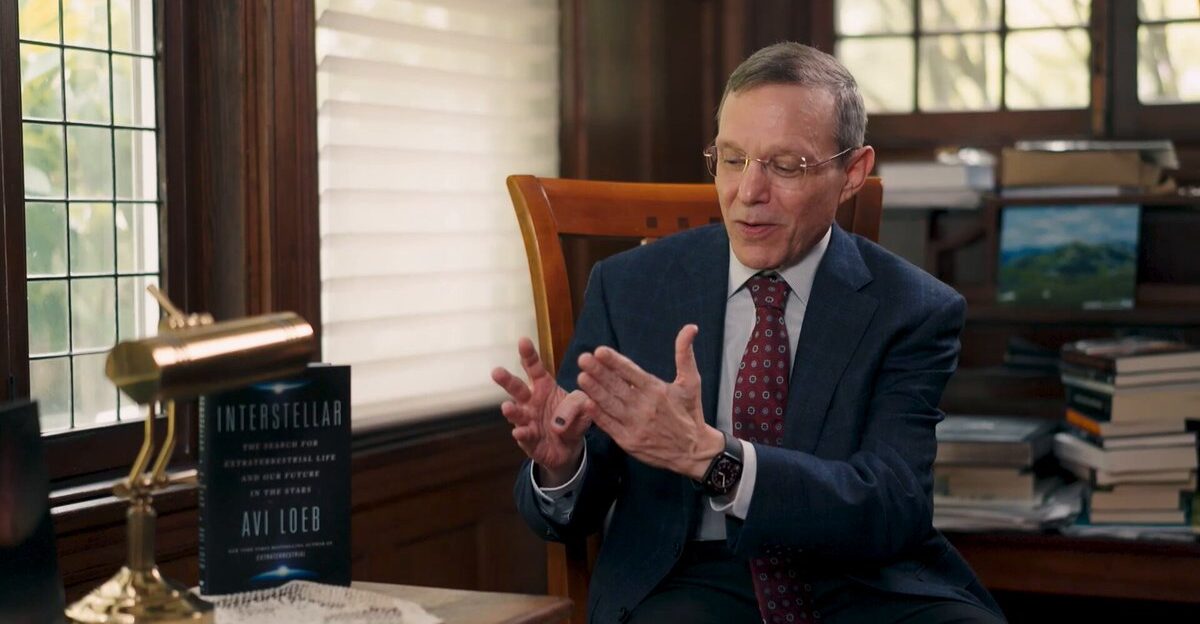
Avi Loeb proposed that 3I/ATLAS loses 5 billion tons per month, based on its jet structures and energy requirements. He argued that natural sublimation is insufficient to explain mass loss and suggested the use of technological thrusters. Loeb stated, “We have to collect as much data as possible to figure out the nature of this anomalous object.”
This calculation assumes a nuclear diameter far larger than Hubble’s measured 5.6 km, creating an apparent energy deficit. Critics argue this figure overstates the case for artificial propulsion.
NASA’s Response To Loeb
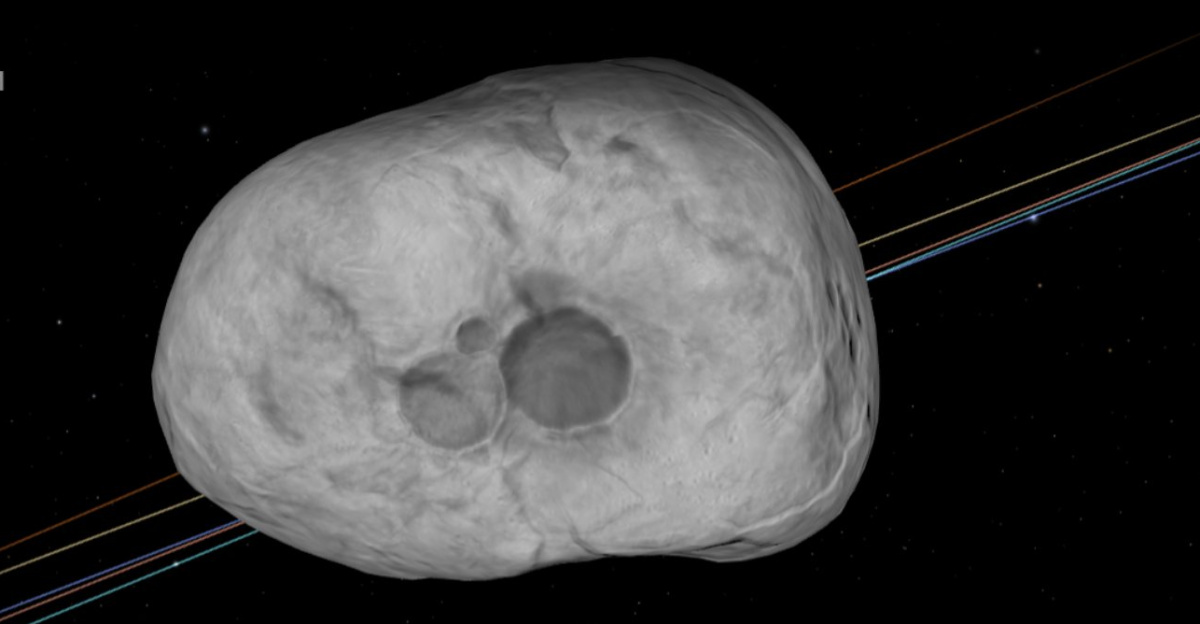
On November 19, 2025, NASA officials confirmed that 3I/ATLAS is a natural comet. Tom Statler said, “It looks like a comet. It does comet things.” Nicky Fox added, “We certainly haven’t seen any technosignatures.” NASA emphasized that coordinated imagery from Hubble, JWST, and SPHEREx aligns with known cometary physics.
NASA rejected any notion of artificial propulsion, highlighting Loeb’s 5 billion tons per month as his personal, not agency-endorsed, calculation.
The Scientific Criticism
Planetary scientists identified critical errors in Loeb’s model. Steve Desch explained, “Avi Loeb’s calculations about 3I/ATLAS are 100% wrong because he has never understood that dust in the tail responds to solar radiation pressure.” Radiation pressure dominates by a factor of 1,000, making Loeb’s particle density assumptions impossible.
Jason Wright also stated, “Loeb’s model for why comets have tails is simply wrong.” Observed jets match standard comet physics, not exotic propulsion.
Discovery And Early Observations
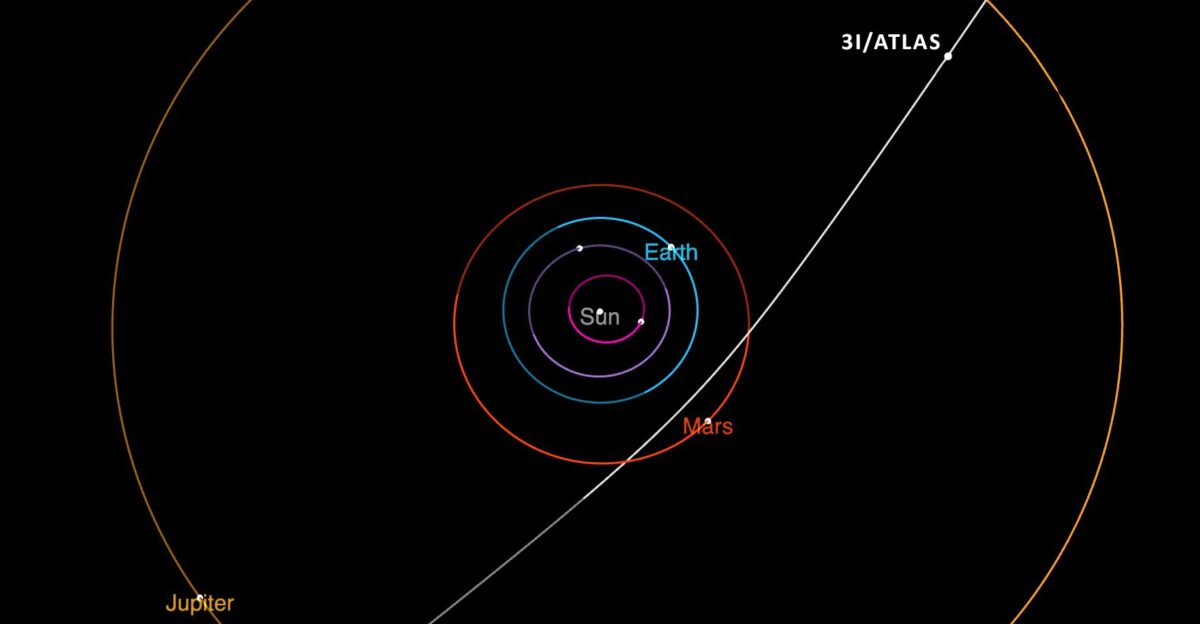
3I/ATLAS was first observed on 1 July 2025, with Hubble estimating a diameter of 5.6 km later that month. By July 21, 2025, Hubble had captured detailed images of its nucleus and coma. Observations continued through perihelion on October 29, 2025, revealing sunward and antisolar jets.
These early observations fueled speculation, as unusual brightening and anti-tail features appeared to some as anomalies.
Loeb’s Hypothesis Timeline

Between August and October 2025, Loeb published nine anomalies, suggesting the comet might be a technological artifact. He appeared on CNN, Joe Rogan, and in multiple interviews. He wrote, “Our biggest rocket, Starship, is a hundred times smaller than 3I/ATLAS… its senders would have mastered capabilities well beyond our technologies.”
Celebrity amplification began soon after, drawing public attention before official NASA statements clarified the object’s natural origin.
Celebrity Amplification

In early November, Kim Kardashian posted, “Wait. What’s the tea on 3I/ATLAS?” prompting NASA Administrator Sean Duffy to respond: “Great question. It has no aliens and does not present a threat to human life on Earth.” Elon Musk and Joe Rogan also shared Loeb’s theory with millions of followers.
Celebrity attention intensified public debate and increased media coverage, often overshadowing scientific rebuttals.
Government Attention

U.S. Congress took notice. Rep. Anna Paulina Luna requested that NASA disclose imagery and data, emphasizing the importance of public access. The Pentagon’s AARO monitored 3I/ATLAS but classified it outside its primary mission, while ESA supported natural comet origin observations.
Government interest highlighted the unusual blend of scientific inquiry and public fascination surrounding this interstellar visitor.
Observations From Around The Solar System
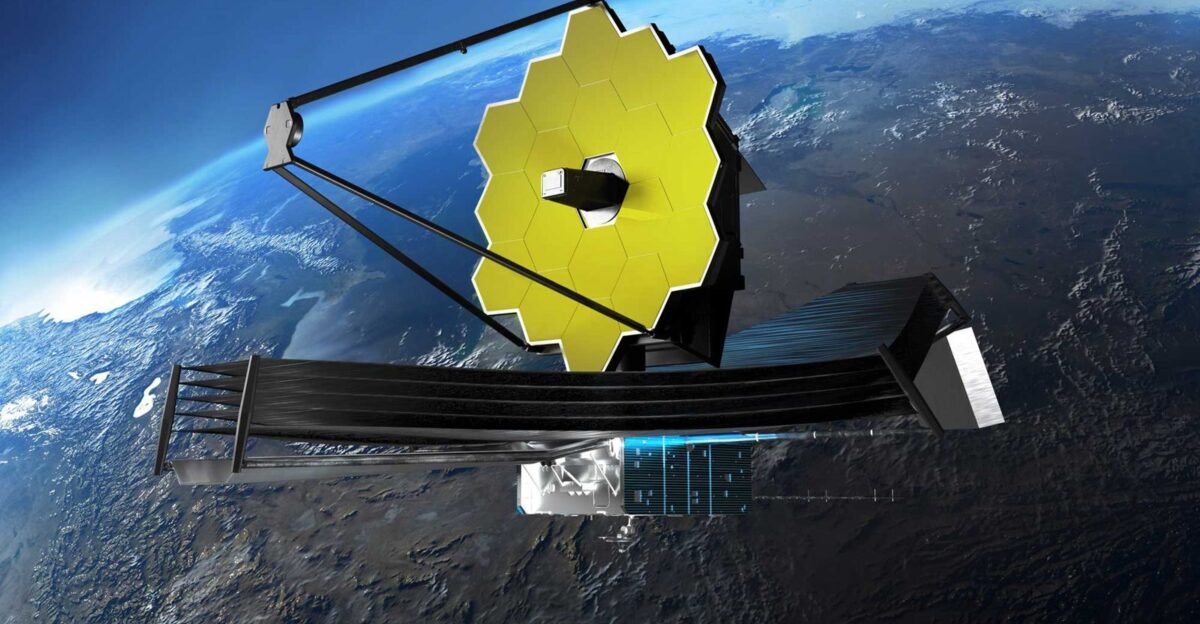
Observatories worldwide tracked 3I/ATLAS. Hubble and JWST captured high-resolution images, Mars orbiters refined trajectory measurements, and Earth-based telescopes, such as La Palma and Palomar, provided dust-only imagery. ALMA detected subtle non-gravitational acceleration near perihelion.
The global effort demonstrates unprecedented interplanetary coordination for a single comet, emphasizing both scientific rigor and international collaboration.
The Anti-Tail Mystery
Loeb pointed to an unusual anti-tail as evidence of propulsion. He argued it could not be an optical illusion. NASA scientists clarified that the apparent anti-tail aligns with known projection effects from dust and solar radiation pressure.
Understanding this natural explanation reduced support for the artificial propulsion hypothesis.
Rapid Brightening Observations

Loeb noted the comet brightened faster than typical near perihelion, suggesting extreme mass loss. NASA scientists countered that this behavior is consistent with CO₂-driven sublimation and typical cometary physics.
Observations confirmed the nucleus remained intact, demonstrating stability incompatible with the energy deficits Loeb claimed.
Flawed Mass Loss Calculation

Loeb’s methodology assumed jets sustained mass loss using solar wind pressure alone, ignoring radiation pressure. At 1 million km, solar radiation pressure dominates, making his 5 billion ton estimate physically impossible.
Steve Desch and Jason Wright published corrections showing Loeb’s assumptions violated fundamental comet physics taught at the undergraduate level.
Media Sensationalism
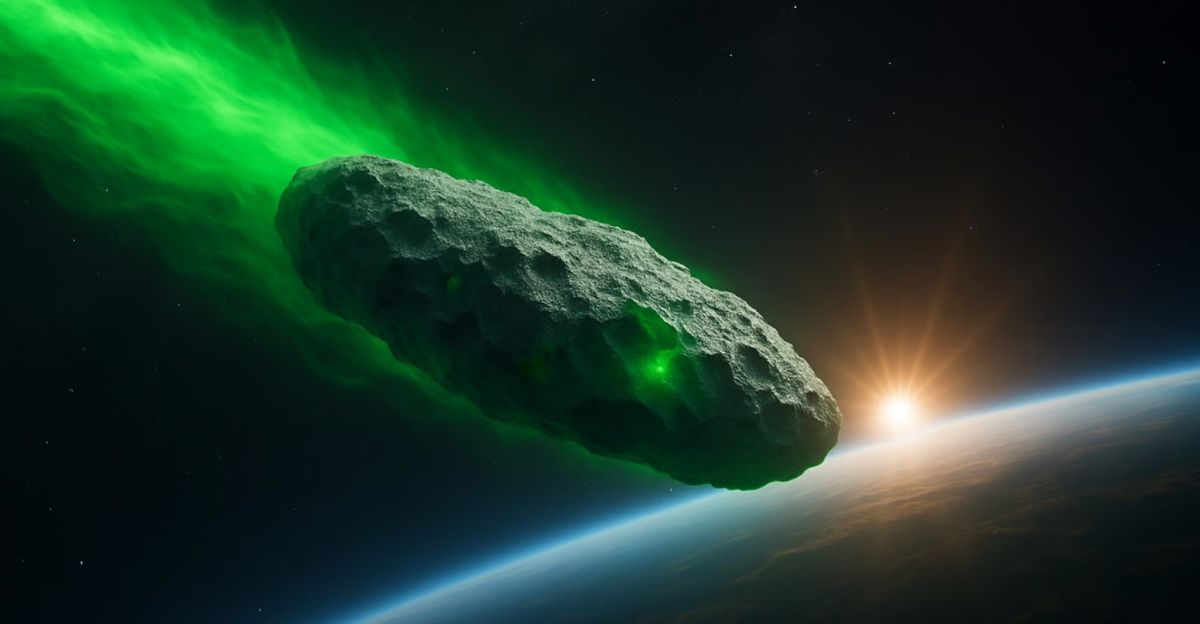
Between late October and early November, media coverage framed 3I/ATLAS as a potential alien mothership. Loeb’s appearances on podcasts and interviews elevated the story to a pop culture phenomenon, reinforced by celebrity social media posts.
The mismatch between sensational claims and scientific reality created widespread public misunderstanding about the comet.
Public Rebuttals
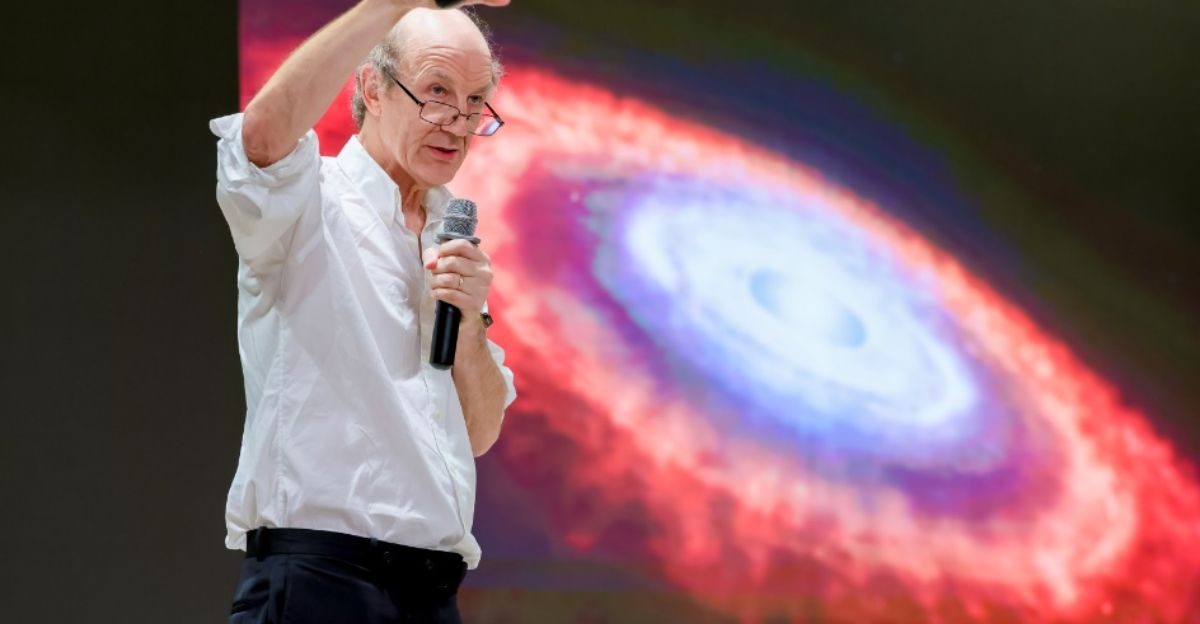
Between November 11 and 19, scientists published detailed critiques. David Jewitt told NPR, “Honestly, I think it’s a way to get attention… It’s a comet. It’s not an alien spaceship.” Public attention remained skewed toward Loeb’s narrative despite scientific corrections.
This highlights the challenge of balancing rigorous science communication with the amplification of viral media.
NASA Press Conference
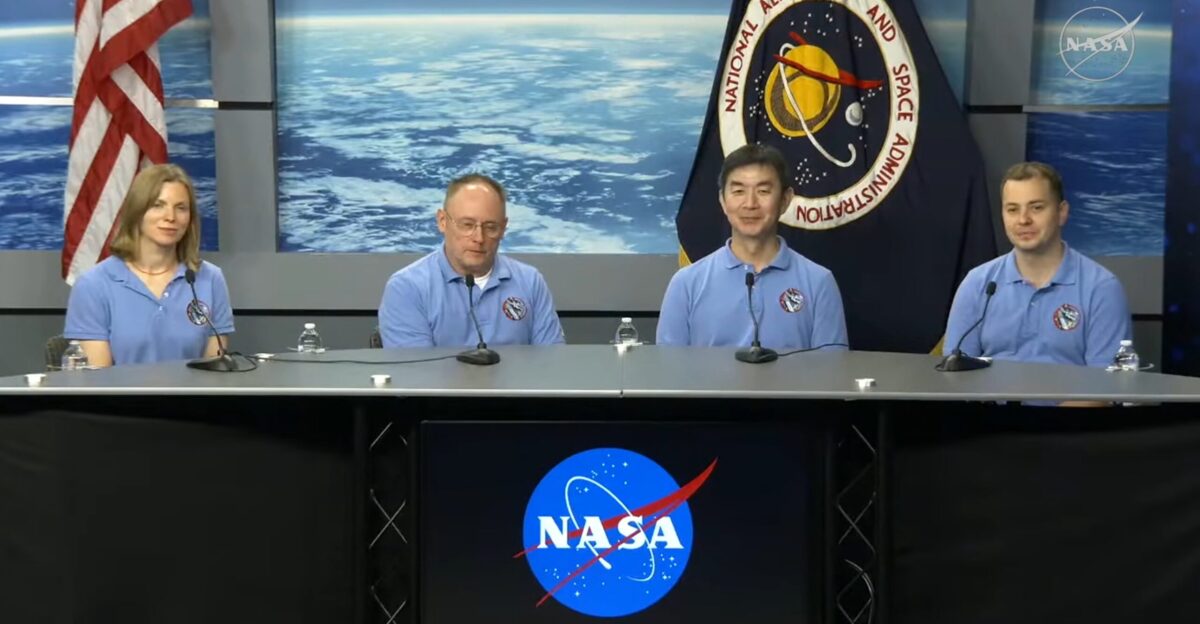
On November 19, NASA held a press conference featuring Statler, Fox, Kshatriya, and Domagal-Goldman. They confirmed a natural comet origin and no technosignatures. The press release included imagery from 19 coordinated NASA missions.
NASA’s direct rebuttal aimed to clarify public misconceptions and reaffirm standard principles of cometary physics.
Public Backlash
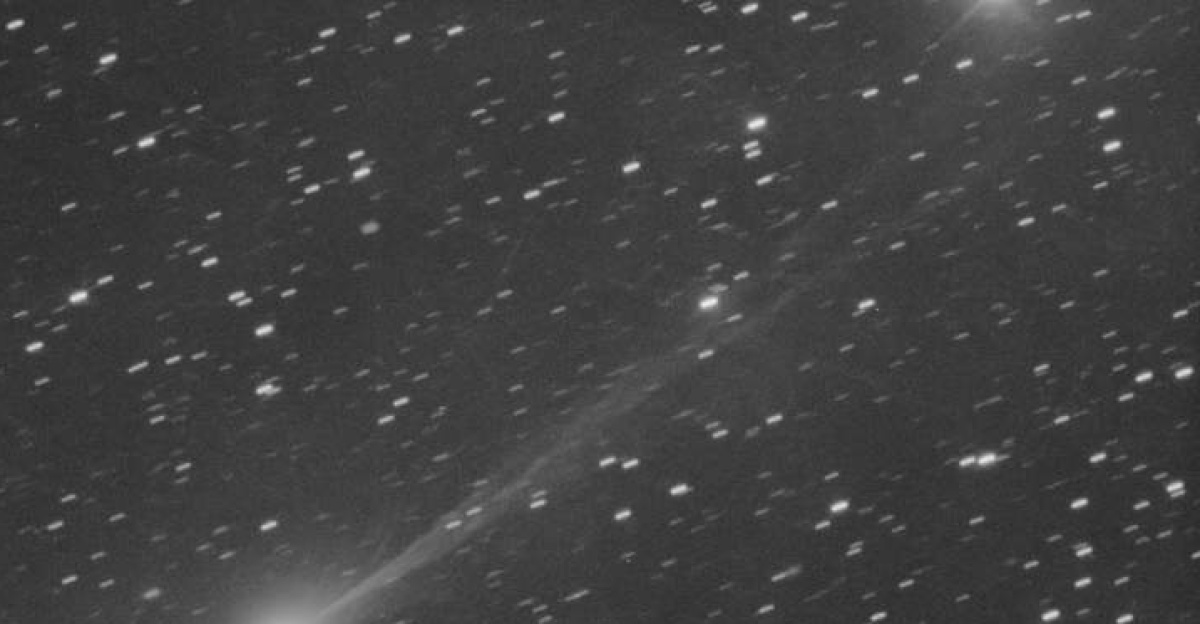
Following NASA’s conference, low-resolution images sparked criticism. Amateur astronomers’ superior photos highlighted gaps in NASA’s public communication, fueling a perception of an agency cover-up.
Despite official statements, viral claims about artificial propulsion continued to circulate, amplified by social media networks.
Scientific Consensus
Astronomers agree that 3I/ATLAS is a natural interstellar comet. Key errors in Loeb’s mass flux and propulsion claims have been corrected. NASA, ESA, and global observatories corroborate observations: jets, nucleus, and tail behavior align with physics models.
Consensus emphasizes caution in attributing extraordinary explanations to natural phenomena without overwhelming evidence.
Educational Impact
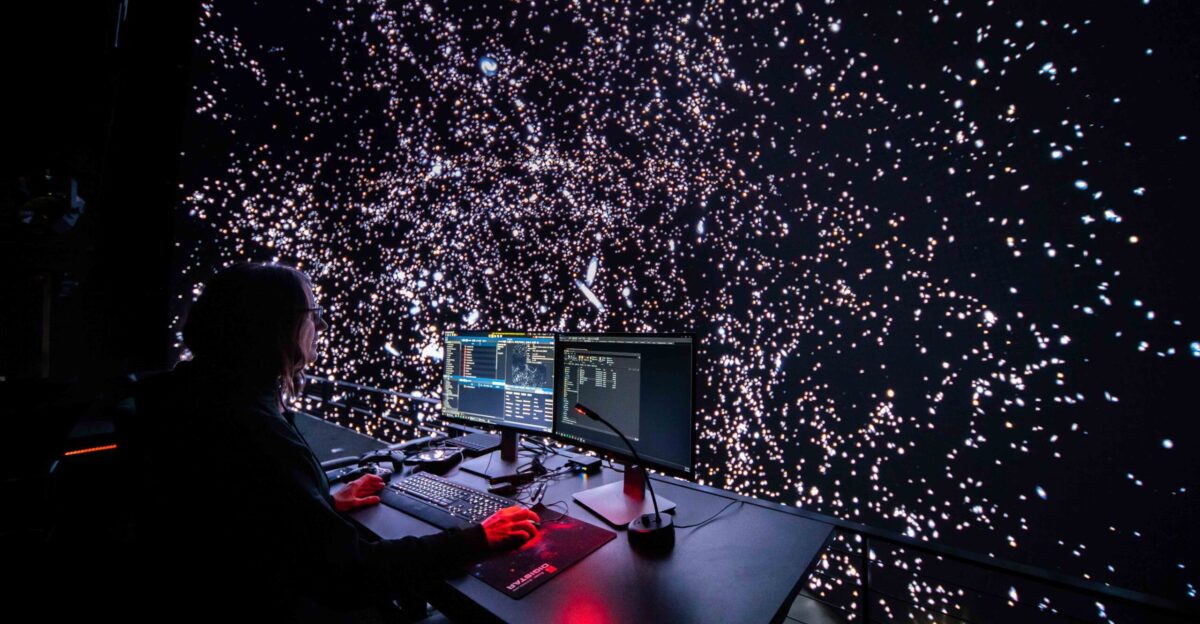
3I/ATLAS captured student attention worldwide. Planetarium programs, university courses, and STEM outreach highlighted cometary science. Graduate students published numerous papers, while amateur astronomers contributed valuable observations.
This event sparked renewed interest in interstellar objects and the future capabilities of observatories like the Vera C. Rubin Telescope.
Space Tech Sector Reaction
Space technology companies saw renewed interest in asteroid research and satellite development. NASA’s detection of 3I/ATLAS catalyzed potential funding growth and innovation, reflecting public and investor fascination with celestial discoveries.
The discovery illustrates how scientific events can influence industry priorities beyond the research community.
The Bottom Line
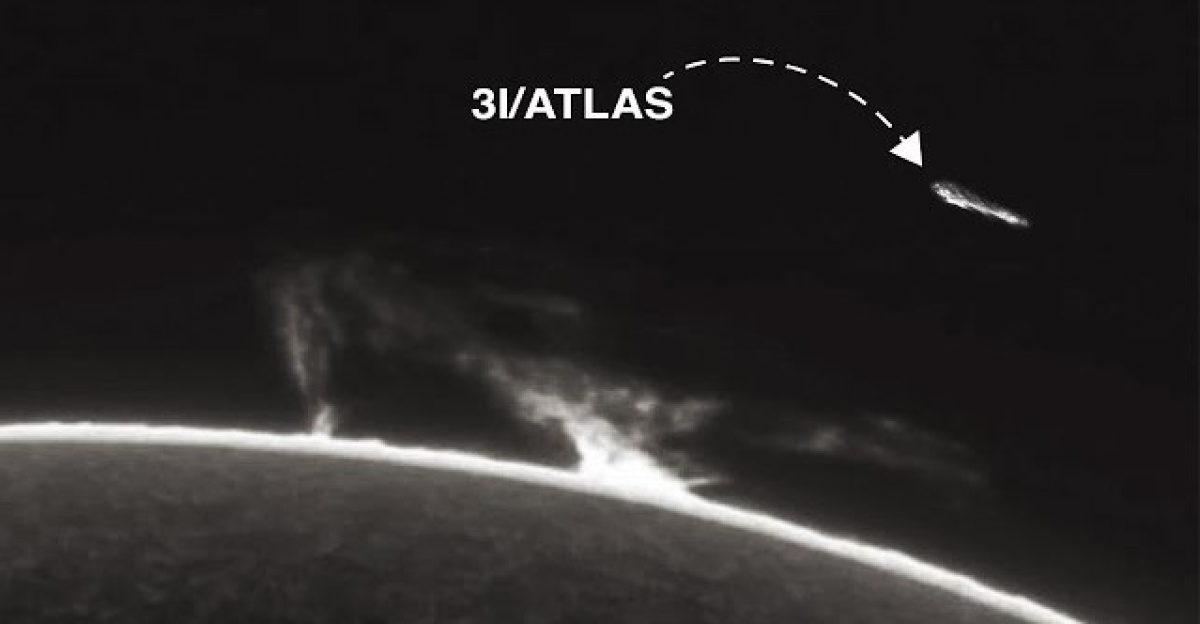
While 3I/ATLAS briefly fueled speculation about alien technology, NASA and planetary scientists confirm it is a natural comet. Mass loss claims of 5 billion tons per month are mathematically flawed. The observed behavior aligns with standard cometary physics, reaffirming the object as a cosmic visitor, rather than an artificial probe.
Even as public curiosity continues, rigorous science provides clarity on the object’s true nature.