Mark Zuckerberg, Jensen Huang, Larry Page, and Sergey Brin—four tech billionaires living in California—would collectively owe more than $40 billion under a proposed ballot measure heading to voters in November 2026.
Initiative 25-0024, backed by healthcare unions, targets the state’s roughly 200 billionaires with a historic one-time 5% wealth tax. It could generate $100 billion for healthcare and education, fundamentally reshaping America’s approach to taxing extreme wealth for the first time.
The Tax Mechanics Explained
The proposed levy applies to anyone worth $1 billion or more as of December 31, 2025, covering all accumulated wealth, including stocks, real estate, artwork, and intellectual property. Billionaires would pay 5% of their total net worth, with payments distributed over a five-year period.
Crucially, the tax applies retroactively to 2025 California residents, preventing wealthy individuals from avoiding it by relocating before the measure’s enactment date.
Revenue Allocation and Emergency Context

The estimated $100 billion would be divided strategically: 90% would be designated for healthcare programs serving low-income and vulnerable populations, while 10% would support K-12 public education. This allocation directly responds to the anticipated $30 billion in annual federal Medicaid cuts that will affect California’s healthcare system.
The Service Employees International Union-United Healthcare Workers West spearheads a campaign to prevent widespread disruptions to the healthcare system and hospital closures.
Silicon Valley’s Largest Tax Liabilities
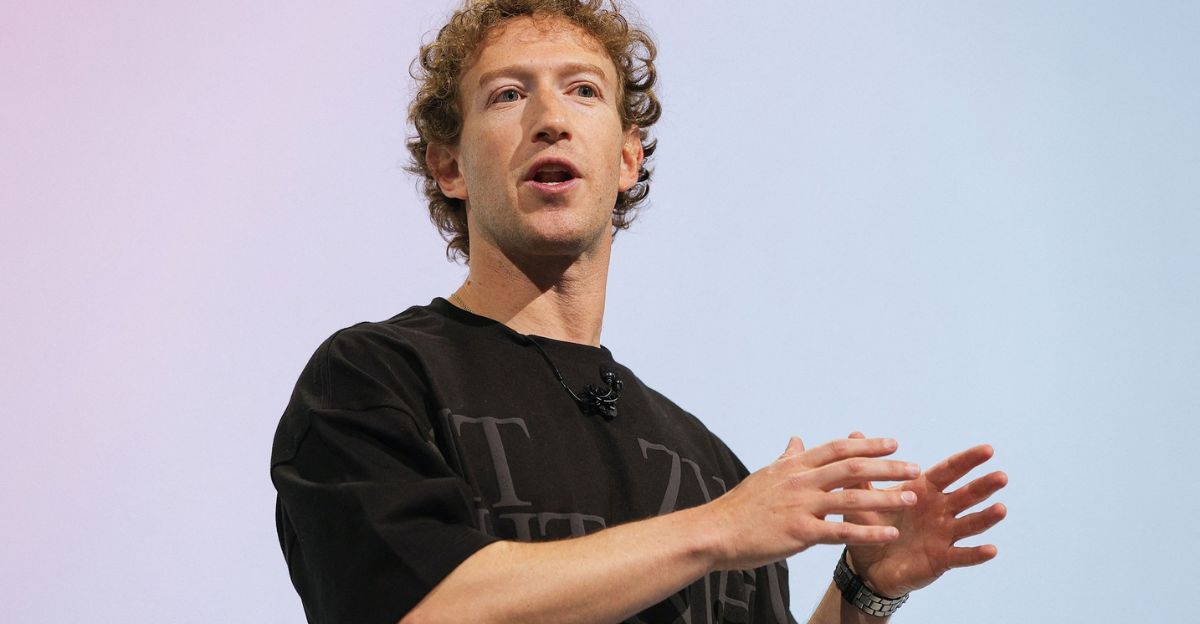
Four of the world’s wealthiest individuals call California home and would face substantial tax obligations. Meta CEO Mark Zuckerberg, with a net worth of approximately $212 billion, would owe roughly $10.6 billion.
Nvidia CEO Jensen Huang, whose company is valued at approximately $163 billion, faces potential liability exceeding $8 billion. Google co-founders Larry Page ($235 billion) and Sergey Brin ($218 billion) together could owe over $22.5 billion, making these four tech titans collectively liable for more than $40 billion in potential taxes.
Entertainment Industry Billionaires Under the Tax

California’s entertainment sector is home to several billionaires who contribute significantly to the state’s wealth concentration. Kim Kardashian, valued at $1.7 billion, would face an $85 million tax bill.
Rihanna, confirmed as a billionaire through Fenty Beauty and other ventures, and Selena Gomez, officially recognized as a billionaire, both face substantial taxation. Jerry Seinfeld ($1.1 billion, confirmed by Forbes as a 2025 billionaire), Jay-Z and Beyoncé (combined net worth exceeding $ 3 billion), and Oprah Winfrey ($3.1 billion) represent significant potential revenue sources within California’s entertainment elite.
The Healthcare Crisis Driving the Initiative
SEIU-UHW leadership emphasizes the urgency of protecting the healthcare system, citing imminent risks of collapse without emergency funding. California’s Medicaid program serves 15 million residents facing $30 billion in anticipated annual federal cuts announced by the Trump administration.
Proponents argue the billionaire tax represents the most direct mechanism to prevent widespread hospital closures and clinic disruptions throughout the state’s most vulnerable communities and rural regions.
Economic Architecture and Design
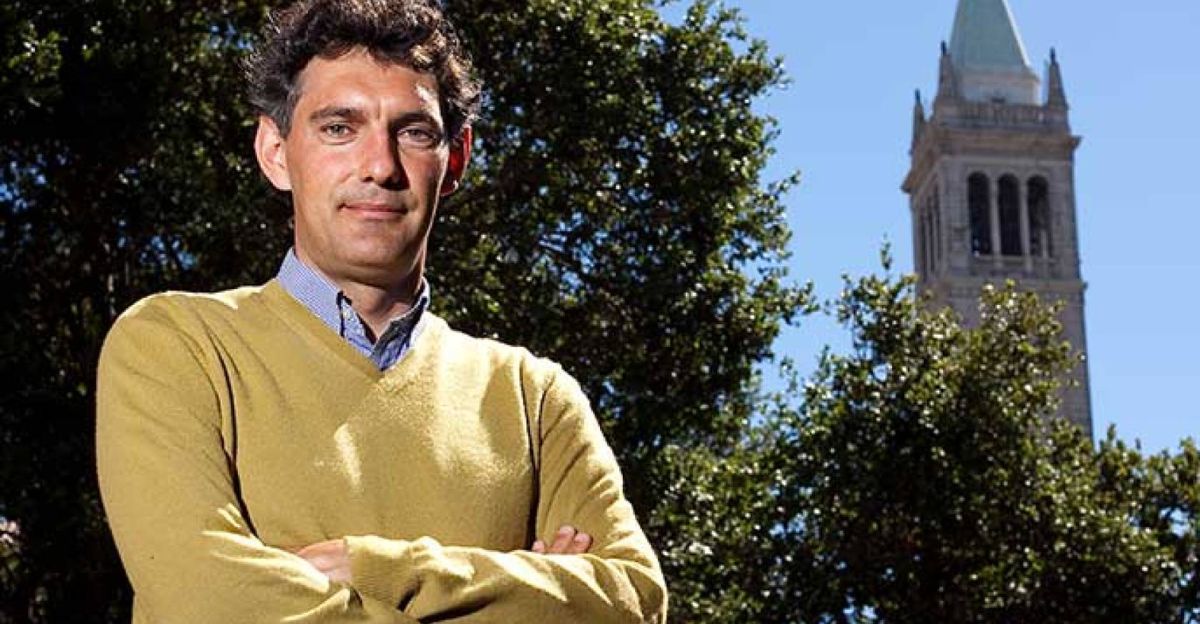
UC Berkeley economist Emmanuel Saez and former Labor Secretary Robert Reich designed the initiative with constitutional viability in mind. Saez, whose work with Thomas Piketty and Gabriel Zucman advanced global wealth inequality research, describes the measure as “the first politically viable wealth tax” in American history.
Their framework strikes a balance between strict constitutional requirements and significant wealth redistribution, creating an unprecedented fiscal policy architecture that has never been attempted in the United States.
Path to California Ballot Qualification

Proponents submitted the proposal to California’s Attorney General on October 21, 2025, formally initiating the ballot qualification process. To reach the November 2026 ballot, supporters must collect at least 874,641 valid signatures.
The Attorney General has until December 26, 2025, to issue the official circulating title and summary document. From that date, proponents have a maximum of 180 days to complete signature collection.
Silicon Valley Industry Opposition

Tech entrepreneurs Chamath Palihapitiya and David Sacks condemned the proposal during their “All-In” podcast, warning that it would accelerate the relocation of wealthy residents from California.
Sacks, who served as the White House’s AI and crypto adviser under President Trump, characterized the measure as a problematic policy for tech leaders and innovators. Their public criticism reflects broader frustration within the tech industry with California’s escalating tax burden and increasingly hostile regulatory environment toward business creation.
Constitutional Vulnerabilities and Legal Challenges

Legal experts universally predict that immediate constitutional challenges will arise if the measure passes. The retroactive application—taxing December 31, 2025, net worth in 2026—likely violates California due process protections and potentially the U.S. Constitutional taking doctrine.
Nonresidents who relocated before tax implementation would challenge state jurisdiction over assets held outside California.
Illiquid Asset Valuation Crises

Many startup founders hold equity with dramatically inflated valuations that do not accurately represent the actual liquid wealth available for taxation. Billionaires appearing wealthy on paper could face massive tax bills they cannot afford to pay without forced sales of their ownership stake.
Private company valuations fluctuate unpredictably, creating disputes over the true value of assets and determining tax liabilities.
Massive Administrative Cost Underestimation

The initiative allocates only $15 million annually for administration, yet the California Franchise Tax Board estimated that it would need $200-$300 million yearly to administer a similar 1.5% billionaire wealth tax proposed in 2023.
This 13-20 fold funding gap raises critical questions about implementation feasibility and enforcement capability. Critics argue that the measure’s authors vastly underestimated the complexity of audits, international asset verification, and the costs of sophisticated tax avoidance litigation that will inevitably arise.
California’s Population Exodus Accelerates

Between 2023 and 2024, California experienced America’s largest net population loss, with 254,332 residents departing, nearly double the exodus of second-place New York. The state’s long-term population decline reflects broader dissatisfaction with taxes and the rising cost of living.
High-profile departures include Elon Musk and Larry Ellison, who relocated to Texas, establishing residences and relocating business headquarters, signaling potential precedent for other billionaire relocations and corporate headquarters flight.
Corporate Headquarters Flight Continues

Between 2018 and the present, 79 companies have left California’s Bay Area, while Texas has welcomed 209 corporate headquarters relocations, representing a dramatic shift in American business geography and economic power.
Bloomberg calculates that Elon Musk alone saved $500 million in personal taxes through his move to Texas and the relocation of Tesla’s headquarters. This corporate exodus reflects broader dissatisfaction with California’s regulatory environment and cumulative tax burden, which may accelerate further with the implementation of a billionaire wealth tax.
Forecasted Wealth Migration Patterns

Wealth intelligence firm Altrata predicts that Florida, Texas, and Utah will experience the fastest growth in ultra-high-net-worth individuals through 2030, with Florida leading at an 8.8% annual growth rate.
California’s top 1% of taxpayers pay over 40% of state personal income taxes, making billionaire departures potentially catastrophic for state revenue streams.
“One-Time” Tax Becoming Permanent
California’s legislative history demonstrates that “one-time” or “temporary” levies frequently become permanent once revenue dependency develops. Susan Shelley of the Howard Jarvis Taxpayers Association warns the wealth tax could eventually expand to broader income brackets as revenue needs grow over time.
What begins as taxation on billionaires often expands as initial targets relocate and wealth growth patterns shift, and revenue collection pressures downward on middle-class earners.
Governor Newsom’s Strategic Silence
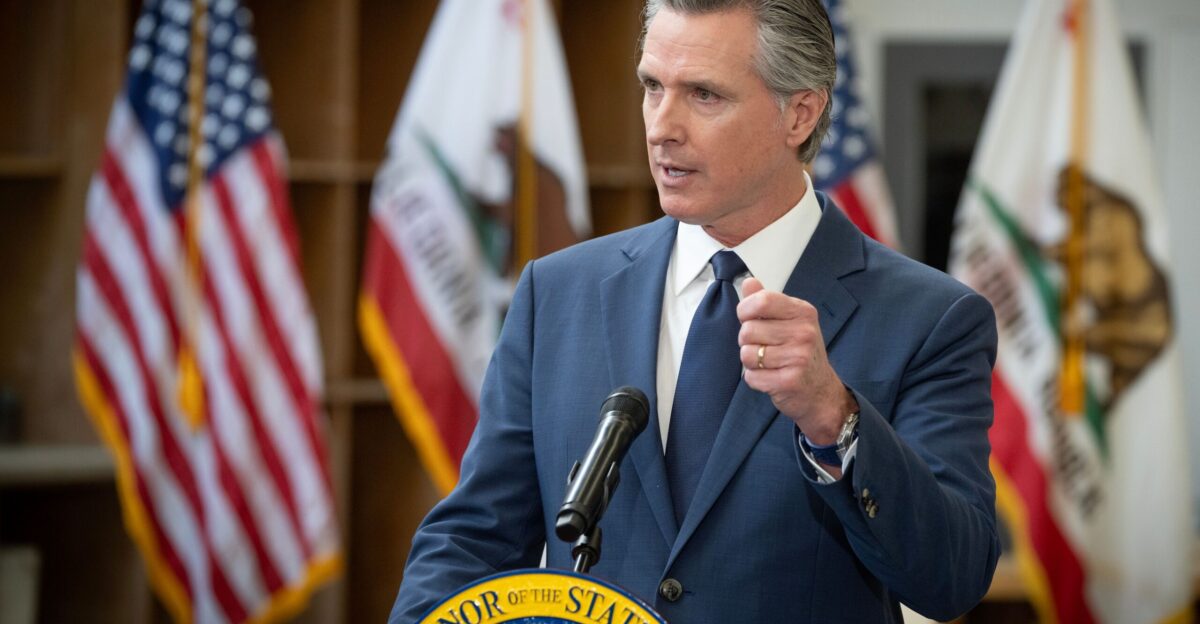
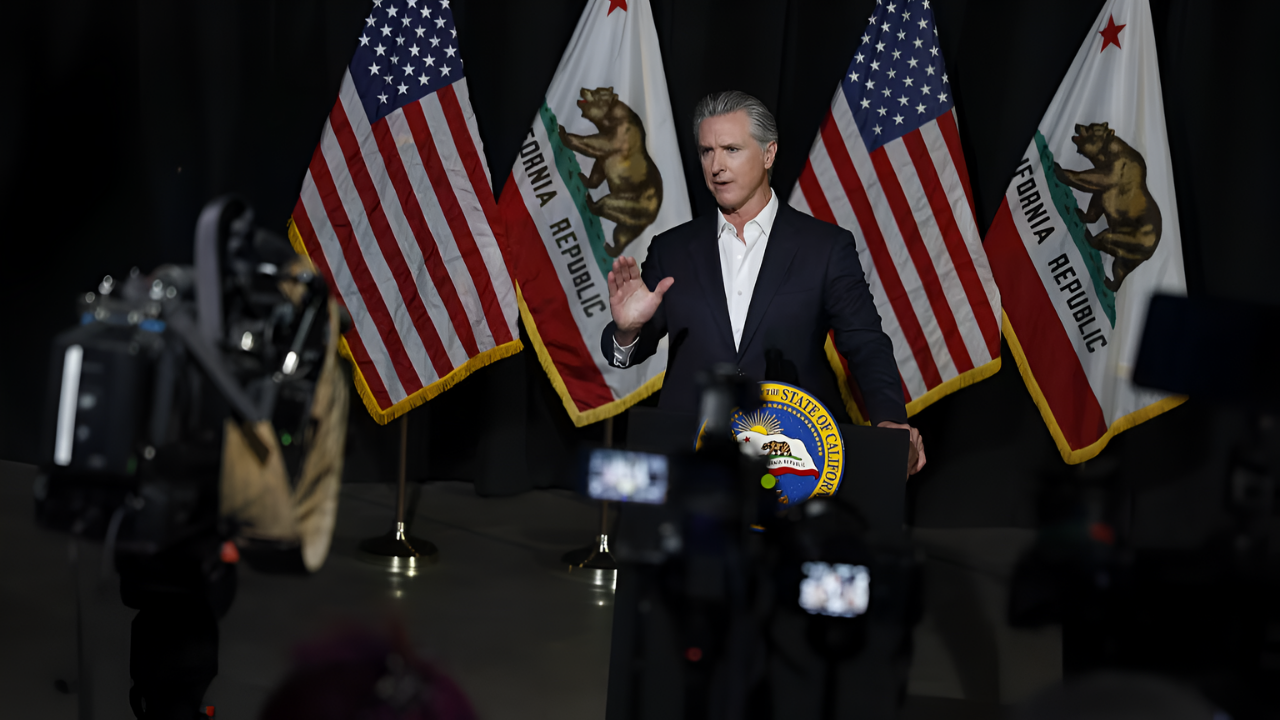
Governor Gavin Newsom has notably declined to endorse the measure, despite his progressive political reputation and history of healthcare advocacy. This reluctance likely reflects concerns about accelerating wealth exodus or the measure’s constitutional vulnerabilities and litigation risks.
Newsom navigates a delicate political balance: supporting progressive taxation while maintaining California’s economic competitiveness and attracting business investment.
Contradictory Tax and Incentive Policies

While contemplating billionaire wealth taxation, California simultaneously expanded entertainment industry incentives in June 2025. Newsom and legislators agreed to increase film and television tax credit allocations to $750 million annually—more than doubling the current $330 million cap.
This apparent contradiction highlights California’s fundamental policy tension: taxing extreme wealth while competing aggressively with other states that offer generous business incentives and favorable regulatory environments.
National Policy Implications and Precedent

Though designed as a California-specific emergency response, Initiative 25-0024 could catalyze similar wealth tax proposals in other progressive states. It arrives when wealth concentration among the ultra-wealthy has reached historic levels while middle-class incomes stagnate relative to cost-of-living increases.
Success could inspire similar proposals nationwide; failure could discredit wealth taxation policy efforts for decades, influencing progressive tax policy debates throughout American politics for generations.
The November 2026 Verdict

Whether Initiative 25-0024 represents groundbreaking wealth taxation architecture or a cautionary tale of fiscal policy remains uncertain. Success depends on completing signature collection, surviving constitutional legal challenges, and winning voter approval—all while billionaires consider options in an increasingly mobile economy, where remote work and digital business models reduce geographic necessity.
The November 2026 vote will determine the fate of this $100 billion initiative and potentially reshape California’s fiscal future, as well as set a national precedent for wealth redistribution efforts.