
Verizon’s announcement in mid-November of 2025 sent shockwaves through the telecommunications industry: 15,000 employees, or 15% of its workforce, would be laid off—the largest reduction in the company’s history. The move, set to take effect in the coming weeks, has left families and communities grappling with uncertainty and raised questions about the future of the telecom sector.
Why Verizon Made the Move

Verizon’s decision comes amid fierce competition and sustained losses in its core business. The company has lost postpaid phone subscribers for three consecutive quarters, a critical metric in an industry where those customers represent the most stable revenue. Rivals like T-Mobile and AT&T have aggressively expanded their subscriber bases, while cable companies such as Comcast and Charter have entered the wireless market, offering bundled services that challenge traditional carriers. Facing shrinking margins and mounting pressure, Verizon has shifted toward aggressive cost-cutting, with CEO Daniel Schulman stating that such measures are now a “way of life” for the company.
Immediate Impact on Service and Stores
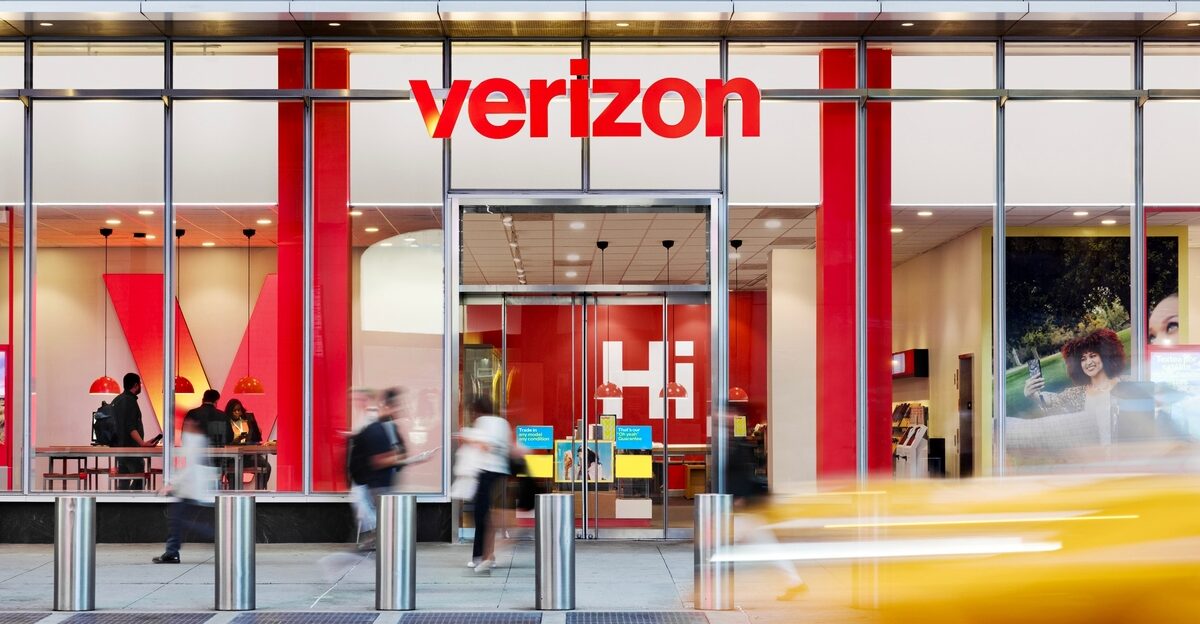
The layoffs will affect nearly every aspect of Verizon’s operations. Customers may notice disruptions in customer service and retail experiences as the company transitions 200 company-owned stores to a franchise model. This move reduces Verizon’s direct payroll and operational costs, but it also means fewer employees are directly employed by the company. As a result, service quality and response times could decline, and customer experiences may become less consistent across locations.
The Competitive Landscape

Verizon’s restructuring is unfolding against a backdrop of intensifying competition. T-Mobile has reported record growth, AT&T continues to vie for market share, and cable giants are leveraging their existing customer bases to offer wireless services. These developments have not only contributed to Verizon’s subscriber losses but also opened opportunities for competitors to attract both customers and talent. The broader telecom and broadband industries are bracing for increased competition as companies seek to fill the gaps left by Verizon’s downsizing.
Human and Industry Consequences

For the 15,000 employees affected, the layoffs mean immediate uncertainty. Many store workers transitioning to franchises will lose job security, while others face an unpredictable job market. The emotional and financial toll is widespread, with families and communities feeling the impact. The workforce reduction, from about 100,000 to 85,000 employees, marks a dramatic shift for Verizon and reflects the severity of the challenges facing the industry. This is the largest layoff in the company’s history, surpassing the 10,400 employees who left in 2018 through a voluntary separation program.
What’s Next for Telecom
Verizon’s restructuring has been met with mixed reactions from investors. While shares initially rose on hopes of a leaner, more efficient company, analysts warn of long-term risks if service quality deteriorates or if the cuts signal deeper industry problems. The broader telecom sector is under pressure to automate operations and improve efficiency, with companies across the industry seeking ways to maintain quality while reducing costs. As Verizon adapts to a more competitive market, the future of the telecom industry remains uncertain, with continued automation, cost-cutting, and shifting consumer preferences likely to shape its trajectory.