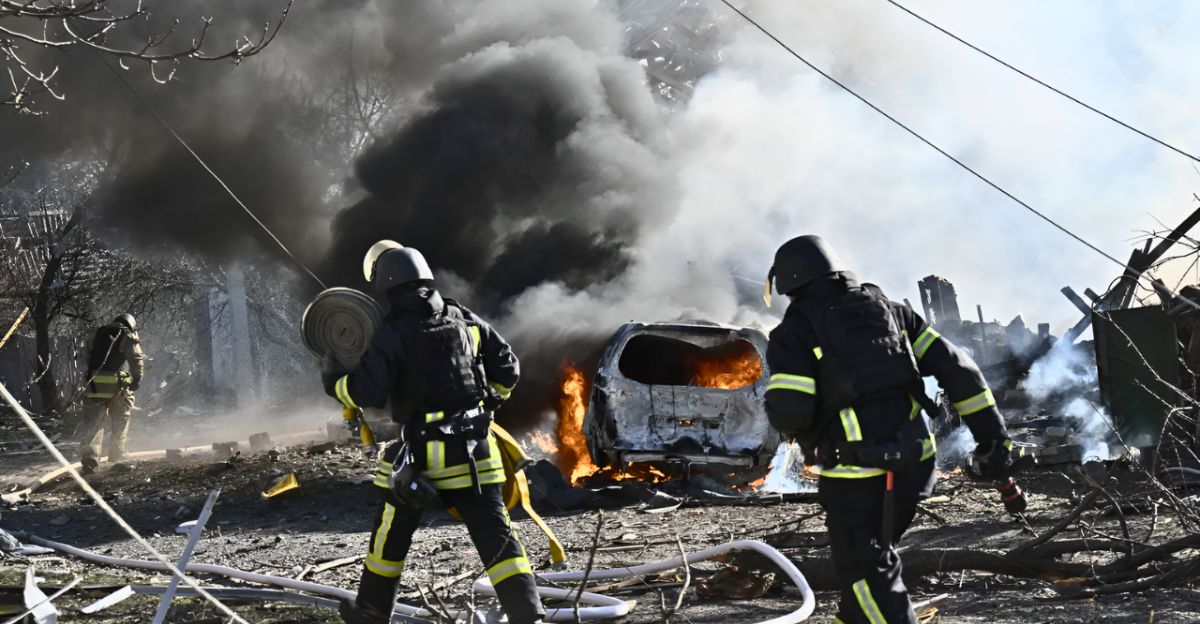
On November 18, 2025, approximately 500,000 residents in Russian-occupied eastern Ukraine awoke to complete darkness. Overnight drone strikes targeted critical infrastructure, affecting cities like Donetsk, Mariupol, and Horlivka. Reports indicated that 65% of consumers in these areas experienced power outages, leading to the shutdown of heating systems and water treatment plants.
As temperatures dropped, emergency services were overwhelmed by the scale of disruption, marking a significant escalation in the targeting of infrastructure in the region. This attack would reverberate through the occupied territories, raising concerns about the human impact of such military strategies.
State of Emergency Declared

Denis Pushilin, the Moscow-installed leader of occupied Donetsk, declared a state of emergency following the unprecedented attacks. Over 376,000 customers were left without electricity, resulting in significant disruptions to healthcare and educational facilities.
Fourteen hospitals and approximately 50 schools were affected. The operational halt of boiler houses resulted in frigid conditions, intensifying winter hardships for residents. Local authorities initiated rolling blackouts while scrambling to restore power. Pushilin’s remarks highlighted the profound impact of the strikes, emphasizing a crisis that would challenge the already strained services in the area and deepen the residents’ suffering.
A Decade Under Control

The affected regions, Donetsk, Makiivka, and Horlivka, have remained under Russian control since 2014, when separatist forces seized territories during the initial conflict. Pre-war estimates placed the combined population of these cities at over 1.5 million, but the ongoing conflict has significantly displaced residents.
The territory operates under a governance structure installed by Moscow, with Russian-issued documentation and currency dominating daily life. This prolonged occupation has reshaped the social and economic landscape, making recent events a stark reminder of the profound and persistent challenges residents face amid military engagements.
Energy Dependency in Occupied Donetsk
For over a decade, Russian-occupied Donetsk has relied on two major thermal power plants for electricity: the Zuivska and Starobeshivska plants. The Zuivska facility accounted for approximately one-third of the region’s total electricity needs, while the Starobeshivska facility supplied additional capacity essential for both military and civilian operations.
Both plants, constructed during the Soviet era, have operated continuously to meet these demands. Their targeted disruption was not only significant for the affected population but also revealed vulnerabilities in the infrastructure that had been relied upon as a lifeline in the war’s wake.
Coordinated Drone Strikes by Ukrainian Forces
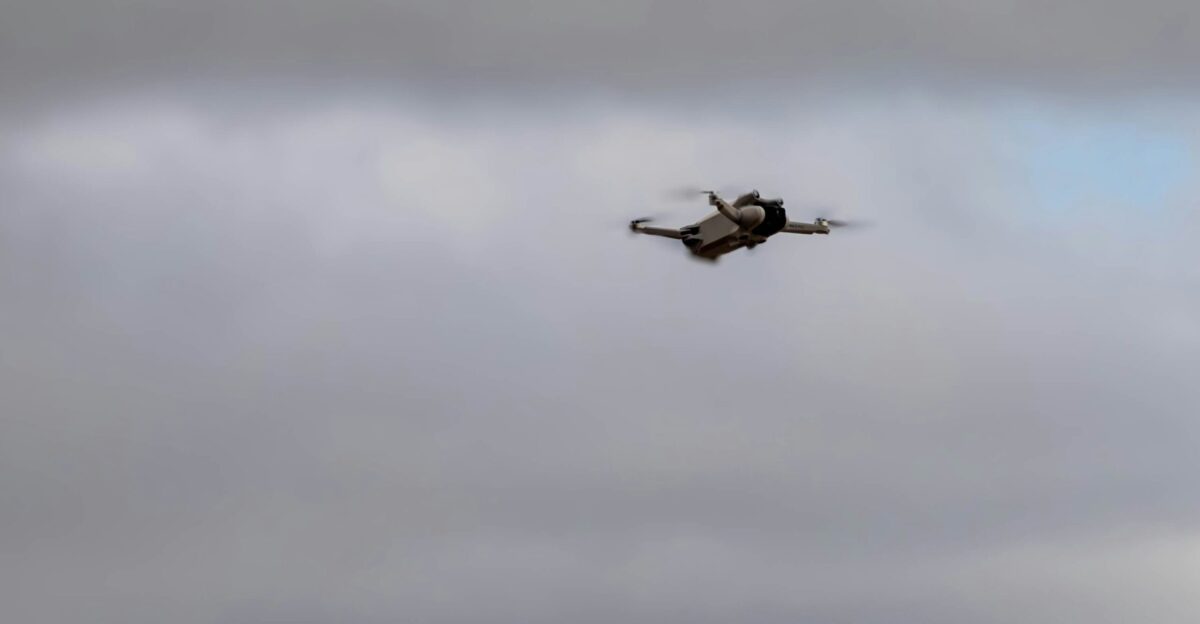
In a remarkable display of military strategy, Ukrainian Unmanned Systems Forces executed well-coordinated drone strikes on the Zuivska and Starobeshivska thermal power plants during the night of November 17-18, 2025. The operation began around 11:50 PM local time, with subsequent video footage showing direct hits.
The substantial capacities of the two plants, 1,200 MW for Zuivska and 2,300 MW for Starobeshivska, totaling 3,500 MW, were severely compromised. This strategic move signaled a new phase in Ukraine’s military operations as it seeks to disrupt Russian supply chains and infrastructure.
Immediate Impact of the Strikes
Power disruptions were swiftly felt across the region. Residents reported flickering lights within 30 minutes of the initial strikes, soon leading to complete outages. By 4:00 AM, blackouts enveloped Donetsk, while Makiivka faced partial blackouts.
Ilovaisk experienced a total power loss. Local media captured the chaos, showcasing residents struggling amid the sudden darkness as heating systems ceased functioning and water pressure plummeted. For many, this marked not just a loss of electricity but a plunge into hardship, creating a daunting reality as winter set in without any preparations.
Residents’ Voices in the Darkness
Social media posts from residents in the occupied territories recounted their immediate reactions to the sudden outages, reflecting a mix of disbelief and frustration. One Donetsk resident lamented, “Everything went dark at once, no warning, no announcement.” Another shared their struggle, recalling a frantic search for candles and portable heaters as indoor temperatures plummeted.
Pushilin acknowledged the widespread impact, noting that electricity loss had halted essential services, such as boiler houses and water treatment facilities, highlighting the perilous situation facing residents amid winter’s grip.
Ukrainian Command Celebrates Success
Immediately following the strikes, Commander Robert Brovdi took to social media to announce the operation’s success. His unconventional messaging read, “SBS Birds both ignite and extinguish. Everything is as agreed.
A blackout in the swamps is not scary, worms.” Brovdi characterized the drone strikes as part of a sustained operation from the 1st Center of Unmanned Systems Forces, formerly known as the 14th Regiment. His remarks reinforced the commitment of Ukrainian forces to continue targeting military infrastructure, urging resilience and resolve among their ranks.
Escalation in Infrastructure Warfare
The strikes on these power facilities represent a dramatic escalation in Ukraine’s targeting of energy infrastructure within occupied territories, echoing earlier Russian assaults on Ukrainian power systems from 2022 to 2024.
Military analysts argue that disrupting civilian energy supplies can destabilize control in populated regions, diminishing the legitimacy of governing authorities while simultaneously increasing dissatisfaction among residents. Such operations not only affect military objectives but also raise questions about the human costs of warfare in this prolonged conflict.
The Broader Context of the Conflict
This incident can be viewed as part of ongoing and complex geopolitical conflicts in Eastern Europe, reinforcing how warfare directly impacts civilian lives. As evidenced by this coordinated operation, Ukraine is shifting tactics and finding innovative methods to undermine Russian military capabilities while addressing the plight of civilian populations under occupation.
The aftermath of these strikes will likely persist, leading to further scrutiny of energy infrastructure and the army strategies employed by both sides as the conflict continues to evolve.
International Reactions and Concerns
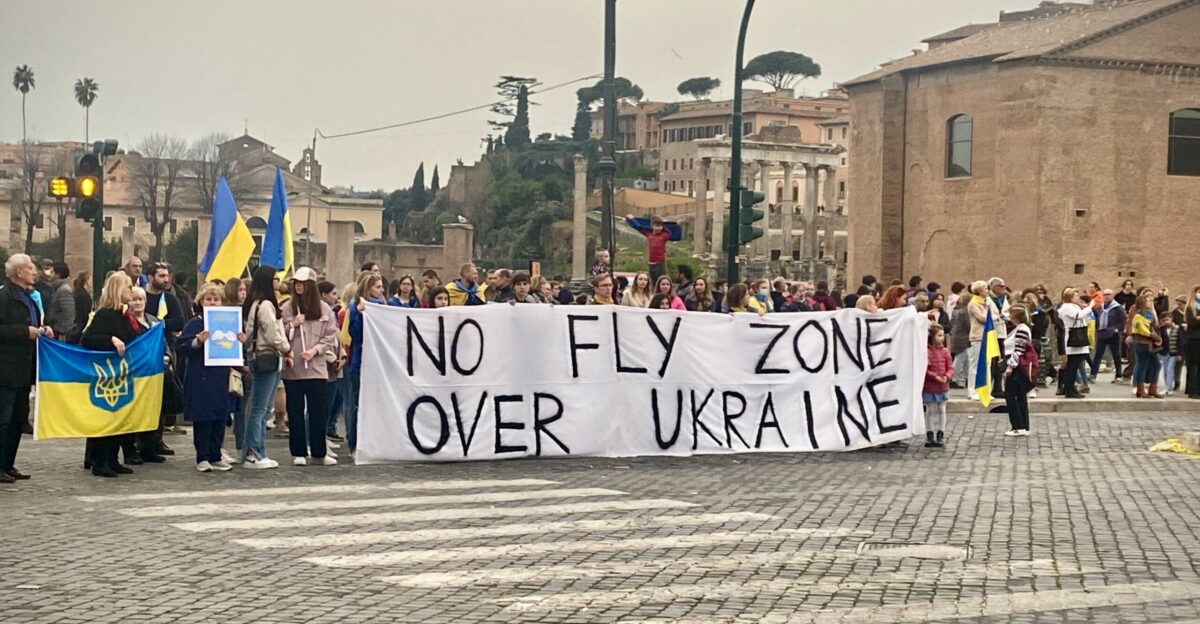
As news of the strikes spread, international reactions began pouring in, with many world leaders condemning the violence. Humanitarian organizations called for immediate assistance to the impacted civilian population. The darkness gripping the region raised alarms about the lack of essential services amidst harsh winter conditions.
Analysts noted that while military success may be celebrated, the humanitarian fallout needs urgent attention to prevent a larger crisis. Calls for dialogue and ceasefires intensified, underscoring the urgent need for peace amid ongoing conflict and suffering.
Energy Infrastructure as a Target
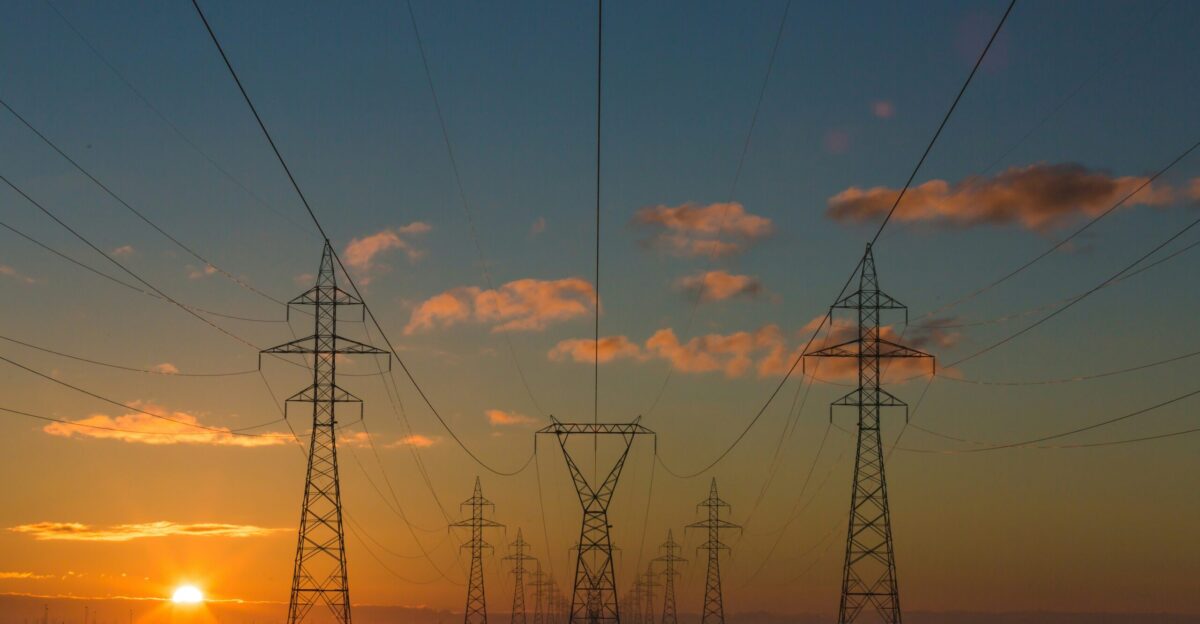
The ongoing conflict has turned energy infrastructure into a prime target, reflecting its strategic importance. The success of Ukrainian drone operations against key power plants underlines a pivotal shift in warfare tactics focused on crippling enemy capabilities.
Experts predict that future operations will continue to hone in on energy systems, not just to disrupt daily life, but to dismantle logistical support for military operations. This evolving strategy underscores the growing acknowledgment of energy assets as vital components in modern conflicts, necessitating robust defenses.
The Road Ahead for Occupied Donetsk

The future of occupied Donetsk is clouded with uncertainty. With the immediate aftermath of the strikes still unfolding, local authorities are tasked with addressing humanitarian needs while restoring essential services. The declaration of a state of emergency reflects both the urgency of the situation and the precariousness of living under an ongoing military threat.
As residents look toward winter, community support and resilience will play crucial roles in navigating the challenges ahead amid continued disruptions and health risks.
Resilience Amid Hardship
Despite the despair stemming from the attacks, communities in occupied Donetsk are demonstrating resilience. Local initiatives are emerging to provide support for those in need, as residents unite to share resources and communal heating solutions. Social media showcases stories of individuals helping neighbors, emphasizing solidarity in tough times.
This human connection may be the silver lining in a deeply troubling situation, demonstrating the unwavering spirit of communities facing adversity, reminding us that they are more than mere statistics in the conflict.
A Call for Humanity
As the struggle for Donetsk continues, the events of November 17-18, 2025, serve as a poignant reminder of the human costs of warfare. The cries for help amid the blackouts resonate far beyond the occupied territories, urging the international community to prioritize humanitarian assistance alongside strategic military considerations.
In the pursuit of peace, it is essential to remember that behind every statistic lies a person enduring hardship, reinforcing the need for compassion and understanding in the face of conflict and its aftermath.