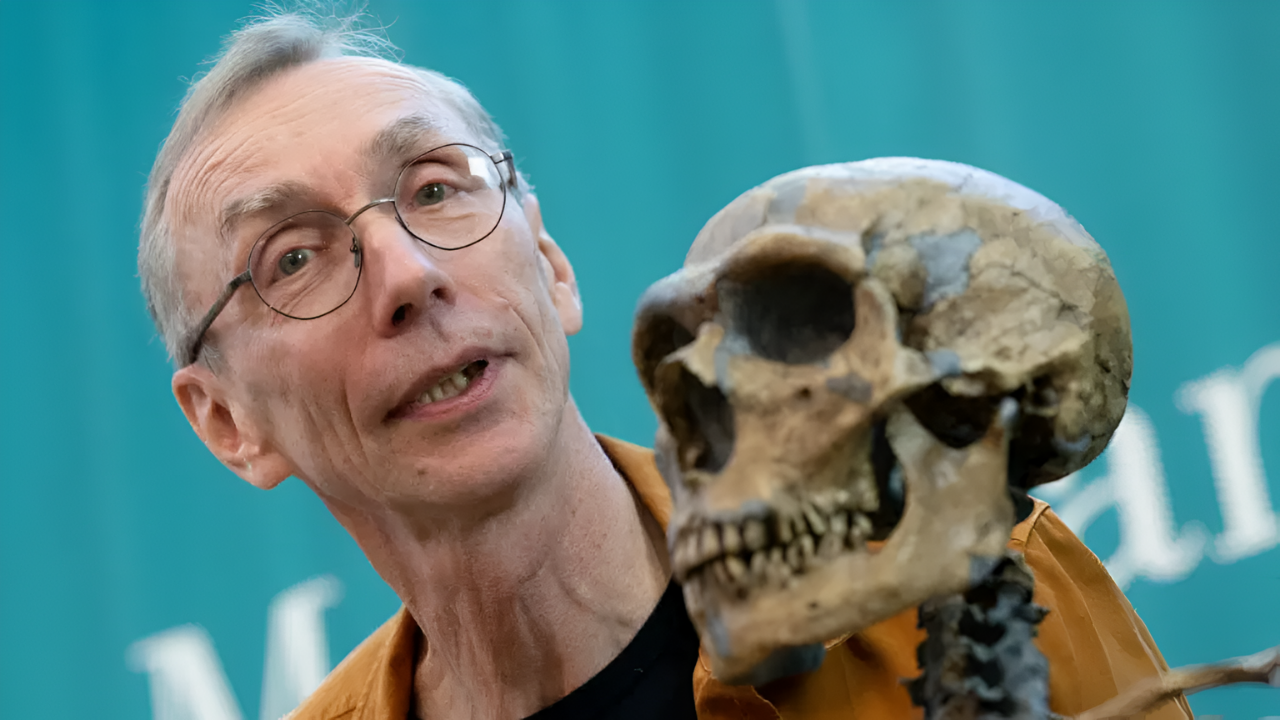
For over a century, scientists imagined Neanderthals disappearing in catastrophe—felled by climate collapse, disease, starvation, or violent conflict with incoming modern humans. A new mathematical model published in Scientific Reports challenges this narrative entirely. Instead of extinction through disaster, the research proposes that Neanderthals gradually merged with Homo sapiens through sustained interbreeding over thousands of years, their genetic identity dissolving not through conquest but through connection.
The study, conducted by computational chemist Andrea Amadei of the University of Rome Tor Vergata, evolutionary geneticist Giulia Lin from Switzerland’s EAWAG research institute, and ecologist Simone Fattorini of the University of L’Aquila, applies neutral species drift theory to human prehistory. This framework suggests that evolution can shift through random genetic changes rather than selective advantage alone. The researchers modeled repeated waves of Homo sapiens migration into Neanderthal territories, showing how steady interbreeding could gradually absorb a smaller population into a larger one—without requiring climate catastrophe, epidemics, or resource scarcity.
A Timeline Measured in Millennia, Not Moments
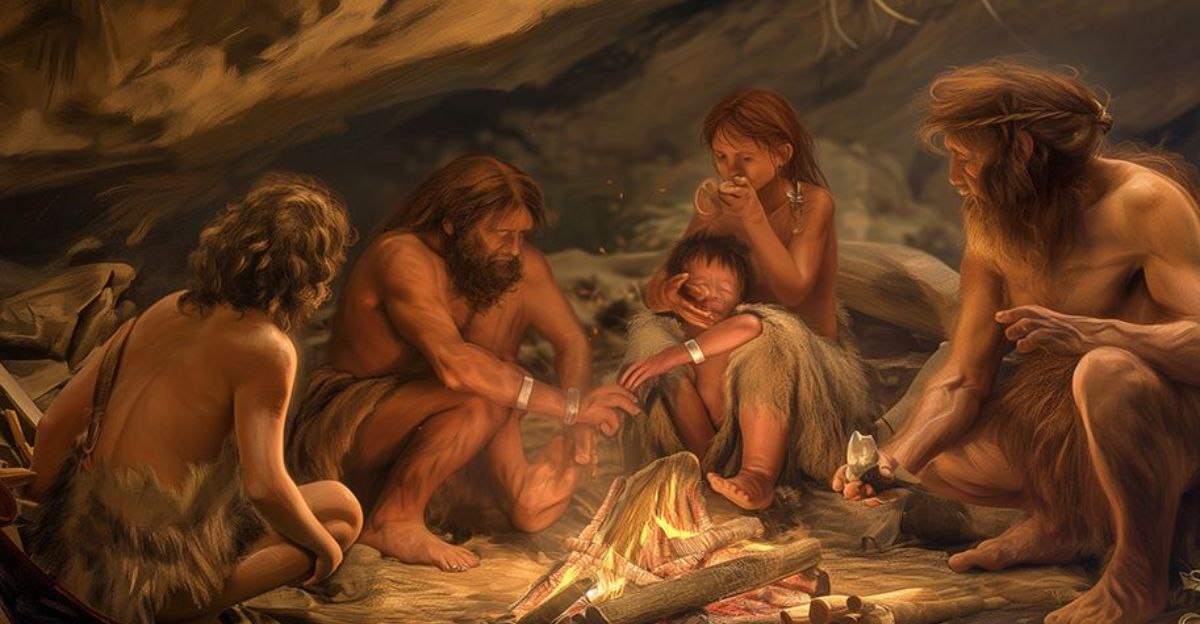
Neanderthals dominated Eurasia for roughly 360,000 years before modern humans arrived around 40,000 years ago. Rather than imagining sudden conflict, the model envisions a gentler process: small groups of Homo sapiens migrating repeatedly into Neanderthal territories over a period of 10,000 to 30,000 years. Each wave brought dozens to hundreds of newcomers who formed families, alliances, and shared camps with local communities. Over countless generations, this steady contact gradually shifted the genetic balance toward modern humans.
The mechanism is demographic, not dramatic. A larger, more connected population naturally blends into a smaller, isolated one through sheer numbers. With each generation, Neanderthal genetic identity thinned until it became statistically invisible—extinction by arithmetic rather than apocalypse. The model demonstrates that no catastrophic event was necessary; interbreeding alone was sufficient to erase a species’ genetic individuality.
Why Neanderthals Were Vulnerable
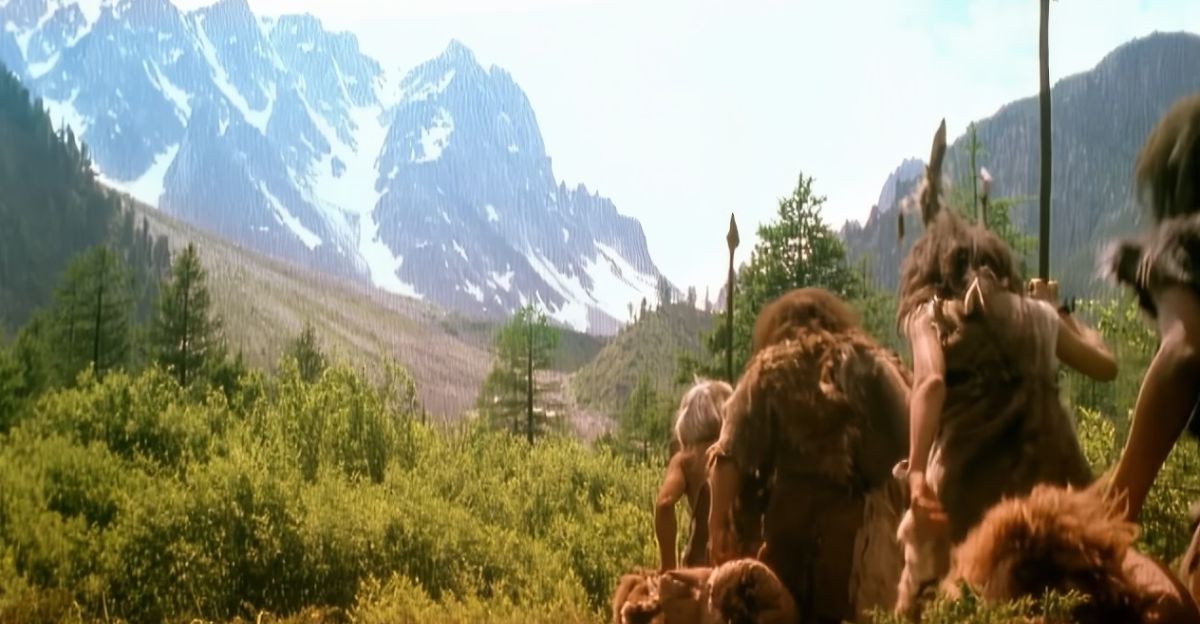
Neanderthals weren’t outmatched intellectually or physically. Their vulnerability lay in the population structure. They lived in small, scattered communities separated by mountains, glaciers, and vast distances. Small populations experience stronger genetic drift, making them susceptible to demographic absorption. Modern humans, by contrast, traveled farther, forged wider networks, and reproduced in larger numbers. Over millennia, this demographic imbalance proved decisive.
The Genetic Legacy That Endures
Yet Neanderthals never truly disappeared. Nearly every person of European or Asian descent carries between 1% and 4% Neanderthal DNA, according to current genetic research. These aren’t random leftovers. Neanderthal variants influence immunity, brain development, metabolism, and responses to certain diseases. Some genes enhance immune responses, while others improve fat storage, bone strength, or adaptation to cold climates. Natural selection preserved these sequences because they helped early modern humans survive in Eurasia’s harsh environment.
Archaeological evidence confirms this blending was neither rare nor harmful. Remains of hybrid individuals reveal healthy, robust bodies capable of surviving and reproducing successfully. Their existence proves the two species were genetically compatible—close enough that interbreeding was ordinary, not exceptional.
A Paradox of Extinction and Immortality
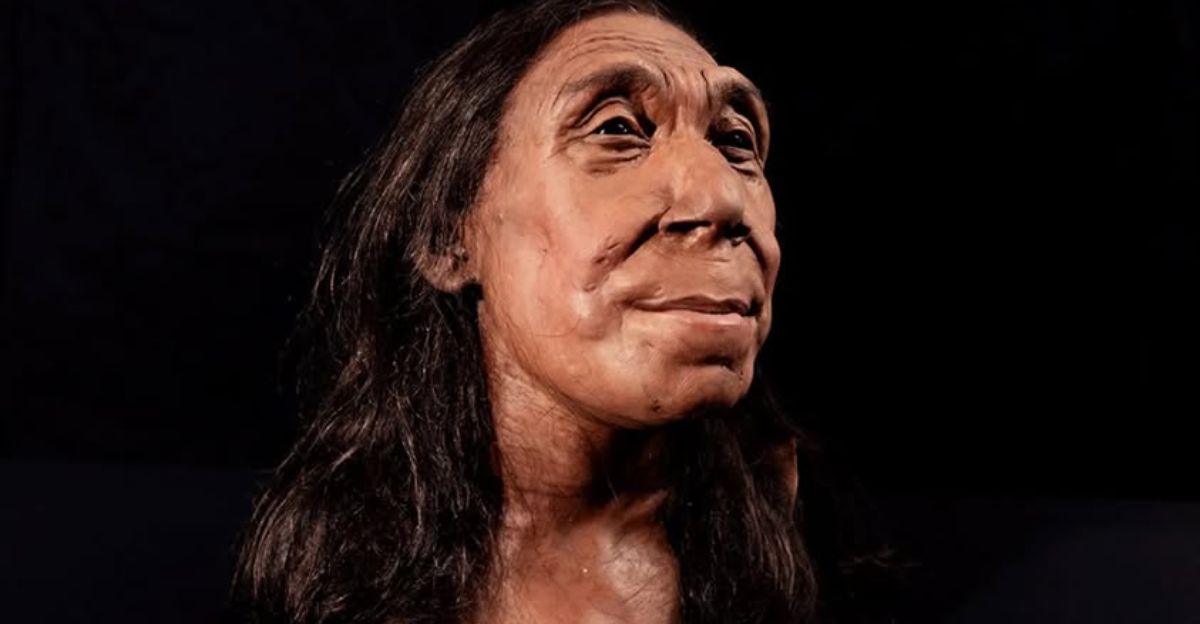
The paradox is striking: an extinct species that remains biologically immortal. Billions of people alive today carry DNA sequences inherited from Neanderthals who walked Eurasia 40,000 to 50,000 years ago. In genetic terms, they never actually died out—they merged. Their identity dissolved, but their biological imprint endures. They became an invisible lineage inside modern humanity, more alive in our chromosomes than in any fossil bed.
This research reshapes our understanding of human origins. Our past wasn’t forged solely through competition or conquest. It emerged through mingling—slow, intimate, generational. Neanderthals didn’t fall; they folded into us. Their story isn’t one of defeat but of transformation, a quiet revolution that still shapes who we are today.