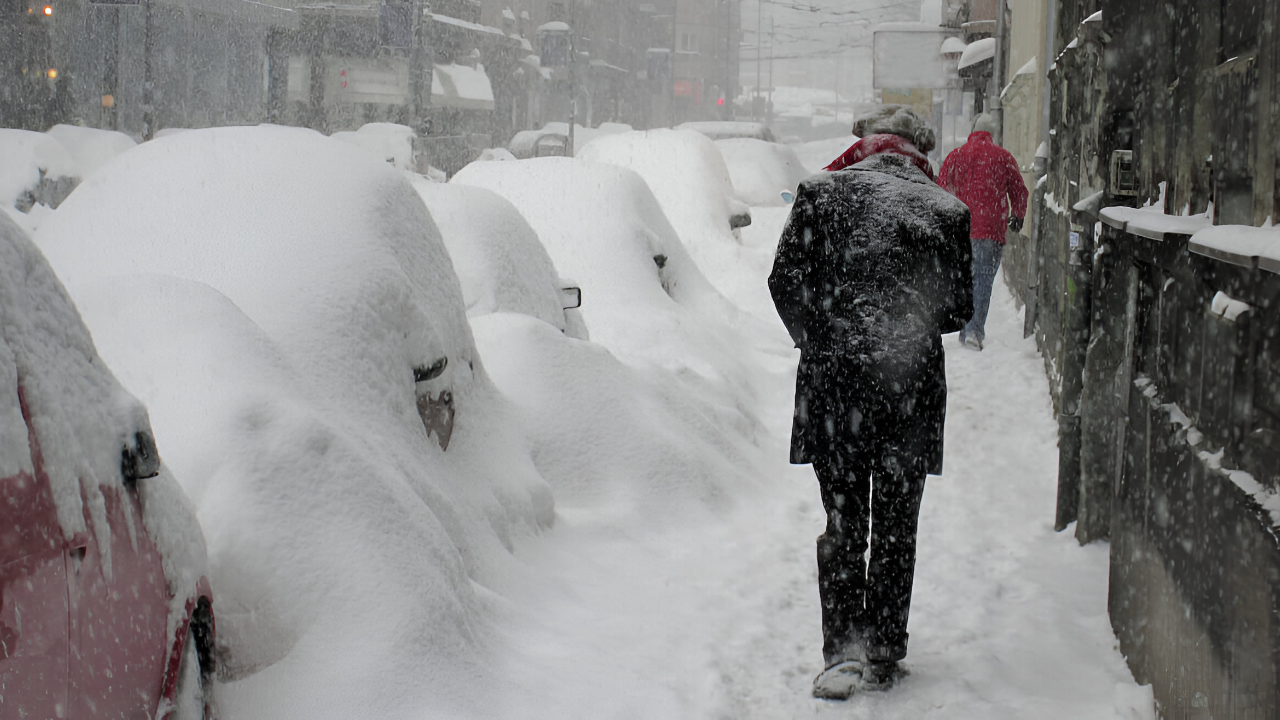
The winter chill sweeps across the northern U.S., catching millions off guard. In the Pacific Northwest, bitter winds whip through snow-covered streets, while the Midwest braces for a relentless freeze. The forecast is bleak: below-average temperatures, heavy snow, and icy conditions set to disrupt daily life.
But what’s driving this cold surge? A weak La Niña is making a dramatic return, and the polar vortex may play a bigger role than expected. How will this powerful combination affect the coming winter?
What is La Niña and Why Does It Matter?
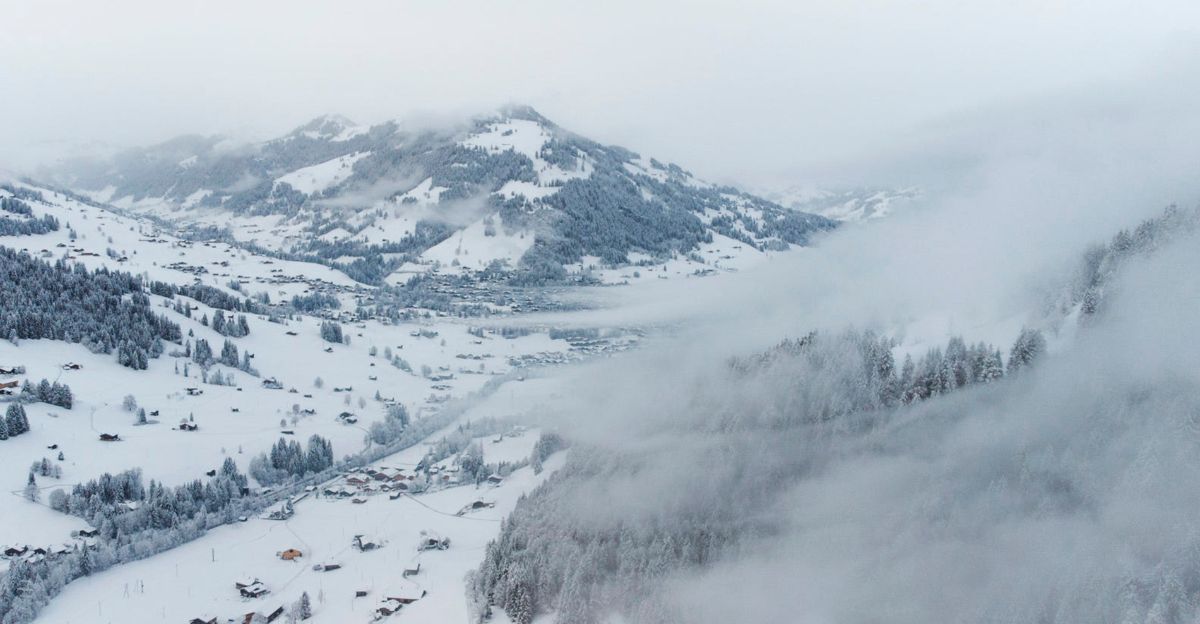
La Niña emerged in September 2025, and the Climate Prediction Center confirmed its persistence throughout December, January, and February. The system, marked by below-average sea surface temperatures in the Pacific, is the driving force behind the forecasted colder weather.
Although weak, La Niña’s influence on U.S. winter patterns remains significant, affecting millions across the northern regions.
Colder Conditions in the North
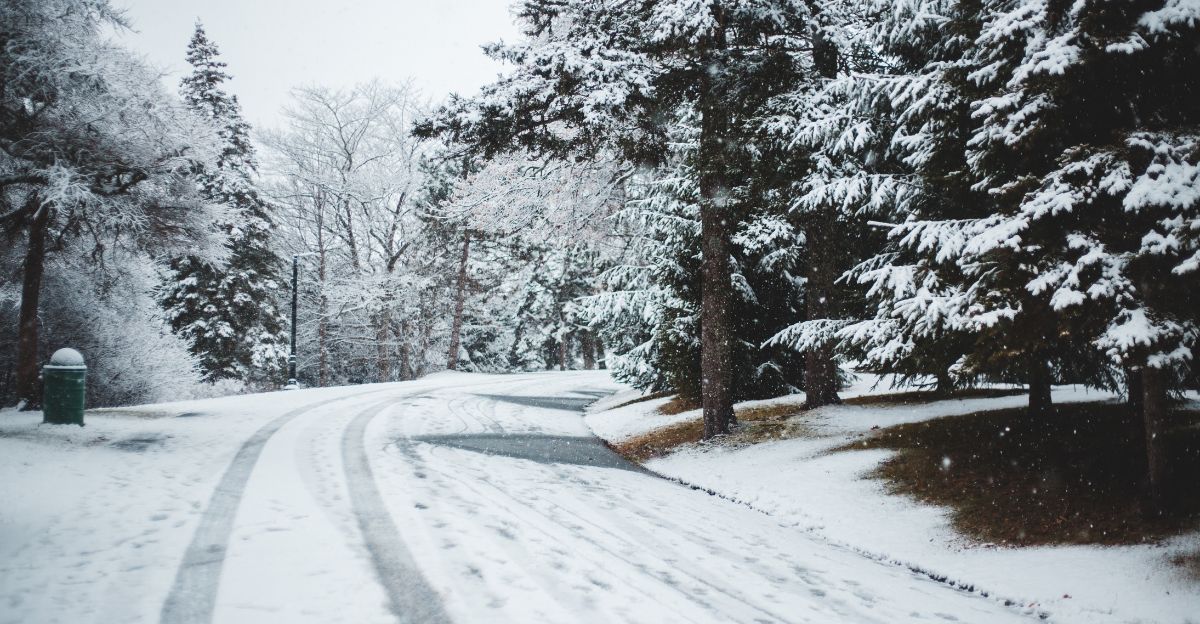
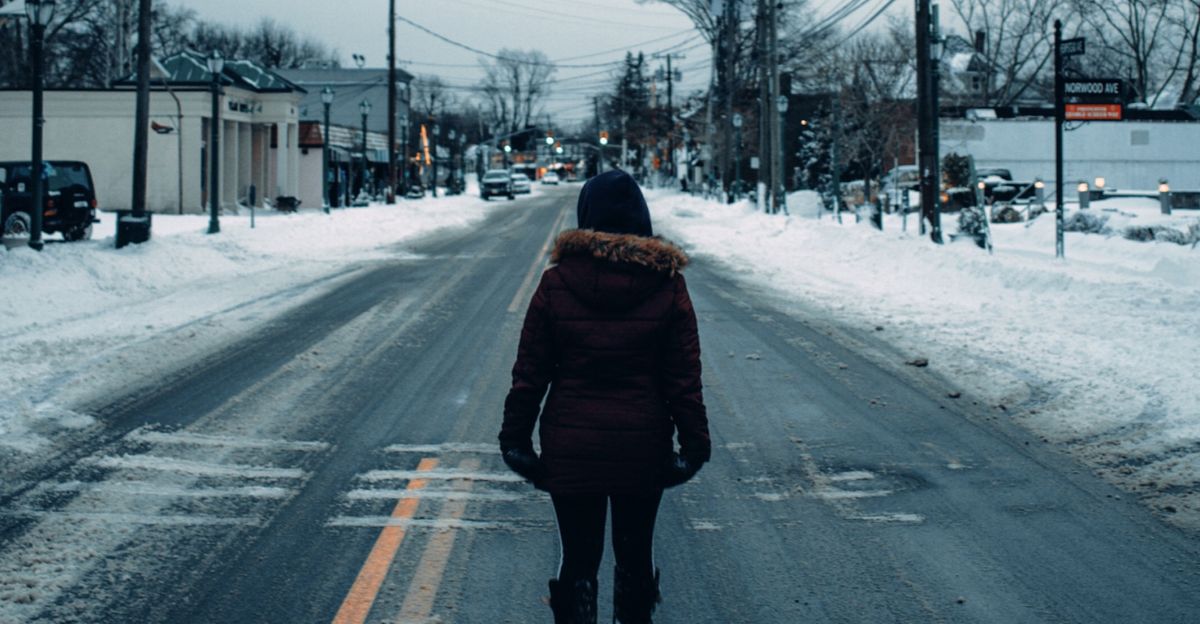
The Pacific Northwest, upper Midwest, and Great Lakes regions are expected to experience colder-than-normal temperatures and increased precipitation.
Residents in these areas will face more snow and freezing conditions as winter sets in. This shift will bring more than just chill—it may disrupt daily life, from travel to heating costs.
Preparing for Winter: Retail and Utilities Step Up

As colder weather approaches, energy companies are preparing for increased demand. Utilities in colder regions are stockpiling fuel and winterizing infrastructure to prevent outages.
Meanwhile, retailers anticipate a surge in sales of winter gear, including home heating products, snow gear, and emergency supplies.
Travel and Insurance Sectors Brace for Disruption
The winter forecast has travel companies adjusting for potential disruptions. Airlines and ground transportation services are preparing for delays caused by winter storms.
Customers are advised to review their insurance coverage to ensure protection against cold-weather-related damage and accidents.
Global Trade Faces Challenges
The La Niña phenomenon is also expected to impact global shipping routes, particularly in the Pacific.
With colder conditions in the northern U.S. and Canada, agricultural production may also face disruptions, affecting both local and international markets. These shifts could ripple through the global economy, especially in agriculture and energy sectors.
Farmers and Workers Prepare for Harsh Conditions
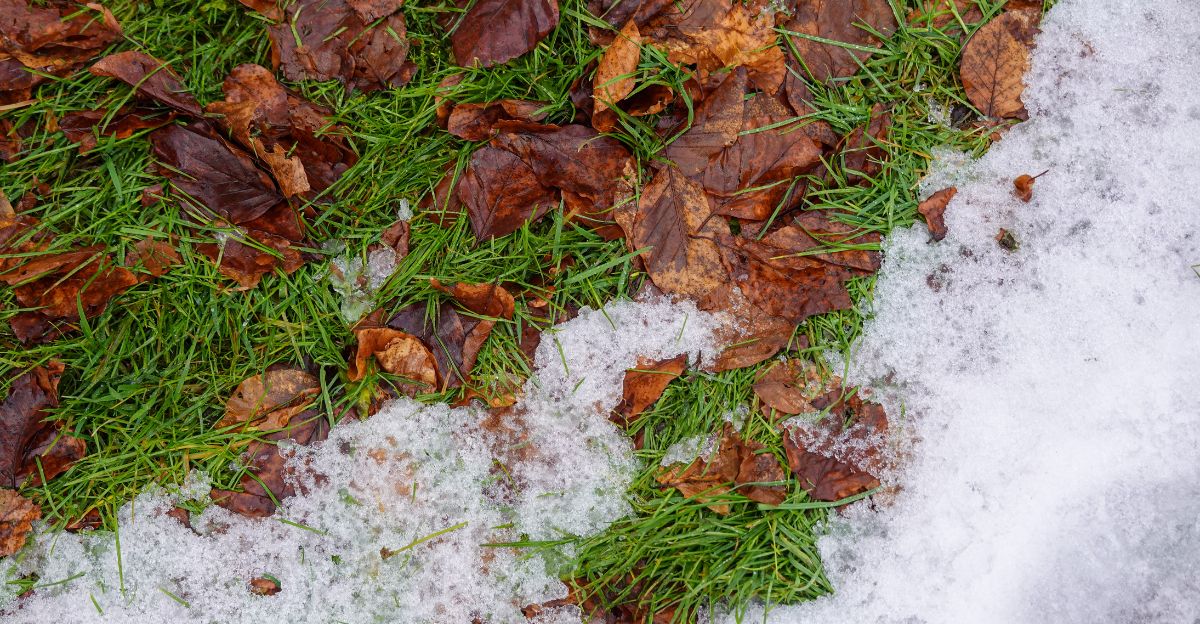
Farmers in the northern U.S. and Canada are bracing for a tough winter. The colder and wetter-than-normal conditions could delay both winter operations and spring planting.
Outdoor workers are at higher risk of cold-related injuries, prompting calls for enhanced safety measures as temperatures dip.
Government and Public Safety Measures
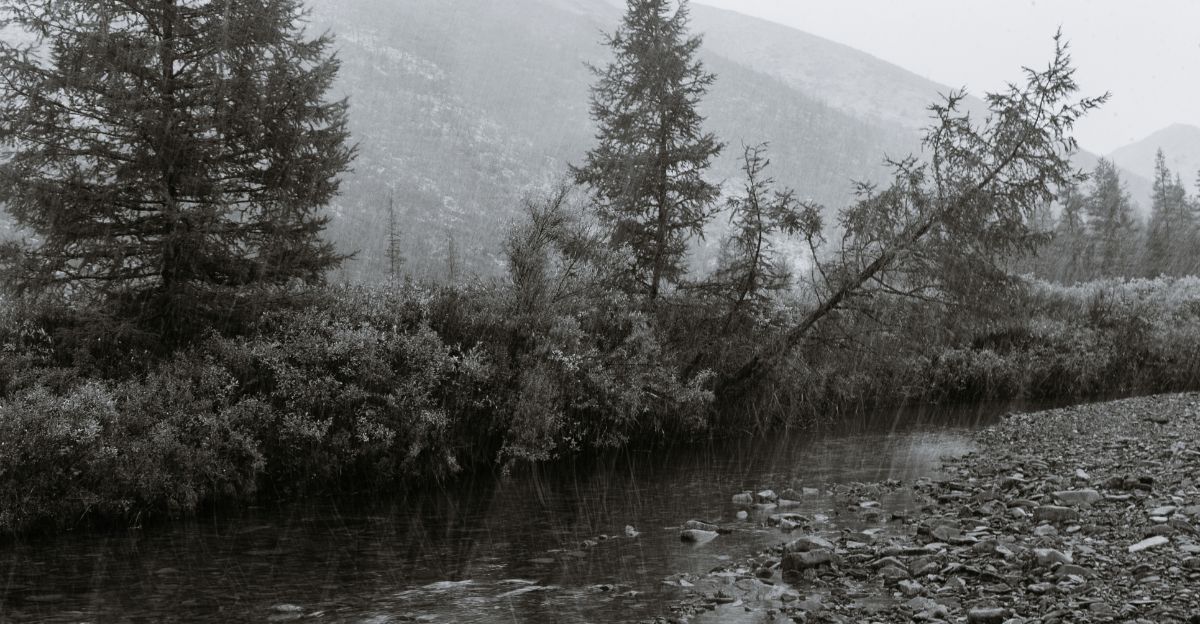
Local governments and the National Weather Service are urging preparedness for the colder winter. Winterizing homes, preparing vehicles for freezing conditions, and monitoring forecasts are critical steps for residents.
Authorities are also focused on vulnerable populations, urging regular check-ins to ensure safety during extreme cold spells.
Economic Impact: Energy and Regional Variations
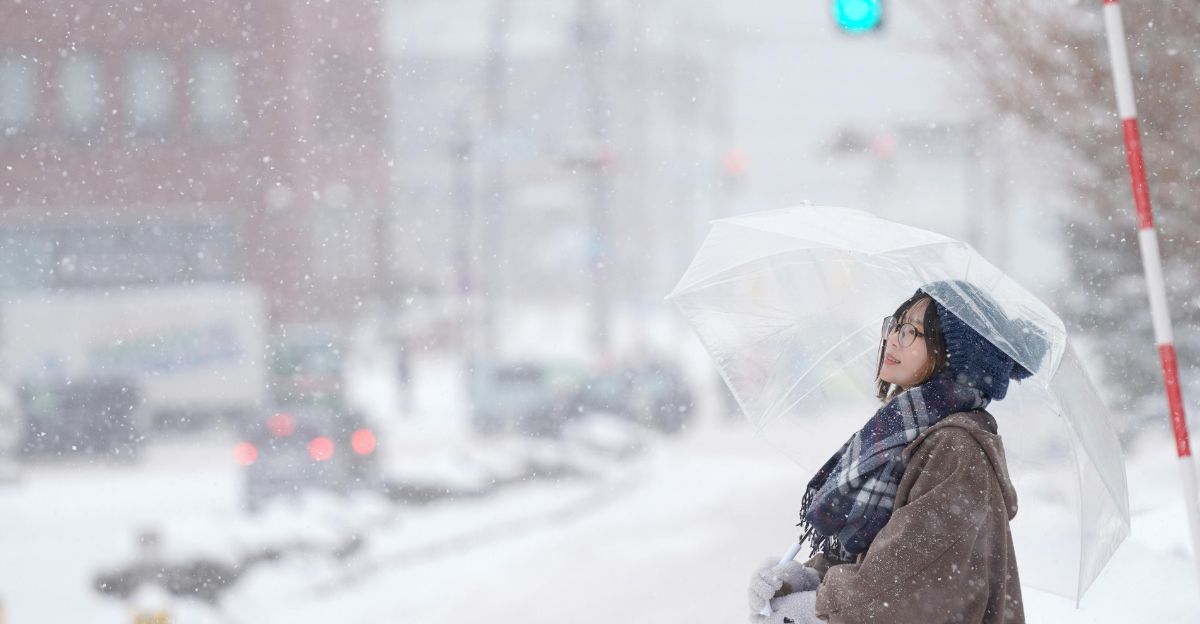
The colder-than-normal winter in the northern states will likely drive up heating costs, while the southern U.S. enjoys warmer, drier conditions.
These regional differences in weather patterns could create economic disparities, with heating and snow removal businesses booming in the North, while other sectors in the South may benefit from the mild conditions.
Health Risks and Precautions
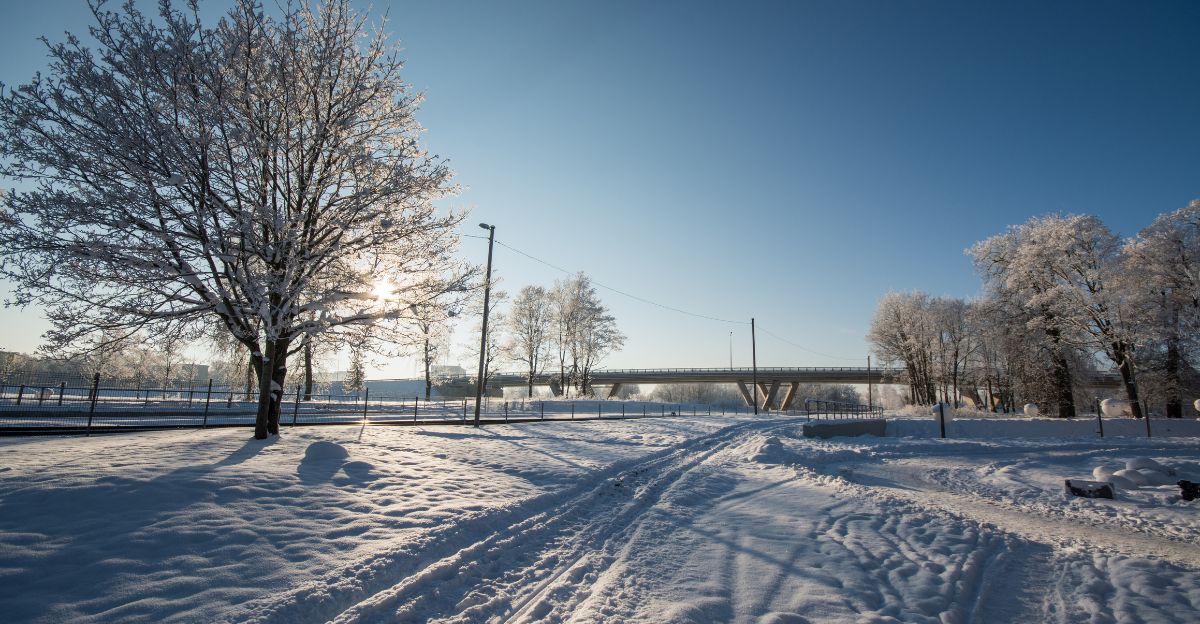
Cold weather poses significant health risks, especially for the elderly and those with preexisting conditions. Health officials are advising residents in affected regions to take precautions such as limiting outdoor exposure and dressing in layers.
Monitoring weather alerts and adjusting activities for safety will be critical as the temperatures drop.
Understanding the Science Behind Extreme Weather
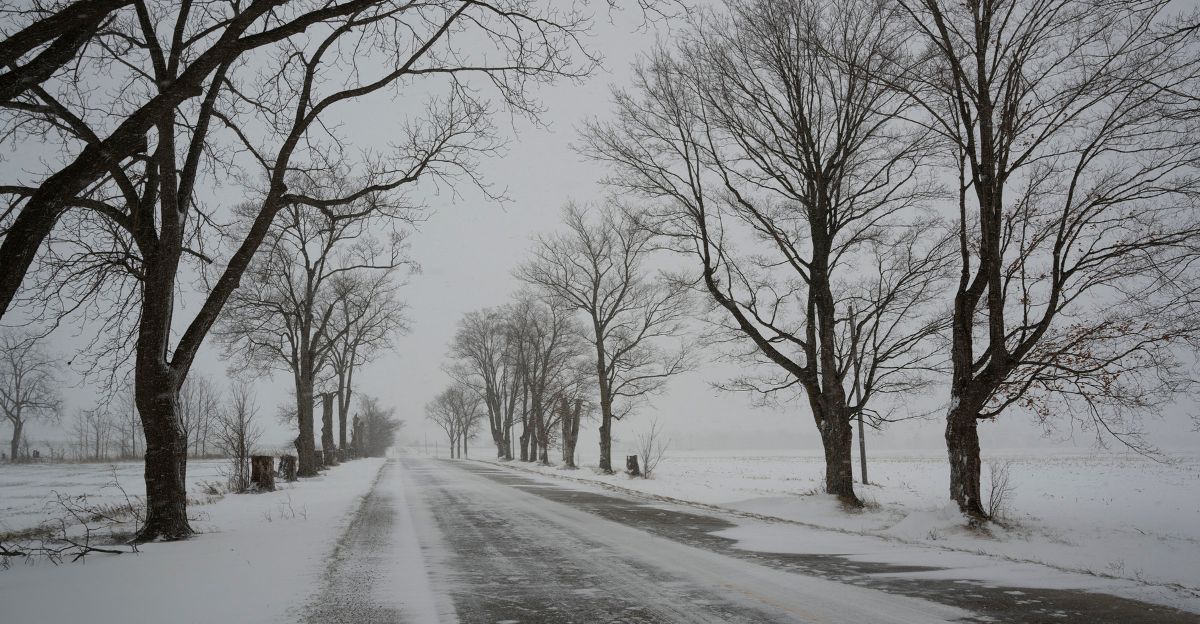
The disruption of the polar vortex and the weak La Niña phenomenon highlight the complexity of natural climate patterns.
Scientists continue to study how changes in the jet stream and atmospheric conditions influence extreme winter weather. These insights help predict future trends and prepare for similar events in the years to come.
Global Attention on U.S. Winter
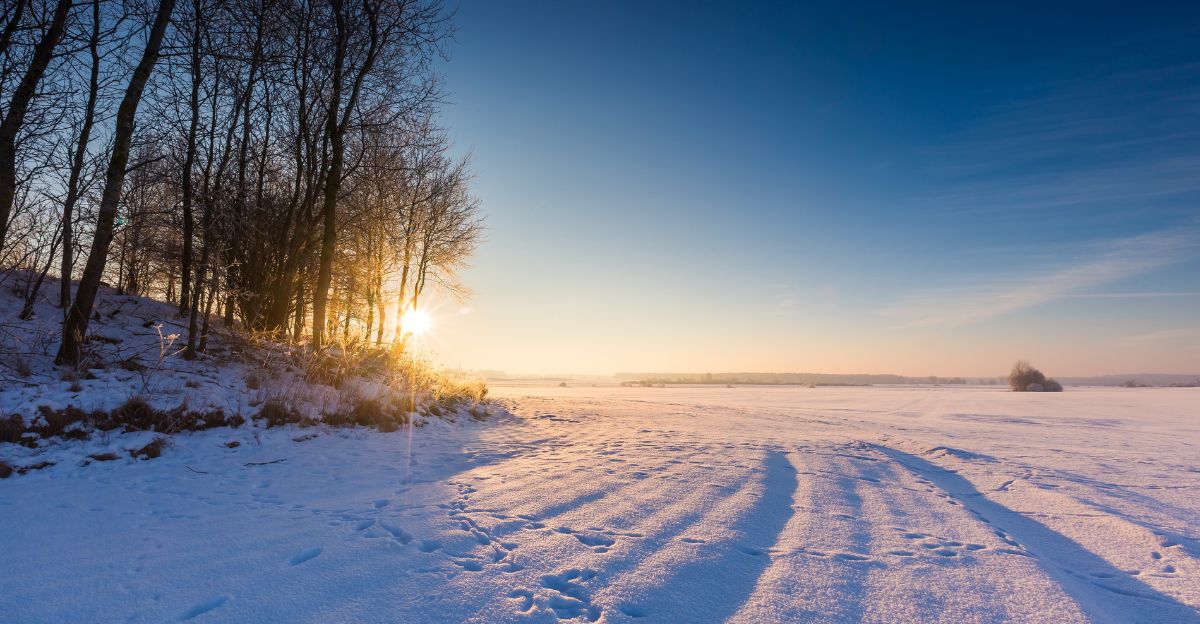
The forecast for a challenging U.S. winter is catching the attention of international observers. Changes in weather patterns could disrupt global trade and commodity prices, especially in agriculture and energy markets.
Countries with trade ties to the U.S. are keeping a close eye on the situation to adjust their supply chains accordingly.
Regional Winners and Losers
While the northern U.S. braces for colder and snowier conditions, the southern states, including parts of California and Florida, are expected to enjoy warmer and drier weather.
This presents a unique opportunity for agricultural and tourism industries in the South, while businesses in the North prepare for increased demand for winter-related services.
Financial Market Impacts and Consumer Preparedness

Energy and agricultural markets may experience volatility due to the unusual weather patterns.
Consumers are advised to prepare by checking heating systems, weatherproofing their homes, and reviewing their energy costs. Being proactive will help minimize the impact of the coming winter months.
Looking Ahead: Transition to Spring
While the La Niña phenomenon is expected to persist through the winter, conditions may shift by early spring 2026.
As the season progresses, there is a possibility of neutral conditions returning, but the combination of La Niña and the polar vortex could continue to shape weather patterns across North America through February, potentially affecting the transition into spring.