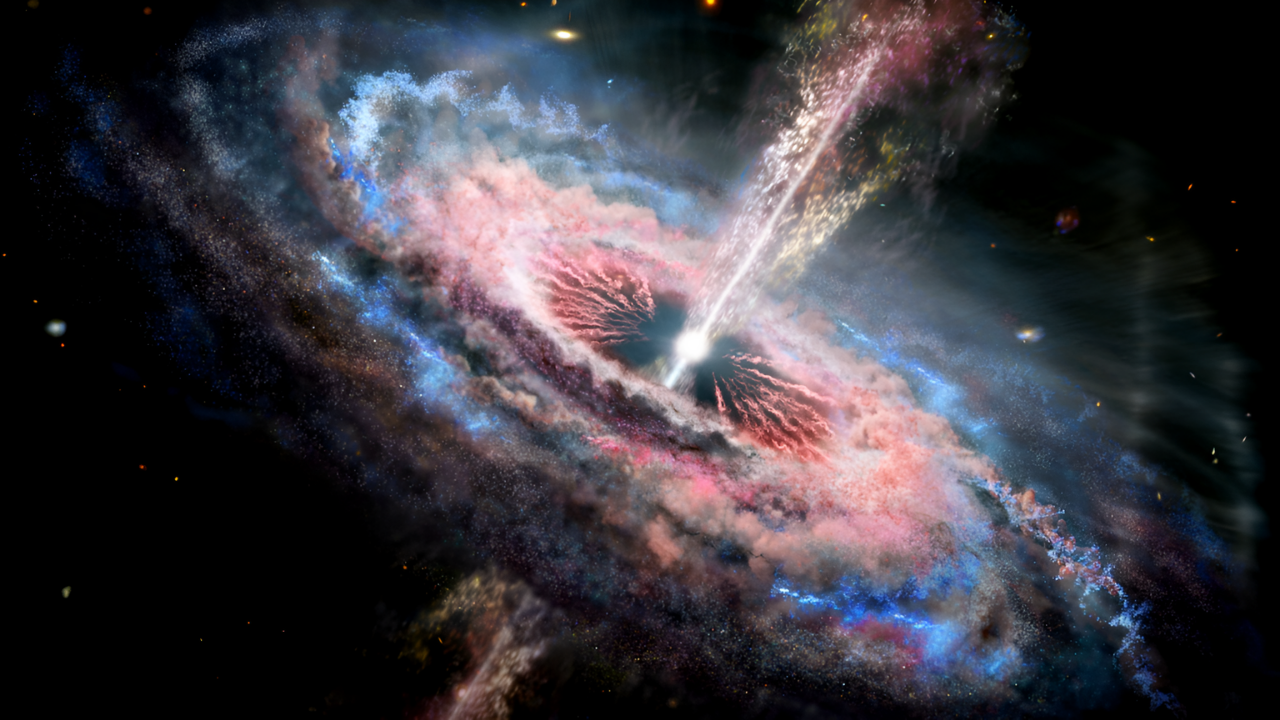
Between the end of cosmic inflation and the birth of the first atoms lies a mysterious window. Standard cosmology maps the universe from 10 seconds to 20 minutes after the Big Bang, when the first atomic nuclei formed.
Yet the critical period—the milliseconds and microseconds just after inflation ended—remains almost entirely uncharted.
A groundbreaking study now suggests that this previously unknown era may have hosted the most exotic stellar objects ever to exist.
Matter’s Brief Dominance
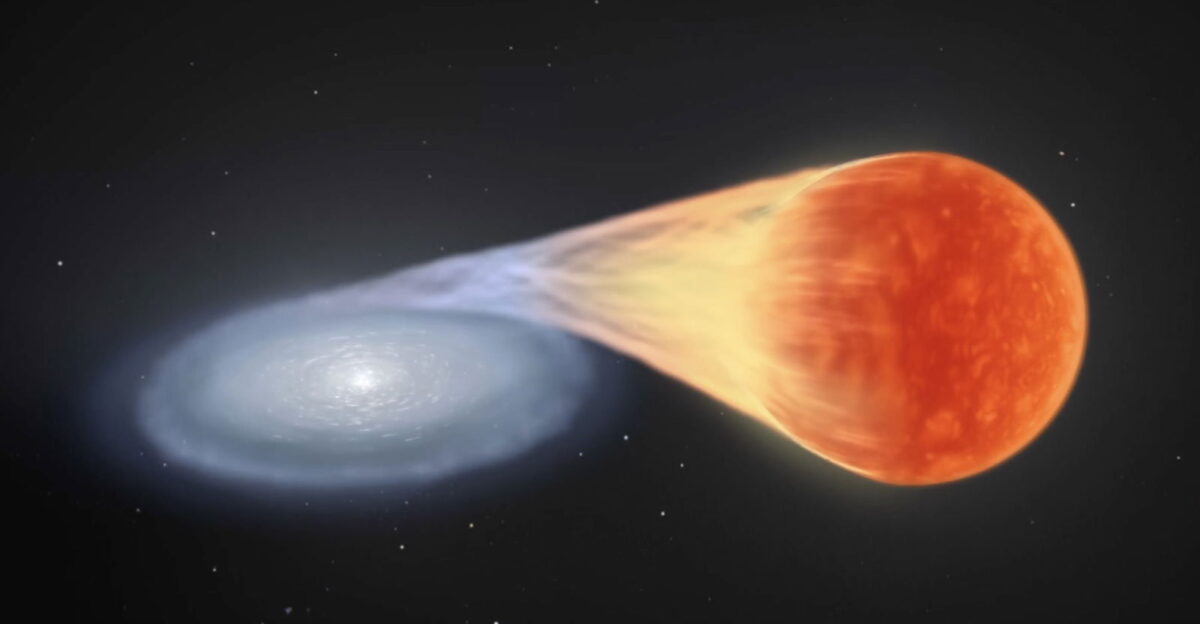
Standard cosmology holds that radiation dominated the early universe immediately after inflation. However, some theoretical models propose a tantalizing alternative: a brief Early Matter-Dominated Era (EMDE) when matter temporarily outweighed radiation.
During this hypothetical phase, primordial particles could have clumped into dense halos solely through gravitational attraction.
If particles possessed self-interactions—a property not yet confirmed but theoretically plausible—these halos would behave radically differently from conventional dark matter.
When Particles Collide
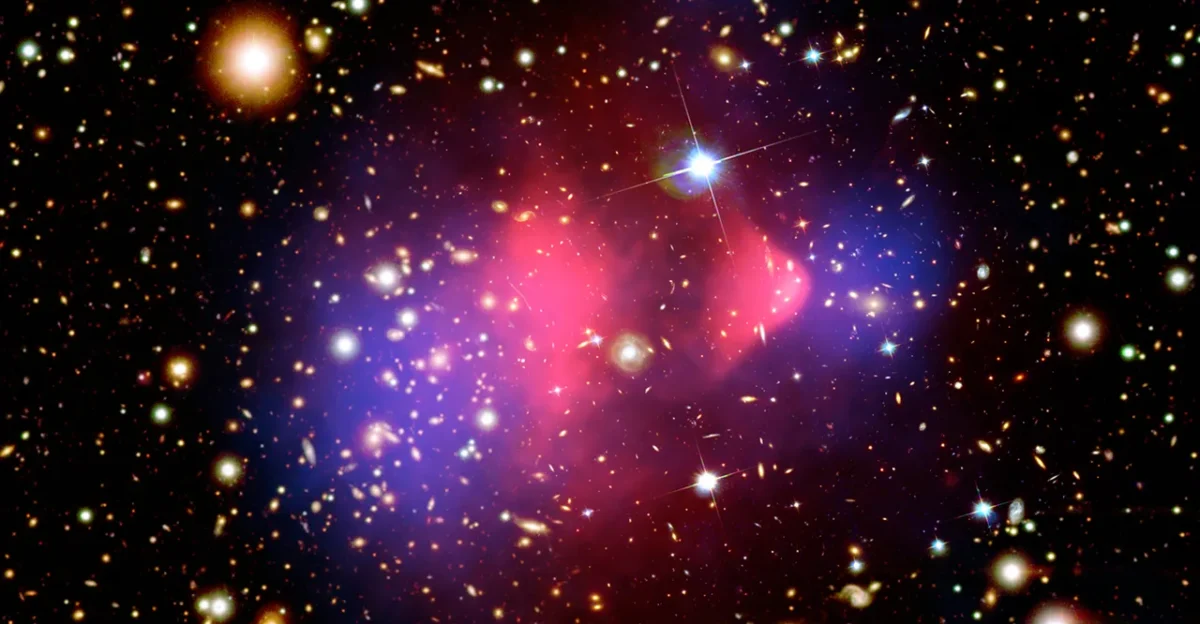
The theory of self-interacting dark matter posits that particles within dense halos collide and transfer energy to one another, a process known as gravothermal collapse.
As particles interact, they generate heat, driving the halo’s core to increasingly higher densities and pressures. This cascading process, depending on initial conditions and particle properties, could spawn radically different cosmic objects.
The outcome depends on a delicate balance between gravity pulling inward and internal forces pushing outward.
Multiple Pathways to Compact Objects

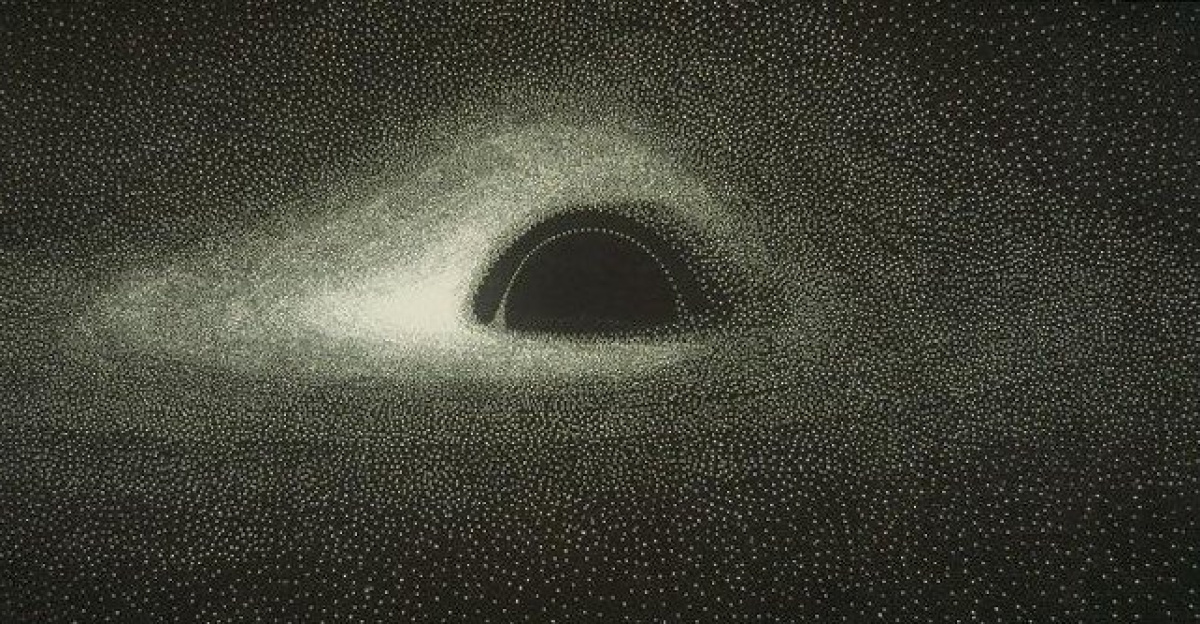
Research into gravothermal collapse reveals not one outcome but several. Under certain density and temperature conditions, collapsing matter halos could form primordial black holes—the universe’s tiniest yet most massive compact objects.
Under different conditions, exotic stellar types could briefly emerge. The SISSA team investigated whether self-interacting particles could sustain temporary stellar structures before inevitably collapsing into black holes. Their findings suggest a universe far richer in early phenomenology than previously imagined.
Cannibal Stars: Powered by Annihilation
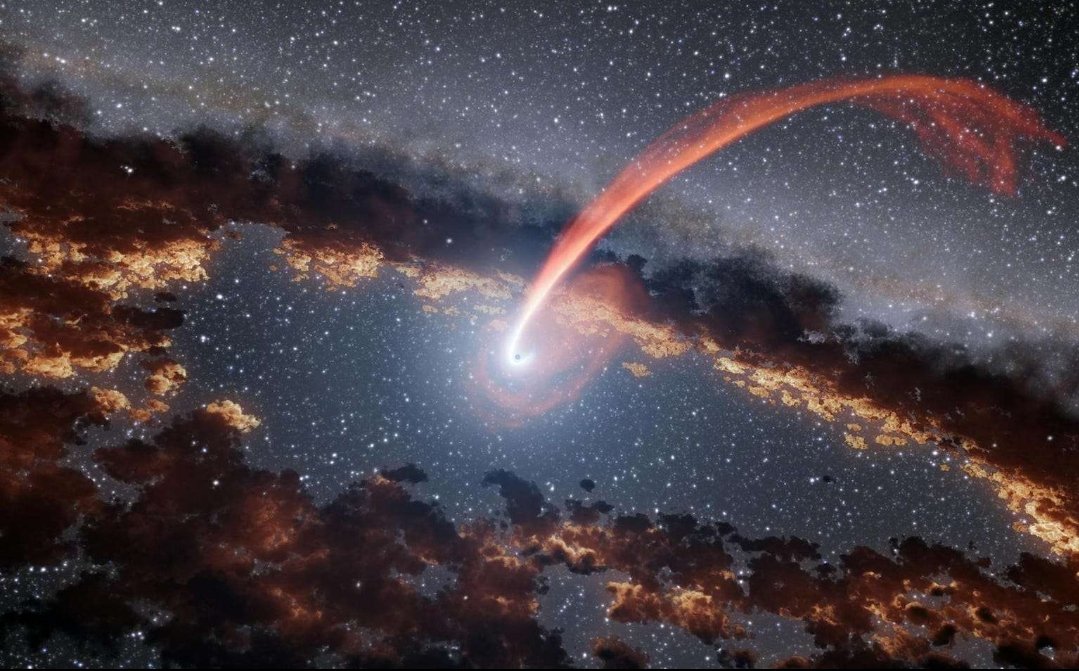
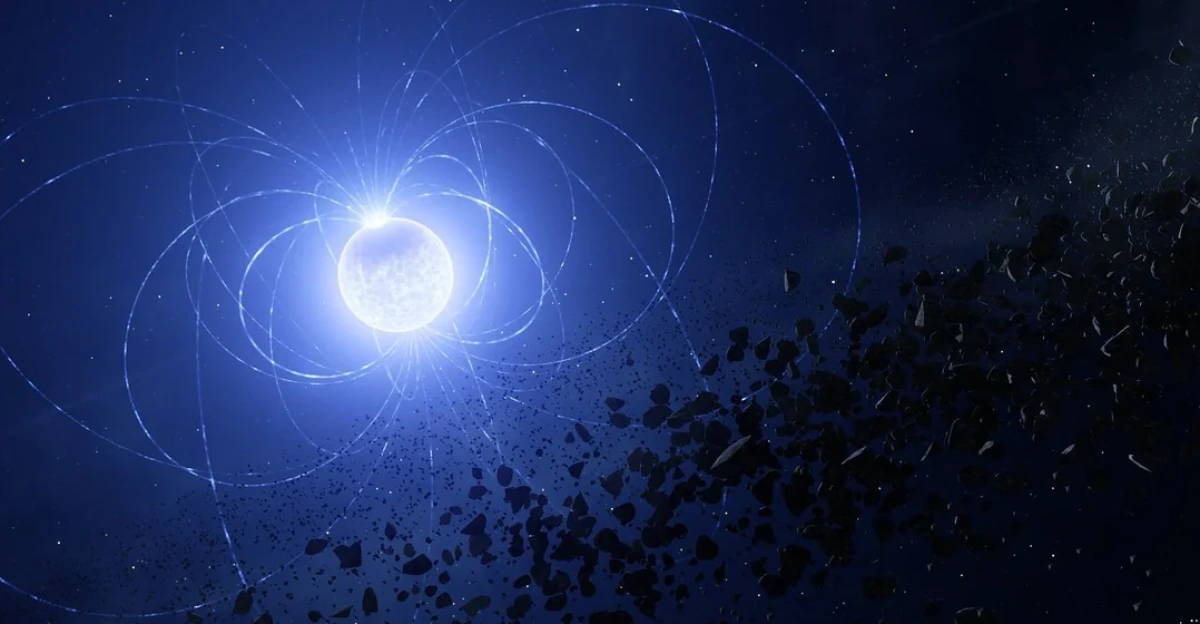
Among the exotic objects that may have emerged: “cannibal stars,” so named because they derive energy not from nuclear fusion like ordinary stars, but from matter-antimatter annihilation reactions.
Researchers Pranjal Ralegankar, Daniele Perri, and Takeshi Kobayashi of SISSA, in collaboration with INFN, IFPU, and the University of Warsaw, demonstrated that number-changing particle interactions within collapsing halos could generate sufficient heat to halt gravitational compression. The result: a brief stellar object powered entirely by particle annihilation.
Boson Stars: Quantum Defense Against Gravity
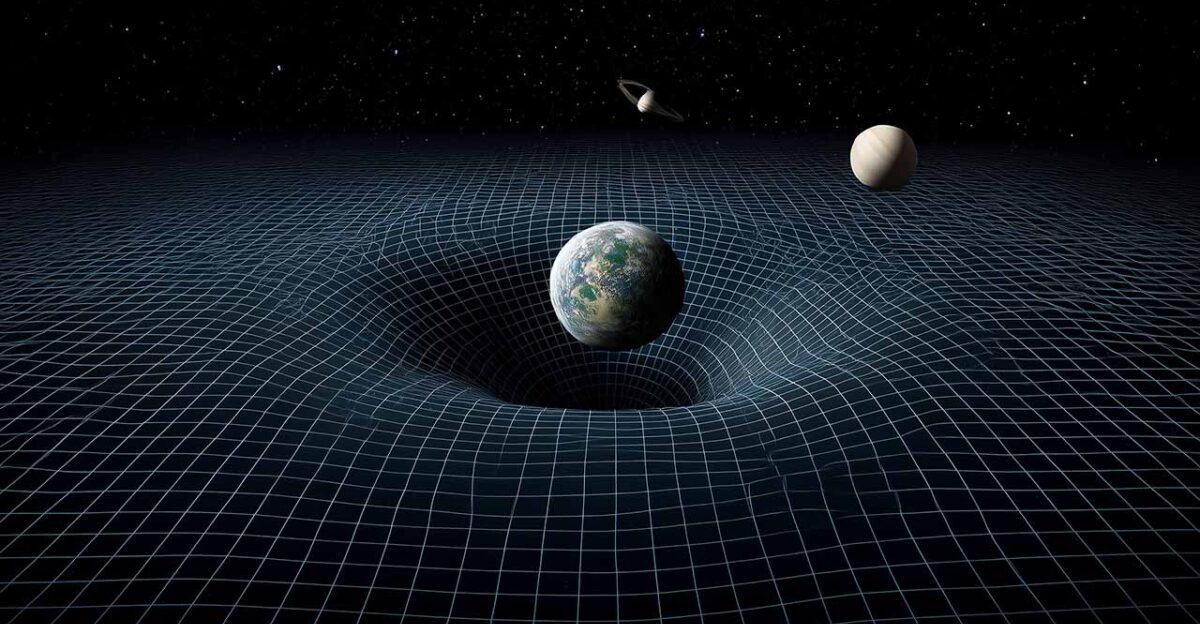
A second exotic possibility emerged from the theoretical models: boson stars. These hypothetical objects would be held together not by annihilation heat but by quantum pressure—repulsive self-interactions of their constituent bosonic particles.
This quantum “pressure wall” would resist gravitational compression, potentially allowing these exotic stellar structures to persist slightly longer than cannibal stars.
If early-universe conditions matched the correct parameters, boson stars might have briefly populated the cosmos as a distinct stellar population.
A Rich Early Phenomenology

What distinguishes the SISSA research is its scope and implications. Gravothermal collapse in an EMDE would not produce a single exotic object type but rather multiple populations depending on halo mass, particle properties, and interaction strengths.
In the same epoch and under the exact mechanism, primordial black holes, cannibal stars, and boson stars could coexist.
This diversity contradicts the austere picture of the earliest universe most cosmologists had envisioned—suggesting instead a cosmos rich with complex physical processes.
Ephemeral Existence
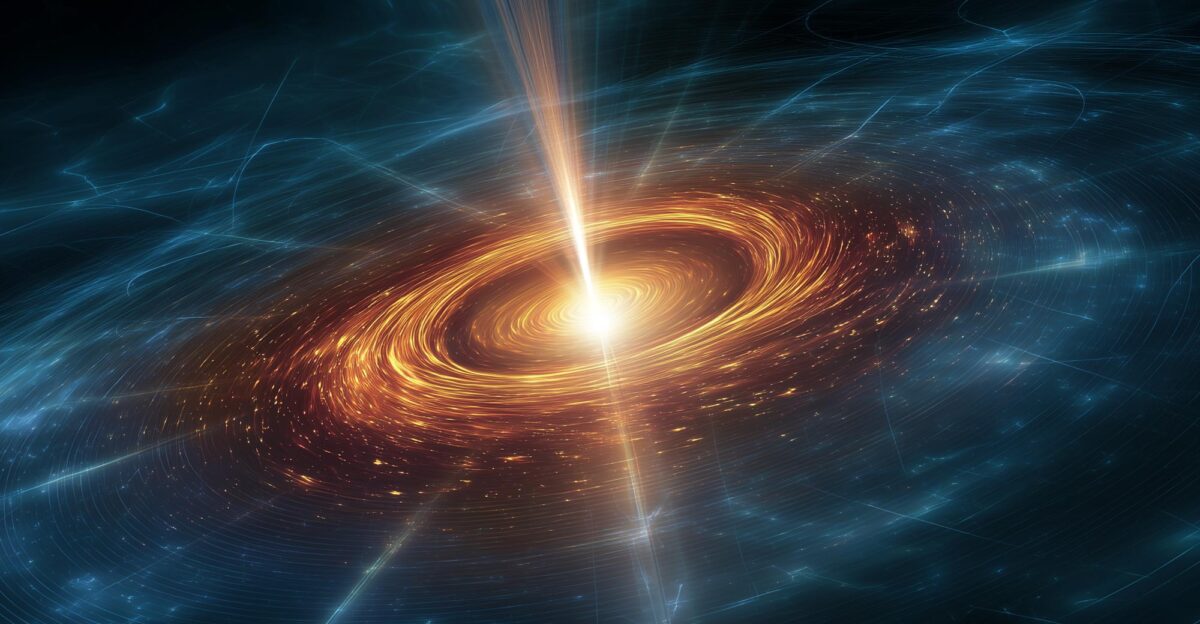
Here lies the crucial finding: cannibal and boson stars, if they formed, would be profoundly temporary. Cannibal stars, fueled by annihilation reactions, would burn brightly for seconds before the surrounding matter halo grew too massive, triggering catastrophic gravitational collapse into a black hole.
Boson stars, stabilized by quantum pressure, might have survived somewhat longer—just long enough to subtly influence the cosmos’s earliest structure formation—before suffering the same gravitational fate.
The Black Hole Endpoint
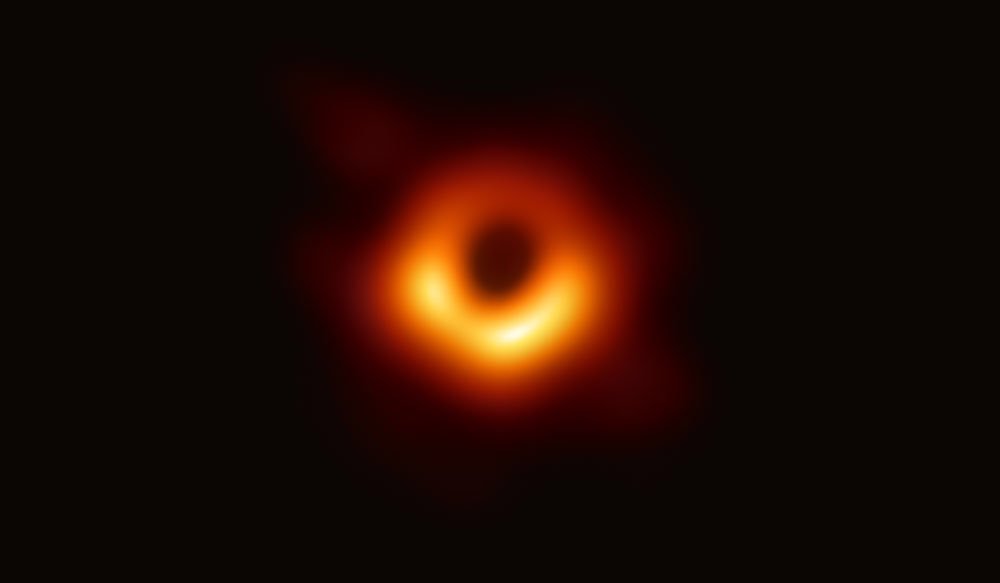
The halos feeding these exotic stellar structures would continue accreting mass from their surroundings. Eventually, the infalling matter would overwhelm whatever mechanism—annihilation heat, quantum pressure, or other force—temporarily stabilized the exotic star.
The inevitable result: gravitational collapse into primordial black holes. Thus, the SISSA model predicts a cascade of cosmic objects: black holes seeded directly from halos, and others spawned when cannibal and boson stars exhausted their internal support mechanisms.
Asteroid-Mass Black Holes: A New Frontier
A revealing secondary insight emerges from the calculations: the primordial black holes created through gravothermal collapse would occupy a narrow, previously understudied mass range.
The SISSA team predicts asteroid-mass black holes—roughly 10^28 grams or the mass of a small asteroid—as characteristic products of this mechanism.
These objects occupy a unique niche between stellar black holes and supermassive ones, representing an entirely new frontier in black hole physics and dark matter studies.
Why This Matters: Dark Matter’s Missing Piece
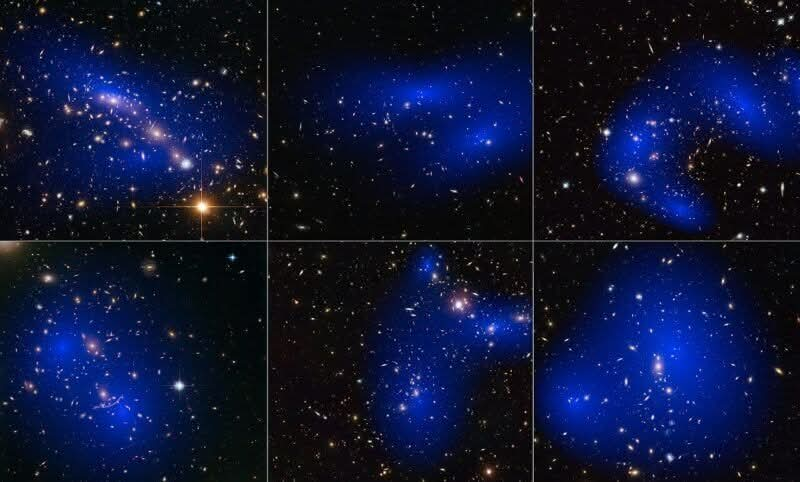
The implications extend far beyond theoretical curiosity. If the EMDE scenario is real, it presents a novel formation pathway for primordial black holes—compact objects that may constitute a significant fraction of the universe’s dark matter.
Dark matter remains one of physics’s most profound mysteries: invisible, its composition unknown, its origins obscure. Current astronomical surveys detect gravitational wave signatures from the mergers of black holes of unexpected masses, raising questions about their origins.
Could Some Merging Black Holes Be Primordial?
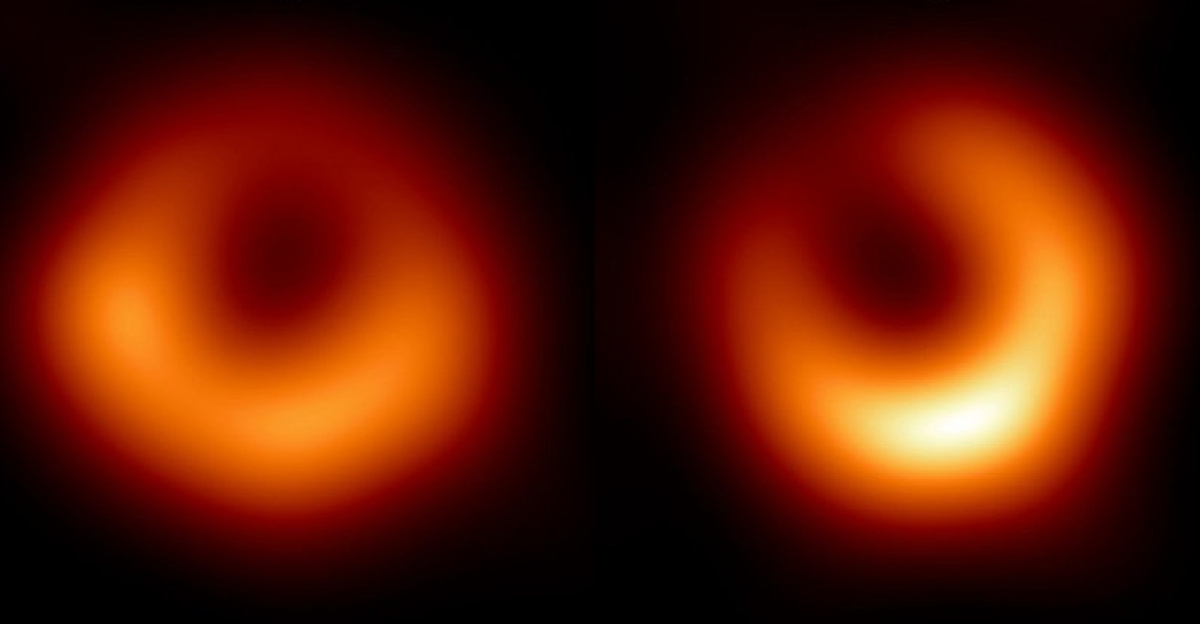
The LIGO-Virgo-KAGRA gravitational wave collaboration has detected dozens of black hole mergers over the past decade. Most are assumed to form from stellar collapse, but their masses sometimes fall outside expected ranges, raising puzzles.
The SISSA research opens a framework for testing whether a fraction of these observed mergers involve primordial black holes born from gravothermal collapse in the early EMDE.
If confirmed, it would significantly reshape our understanding of dark matter’s composition and the dynamics of the early universe.
Modern Universe Parallels

Intriguingly, the SISSA team notes that gravothermal collapse may not be purely a historical phenomenon. Self-interacting dark matter halos could, in principle, undergo identical collapse processes even today, in the cores of present-day galaxies and galaxy clusters.
If pockets of self-interacting dark matter exist in the modern cosmos, cannibal stars or boson stars might form now, though at rates far too slow and in environments far too harsh for direct detection.
This possibility suggests the early universe’s exotic phenomenology may offer a template for understanding contemporary dark matter dynamics.
The Escape Problem
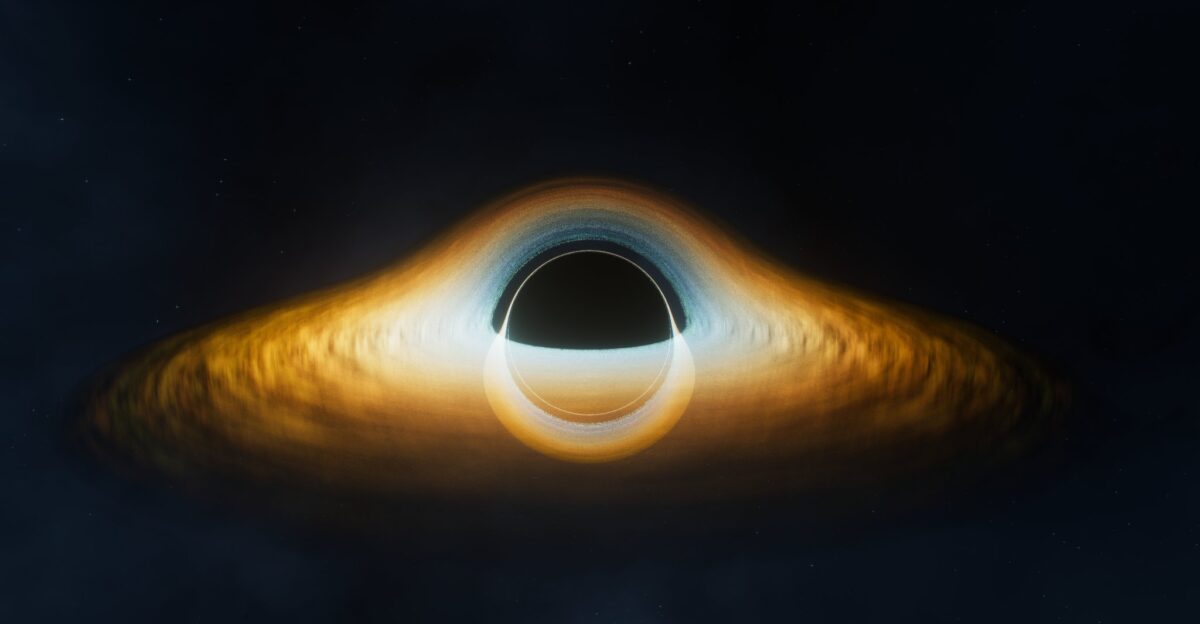
Yet a paradox lurks within the model: if gravothermal collapse drives nearly everything toward black holes under most scenarios, how did the universe escape total collapse?
The fact that nucleosynthesis proceeded, stars formed, galaxies emerged, and we exist today suggests some matter must have avoided the black hole endgame.
The SISSA research opens new questions: Which conditions allowed matter to escape collapse? Did certain halo masses survive? What fraction of the EMDE’s matter actually formed compact objects?
Observational Pathways: A Distant Mirror
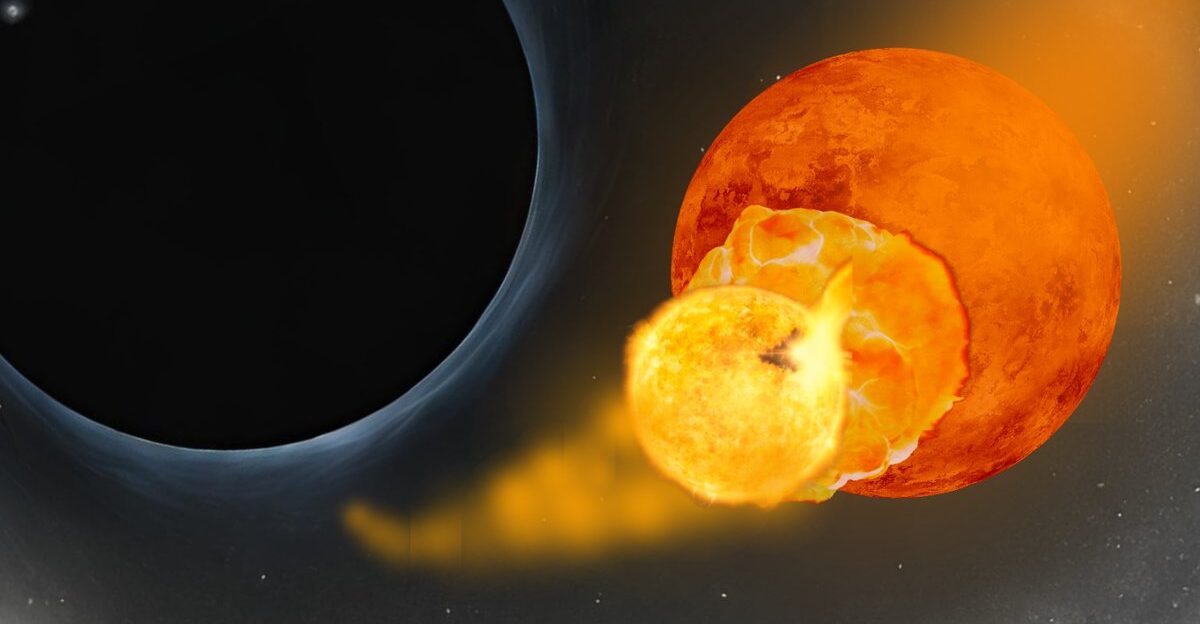
Direct detection of primordial cannibal or boson stars is impossible—they vanished more than 13 billion years ago, surviving only seconds. Yet indirect signatures may exist in the cosmos today.
Primordial black holes born from gravothermal collapse would populate specific mass ranges and possess characteristic properties.
Advanced gravitational wave experiments—LIGO, Virgo, KAGRA, and future observatories like LISA—could potentially detect merging primordial black holes, providing circumstantial evidence for the EMDE and its exotic stellar precursors.
Reframing Early Universe Physics

This research represents a fundamental conceptual shift in how cosmologists envision the universe’s first moments. For decades, the epoch between inflation and nucleosynthesis seemed barren and featureless—a cosmic dead zone.
The SISSA work suggests it was instead a turbulent arena where gravity, quantum pressure, annihilation reactions, and self-interactions competed fiercely.
Before atoms formed, before photons decoupled—in that primordial darkness—exotic stellar objects may have briefly flickered into existence.
International Collaboration and Peer Review

The research emerges from a rare international scientific partnership. Lead researchers Pranjal Ralegankar, Daniele Perri, and Takeshi Kobayashi, based at SISSA in Trieste, Italy, collaborated with researchers from INFN (Italy’s National Institute of Nuclear Physics), IFPU (an international graduate institute), and the University of Warsaw in Poland.
The study’s acceptance in Physical Review D, a top-tier peer-reviewed journal, and its selection as an “Editors’ Suggestion” reflect the scientific community’s assessment of its significance and rigor.
Dark Matter’s Composition Puzzle
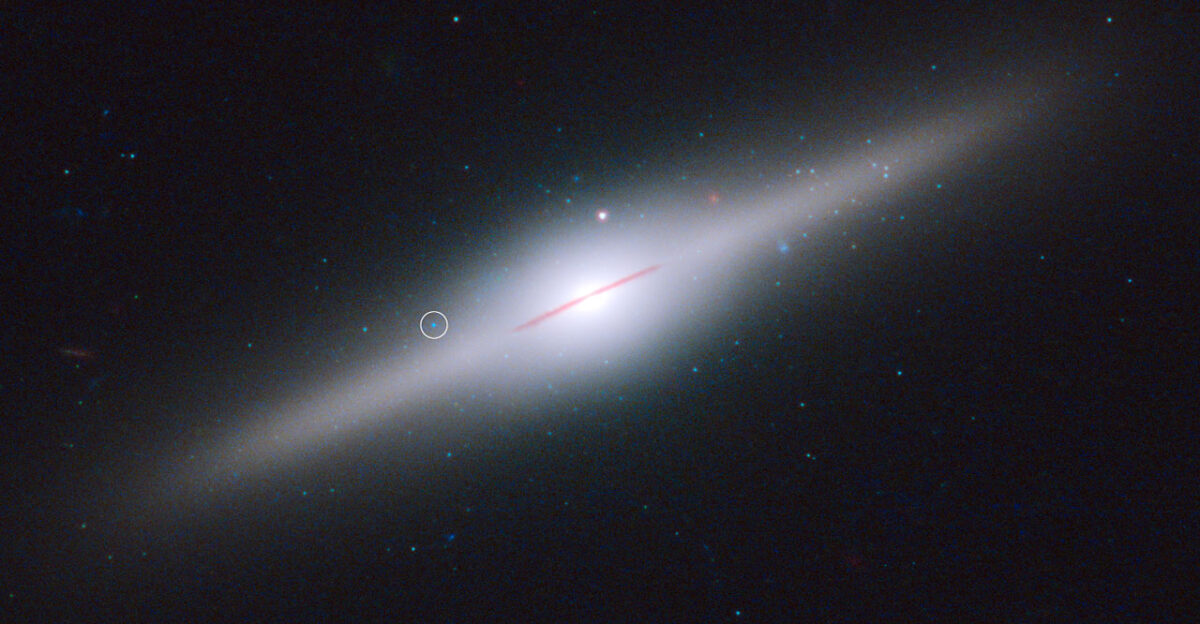
Dark matter comprises approximately 85 percent of the universe’s matter yet remains fundamentally mysterious. Decades of experiments seeking hypothetical new particles, such as WIMPs or axions, have yielded no definitive detections.
The SISSA research proposes an alternative avenue: perhaps a significant fraction of dark matter consists of primordial black holes, themselves products of early-universe gravitational dynamics rather than exotic particles.
If true, this would reorient the entire dark matter search program from particle physics toward observational astronomy.
Outstanding Questions
The study raises as many questions as it resolves. The precise conditions necessary for an EMDE remain largely unconstrained by observations. The theoretical properties of cannibal stars under diverse particle scenarios require further refinement.
The detectability of asteroid-mass primordial black holes through gravitational waves remains uncertain. The relative contributions of different formation channels—direct halo collapse versus cannibal-star decay—remain unclear. These open questions have already begun attracting follow-up research across multiple institutions globally.
A Reframed First Second
Cannibal and boson stars that may have existed only seconds after the Big Bang represent far more than curiosities for theoretical physicists. They symbolize a profound reframing of cosmic origins.
Rather than a simple, featureless earliest era, the infant universe emerges from this research as a stage for rich, complex physics involving self-interacting matter, gravothermal dynamics, and surprising stellar phenomenology.
If confirmed by future observations—particularly through gravitational wave detections of asteroid-mass primordial black holes—this vision will transform how humanity understands the universe’s deepest mysteries.