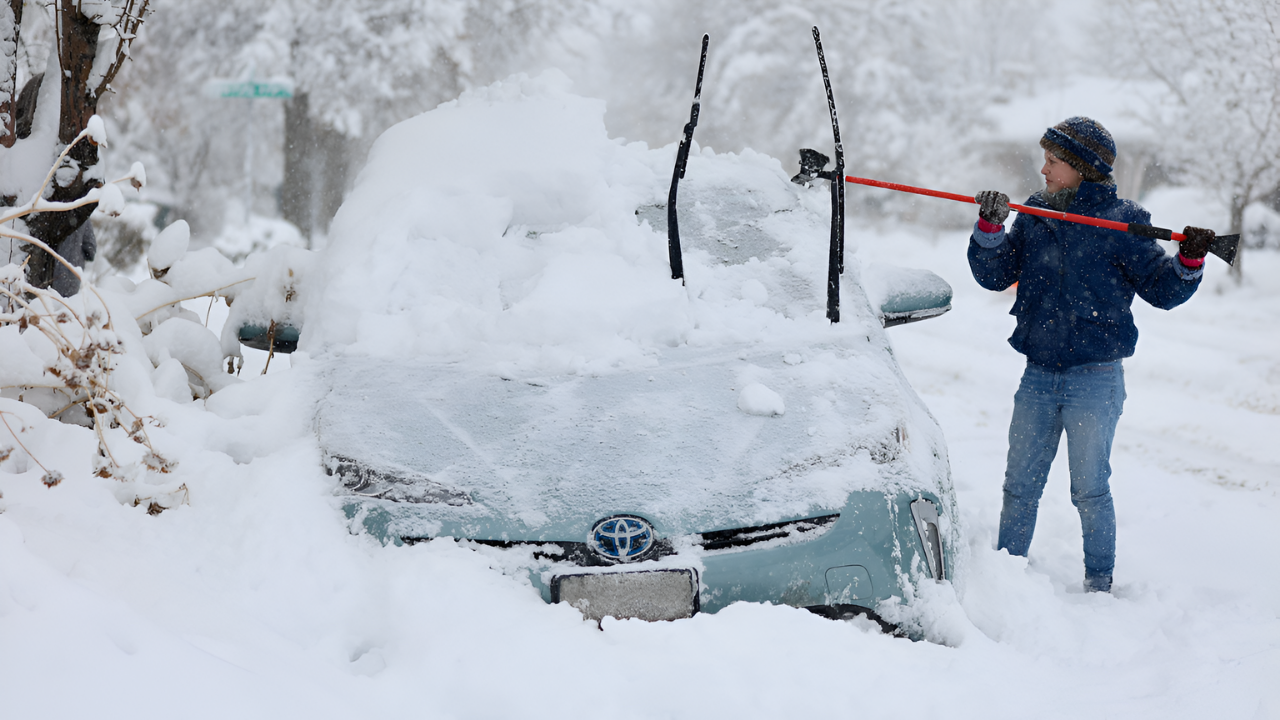
A huge winter storm is sweeping across six U.S. states, dumping up to 24 inches of snow. The National Weather Service has warned that travel is extremely dangerous, and for some people impossible, because heavy snow and strong winds have created whiteout conditions. This storm stretches from Alaska all the way to New York, impacting over a million people.
Experts are urging everyone to avoid roads, calling it a life-threatening event for anyone caught on the roads. Emergency alerts are going out to let communities know that staying indoors is the safest choice, especially with the possibility of power outages and closed roads. This is not a typical winter storm, it’s more powerful and widespread than most people have seen in recent years.
Chaos Spreads Quickly
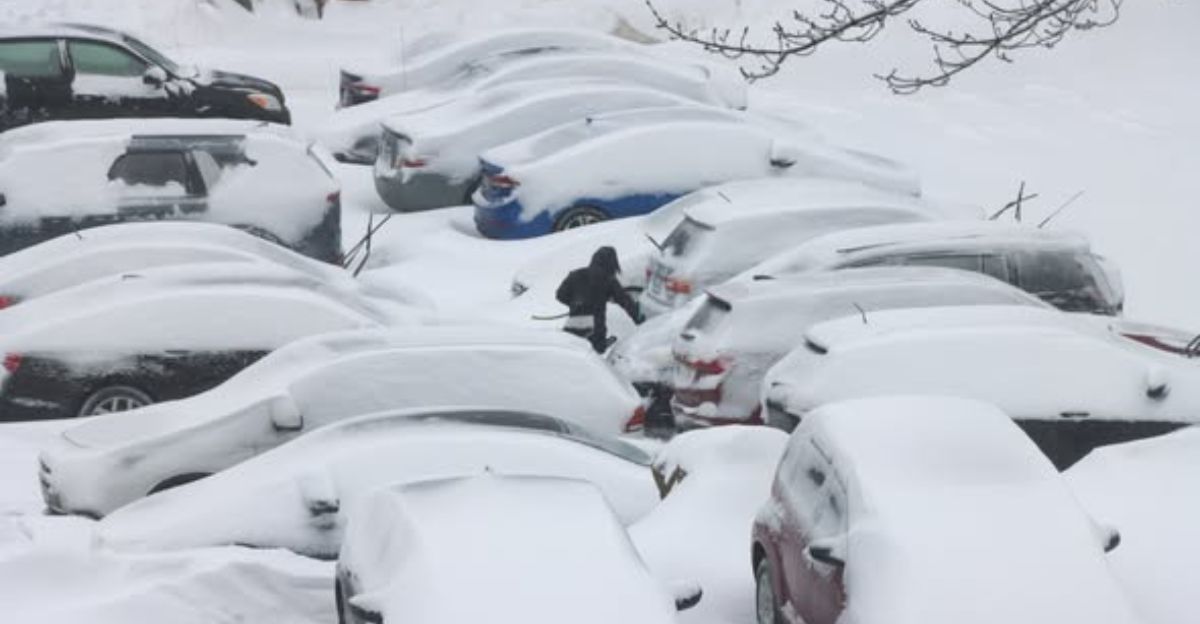
This storm is interrupting life across Alaska, Colorado, Wyoming, New York, California, and Nevada, all at once. Fierce winds blowing over 60 mph make the snow swirl so thick that seeing anything is nearly impossible. Emergency teams are ready for anything, preparing shelters and warning that delays, road closures, and outages may last days.
Local leaders are telling people to prepare for the worst. Power companies are bracing for high demand and possible breakdowns, and workers who clear roads are getting set for long shifts. It’s a situation with major challenges for all, and it’s important to follow official advice until the storm passes.
Why This Is Record-Breaking
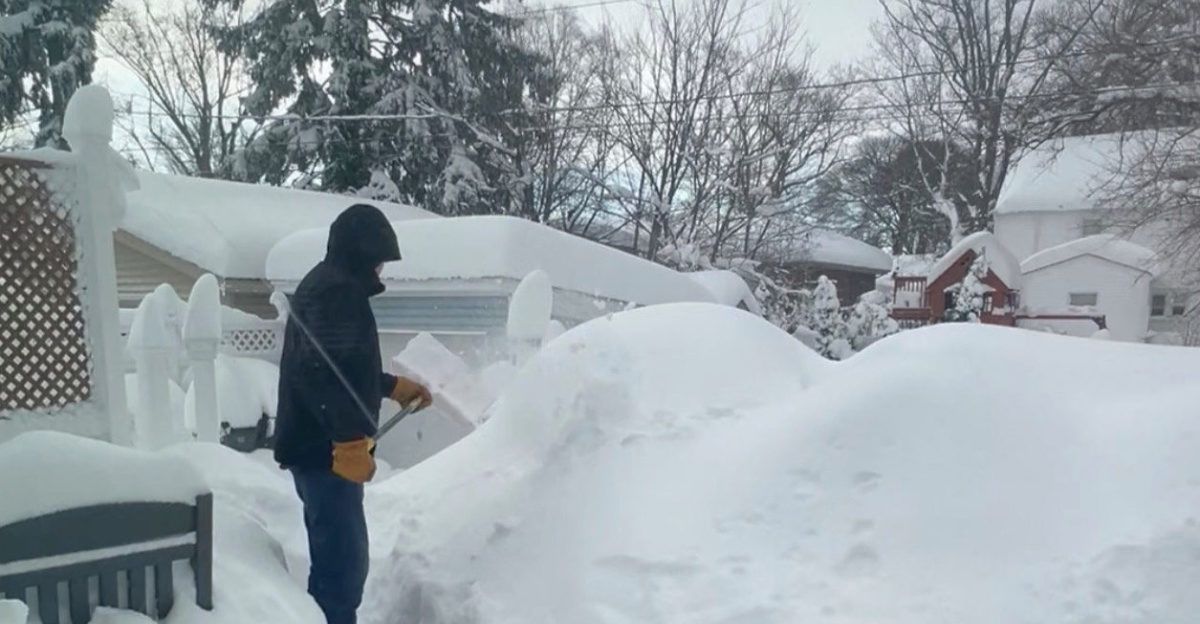
Experts say it’s rare for one winter storm to hit so many states at once. The reason behind this massive event is La Niña, a climate pattern known for creating big and frequent storms in northern areas.
Meteorologists believe that climate patterns like this make winters more unpredictable and severe. Because of these changes, storms cover more ground, last longer, and put more people at risk. It’s a reminder to pay close attention to weather forecasts, because what seems possible in one area can now happen in several places at the same time.
Systems Under Pressure
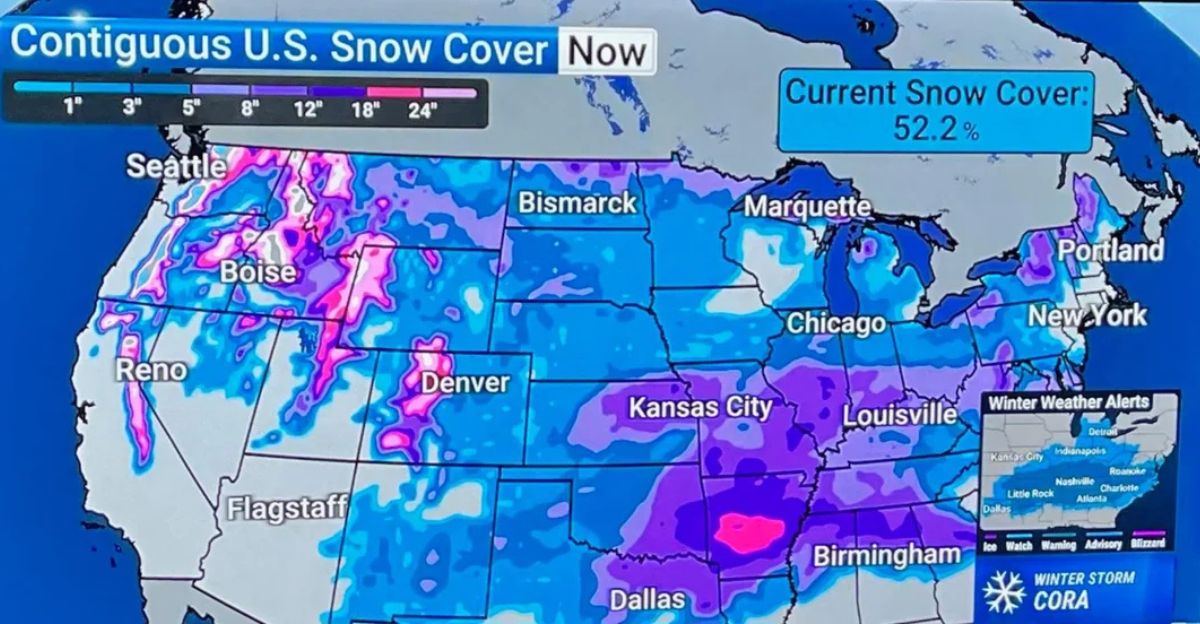
Recent years have seen tougher winters, with snow falling more often and in bigger amounts. This is causing extra pressure on power grids, road systems, and emergency response crews everywhere. Ski resorts, towns, and cities are having trouble keeping up with fast, unpredictable snow.
Cities are spending more on snow-clearing, and power companies work longer hours trying to keep the lights on during these intense storms. All these systems must stretch to their limits when storms like this roll in, making everyone’s job more challenging.
Heavy Snow Blankets Six States
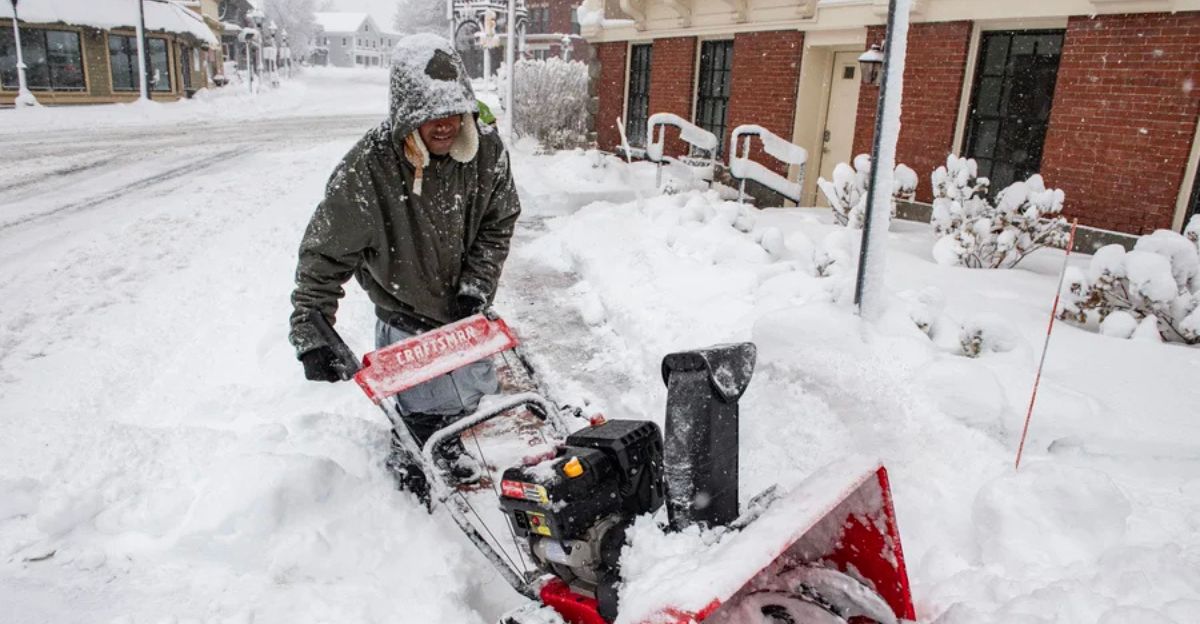
By midweek, Alaska, Colorado, Wyoming, New York, California, and Nevada will be blanketed in up to 24 inches of snow, according to the National Weather Service. The biggest snow totals are expected in California’s Sierra Nevada and Nevada’s Spring Mountains, where roads and famous ski resorts could close down completely. Snow like this can stop travel on highways and mountain passes, and cancel outdoor plans for days.
Towns and resorts popular with visitors are hit especially hard, with fewer people able to come during the peak of the season. The situation makes it clear just how powerful and disruptive this winter storm really is. According to Newsweek, “Heavy snow and blustery winds are expected to hit parts of the U.S. from Wednesday through to Thursday evening—and in some cases into Friday morning—which, according to the National Weather Service (NWS), could bring up to 24 inches of snow to certain areas.”
Every State Faces Tough Challenges
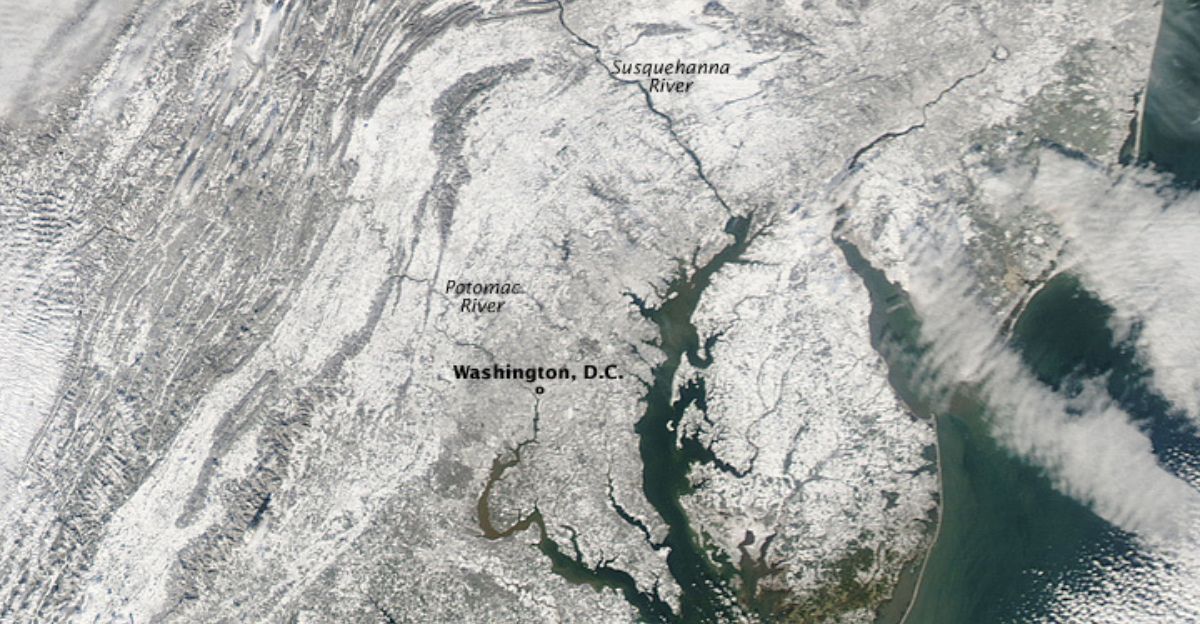
California’s Sierra Nevada Mountains may get two feet of snow, while similar amounts are forecast for Nevada’s Spring Mountains. In New York, the storm could drop up to 14 inches, while blizzards in Alaska may bring 20 inches and 60 mph winds.
Each area faces its own challenges, for some, it’s heavy snow and for others, blinding wind or freezing temperatures. No matter where you live in the path, travel will be slow and risky. Rescue crews are ready in every state, and local leaders are telling people to stay off the roads and wait for help if they get stuck.
Who’s Most At Risk?
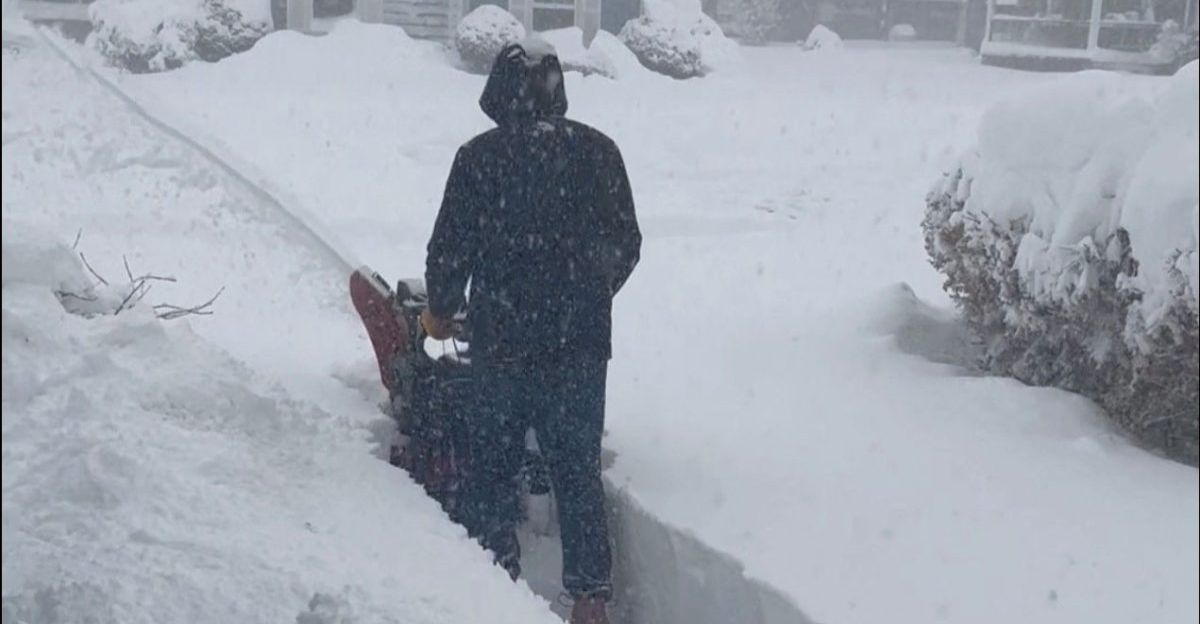
About a million people live in the mountain areas where this storm is at its worst. Many could wind up stranded if roads close or power goes out.
To keep people safe, emergency shelters are opening in several counties so nobody is left out in the cold. Families are encouraged to check in on neighbors, just in case someone needs extra help during the storm. Officials are reminding everyone to not take chances, and stay indoors until it’s safe.
Fast Action From Emergency Teams
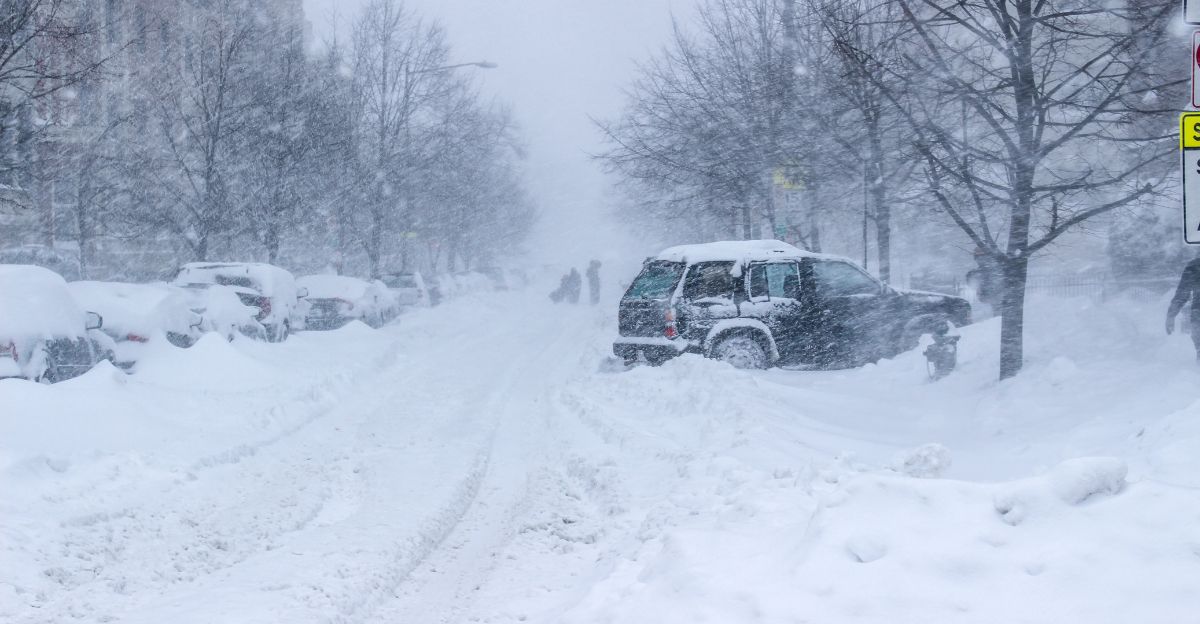
With storm warnings over all six states, emergency crews are moving quickly. Shelter locations are set up, snowplows are getting prepped, and ski resorts are pausing operations. Some ski resorts are canceling or delaying their openings to keep visitors safe.
Rescue teams are making plans to clear snow, bring power back, and help anyone cut off from roads. These actions show just how serious local leaders are about saving lives and reducing risk.
Storms Are Getting Worse
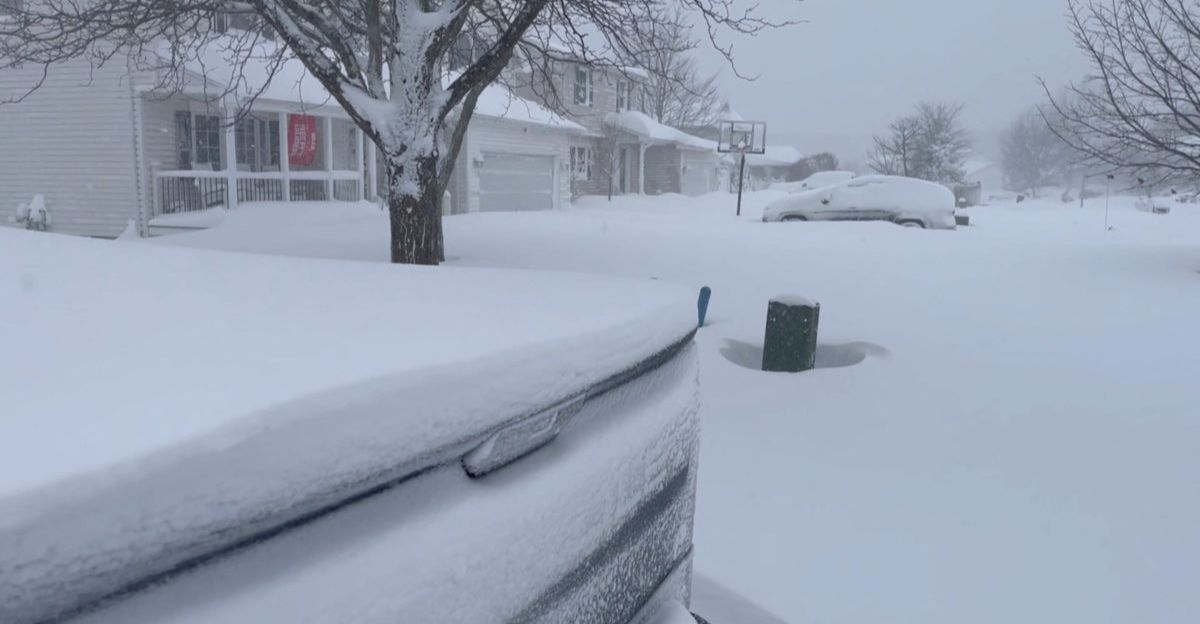
Meteorologists say this is part of a larger trend: winters are becoming harsher and snowier, especially in northern states. La Niña is making storms like these more frequent, and the pattern is expected to stick around into next year.
Families, businesses, and towns are planning for longer winters and bigger storms, which means everyone has to be more prepared than ever.
Financial Losses Hit Resorts
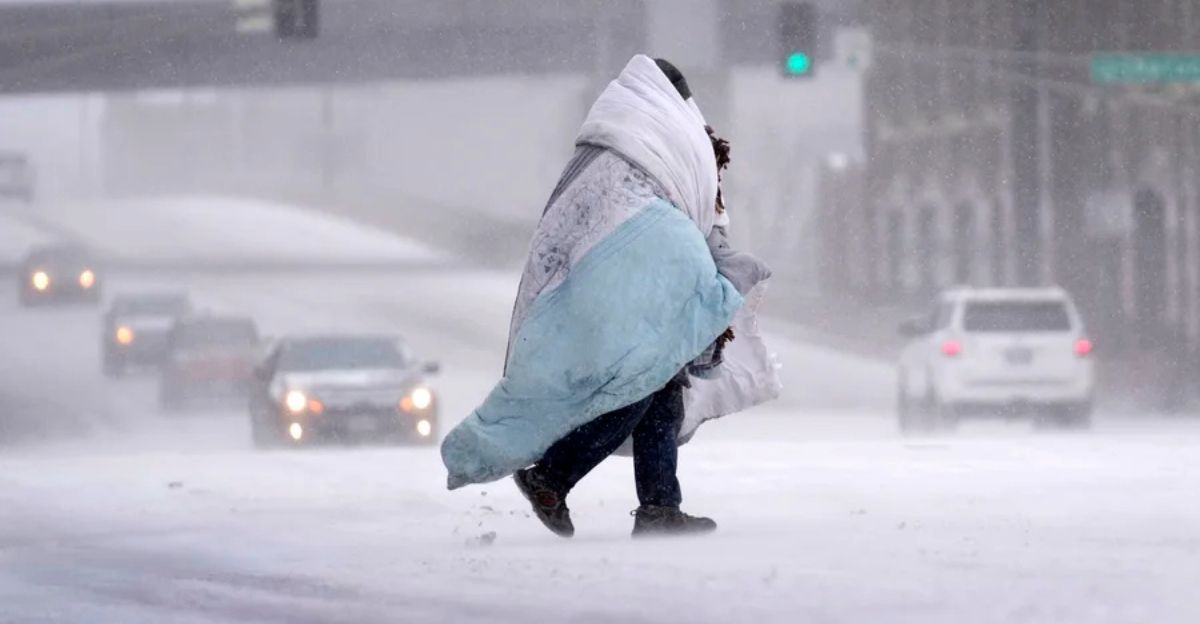
The big storm is hurting the local economy, especially in ski resorts across California, Nevada, and Wyoming. Because operations are delayed and slopes remain closed, resorts lose business at the start of the season, right when they expect to earn the most.
Struggling shops and restaurants near resorts are feeling the pinch, too. All these issues make it harder for communities to recover financially after the storm passes.
Ongoing Frustrations
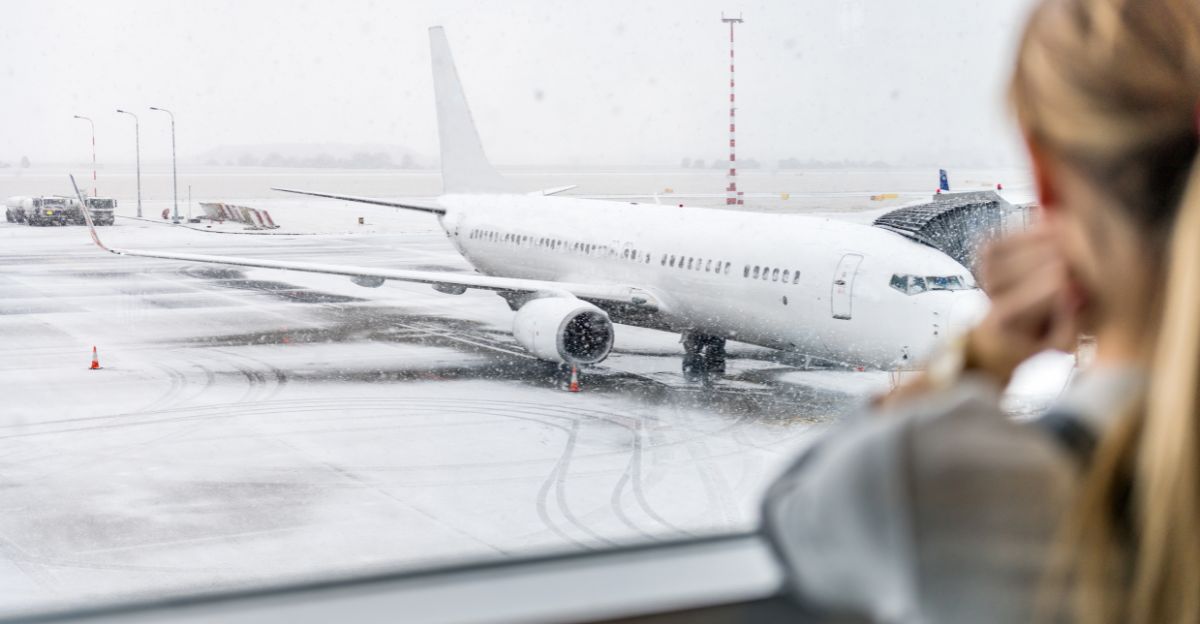
Hundreds of thousands of travelers have seen their plans ruined as roads are closed, flights canceled, and businesses shut for the holidays. Local store owners are worried about missing their busiest season, and some may lose money they count on to get through winter.
Emergency managers continuously urge patience and preparation, reminding everyone to remain patient and stay prepared for power outages and delays. People are looking for clear information about when things will reopen and how they can stay safe during the worst of the storm.
Leaders Take Charge
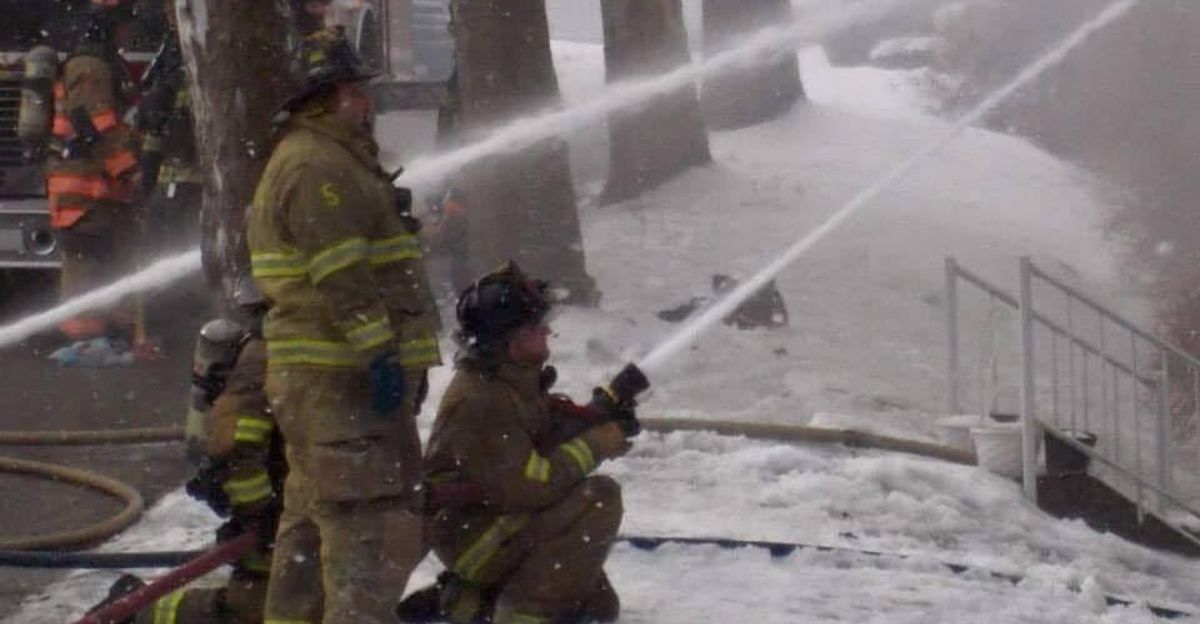
Governors, mayors, and emergency crews are working together to help people quickly. The National Weather Service leads with real-time updates, making sure everyone knows where to find help and shelter.
Local governments use social media, radio, and text alerts to share information during the crisis. This teamwork is helping families stay informed, and it shows how important official communication can be in a storm like this.
Clearing Roads and Getting Ready
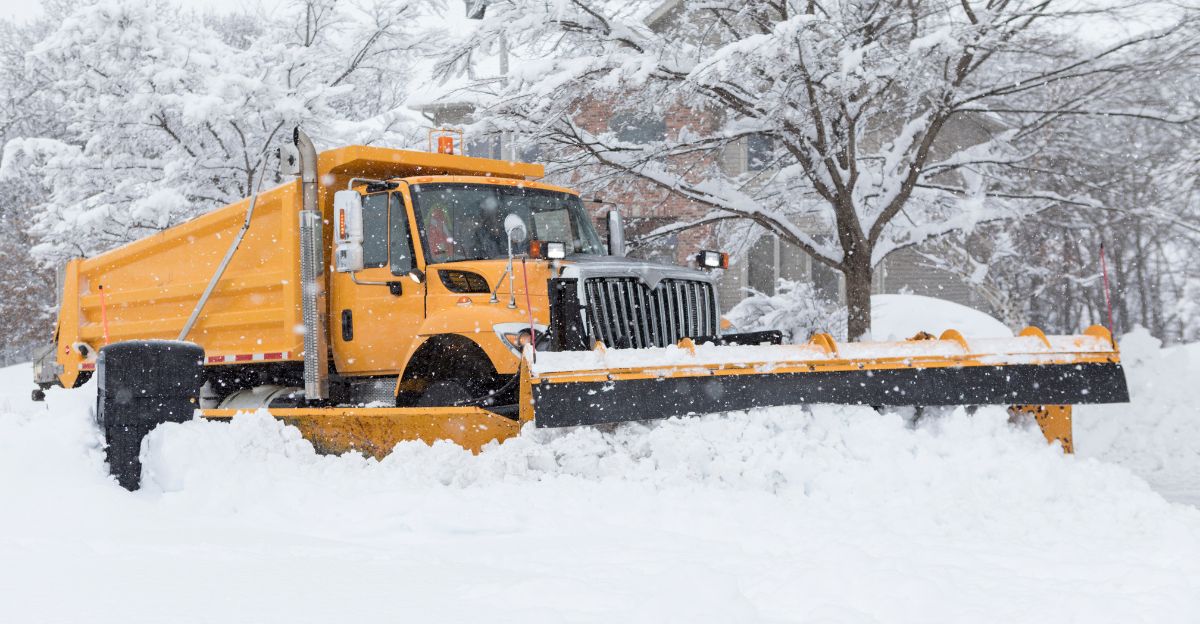
As soon as the weather allows, snowplows and emergency crews start working nonstop to reopen roads. Many ski resorts use special machines to clear the snow, hoping to welcome skiers back as soon as possible.
Using tools like high-tech snow grooming equipment means resorts can recover faster and get more people back to work and play. The fast response is key for everyone hoping to enjoy the holidays and for businesses that rely on winter crowds.
More Could Come
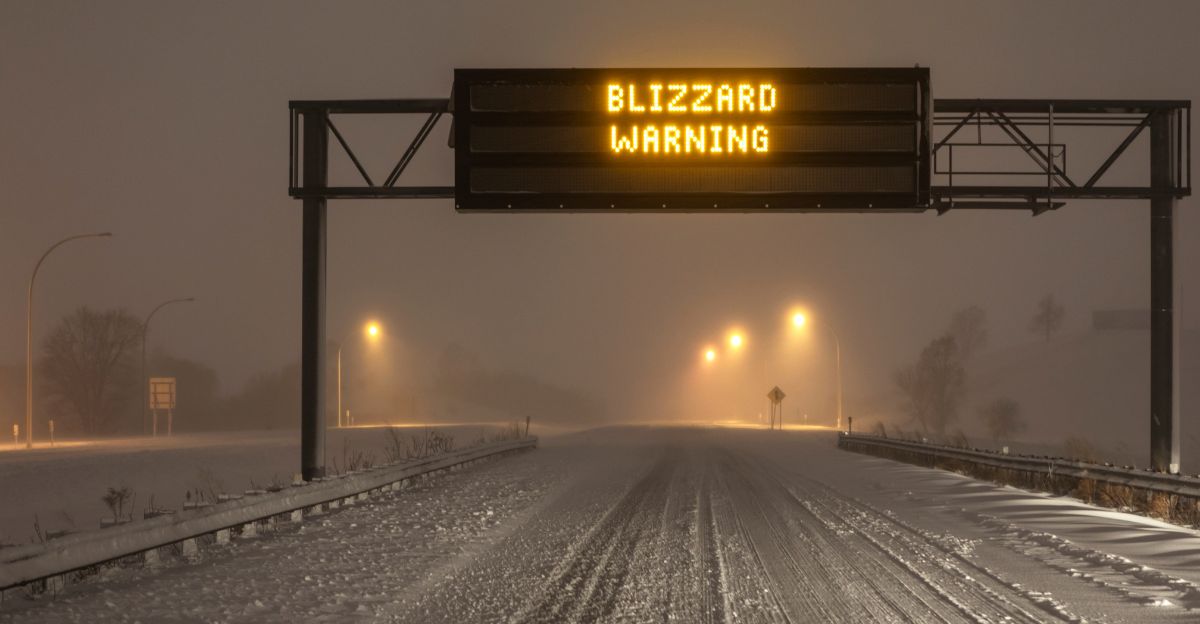
Meteorologists say the main part of the storm will end by Wednesday, but deep snow and freezing temperatures could cause problems for days or weeks. Mountain towns need to watch for avalanches, and more storms could follow soon.
“Lingering risks remain,” warned an AccuWeather expert. It’s important for residents to pay attention to weather alerts and official instructions to stay safe as things change.
What’s Next for Winter?
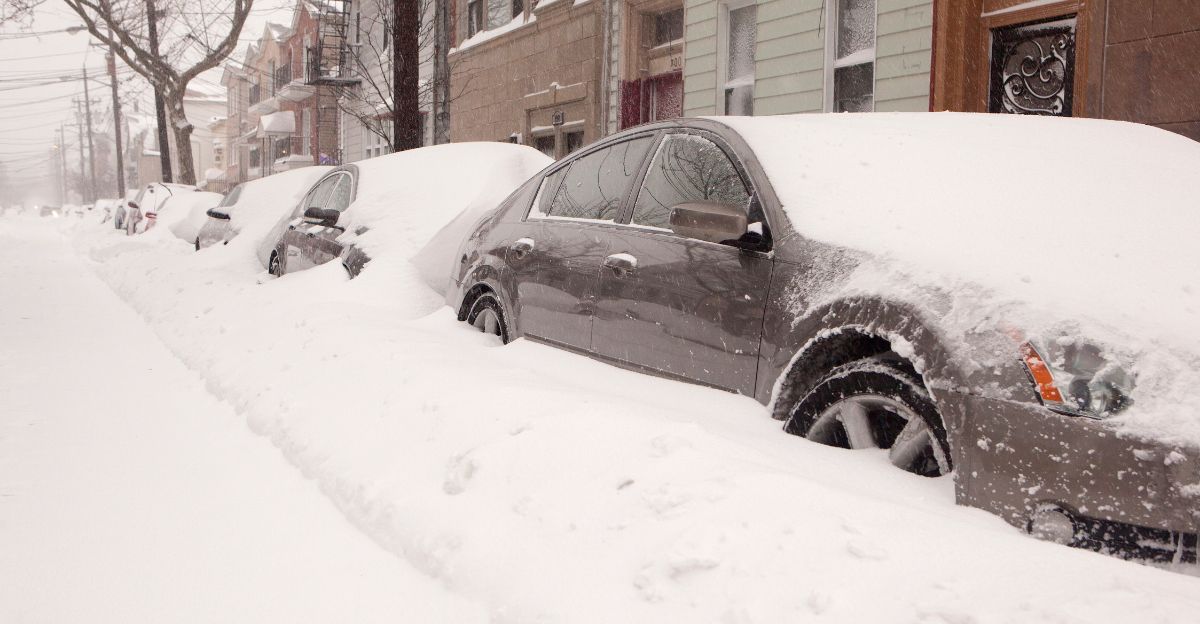
Experts are asking if back-to-back storms are becoming the new normal in the U.S. Because La Niña may stick around into 2026, everyone is being urged to prepare for even more wild winter weather.
For now, it pays to prepare early and take every warning seriously. Keeping up with forecasts and local advice is now more important than ever.