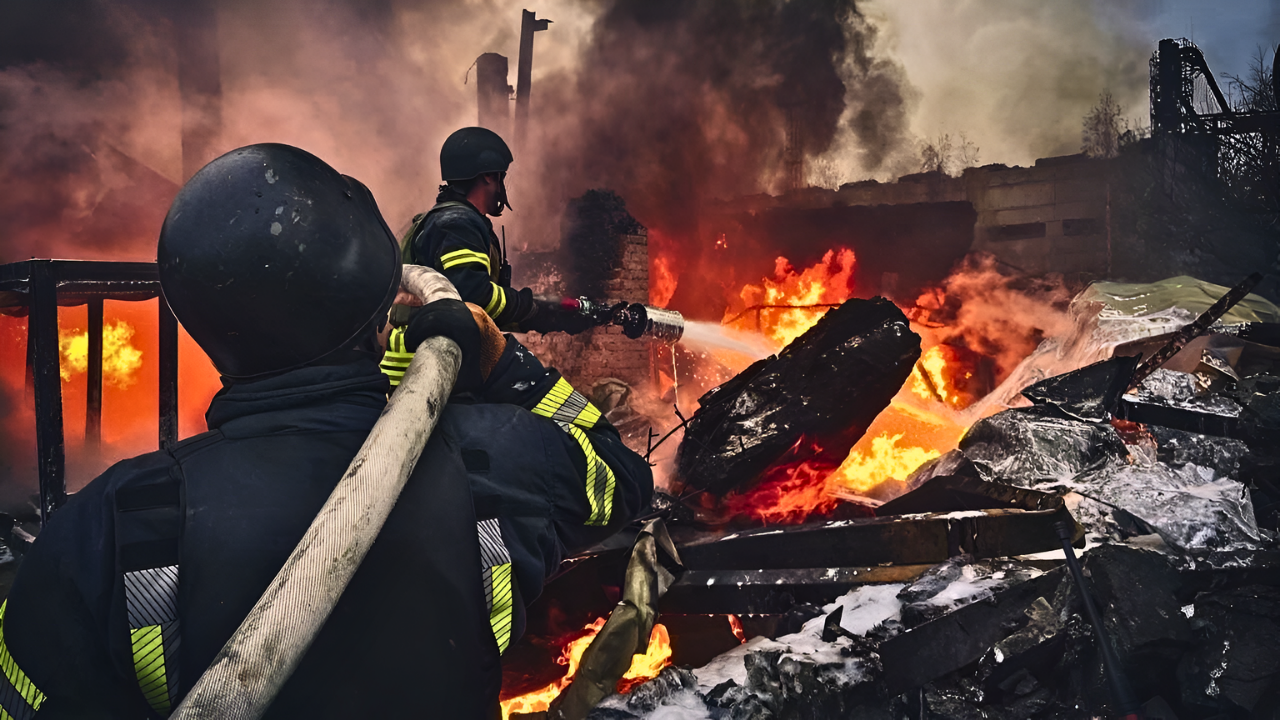
Within a single 24-hour period, Ukraine endured 150 combat clashes as Russia deployed nearly 2,500 kamikaze drones—one of the largest single-day drone barrages of the war. The attacks struck across more than ten directions, overwhelming local defenses and signaling a dangerous acceleration of Russia’s drone-centric strategy. The scale and intensity of these assaults underscore a rapidly shifting battlefield where unmanned systems increasingly determine momentum and survival.
Why Russia is Escalating Drone Warfare Now
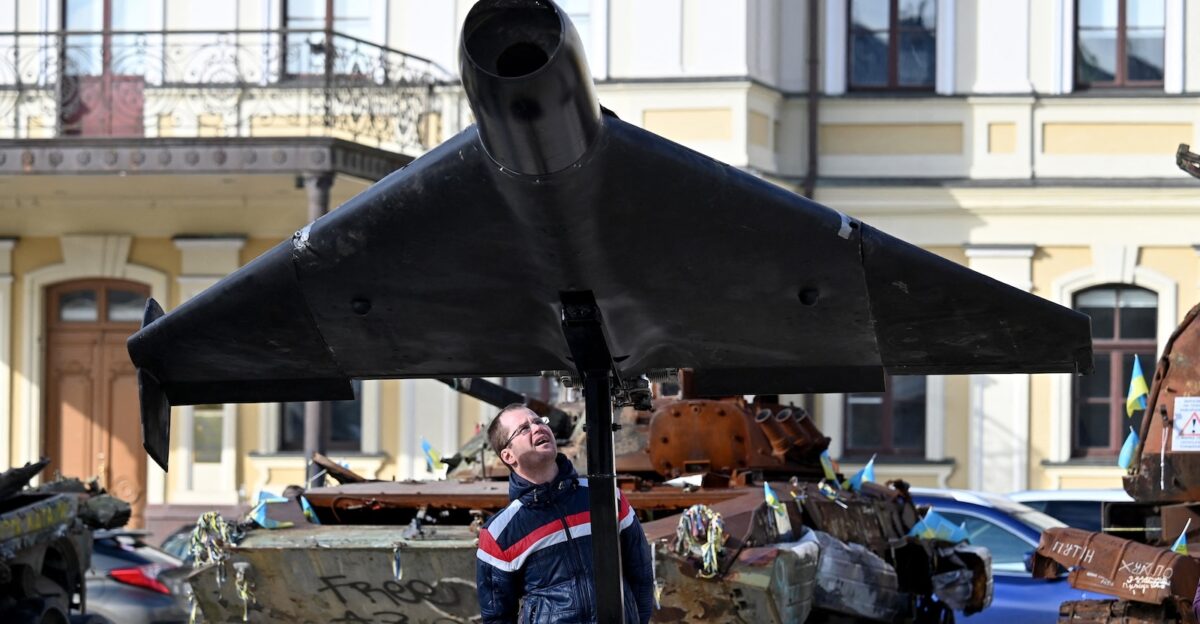
Russia’s surge in drone use reflects a deliberate tactical pivot: compensate for manpower losses and apply nonstop attritional pressure across the eastern front. With ground offensives stalled, Moscow is leaning heavily on kamikaze drones, guided bombs, and concentrated fire to exhaust Ukrainian defenders. Nearly 3,000 combined attacks—missiles, airstrikes, rockets, and drones—were recorded within 24 hours, indicating a strategy focused on saturation, not maneuver, to force breakthroughs.
Civilians Absorb the Shock of Intensified Strikes
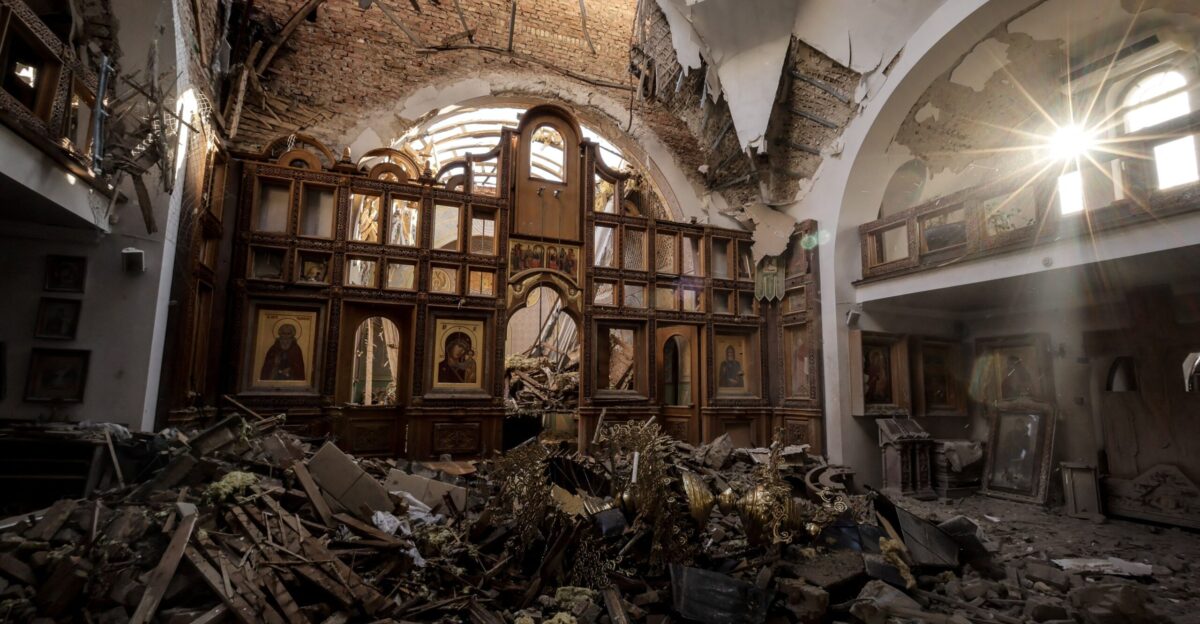
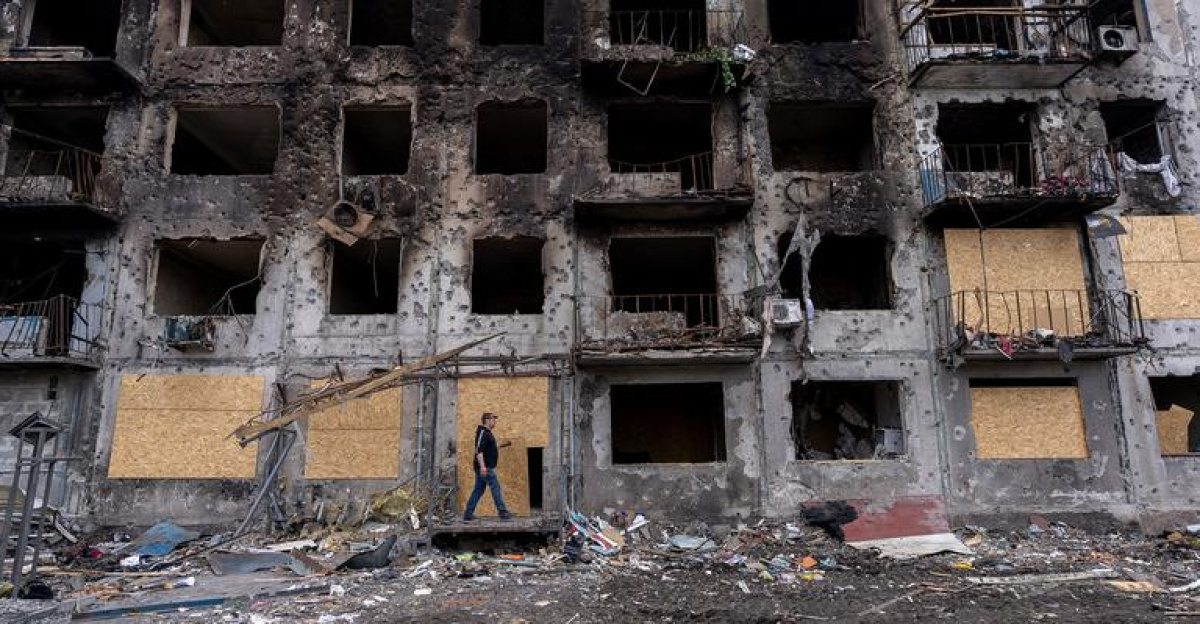
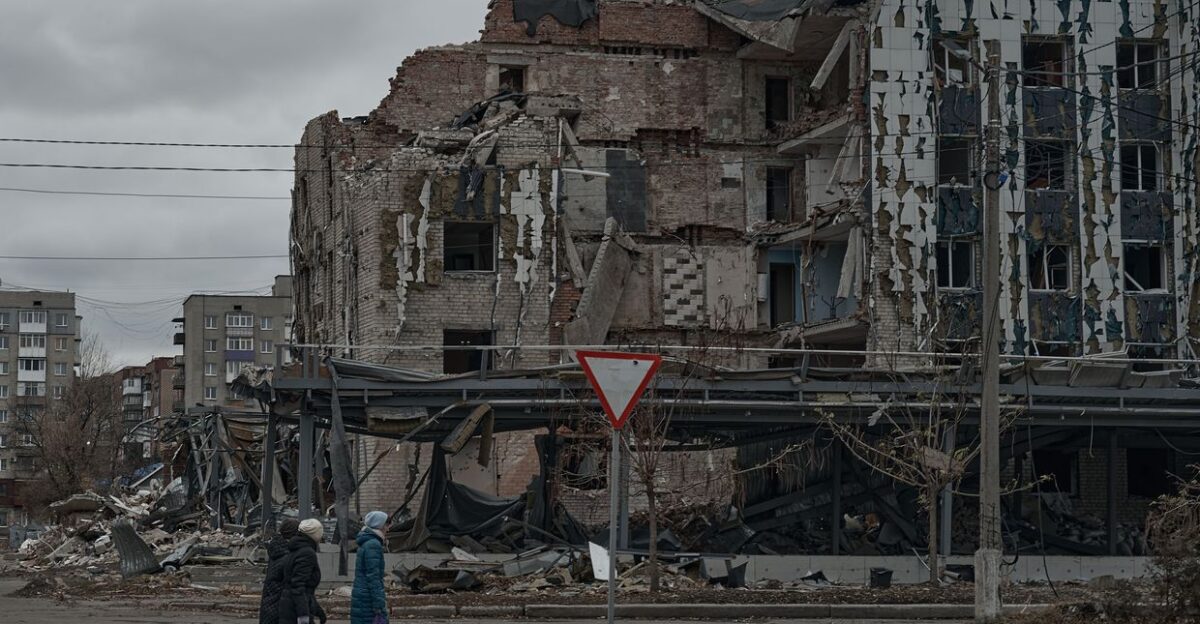
Pokrovsk and Kostiantynivka, the two hottest sectors with 47 and 19 attacks respectively, faced relentless bombardment. Drone salvos caused infrastructure damage, localized blackouts, and communications disruptions, putting thousands of civilians at immediate risk. Families sheltered through repeated explosions while emergency crews responded under fire. With 10–15 settlements receiving direct attacks daily, civilian life is increasingly shaped by sudden air alerts, debris strikes, and the constant psychological pressure of drone warfare.
Business Supply Lines Struggle to Survive the Onslaught
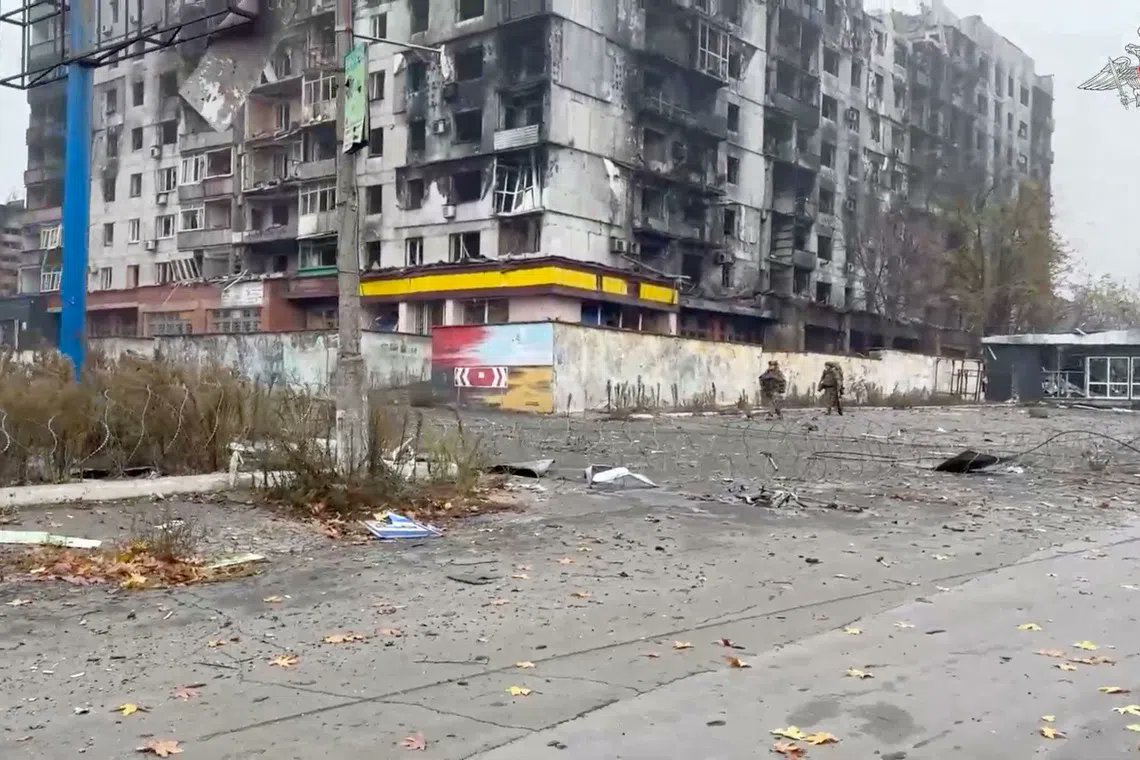
Frequent drone and artillery strikes have disrupted key transport corridors across eastern Ukraine. Logistics hubs near Pokrovsk, Vovchansk, and Kupiansk reported halted shipments, damaged vehicles, and rerouted convoys. Agricultural producers suffered crop losses and equipment destruction during daily bombardments, threatening seasonal output. Insurance claims tied to war damage continue to rise, leaving regional economies strained as companies relocate operations or shut down entirely to avoid persistent frontline exposure.
Adjacent Markets Surge: The Boom in Drone Defense
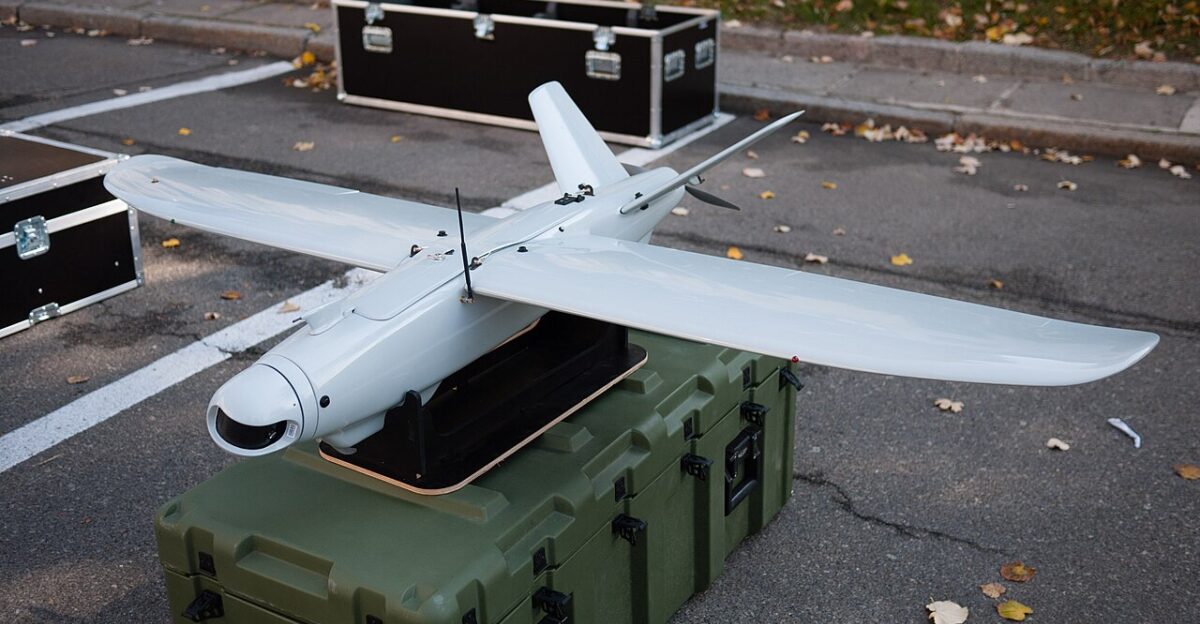
The massive uptick in Russian drone activity has triggered a global spike in demand for counter-UAV technology. Ukrainian firms—and foreign partners—are scaling production of jammers, interceptors, and mobile air-defense systems. The 426th Separate Unmanned Systems Battalion, already recognized for destroying 15 Russian drones in a day, highlights how small, agile units can shift momentum. As governments race to adapt, defense budgets are increasingly prioritizing drone detection and neutralization capabilities.
International Trade Feels the Ripple Effects
Ukraine’s export routes—especially grain and steel corridors—face heightened risk from Russian strikes along border-adjacent regions and transport nodes. Delays have increased at crossings with Poland, Romania, and Slovakia as authorities tighten security. The European Union is monitoring energy and commodity flows for potential instability. A significant escalation near the southern or eastern corridors could disrupt broader regional supply chains, pushing neighboring states to adjust logistics and strengthen protective measures.
Human Story: Soldiers and Rescuers Under Relentless Fire
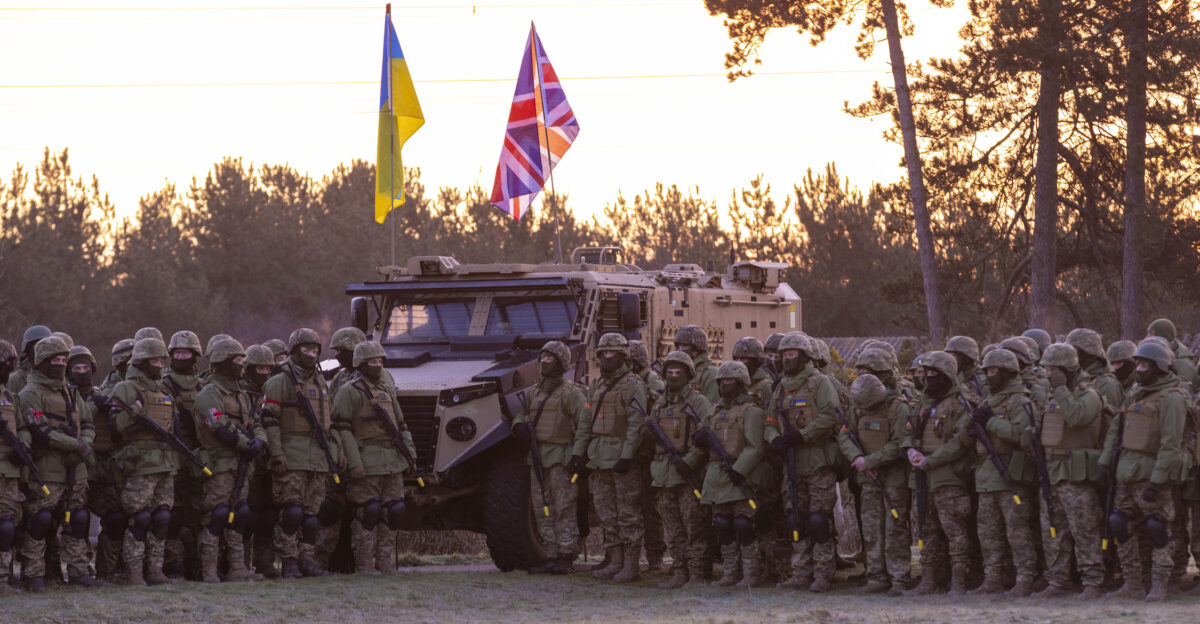
Ukrainian troops, particularly drone operators from the 426th Battalion, are combating simultaneous assaults across multiple sectors. Their efforts near Pokrovsk helped neutralize 68 Russian soldiers and destroy shelters, motorcycles, and drones during a single high-intensity cycle of fighting. Emergency workers describe grueling, nonstop operations as they pull civilians from rubble and respond to fires sparked by guided bombs. Fatigue is widespread, yet frontline personnel continue to hold critical lines under extreme pressure.
Political Response: Renewed Urgency for Aid and Sanctions
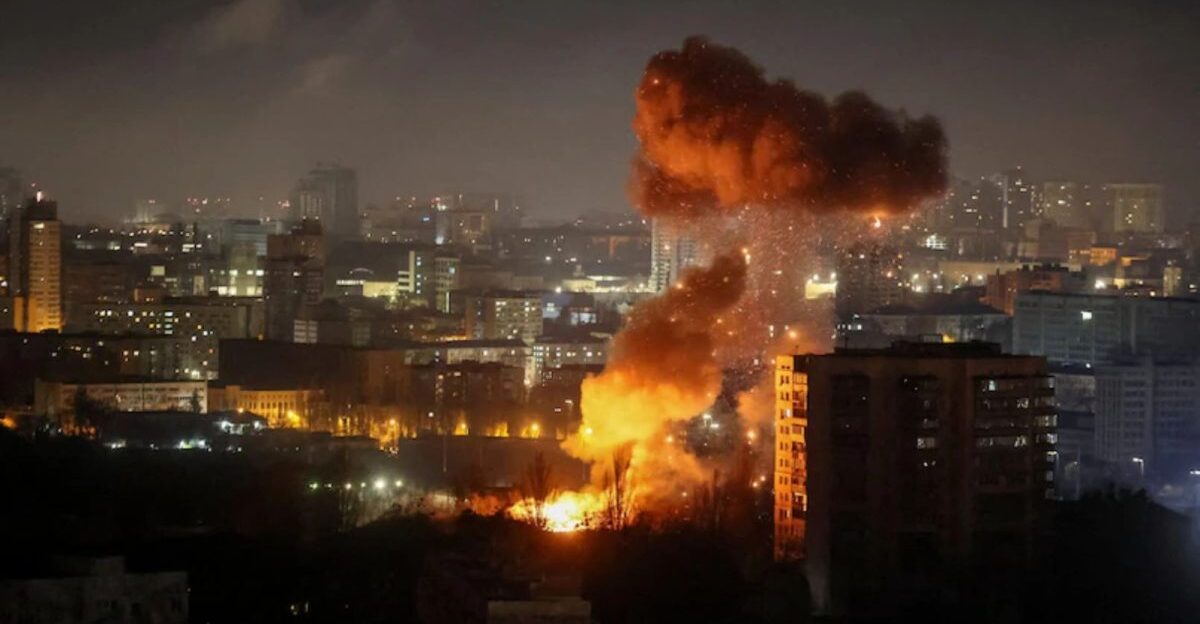
As Russia intensifies missile, drone, and airstrike activity—33 airstrikes and 62 guided bombs in a day—Ukrainian leadership is pushing for accelerated Western support. Kyiv emphasizes the need for advanced air-defense systems, more interceptors, and rapid replenishment of ammunition. Discussions in the U.S. and EU include tightening sanctions on drone component suppliers linked to Russia. Policymakers face rising urgency to expand support without triggering broader geopolitical escalation.
Economic Fallout: Inflation and Reconstruction Costs Rise
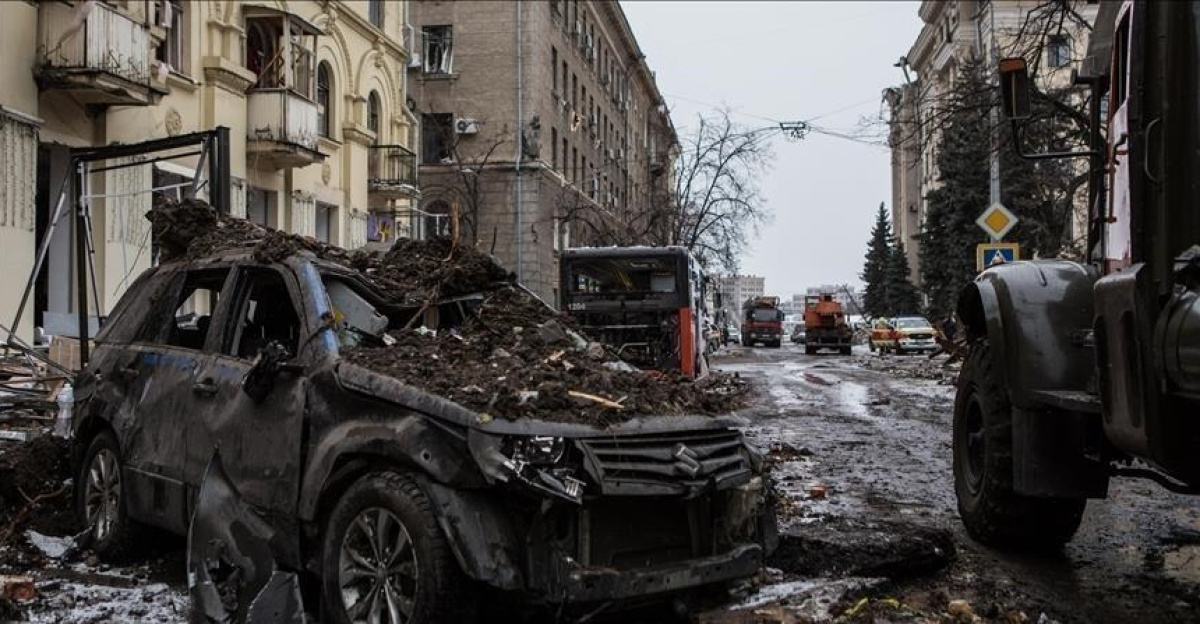
Daily destruction of power stations, warehouses, roads, and industrial sites is pushing up prices for basic goods in heavily targeted areas. Reconstruction costs already reach into the hundreds of millions due to repeated strikes across Pokrovsk, Kupiansk, Lyman, and Huliaipole. Inflationary pressures risk spreading to neighboring countries managing increased security and humanitarian support. Central banks in the region are monitoring potential spillovers as supply chains grow more unpredictable.
Daily Life Under Fire: Ukrainians Adapt to New Realities

Residents in frontline towns modify routines around air alerts, guided bomb strikes, and drone activity. Schools rely heavily on remote instruction, while stricter curfews limit movement during peak attack windows. Many families have evacuated, but tens of thousands remain in high-risk areas, reinforcing shelters and stocking essentials. With 150 daily clashes becoming increasingly common, the “new normal” involves planning every activity around survivability and rapid shelter access.
Ethics of Drone Warfare Enter Global Debate
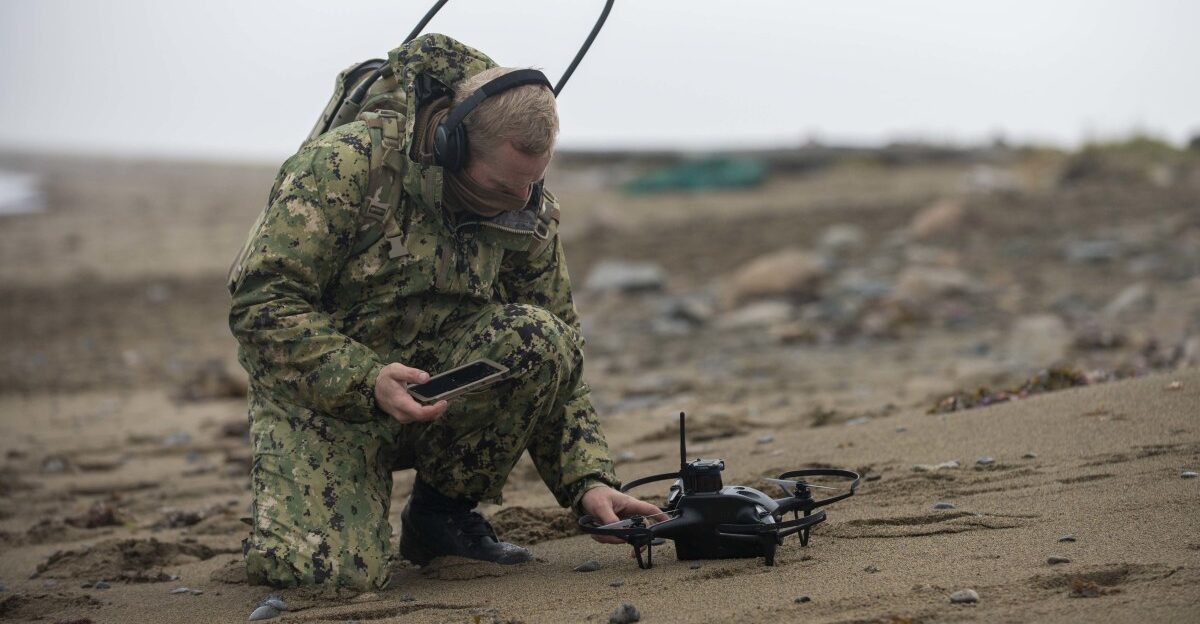
The sheer volume of unmanned strikes—nearly 2,500 in one day—has reignited global debate over autonomous and semi-autonomous weapons. Human-rights advocates warn that saturation attacks heighten the risk of civilian casualties and psychological trauma. Military analysts argue drones offer precision and reduce risk to personnel but introduce questions about oversight, proportionality, and escalation. The conflict is shaping future norms on the use, regulation, and accountability of AI-enabled warfare.
Global Security Perception Shifts with Ukraine’s Defense
NATO members and other allied nations are watching Ukraine’s drone-defense adaptation with intense interest. The country’s ability to intercept thousands of UAVs daily influences international military planning and procurement. Public opinion across Europe increasingly supports stronger investment in air defenses and humanitarian assistance. As drone swarms reshape frontline realities, nations are rethinking the capabilities required to protect cities, infrastructure, and armed forces in modern conflict.
Winners and Losers: Tech Gains vs. Civilian Hardship
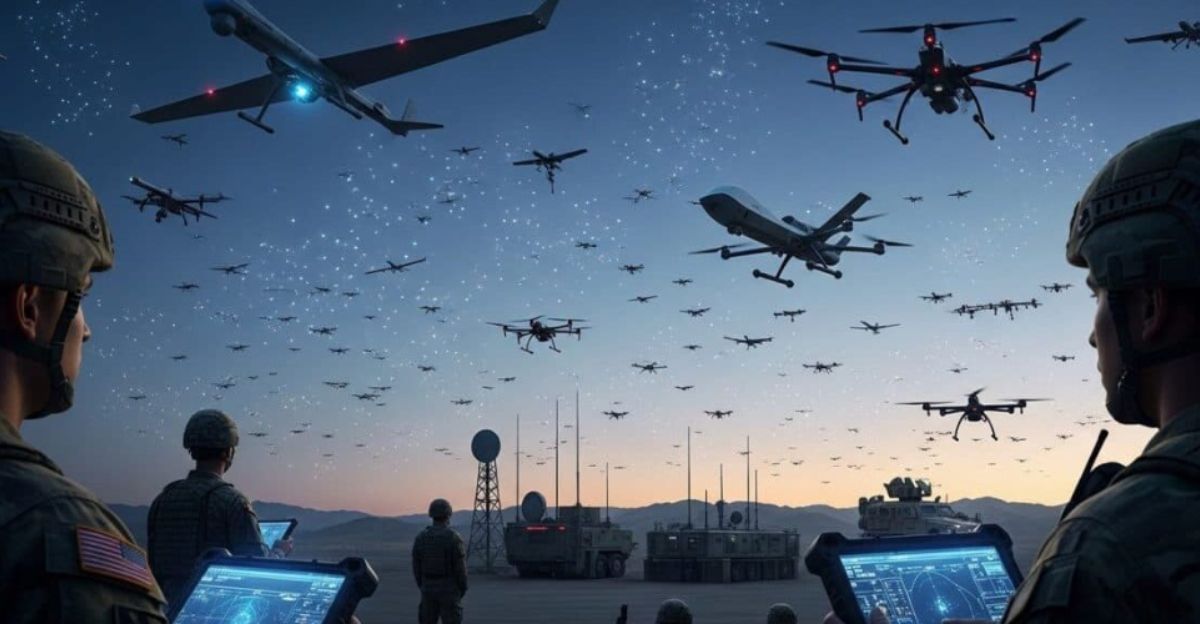
Defense tech companies and drone-countermeasure developers are experiencing rapid growth as demand surges. Meanwhile, civilians and local businesses along the eastern front face mounting losses. Agricultural producers endure repeated bombardments, insurers grapple with unprecedented claims, and frontline towns absorb daily destruction. Although the conflict is propelling innovations and creating new market leaders, the economic and human toll remains staggering, particularly in regions absorbing hundreds of attacks per day.
Financial Outlook: Risk, Volatility, and Preparations

Global investors are tracking companies linked to drone manufacturing, cybersecurity, and air-defense technologies. Analysts caution against bubbles forming around emerging military tech markets, advising diversification amid rising geopolitical risk. For consumers in the region, financial advisors stress practical preparedness—emergency savings, essential supplies, and resilient planning. With conflict intensity rising, markets are bracing for continued volatility tied to frontline developments and international responses.
Looking Ahead: The Future of Warfare and Ukraine’s Road to Recovery
The combination of 150 clashes, nearly 3,000 strikes, and massive drone swarms marks a defining moment in modern conflict. Ukraine’s resilience—especially in hotspots like Pokrovsk—continues to shape battlefield outcomes. Innovation from units like the 426th Battalion will influence future military doctrines worldwide. As the war evolves, the coming months will test international resolve, Ukraine’s defensive ingenuity, and the world’s ability to manage the rising dominance of unmanned warfare.