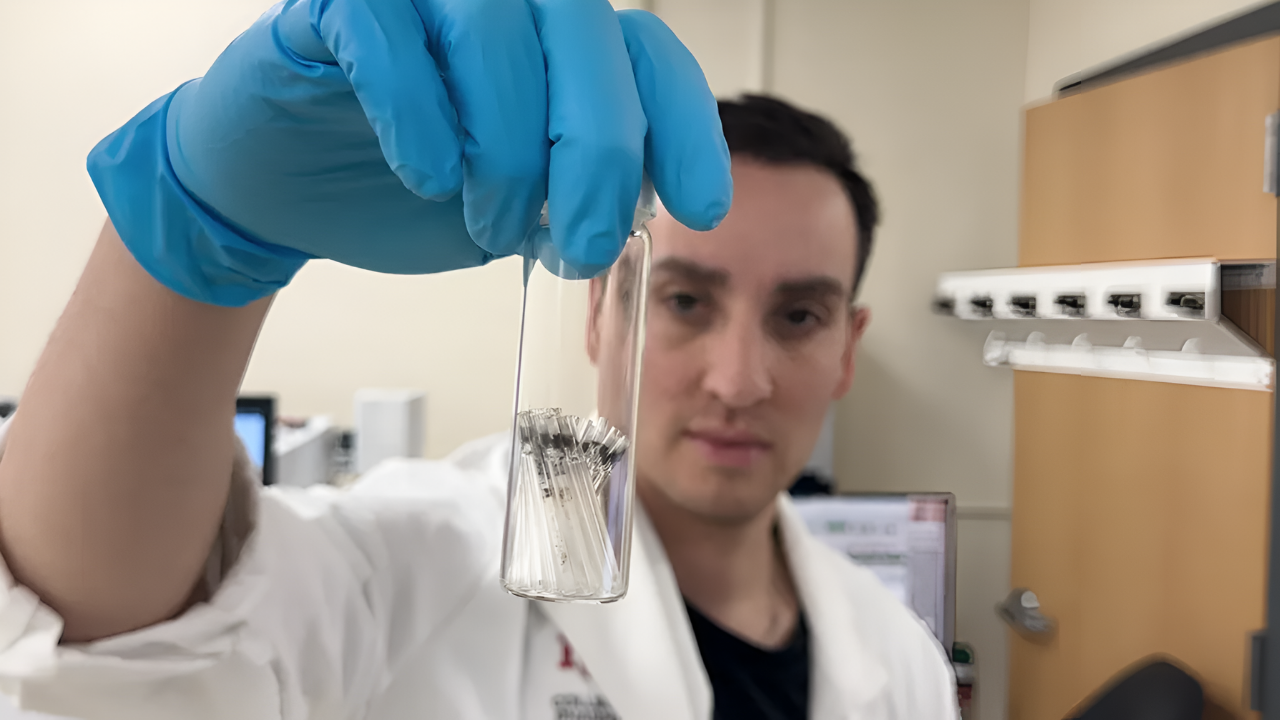
Scientists from the CSIR–National Institute of Oceanography (Goa) and the Academy of Scientific and Innovative Research (Ghaziabad) discovered that every species tested in Goa’s Mandovi estuarine system, from filter-feeding anchovies to apex predators like the bamboo shark, contained microplastics. The team found 4,871 polluting particles across the food chain, with 3,369 (approximately 69%) being plastic polymers.
The real concern? 11 of the 19 plastic polymers identified were highly toxic, posing a severe health risk to both marine life and the millions of people who rely on this ecosystem for food. As experts rush to understand the full scale of contamination, one question lingers: How deep does this contamination really go?
The Origins of Contamination: What’s Polluting Goa’s Waters?

Pollution in the Mandovi estuary comes from numerous sources: disintegrated fishing gear, e-waste, packaging, tire residue, and wastewater runoff.
The shallow estuary is a hotbed for microplastic accumulation, where 4,871 polluting particles—including 3,369 plastic particles—were traced through the entire food chain. These contaminants are now an inescapable part of the marine ecosystem.
Hidden Health Risks: Microplastics in Your Food
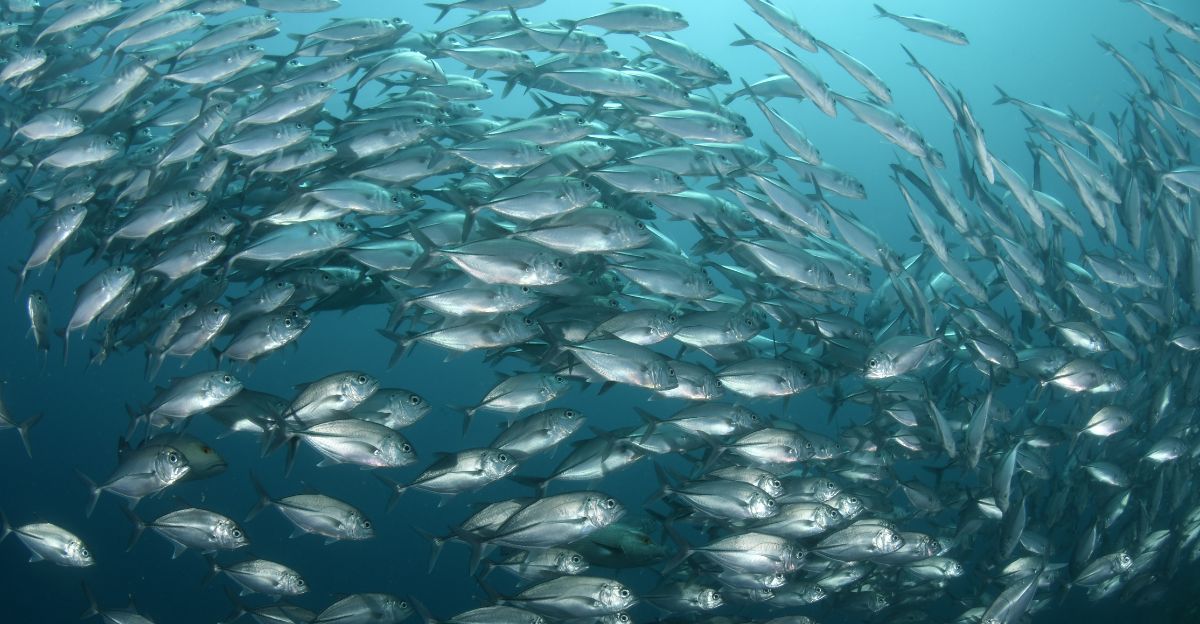
Goa’s population relies on fish and seafood from this ecosystem, and many are unknowingly consuming products contaminated with microplastics.
Health experts warn of potential long-term risks such as immune dysfunction, neurotoxicity, and cancer risk from ingesting these particles. Notably, 66 of 71 assessed shellfish species showed poor nutritional status, impacting the quality of the seafood on consumers’ plates.
The Economic and Health Implications

The contamination poses serious concerns for Goa’s fisheries sector and seafood businesses, which depend on maintaining food safety standards.
The Mandovi estuary’s microplastic contamination threatens both the livelihoods of thousands who rely on fishing and the health of consumers. As consumer awareness of microplastic risks grows globally, the pressure on Goa’s seafood industry is intensifying.
Global Consumer Awareness and Market Shifts
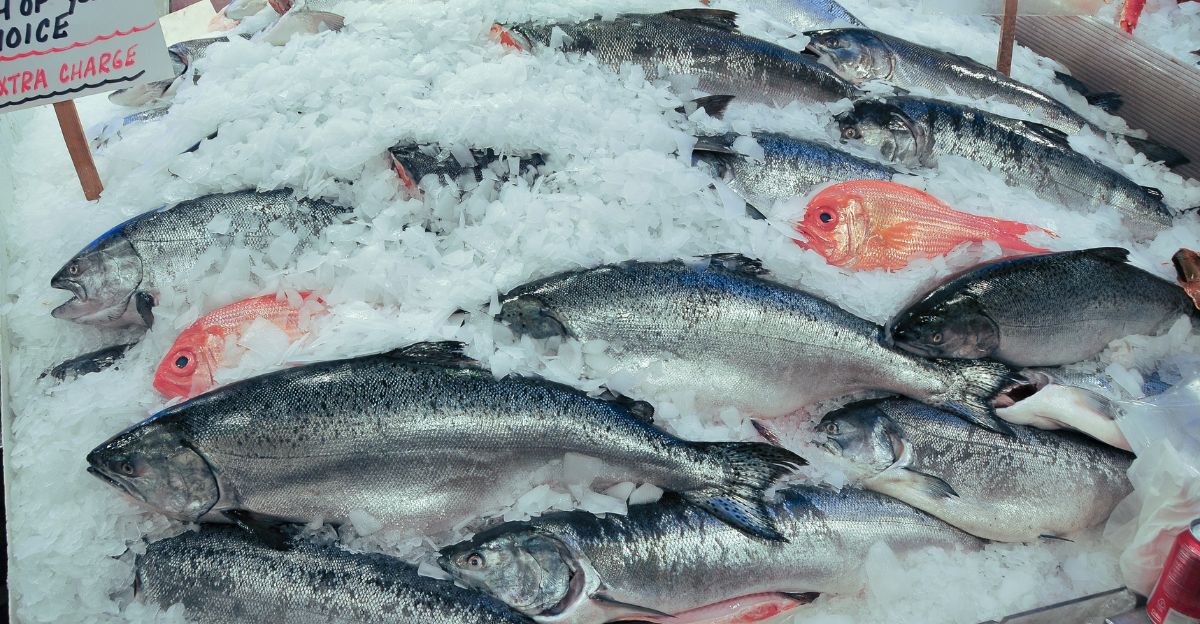
With concerns over contaminated seafood growing worldwide, consumers globally are increasingly questioning the safety of their own seafood supplies. Research shows that information about microplastics’ harmful effects influences consumer purchasing decisions, particularly among environmentally conscious buyers.
Alternative protein sources are gaining market attention, and there is growing pressure for global monitoring systems and international action to address marine plastic pollution.
Goa’s Seafood Under International Scrutiny
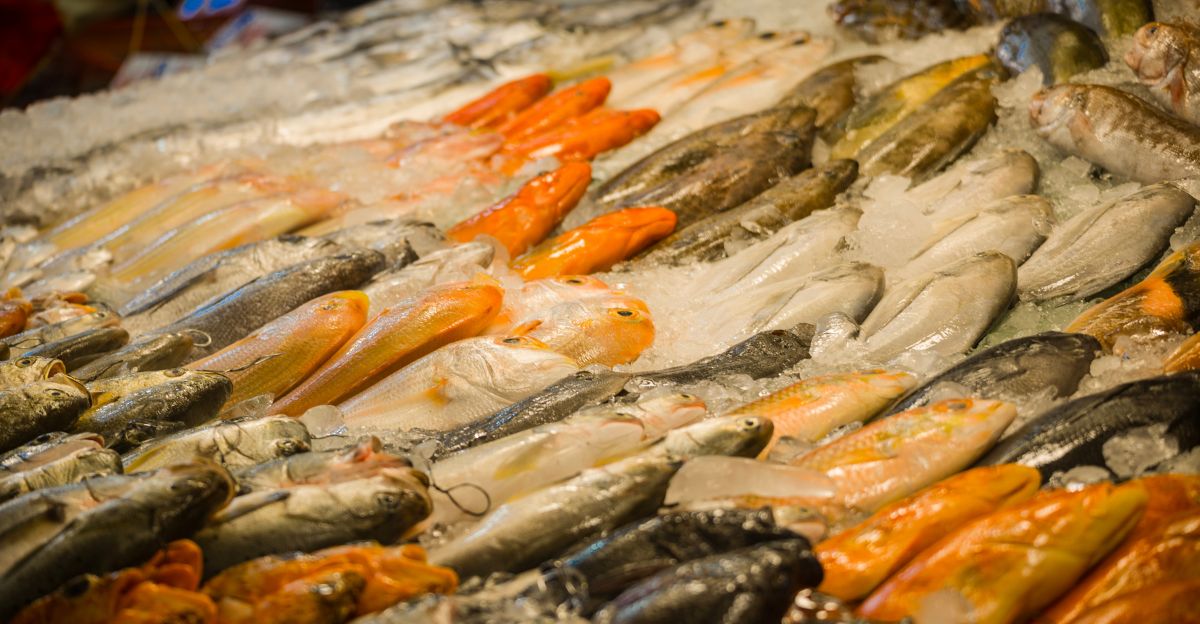
Goa’s seafood, critical to India’s export economy, faces increasing scrutiny as countries with stringent food safety standards continue to refine regulations and import standards. Global challenges, including regulatory changes and shifting consumer preferences, impact seafood exports.
India’s seafood exporters face increasing pressure to comply with international standards, particularly from EU and other major importing countries. The microplastic contamination adds urgency to this challenge.
Fisherfolk and Communities Speak Out

Scientists, fisherfolk, and community members have expressed concerns about the economic and health impacts of the contamination. The discovery has raised awareness about both the environmental crisis and its implications for local livelihoods.
Communities dependent on fishing are concerned about both their children’s health and the future of their income, reflecting widespread anxiety about the sustainability of this vital sector.
Political and Scientific Action

The alarming findings have prompted calls for urgent policy action. Scientists and environmental experts are urging India’s Ministry of Environment, Forest and Climate Change to establish monitoring frameworks and implement stronger waste management practices.
The study serves as a warning for coastal regions worldwide, underscoring the need for global collaboration to combat plastic pollution, protect food systems, and safeguard public health.
Broader Economic Pressures
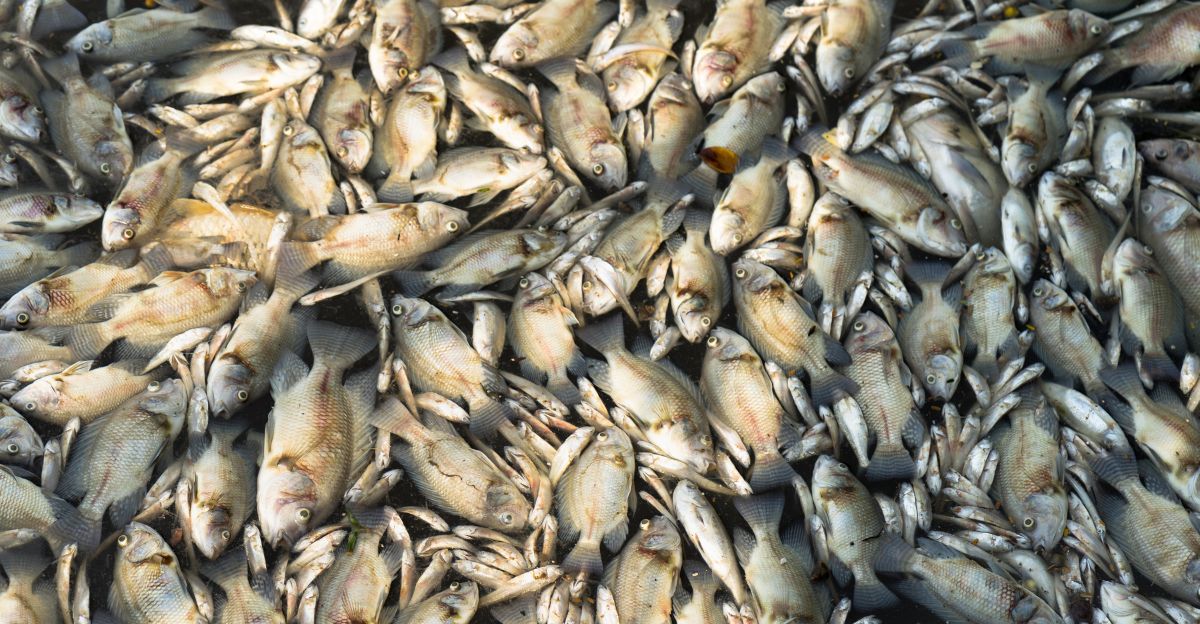
The contamination of fish stocks in the Mandovi estuary has implications for coastal economies dependent on fishing. Global concerns about microplastics in seafood supplies are shaping market dynamics and consumer behavior. Industries linked to seafood, as well as waste management and alternative protein sectors, are adapting to these shifting market demands.
Increased demand for sustainable alternatives and waste management solutions is expected to drive innovation in related sectors.
Market Responses and Adaptations

In response to growing global consumer concerns about microplastics, markets are beginning to adapt. Research shows consumers are willing to pay more for products with sustainable practices and transparent sourcing.
Retailers and businesses are increasingly investing in traceability measures and sustainability certifications to rebuild consumer trust and meet evolving market demands.
Industry Sector Impacts
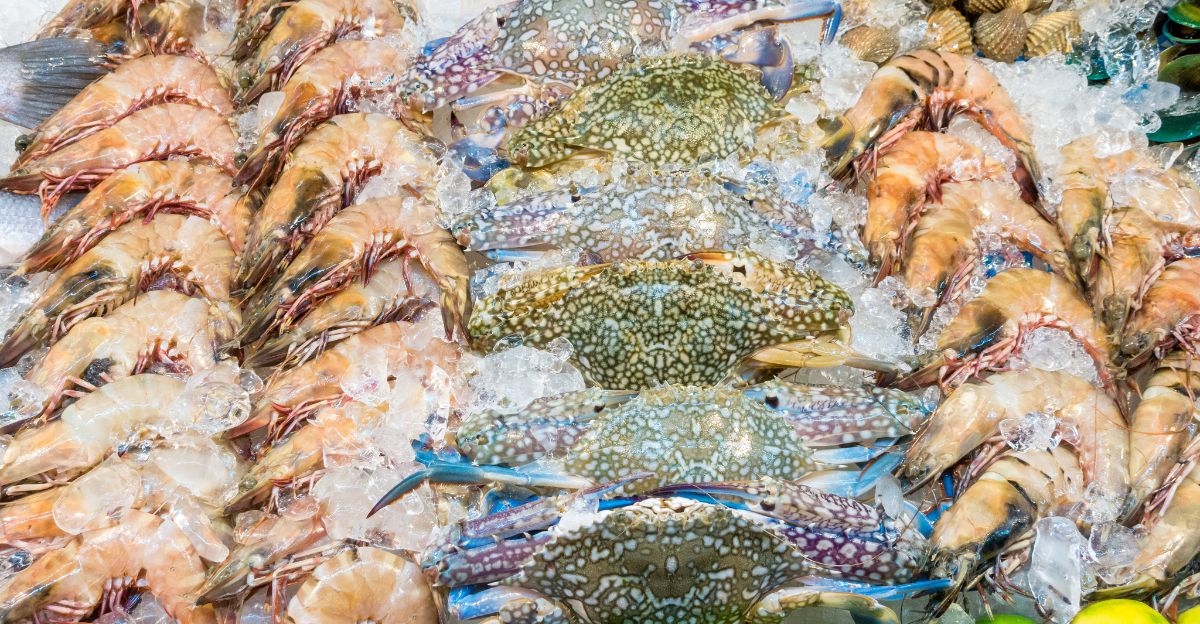
Beyond the seafood market, various industries are monitoring the implications of microplastic contamination. The broader sustainability movement is driving investment in biodegradable alternatives, improved recycling practices, and waste management innovations.
Environmental technology companies and producers of sustainable alternatives are positioned to benefit from increased demand for solutions to plastic pollution.
Global Spotlight: Rising Awareness of Microplastic Contamination
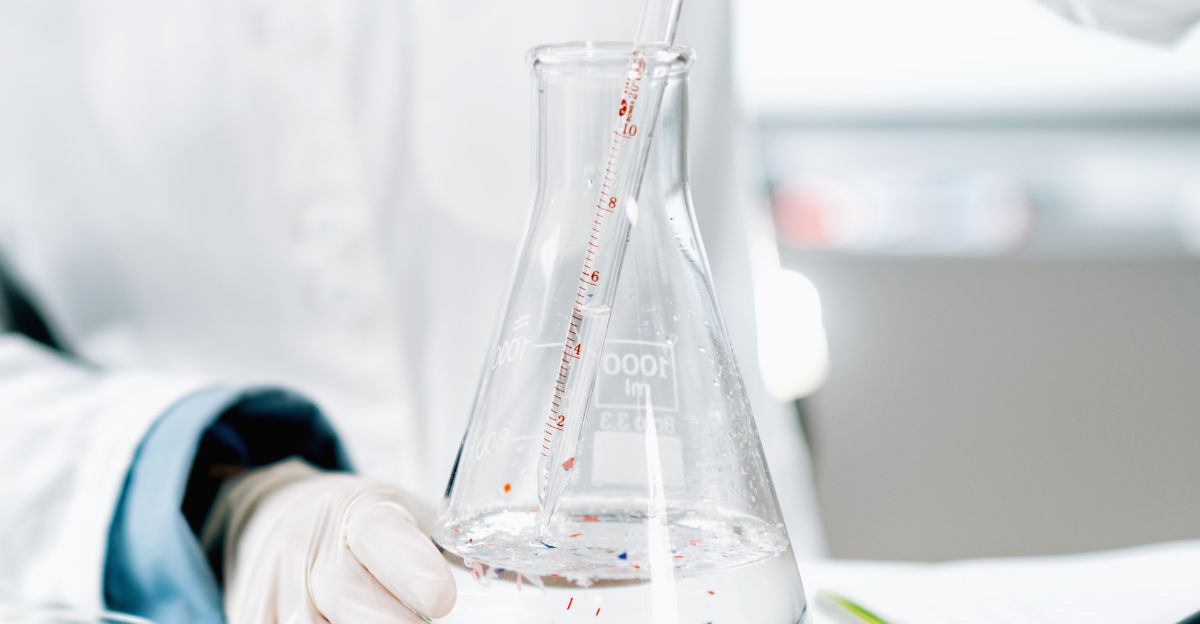
The Goa study has attracted international scientific attention, amplifying awareness of microplastic contamination in seafood.
Consumers worldwide are now questioning the safety of their seafood supplies, and there is growing pressure for global monitoring systems and international action to address marine plastic pollution. The crisis highlights the interconnected nature of food systems and environmental health across borders.
Health Considerations and Consumer Caution
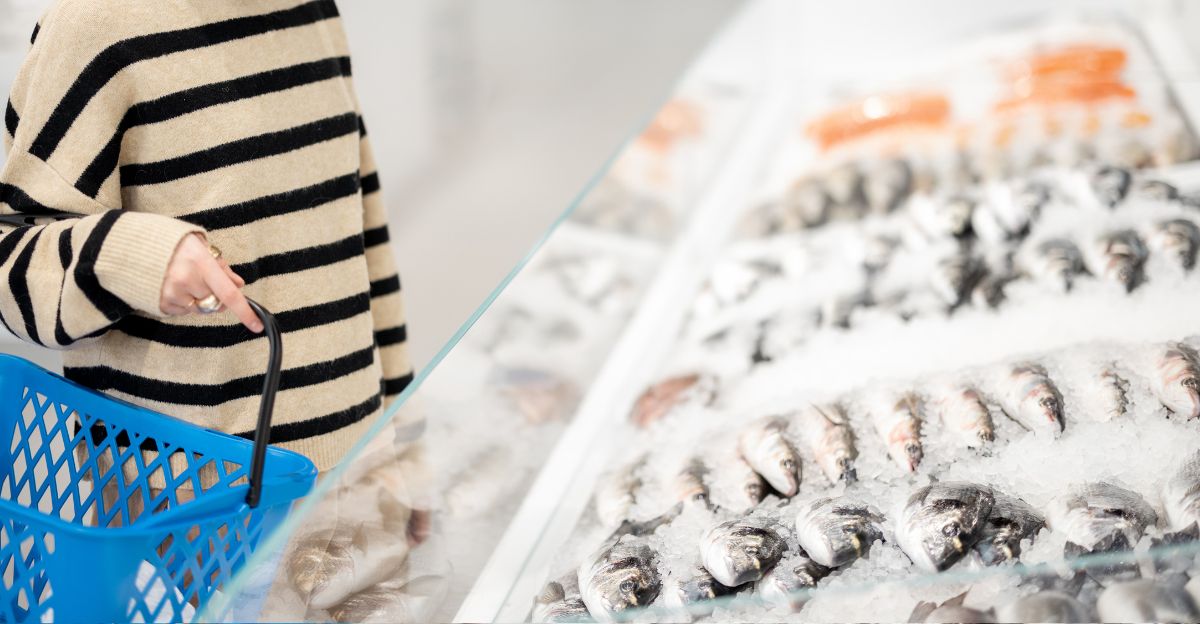
In response to growing microplastic concerns, health professionals are recommending consumers be informed about food sources and safety.
The long-term effects of microplastic ingestion are still being studied, but the public debate on the issue is intensifying. Scientists emphasize the need for continued research and monitoring to better understand the health implications.
Environmental and Cultural Implications
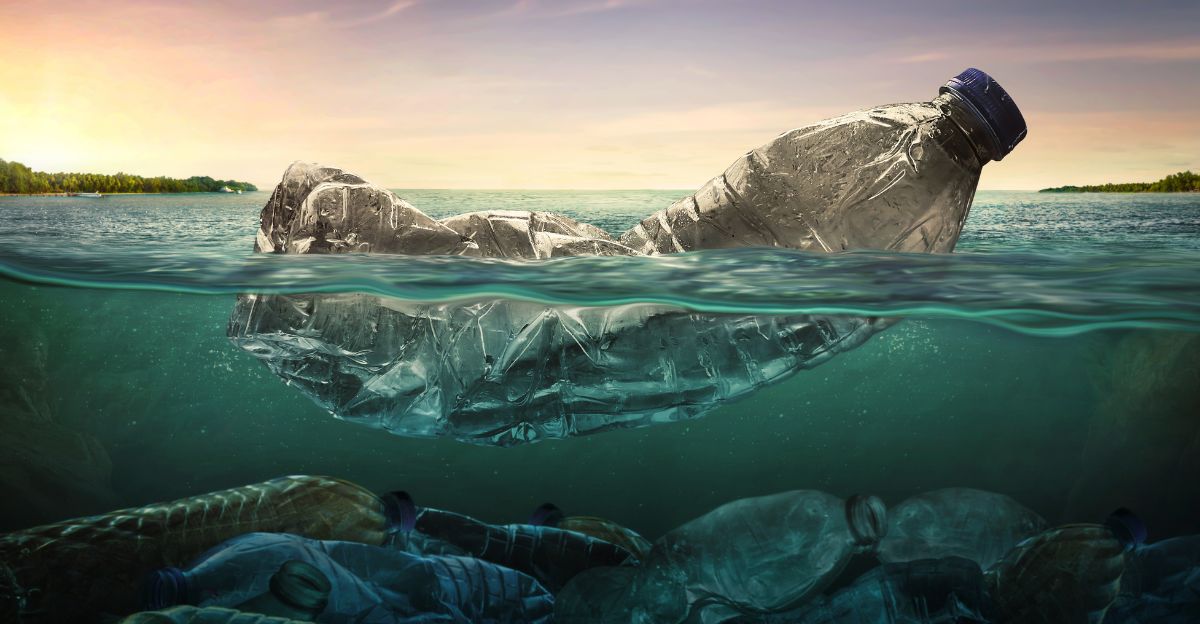
The contamination crisis has reignited debates around plastic use and waste management. Environmentalists and activists are calling for a comprehensive approach to tackle plastic pollution, advocating for improved waste management practices, biodegradable fishing nets and textiles, and greater investment in ecosystem protection.
The crisis underscores the need to balance environmental sustainability with cultural and economic practices.
New Opportunities and Challenges Ahead
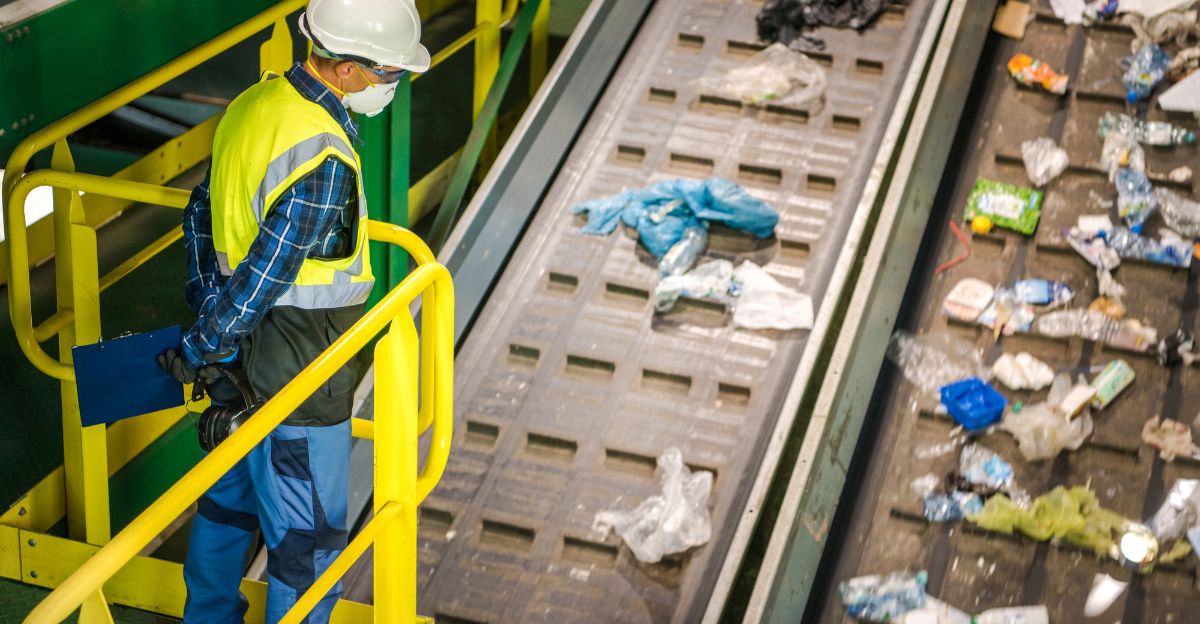
As concerns about microplastics grow globally, the market for sustainable alternatives and waste management solutions is expanding.
Traditional fisheries and seafood exporters face challenges in adapting to new regulations and consumer expectations. Environmental technology companies focused on waste management and biodegradable innovations may benefit from increased investment and demand.
The Role of Research and Monitoring

Scientists and policymakers are urging continuous monitoring and investment in solutions to address the marine plastic crisis. The Goa study, published in Environmental Research (August 2025), serves as a case study highlighting contamination risks in estuarine ecosystems.
International collaboration and coordinated research efforts are essential for understanding the global scope of microplastic contamination and developing effective mitigation strategies.
Practical Steps Forward

Consumers are advised to be informed about seafood sources and support sustainable fishing practices. Supporting efforts to reduce single-use plastic consumption is another important step.
By advocating for improved waste management and participating in environmental initiatives, individuals can contribute to addressing microplastic pollution and protecting marine ecosystems.
Looking Ahead: Solutions for Goa and Beyond

Scientists and policymakers are emphasizing the importance of continuous monitoring and investment in sustainable alternatives to address the marine plastic crisis.
The study from Goa serves as a warning for coastal regions worldwide, underscoring the need for global collaboration to combat plastic pollution, protect food systems, and safeguard public health.
The Ripple Effect of Microplastics
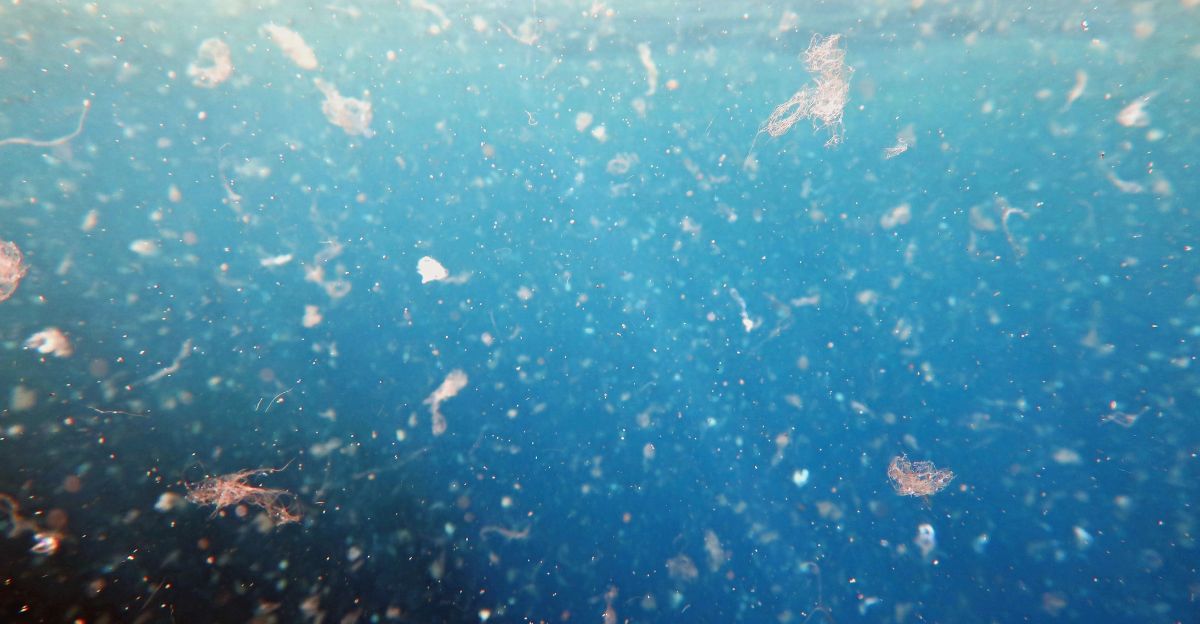
The contamination of Goa’s Mandovi estuary demonstrates how a single environmental crisis can have wide-ranging implications for ecosystems, economies, and communities.
As microplastics spread through the food chain and global awareness increases, the need for urgent, collective action to tackle this growing threat has never been clearer. Our health, livelihoods, and the planet’s future depend on addressing plastic pollution at its source.
An Urgent Wake-Up Call
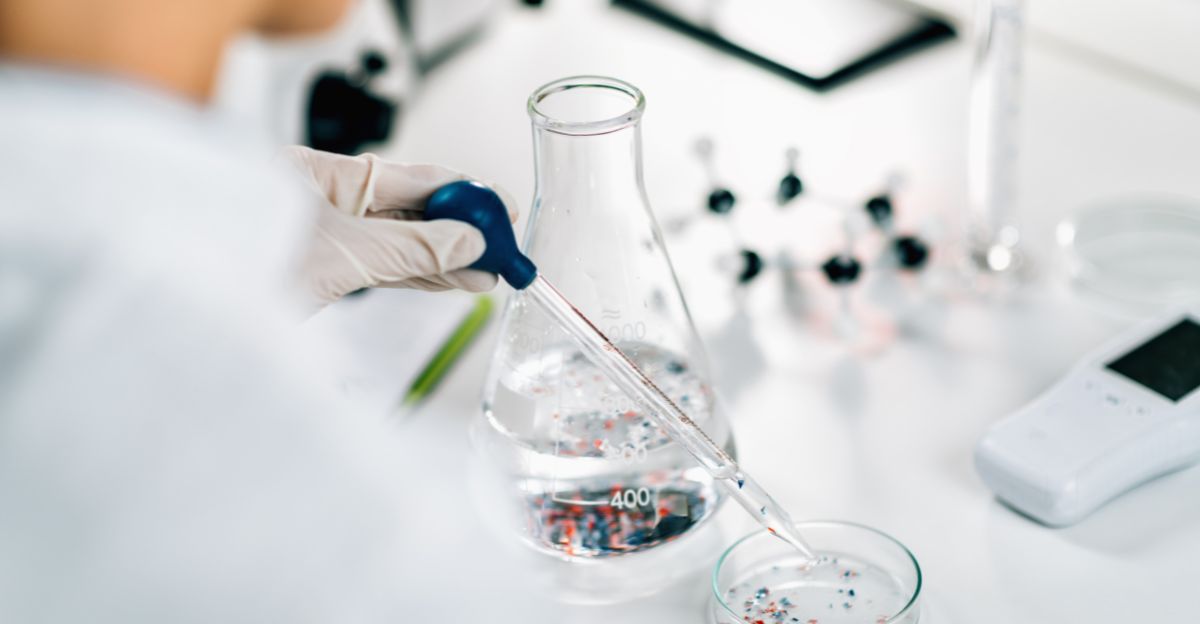
The microplastics crisis in Goa’s Mandovi estuary represents a watershed moment for marine conservation and public health. Every species in this vital ecosystem now carries invisible pollutants, threatening millions who depend on seafood for sustenance.
This study serves as an urgent wake-up call: collective action addressing plastic pollution at its source is imperative. From policy reform to consumer choices, addressing this crisis requires an immediate, coordinated global effort to protect marine ecosystems, food systems, and human health for generations to come.