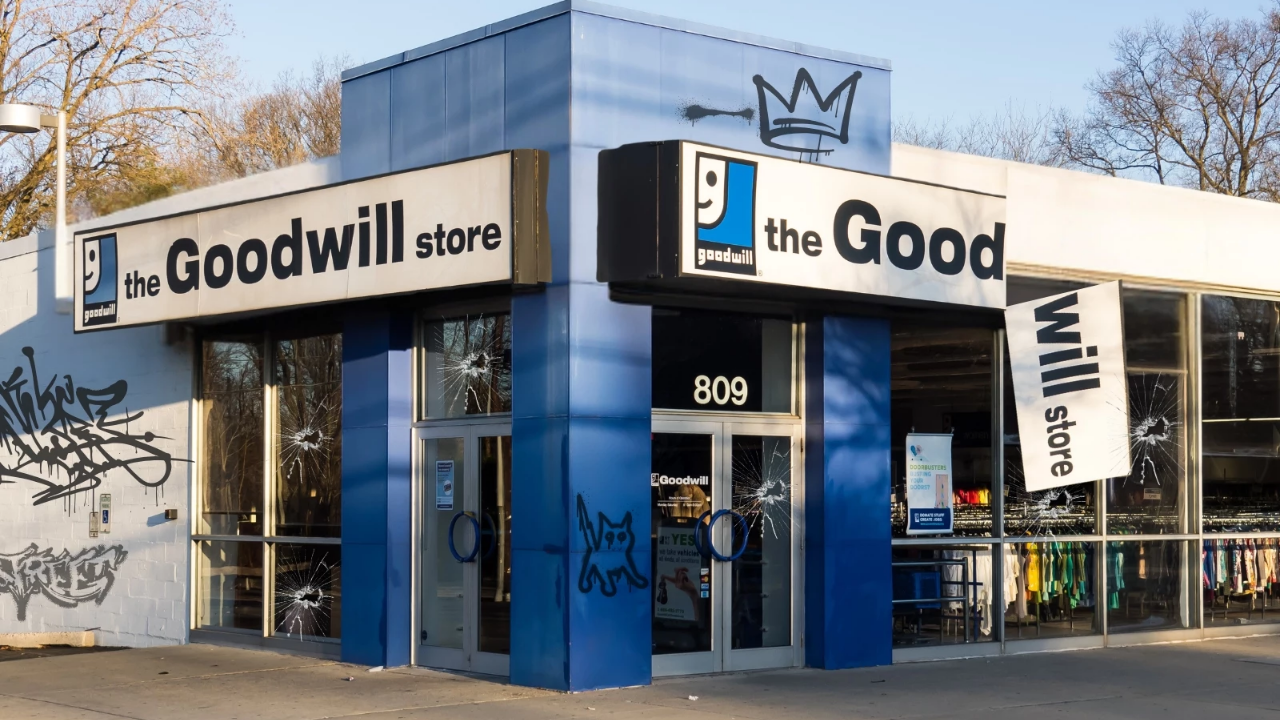
Goodwill is overwhelmed by donations—$116 million in 2024 alone, a record high. Shoppers are flooding stores. Gen Z made thrifting trendy. Yet, 13 California locations have just gone dark, nearly 100 workers have received pink slips, and the century-old nonprofit is retreating from cities it has served for decades.
How does a business with free inventory, record-breaking donations, and booming foot traffic go under? The answer reveals a crisis hiding behind those blue donation bins.
When More Donations Become the Problem
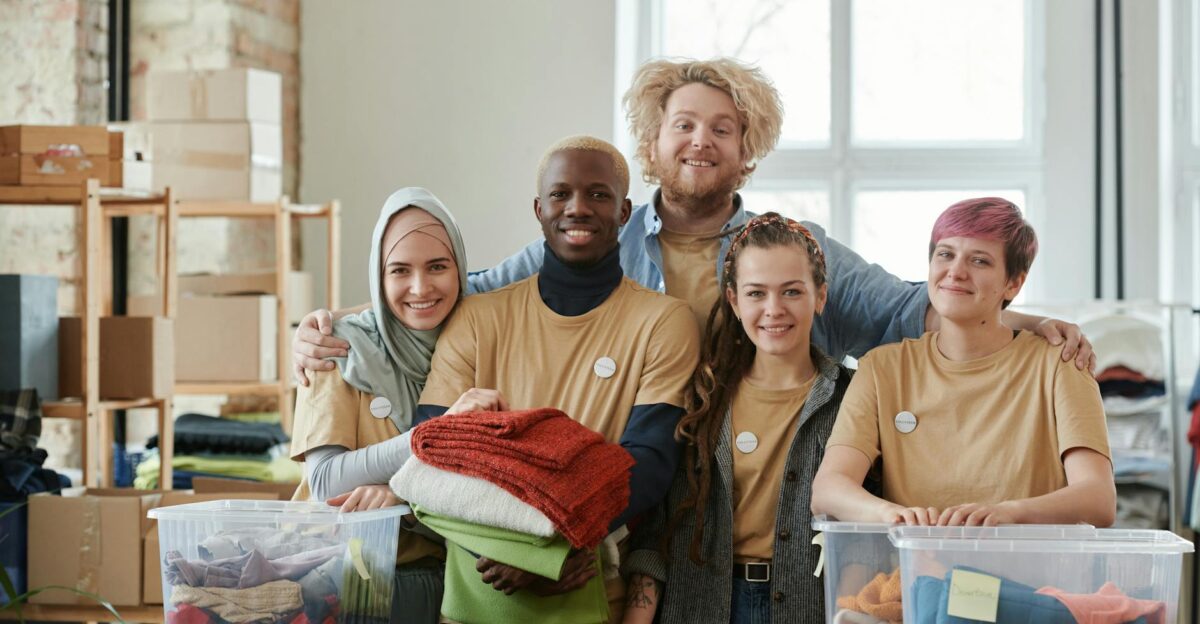
David Eagles, executive vice president at Goodwill Industries International, announced the unprecedented numbers. The network received more than 116 million donations in 2024, according to industry publication Bagable. “That momentum has only accelerated in 2025,” Eagles said in September. Shopper traffic hit all-time highs too.
On paper, Goodwill should be thriving. Instead, it’s closing stores across California’s Bay Area, including Oakland’s massive warehouse, San Francisco’s career center, four retail stores, six donation sites, and two headquarters. Thirteen locations. Gone.
The Hidden Cost of Free Inventory
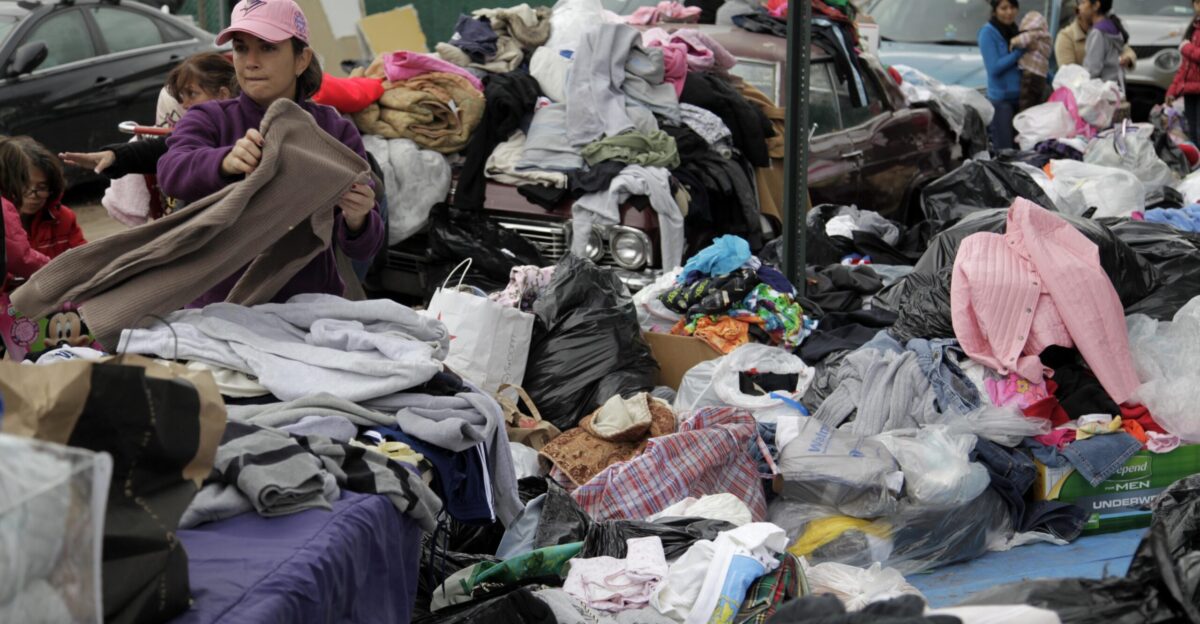
Here’s the twist: not all donations are gifts. Research published in The Conversation reveals that charities are overwhelmed by fast fashion items in terrible condition—items with ripped seams, broken zippers, and stains that won’t wash out. Much donated clothing is unwearable or unsellable. Thrift stores pay disposal costs for garbage masquerading as generosity.
Every bag of trash incurs costs for processing, transportation, and disposal. Goodwill spokesperson Rodney Scearce explained the math: “Store revenues were not enough to cover operational and personnel costs,” he told KRON4.
From Minister’s Dream to $5 Billion Empire
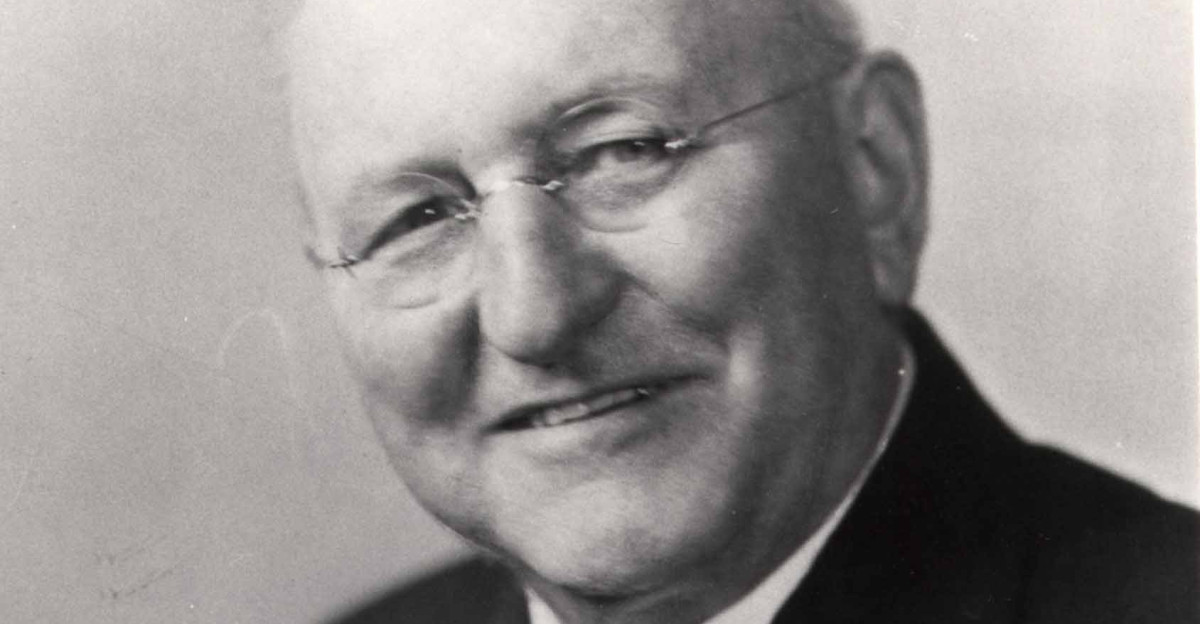
Methodist minister Edgar J. Helms started Goodwill in 1902 in Boston with radical simplicity, according to the organization’s historical records. He collected discarded belongings from wealthy neighborhoods and hired people trapped in poverty to repair them. Helms called it “a hand up, not a hand out.”
That philosophy built a $5 billion nonprofit operating 3,300 stores across North America, employing over 130,000 people. For 123 years, it worked. Now the formula is breaking.
Theft Turned Stores Into Crime Scenes
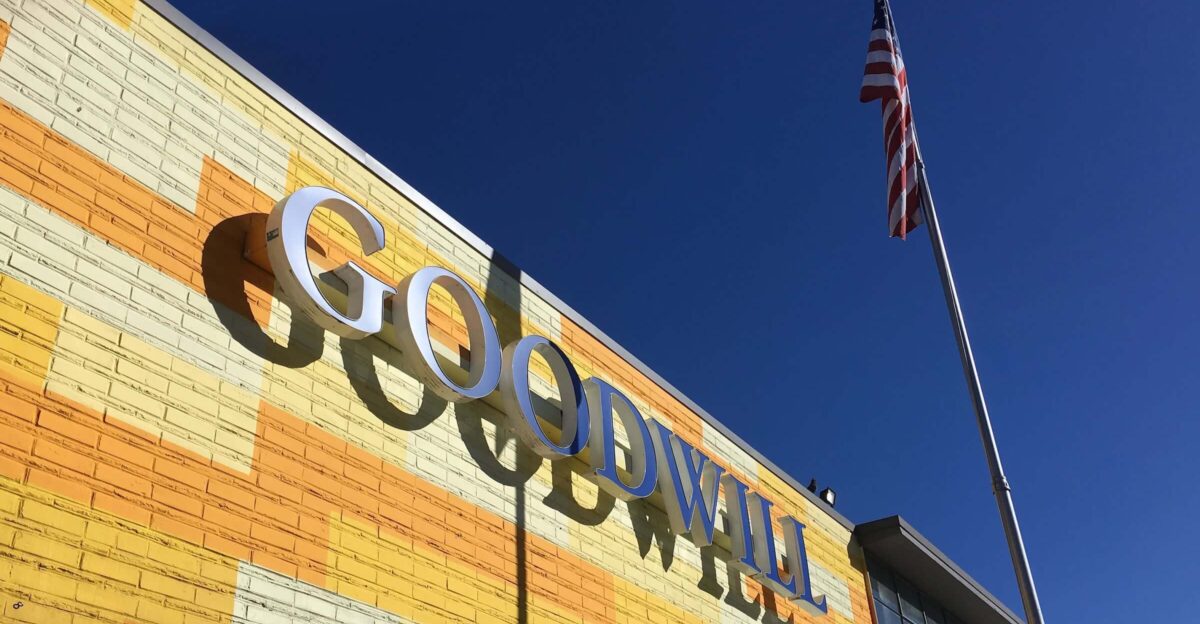
The California closures—72 jobs lost at Oakland’s 1301 30th Avenue warehouse, 18 more at San Francisco’s 750 Post Street career center—mirror Seattle’s September 2024 shutdowns.
Derieontay Sparks, senior vice president at Evergreen Goodwill, watched his South Lake Union and University District stores become targets. “Both locations have experienced a troubling rise in property damage, break-ins, and safety concerns for our employees,” Sparks announced, citing “escalating theft, safety concerns, and rising rents.” Employees feared coming to work. The stores couldn’t survive.
California’s Retail Theft Epidemic Hits Charities

The numbers are staggering. California law enforcement made more than 25,675 theft-related arrests between October 2023 and June 2025, recovering over $190 million in stolen merchandise, according to the state government. In Seattle alone during 2022, retail outlets reported thousands of theft-related police calls.
Officers spent 18,615 hours responding—equivalent to nine full-time positions doing nothing but chasing shoplifters. Even nonprofits with donated inventory couldn’t absorb the losses. Security costs ate profits. Insurance premiums soared.
“I Didn’t Have a Lot of Money”
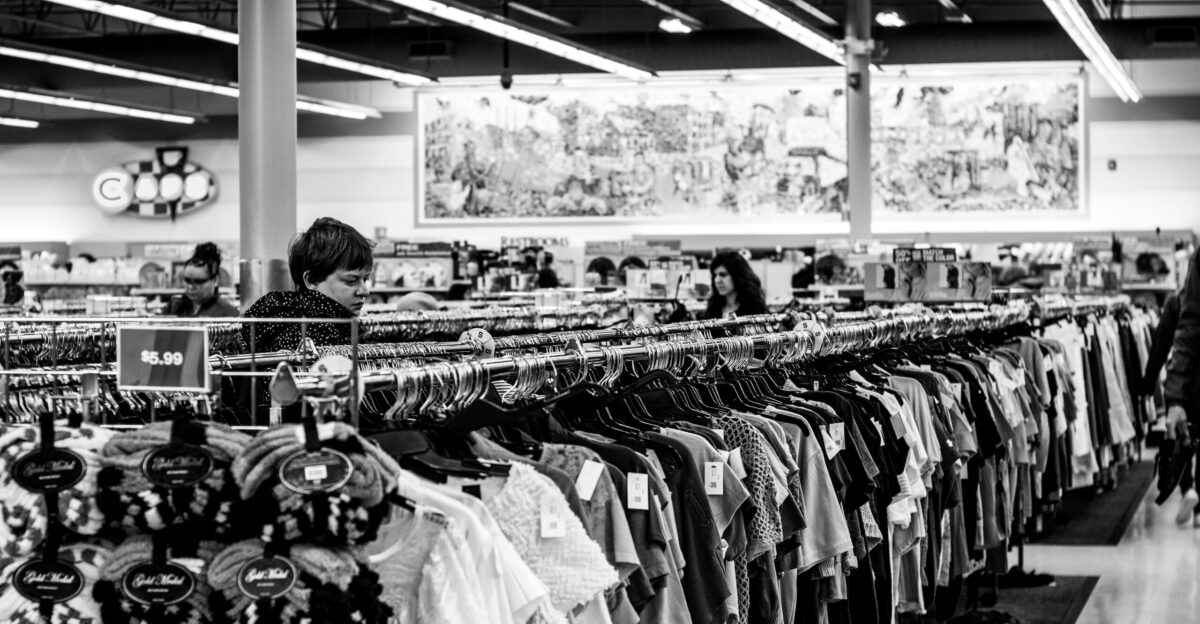
Joyce Hawkins has shopped at Goodwill for 40 years. The Oakland closure devastated her. “When she was a baby, I didn’t have a lot of money. So, I would go to Goodwill and places,” Hawkins told KTVU, remembering how she clothed her now-40-year-old daughter. “It was enough for me to have diapers and food.”
For millions like Hawkins, Goodwill wasn’t just thrift shopping—it was a matter of survival. The paradox hurts most: record donations should mean thriving stores serving people like her. Instead, she’s losing her lifeline.
Rising Rents Squeeze Already Thin Margins
Even with free donated inventory, Goodwill couldn’t make the math work. According to IBISWorld industry analysis, thrift stores navigate razor-thin margins despite minimal inventory costs. Rising rent, wages, security, and operational expenses squeeze profitability across the sector.
Urban California rents hit stores especially hard. Scearce explained that operational limitations meant revenues couldn’t cover rent, payroll, utilities, and security. Donations alone can’t pay the landlord. The generosity flowing in couldn’t match the costs flowing out.
Sorting Through Mountains of Unusable Items
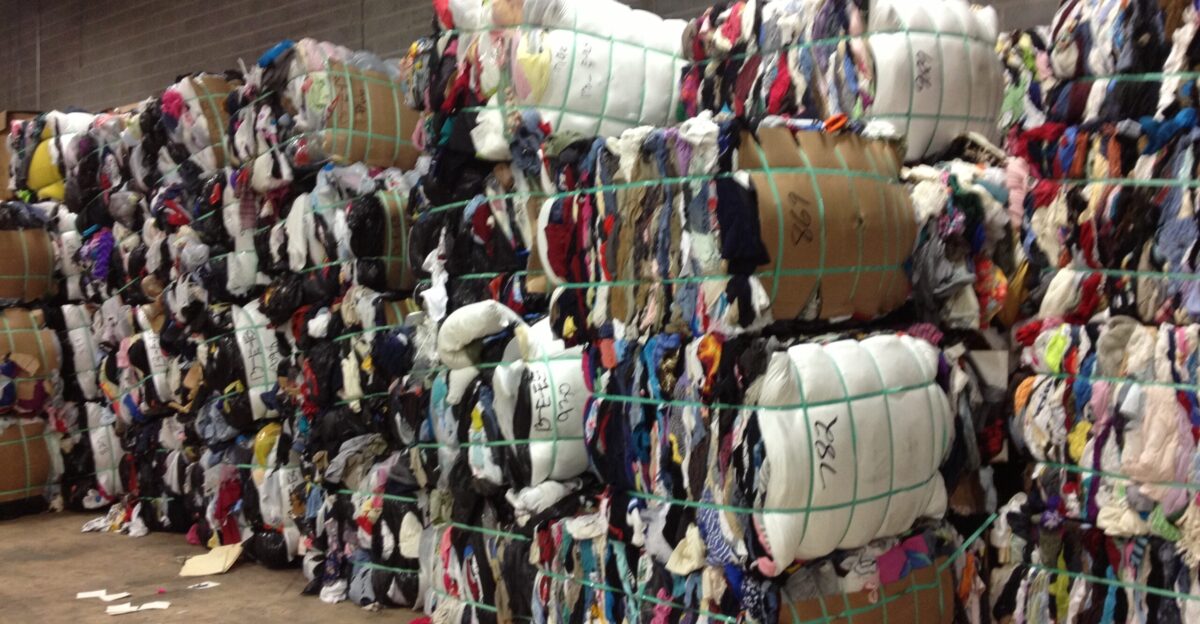
The donation crisis runs deeper than volume. Thrift stores must employ workers to sort, inspect, clean, price, and display every donated item. When half the donations are unusable—stained shirts, broken electronics, torn jeans—labor costs skyrocket, while sellable inventory remains scarce.
Processing garbage isn’t free. Staff spend hours sorting through trash bags, transporting unsellable items to disposal facilities, and paying dumping fees. Record donations amplified this hidden cost, turning what should be assets into expensive liabilities that drained already struggling stores.
Phoenix Merger Shifts Power 750 Miles East
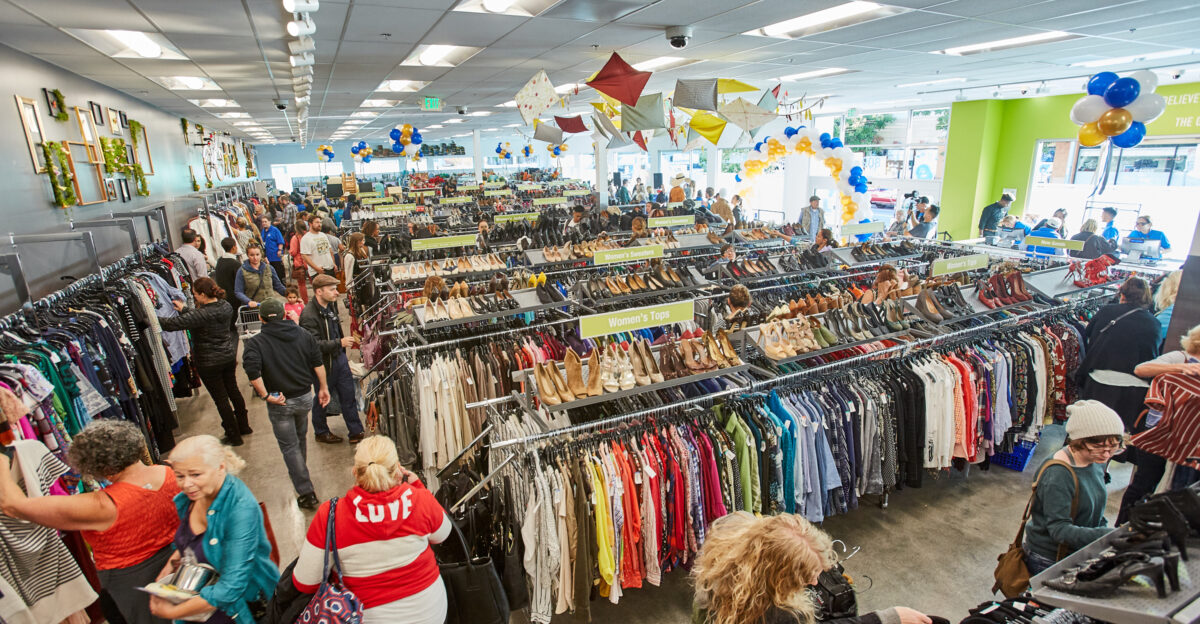
The California closures followed Goodwill San Francisco Bay’s merger with Goodwill of Central and Northern Arizona last fall. Tim O’Neal, CEO of Arizona’s Goodwill, told the San Francisco Business Times the combined entity now operates 150 thrift stores and donation centers—the world’s largest Goodwill. However, most administrative roles are being relocated to the Phoenix headquarters.
The Bay Area, where some stores operated for decades, became a satellite office in its own backyard. California wasn’t growing—it was being absorbed.
Bigger Stores, Farther Away, Different Customers
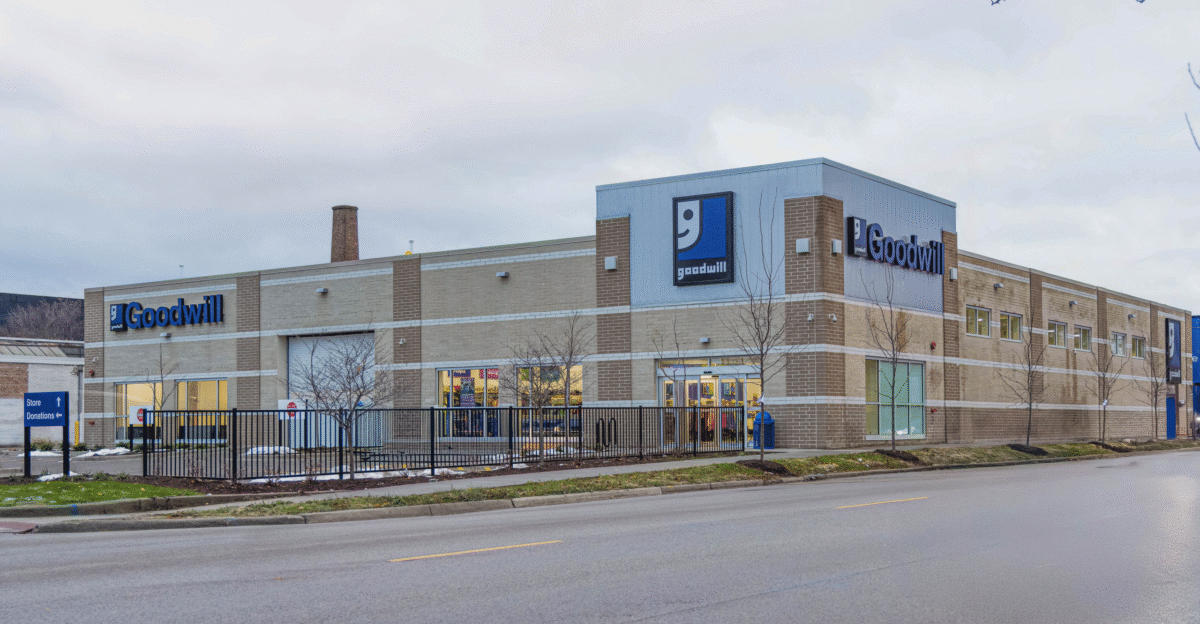
O’Neal announced plans for stores between 18,000 and 27,000 square feet in suburban locations, according to The Real Deal real estate publication. “The larger-store format is modeled after successful stores in the Phoenix market.” Translation: Goodwill is abandoning expensive urban cores for cheaper suburban real estate with parking lots.
Customers who could previously walk to neighborhood stores will now need to have a car. Low-income shoppers—Goodwill’s core constituency—face longer, costlier journeys. The people who need Goodwill most are being left behind.
Pink Slips With Job Applications Attached
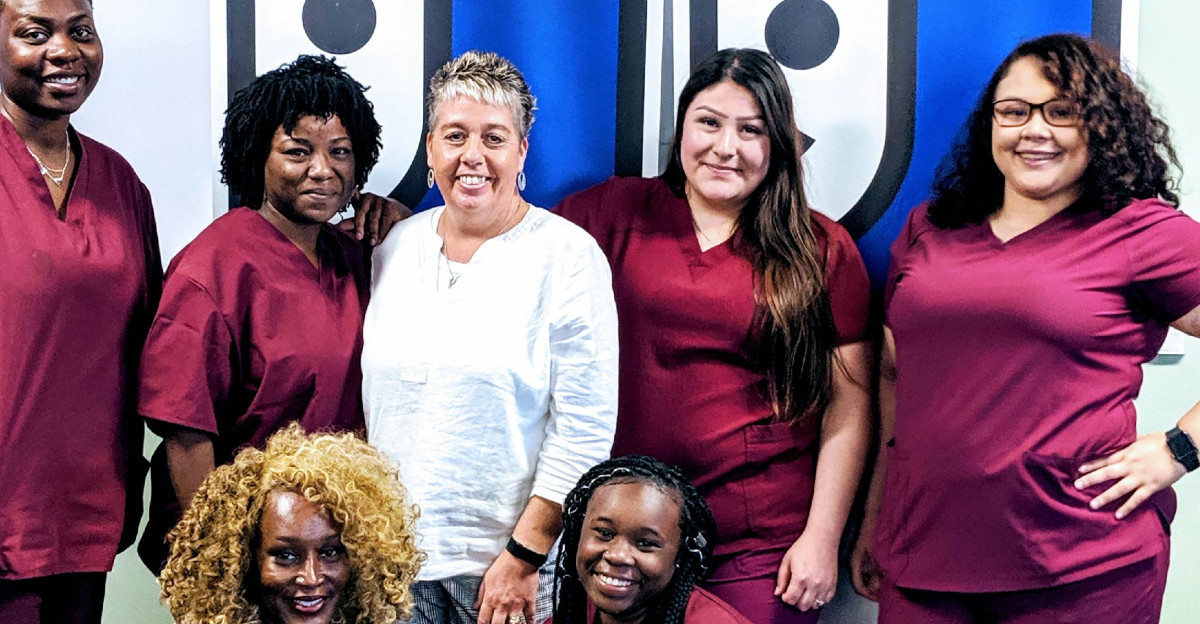
Goodwill San Francisco Bay states that displaced workers can apply for positions at its remaining locations. That sounds generous until you realize “remaining locations” might be 30 miles away. The organization helped 3,600 people through its career services program last year, according to KTVU.
Goodwill nationally employed 130,162 people in 2022 and placed 128,909 individuals in jobs outside the organization, according to its annual report. Now it’s telling nearly 100 of its own: update your resume and relocate.
Gen Z Loves Thrifting But Can’t Save Urban Stores

Despite the closures, Goodwill’s mission survives on a cultural shift. According to Goodwill Industries International, each of the network’s 3,300 stores creates approximately 25 jobs serving as career launchpads. The organization helped more than 1.7 million people build skills and advance careers in 2023.
Eagles noted that Gen Z and millennial shoppers now drive growth, embracing thrift shopping as sustainable and trendy. The next generation is keeping Goodwill alive—just not in California cities where operational costs devour profits.
The Impossible Balance Thrift Stores Can’t Win
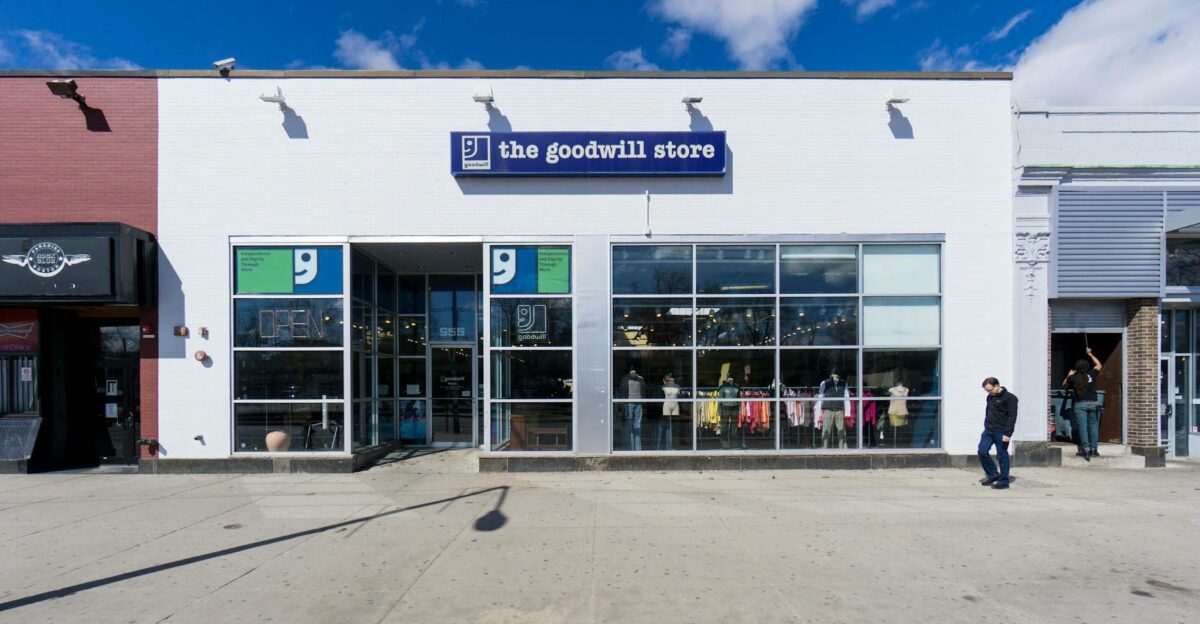
The closures expose brutal industry realities. Thrift stores face an impossible balance: accept enough donations to stock shelves, but reject low-quality items that waste space and processing time. Too little inventory means empty racks. Too much junk means paying to dispose of what people have donated.
Rising rent, wages, and security costs squeeze margins. Theft and safety concerns drive customers away. Even record donations can’t fix broken economics. Goodwill’s paradox is the entire industry’s nightmare.
When Your Neighborhood Loses Its Bargain Lifeline
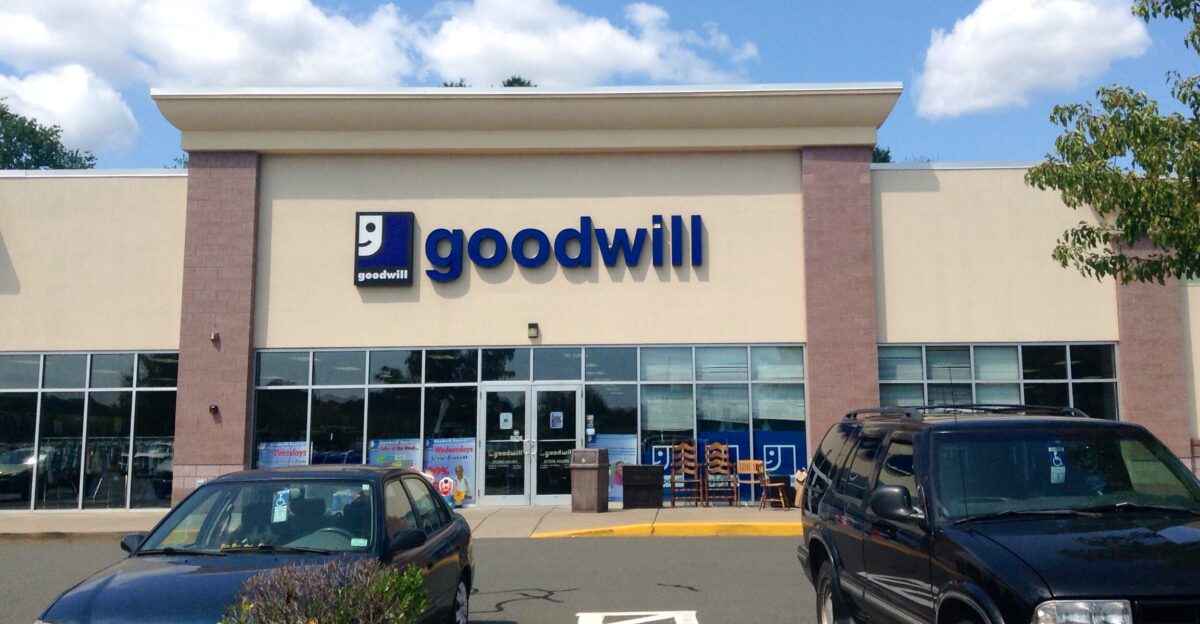
Fred Garvey of Alameda didn’t just shop at Goodwill—he built his life around it. He told KTVU he relied on Goodwill for materials he converts into wind generators. “I find electric motors, and I’ll convert it into a wind generator because you can run it backwards, and it’ll generate power.”
For Garvey and thousands like him, Goodwill wasn’t retail therapy. It was a combination of resourcefulness, sustainability, creativity, and survival. Now they’ll drive farther, spend more on gas, and watch their neighborhoods lose a community anchor that thrived on paradox.