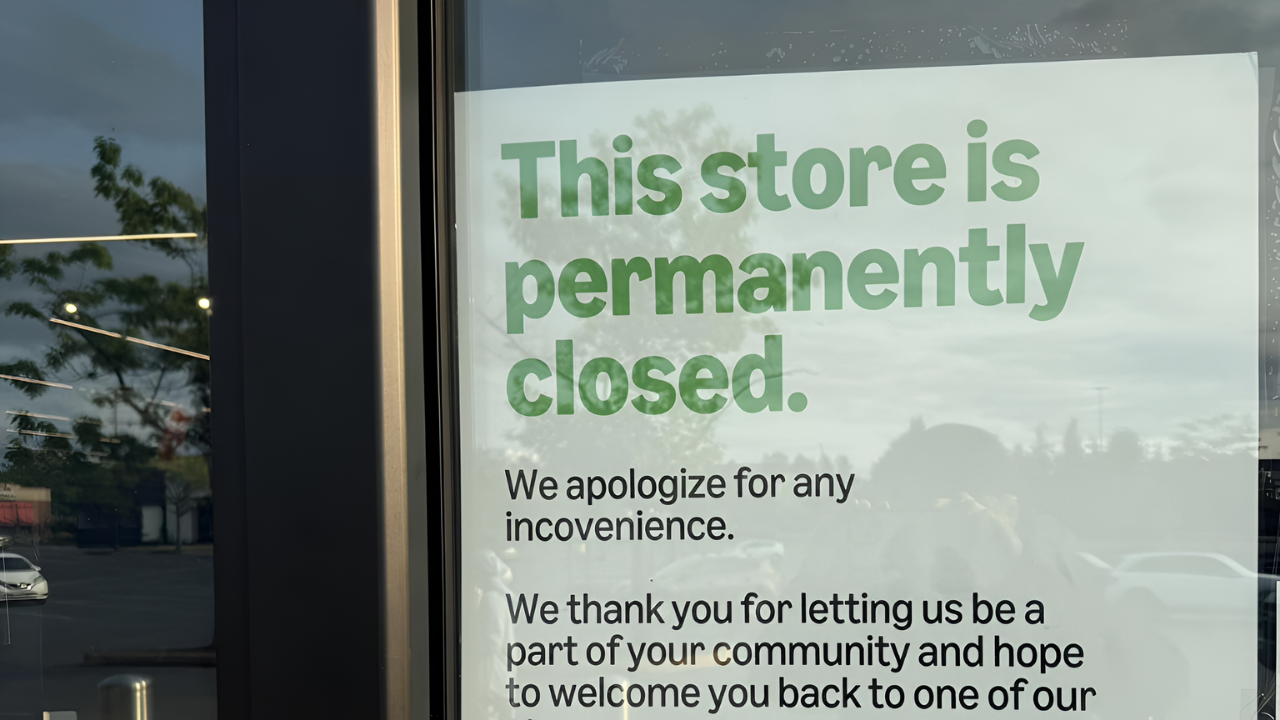
Amazon Fresh closed four Southern California stores—Mission Viejo, La Verne, La Habra, and Whittier—in mid-November 2025. The shuttering of these stores is not just a routine closure but signals growing trouble for Amazon’s push into physical retail.
The decision to close these locations sends shockwaves through local communities, leaving them without one of the company’s signature grocery options.
But what drove this unexpected move? Stay tuned as we dive deeper into the factors that led to these closures and what it means for Amazon’s future in the region.
Performance Assessment Drives Closures
Amazon stated that “certain locations work better than others” and subsequently closed these stores after conducting a performance assessment. Rising inflation, shifting consumer habits, and intensified competition have made it challenging for some locations to remain profitable.
The company’s spokesperson emphasized ongoing investment in grocery operations but acknowledged that not all stores can survive in the current retail climate and market dynamics.
Local Communities Lose Amazon Fresh Options
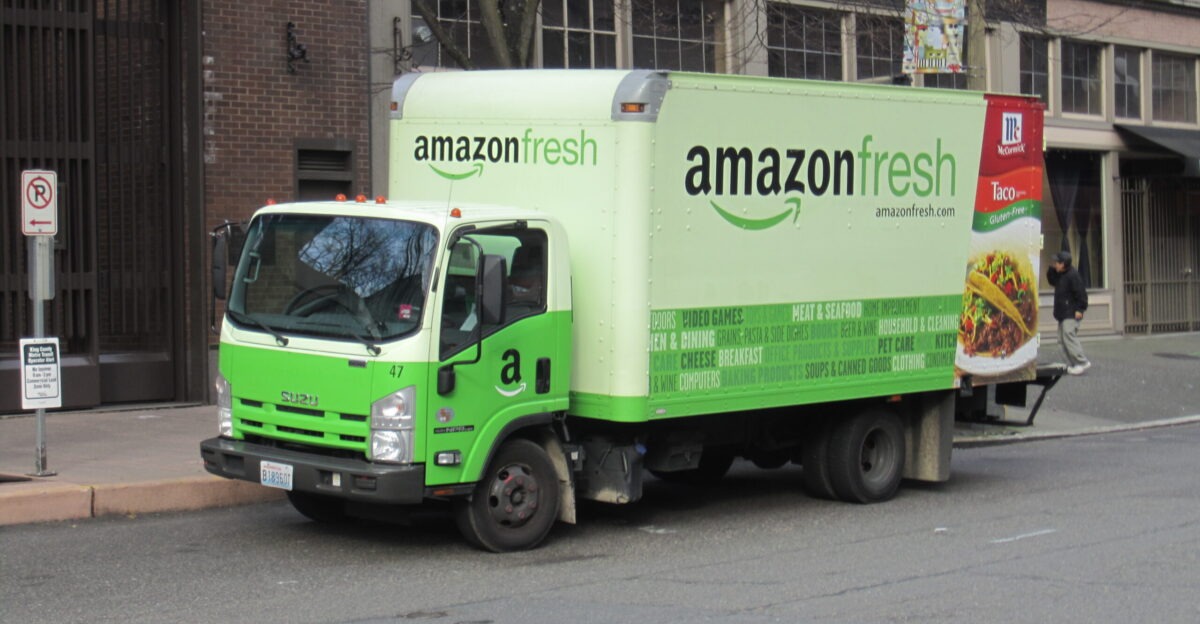
The closures have affected residents in Mission Viejo, La Verne, La Habra, and Whittier who now lack nearby Amazon Fresh options. Many residents face increased travel distances, forcing shoppers to seek alternative grocers or delivery services.
Community members are voicing concerns about losing a convenient shopping choice and the impact on their weekly routines, particularly for families who relied on the stores’ proximity and competitive pricing.
Amazon’s Corporate Response and Strategy Shift
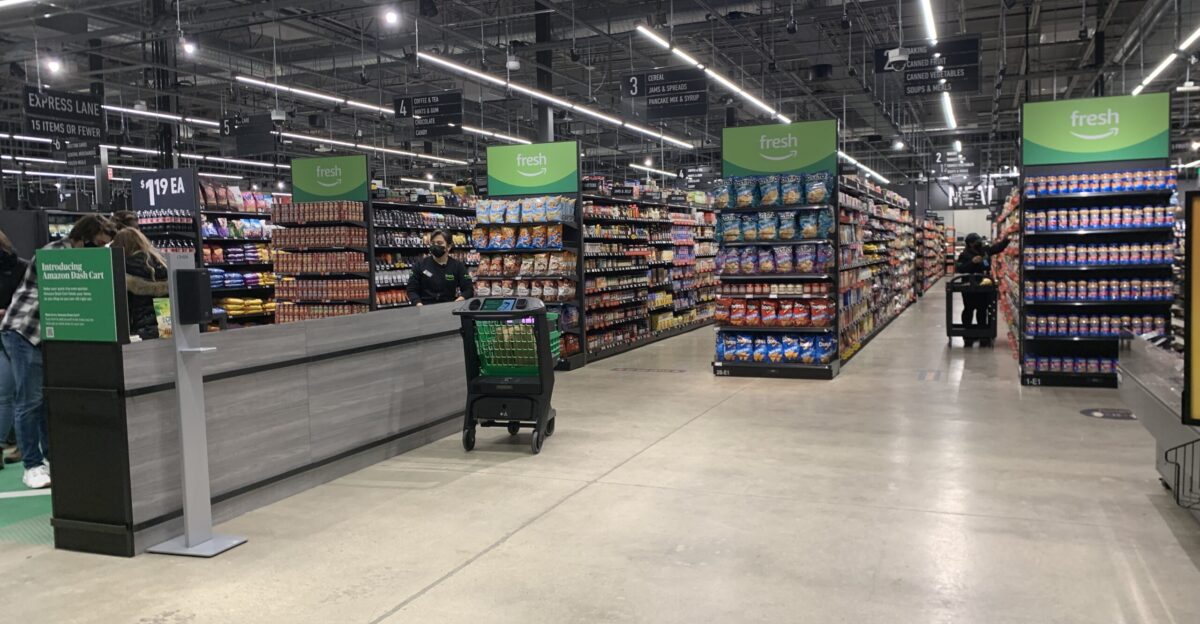
Amazon spokesperson Griffin Buch stated the company is “continuing to invest” in grocery operations despite the closures. The company is pivoting toward Whole Foods and delivery services, reassessing its brick-and-mortar strategy.
Amazon is working to place affected employees in other roles within the company, offering relocation assistance and severance packages where necessary as part of its broader workforce transition plan.
Competitors and Substitutes Step In
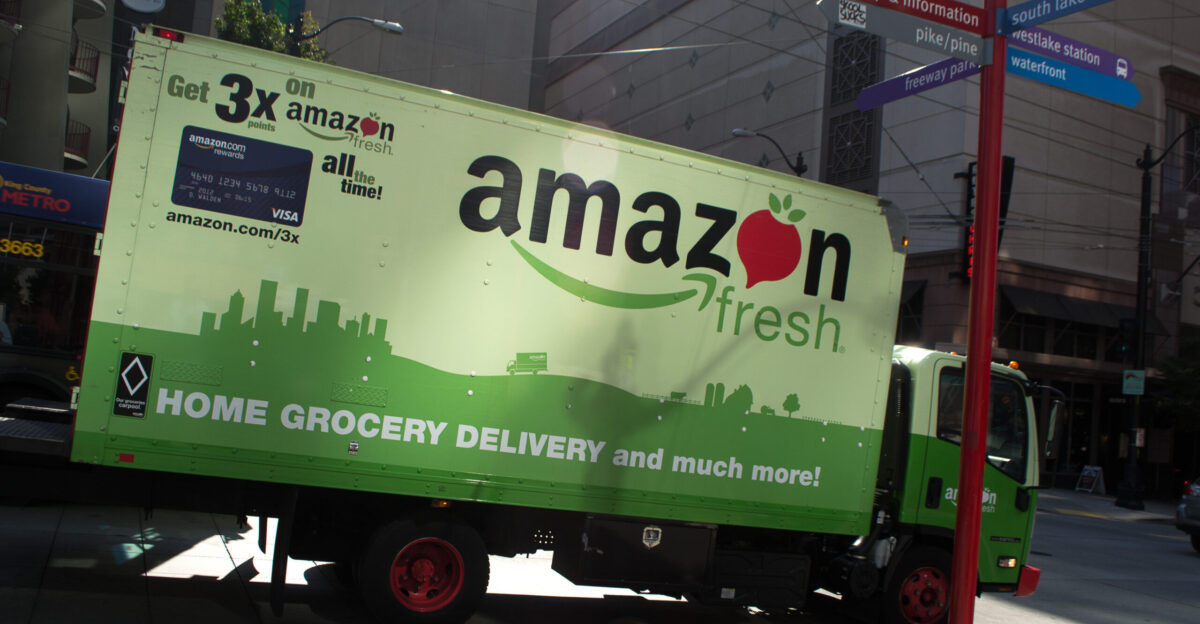
With Amazon Fresh stores shuttered, rival chains like Sprouts Farmers Market and local independent grocers are experiencing increased customer traffic and demand.
Some former Amazon Fresh shoppers are switching to online delivery services such as Instacart, while others are exploring alternative retailers in neighboring areas.
The closures may open opportunities for smaller regional chains to expand their footprint in these communities and capture displaced customers.
International Trade and Supply Chain Impacts
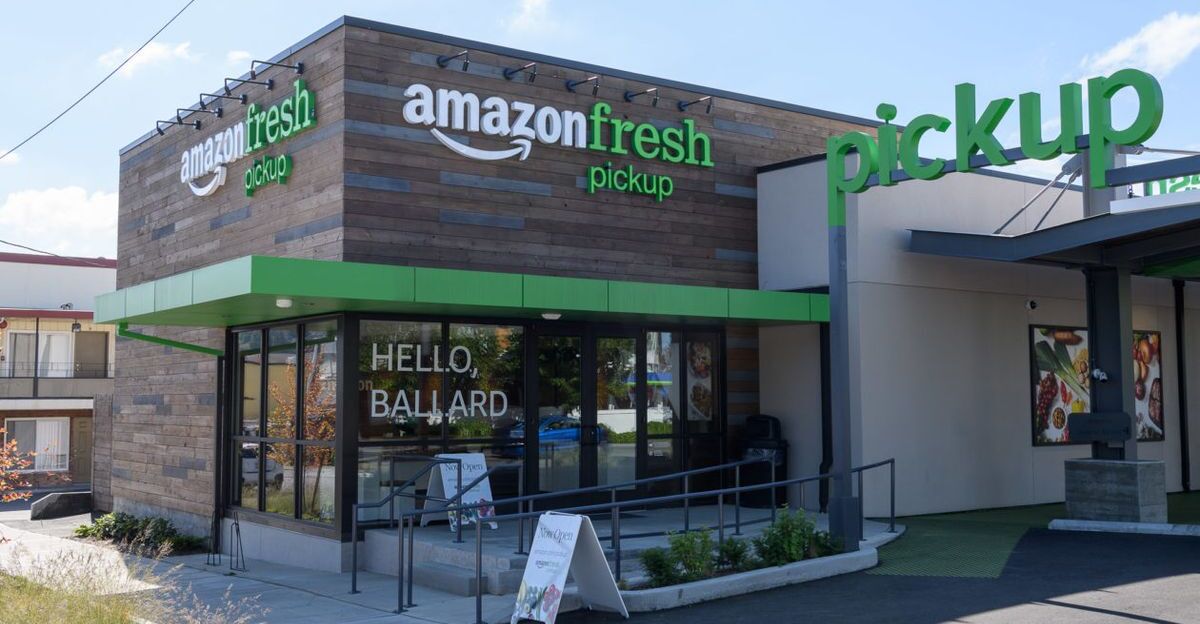
Amazon’s retreat from physical grocery stores could affect international suppliers, especially those providing fresh produce, specialty goods, and imported products to these locations.
Reduced store counts may lead to lower import volumes and renegotiated contracts, potentially impacting growers and exporters abroad.
Suppliers will need to pivot to other retail partners or adjust their distribution strategies to maintain market presence in Southern California and expand regional operations.
Workers Share Their Experiences
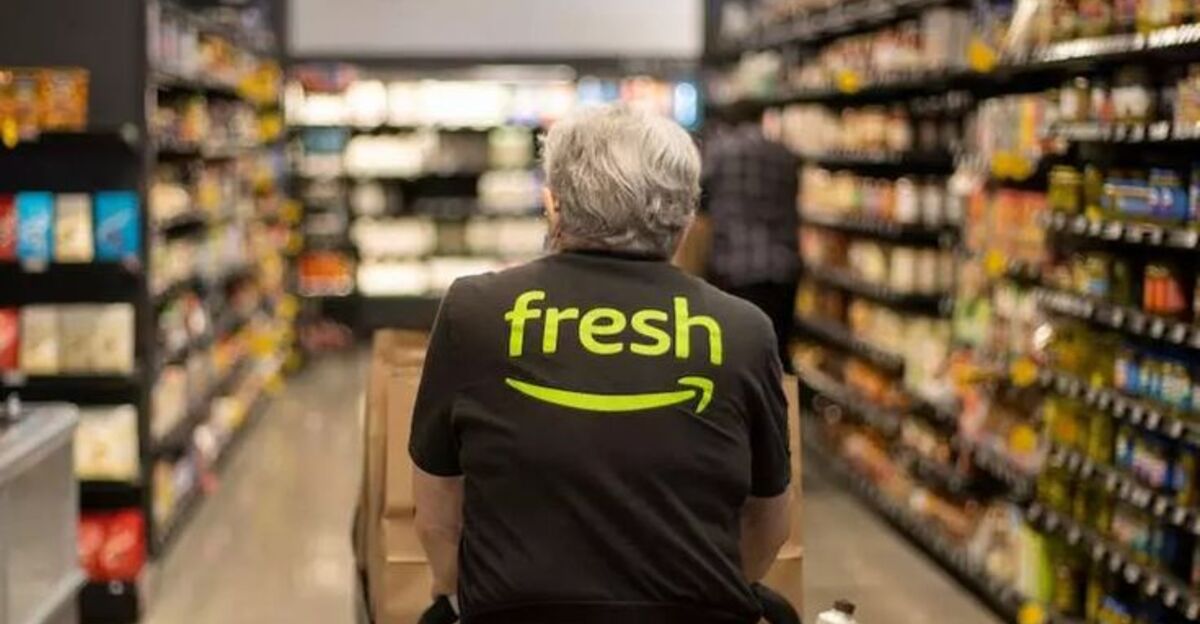
Employees at the closed stores received advance notice and face transitions to other Amazon positions across different facilities and departments.
Some workers shared their experiences on social media, highlighting the personal toll of corporate restructuring decisions and uncertainty about their future roles.
Local shoppers expressed frustration over losing a convenient grocery option, with many commenting on community forums about their adjustment to finding alternative shopping locations.
Policy and Political Reactions
Local officials are monitoring the changes in the retail landscape in affected areas and assessing community needs. Some city leaders are exploring ways to attract new grocers through incentives or support local food market initiatives.
The closures have reignited debates about the role of large corporations in community food security and the importance of diverse retail options to maintain competitive pricing and consumer choice.
Inflation and Broader Economic Ripple

The loss of Amazon Fresh stores may alter the competitive dynamics in affected areas, potentially impacting local grocery pricing structures and consumer options.
Inflation remains a persistent challenge across the grocery sector, with consumers already feeling the pinch from rising food costs and transportation expenses.
The reduced competition could create upward pressure on prices, though other retailers may compete more aggressively for displaced Amazon Fresh customers.
Lifestyle and Health Consequences
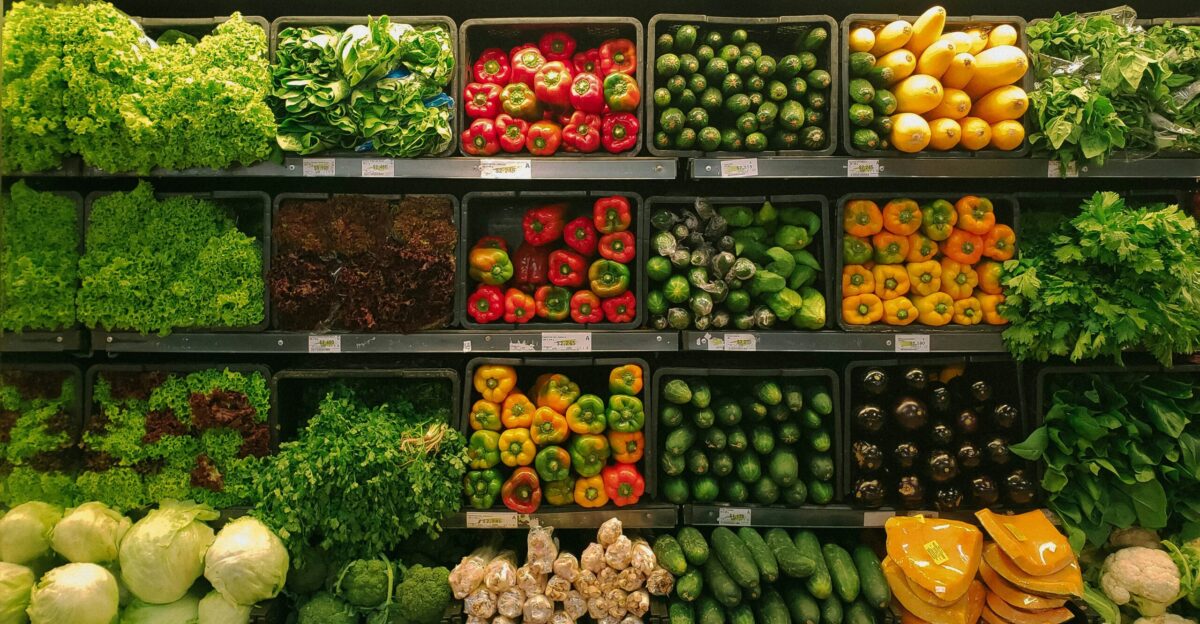
With fewer convenient grocery options in specific neighborhoods, some residents may adjust their shopping patterns, potentially relying more on convenience stores or fast-food alternatives.
Community health advocates note the importance of maintaining access to diverse fresh produce options across all neighborhoods.
The closures could influence dietary choices, particularly for residents without reliable transportation to reach alternative full-service grocery stores and healthy food options.
Tech Retail’s Ongoing Evolution
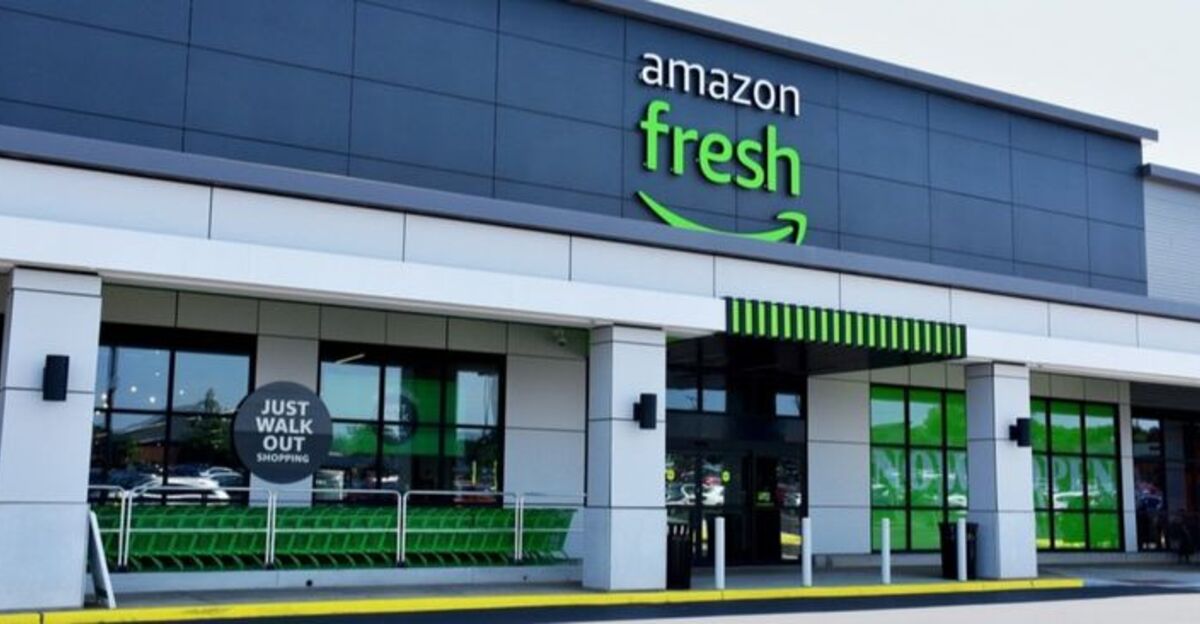
Amazon’s Fresh store closures reflect the broader struggle that technology-focused retailers face when scaling physical grocery operations profitably.
The company’s pivot toward Whole Foods and delivery services demonstrates a strategic acknowledgment that in-store automation and tech innovation alone cannot overcome the inherent challenges of grocery retail margins.
This shift suggests that even well-funded tech companies must adapt their business models when market realities don’t align with technological ambitions.
Global Consumer Perception and Adaptation
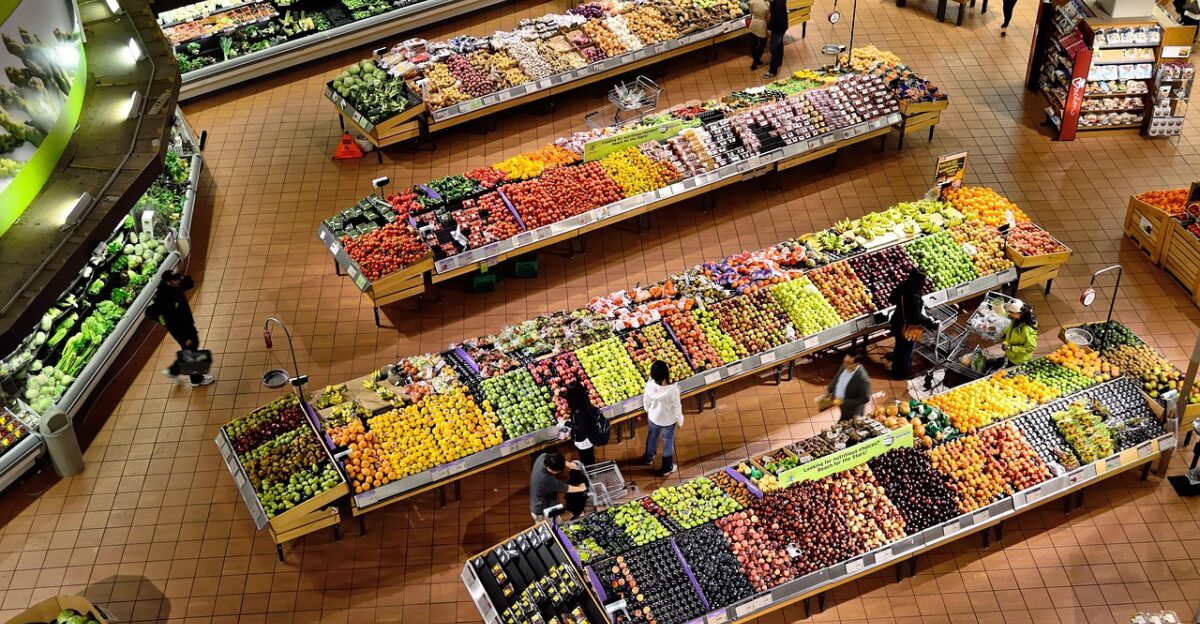
International observers view Amazon’s move as evidence that even tech giants face significant challenges in managing complex grocery retail operations.
Consumers worldwide are watching how Amazon adapts its strategy, with some questioning the long-term viability of cashierless and automated store models.
The closures contribute to broader discussions about the future of retail technology integration and whether physical grocery stores remain essential to consumer shopping experiences.
Unexpected Winners and Losers
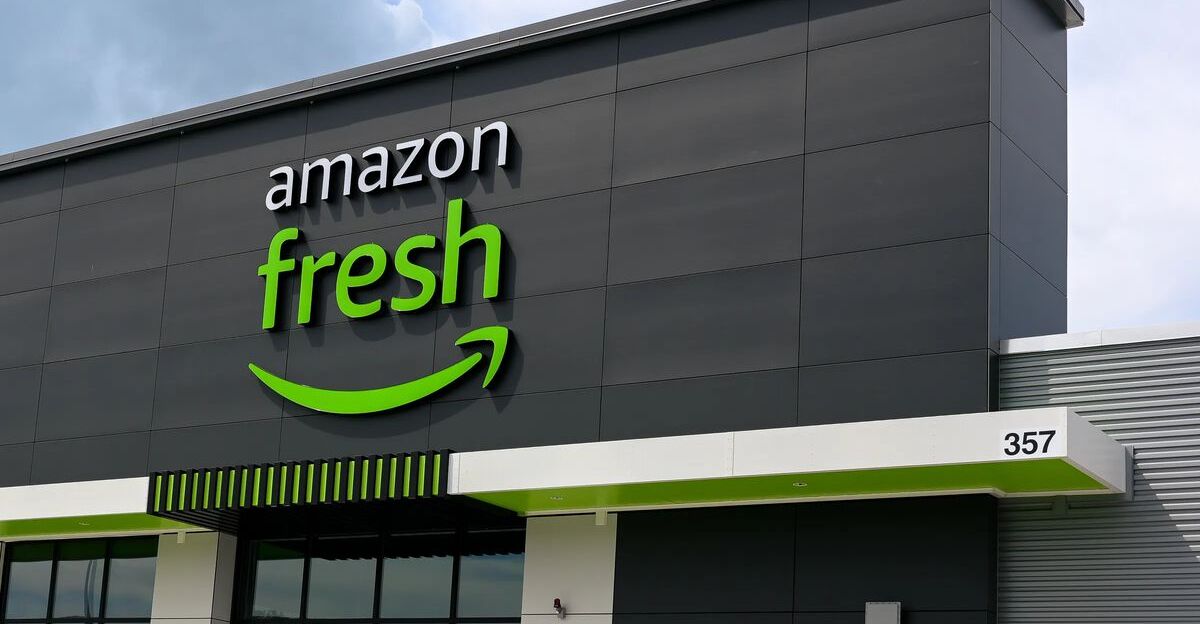
While Amazon Fresh’s exit affects local shoppers’ options, competitors like Sprouts and regional grocers may benefit from increased foot traffic and customer loyalty.
Amazon’s Whole Foods locations and delivery services could also see usage boosts as customers shift within the Amazon ecosystem.
Meanwhile, suppliers and vendors tied specifically to the closed stores face market adjustments, requiring them to establish new retail partnerships quickly to maintain their revenue streams.
Financial Market Speculation and Consumer Advice

Market analysts are closely watching Amazon’s grocery pivot, speculating on the company’s next strategic moves and their potential impact on retail sector stocks. Industry experts note that this reflects broader challenges in the profitability of physical grocery retail.
Consumers are advised to explore alternative grocers, consider subscription delivery options, and stay informed about retail changes in their areas while monitoring for potential new store openings.
What’s Next for Amazon and Grocery Retail?
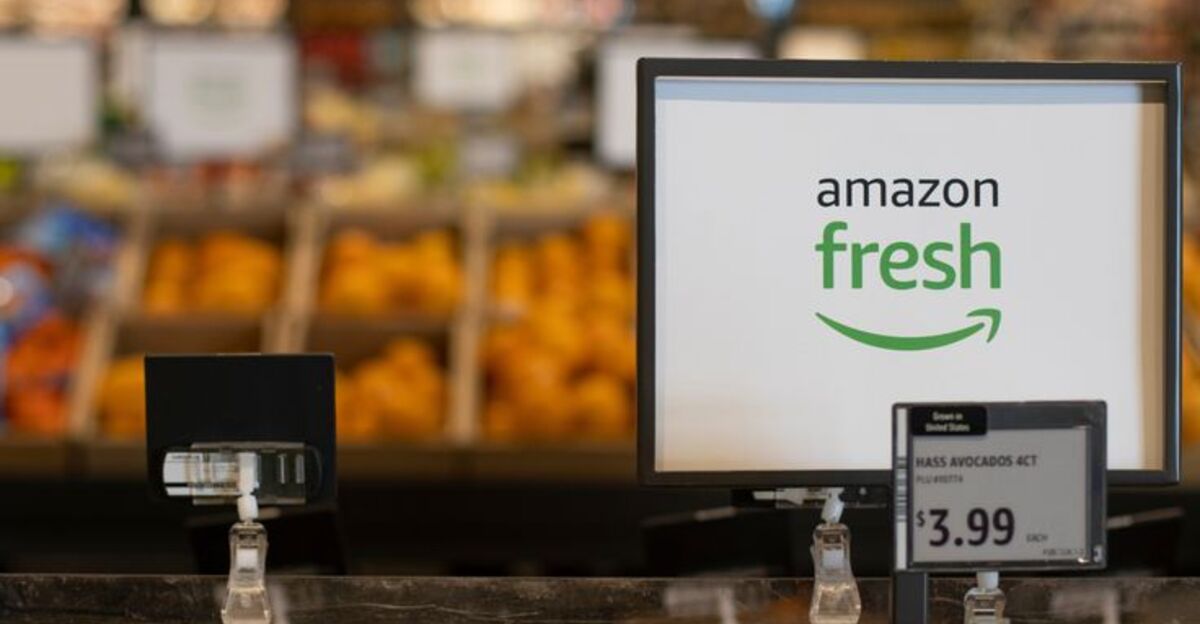
Amazon’s closures mark a significant moment in the grocery industry, highlighting the challenges of successfully blending advanced technology with traditional retail operations.
As the company doubles down on delivery services and integrates with Whole Foods, communities and competitors alike are adapting to the changing landscape.
The future of grocery shopping in Southern California—and the broader retail sector—remains dynamic and uncertain as retail strategies continue evolving.