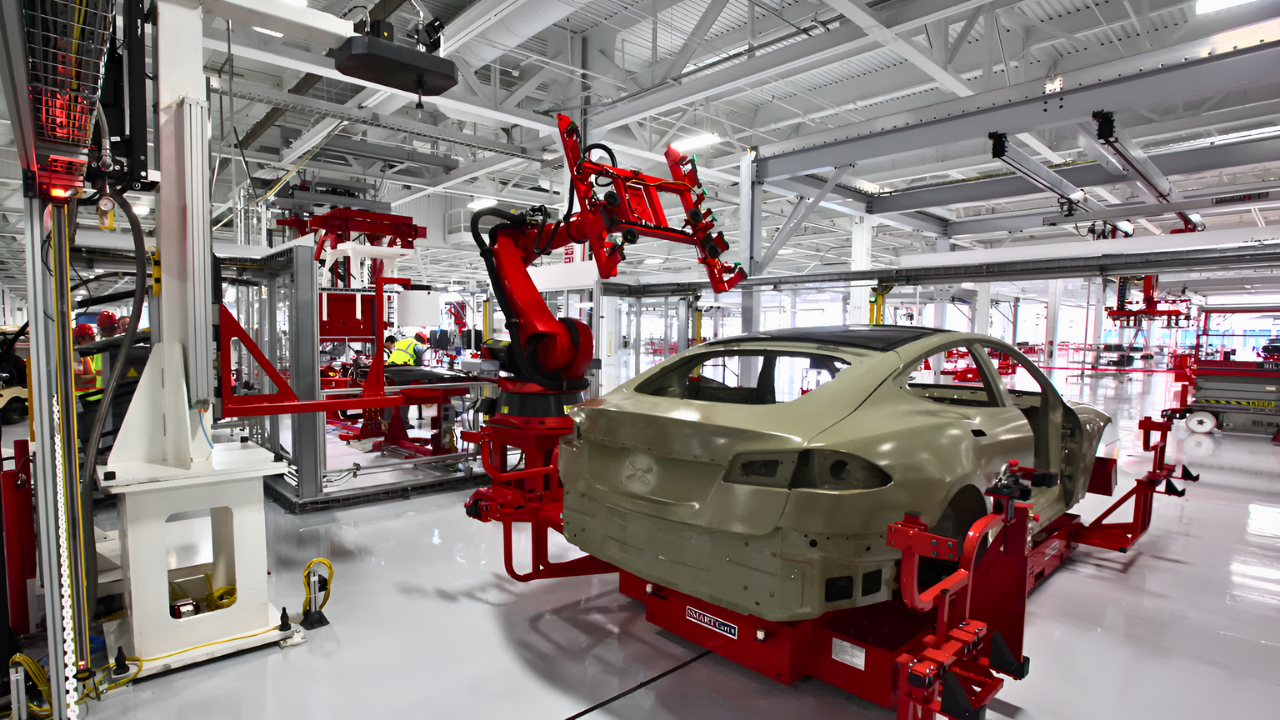
Tesla has initiated one of the largest supply-chain pivots in the EV era: a mandate to eliminate every China-made component from its U.S. vehicles. Practically overnight, the company is unraveling years of dependence on China’s manufacturing power.
The Wall Street Journal reports the order came earlier in 2025, with Tesla giving itself just one to two years to replace those parts—a shift that could ultimately disrupt the production pipeline for up to 1.4 million U.S.-built Teslas a year.
Billions in Parts Suddenly Under Review
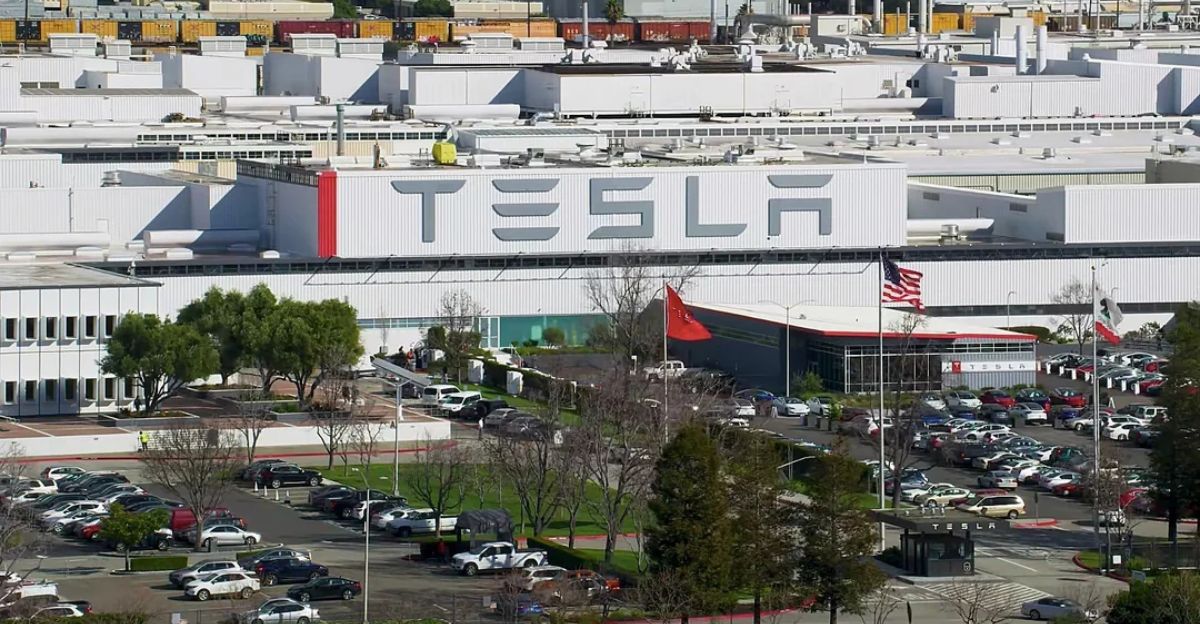
The scale is enormous. Tesla’s Fremont and Austin plants hold a combined annual capacity of about 1,025,000 vehicles—650,000 at Fremont, 375,000 at Austin. Actual 2024 production was closer to 700,000.
Meanwhile, Chinese automotive parts imported into the U.S. totaled approximately $18.3 billion in 2024, representing 9.2 percent of total U.S. auto-parts imports of $197.3 billion. With China supplying about 11 percent of U.S. automotive components, Tesla’s shift represents a significant reallocation—roughly $2 billion annually—away from Chinese suppliers.
When Tariffs Turned China Into a Liability
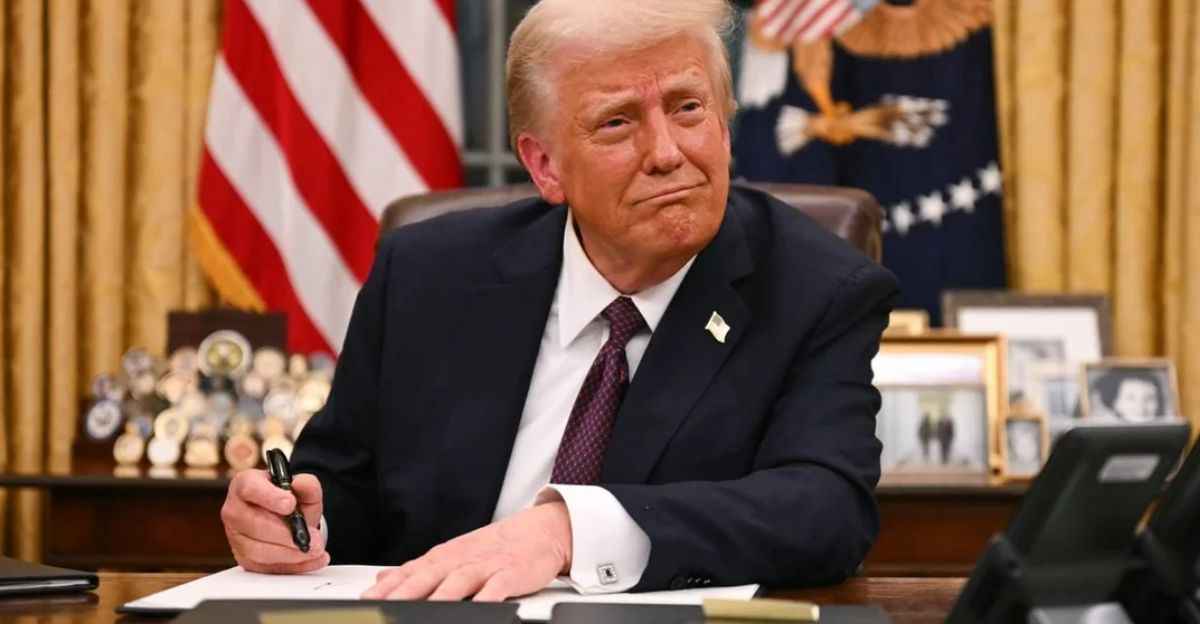
What broke the relationship? President Trump’s sweeping tariffs have flipped Chinese sourcing from a cost-saver to a financial hazard. Automotive tariffs hit 25 percent in April 2025, and steel and aluminum tariffs surged to 50 percent by June.
Moving targets made stable pricing impossible, according to sources cited in The Wall Street Journal. Tesla couldn’t sign contracts when tariffs could spike mid-production and triple component costs. In months, China went from an advantage to a risk no automaker could ignore.
Three Crises Colliding at Once
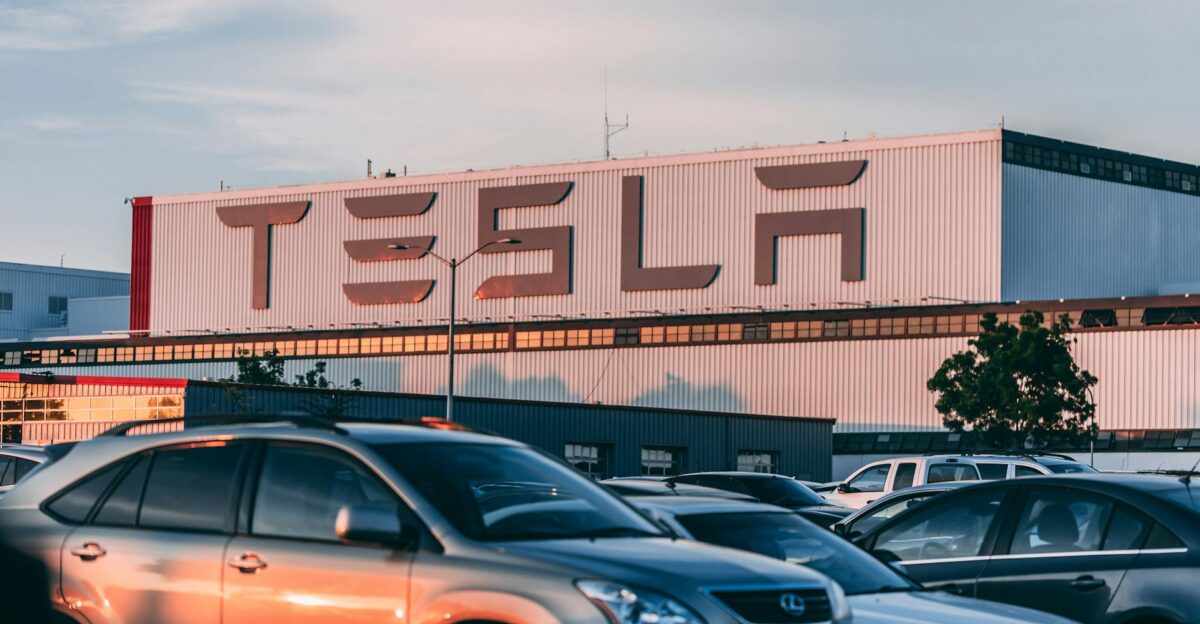
Tesla’s acceleration wasn’t impulsive—it was triggered by overlapping shocks. The pandemic exposed the fragility of supply chains, which could burn billions of dollars starting in 2020. Then tariffs in 2025 made Chinese parts economically unsustainable. And by September–October 2025, a geopolitical jolt arrived: the Dutch government seized Chinese-owned chipmaker Nexperia on September 30, citing national security concerns.
China retaliated by blocking chip exports. One Wall Street Journal source said the crisis “intensified discussions,” pushing Tesla to diversify immediately.
Every U.S.-Built Tesla Must Be Reengineered
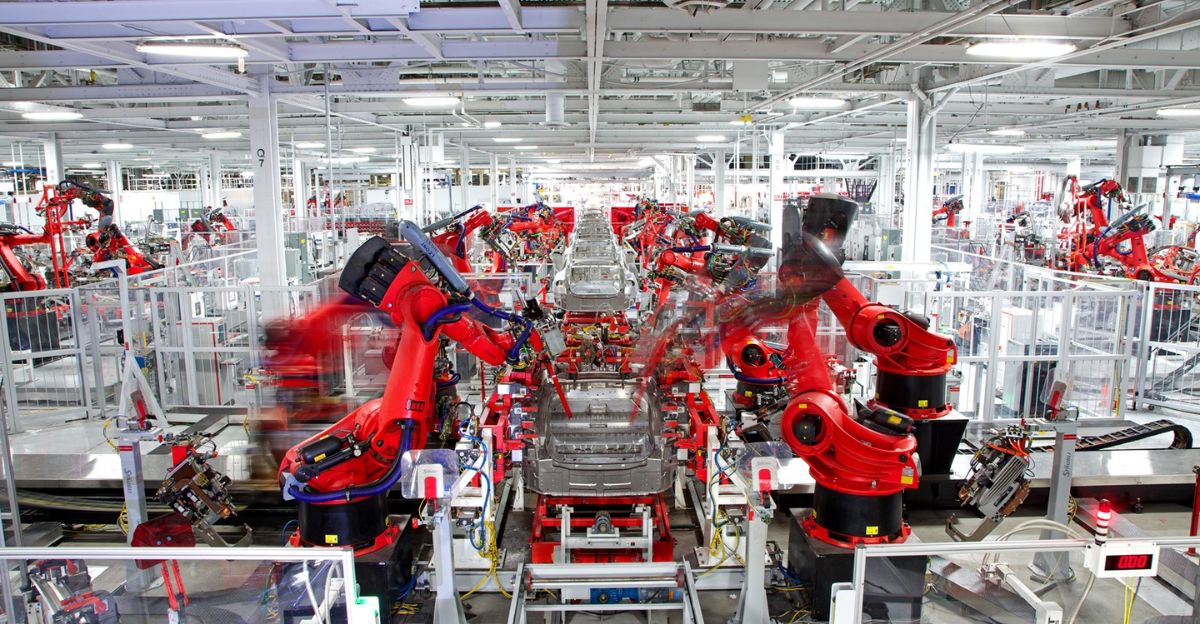
This decision touches nearly every Tesla built in America. Fremont and Texas together have an installed capacity of approximately 1,025,000 vehicles, although actual 2024 production is expected to be around 700,000.
At the same time, Tesla’s EV sales in China dropped 9.9 percent to 61,497 units in October 2025 year-over-year, according to the China Passenger Car Association. With China softening and the U.S. market crucial, Tesla is betting its future on non-China supply chains.
China’s Manufacturing Strength Becomes a Weak Point
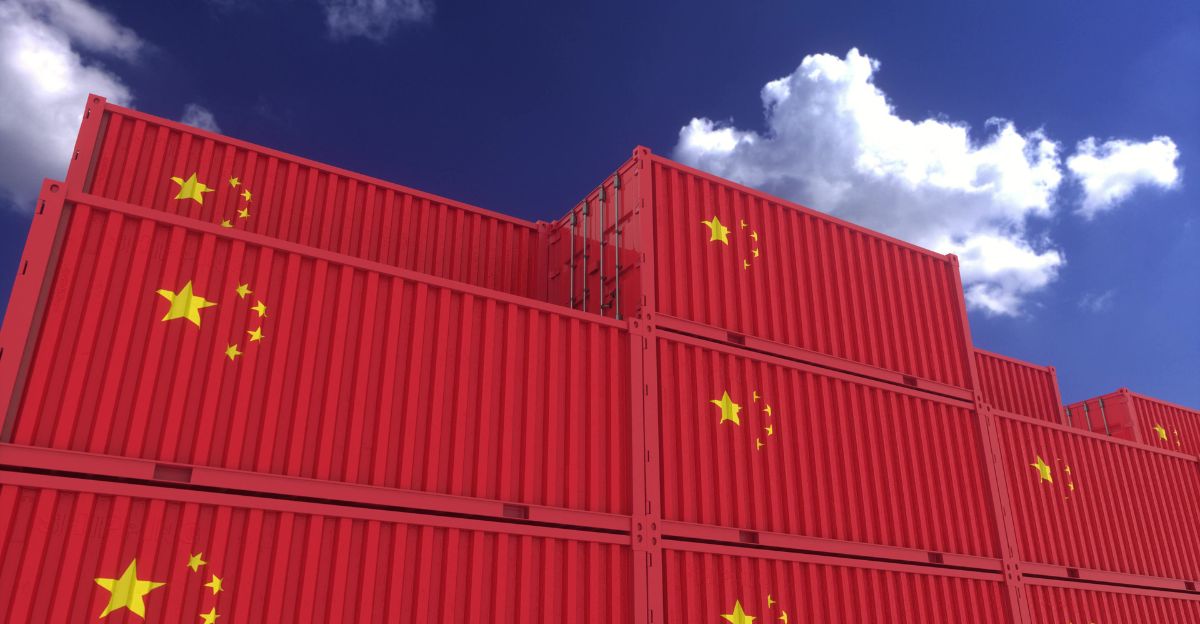
For years, China dominated the automotive components landscape by offering unbeatable prices. U.S. International Trade Commission data shows China’s share of U.S. auto-parts imports rose from 7 percent in 2007 to 13 percent in 2018. In 2024, China exported $105.61 billion in auto parts globally, up 6.8 percent year-over-year.
That same year, China became the top auto exporter worldwide—5.86 million vehicles, up 19.3 percent. What once looked like stability now feels like over-reliance.
The Battery Puzzle That Isn’t Easy to Solve
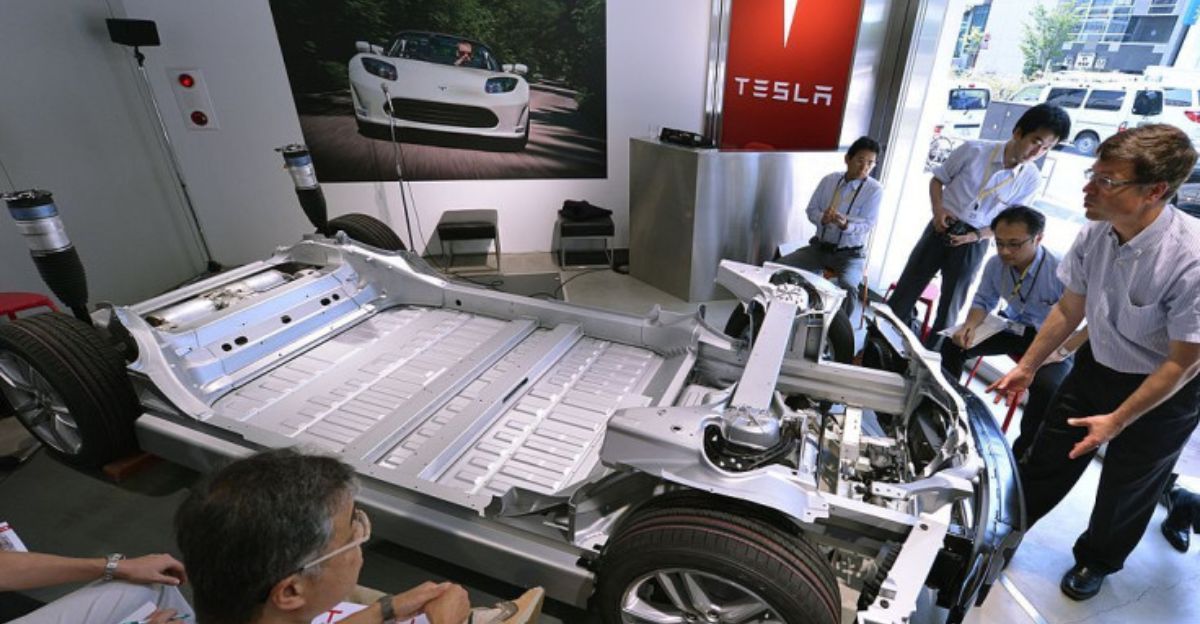
Replacing lithium-iron phosphate batteries is one of Tesla’s steepest challenges. CATL supplied LFP batteries for U.S. Teslas until 2024, but vehicles using those Chinese batteries lost EV tax-credit eligibility under the Inflation Reduction Act. Rising tariffs added pressure.
Tesla is now racing to establish U.S.-based LFP battery production in Nevada, with the facility nearing completion and projected to begin producing cells in late 2026 or 2027. Tesla leadership has acknowledged that securing reliable non-China supply sources will take time, underscoring the difficulty of this transition.
Mexico Surges While India and Southeast Asia Step In

Tesla has spent months urging suppliers to relocate production out of China—ideally to nearby regions. Mexico is the biggest winner, drawing suppliers to hubs around the Austin Gigafactory. Tesla has already swapped several China-made components for alternatives from other countries.
India is emerging as a semiconductor contender, with Tesla exploring potential partnerships there. Vietnam and Thailand offer secondary options. Many suppliers expect their Mexican operations to be online by 2026, with a complete transition by 2027.
Suppliers Face a Relocate-or-Lose-Everything Moment
Tesla’s ultimatum has forced suppliers into a mad scramble. Many spent decades perfecting Chinese manufacturing ecosystems—now they must rebuild them elsewhere in one to two years. Some replacements for Chinese components remain extremely difficult to source.
Suppliers unable to move quickly may lose billions, while those who adapt can seize major opportunities—if they can afford the necessary investment.
The Price Question Looms Over Everything

Leaving China means higher costs, at least in the short term. Although no verified percentages have been publicly confirmed, industry consensus points to meaningful increases. China’s vast scale, historically lower labor costs, and favorable currency made its exports exceptionally competitive.
Replicating that elsewhere requires time and capital. Tesla must decide how to absorb those increases—through margin cuts, price hikes, or a combination of both. Clarity will likely come through future earnings statements, not speculation.
When Tesla and GM Move, Others Follow
Tesla and GM have made the boldest public commitments, but no automaker is ignoring the trend. Industry giants, such as Toyota, Honda, and Volkswagen, are quietly stepping up their own diversification efforts. The difference is transparency: Tesla and GM put their stakes in the ground.
Analysts expect that once Tesla proves the transition is possible, competitive pressure will mount for others to follow suit. “China-free” sourcing could become a requirement, not a niche strategy.
China’s Parts Industry Loses a Defining Customer
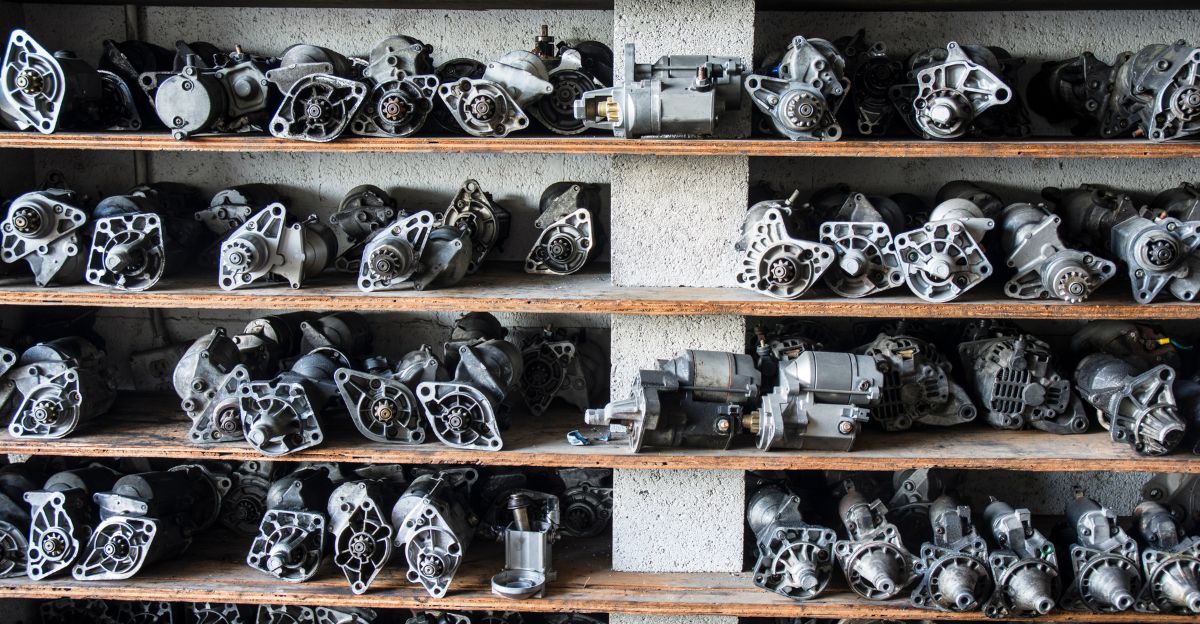
Tesla’s pivot lands hard on China’s auto-parts sector. Decades of investment made Chinese factories integral to global manufacturing, supporting billions in exports and millions of jobs. Tesla’s exit signals a deeper shift—Western automakers are unwilling to shoulder the geopolitical risk or tariff volatility associated with Chinese sourcing.
China may respond with retaliatory tariffs, mineral-export controls, or push its own automakers to grow abroad. But the era of China as the default supplier has been shaken.
The Rise of Supply Chain Nationalism
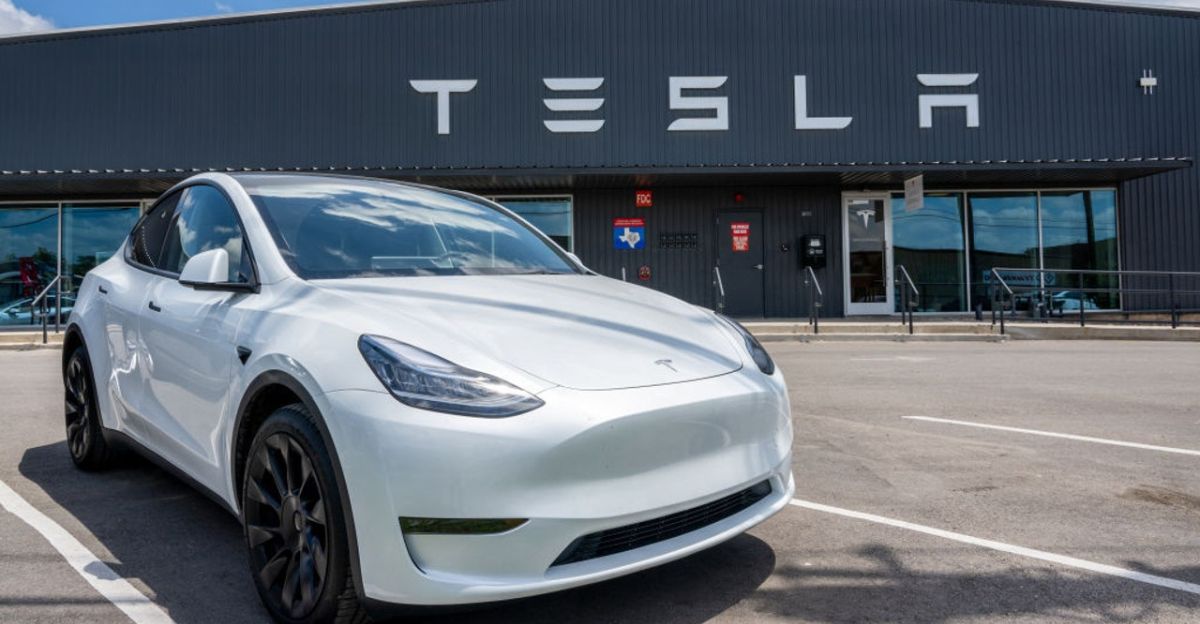
Tesla’s decision reflects a broader movement away from pure cost optimization and toward supply chain nationalism. Companies are reevaluating where parts come from—not just what they cost. National security, trade exposure, and political alignment now influence decisions once driven by price alone.
Nations such as the U.S., Mexico, Japan, and South Korea benefit from this shift, while single-country sourcing strategies face long-term risks.
A One-to-Two-Year Timeline Defines the Pressure
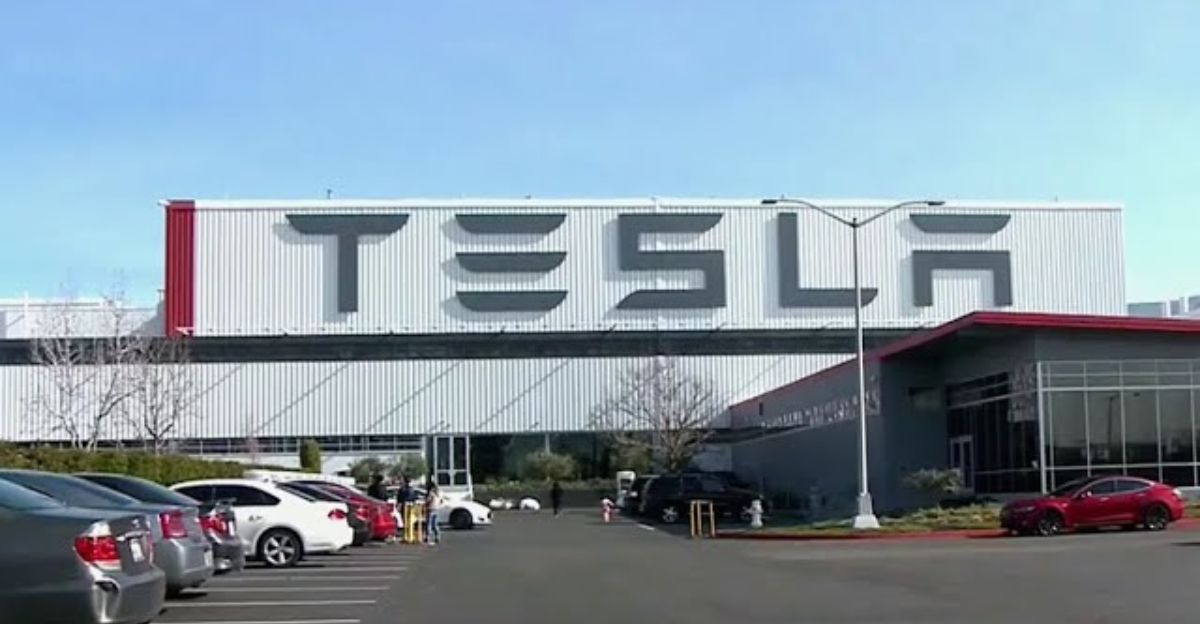
Tesla’s timeline—one to two years—is intentionally aggressive. The company wants the transition locked in before tariffs climb further or geopolitical surprises disrupt exports entirely. People familiar with the plan say that some categories, such as advanced semiconductors or rare-earth materials, may take longer than two years to replace fully.
However, every month matters: new tariffs could instantly rewrite the economic equation.
A Jobs Boom in North America, a Loss in China
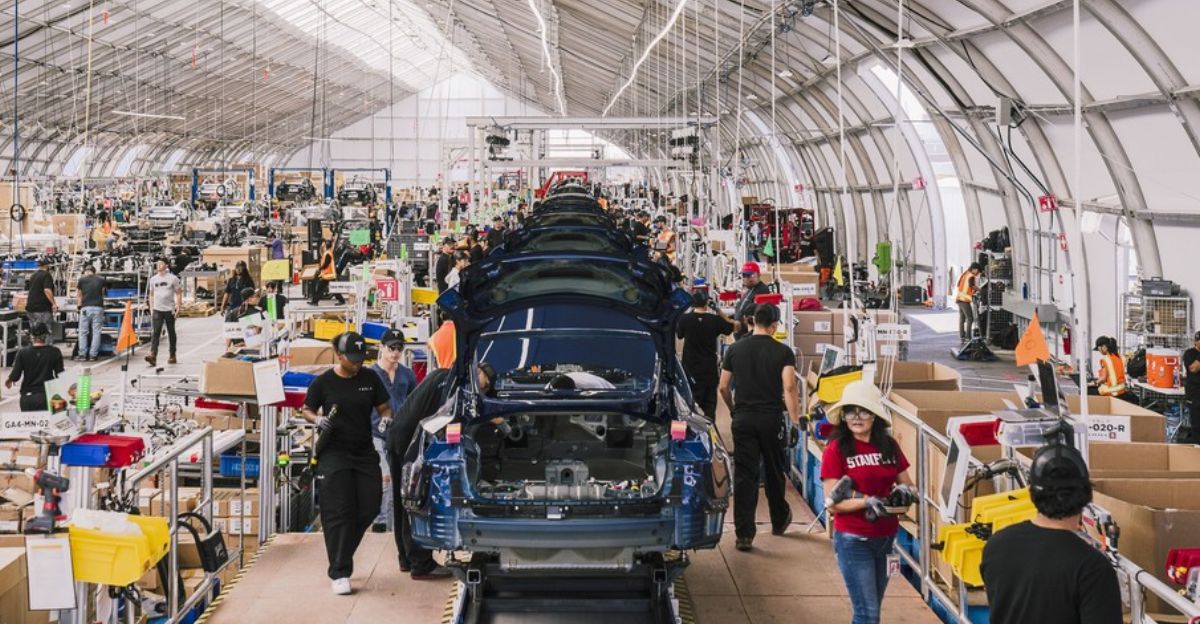
This shift reshapes employment across continents. Suppliers relocating to Mexico require factory workers, engineers, and logistics personnel. U.S. plants producing batteries, semiconductors, and specialty components also expand.
States like Texas and Arizona—home to key Tesla facilities—may experience significant job growth in their supplier networks. In China, job losses are likely to fall hardest on Tier 2 and Tier 3 factories that rely on U.S. automaker contracts.
What Consumers Can Expect—For Now, Unclear
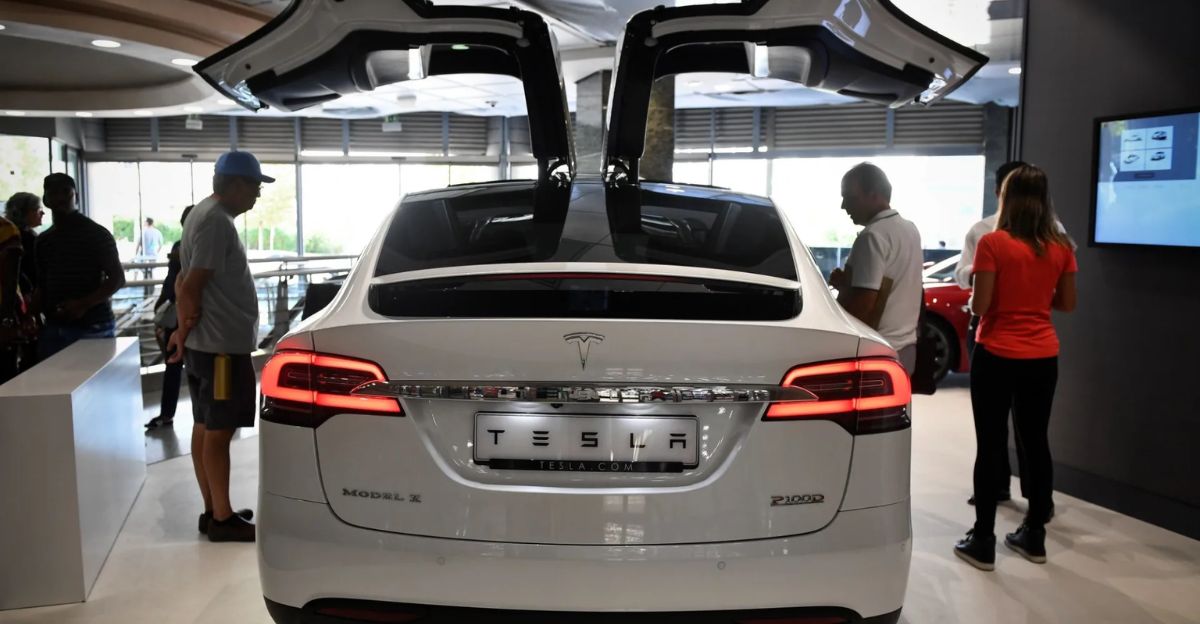
For Tesla buyers, the long-term price impact remains uncertain. Rising component costs put pressure on margins, but the company hasn’t confirmed when—or whether—prices will shift. Analysts speculate Tesla might absorb costs for high-end models and adjust more aggressively on mass-market ones.
But those conclusions remain speculative until Tesla offers official guidance or quarterly disclosures.
The EV Future Was Built on China’s Factories
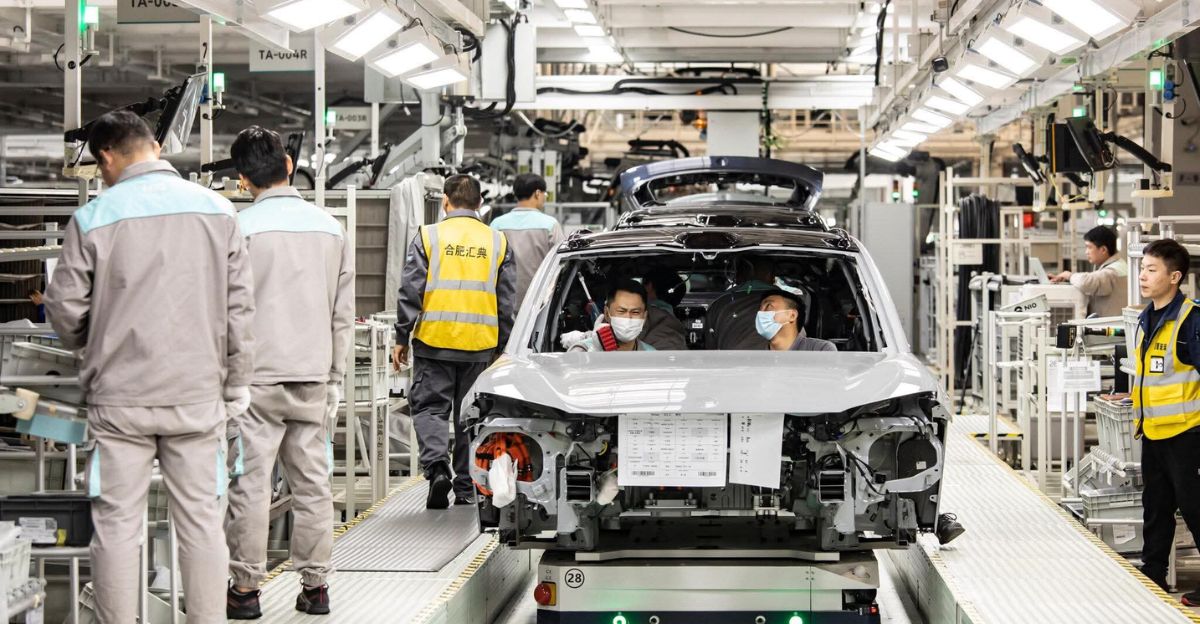
The uncomfortable truth is that the EV boom leaned heavily on China’s manufacturing ecosystem. Batteries, rare earth processing, and semiconductors—China dominated them all. Tesla’s early growth benefited from that reality.
Now, the company is relinquishing those advantages to align with U.S. strategic goals and reduce tariff exposure. It’s a massive gamble: Can Tesla maintain its competitive edge without China? The following two years will reveal the answer.
Automakers Everywhere Are Running the Same Math
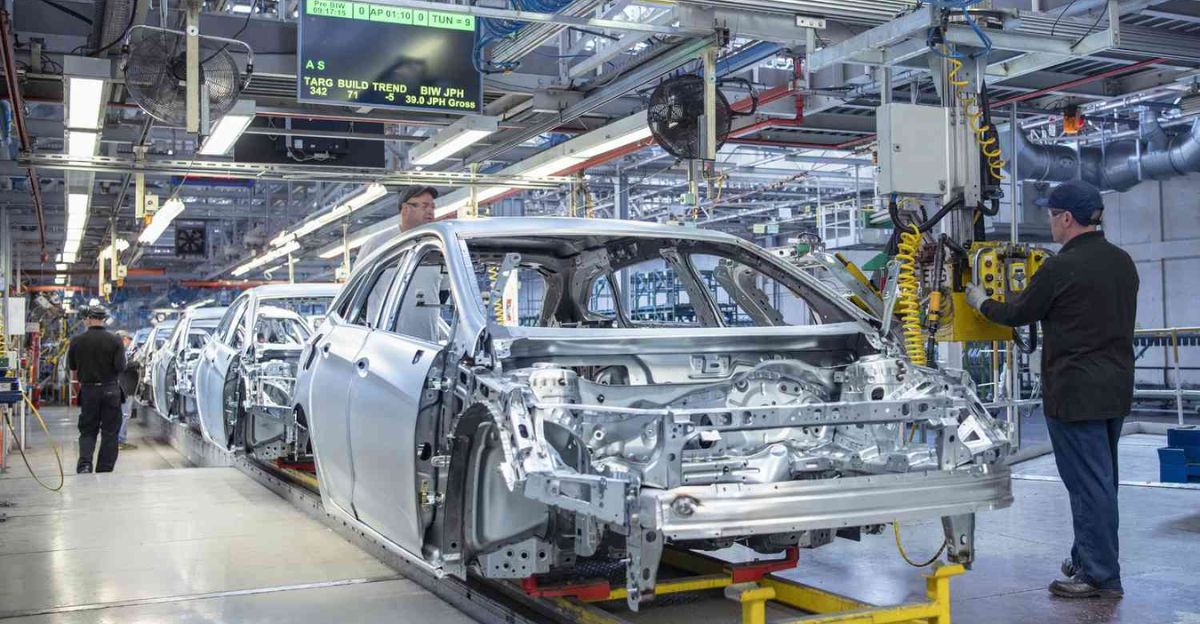
Behind the scenes, every automaker is studying Tesla’s decision. Ford, Stellantis, BMW, Mercedes—none want to be last to act if tariffs continue rising or geopolitical tensions worsen. Consultants say requests for diversification strategies spiked after Tesla’s mandate became public.
The first companies to decouple cleanly may gain a competitive shield. The laggards risk cost shocks and supply disruptions.
A Turning Point for Globalization
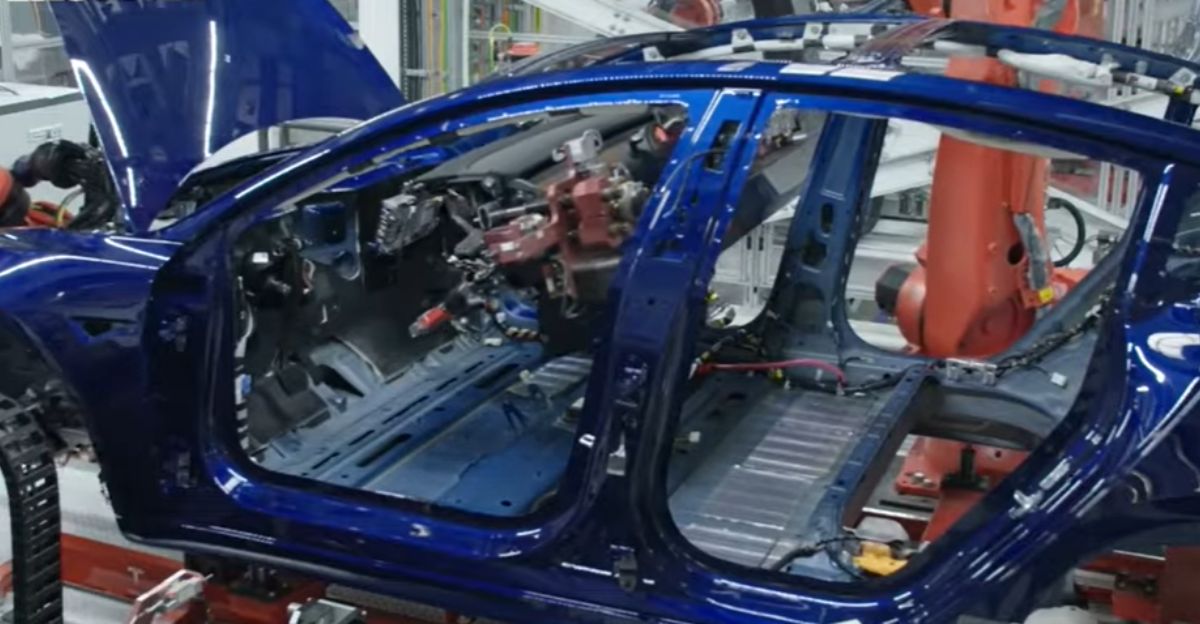
Tesla’s mandate marks a larger shift in global trade. For decades, companies chased low-cost Chinese production with little hesitation. But geopolitical risk now outweighs savings. Tesla’s choice ripples far beyond cars—affecting rare earth mining, battery chemistry, semiconductor sourcing, and global logistics.
Whether the gamble succeeds could shape how industries design supply chains for the next decade.
The Countdown Begins
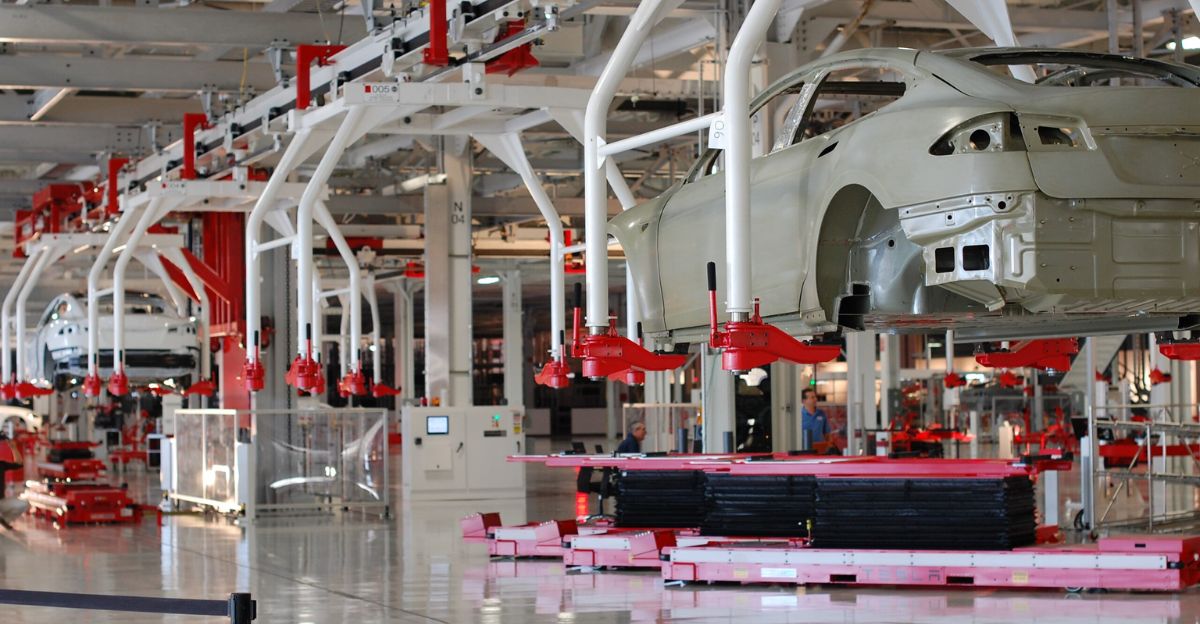
Tesla has just one to two years to remove Chinese components from one of the world’s most complex manufacturing ecosystems. Thousands of parts, hundreds of suppliers, countless specialized categories—all must find new homes.
Suppliers rush to relocate, competitors watch for stumbles, and Chinese manufacturers brace for a loss in revenue. The clock is loud. This is no slow transition; it’s a race shaped by economics, politics, and the future of the EV industry itself.