The train driver radioed in Sunday morning at 7:40 a.m., his voice tight with alarm, the tracks looked wrong near the village of Mika. Within hours, investigators confirmed Poland’s worst fears: someone had planted military-grade C4 explosive and blown a gaping hole in the Warsaw-Lublin railway line, the main artery pumping weapons and aid into Ukraine.
Prime Minister Donald Tusk stood at the blast site Monday, surveying twisted metal and severed rails, and delivered a chilling verdict—this was “an unprecedented act of sabotage.”
Russian Drone Strike Ignites Gas Tanker

That same weekend, 300 miles south, another nightmare unfolded. A Russian drone slammed into the MT Orinda, a Turkish-flagged tanker offloading 4,000 metric tons of liquefied petroleum gas at Ukraine’s Izmail port on the Danube River, just 500 meters from Romanian soil. Flames engulfed the vessel as all 16 Turkish crew members scrambled into lifeboats.
Across the border, Romanian mayor Tudor Cernega watched the inferno and told his residents the brutal truth: “It could explode at any moment.” Within hours, authorities evacuated 100 to 150 residents from Plauru village as the fire raged through the night.
Two Ukrainian Citizens Worked for Russian Intelligence
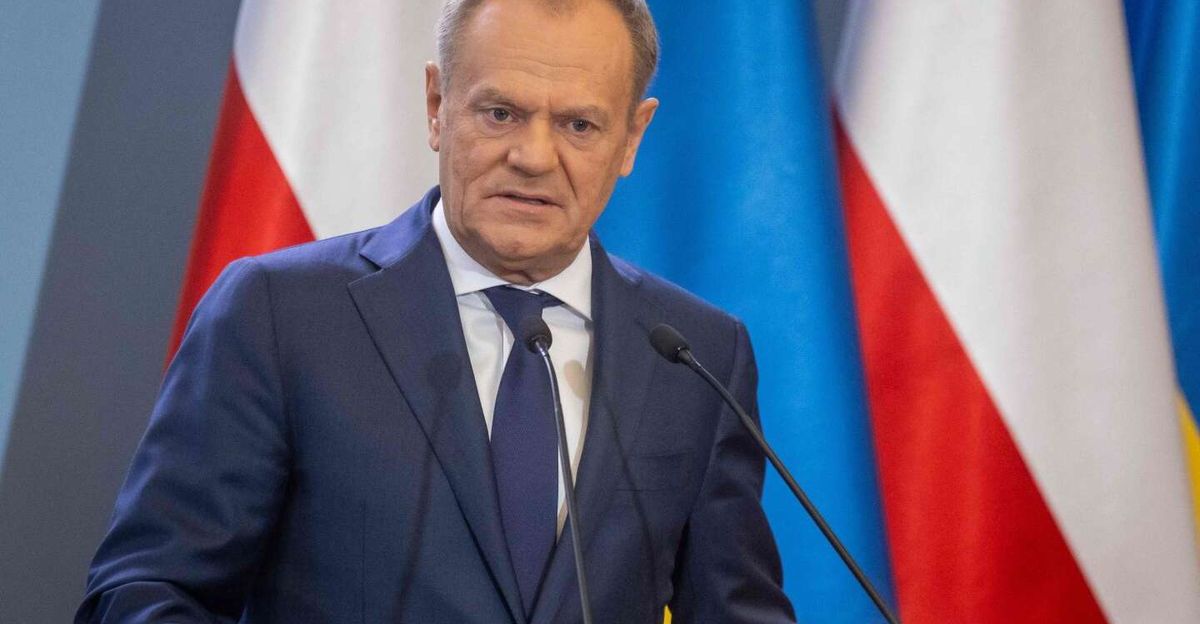
Polish security services worked around the clock to identify who detonated the railway bomb. By Tuesday, Prime Minister Tusk revealed the answer that shocked the nation: two Ukrainian citizens, collaborating with Russian intelligence “for a long time,” planted the explosives before fleeing across the border into Belarus.
Investigators found a camera near the blast site, suggesting the perpetrators filmed their handiwork for their Russian handlers. Poland’s Foreign Minister, Radosław Sikorski, called it “an act of state terror.”
21 Russian Drones Penetrated Polish Airspace
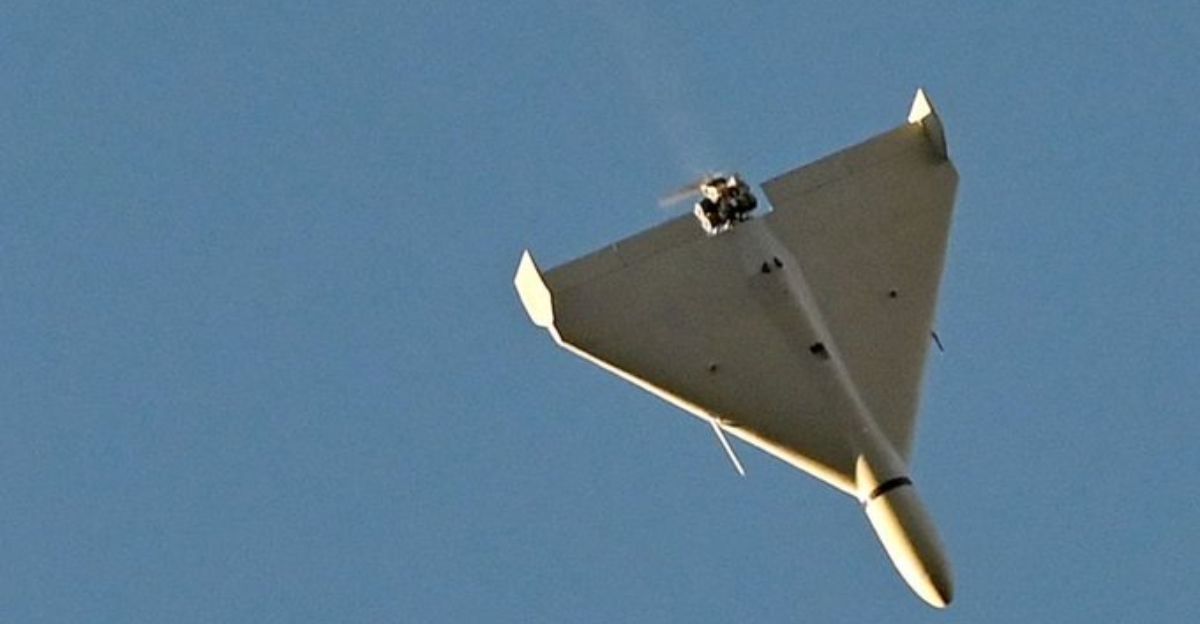
The railway bombing wasn’t Russia’s first blow. In mid-September, between 19 and 23 Russian drones penetrated Polish airspace in what Prime Minister Tusk described as unprecedented since Putin’s full-scale invasion began.
Operational Commander General Maciej Klisz later confirmed 21 objects crossed NATO territory that night, some flying over 700 kilometers inland. NATO scrambled fighters—Dutch F-35 jets shot down at least three unmanned aerial vehicles over Polish soil, marking the first time the alliance had engaged and destroyed Russian assets over member territory since 2022.
Armed Russian Fighter Jets Buzzed Estonia’s Capital
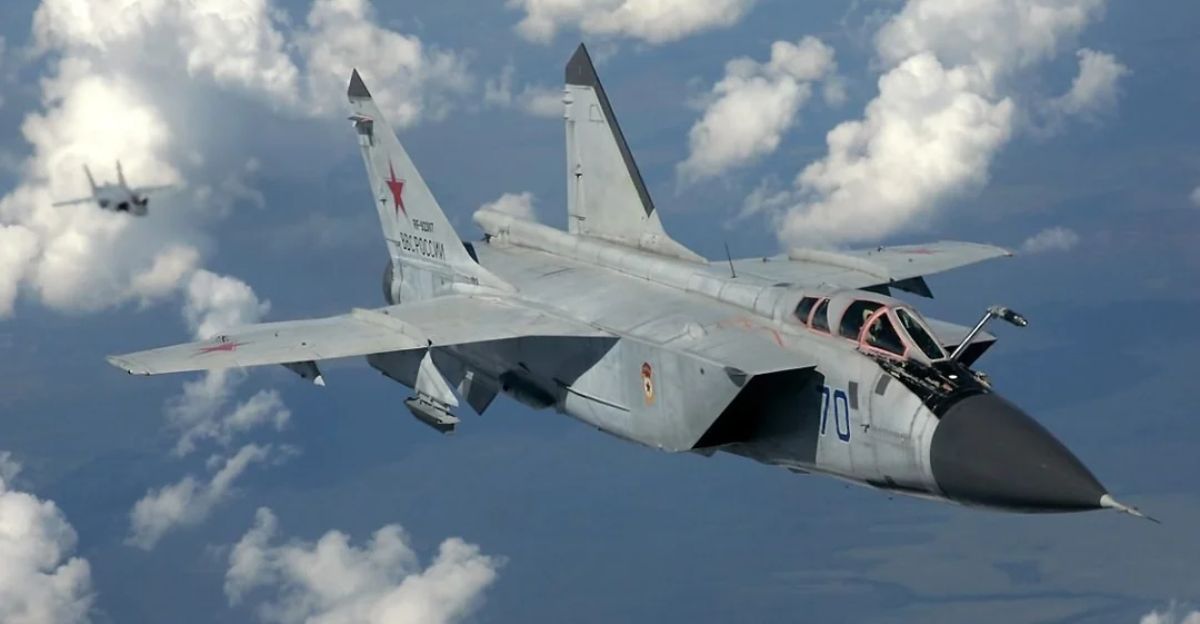
Three weeks before the railway blast, three armed Russian MiG-31 fighter jets sliced into Estonian airspace for 12 minutes on September 19, penetrating 10 kilometers deep and flying within striking distance of Tallinn, the capital. Italian F-35 pilots radioed warnings, which the Russian pilots acknowledged but ignored.
Estonian Foreign Minister Margus Tsakhna called it the fourth violation of 2025 and described it as “unprecedentedly brazen.”.
Russia’s Secret War Across Europe Mapped
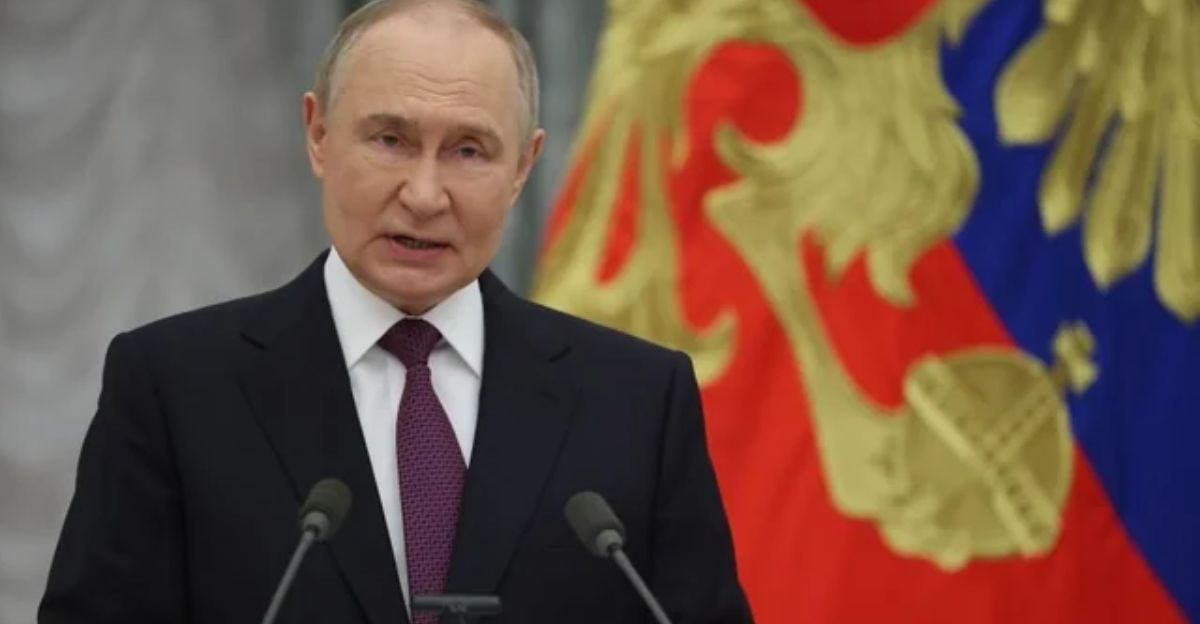
Intelligence agencies have documented at least 70 acts of sabotage attributed to Russia across Europe since Putin’s 2022 full-scale invasion of Ukraine, according to data compiled by the Centre for International and Strategic Studies and Associated Press.
The targets reveal Moscow’s strategy: 27 percent hit transportation systems, such as railways and airports, another 27 percent struck government installations and military bases, 21 percent targeted critical infrastructure, including pipelines and undersea cables, and 21 percent damaged defense industry facilities.
Russia Recruits Teenagers on Telegram
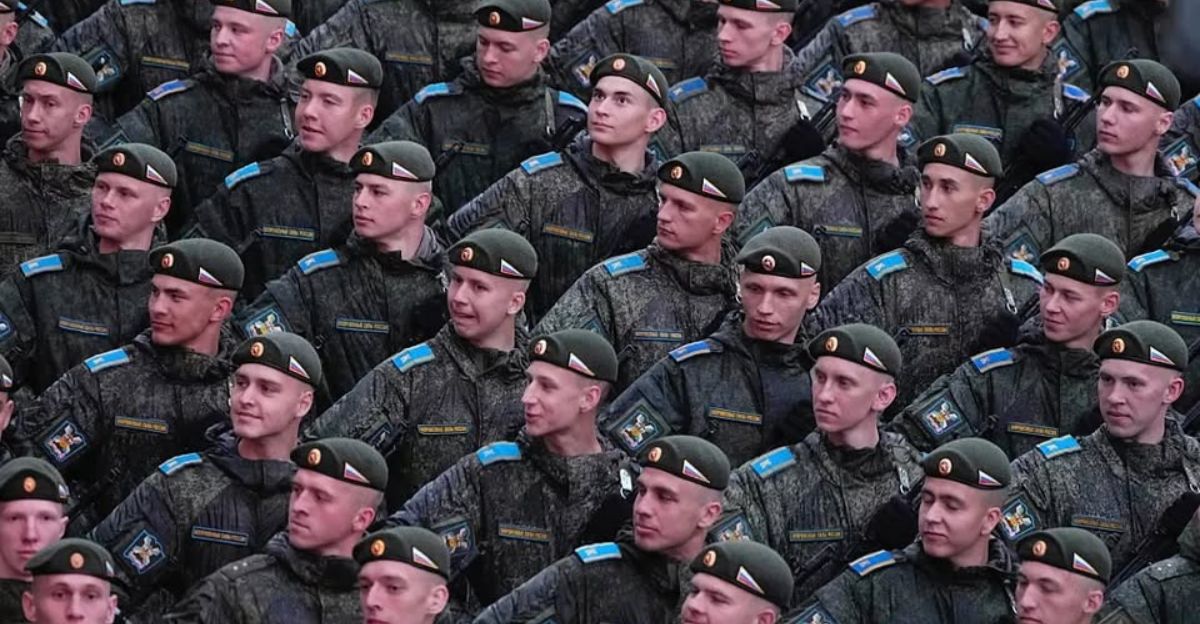
Russia’s military intelligence directorate, the GRU, orchestrates many operations through a chillingly simple method: recruiting untrained civilians—foreigners, young people with no criminal backgrounds, even teenagers—through encrypted platforms like Telegram to maintain plausible deniability.
A March 2024 London warehouse arson targeting Ukraine supplies revealed how the system works—British courts convicted multiple young men, with prosecutors proving Russian Wagner mercenary operatives guided the plot through handlers communicating via Google Translate on Telegram.
Ukraine Signs Deal for 100 French Fighter Jets
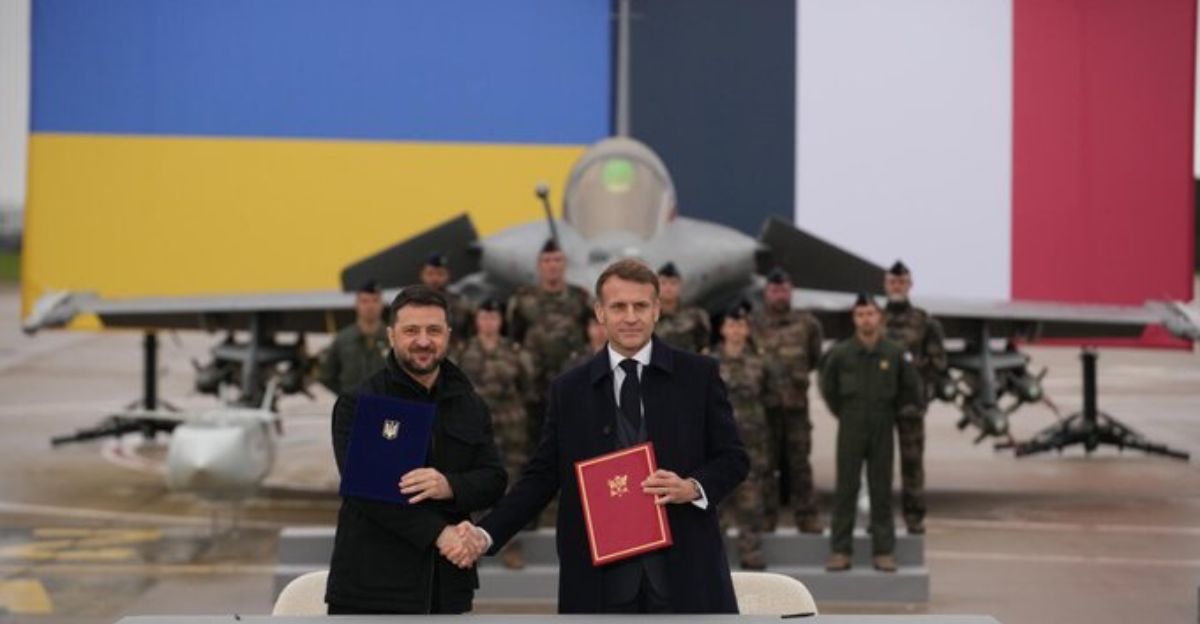
Ukrainian President Volodymyr Zelenskyy signed a landmark letter of intent in Paris on November 17 to purchase up to 100 French-made Rafale fighter jets, drones, and air defense systems over the next decade. Zelenskyy praised the deal as “historic,” with Ukraine receiving eight SAMP/T air-defense systems and France’s latest-generation jets with full armament.
However, there’s a painful catch: training Rafale pilots requires at least three years, with the first deliveries expected within this timeframe and full production extending through 2035.
This Is the Largest Hybrid War Since the Cold War
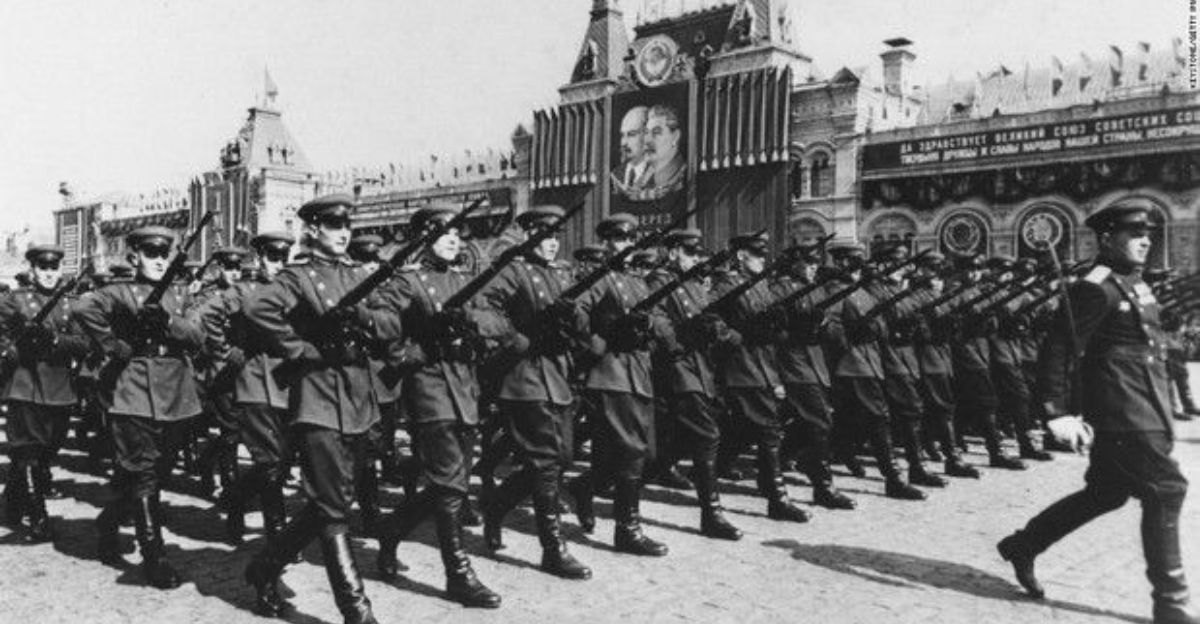
Intelligence agencies describe Russia’s coordinated sabotage, disinformation, and cyber operations as the largest sustained hybrid warfare campaign against Europe since the Cold War, deliberately operating in the “gray zone” below overt armed conflict. Moscow’s strategic goal is clear: to challenge NATO and EU collective security mechanisms and reshape the European architecture according to Russian interests.
Both the EU and NATO have recognized the scale in formal declarations, launching multiple defensive initiatives, yet critics argue responses remain too cautious.
NATO Launches “Eastern Sentry”
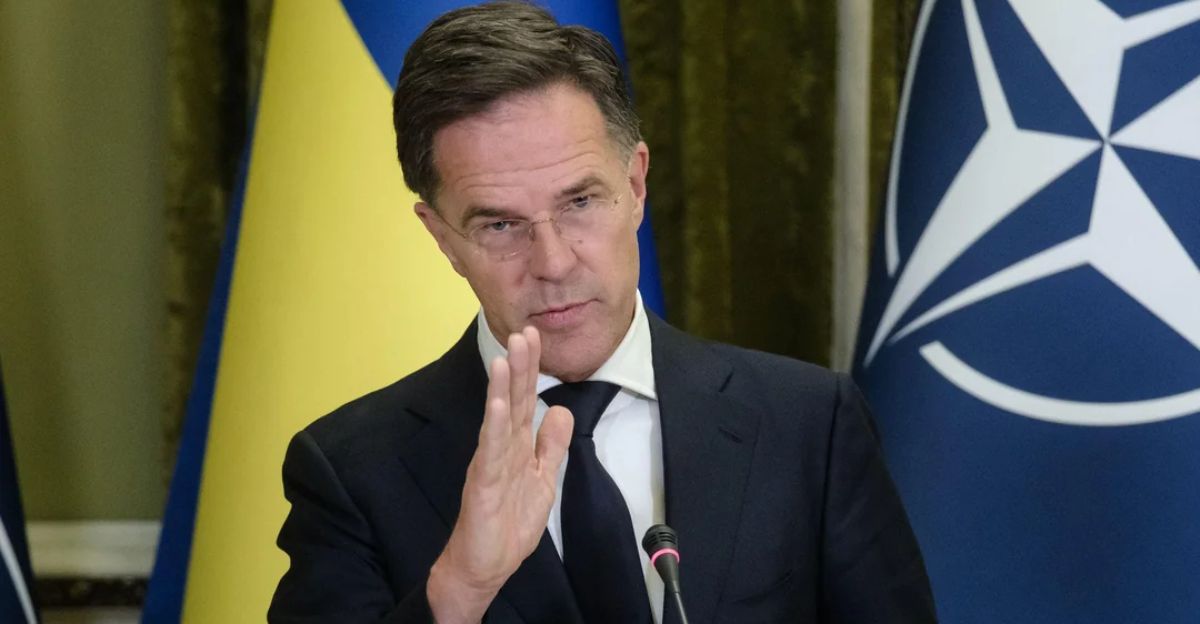
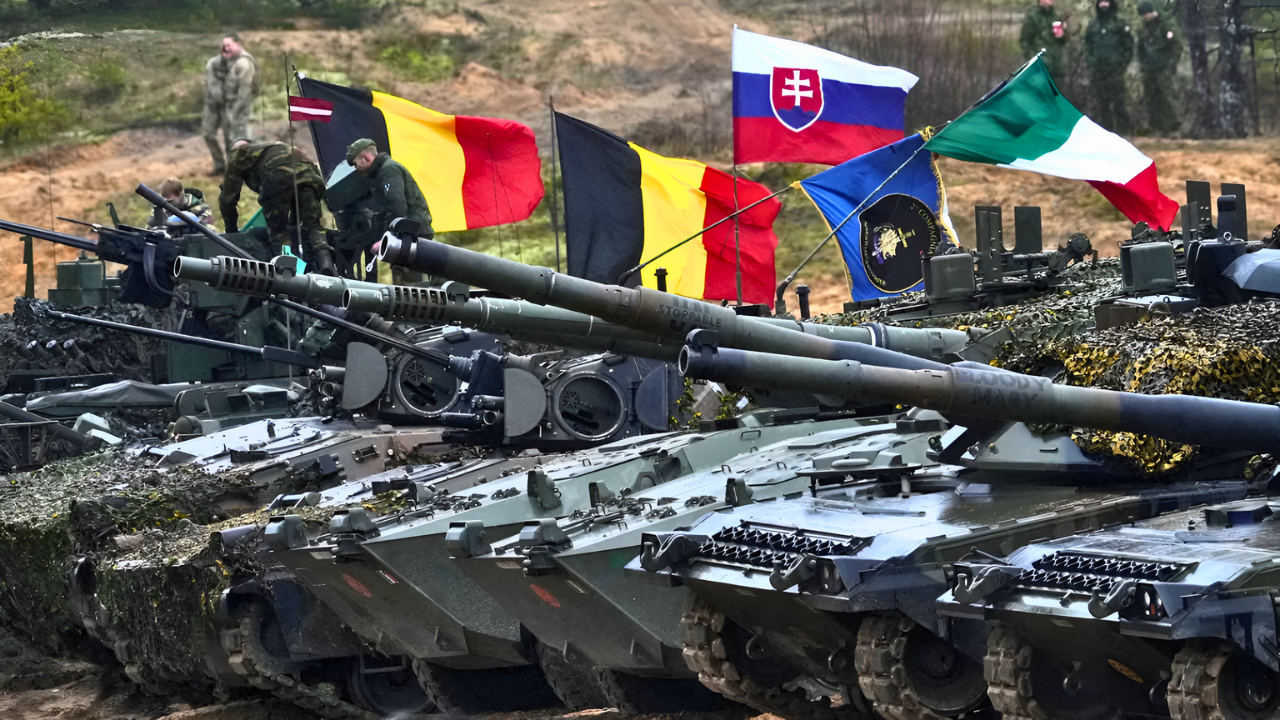
NATO announced “Eastern Sentry” in September to strengthen military posture along its eastern flank, with France, Denmark, Germany, and the UK pledging military assets to enhance aerial and land-based deterrence on borders with Belarus, Russia, and Ukraine.
The alliance established the Critical Undersea Infrastructure Coordination Cell and Baltic Sentry Mission to protect vital pipelines and cables, while the NorthSeal platform coordinates maritime security.
Russia Is Now a State Sponsor of Terrorism

Former UK Security Minister Tom Tugendhat issued one of the starkest warnings yet, telling The Independent that Russia’s actions warrant formal designation as a state sponsor of terrorism.
“Putin is expanding his Ukrainian war to dissuade us from defending European freedom,” Tugendhat stated. “Russia’s violence across Europe isn’t just through war, but the sponsorship of sabotage and murder. It is now a state sponsor of terrorism.”
Poland Closes Russia’s Last Consulate
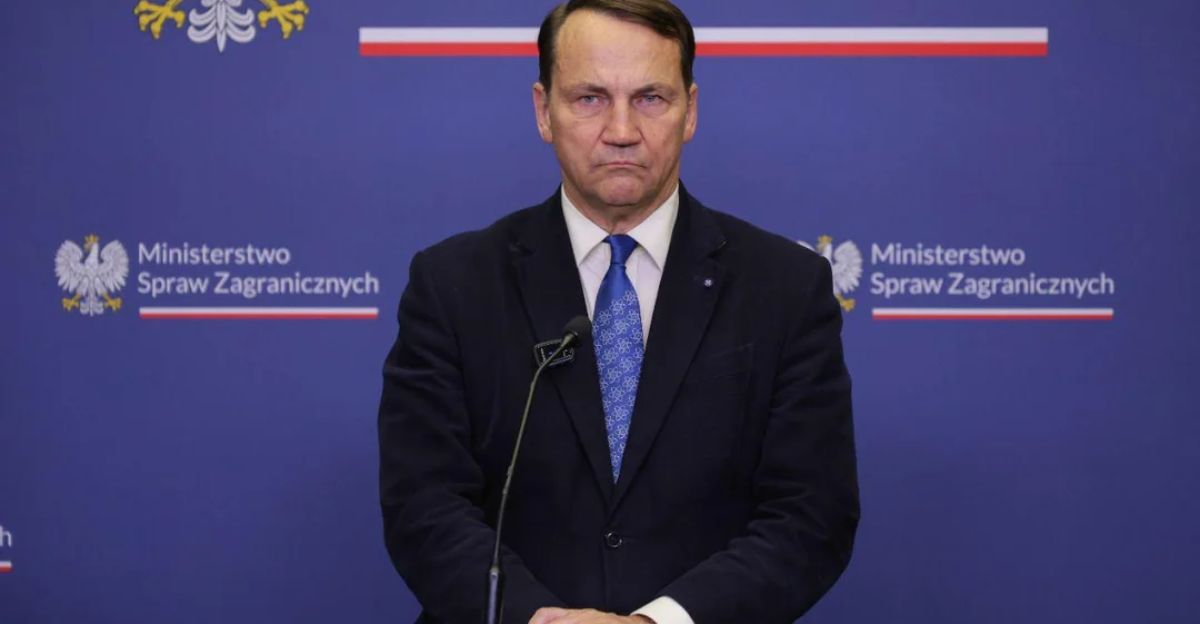
Poland’s Foreign Minister Radosław Sikorski announced on Wednesday the closure of Russia’s final operating consulate in Gdańsk following the railway sabotage incidents. Sikorski said he had repeatedly warned Russia that its diplomatic presence would shrink if hostile actions continued. “This time it was an act of not only subversion, as happened before, but an act of state terror as its clear intention was to cause human casualties,” Sikorski stated.
Moscow responded within hours via its state news agency, RIA Novosti, announcing that it would reduce Poland’s diplomatic presence in Russia in retaliation, further severing ties between the two nations.
NATO’s Impossible Choice
NATO faces a strategic trap of Putin’s design: Russia deliberately operates below the threshold of declared war, forcing allies to choose between tolerating escalating violence or responding with force that could trigger broader conflict.
International legal and security experts debate whether certain hybrid attacks should automatically invoke Article 5 of the collective defense, which declares an attack on one member to be an attack on all.
Arson, Assassination Plots, and Mercenaries
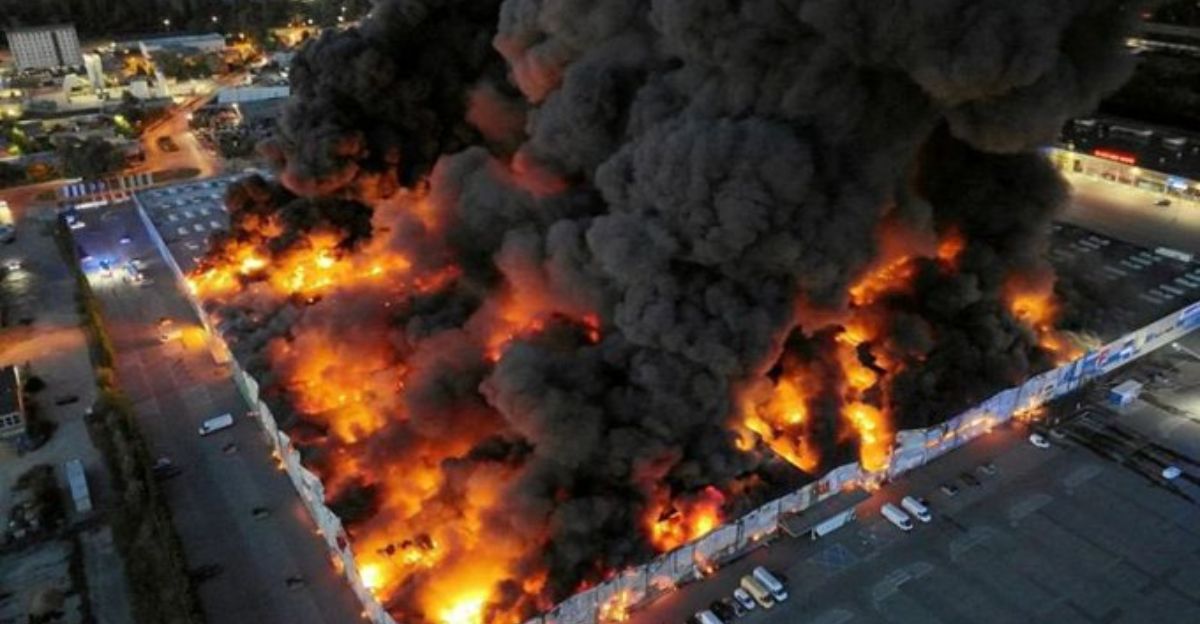
Beyond railway bombs and drone strikes, Russian operatives have orchestrated arson targeting warehouses storing Ukrainian supplies and planned assassination attempts against journalists and security officials across multiple European capitals.
Sweden reported grenade attacks on the Israeli Embassy; Belgian authorities documented similar incidents—all traced to Russian-directed recruitment through criminal networks. The scope and coordination reveal Moscow’s systematic approach to destabilizing Europe from within.
How Much Violence Will Europe Absorb?
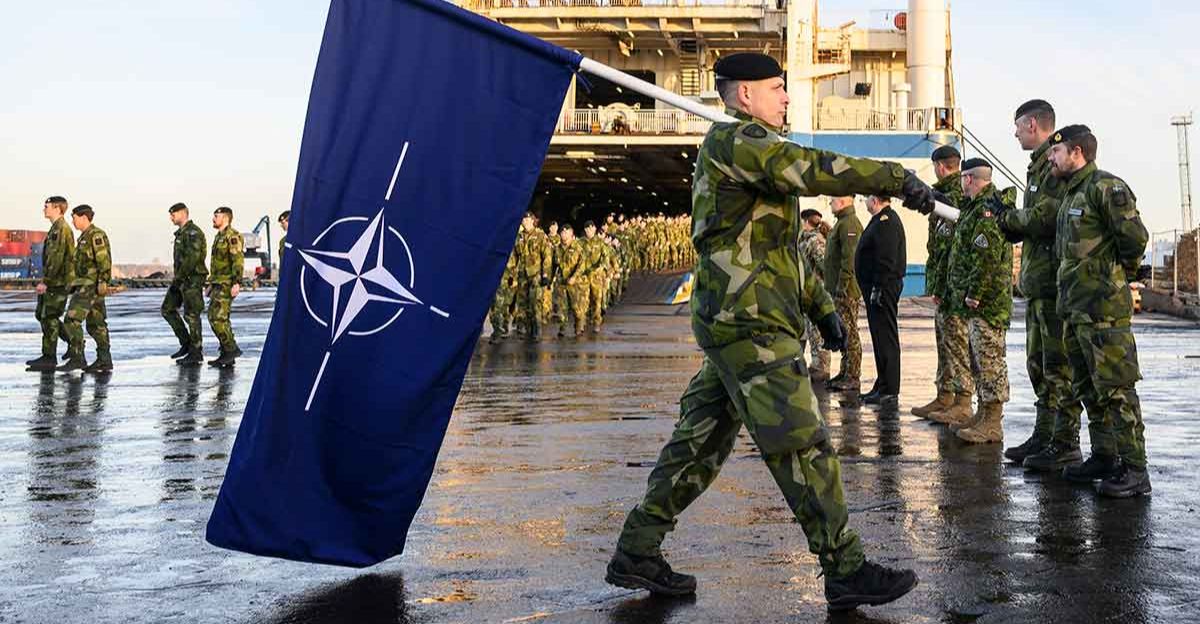
Europe faces its gravest test in decades as Russia’s relentless hybrid warfare threatens economic strength, public confidence, and NATO solidarity at its core. Each sabotage, drone incursion, and cyberattack chips away at defenses, exploiting hesitation and fueling instability.
Unless European allies shift from reaction to strategic countermeasures, Russia’s campaign will deepen vulnerabilities—forcing the continent to confront the reality that hybrid war is no less dangerous than open conflict.