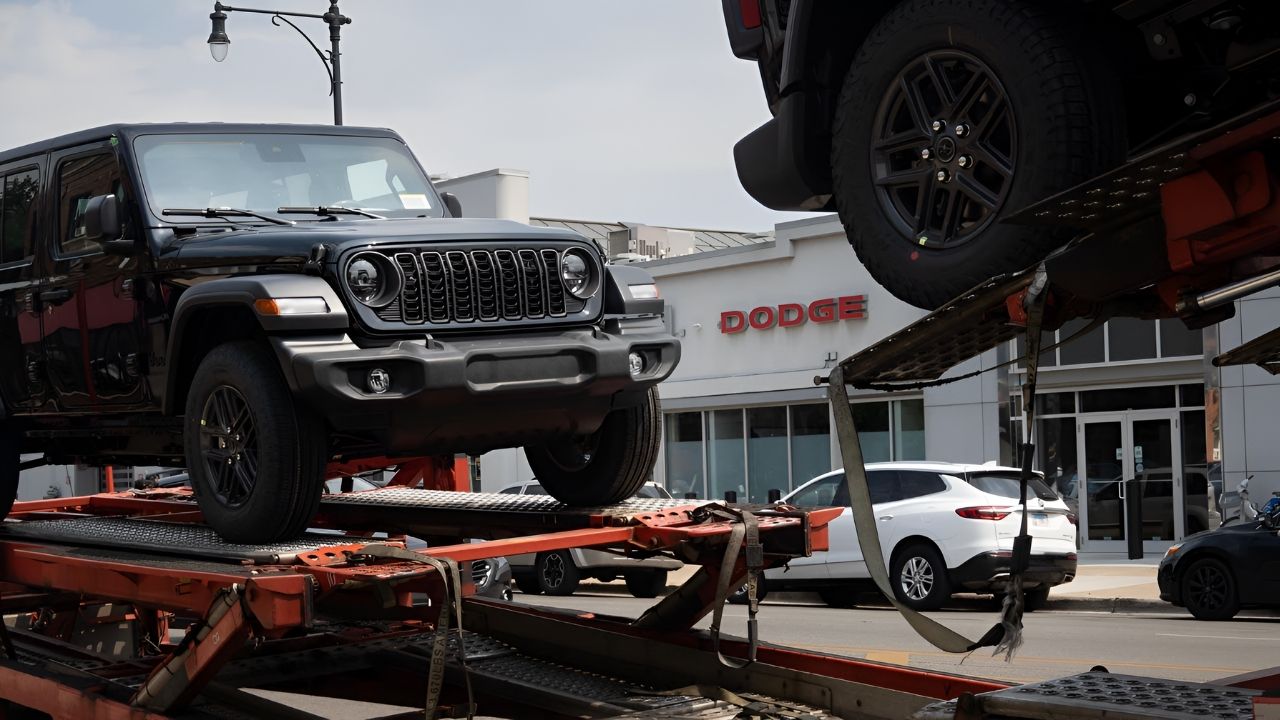
In November 2025, dealerships across the U.S. were left with over 3 million unsold vehicles, valued at a staggering $150 billion. Despite a 67,000 unit increase in sales, the backlog remained. Why are these cars still sitting on lots, collecting dust? The industry is facing a unique challenge: unprecedented production mismatches, shifting consumer behavior, and a changing economic landscape.
This is not a crisis — but a market correction with serious implications. How did we get here?
Why Did This Happen? Production, Demand, and Economic Crosswinds
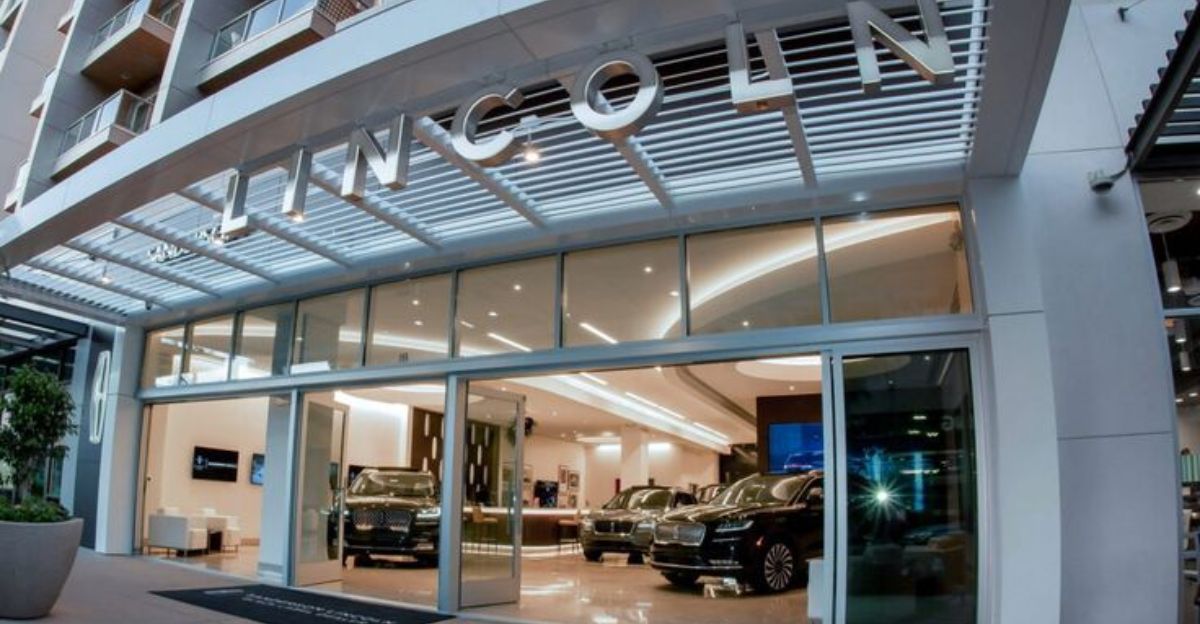
The influx of unsold cars stems from the clash between automaker production schedules and changing consumer demand. Brands like Lincoln and Jaguar struggled, as manufacturers ramped up output, while buyers became hesitant due to higher interest rates and economic uncertainty.
The result has been a significant mismatch, with total unsold vehicles now valued at $150 billion, and dealerships left holding the excess stock.
Bargain Hunters or Cautious Spenders?

For car buyers, the growing inventory means more options and discounts. Average vehicle prices dropped by 2.5% from December 2024 to January 2025, and incentives became more common. But despite these deals, many remain cautious, worried about high financing costs and volatile market conditions.
As of October 2025, new car prices have ticked up by 2.1%, signaling that not all consumers are ready to make a purchase. Buyers are still hesitant, weighing their financial stability against market uncertainty.
Dealerships Under Pressure: Adapting to Market Shifts

With inventory levels at an all-time high, dealerships are feeling the pressure. Floorplan expenses, the interest dealers pay on unsold cars, have surged. Some dealerships have resorted to deeper discounts or creative financing to move cars off the lot.
At the same time, others are managing staffing levels and future orders more cautiously. They’re trying to balance profitability with a rising stockpile of unsold vehicles that continues to grow.
Adjacent Markets: Used Cars and Leasing See Shifts

The shift in new car inventory is shaking up the used car market. Prices for used cars, which spiked during the pandemic, are now stabilizing as more buyers look at new models with available incentives. Meanwhile, leasing is becoming more attractive for buyers looking to avoid long-term commitments, as automakers offer favorable leasing terms to clear out their excess stock.
The growing availability of new cars with incentives is making it harder for used car dealers to maintain competitive prices, further exacerbating the market’s current challenges.
Tariffs and Global Supply Chains

Global supply chain disruptions and tariffs are playing a key role in the inventory imbalance. Delays in imports — particularly from China and Europe — have caused significant inventory gaps across regions. Some brands depend heavily on imported parts, which complicates efforts to balance supply with consumer demand in the U.S.
These international trade complications have further distorted the market, making it even more difficult for U.S. dealerships to maintain a steady flow of vehicles to meet shifting consumer preferences.
Workers and Insiders Face Adjustments
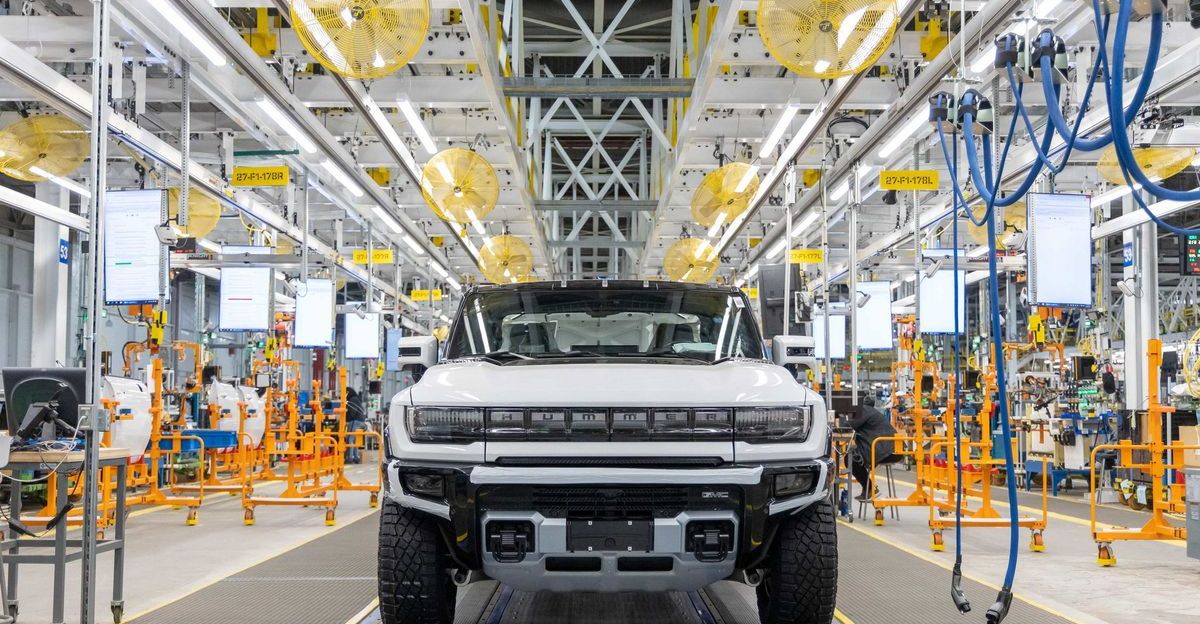
The growing inventory has affected the auto workforce. GM announced 1,750 indefinite layoffs in its EV division in the wake of the September 2025 tax credit expiration. Employees across the supply chain — from manufacturers to dealership staff — are facing uncertainty as production adjusts to meet demand.
As a result, workers in areas with high unsold inventory, such as Lincoln and Jaguar dealerships, are especially vulnerable to these workforce cuts.
Political and Regulatory Response
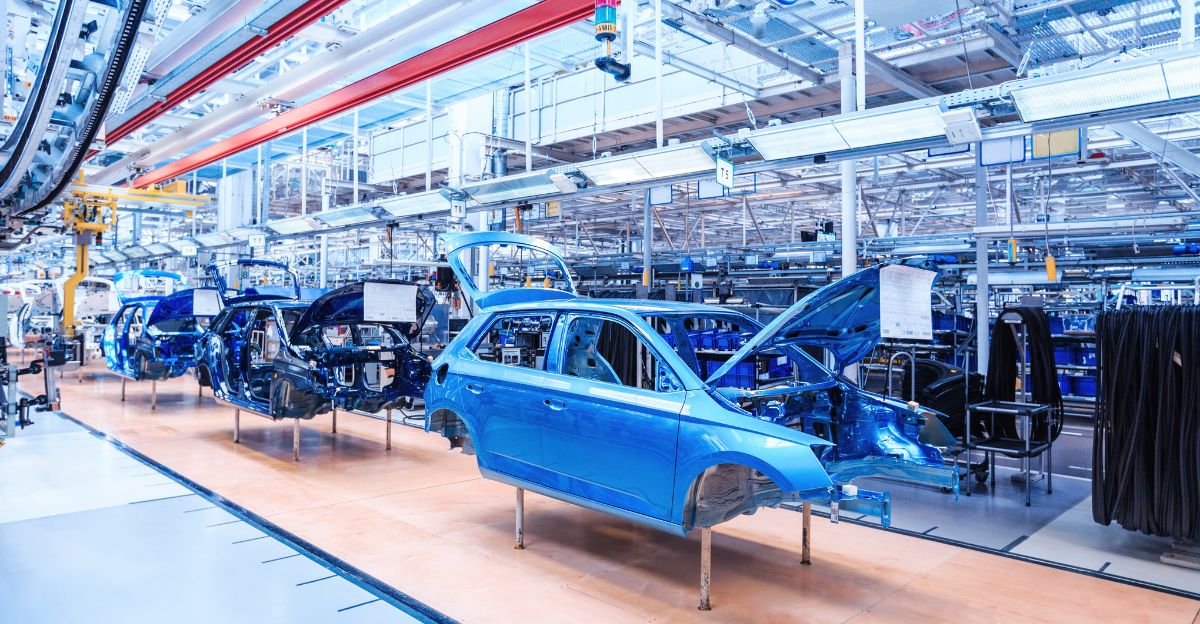
As inventory piles up, policymakers are keeping a close eye on the auto industry. Discussions about dealer incentives and support structures are underway, with pressure mounting on lawmakers to provide relief.
Additionally, trade negotiations around tariffs are expected to impact future market dynamics, potentially altering the landscape for both domestic and international auto manufacturers.
Inflation and Consumer Confidence

The broader economy is feeling the effects of the auto market shift. While price moderation in the auto sector supports inflation control, consumer confidence remains low. Despite incentives and deals, many buyers are still hesitant to make major purchases, fearing long-term financial commitments amid economic uncertainty.
This caution signals deeper underlying concerns about the economy, making it more difficult for the auto industry to fully recover.
Adapting to Market Conditions

Dealerships are employing several strategies to navigate the excess inventory. Targeted promotions, online sales expansions, and flexible financing options are just a few tactics being used to boost sales. Some are even emphasizing high-demand models to maximize profitability while managing unsold stock.
In addition, dealerships are exploring new ways to optimize their operations and adapt to the ongoing shift in consumer preferences.
Secondary Market Effects

The effects of the auto market shake-up extend beyond car sales. Local businesses, including auto service centers, restaurants, and hotels connected to dealerships, are seeing fluctuating demand. As service departments may experience decreased traffic, businesses linked to dealership events feel the impacts of changing customer foot traffic.
This ripple effect shows that the challenges of the auto industry are affecting a wide range of businesses that rely on dealership activity.
Parts, Logistics, and More
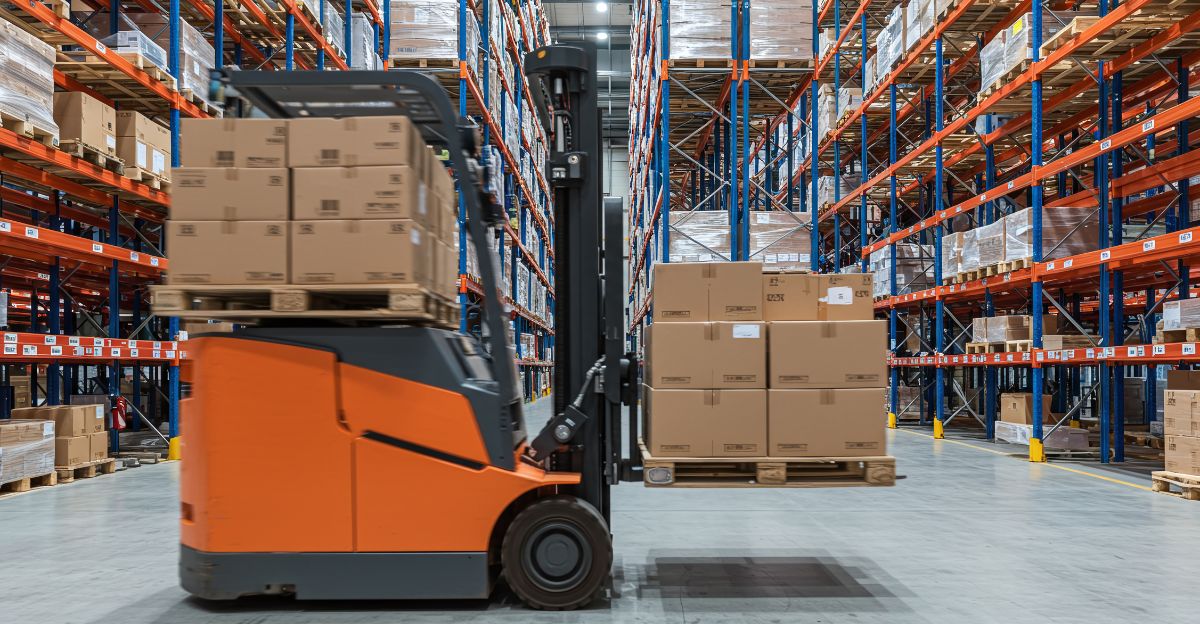
The parts supply and logistics industries are also adjusting to the changing auto market. With slower production, parts suppliers are facing revenue pressure, while transport and service sectors have to recalibrate their operations to match demand patterns.
Strategic adjustments are necessary to stay competitive in a shifting market, as suppliers adjust to meet the new demands of automakers and their customers.
International Supply and Demand Dynamics

The U.S. auto market affects global competition. Automakers are managing inventory and supply distribution across regions, which impacts pricing and availability worldwide. As U.S. demand patterns evolve, international competitors are adjusting their strategies to maintain market share in an increasingly complex global landscape.
The U.S. market’s shift in inventory levels is causing ripples across international markets, influencing how automakers strategize globally.
Evolving Consumer Preferences

As the auto market stabilizes, consumers’ transportation choices are diversifying. In urban areas, public transit and ride-sharing remain viable alternatives to purchasing new cars. As incentives decrease, people are weighing their options carefully, shifting preferences based on their needs and the evolving economic environment.
This shift is challenging automakers to rethink how they target consumers, with a growing number of buyers considering alternatives to car ownership.
Balancing Production and Sustainability
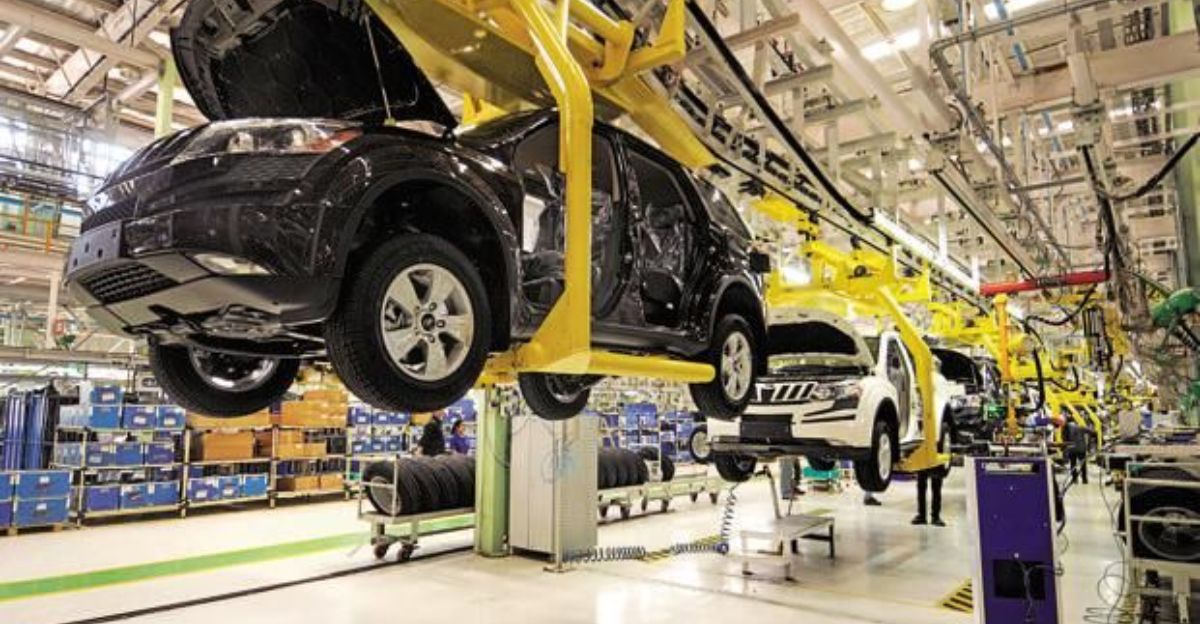
The ongoing inventory issue is prompting industry reflection on sustainability and production planning. Improved forecasting and efficiency in manufacturing are becoming critical to navigating future challenges. The auto industry’s shift toward electrification also plays a role in longer-term strategy development as automakers try to balance demand and sustainability.
This shift requires automakers to strike a delicate balance between eco-friendly goals and meeting the market’s evolving needs.
Differential Brand Results
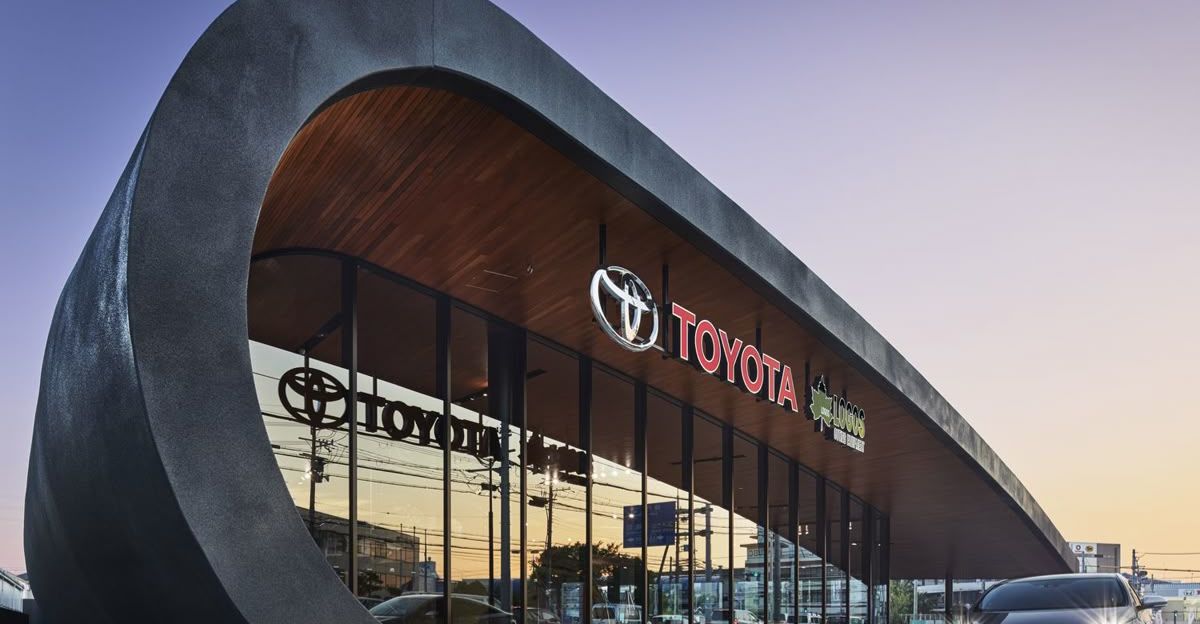
Brands are performing differently in this climate. Toyota and Honda, with leaner inventories, continue to experience strong sales and pricing power. In contrast, Lincoln and Jaguar face elevated inventory levels and slower turnover.
Even used car dealers are feeling the pressure as new car incentives shift competitive dynamics in unexpected ways.
Investor and Industry Perspective

Financial markets are closely monitoring the auto sector, with some investors seeing opportunities in current valuations, while others remain wary due to macroeconomic conditions. Industry analysts recommend keeping a close eye on inventory trends, pricing patterns, and policy shifts as indicators of where the market is headed.
Investors are looking for insights into the evolving landscape, with strategic moves potentially presenting opportunities.
Shopping in Current Market

For car buyers, this is an ideal time to research incentives and negotiate terms. Understanding pricing trends and inventory levels will help guide decision-making, making it easier to take advantage of the current market conditions.
Expert tips suggest staying informed on sales cycles to make the best purchase decisions, ensuring buyers are making the most of available deals.
Expected Adjustments Ahead
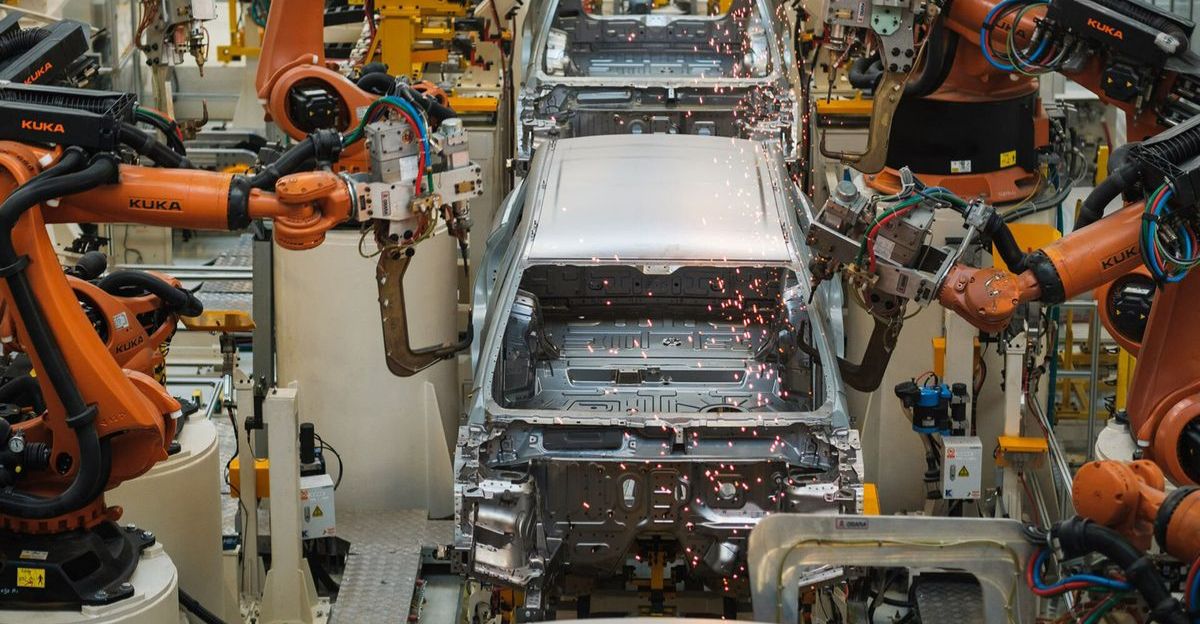
As automakers adjust production to meet demand forecasts, the market is expected to stabilize in 2026. Dealerships are optimizing their operations to improve profitability, with consumer confidence, economic conditions, and trade policy developments playing key roles in the sector’s recovery.
The road to market recovery depends on economic stability and adjustments within the auto sector.
Understanding 2025 Auto Industry Dynamics

The 2025 auto market represents a unique intersection of pandemic recovery, EV transitions, global trade disruptions, and evolving consumer behaviors. As the industry adapts to these changes, strategic planning and market responsiveness will be critical for both manufacturers and dealerships.
This period of transition underscores the importance of being nimble and adaptable in an increasingly complex market environment.