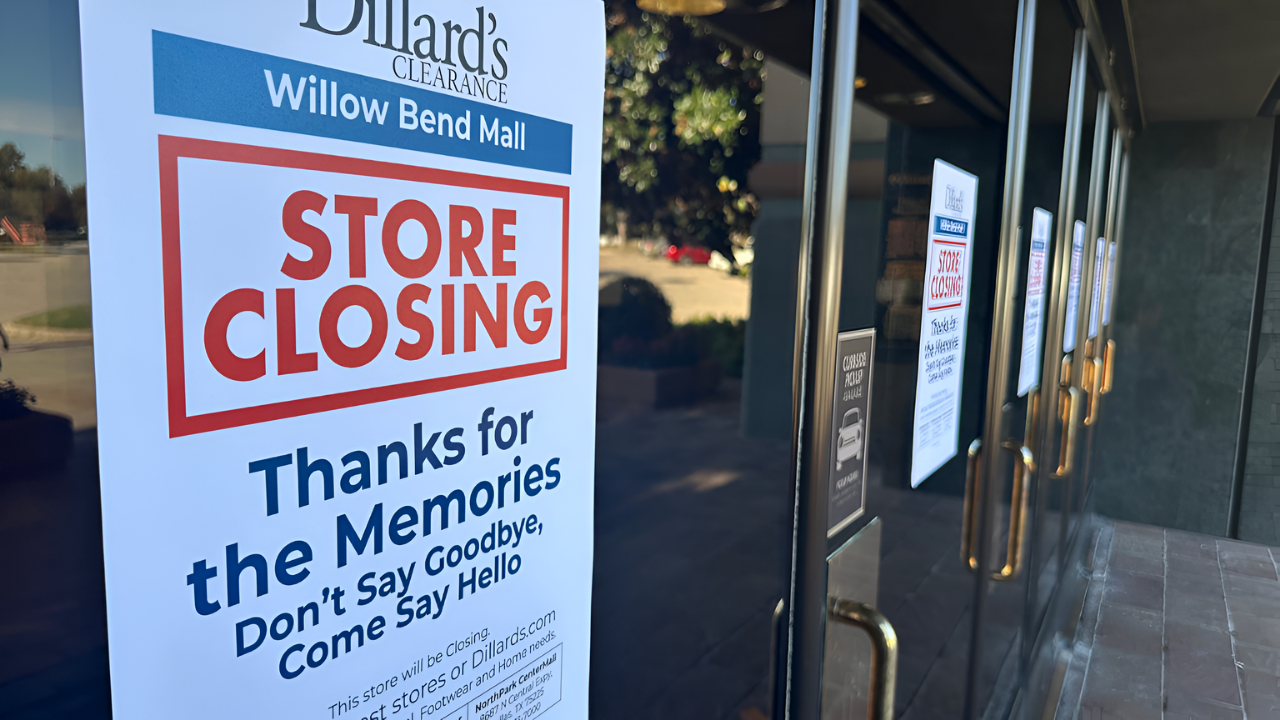
A significant shift is underway in the North Texas retail sector. Dillard’s, the 87-year-old department store founded in 1938, will close its Plano location at The Shops at Willow Bend between January 12 and 25, 2026.
The closure marks a turning point for local shopping and redevelopment, with an estimated $500 million to $1 billion in planned investment. This shift could reshape the area’s economy and community. The following slide illustrates the number of jobs at stake.
Jobs on the Line

The Dillard’s closure will result in the elimination of 93 jobs, as confirmed by a state WARN notice filed with Texas workforce authorities. Families and the local workforce will feel the impact immediately.
This isn’t just a store shutting down—it’s a sign of the challenges facing retail employment. But was this the first hint of broader mall struggles in the area?
Mall’s Storied Past
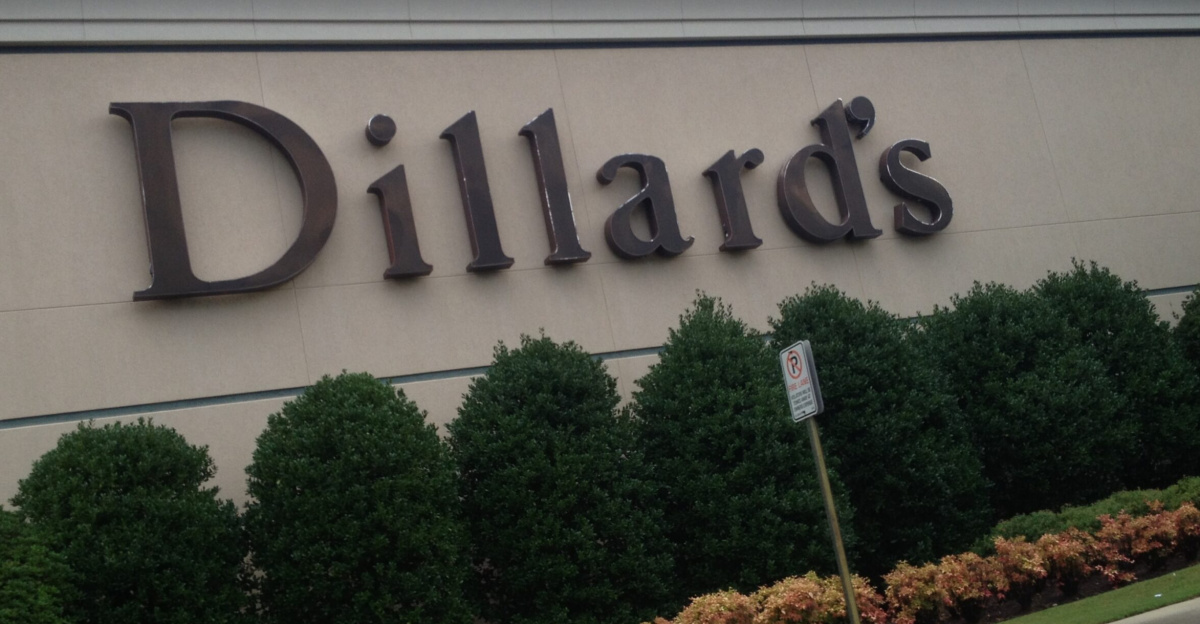
The Shops at Willow Bend opened on August 3, 2001, attracting approximately 250,000 visitors during its inaugural weekend. Anchored by Dillard’s and Neiman Marcus, it quickly became a Premier shopping destination in North Texas, despite its unfortunate timing.
The mall symbolized suburban growth and traditional holiday shopping. Its prominence made it a hub for community events. Yet pressures were quietly building beneath the surface.
Pressures Mount
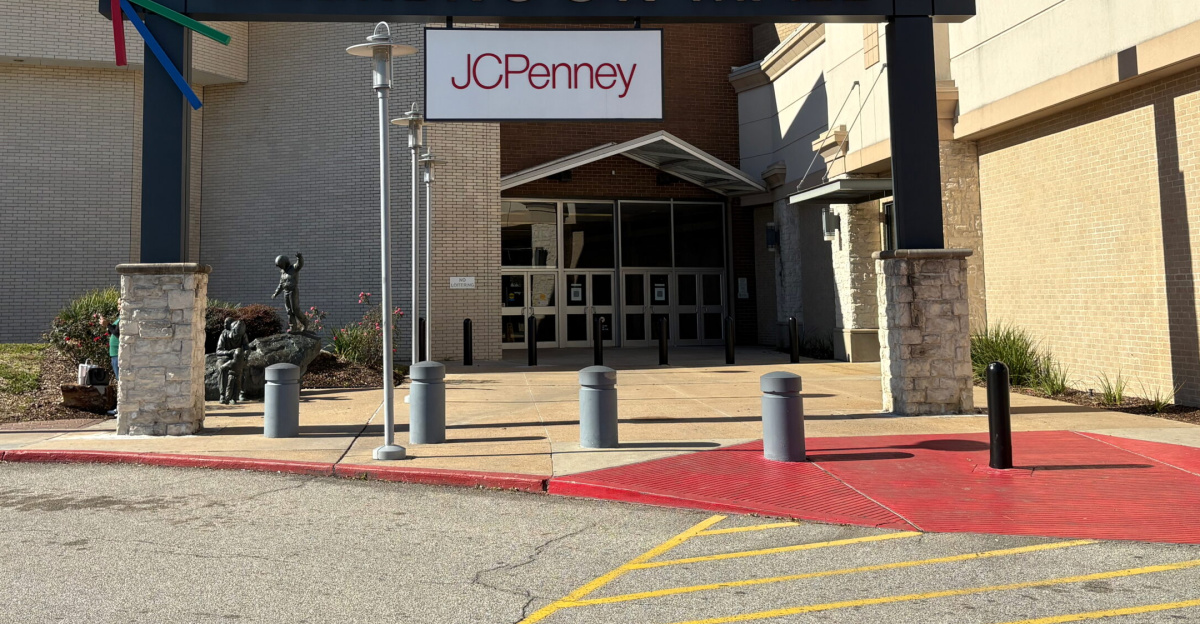
Changing shopping habits and the rise of online retail have shifted foot traffic patterns, leaving department stores struggling. Nationwide closures reflect the strain: Macy’s closed 66 stores and JCPenney 8 in 2025 alone.
Analysts predict that up to 15,000 retail stores will close this year. The retail model is under siege, leaving traditional malls vulnerable to major transformation. The following slide confirms Dillard’s closure timeline.
Closure Confirmed
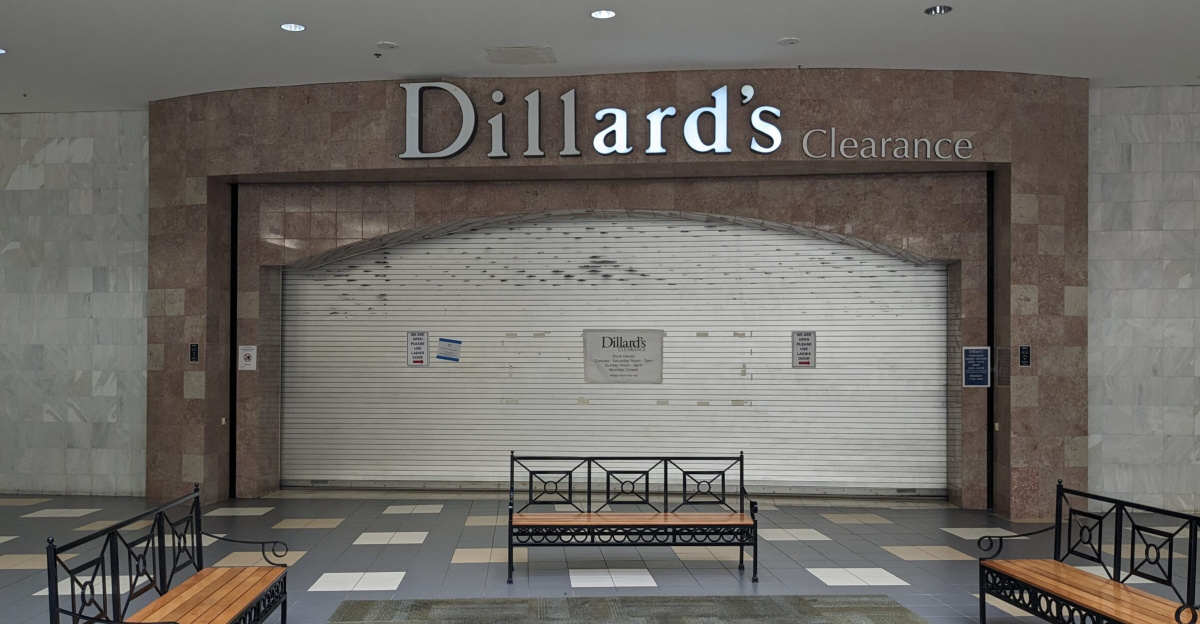
Dillard’s will close its Plano store between January 12 and 25, 2026, coinciding with a redevelopment project that will demolish over one-third of the mall over the next three years.
This decision marks the end of 87 years of continuous operation and removes a cornerstone retailer. It’s a pivotal moment for North Texas shopping. The local community impact is explored next.
Local Impact
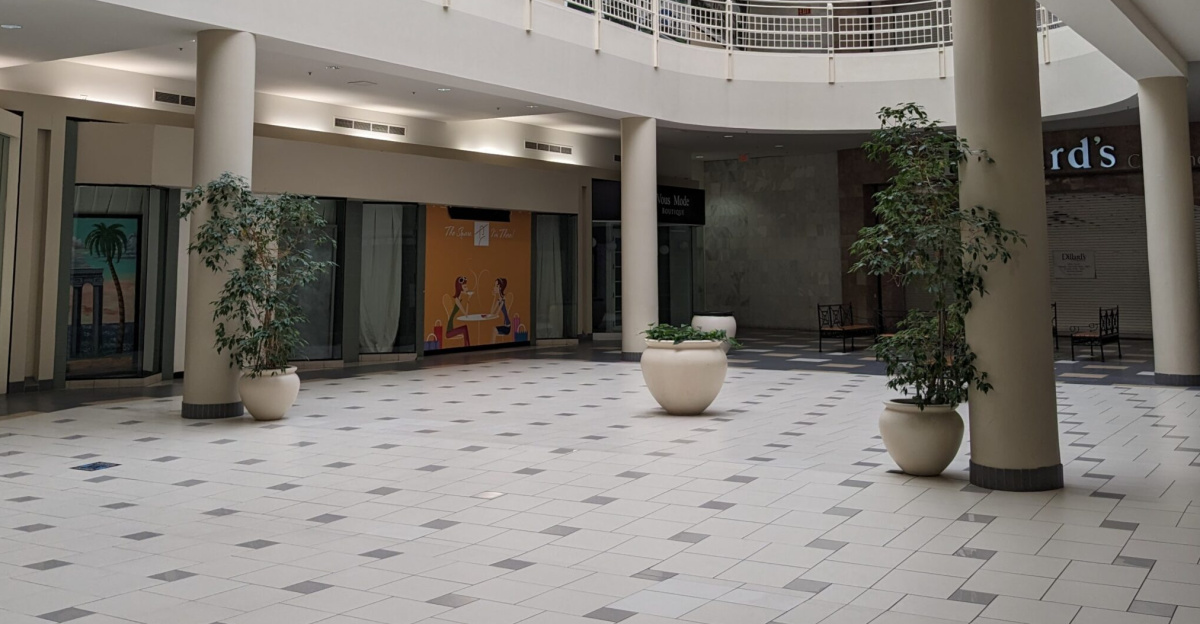
For Plano residents, Dillard’s was a holiday shopping staple and symbol of economic prosperity during the late 1990s and early 2000s. Its closure leaves a void.
Despite surviving decades of retail upheavals, including the Great Depression and the rise of e-commerce, the store couldn’t survive changing suburban shopping habits. What does this mean for employees?
Human Toll

Employees at the Plano Dillard’s face job loss right after the holidays. According to the WARN notice, ninety-three positions will be eliminated.
The timing is particularly difficult for staff following the Christmas rush. Nostalgia and concern are widespread as families and shoppers reflect on the store’s role. Competitors are feeling the pressure too.
Competitors Retreat
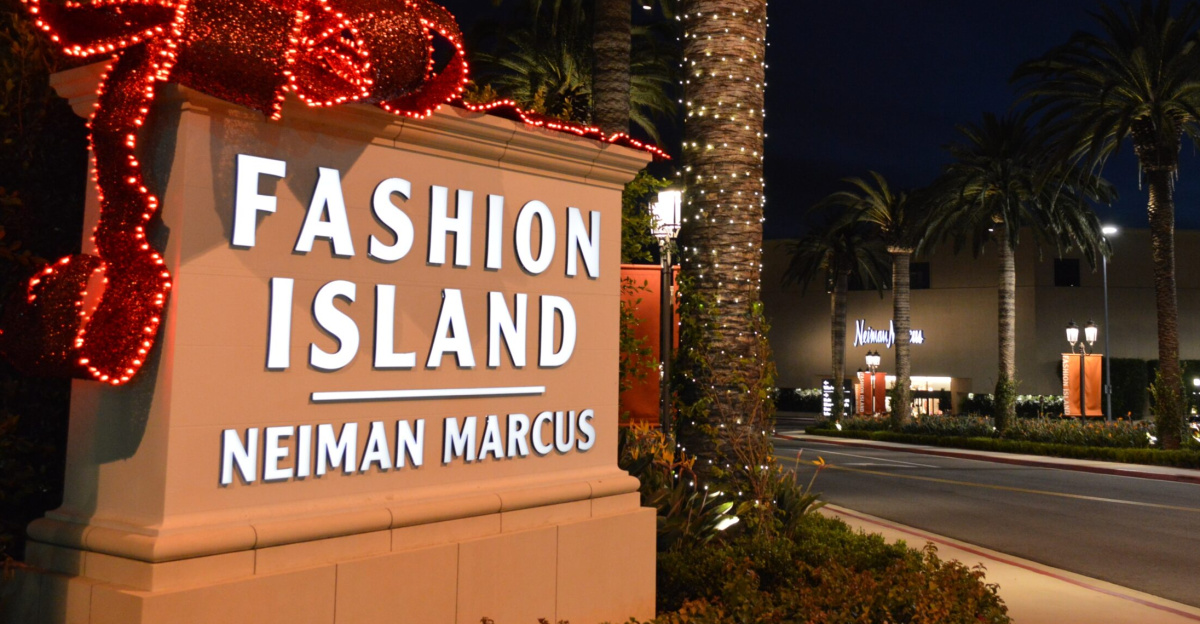
Neiman Marcus will exit The Shops at Willow Bend in January 2027, following Dillard’s departure. The departure of two anchor stores within 13 months signals the decline of traditional enclosed malls.
Other department stores nationwide are expected to close dozens of locations in 2025. The exodus highlights a broader shift in retail strategy and the evolution of urban commerce. The following slide shows how shopping habits are changing.
Retail’s New Reality

Even as some malls see a rebound in foot traffic, department store sales continue to lag behind pre-pandemic levels. Shoppers browse in-store but are increasingly purchasing online or using curbside pickup.
Retailers must rethink store sizes and strategies. The shift represents a fundamental transformation in how Americans shop, socialize, and engage with suburban retail. The following slide reveals a surprising twist in the redevelopment.
Arena Ambitions
Willow Bend is a top contender for a new NHL Dallas Stars arena if the team relocates from the American Airlines Center in 2031.
A $1 billion-plus arena could transform the site from a retail-focused to a sports and entertainment-oriented one, redefining the area. But how will the complete redevelopment reshape the mall itself?
The Bend: Transformation By Numbers
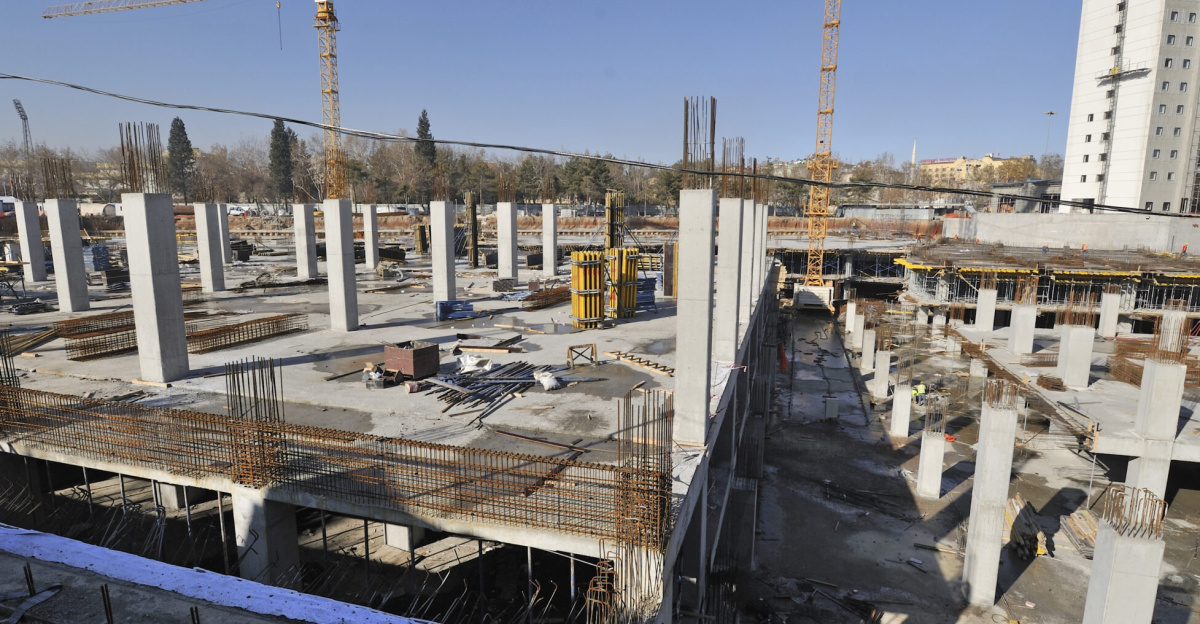
The redevelopment plan encompasses 800,000 square feet of retail, restaurant, and entertainment space, nearly 1,000 residential units, a hotel, a seven-story office tower, and the demolition of over one-third of the existing mall over a three-year period.
The numbers illustrate the magnitude of the change. Completion is targeted around 2028, setting the stage for a new Plano identity. Ownership’s vision follows next.
Ownership’s Vision
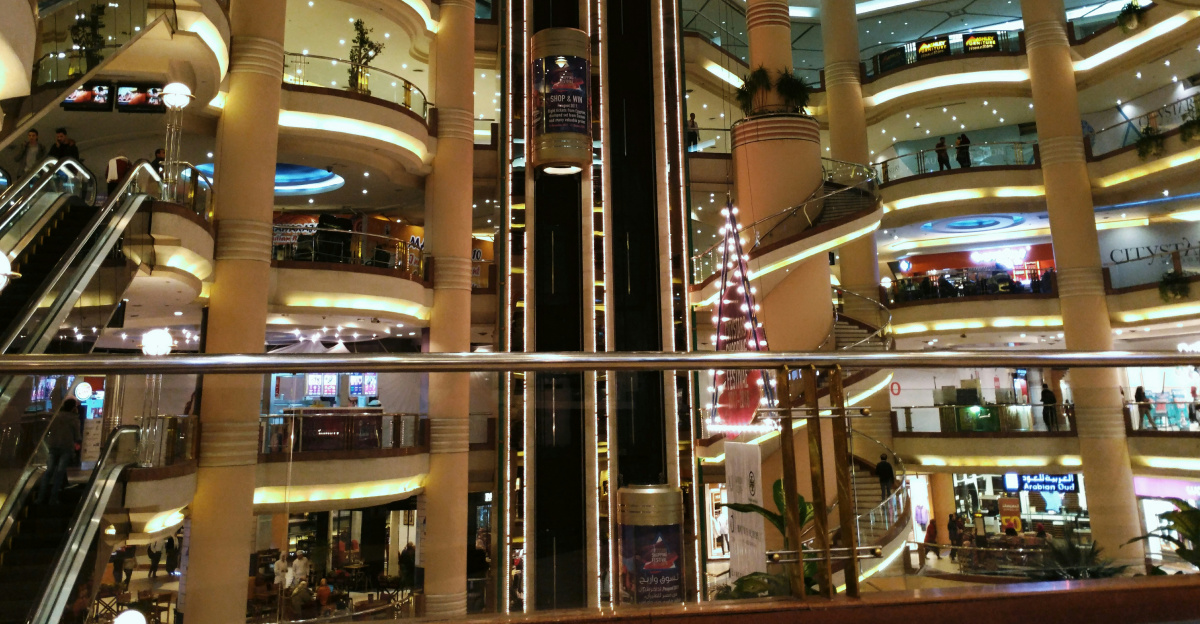
Dallas-based Centennial leads a $500 million to $1 billion redevelopment called “The Bend.” More than one-third of the mall will be demolished, replaced with mixed-use space including residences, a hotel, and an office tower.
The project is slated for completion in 2028, aiming to create a live-work-play community. This strategic pivot explains why Dillard’s closed.
Strategic Pivot

Dillard’s, headquartered in Little Rock, Arkansas, is consolidating profitable locations and adapting to shifting consumer preferences. The Plano closure aligns with a nationwide trend of shrinking physical footprints.
Traditional department stores are investing in e-commerce and operational efficiency while retreating from underperforming locations. Analysts then weigh in on the future of retail.
Expert Outlook
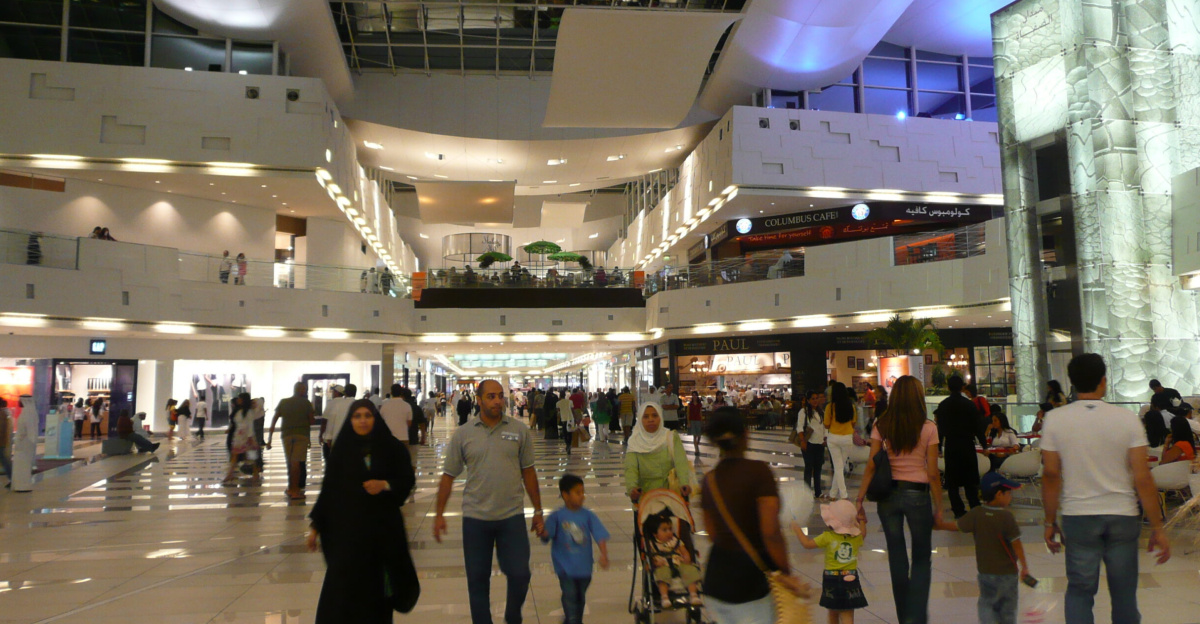
Analysts doubt the long-term viability of traditional enclosed malls. While mixed-use redevelopment offers hope, the trend favors fewer department stores and more experiential destinations.
Success depends on meeting consumer needs for convenience, experience, and community. How Plano navigates this change could define the city’s future.
What’s Next for Plano?
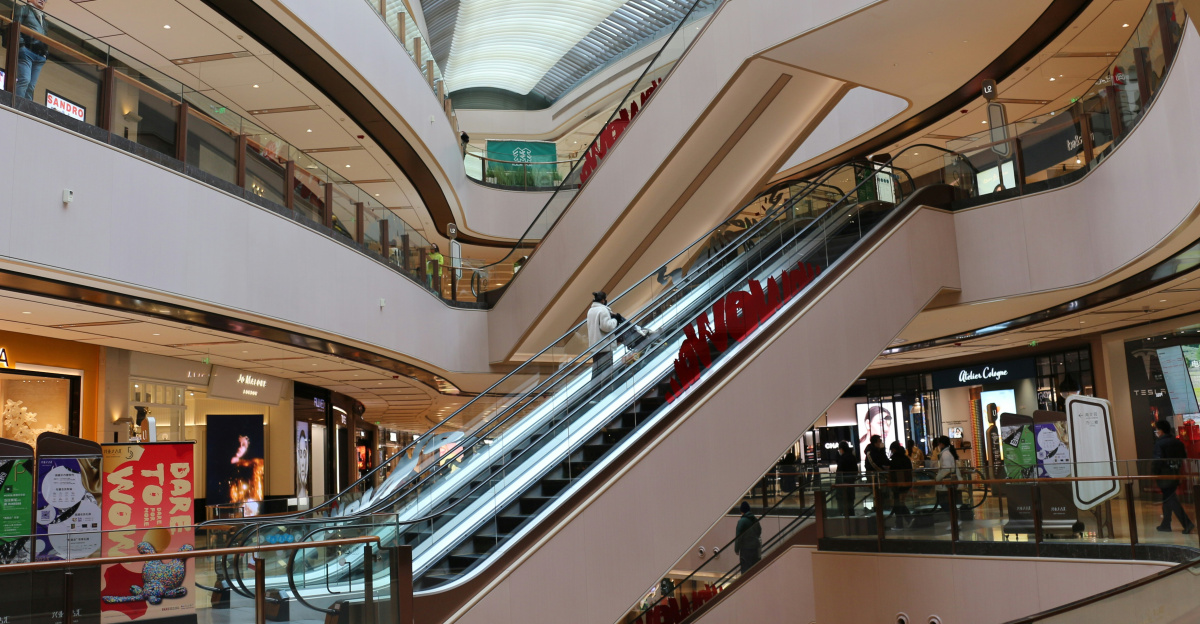
With two anchor stores set to leave within 13 months, Plano faces a pivotal moment. “The Bend,” a mixed-use project, could attract 2,000 to 3,000 new residents while reshaping the community’s character.
Will redevelopment fill the void left by Dillard’s and Neiman Marcus, or leave lasting gaps? Policymakers are preparing for critical decisions.
Policy Implications

Redevelopment requires zoning changes, infrastructure upgrades, and economic incentives. Plano officials must strike a balance between growth and community character, while also supporting the 93 displaced employees.
Public investment is key to managing the transition while fostering a thriving, mixed-use environment. But national trends suggest the change is part of something bigger.
National Ripple
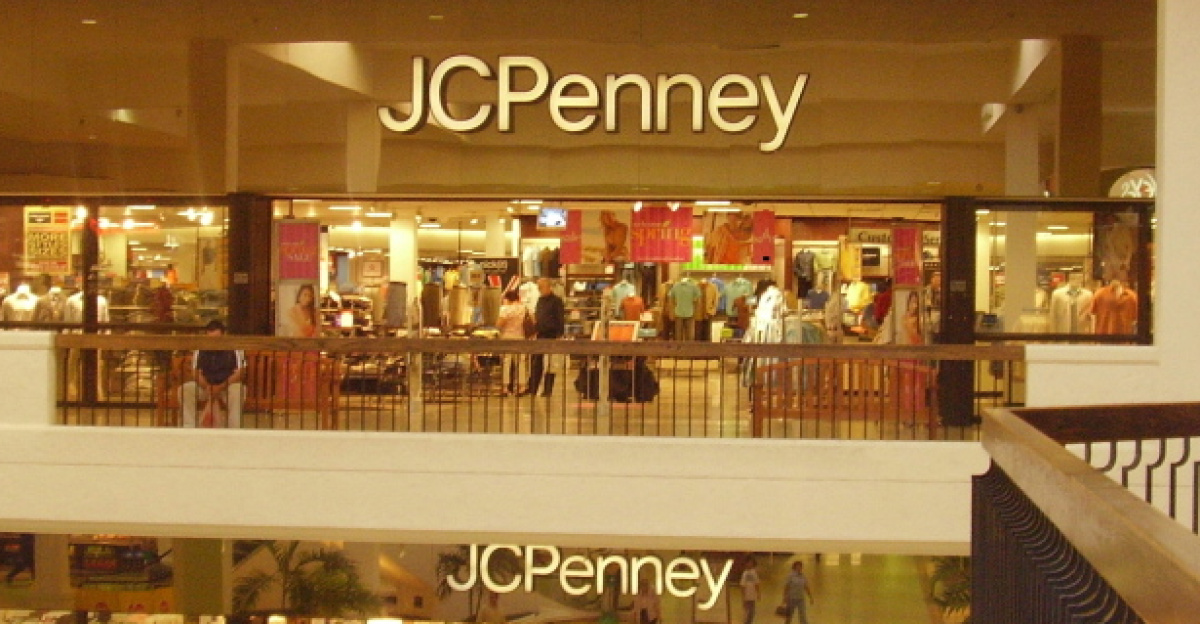
Department store closures are accelerating nationwide. Macy’s shut 66 stores and JCPenney 8 in 2025, with up to 15,000 closures expected this year.
The shift reflects changing shopping habits, urban planning priorities, and the dominance of e-commerce. Plano’s experience mirrors a broader American trend. However, redevelopment also presents practical challenges.
Construction and Environmental Challenges
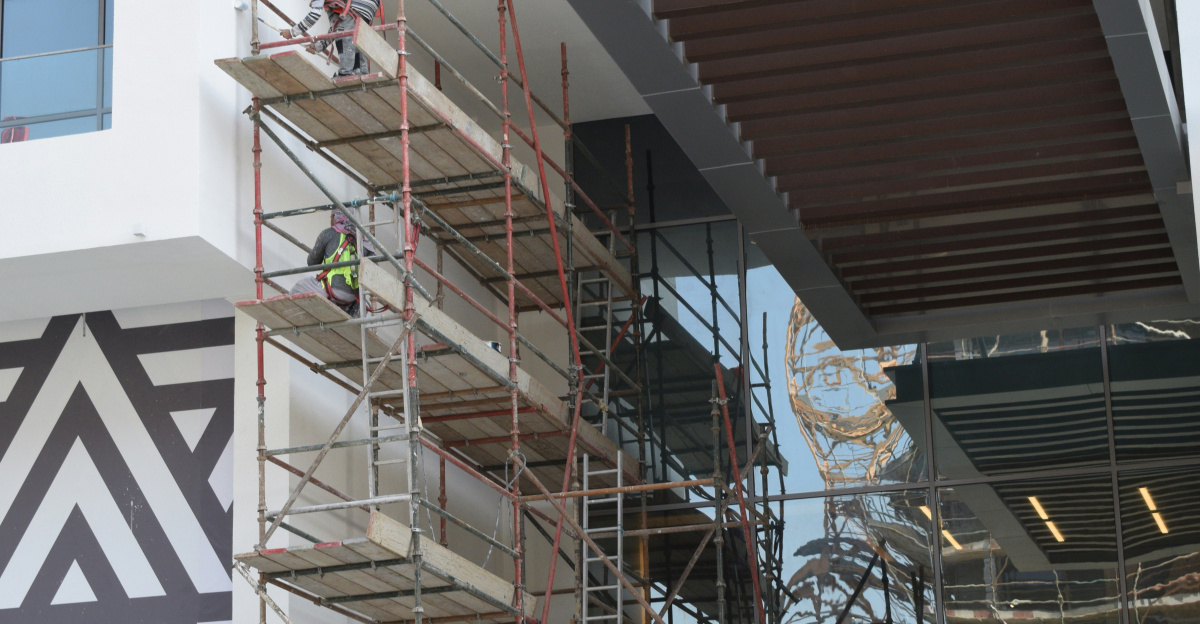
Demolishing over one-third of the property across three years requires permits, compliance with regulations, effective waste management, and consideration of sustainability. Traffic and construction safety also demand careful planning.
Balancing ambitious development with environmental responsibility will shape project success. Meanwhile, cultural shifts are redefining how Americans view malls.
Cultural Shifts
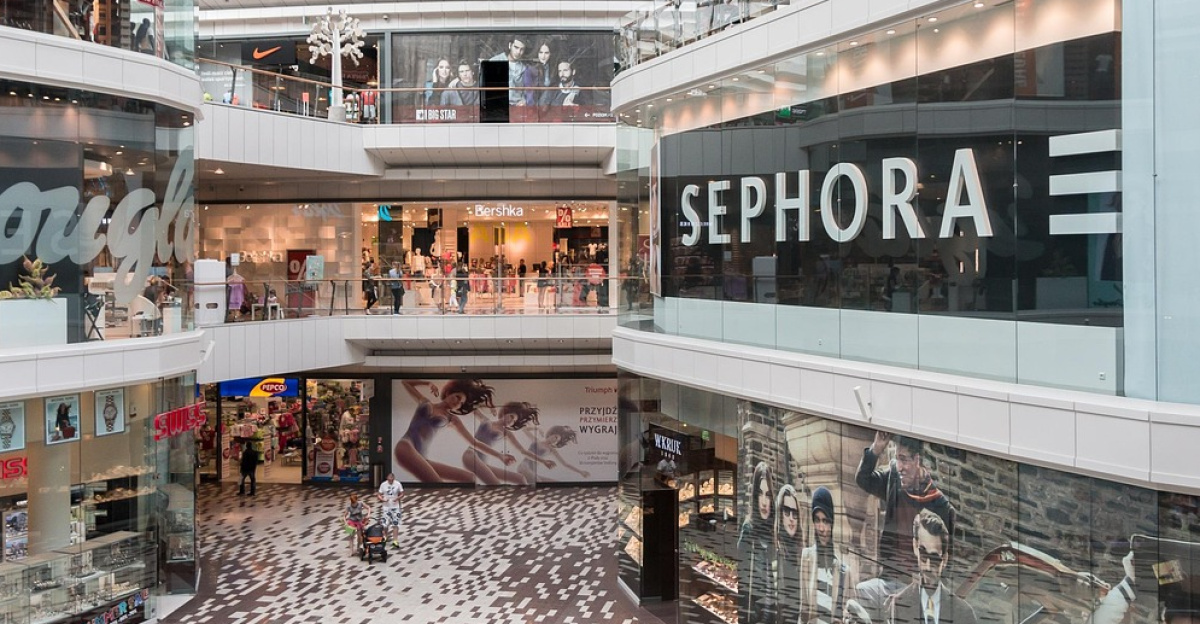
Malls like Willow Bend represent a bygone era of retail. Younger consumers now prefer experiences, convenience, and walkable urban environments over traditional suburban shopping centers.
This generational shift prompts retailers and developers to innovate or risk becoming obsolete. What does this mean for the future of retail in Plano?
What It Means Now
Dillard’s closure marks the end of an 87-year legacy and the era of traditional enclosed malls. Plano’s retail and cultural landscape is undergoing rapid transformation.
The city’s adaptation to mixed-use communities underscores the importance of resilience. The future will favor those who evolve with shifting economic and cultural realities.