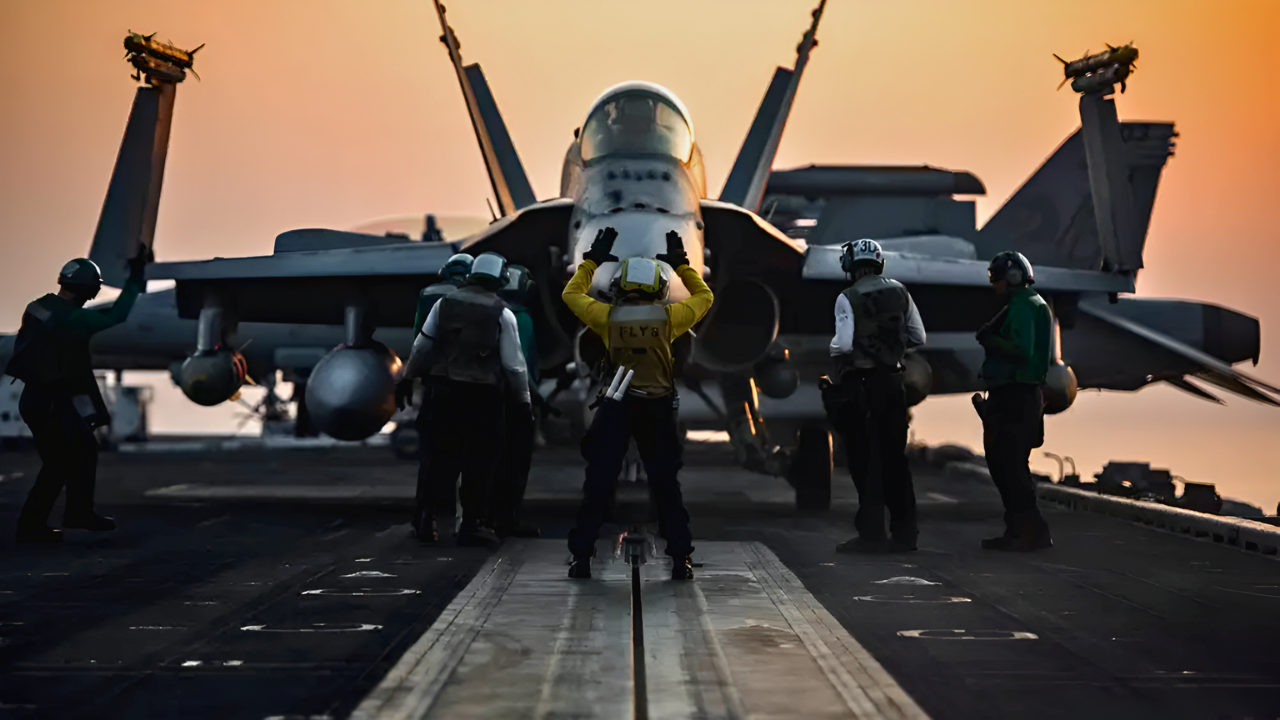
In late 2023, the Red Sea—one of the world’s busiest shipping routes—faced a serious threat. Yemen’s Houthi militants began attacking commercial ships, targeting over 80 vessels and disrupting global trade.
These attacks forced shipping companies to reroute around Africa’s Cape of Good Hope, adding weeks to journeys and costing billions of dollars. The violence also raised insurance rates and threatened one of the world’s most important economic corridors.
Despite efforts by the U.S. Navy and international partners to stop the attacks, the Houthis only grew bolder. Their campaign showed no signs of slowing down, forcing military leaders to consider a much larger response.
How the US Fought Back With Operation Rough Rider
The Trump administration demanded action when it took office in 2025. The previous administration’s limited airstrikes had failed to stop Houthi attacks. U.S. military leaders acknowledged by March 2025 that smaller strikes were not working.
The Houthis, backed by Iran, had built an impressive arsenal—they possessed over 300 ballistic missiles and more than 1,000 attack drones. Defense Secretary Pete Hegseth and General Michael Kurilla presented a plan for a massive bombing campaign.
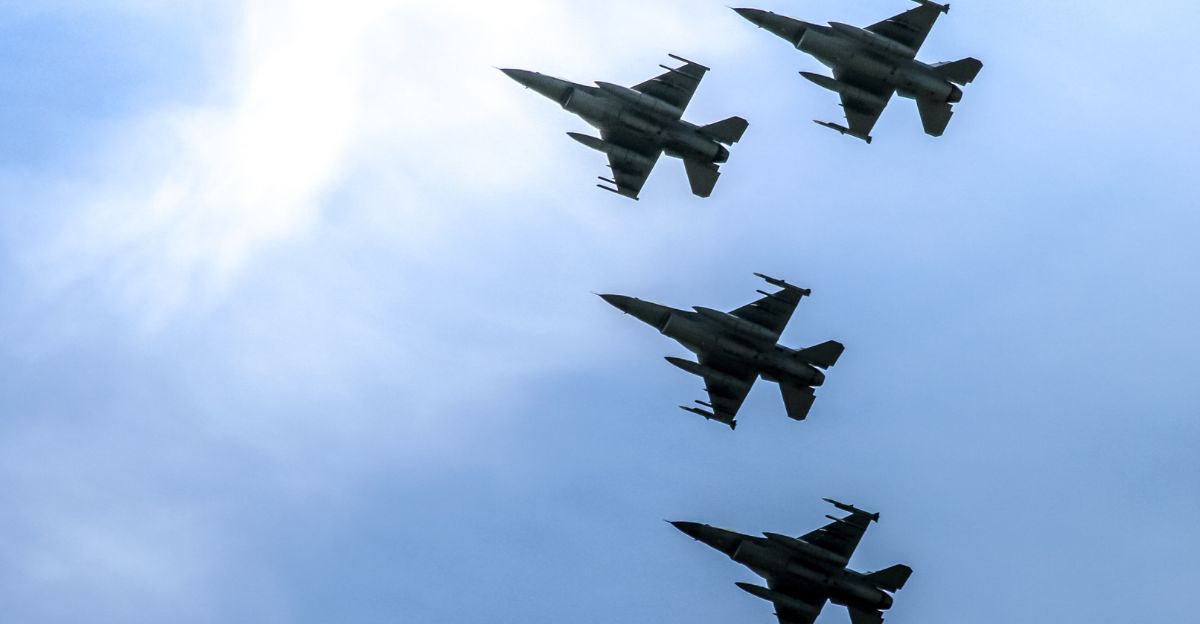
President Trump approved a condensed version called Operation Rough Rider, which launched on March 15, 2025. The operation deployed two aircraft carrier groups, B-2 stealth bombers, and armed drones.
Over 52 days, U.S. forces struck more than 1,100 targets across Yemen, focusing on command centers, air defenses, missile storage, drone factories, and radar sites. The USS Harry S. Truman led the carrier group and conducted 670 strikes.
F/A-18 Super Hornets flew daily missions, often facing heavy anti-aircraft fire. Six B-2 bombers operating from Diego Garcia dropped precision-guided munitions on underground bunkers and fortified positions.
By May, analysts estimated that U.S. forces had destroyed about 40 percent of Houthi ballistic missile sites and 35 percent of drone production capacity.
The High Cost and Uncertain Outcome
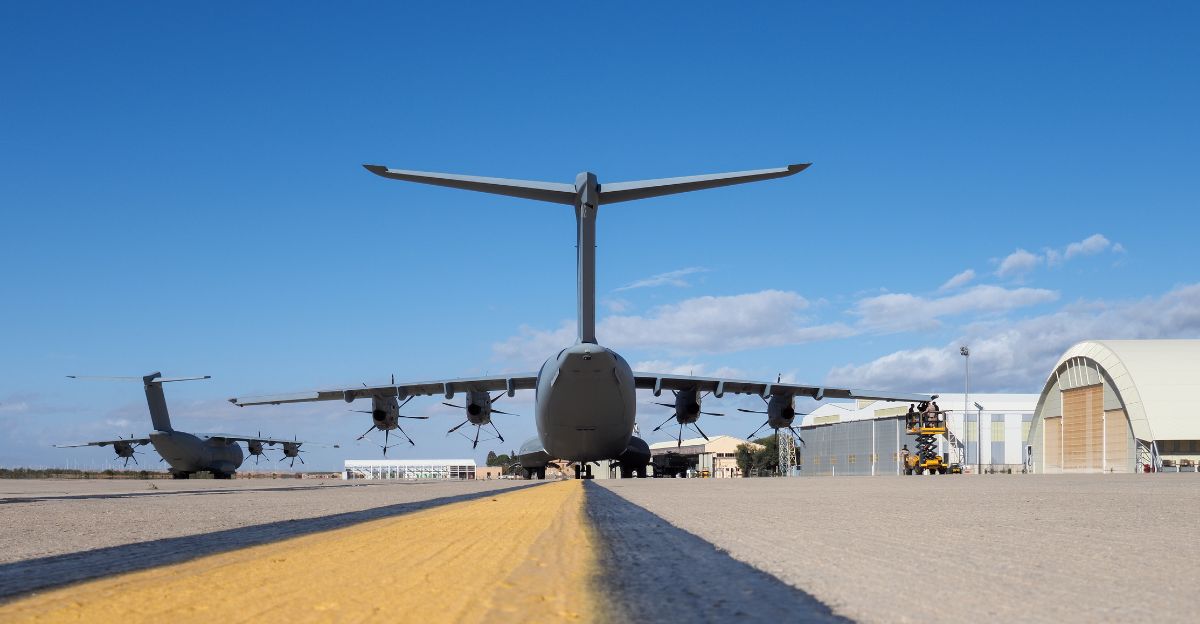
Operation Rough Rider became the most intense U.S. bombing campaign in Yemen in more than 30 years. U.S. forces averaged 21 strikes per day—twice the rate of previous campaigns—and dropped over 5,000 tons of explosives.
The military spent $1 billion in the first month alone. The human toll was devastating. Independent monitors documented 224 civilian deaths during the campaign, nearly matching the total from all U.S. operations in Yemen over the previous 23 years.
One airstrike on a prison detention facility killed 68 migrants. Another strike on an oil terminal killed 84 civilians. These incidents sparked outrage from human rights organizations and raised serious concerns about potential war crimes. The military also lost two F/A-18 Super Hornets during the campaign, and pilots were recovered from both incidents.
Despite the scale of the offensive, Houthi missile and drone attacks resumed even before the campaign ended. While CENTCOM reported a 69 percent reduction in missile launches and a 55 percent drop in drone attacks, the Houthis quickly rebuilt their arsenal and changed their tactics.
By late April, it became clear that the group’s core capabilities and organizational structure remained largely intact. On May 6, 2025, President Trump announced a ceasefire brokered by Oman, surprising military planners who expected a longer campaign.
Analysts suggested that mounting costs, humanitarian concerns, and limited strategic gains were the primary factors driving the decision. By November 2025, Houthi attacks had resumed at lower levels, leaving the future of Red Sea shipping uncertain.
Operation Rough Rider demonstrated the American military’s reach, but experts question whether it achieved lasting security or merely postponed further conflict.