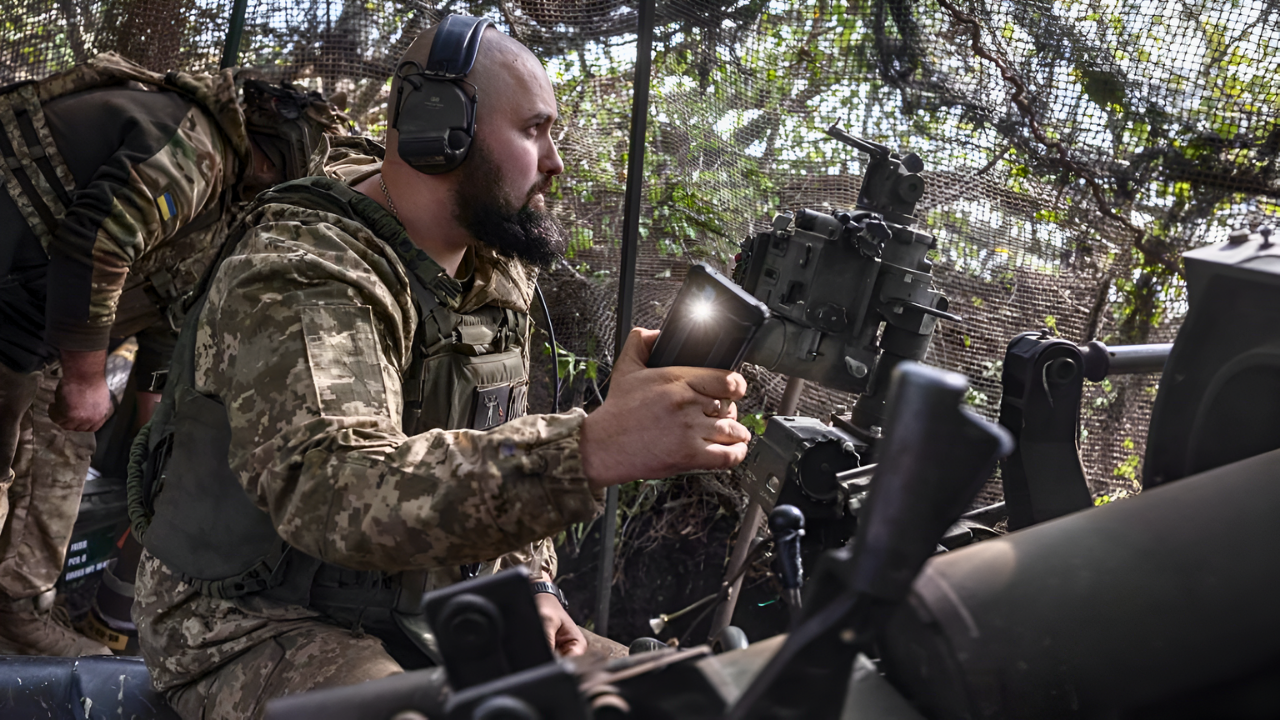
Every hour and a half, another Russian family receives the news no one should hear. November 17, 2025, carved itself into history as 960 Russian soldiers—sons, fathers, brothers—fell silent in just 24 hours, according to Ukraine’s General Staff. That’s 40 lives extinguished every 60 minutes.
The math is brutal, the reality even more so. As dawn broke over Ukrainian battlefields on November 18, the toll climbed past 1.16 million casualties since February 2022, a human cost that dwarfs entire nations.
A Staggering Cumulative Toll
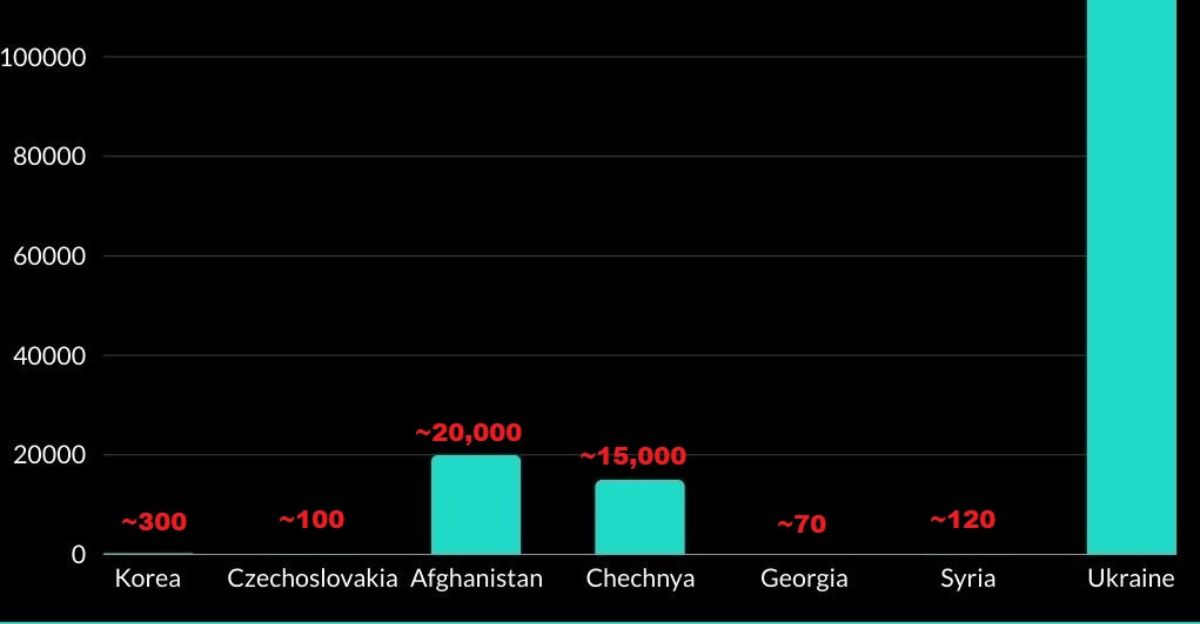
Since the full-scale invasion began on February 24, 2022, Russian military personnel casualties have reached approximately 1,160,380 as of November 18, 2025, according to official Ukrainian General Staff reports. This cumulative figure represents personnel eliminated from active combat duty across nearly 1,364 days of continuous warfare.
The total exceeds the active-duty strength of the entire U.S. military, underscoring the scale of attrition Russia has endured.
Daily Grind: Nearly 850 Per Day
Extrapolating across the war’s 1,364-day duration as of mid-November 2025, Russian forces have suffered an average of approximately 850 casualties per day since the invasion began. This daily average translates into roughly 24 soldiers lost every hour—a relentless pace that reflects the grinding nature of conventional warfare on an industrial scale.
The uniformity of recent daily tallies suggests Russia’s casualty rate has stabilized at a consistently high plateau rather than fluctuating wildly.
October: The Deadliest Month Yet
October 2025 marked Russia’s deadliest month of the entire war, with Ukrainian President Volodymyr Zelenskyy confirming 25,000 Russian soldiers killed during that month alone. This figure dwarfs earlier casualty records and represents approximately 903 deaths per day, concentrated mainly around the Pokrovsk offensive.
Western intelligence assessments aligned with Ukrainian estimates, with the U.K. Defense Staff noting that Russia was sustaining approximately 1,500 casualties daily during October.
Pokrovsk: The Attritional Meat Grinder
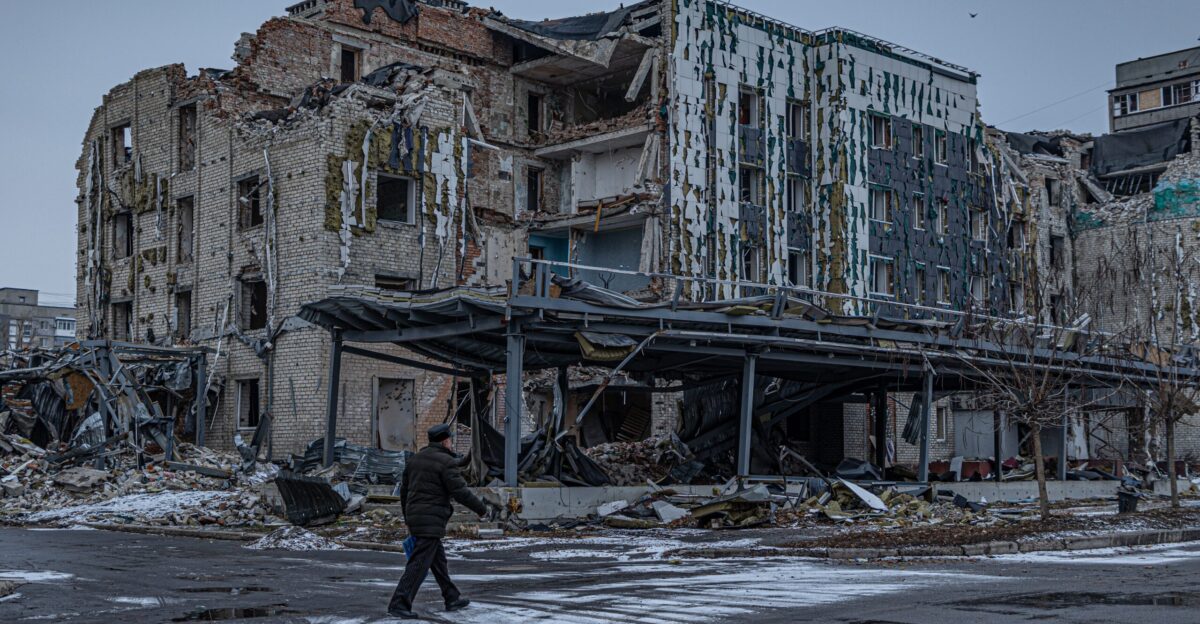
The battle for Pokrovsk, an eastern Ukrainian city, has become the primary driver of Russia’s escalating casualty figures. Russian forces have conducted over 220 assaults in recent days alone to penetrate Ukrainian defensive positions, with small infiltration groups dispatched into the city in what military analysts describe as tactics of exhaustion rather than breakthrough.
Ukrainian defenders, supported by FPV drone operators, have maintained a devastating kill zone that forces Russian troops to advance at enormous human cost.
Drone Warfare Reshapes Casualty Patterns
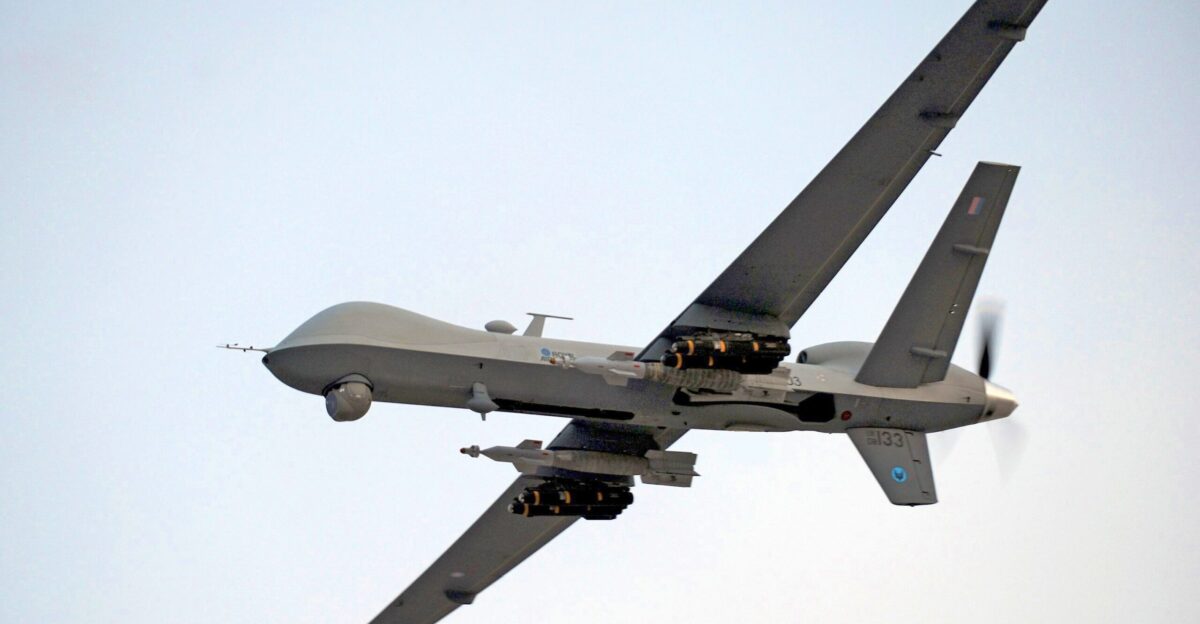
Ukrainian armed forces destroyed 294 operational-tactical drones in the single 24-hour period ending November 18, 2025, according to the General Staff. Since the war began, Ukraine has eliminated 81,793 Russian unmanned aerial vehicles, demonstrating how drone warfare has become central to modern attrition.
Zelenskyy specifically credited Ukrainian UAVs with inflicting 25,000 of the 28,000 Russian deaths recorded in October 2025, with all figures backed by video confirmation.
Tank Losses Unprecedented Since World War II
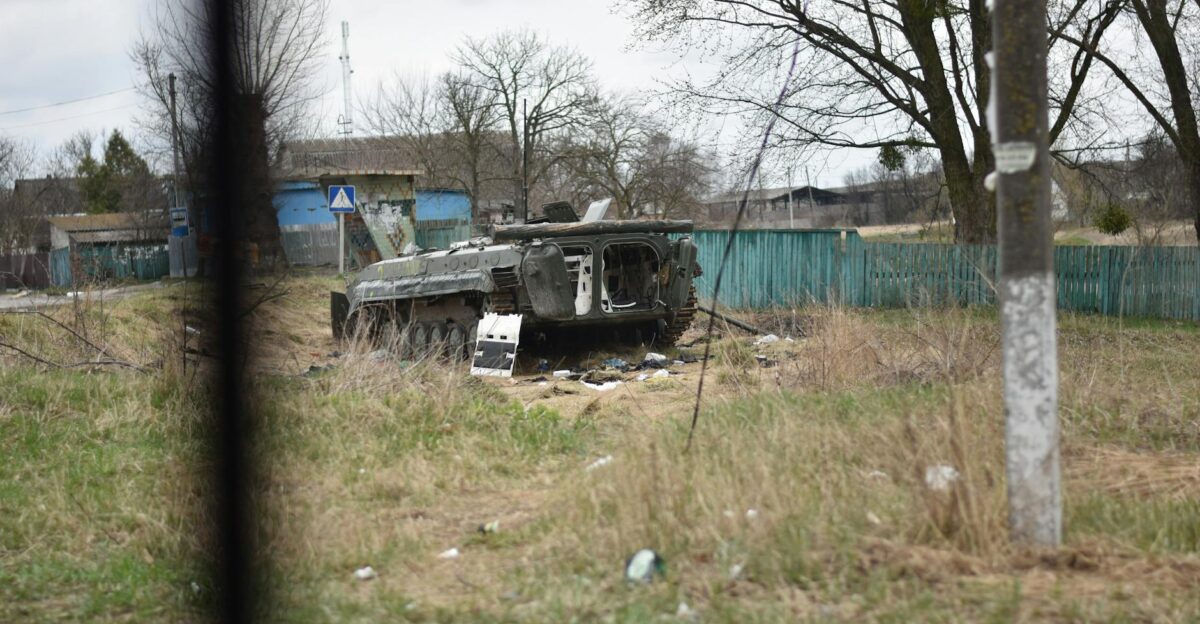
Russian forces have lost 11,355 tanks as of November 18, 2025, representing the largest tank destruction in any conflict since the Second World War. Within the single day reported here, Ukrainian forces destroyed zero tanks, but cumulative losses continue accumulating at rates that force Russia to reactivate decades-old equipment from storage.
The tank losses alone demonstrate equipment attrition at a scale rarely seen in modern warfare.
Artillery and Vehicle Destruction Accelerates
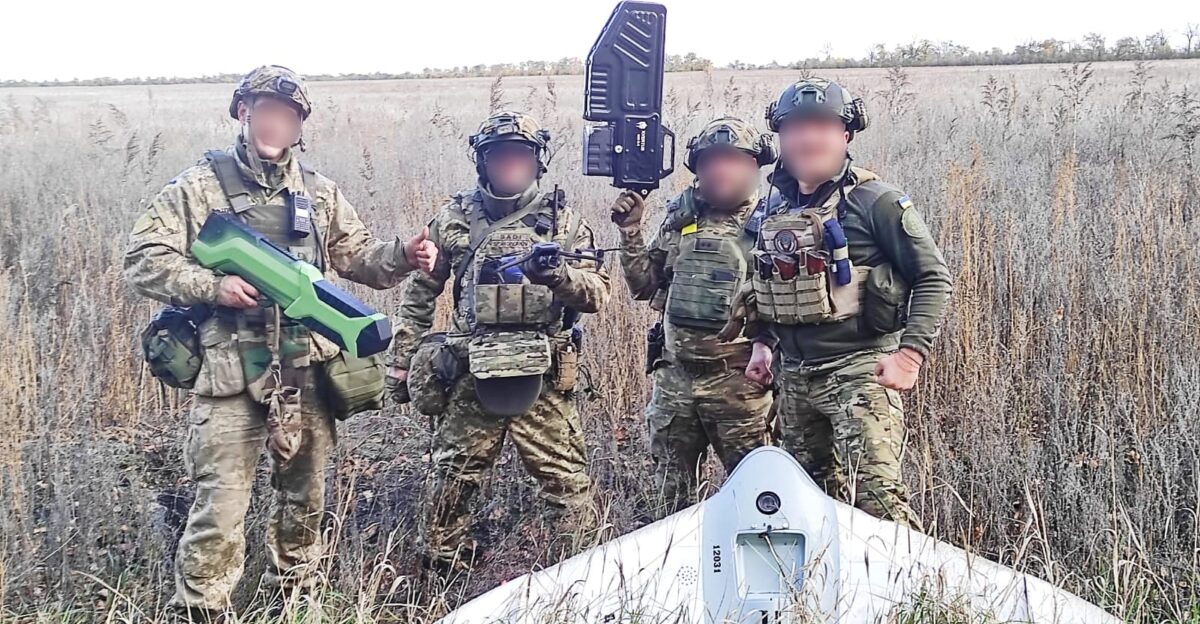
In the 24 hours covered by this report, Ukrainian forces destroyed 13 additional artillery systems, 1 multiple-launch rocket system, 1 air defense system, and 43 vehicles and fuel tankers.
These figures bring Russia’s cumulative losses to 34,499 artillery pieces, 1,545 multiple-launch rocket systems, 1,247 air defense systems, and 67,579 vehicles since the start of the conflict in February 2022. The daily destruction rates indicate Ukraine is maintaining overwhelming firepower in contested sectors.
The Mobilization Strain Becomes Visible
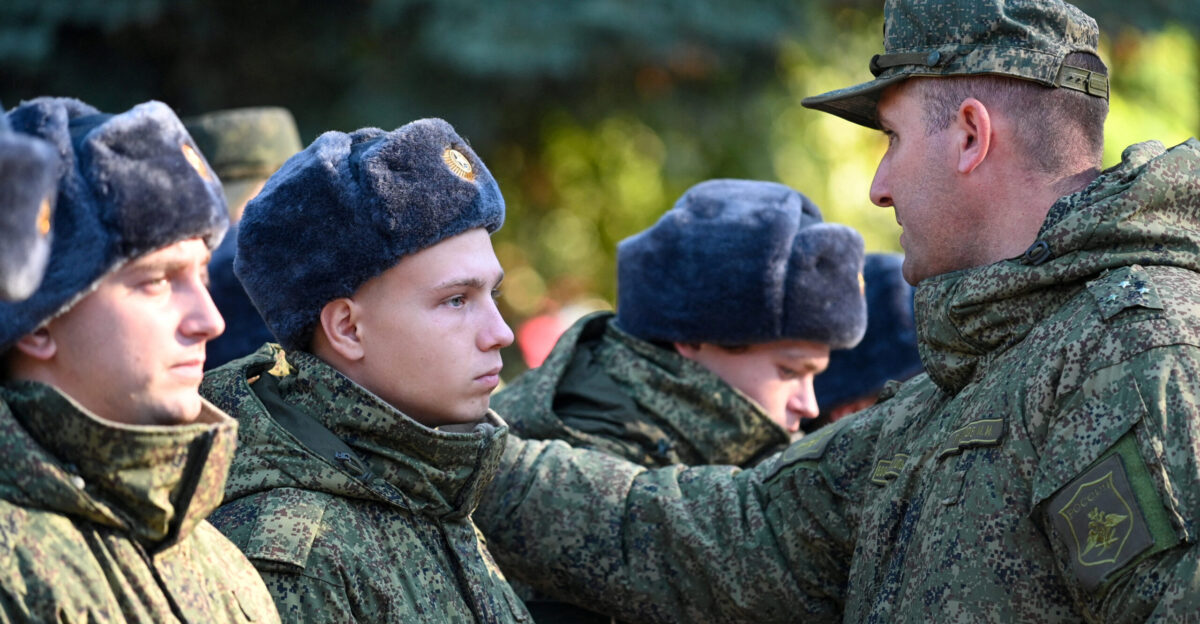
To sustain 960 daily casualties alongside aggressive territorial ambitions, Russia has been forced into mass mobilization campaigns and reliance on convict soldiers deployed with minimal training. Ukrainian military assessments indicate that infiltration tactics and waves of minimally trained troops reflect Russia’s struggle to maintain cohesive unit integrity under casualty pressures.
Convict battalions are reportedly experiencing casualty rates of 60–70%, according to military analysts, far exceeding normal combat attrition.
North Korean Troops Arrive Amid Manpower Crisis
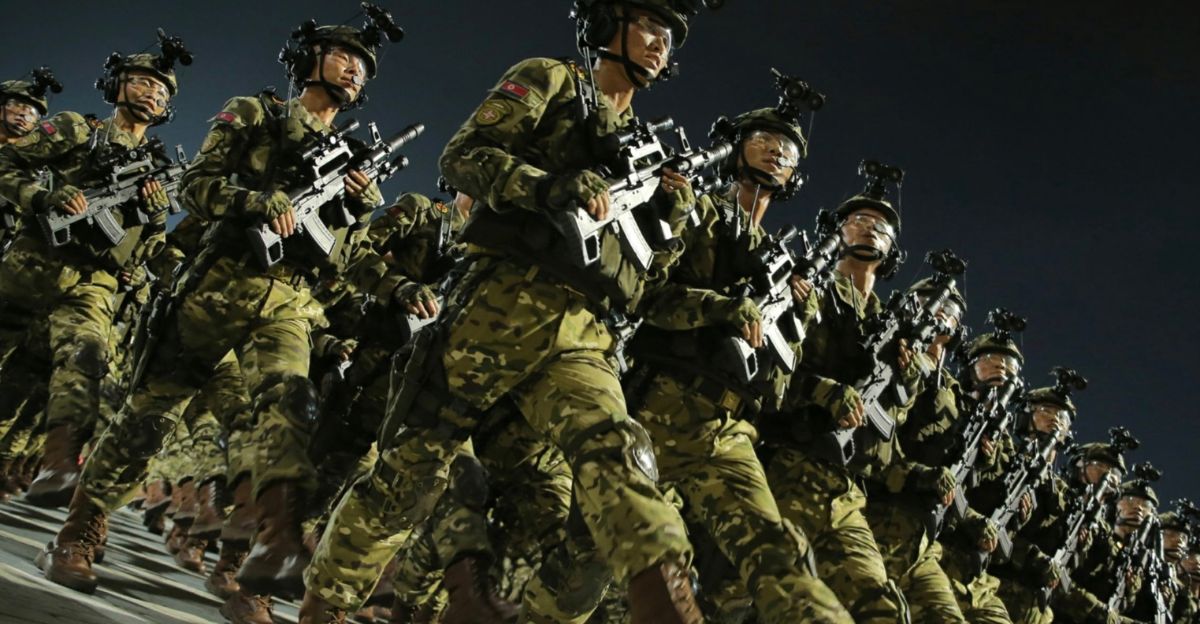
The escalating Russian casualty toll—particularly the 25,000 deaths in October—has prompted Moscow to deploy North Korean troops to bolster frontline strength.
This unprecedented move signals that Russia’s domestic manpower reserves are insufficient to sustain the current operational tempo and casualty absorption without external assistance. The deployment of foreign troops underscores the severity of Russia’s personnel shortage.
Largest European Conflict Since 1945
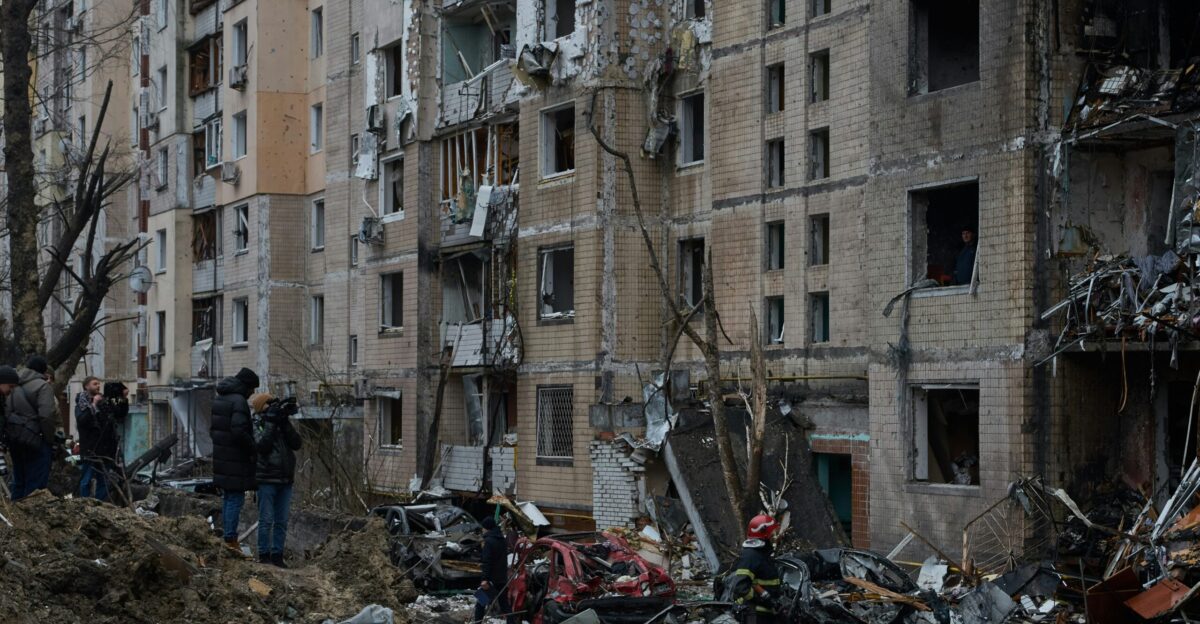
The Russo-Ukrainian war, now in its 1,364th day, has become the longest sustained high-intensity conventional conflict in Europe since the end of World War II. The cumulative scale of Russian losses—1.16 million personnel, 11,355 tanks, and 81,793 drones—exceeds the losses incurred by many NATO countries across their entire Cold War histories.
This conflict has rewritten the modern understanding of attrition warfare in an age of advanced surveillance and precision munitions.
Territory Gains Pale Against Human Cost
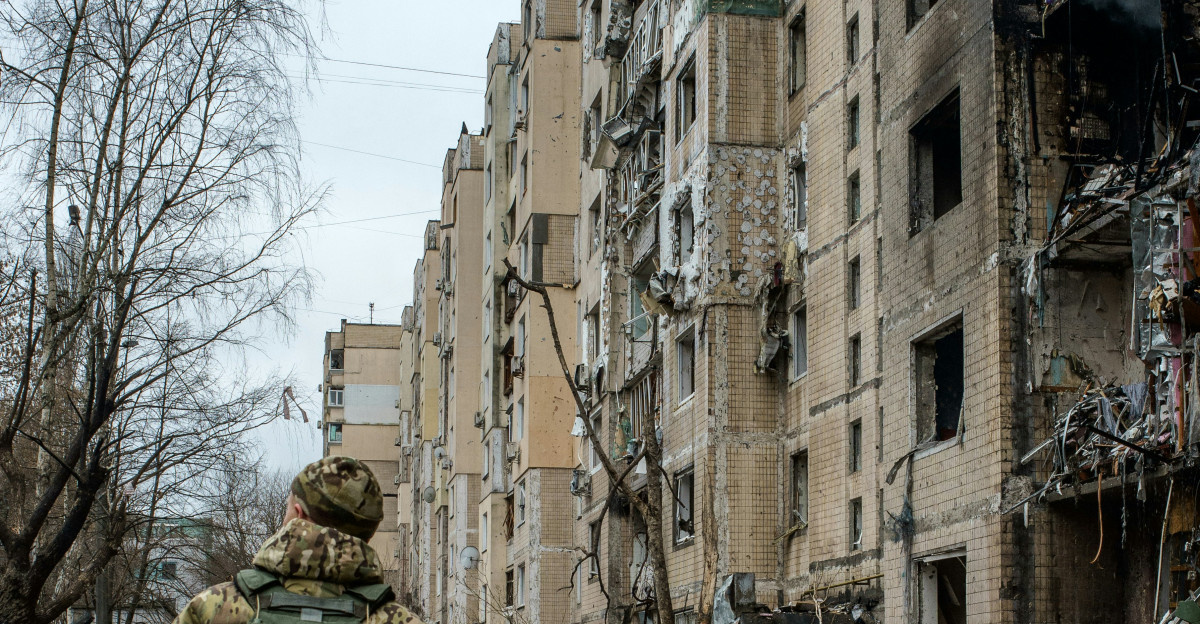
Russian forces have gained approximately 0.4% of Ukrainian territory through the spring 2025 offensive despite incurring catastrophic personnel losses, according to analysis from The Economist. This means Russia sacrificed hundreds of thousands of soldiers to capture approximately 500 square kilometers.
Military strategists describe Russia’s tactical approach as trading territory slowly through mass infantry assaults at costs that no sustainable military doctrine would ordinarily tolerate.
Western Estimates Confirm Ukrainian Casualty Tallies

U.S. and U.K. intelligence assessments broadly align with Ukrainian General Staff casualty reports, lending credibility to Kyiv’s daily figures. The Economist’s analysis, drawing on over 200 credible casualty estimates from Western governments and independent researchers, estimated that Russia’s total casualties had reached 984,000–1.438 million personnel by mid-October 2025, slightly above the Ukrainian General Staff’s reported figure of 1.16 million.
This convergence suggests Ukrainian reporting is accurate within expected margins of battlefield assessment.
The Unsustainable Equation
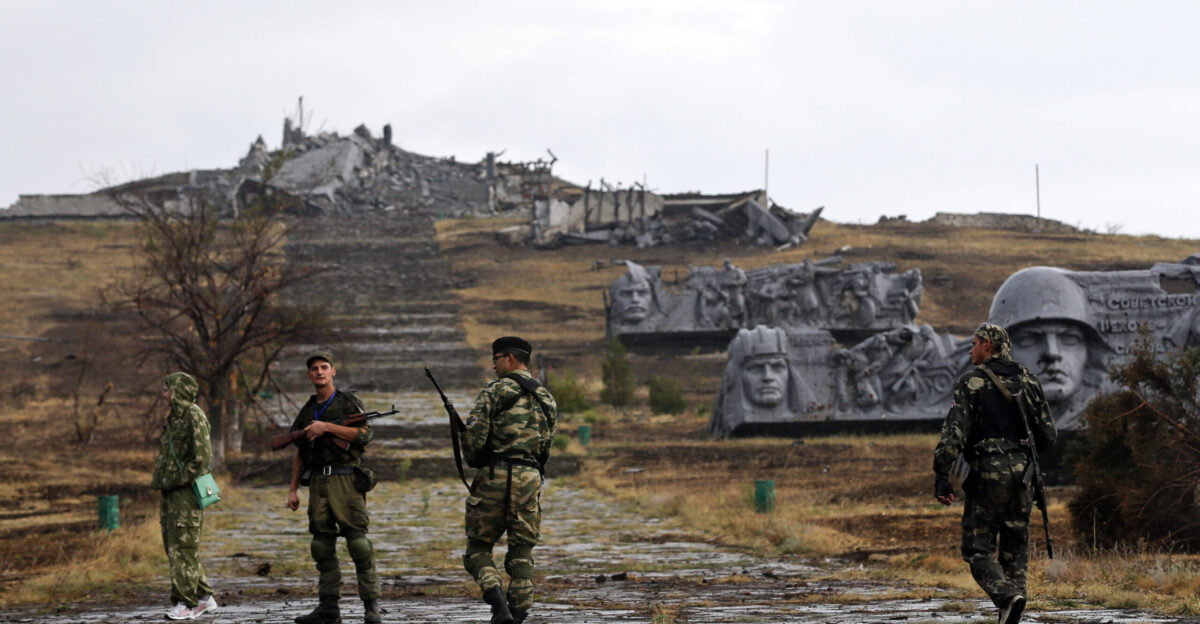
At current casualty rates, Russia is losing roughly 0.5–1.2% of its male population under age 60 to combat operations in Ukraine, according to The Economist’s analysis. This demographic attrition, combined with the loss of advanced military equipment at a rate that Russia cannot replace, raises strategic questions about Moscow’s ability to sustain offensive operations beyond the medium term.
Experts warn that even if Russia achieves tactical victories in places like Pokrovsk, the cost in lives and materiel suggests a slow-motion strategic collapse rather than military triumph.
A War Without End in Sight
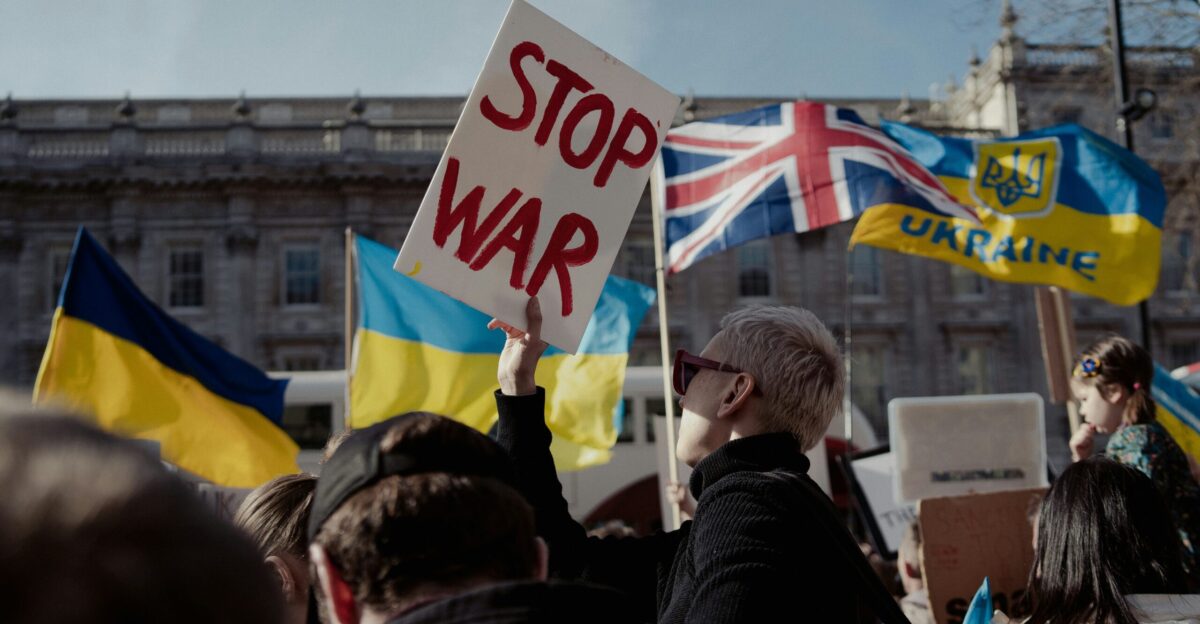
Nearly four years into a conflict that was supposed to last days, the human toll continues mounting with no diplomatic resolution visible on the horizon. Each daily casualty report from Ukraine’s General Staff tells the same grim story: Russia’s willingness to sacrifice soldiers vastly exceeds its capacity to achieve meaningful strategic gains.
As families across Russia bury their dead and Ukraine braces for another brutal winter of war, the 960 casualties recorded on November 17 serve as a stark reminder that this grinding conflict shows no signs of slowing—only deepening.