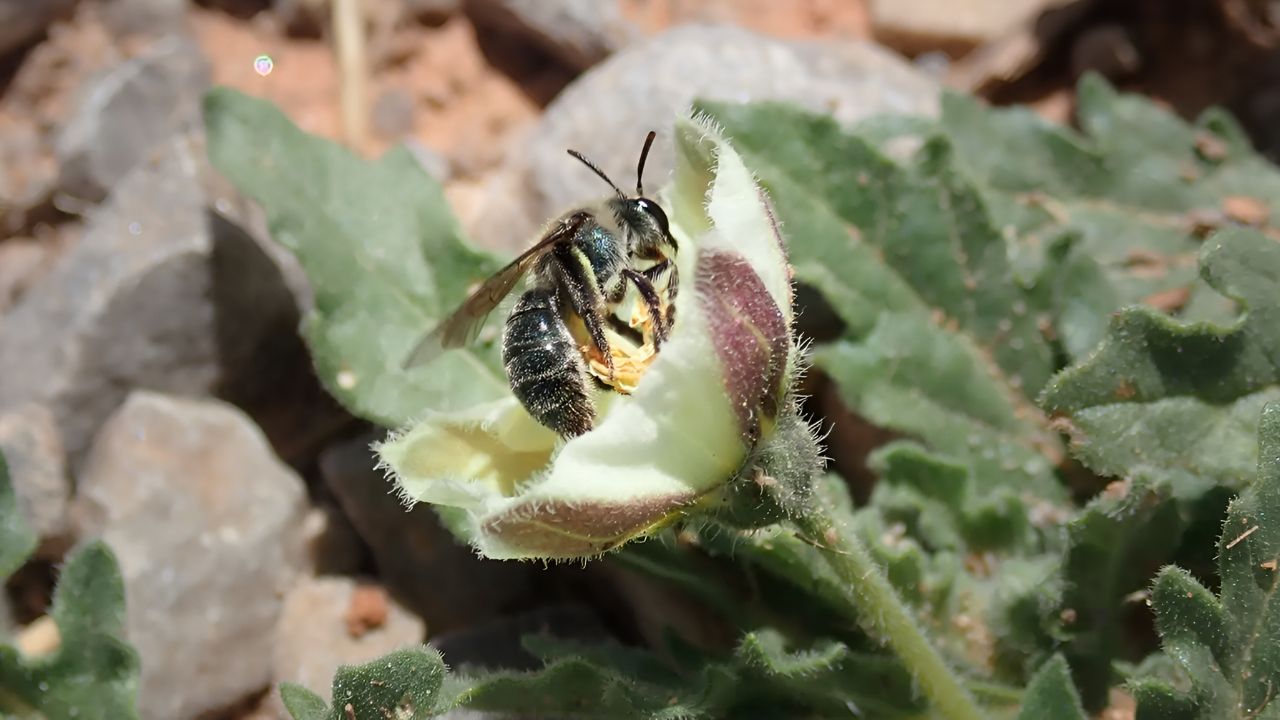
After more than two decades without a new member of this distinctive bee group being formally recognized, scientists have made a striking discovery in Western Australia’s remote Goldfields region. The newly documented species, Megachile lucifer, or the “Lucifer bee,” represents the first new description within its bee group—the leafcutter bees of the genus Hackeriapis—in over 20 years, breaking a significant gap in Australia’s bee taxonomy.
A Hidden Species Emerges
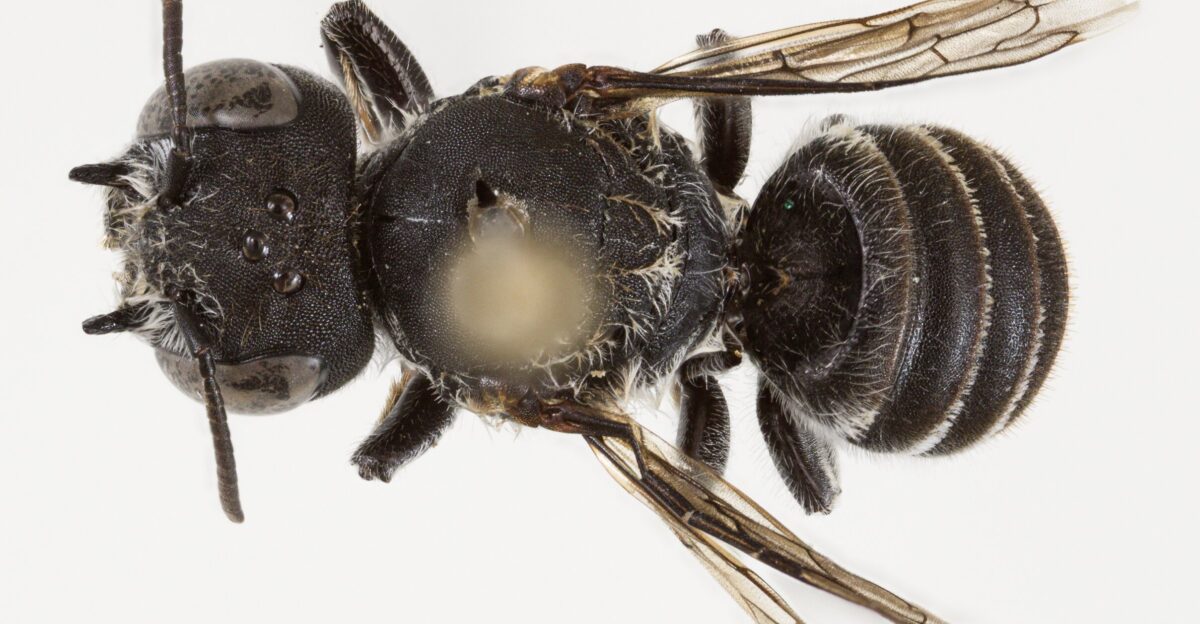
The Lucifer bee was uncovered in 2019 during research surveys of a critically endangered wildflower, Marianthus aquilonarius, in the Bremer Ranges region of Western Australia, approximately 470 kilometers east of Perth. Dr. Kit Prendergast, lead researcher from Curtin University’s School of Molecular and Life Sciences, discovered the species while observing pollinators visiting both the rare wildflower and a nearby mallee tree.
“I discovered the species while surveying a rare plant in the Goldfields and noticed this bee visiting both the endangered wildflower and a nearby mallee tree,” Dr. Prendergast explained. The discovery was confirmed through DNA barcoding, which revealed the specimens did not match any known bees in genetic databases, nor did their physical characteristics match any specimens in museum collections. This confirmation firmly established Megachile lucifer as a species new to science, not previously documented despite the bee’s residence in an accessible mining region.
The Devil’s Horns: Distinctive Features
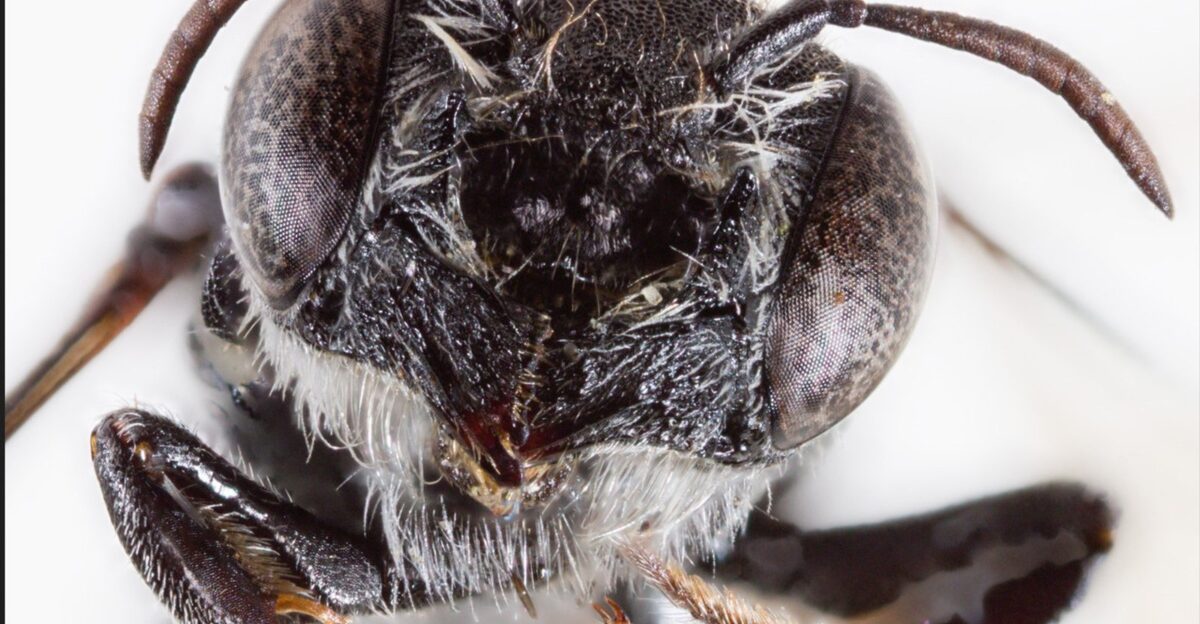
What sets Megachile lucifer apart is the extraordinary appearance of its females, which possess striking, horn-like projections above their mandibles—a characteristic absent from any other known Australian bee species. Unlike typical sexual dimorphism in the animal kingdom where males are more heavily armored, the male Lucifer bees lack these impressive horns entirely.
Dr. Prendergast named the species while watching the Netflix series Lucifer, finding the name perfectly suited to the bee’s devilish appearance. The scientific name—with “lucifer” derived from Latin meaning “light-bringer”—carries both an elegant translation and a playful acknowledgment of the bee’s striking horn-like features.
Researchers are actively investigating the horns’ function, proposing several theories: they may aid in gathering pollen or plant resin for nest construction, serve as a specialized defense mechanism, or represent a unique form of sexual dimorphism that may play a role in mate recognition or territorial behavior. The horns may also assist the bees in navigating tight spaces within the flower structures they visit.
Ecological Importance and Conservation Threats

The discovery of Megachile lucifer carries significant conservation implications, particularly because the species was found exclusively in association with Marianthus aquilonarius, a critically endangered plant found only in the Bremer Ranges. Observations of the bee’s behavior revealed a specialized ecological relationship: the bee depends on the wildflower for food resources through pollen and nectar, while the plant relies on the bee for pollination.
However, this localized distribution creates substantial vulnerability. The species currently exists only within a narrow geographic range in the Bremer Ranges—an area intensely threatened by Western Australia’s extensive mining operations. In subsequent surveys of the same site, when the mallee tree was not flowering, Megachile lucifer was not observed, and far fewer insects were recorded overall, suggesting the species’ presence may be tied to specific flowering cycles and environmental conditions.
Many mining companies operating in the Goldfields region still do not conduct surveys for native bee species, according to Dr. Prendergast, meaning additional undescribed species may already be at risk of disappearing before formal documentation. “Without knowing which native bees exist and what plants they depend on, we risk losing both before we even realize they’re there,” Dr. Prendergast stated.
Why This Discovery Matters
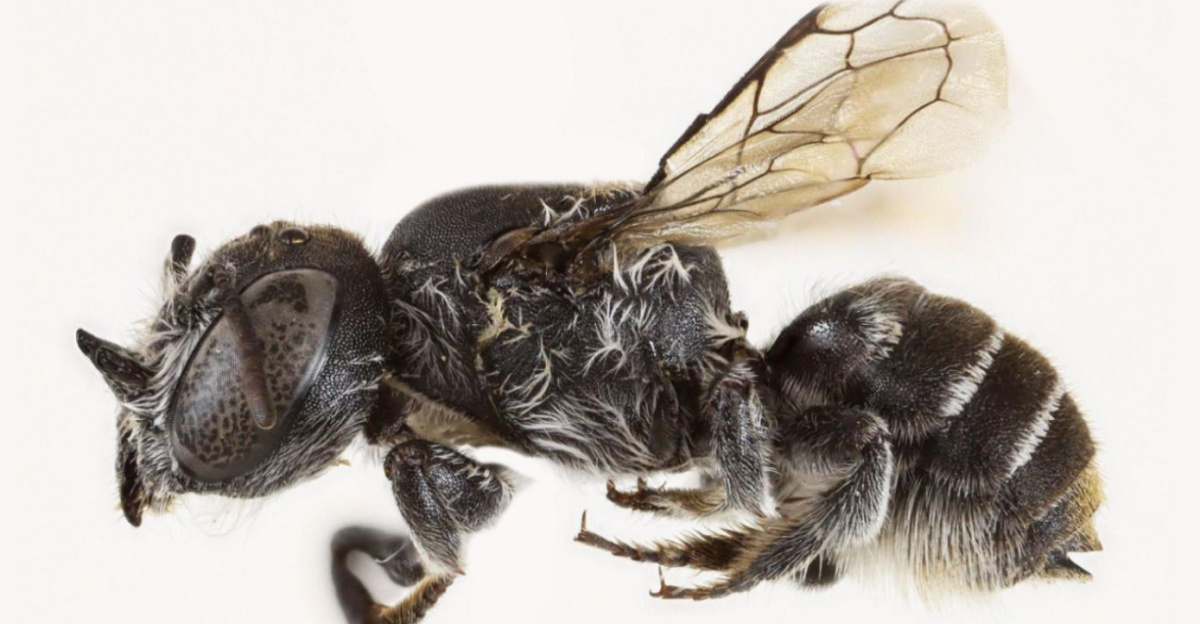
The identification of Megachile lucifer breaks a 20-year gap in new descriptions of this particular bee group in Australia, underscoring how much biodiversity remains undiscovered even in regions humans actively utilize for resource extraction. The species’ existence in a mining region—an area repeatedly surveyed by geologists and miners—suggests that substantial native insect diversity continues to escape notice without targeted biological surveys.
As researchers continue their work, the Lucifer bee serves as both a scientific breakthrough and a stark reminder of conservation urgency. The species is now documented and described, but whether future surveys will locate additional populations or whether the bee will persist amid mining pressures and climate change remains an open question. Dr. Prendergast’s research, published in the Journal of Hymenoptera Research, emphasizes the critical importance of understanding native bee ecology before habitats are disturbed—a priority that grows more pressing as industrial activity expands into Australia’s remaining wild regions.