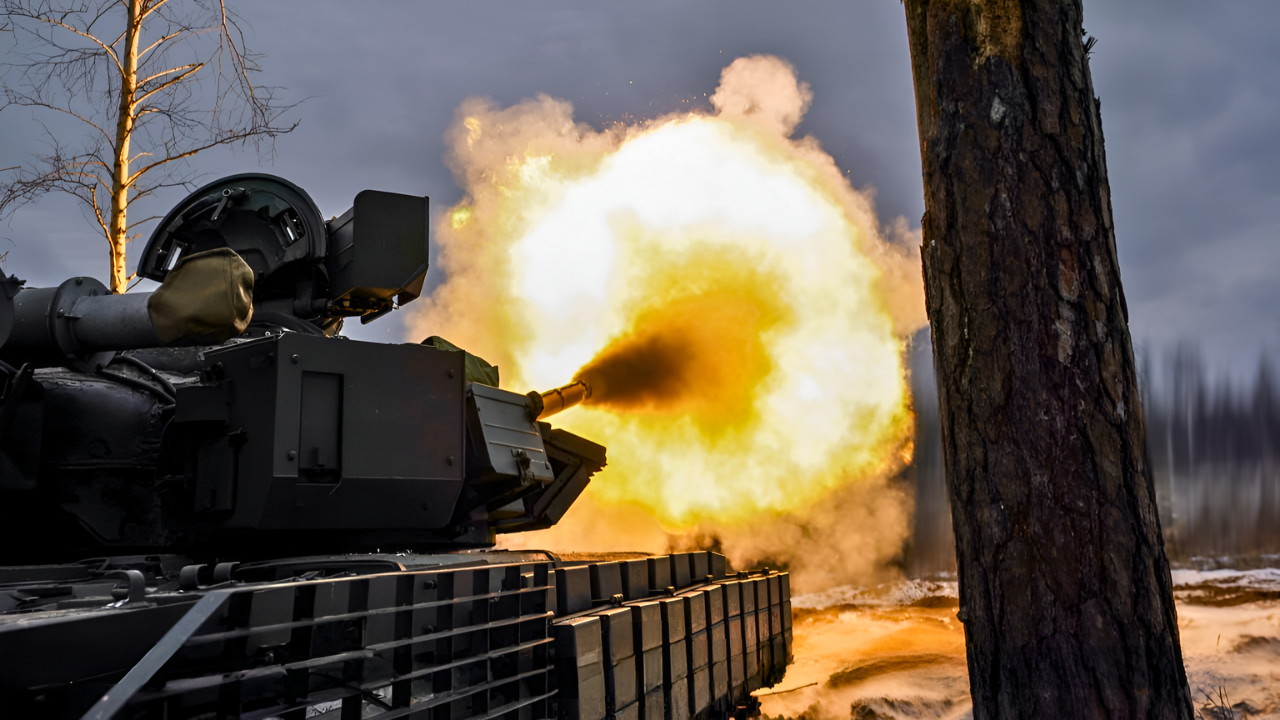
On October 16, 2024, two armored vehicles met in Russia’s Kursk Oblast at a distance measured in feet, not kilometers.
Drone footage captured one of the war’s closest armored battles. Military experts worldwide studied the encounter.
A retired U.S. Army general called it unprecedented. This story shows how two tanks changed expectations about modern armor combat.
The Kursk Gamble

Ukraine has held roughly 300 square miles of Russian territory since August 6, 2024—the first major foreign incursion into Russia since World War II.
The campaign disrupted Russian plans and forced Moscow to move 50,000+ troops northward. Fighting grew brutal.
Some Ukrainian units suffered 50% casualties. Can Ukraine hold Kursk against Russian pressure, or does this engagement show a fading position?
Border Breach Without Warning
Ukraine’s August attack exploited a gap Moscow had ignored for three years.
The Kremlin fortified eastern and southern Ukraine but left Kursk defended by border guards and poorly trained conscripts.
Ukrainian forces planned carefully. Within days, they controlled over 1,000 square kilometers and claimed 74 settlements. The speed caught Russian commanders off guard and exposed stretched defense lines.
Pressure Mounts from Moscow
By early October, Russia shifted momentum. Moscow sent more forces and launched counterattacks at Ukraine’s western edge.
Casualty figures—62,400 per Ukraine, lower per Moscow—show brutal fighting. Ukrainian soldiers reported low morale and shortages of supplies.
North Korea sent at least 3,000 troops to help Russia. Ukrainian commanders debated: hold costly Kursk territory or defend Donbas? This tension shaped the October 16 battle.
50 Feet: The Closest Clash
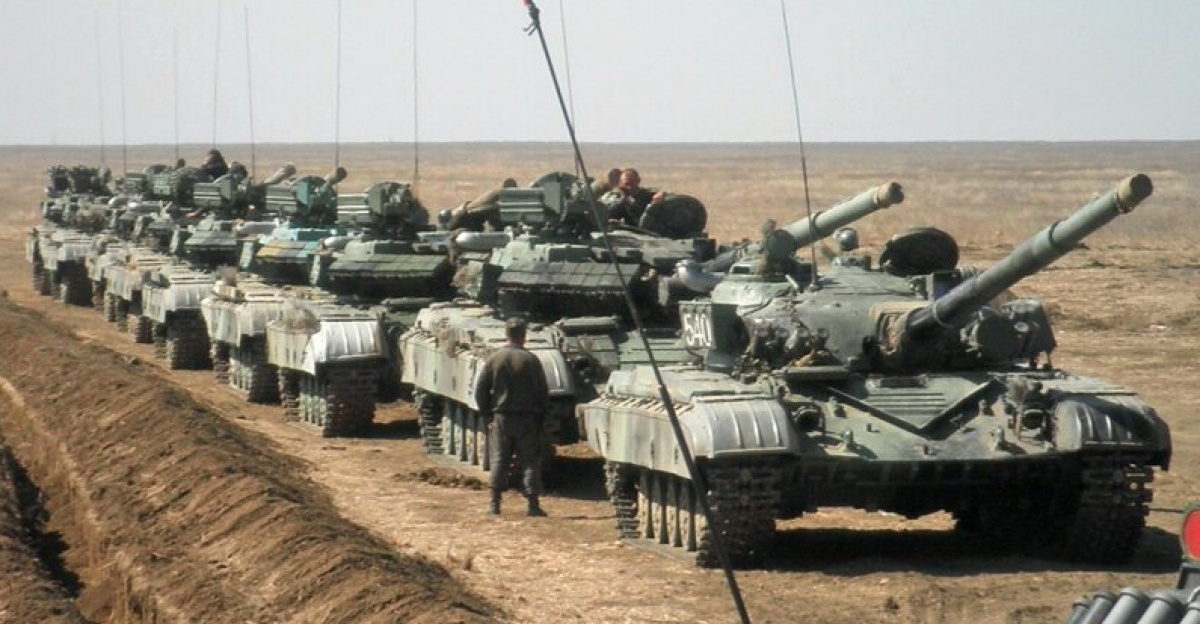
Two Ukrainian T-64 tanks from the 17th Tank Brigade moved near a treeline when a Russian armored personnel carrier charged toward them.
The distance closed to 50 feet. One tank fired a 125-millimeter round. The APC disintegrated instantly. Three Russian soldiers escaped the wreckage.
A second tank fired another round into the destroyed vehicle.
Why Did the APC Charge?

Why did a Russian APC drive toward tanks equipped with 125-millimeter cannons? Analysts offer theories. Russian crews may have mistaken the Ukrainian tanks for abandoned vehicles.
The lead tank displayed engine smoke, indicating potential damage. Russian forces might have thought they couldn’t fight.
Whatever the mistake, the APC crew died—a reminder of chaotic frontline combat in Kursk.
The Survivor’s Enigma
Three Russian soldiers survived the 125-millimeter impact and left the vehicle—an unlikely outcome given the round’s power. General Mark Hertling questioned how anyone survived.
One soldier ran past the Ukrainian tank’s turret, close enough to touch it. The Ukrainian crew didn’t fire their machine gun. Why they held fire remains unclear.
Two survivors hid behind the wreckage until a grenade exploded nearby.
Tactical Perfection vs. Russian Doctrine
The battle showed different tactical approaches. Ukrainian forces demonstrated disciplined tactics. Drones provided targeting data.
Tank crews were positioned well and fired with precision and control. The Russian APC’s charge suggests communication breakdown or intelligence failure—a common Kursk pattern.
The Institute for the Study of War notes that Russian units lack integrated networks and reconnaissance. The October 16 engagement proves this gap.
T-64 Dominance
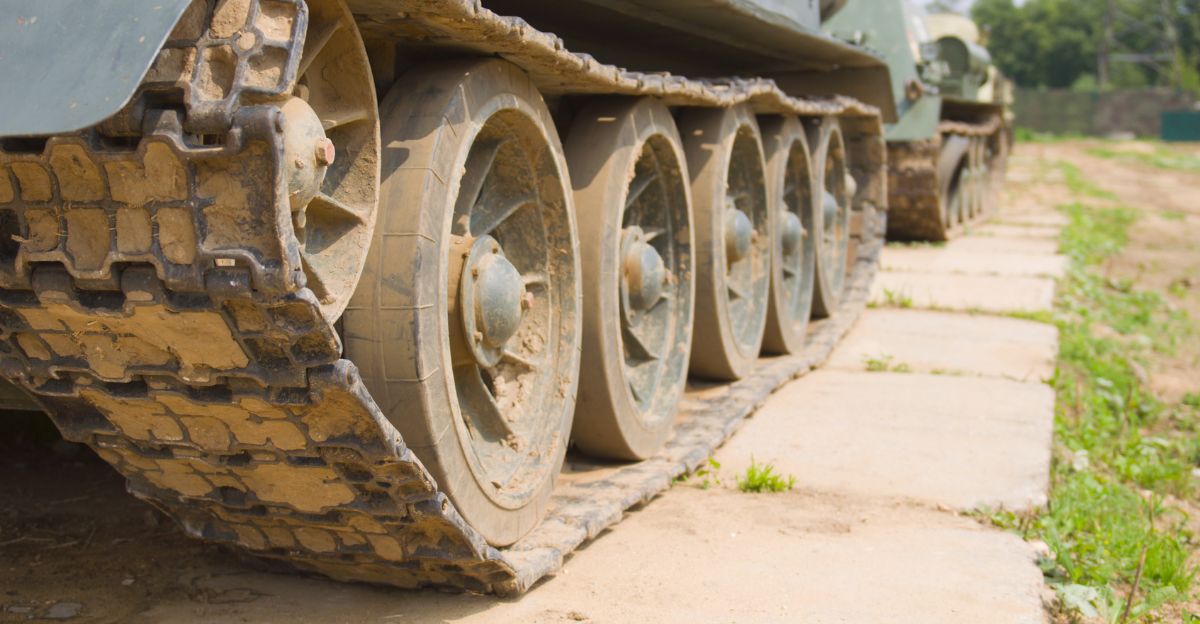
Ukrainian T-64 tanks are equipped with 125-millimeter smoothbore guns that fire 5–8 rounds per minute.
The guns have a range of 4,000 meters with day sights and 800 meters with night sights. The round traveled just 50 feet, delivering maximum power.
The T-64B uses an autoloader, improving crew survival. Ukraine’s 17th Tank Brigade operates these tanks and has gained significant experience throughout the Kursk campaign.
A Pattern of Russian Losses

The October 16 battle wasn’t unusual. Russian forces suffered heavy equipment losses throughout Kursk.
Russia admits Ukraine destroyed 97 armored personnel carriers, 64 infantry vehicles, and 132 tanks by late September 2024.
Independent monitors confirm that Russian losses far exceed those of Ukraine. Some analyses show Russia loses 14 vehicles for every Ukrainian vehicle destroyed.
The October 16 engagement showed this vulnerability pattern.
Drone Reconnaissance
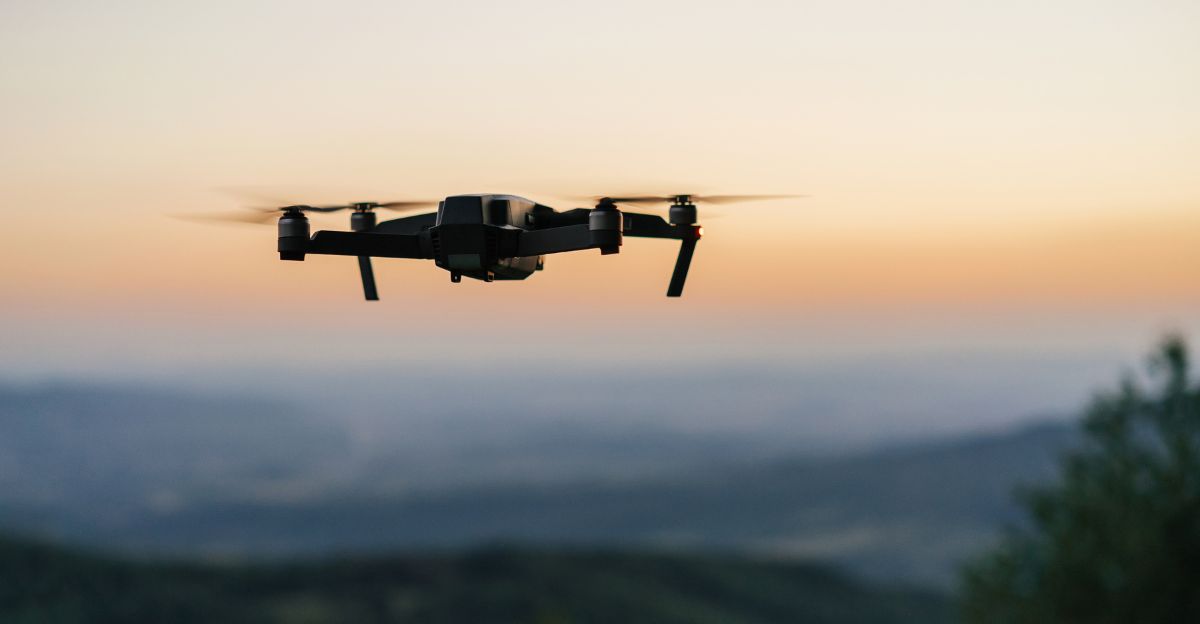
Drone footage recorded on October 16 of the battle was shared with analysts within hours. Ukraine has a robust reconnaissance network for sharing real-time intelligence.
Drones identified the APC’s approach and documented its destruction. Russian reconnaissance in Kursk remains limited.
Ukrainian soldiers report Russian units often lack intelligence on Ukrainian positions, forcing risky tactics that produce catastrophic results like the APC charge.
Kursk’s Grinding Toll on Both Sides
By December 2024, Ukrainian forces felt extreme pressure. Company commanders reported casualty rates of 50% in some units.
Soldiers complained about decisions, supplies, and morale. Russian counterattacks reclaimed roughly 40% of Ukraine’s territorial gains. North Korean forces suffered 3,000+ casualties learning battlefield operations.
The October 16 engagement briefly showcased Ukrainian dominance. Strategic momentum shifted against Ukraine by year-end.
Fortification vs. Withdrawal
Ukrainian leaders debated multiple strategies after October. One side advocated for aggressive fortification with mines and artillery to exhaust the Russian forces.
Another side recommended withdrawal to preserve forces for the fighting in the Donbas. By spring 2025, Ukraine had chosen a middle path: maintaining core positions while reducing offensive operations.
General Syrskyi acknowledged that the Kursk campaign necessitated a reallocation of Russian forces but depleted strategic reserves.
Expert Skepticism and Questions

Analysts remain divided on the value of Kursk. The operation disrupted Russian plans and captured territory—real achievements.
However, critics note the campaign consumed resources Ukraine needed for eastern defenses. The Institute for the Study of War raised concerns about sustainability.
Retired generals questioned whether tactical victories translate into strategic advantage when Russia maintains numerical superiority. Can Ukraine convert battlefield success into lasting control?
The Next Chapter

The October 16 engagement—50 feet between tanks, devastating rounds, three unlikely survivors—captured one moment of Ukrainian skill. But Kursk’s future remains uncertain.
As of November 2025, fighting continues with reduced Ukrainian holdings and mounting casualties. The question isn’t whether Ukraine can replicate dramatic engagements.
It’s a matter of whether Ukraine can sustain Kursk while defending its core territory. The 50-foot clash showed neither triumph nor defeat—only the grinding reality of modern war.