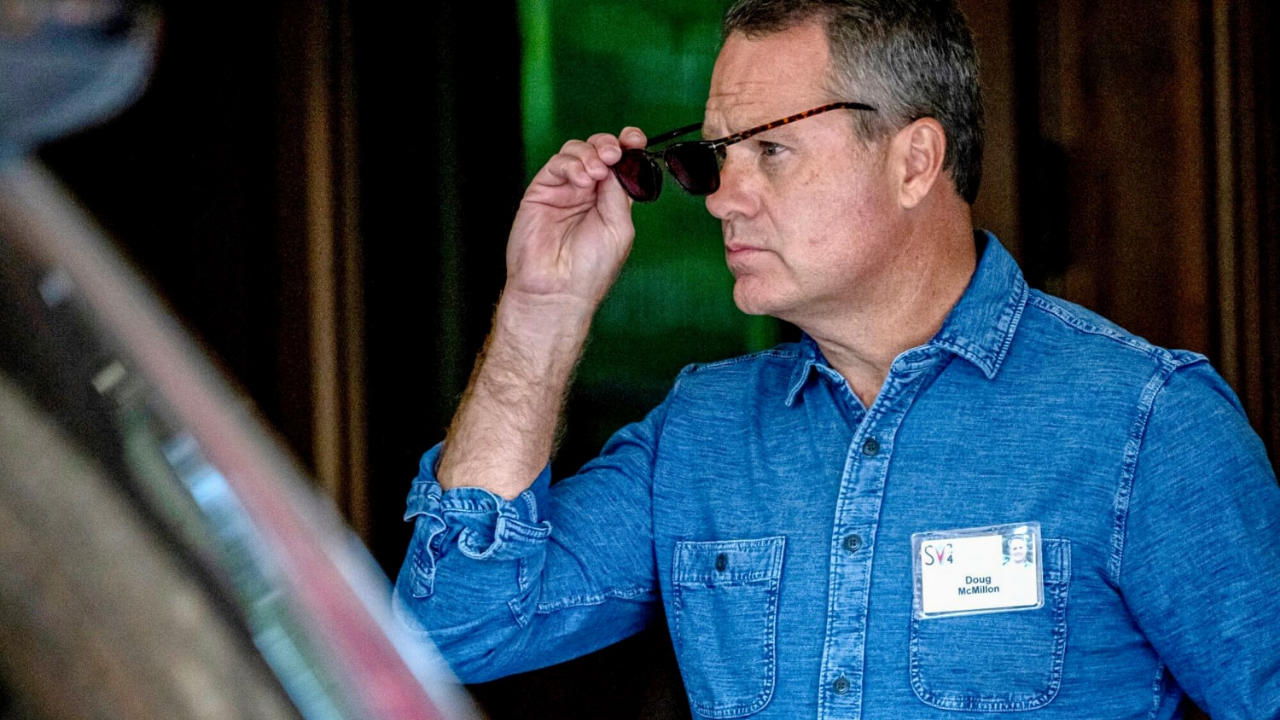
A wave of shock ripples through retail as Walmart’s CEO suddenly steps down after twelve years—just as industry CEO departures soar a record 79%.
In November 2025, Doug McMillon’s leadership exit from America’s largest retailer isn’t an isolated case: it’s the symbol of a bigger crisis now rattling boardrooms and balance sheets across the sector.
Doug McMillon’s Legacy
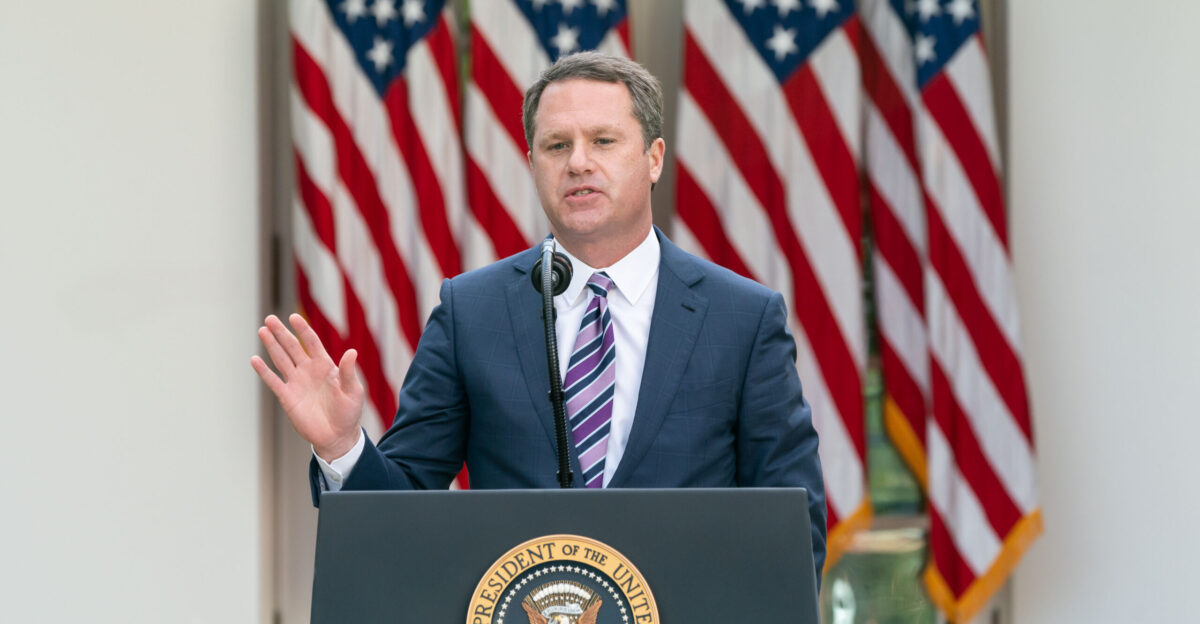
McMillon’s twelve-year era reshaped Walmart, guiding it from an old-world big-box retailer to a digital powerhouse.
Under his vision, Walmart’s stock appreciated over 300% (up 312-323%), e-commerce exploded, and the chain’s footprint held firm across 4,606 stores. From fending off Amazon to rolling out Walmart+, his tenure set new standards for scale and innovation.
The New CEO—John Furner
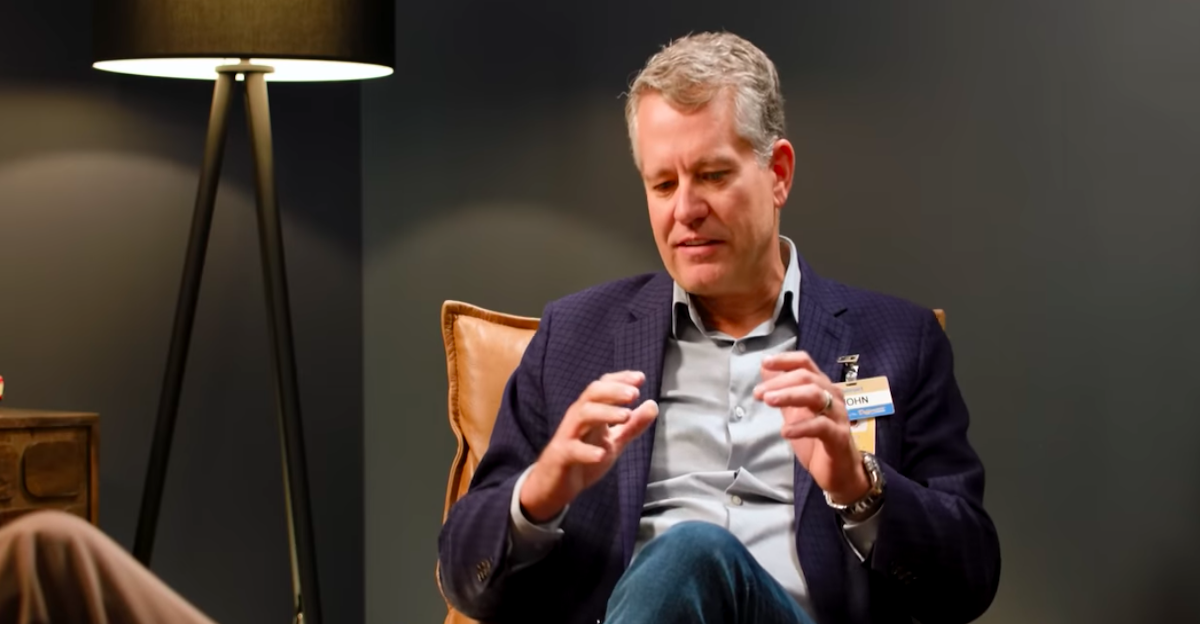
Furner, a Walmart veteran and current U.S. chief, will take the helm on February 1, 2026. Starting as an hourly associate in 1993, he’s climbed through key leadership roles.
This insider succession promises continuity, with McMillon advising Furner through fiscal 2027 and Walmart’s board prioritizing stability as the retail world reels from unprecedented executive churn.
The 79% Turnover Surge

According to Challenger, Gray & Christmas, retail CEO turnover shot up 79% in 2025 compared to last year.
With 43 chief executives exiting from January to September alone—versus just 24 in 2024—the scale is historic. Only retail, among major sectors, faces a crisis so acute, highlighting pressures that defy traditional leadership solutions.
Big-Name Departures

It’s not just Walmart. In 2025, CEOs from Kroger, Kohl’s, The Container Store, Albertsons, and Target all exited or announced retirement.
This talent flight cuts across every retail category—grocery, apparel, home goods—showing deep systemic problems that run far deeper than any one brand’s performance.
Profit Squeeze—Tariffs Take Toll
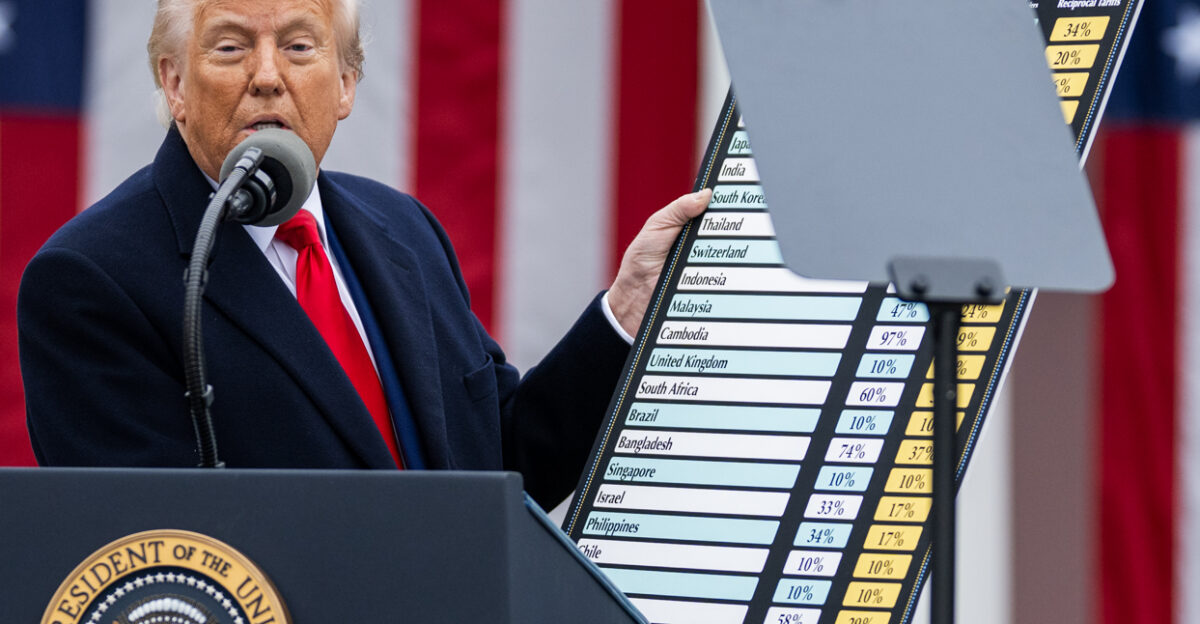
Tariffs and trade fights have slashed retail profit margins, making survival precarious. CEOs face hard choices: raise prices and risk losing customers, or absorb costs and anger shareholders.
McMillon was an outspoken opponent of high tariffs, warning they punish everyday shoppers and create impossible decisions for executives in charge.
Surging Labor Costs

Pandemic-era shortages and worker activism have pushed retail wages ever higher. Labor now eats a greater share of retail budgets, with CEOs unable to cut staff costs without hurting service.
The pressure to balance payroll against profits is relentless, as wage hikes show no sign of slowing in a tight U.S. job market.
Unpredictable Shoppers

Retailers are struggling to decode today’s consumer. Post-pandemic trends, inflation worries, and generational shifts have made purchasing habits unpredictable.
Customers shop more carefully, split loyalty between digital and physical stores, and force retailers to constantly adapt—making long-term planning a high-wire act for CEOs.
Stalling Sales

Despite bustling stores and growing digital orders, c growth has slowed for many big chains. Tariffs, higher wages, and frugal shoppers combine to limit profits.
Boardrooms expecting consistent expansion pressure CEOs, but the realities of today’s margins are shifting faster than most can react.
Walmart’s Digital Revolution
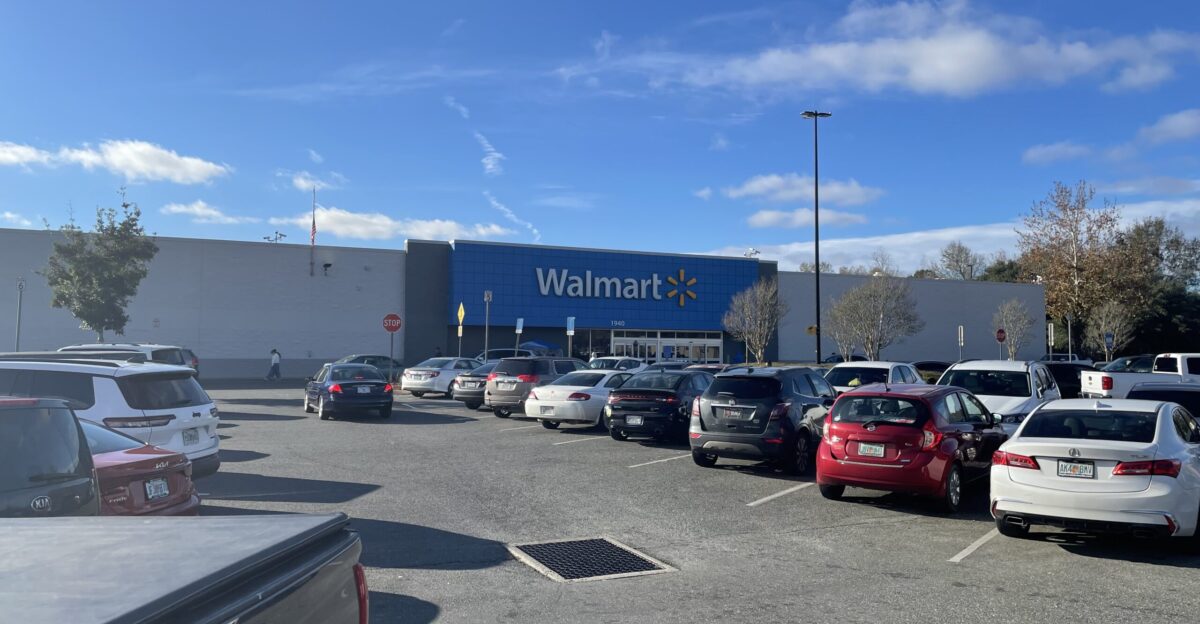
McMillon’s biggest win: making Walmart a true Amazon competitor. Investment in e-commerce paid off, with services like Walmart+ luring millions.
The transformation attracted a wealthier shopper base, challenged market stereotypes, and proved even the world’s largest retailer could reinvent itself in the digital age.
Jet.com—A Cautionary Tale

Not every gamble worked. Walmart’s $3 billion acquisition of Jet.com in 2016 failed to capture sufficient market share and was shut down in June 2020.
McMillon’s appetite for risk provided valuable lessons on the limits of acquisition in a fiercely competitive and fast-moving retail landscape.
Tackling Social Issues

McMillon didn’t shy away from controversy, ceasing ammunition sales after the 2019 El Paso shooting that killed 22 and opposing tariffs in Washington.
His activist leadership sometimes drew political heat but set an example of corporate responsibility, making Walmart’s voice influential far beyond its checkout aisles.
Boardroom Confidence

Walmart’s board is betting on continuity, emphasizing McMillon’s achievements and backing Furner’s internal promotion.
The message: the company’s transformation investments—especially in people, logistics, and technology—are working, and steady leadership is the best path through industry turbulence.
Exiting on a High Note
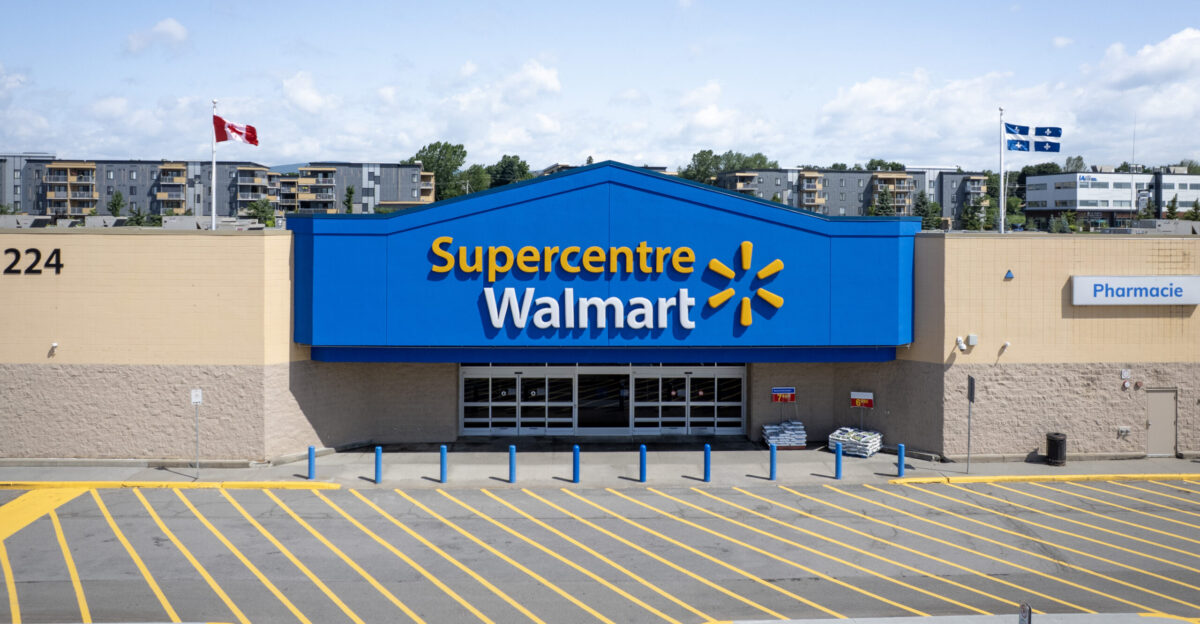
Unlike some peers, McMillon departs amid Walmart’s relative strength. The company’s diverse customer base, competitive grocery business, and digital integration mean he leaves a resilient enterprise—and a playbook for riding out whatever comes next.
Retail’s Perfect Storm
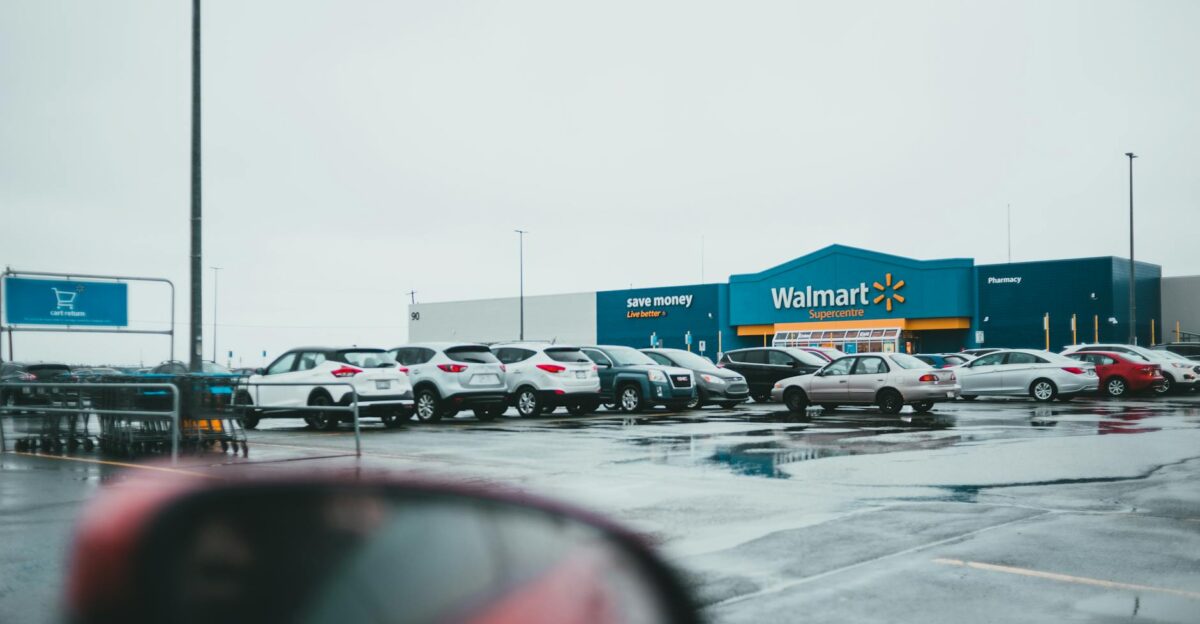
Experts say the retail exodus is no accident—it’s the culmination of years of squeezed profits, disruptive technology, and unprecedented volatility. Tariffs, labor costs, supply chain snarls, and nervous shoppers converge, driving even high-performing CEOs to reconsider their futures and, in many cases, bow out early.
Why This Exodus Is Different

While retail has seen leadership shake-ups before, the current wave—rooted in factors no single executive can fix—marks a structural shift. Tariffs, wages, and consumer changes are industry-wide realities. This time, the crisis is bigger than any one company or leader can handle.
The Challenge Awaits Furner
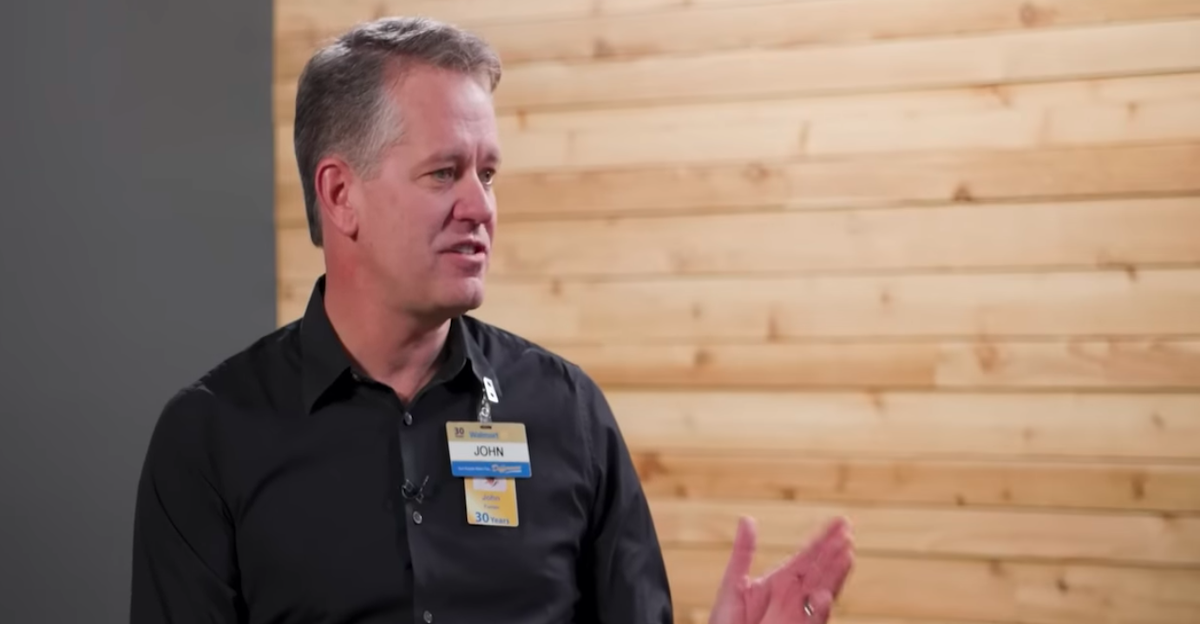
John Furner inherits not just McMillon’s seat, but a perfect storm of elevated costs, hard-to-predict customers, and fierce digital rivals. The board’s faith in his ascent is a statement: Walmart plans to weather the storm by sticking to the strategy it knows, not gambling on outside stars.
Wall Street Watches Closely

Investors will scrutinize the transition. Historically, internal promotions at successful companies yield confidence, but jittery markets—spooked by sky-high turnover industry-wide—may hedge their bets until Furner proves Walmart’s resilience in turbulent times.
What’s Next for Retail?

Leadership’s mass departure will accelerate change. Will more chains double down on digital, or will new leaders dream up entirely new models? As experience walks out the door, the sector faces a crossroads—transformation or slow decline—depending on who rises to the challenge next.
The Big Question

Can retail ever be an attractive landing pad for top talent again? Unless tariffs ease, labor costs stabilize, and shoppers return to predictable patterns, the CEO role may seem less prize and more problem. Walmart’s next chapter, and Furner’s resolve, will help decide the future—for both the company and the wider American retail landscape.