
A leaked 62-page document has thrust NASA into the center of a sweeping debate over its future. The plan, known as “Project Athena,” outlines billionaire Jared Isaacman’s vision for a dramatically restructured space agency—one that would pivot toward nuclear propulsion, overhaul its workforce, and shift the focus of American space exploration. As Congress weighs deep budget cuts and the agency faces an exodus of experienced staff, the stakes for U.S. leadership in space have rarely been higher.
Isaacman’s Unconventional Path
Jared Isaacman, a 41-year-old entrepreneur and private astronaut, was first nominated as NASA administrator in December 2024. His selection broke with tradition: unlike his predecessors, Isaacman is neither a scientist nor an academic, but the founder of Shift4 Payments and a veteran of private spaceflight. After his nomination was briefly withdrawn in May 2025 due to scrutiny over past political donations, Isaacman was renominated that November. His confirmation remains pending in the Senate, where lawmakers are divided over his outsider status and the sweeping changes he proposes.
The leak of Project Athena, authenticated by major news outlets, has only intensified the controversy. Isaacman has acknowledged the document’s authenticity but notes that some details are now outdated. The plan, originally over 100 pages and later condensed to 62, was distributed to only a handful of top officials before it surfaced in the media.
Workforce Upheaval and Budget Pressures

NASA’s workforce is undergoing its most significant transformation in decades. Nearly 4,000 employees—over 20% of the agency—accepted buyouts offered under the Trump administration’s deferred resignation program in mid-2025. By January 2026, NASA’s staff had shrunk from about 18,000 to 14,000, with further reductions expected through normal attrition. Many of those departing held mission-critical roles, leaving remaining staff uncertain about the future of their programs and the agency’s direction.
These changes come as NASA faces a proposed 24% budget cut for fiscal year 2026, reducing its funding from $24.8 billion to $18.8 billion. The Science Mission Directorate, which oversees much of NASA’s research portfolio, would see its budget nearly halved. Lawmakers from both parties have questioned the severity of these cuts, and negotiations over the final budget are ongoing. Scientific organizations warn that such reductions could undermine America’s leadership in space science and exploration.
A New Vision: Nuclear Propulsion and Mars
At the heart of Project Athena is a bold technological pivot. The plan calls for NASA to invest heavily in nuclear electric propulsion—a technology that uses compact nuclear reactors to generate electricity for spacecraft engines. This approach, Isaacman argues, would give the U.S. a critical edge in deep-space missions, especially as China and Russia ramp up their own nuclear space programs.
To support this shift, Project Athena proposes repurposing NASA’s Marshall and Stennis centers in Alabama and Mississippi as hubs for nuclear propulsion development, potentially winding down the Space Launch System (SLS) rocket program after its current commitments. Congressional representatives from affected states have demanded clarity on the future of these facilities, wary of losing key missions and jobs.
The plan also introduces the “Olympus” Mars initiative, which would align NASA’s efforts with SpaceX’s ambitions to send crewed missions to Mars in the 2030s. This marks a significant departure from the agency’s current focus on lunar exploration, though Project Athena acknowledges that establishing a sustainable presence on the Moon remains a near-term priority. The Artemis III mission, targeting a crewed lunar landing in the late 2020s, is central to this strategy, but delays in SpaceX’s Starship lander have already pushed timelines back.
Restructuring Science and Management
Project Athena proposes a fundamental shift in how NASA conducts science. Rather than developing bespoke satellites and missions, the agency would increasingly purchase data from commercial providers—a “science-as-service” model. Critics warn this could erode NASA’s capabilities in Earth observation and climate science, while supporters argue it could make the agency more agile and cost-effective.
The plan also embraces an “accelerate, fix, delete” management philosophy: fast-tracking promising programs, overhauling struggling ones, and canceling those deemed underperforming. This approach aims to cut bureaucracy and empower engineers, but has fueled anxiety among staff already reeling from layoffs and program uncertainty.
Safety and Risk in a New Era
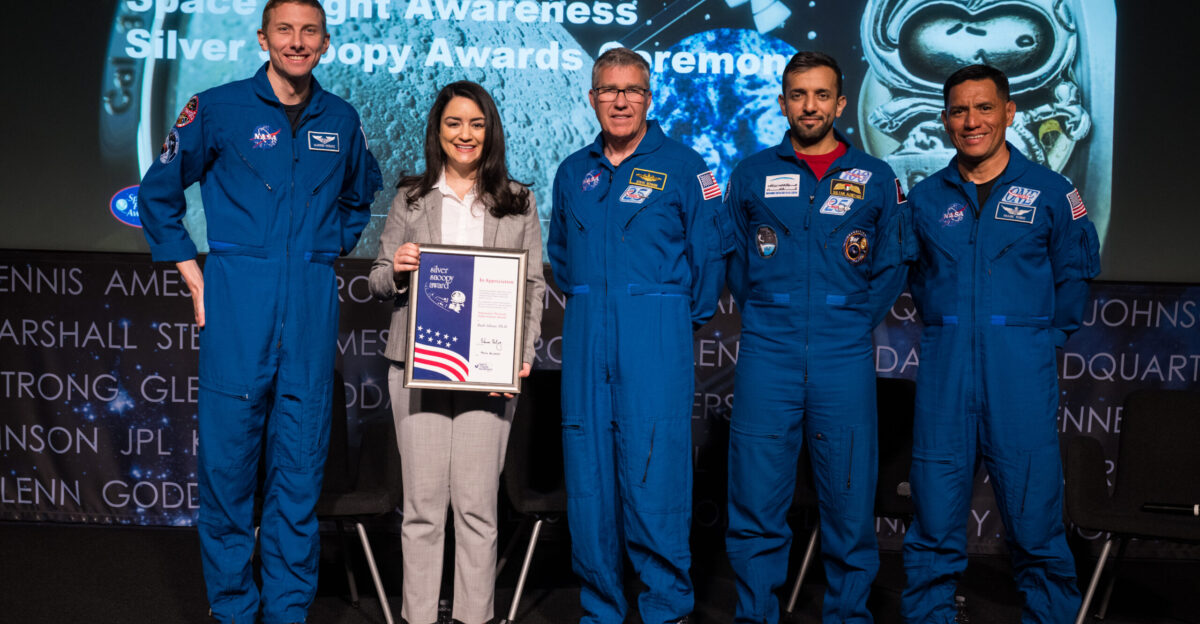
One of the most debated aspects of Project Athena is its call to reassess NASA’s risk tolerance. The document suggests streamlining safety protocols to foster innovation, drawing comparisons to SpaceX’s approach. Some former astronauts have voiced cautious support for rethinking risk, but warn against weakening oversight that protects astronaut safety. The agency’s safety culture, long considered a model for government, faces a potential transformation.
Looking Ahead: Uncertainty and Opportunity

As Isaacman awaits Senate confirmation and Congress negotiates NASA’s budget, the agency stands at a crossroads. Project Athena is described as a “living document,” open to revision based on feedback from lawmakers and stakeholders. The coming months will determine whether NASA embraces Isaacman’s vision of rapid innovation and commercial partnership, or whether concerns over workforce stability, scientific integrity, and national priorities lead to a more cautious path. The outcome will shape not only the future of American space exploration, but the nation’s role in the next era of competition beyond Earth.