NASA is about to accomplish something remarkable—it will send humans deeper into space than anyone has gone in over half a century. In February 2026, the space agency will launch Artemis II, a mission that will carry four astronauts on an incredible journey.
This crew will travel farther from Earth than the Apollo 13 astronauts did in 1970, breaking a record that has stood for more than 50 years. The last time humans explored the Moon was in 1972 during Apollo 17, making this upcoming mission the first crewed deep space flight in 53 years.
This achievement marks a turning point for human space exploration and sets the stage for a new era where nations race to establish a presence on the lunar surface once again.
Breaking 50 Years of Silence

The mission happens at a critical moment in history, as countries around the world compete to lead in space exploration. China has announced plans to land its own astronauts on the Moon by 2030, spurring NASA to accelerate its timeline.
Acting Administrator Sean Duffy openly describes this effort as a “race against China,” and the U.S. Senate Commerce Committee has emphasized that lunar exploration is crucial for national security and technological leadership.
NASA almost lost this opportunity when President Trump’s 2025 budget proposal threatened to cut funding for key programs, including the Space Launch System rocket and the Orion spacecraft. Fortunately, Congress stepped in with bipartisan support from lawmakers in aerospace manufacturing states, securing the necessary funding for the Lunar Gateway station, the SLS, and Orion.
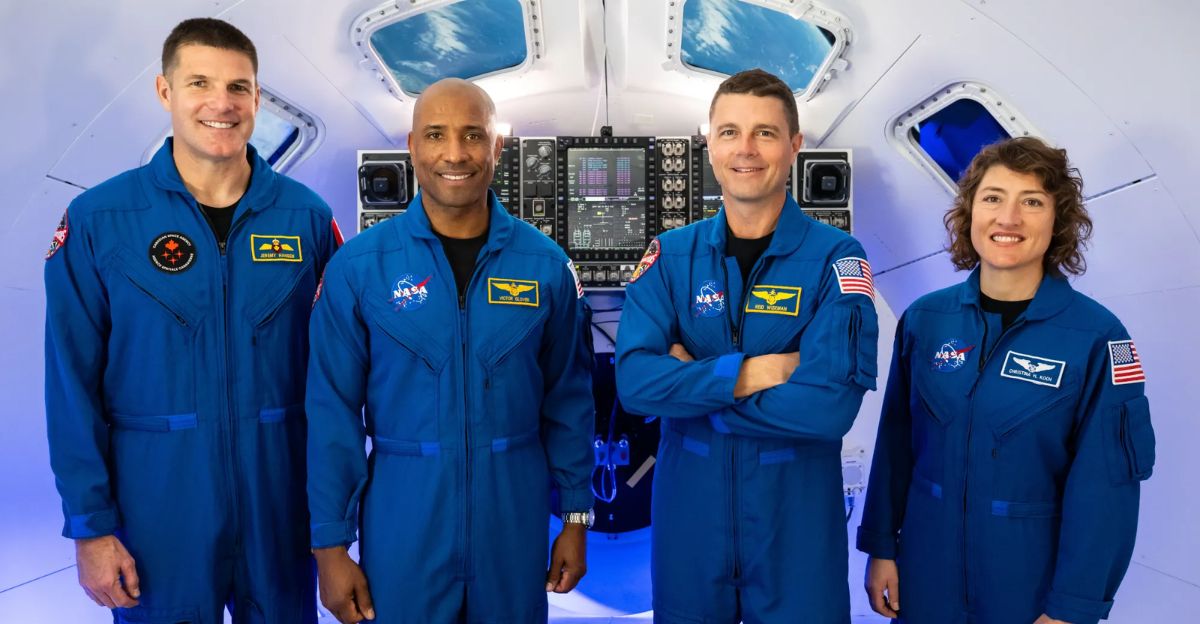
This congressional victory kept the dream alive. The Artemis II crew represents NASA’s most diverse group of astronauts ever selected for a mission to the Moon. Commander Reid Wiseman leads the team—he has logged extensive time aboard the International Space Station.
Pilot Victor Glover makes history as the first Black astronaut to complete an extended space station mission, and he will become the first person of color to travel beyond Earth’s gravity. Christina Koch, who holds the record for the longest spaceflight by a woman at 328 days, brings critical expertise from her previous missions, including participation in the first all-female spacewalk.
Canadian astronaut Jeremy Hansen rounds out the crew, set to become the first non-American to reach the Moon. This historic team symbolizes how space exploration now brings nations together rather than divides them.
Turning Problems Into Solutions
NASA engineers faced a serious challenge when they discovered heat shield damage on the Artemis I capsule after it returned from space in 2022. The problem occurred due to intense gas pressure during a special type of reentry maneuver called a skip-entry.
Rather than rebuild the entire heat shield, NASA’s engineers devised a clever solution—they redesigned the reentry trajectory to mitigate the extreme pressures that had caused the damage in the first place. Independent engineering reviews confirmed this approach maintains safety while keeping the mission on schedule.
This problem-solving approach demonstrates how NASA tackles obstacles without derailing ambitious timelines. Artemis II serves as a critical test mission that will pave the way for Artemis III, which aims to land astronauts on the Moon by mid-2027.
SpaceX is building the Starship Human Landing System and plans to demonstrate in-orbit refueling and conduct unmanned landing tests between 2026 and 2027.
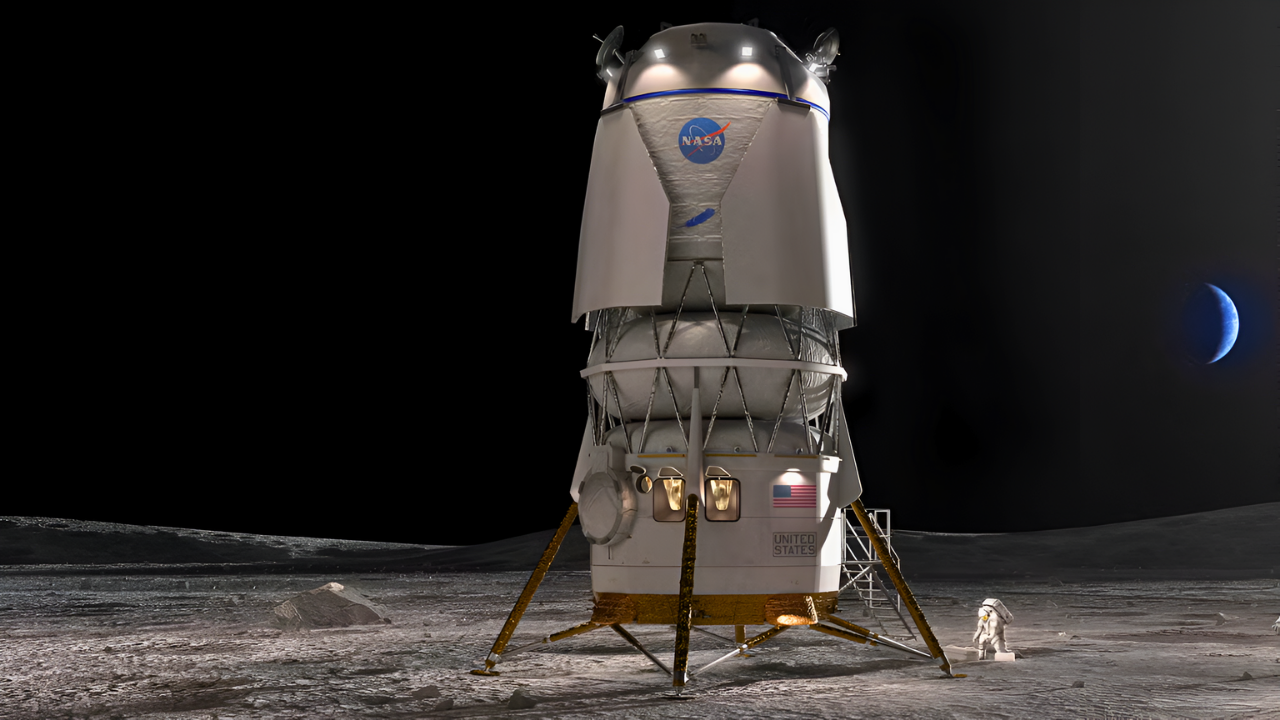
NASA is collaborating with multiple commercial partners, including Blue Origin, to develop backup landing options that provide flexibility in the event of technical problems or changing geopolitical circumstances.
The stakes are incredibly high—success would confirm that decades of engineering progress have paid off and show that America remains the world leader in space exploration. Failure could result in loss of life and set back humanity’s lunar ambitions for years to come.
As nations and people everywhere watch this mission unfold, Artemis II embodies humanity’s greatest qualities: our creativity, our drive to collaborate across borders, and our boundless desire to explore the unknown frontier above our heads.