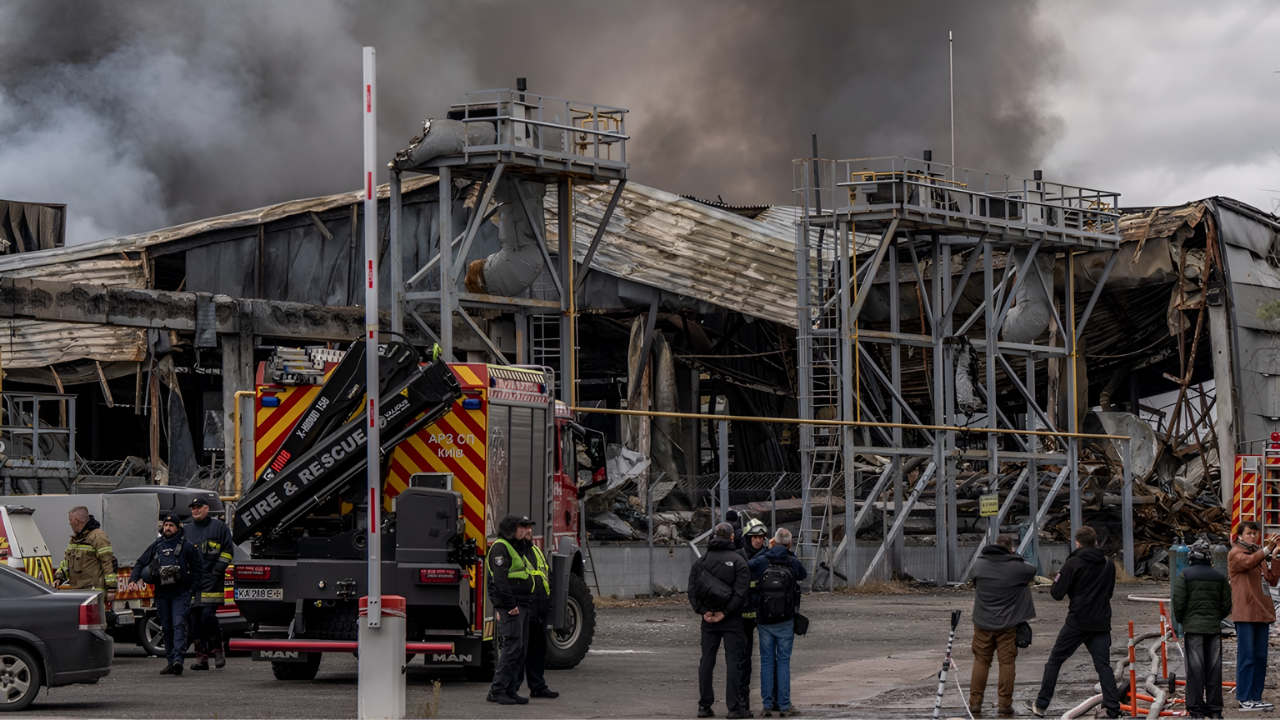
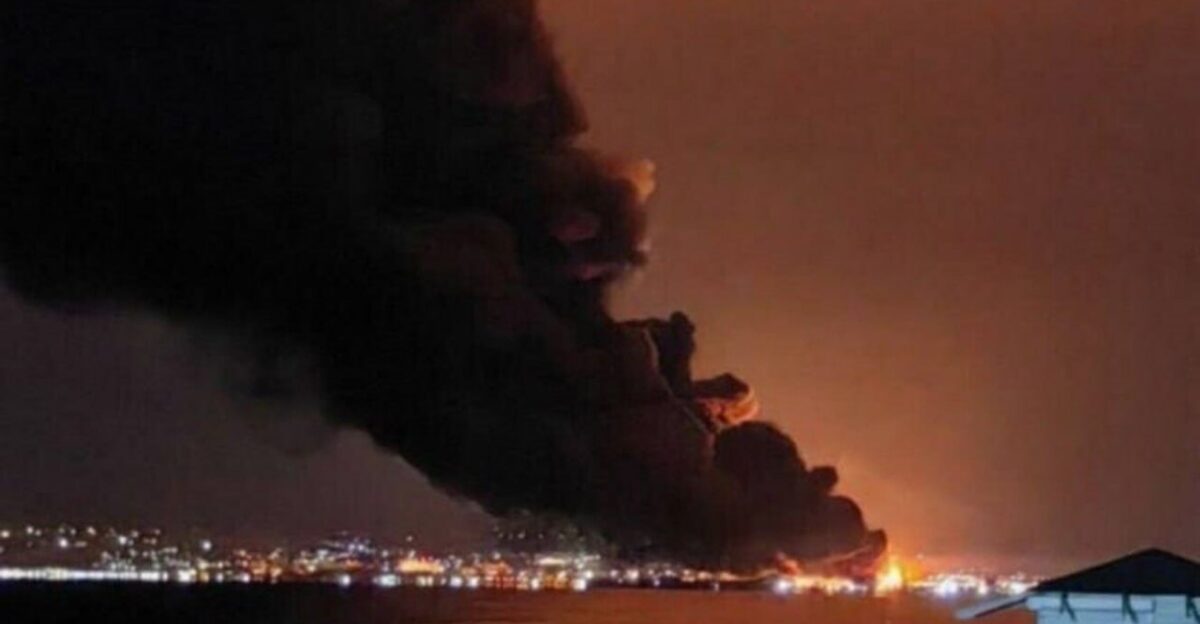
On October 6, 2025, a series of explosions shattered the calm in Feodosia, Crimea, as Ukrainian drones struck the peninsula’s largest oil terminal. The attack ignited massive fires and sent thick plumes of smoke across the city, marking a dramatic escalation in the ongoing conflict. The destruction of this key fuel depot—vital for both military and civilian supply—signaled a new phase in Ukraine’s strategy: targeting Russia’s energy infrastructure to disrupt its war effort and destabilize occupied regions.
Fuel Shortages and Civilian Strain
Even before the Feodosia strike, Crimea was grappling with severe fuel shortages. By September, half of the peninsula’s gas stations had stopped selling fuel, and prices had soared by up to 50% since January. Authorities imposed strict rationing, limiting purchases to 30 liters per transaction, but these measures failed to stem the crisis. Residents faced long lines at the few operational stations, while businesses and taxi drivers struggled to stay afloat. The shortages affected daily life, with small shops closing and public transport disrupted. The region’s vulnerability to further attacks became increasingly apparent as demand for fuel continued to outpace supply.
Ukraine’s Systematic Campaign
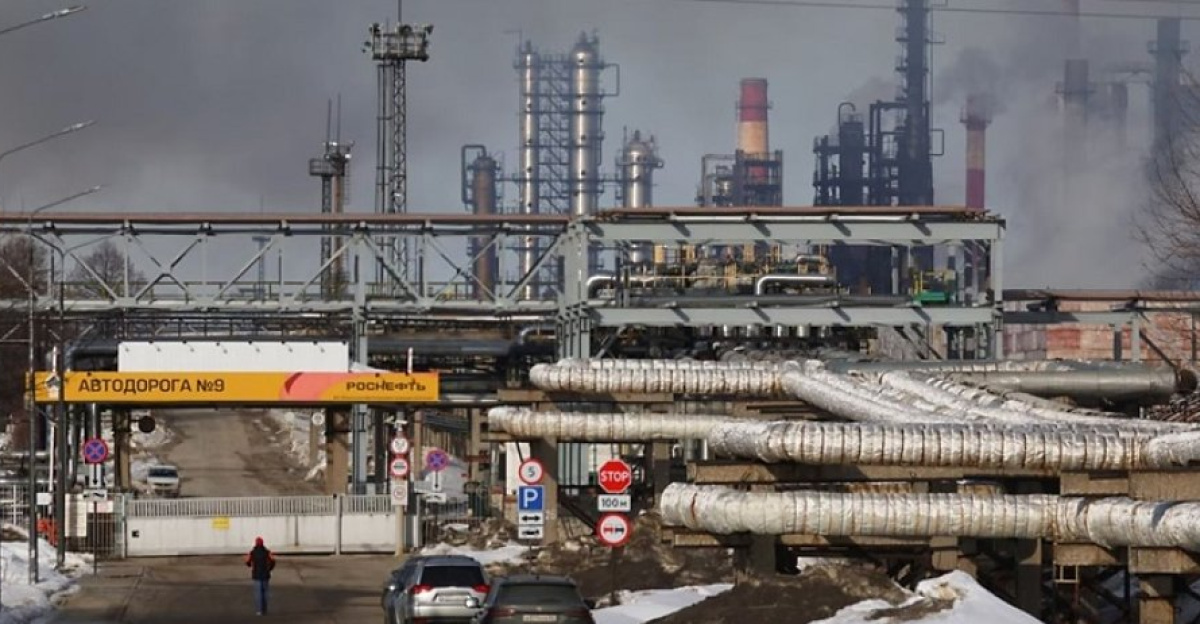
The Feodosia attack was part of a broader, calculated campaign by Ukraine to cripple Russia’s energy sector. What began as sporadic strikes in 2024 evolved into a systematic assault by 2025. Ukrainian drones, equipped with heavier payloads and improved targeting, struck 21 of Russia’s 38 largest refineries by autumn. In August alone, 14 refineries were hit, followed by eight more in September. These attacks damaged distillation units and storage tanks, reducing Russia’s refining capacity to just 38% of its maximum. The repeated strikes slowed repairs and kept facilities offline, undermining Russia’s ability to supply fuel for both military operations and civilian needs.
Feodosia: A Critical Blow
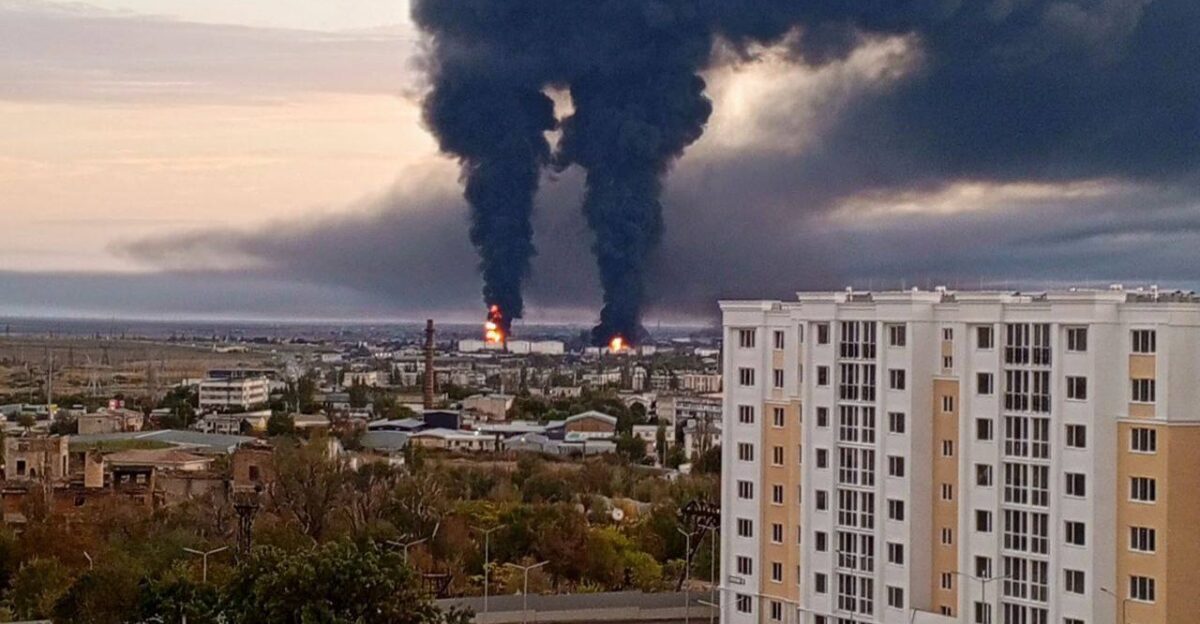
The October 6 drone strike on Feodosia’s oil terminal was devastating, damaging eleven fuel tanks and sparking fires that burned for days. The crisis deepened when, just a week later, Ukrainian drones returned, destroying sixteen more tanks and wiping out the terminal’s 250,000-ton capacity. The double-strike created a logistical nightmare for Russia, as Feodosia was irreplaceable in the region’s fuel supply chain. Over 830 residents were evacuated as toxic smoke spread for kilometers, and the destruction threatened to plunge Crimea into deeper economic hardship. The attacks exposed Russia’s energy vulnerabilities and forced the government to confront the growing crisis.
Wider Impacts and Federal Response
Ukraine’s campaign extended beyond Feodosia. Between September and October, Ukrainian forces targeted 20 critical facilities, including refineries, oil terminals, and pumping stations. By October, about 20% of Russia’s refining capacity was offline, with daily output cut by 500,000 barrels according to international estimates. Moscow responded by halting gasoline exports and relying on emergency fuel shipments from Belarus, but these measures could not compensate for the lost capacity. Repair crews worked around the clock, yet repeated strikes on key refineries—such as Ryazan, Novokuibyshevsk, and Saratov—made recovery slow and uncertain. Sanctions and ongoing attacks further hampered Russia’s ability to restore its energy infrastructure.
Mounting Pressure and Uncertain Future
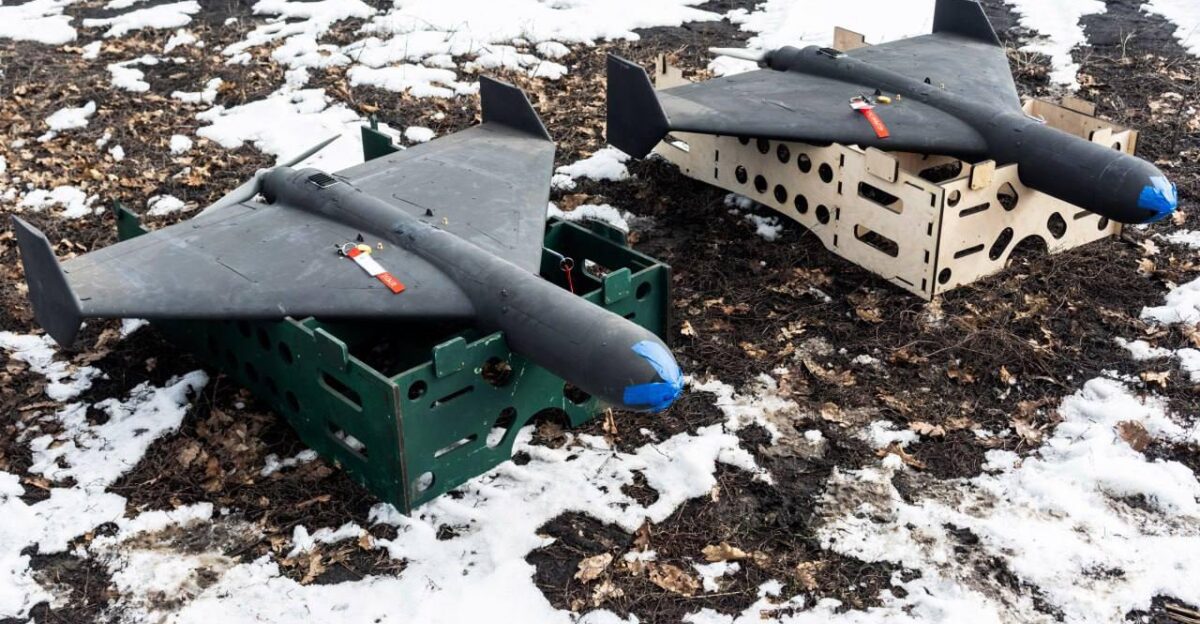
As winter approached, the stakes grew higher. Demand for heating fuel and military logistics was set to increase, but Ukrainian drone strikes showed no sign of slowing. Russian officials warned of logistical challenges, and local authorities acknowledged that shortages would persist. The crisis exposed deep fractures within Russia’s energy sector, with refinery managers and regional governors struggling to secure resources and maintain stability. Analysts noted that Ukraine’s low-cost drones were inflicting millions in damage, raising fears of a system-wide collapse. Environmental concerns mounted as fires released toxic smoke and threatened local ecosystems, but immediate priorities focused on fuel shortages and economic disruption.
The destruction of Feodosia’s oil terminal became a symbol of the broader energy war—a new front in the conflict with far-reaching implications. As Ukrainian commanders prepared for further strikes and Russian officials promised recovery, the fate of Crimea and Russia’s energy sector remained uncertain. The coming months would test whether Russia could withstand continued attacks or if the energy war would fundamentally weaken its military and economic stability.