Oregon’s technology sector is experiencing its most severe disruption in decades, as Intel—the state’s largest private employer—cuts more than 3,100 jobs in 2025 alone. This wave of layoffs, described by state analysts as “one of the biggest layoff rounds in Oregon’s history,” has sent shockwaves through local communities, affecting factory technicians, engineers, and the families and businesses that depend on them. The scale and speed of these cuts mark a pivotal moment for Oregon’s economy and the future of American semiconductor manufacturing.
A Workforce Transformed: Who Is Hit Hardest
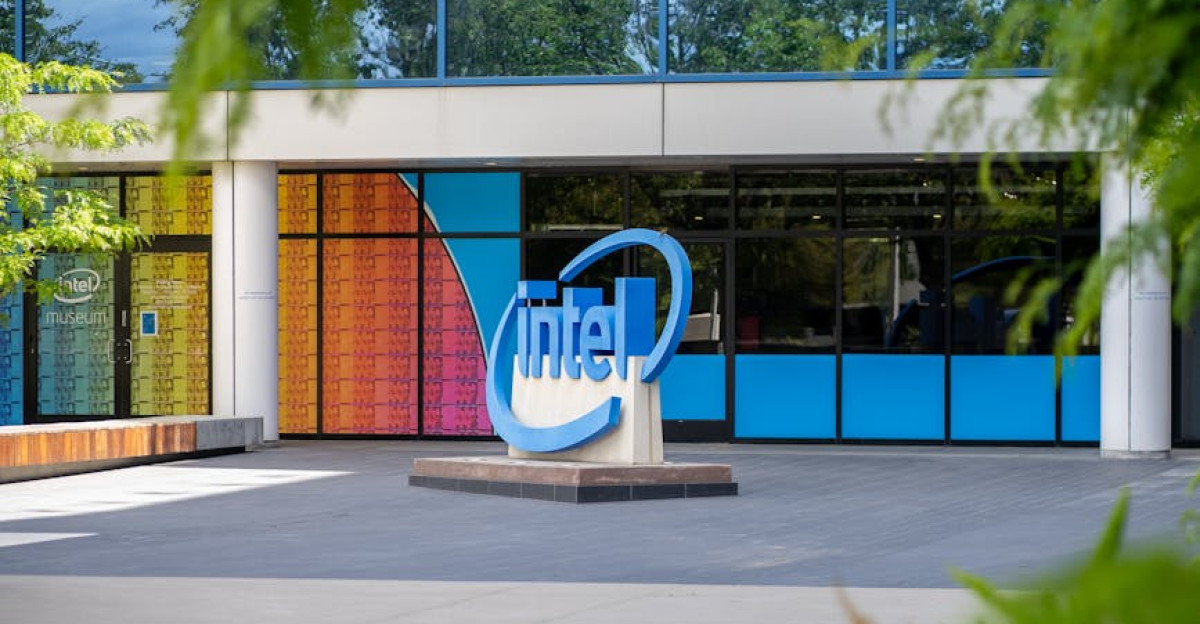
Intel’s layoffs have been concentrated at its Hillsboro and Aloha campuses, with 669 positions eliminated in November 2025, following 2,392 cuts in July. The company’s Oregon headcount has plummeted from 23,192 to approximately 18,000—a 22% reduction in just one year. Over the past two years, more than 6,000 jobs have disappeared, impacting thousands of households across the region.
The cuts have not spared high-income professionals. Engineers, scientists, developers, and specialists have been affected, along with factory technicians who form the backbone of Intel’s manufacturing operations. These layoffs represent substantial organizational restructuring rather than routine cost-saving measures.
Leadership Turmoil and Strategic Overhaul

Intel’s internal crisis deepened with the resignation of CEO Pat Gelsinger in December 2024, following board dissatisfaction with the pace of his turnaround strategy. The company entered a period of leadership instability, with David Zinsner and Michelle Johnston Holthaus serving as interim co-CEOs before Lip-Bu Tan took permanent command on March 18, 2025.
Tan quickly identified Intel’s organizational structure as requiring fundamental change. In communications to employees and customers, Tan stated that Intel is perceived as “too slow, too complex and too set in our ways.” His restructuring plan is ambitious: approximately 15,000 global layoffs in 2025, with over 3,000 in Oregon. Tan aims to streamline operations by flattening management layers, reducing decision-making complexity, and refocusing on core engineering strengths. However, the aggressive cuts risk undermining Intel’s manufacturing and research capabilities, raising questions about the company’s ability to innovate and recover.
Ripple Effects on Families and Local Businesses
The human impact of Intel’s downsizing extends far beyond the immediate workforce. With layoffs exceeding 6,000 over two years, the consequences are profound: families struggle with financial instability, and many face challenges maintaining housing and access to services. Local communities throughout Oregon are experiencing significant economic disruption.
Local suppliers are also feeling the strain. Intel works with more than 500 Oregon-based companies, spending approximately $2.8 billion locally in 2022. Reduced orders and contract losses jeopardize the survival of businesses ranging from construction firms to logistics providers. The economic shockwaves are reverberating through hundreds of small businesses that form Intel’s ecosystem.
Manufacturing Shortfalls and Global Consequences
Intel’s manufacturing challenges have global implications. The company is behind competitors TSMC and Samsung in advanced process technology, losing market share in both PCs and data centers. The constraints have affected availability of key products and limiting Intel’s competitive positioning against rivals like Nvidia.
Production shortages create supply chain pressures, affecting manufacturers and buyers globally who seek alternatives. Each reduction in research and development accelerates competitive disadvantages, deepening the company’s structural challenges.
Oregon’s Economic Stakes and the Road Ahead
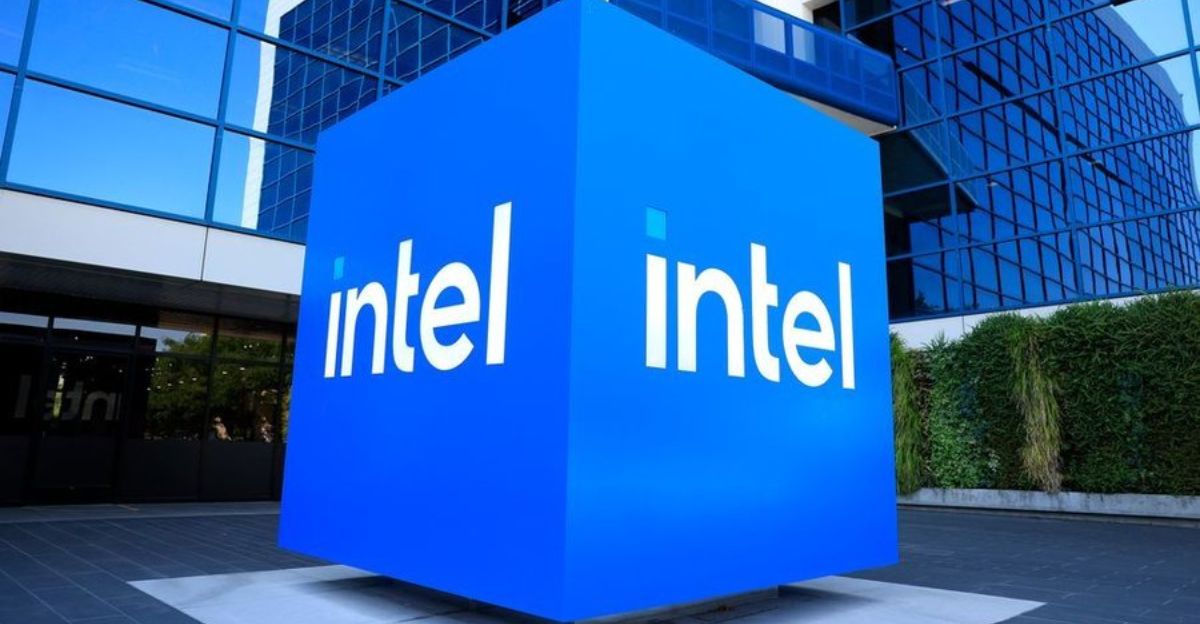
Washington County, home to Intel’s largest facilities, is at the epicenter of the crisis. Hillsboro is a significant hub for the state’s semiconductor workforce, making the city’s fortunes closely tied to Intel’s survival. The company’s shift in investment toward its Ohio One project signals a potential long-term pivot away from Oregon, raising concerns about the region’s future as a semiconductor hub.
The economic fallout is substantial: Oregon faces significant payroll reduction, with school funding, property values, and housing demand under pressure. Local suppliers, small businesses, and service industries are bracing for cascading losses and a prolonged recovery.
Intel’s decline also carries national security implications. The company’s shrinking footprint affects U.S. leadership in semiconductor manufacturing, even as federal support through the CHIPS Act provides substantial backing. The stakes are high: how Intel navigates this crisis will shape not only Oregon’s economy but also the future of American technology and global competitiveness.