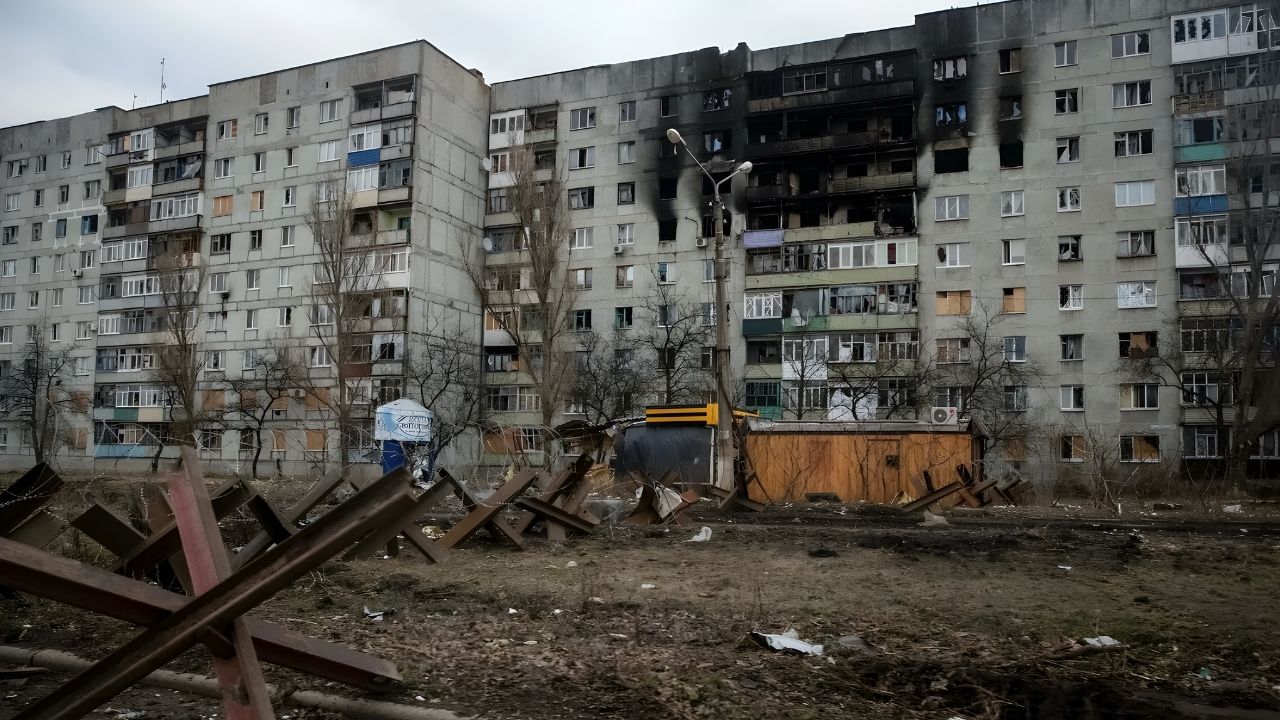
Russia’s grinding assault on Pokrovsk has entered a savage new phase. Ukrainian defenders face their most intense week of fighting as Russian forces launch approximately 200 assaults across multiple directions. The logistics hub teeters on the edge of catastrophe.
Pokrovsk has endured nearly two years of relentless combat, but this week marks a qualitatively different threshold. Street-to-street urban warfare now defines daily life. The human cost, already staggering, continues climbing as Russian and Ukrainian forces clash with no quarter given.
Putin’s Mid-November Ultimatum
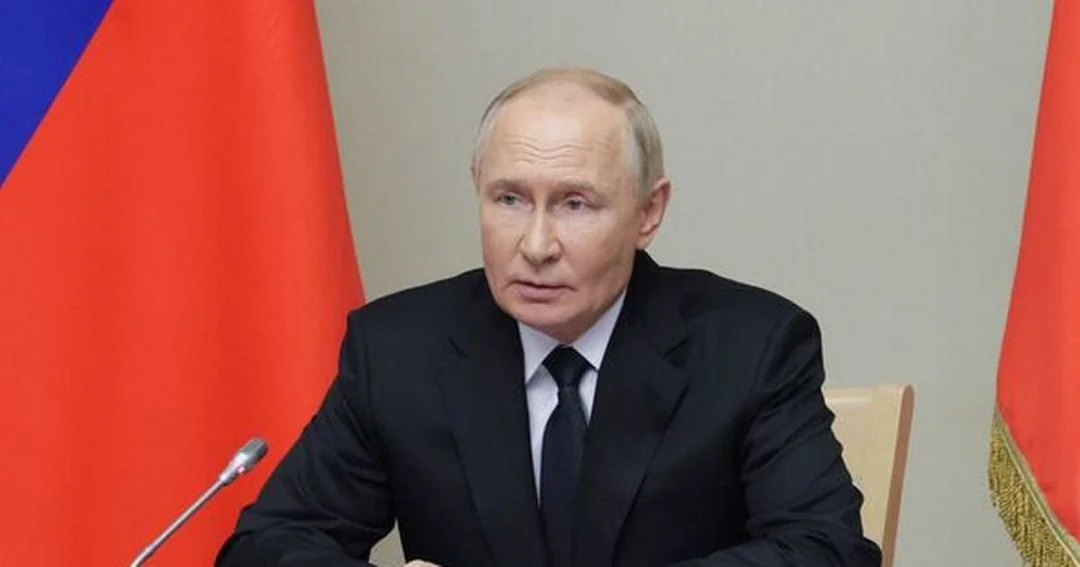
President Vladimir Putin set a mid-November deadline for Russian forces to capture Pokrovsk, a political marker transforming military operations into matters of Kremlin prestige. Days away from this deadline, Russian commanders are throwing manpower at Ukrainian positions with intensity defying military logic. The deadline creates artificial urgency—a ticking clock driving commanders to accept catastrophic casualty rates.
Military analysts note this political pressure often leads to wasteful tactics and senseless loss of life. Ukrainian commanders understand that if they hold out long enough, Russian desperation may lead to tactical errors. The psychological warfare cuts both ways in this grim competition.
A Casualty Crisis Unlike Any Other
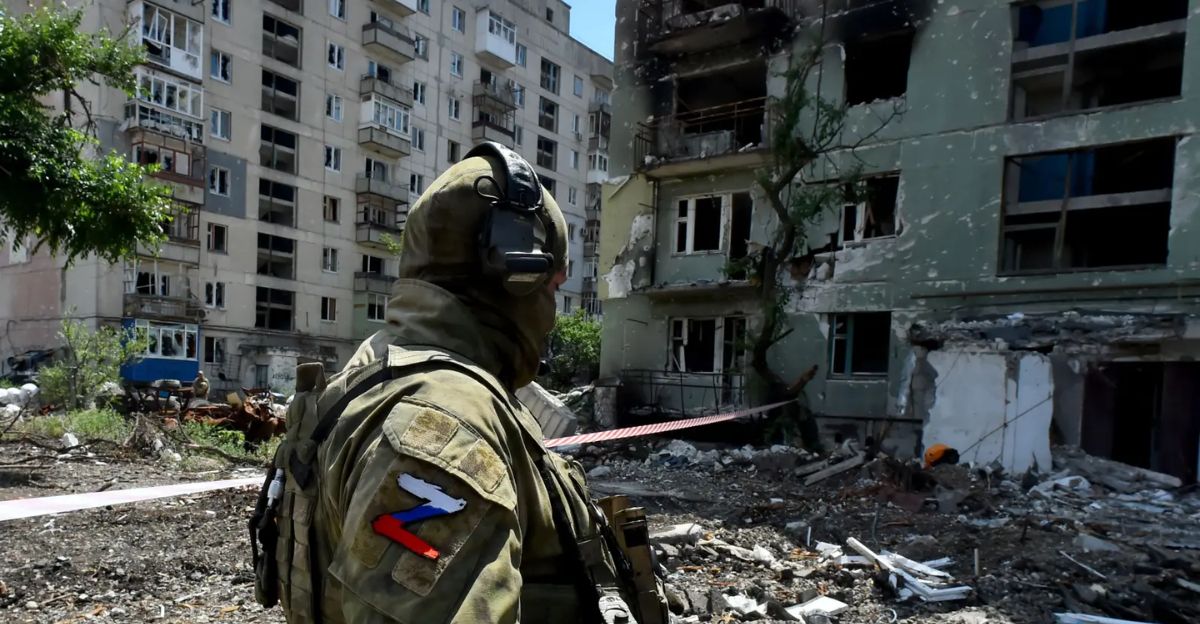
Russia has suffered approximately 1.2 million casualties—killed and wounded—since the invasion began. The 2024 toll alone reached around 420,000 men, the highest annual loss since fighting started. That translates to roughly 1,150 Russian casualties per day throughout 2024. For 2025, projections suggest Russia is heading toward nearly 400,000 more casualties, averaging approximately 1,095 per day.
These numbers rival the bloodiest battlefields of World War I, yet the offensive grinds on. According to the Institute for the Study of War, Russian military command demonstrates a remarkable ability to sustain very high levels of attrition.
The Cost of Pokrovsk Alone
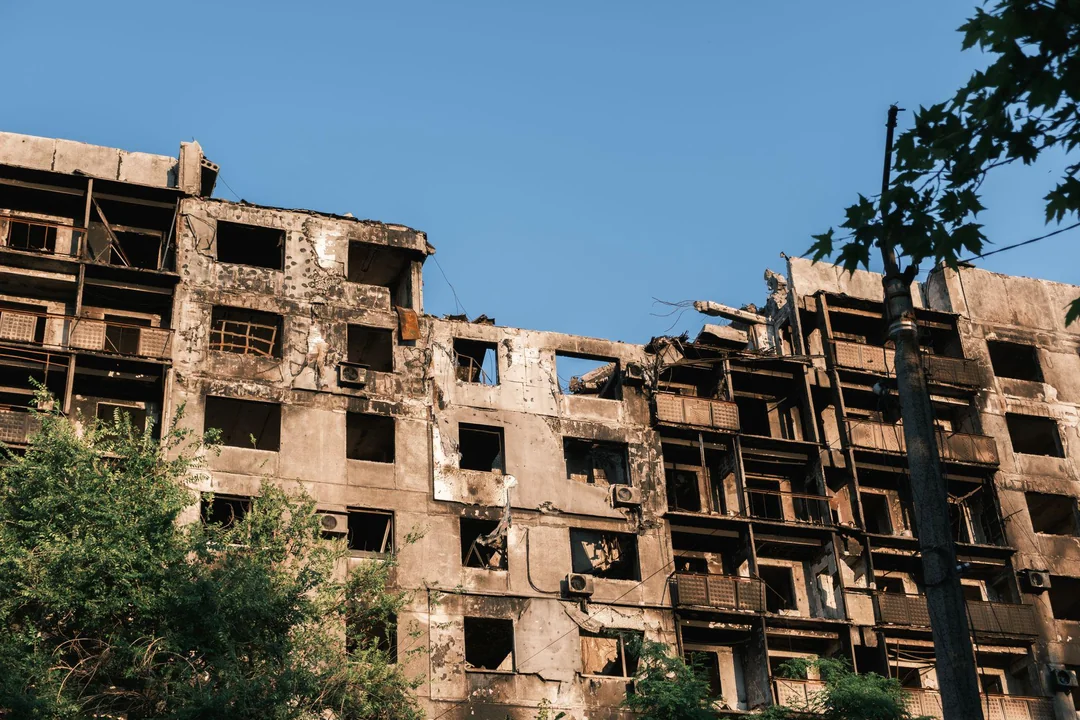
The assault on Pokrovsk specifically has cost Russian forces tens of thousands of casualties. Conservative estimates place losses at 20,000 to 50,000 men for this single operation. That means Russian commanders have sacrificed more soldiers taking one Ukrainian town than the United States lost during the entire Vietnam War—and they’re still advancing.
The grinding urban combat extracts a relentless price. Ukrainian forces, described as having “become masters of defensive warfare,” inflict maximum damage on every Russian assault.
Seven Fronts Burning
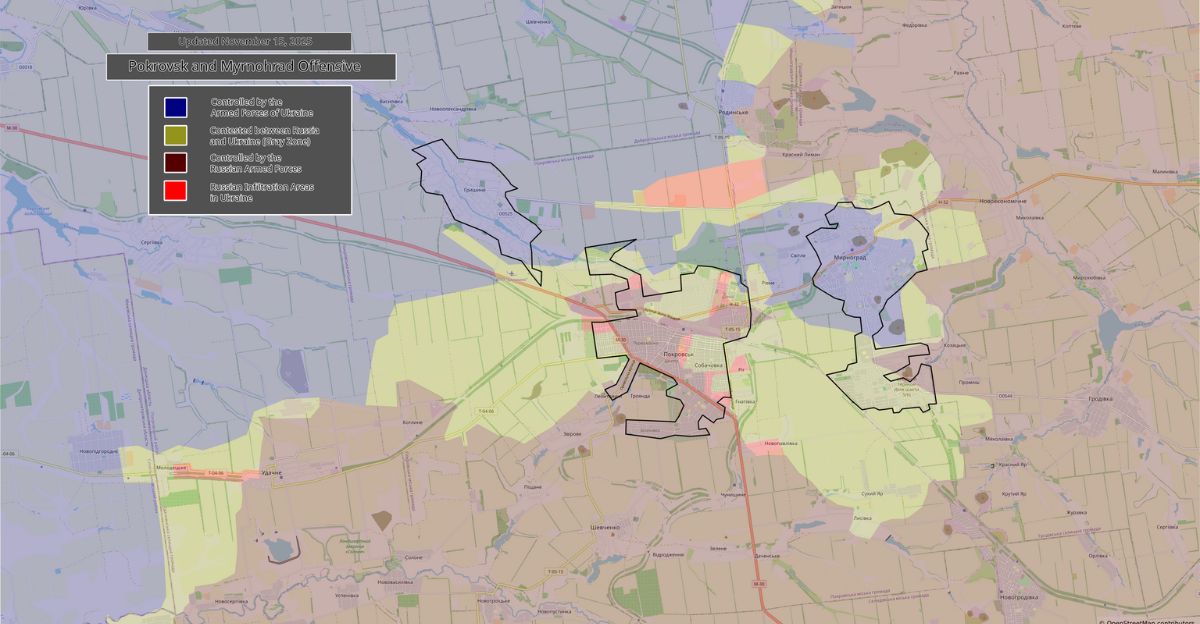
Russia is prosecuting simultaneous offensive operations across seven different directions: northeastern, eastern, and southern Ukraine, all of which see intense fighting. This multi-front strategy spreads Ukrainian resources thin while demonstrating Russian military capacity for complex operations. The Donbas region, where Pokrovsk sits, remains the primary battleground.
The 7-front offensive exemplifies Russian strategy: overwhelming through simultaneous pressure rather than concentrated breakthrough.
The Pocket and the Trap
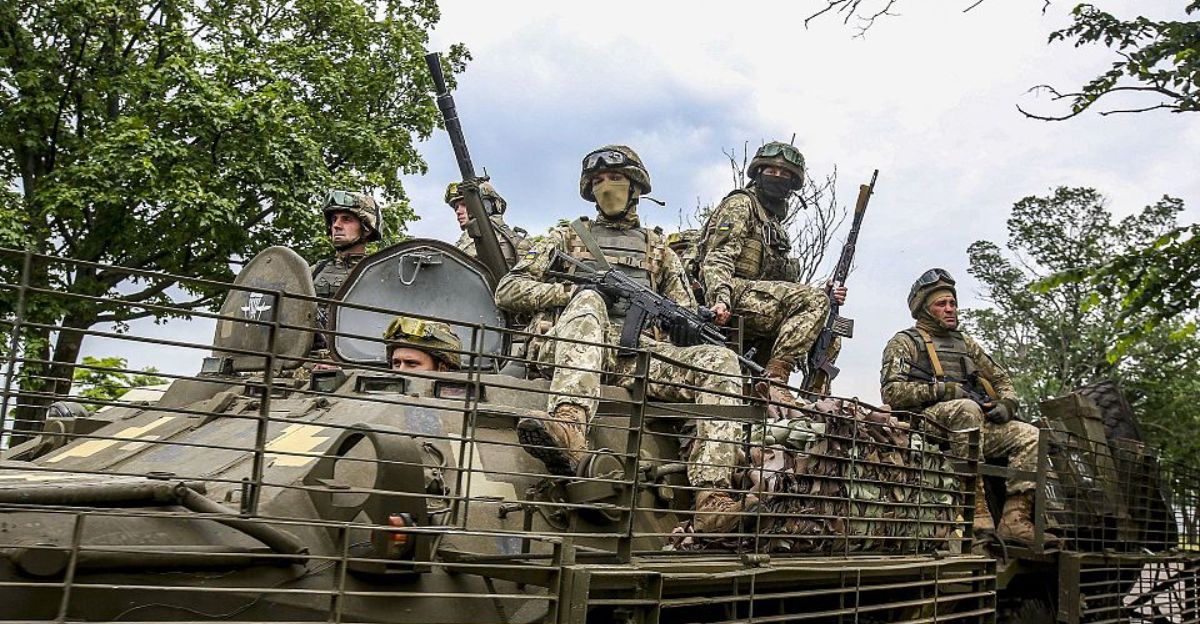
Russian forces are actively attempting to close a pocket around the Ukrainian garrison defending Pokrovsk. Encirclement tactics force defenders to choose between fighting to the last man or executing a fighting withdrawal before escape routes seal shut. Ukrainian military command faces real-time calculations about when to hold and when to retreat. Hold too long, and the garrison becomes trapped; withdraw too early, and Pokrovsk collapses without achieving maximum Ukrainian resistance.
Street-to-street urban combat in a pocket creates nightmare conditions. Russian forces sense vulnerability and are accelerating their assault tempo.
Pokrovsk’s Strategic Value
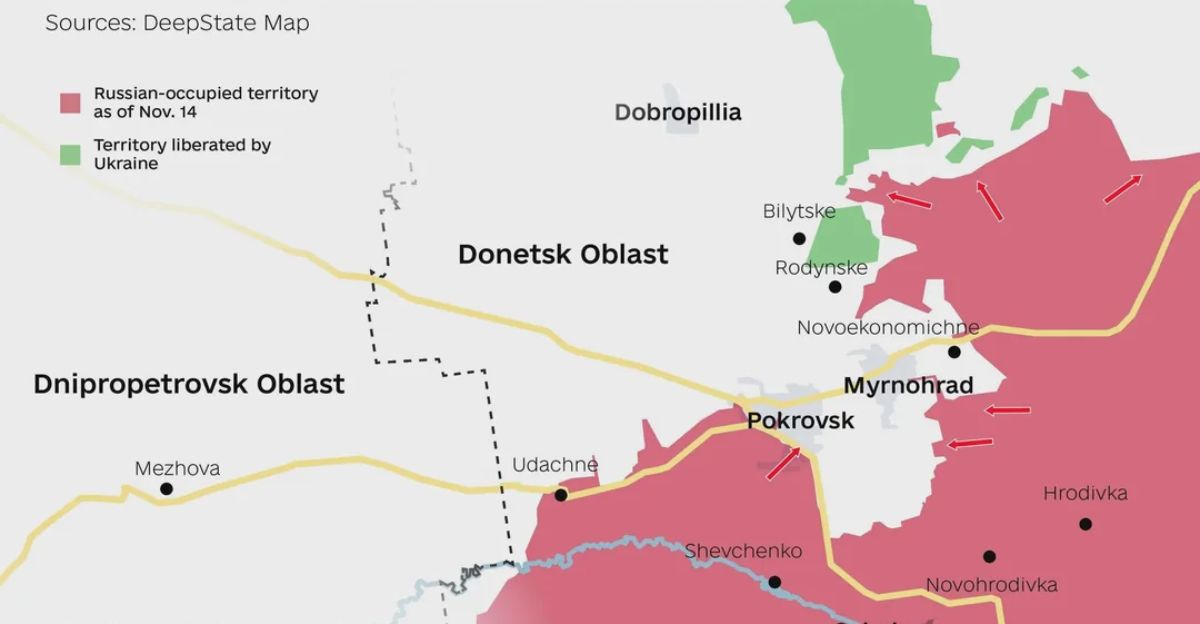
Why does a single logistics hub warrant nearly two years of fighting and tens of thousands of casualties? Pokrovsk supports both offensive and defensive operations across the Donbas fortress belt, a critical supply and coordination center for Ukrainian military operations. Losing Pokrovsk would fracture Ukrainian logistics across the entire eastern front. Russian capture would enable deeper penetration into Ukrainian-held territory.
Ukrainian commanders understand that Pokrovsk is not just a town, but a keystone that holds the entire eastern defensive structure intact.
Masters of Defense Meet the Meat Grinder
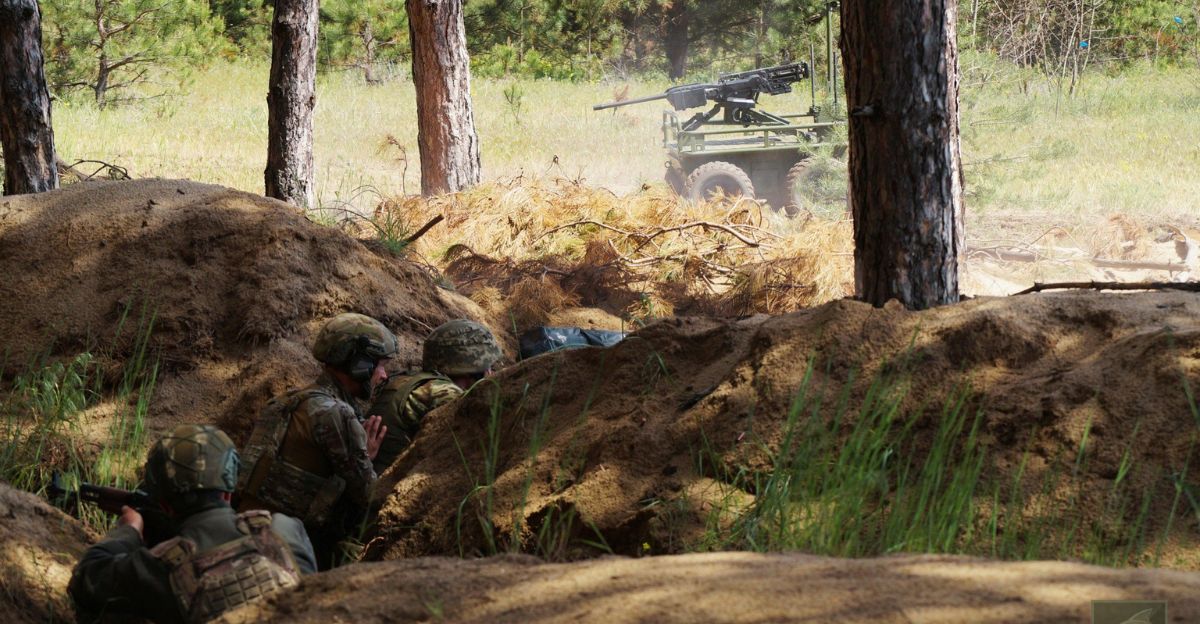
Ukrainian forces have earned a reputation as masters of defensive warfare. They’ve transformed urban terrain into complex defensive systems, forcing Russian soldiers into predetermined kill zones. Ukrainian defenders make Russia bleed for every street corner and every building. Yet defensive mastery cannot permanently hold against an enemy willing to accept unlimited casualties.
The mathematics are brutal: if Russia has 1,200 soldiers to throw at a position daily and Ukraine has 200, attrition becomes a death sentence for the defense.
Study of War Assessment
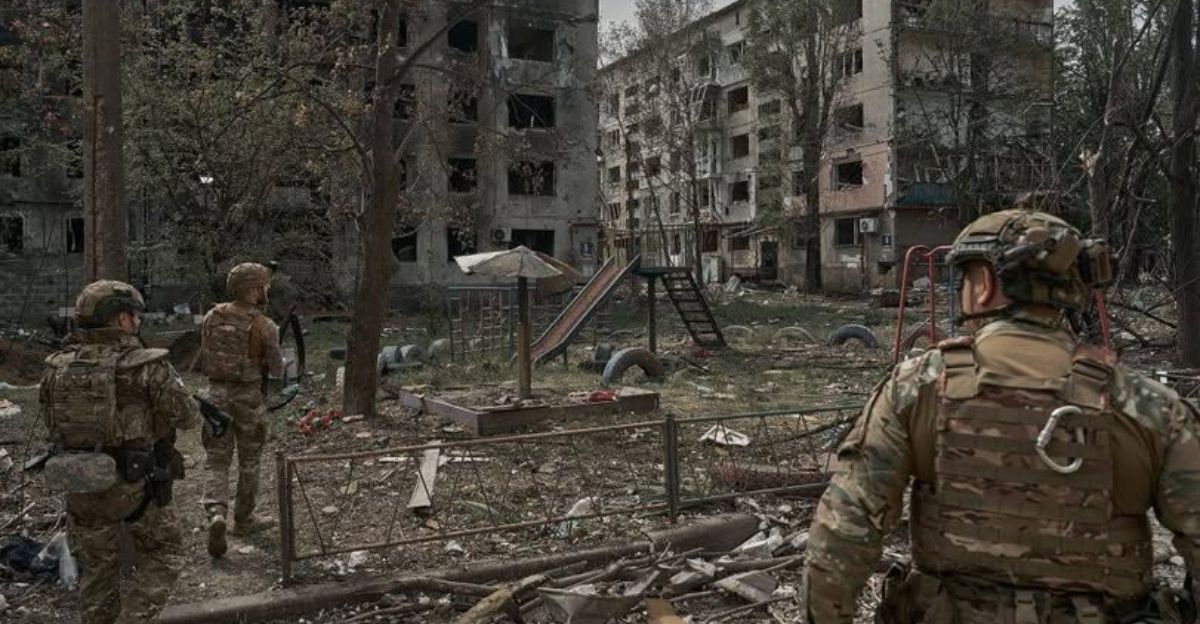
According to the Institute for the Study of War, a Washington, D.C.-based military analysis organization, the trajectory seems increasingly inevitable. As ISW stated on November 11, 2025: “Russian forces will very likely seize Pokrovsk and Myrnohrad, but will likely take more time and suffer more casualties to do so than if the Russian military command focused more resources from elsewhere on the front in this direction.”
This assessment suggests not whether Russia will take Pokrovsk, but rather when and at what cost. The timeline remains uncertain; commanders may slow or accelerate assaults.
The Deadline Dilemma
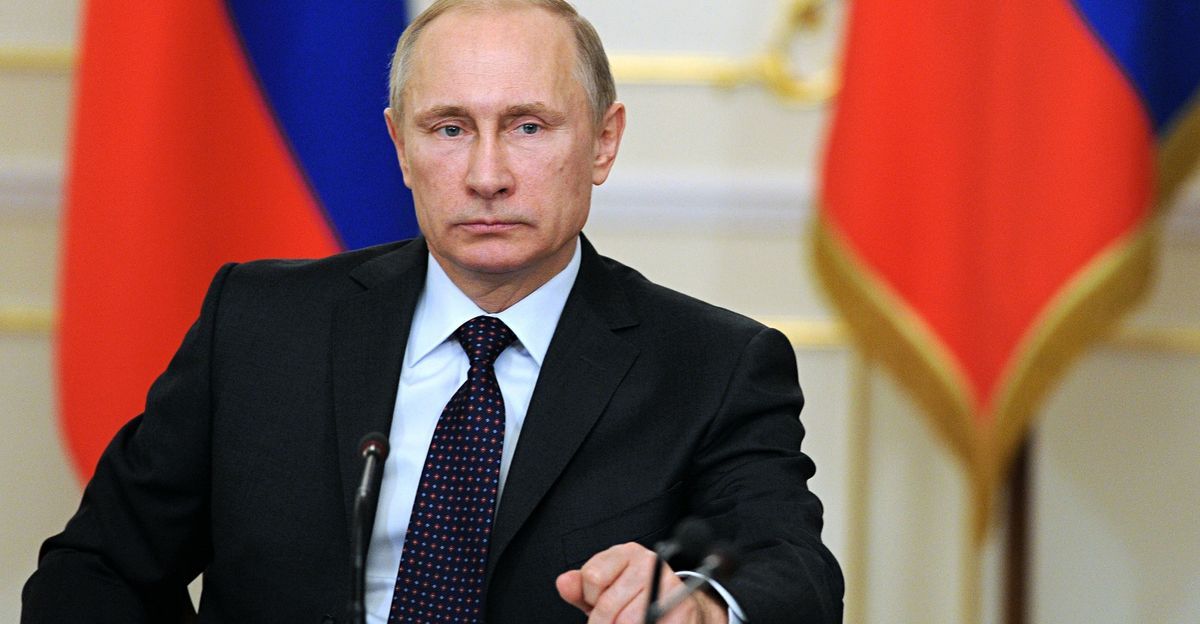
Putin’s mid-November deadline creates a false sense of urgency that military professionals recognize as dangerous. A political calendar rarely aligns with military reality. Russian commanders face a choice: maintain a sustainable operational tempo and miss the deadline, or override sound military judgment to meet political expectations.
This dilemma explains the intensity of recent assaults. When political survival depends on meeting an arbitrary date, military commanders often choose human sacrifice over strategic sense.
The Remarkable Force Generation Machine

Russia’s ability to sustain 1,000-plus daily casualties while continuing offensive operations challenges assumptions about military collapse. Most armies would fracture under such losses, yet Russian command demonstrates capacity for what analysts call “remarkable force generation.” The Kremlin continues to mobilize manpower, rotate units, and accept losses that would be politically unthinkable in democratic nations.
This represents the nature of authoritarian command: the state can demand unlimited sacrifice because it cannot be held accountable for its actions.
Urban Combat at Its Most Brutal
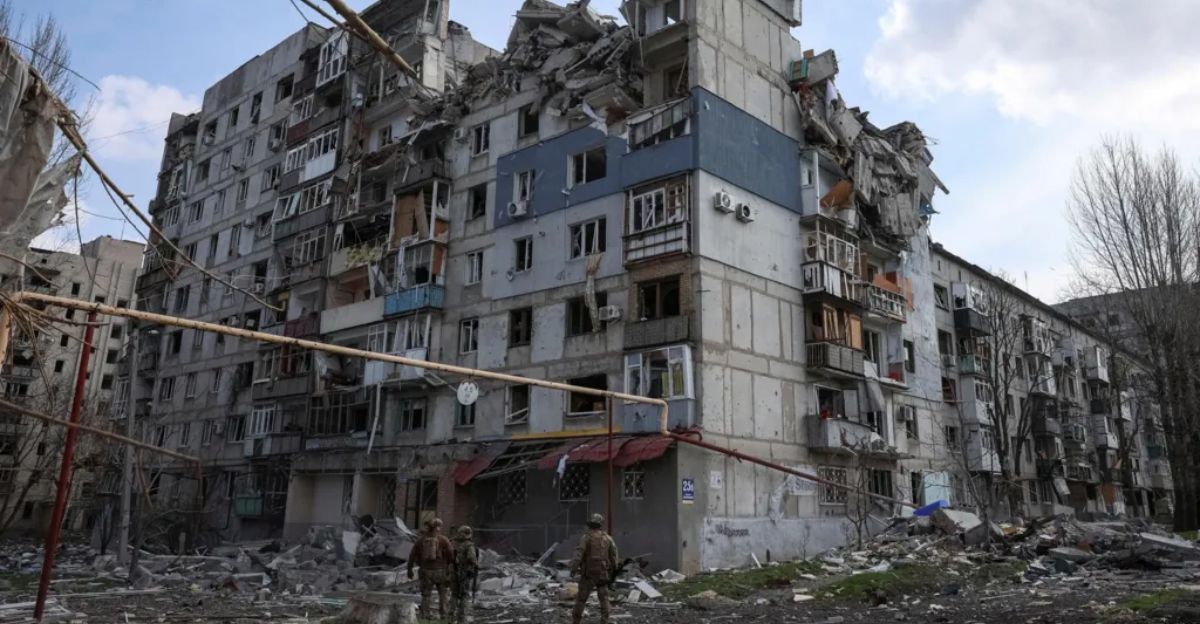
Street-to-street fighting in Pokrovsk epitomizes the horror of modern urban warfare. Buildings become fortified positions; every street corner becomes a killing ground. Russian soldiers advancing into prepared Ukrainian defensive positions know the probability they’ll be killed or wounded is extraordinarily high.
Urban combat nullifies technological advantages and creates raw, intimate violence. Survivors describe streets running with blood, buildings reduced to rubble, and civilians caught in impossible situations.
What Victory Looks Like Now
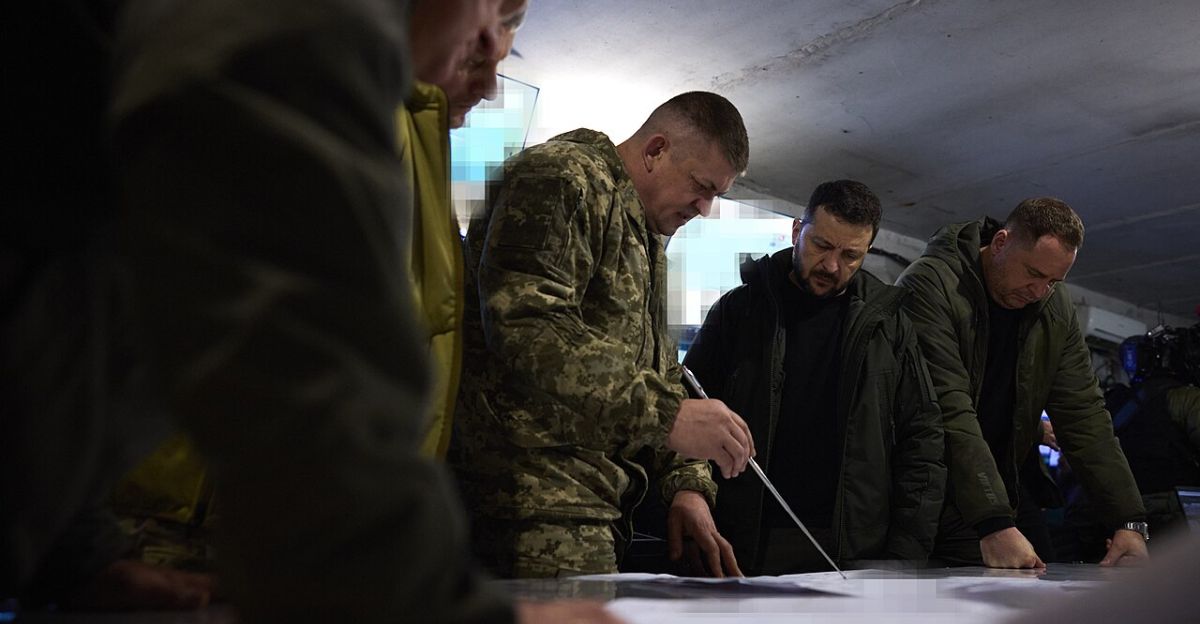
For Russia, victory means occupying Pokrovsk before Putin’s mid-November deadline passes. Each day that passes strengthens Ukrainian claims that Russian forces can be slowed or halted. For Ukraine, “victory” now means preserving the garrison, conducting a fighting withdrawal, and maintaining a defensive line elsewhere.
The psychological dimensions of this battle extend far beyond Pokrovsk itself. If Ukraine withdraws in good order, it preserves its fighting capacity for future operations. Both sides understand facts on the ground matter less than the political narrative surrounding those facts.
The Casualty Numbers Nobody Wants to Say
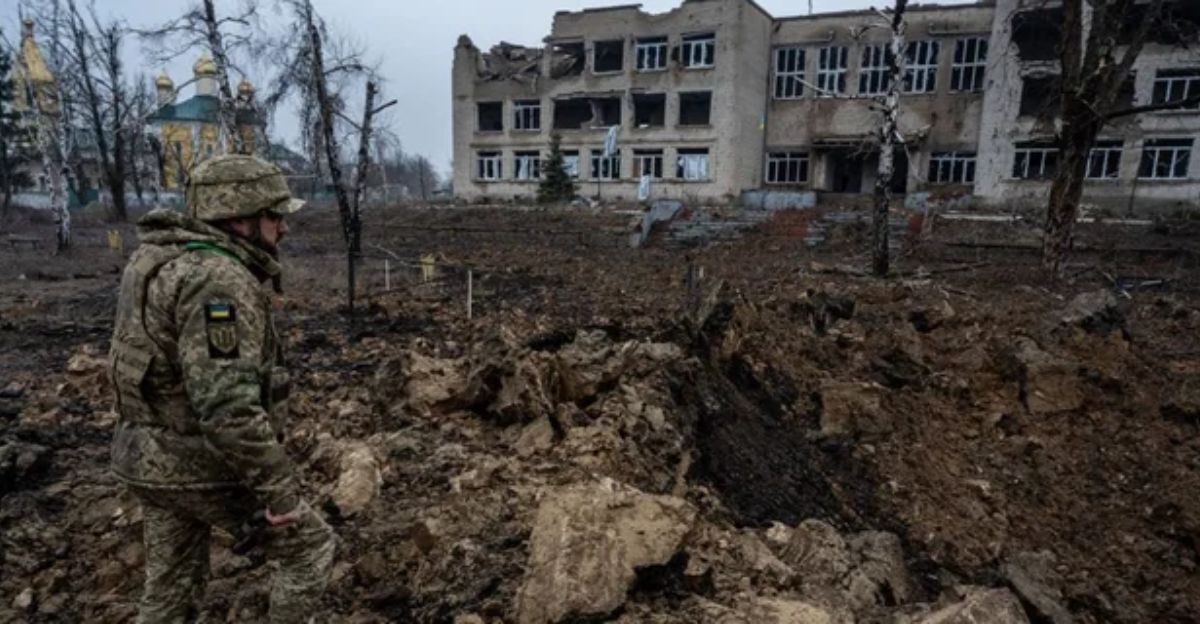
One million two hundred thousand casualties—killed and wounded—represents a scale of human suffering that numbers alone cannot capture. Each casualty represents a person: someone’s son, father, brother, or husband. Each number embodies a shattered life, permanent disability, or death far from home.
The 420,000 casualties in 2024 alone would constitute a national tragedy in most countries; Russia absorbed this as a cost of doing business. For 2025, if Russia suffers 400,000 more casualties, the toll reaches staggering proportions.
What Happens After Pokrovsk
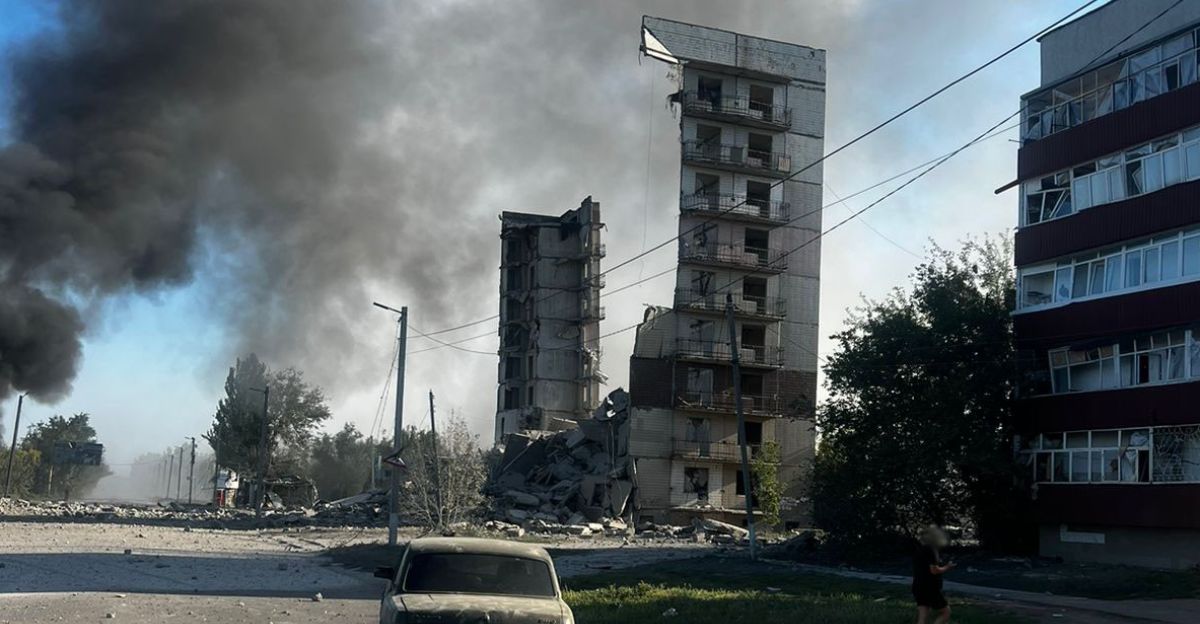
If Russian forces seize Pokrovsk, the Donbas fortress belt loses its primary logistics center. Ukrainian operations across the eastern front would face severe strain. However, seizing Pokrovsk does not end the war; it merely shifts the front line and forces Ukrainian forces to establish new defensive positions.
Russia would immediately face identical pressure on multiple new fronts. The fundamental calculus remains unchanged: Russia can advance by spending manpower; Ukraine can defend by making Russian manpower expensive. The question is not whether fighting ends, but how many more lives it costs.