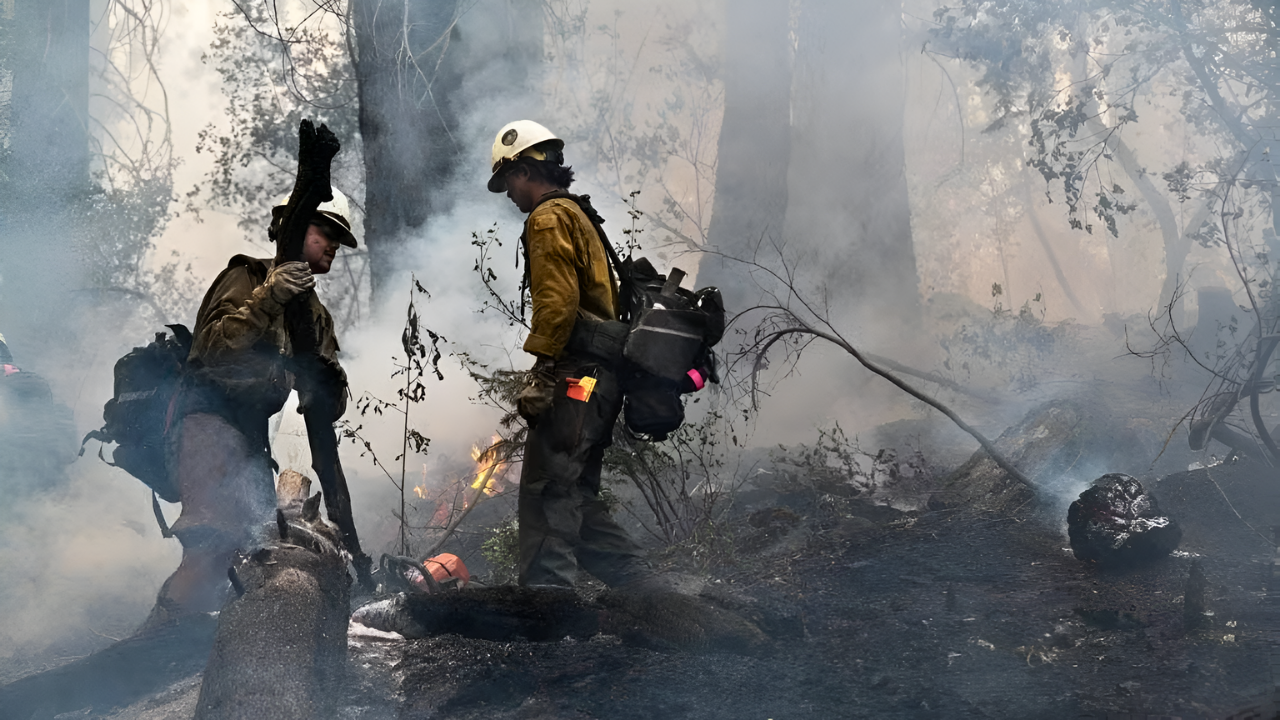
On November 16, 2025, a dense wave of smoke from Canadian wildfires swept into the U.S. Midwest, triggering air quality alerts across Nebraska, South Dakota, and Minnesota. The three-state region, home to over 8 million residents, saw alert corridors extending to approximately 2 million people in core affected counties and nearby areas under precautionary guidance. In South Dakota, air quality index (AQI) readings soared to 167—well into the “Unhealthy” range—prompting urgent warnings for thousands of residents to remain indoors. The sudden influx of fine particulate matter, known as PM2.5, raised immediate concerns about public health and forced communities to adapt quickly to hazardous conditions. This represented the most significant multi-state air quality event affecting the Northern U.S. since mid-2025, with simultaneous ‘Unhealthy’ range readings across three states.
Smoke’s Lingering Reach
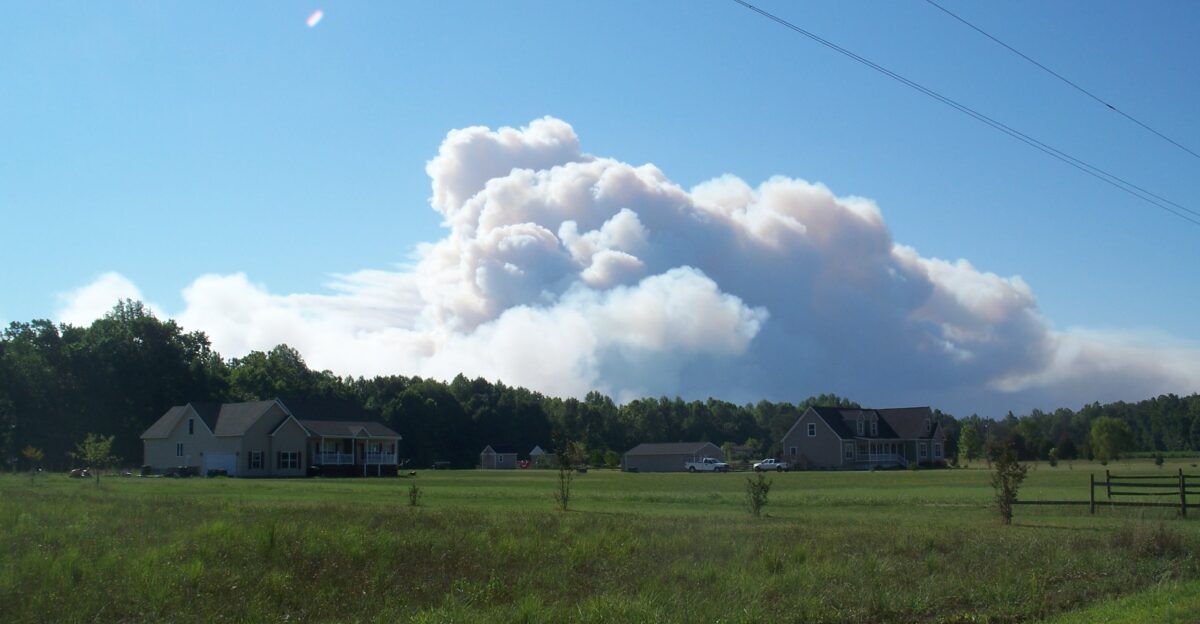
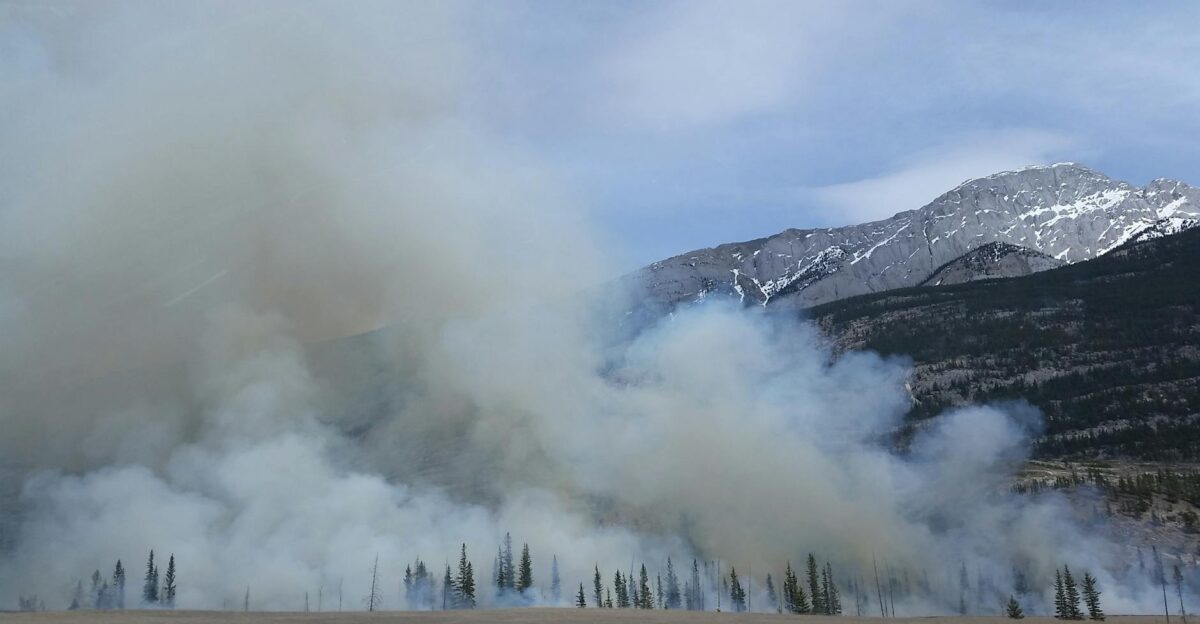
The smoke blanketing the Midwest originated from persistent wildfires in northern Canada. Although colder weather had subdued much of the fire activity, several blazes continued to smolder, releasing pollutants that traveled thousands of miles south. These fine particles, invisible to the naked eye, are small enough to penetrate deep into the lungs and bloodstream, posing significant health risks. As the smoke drifted across state lines, it disrupted daily routines and cast a haze over cities and rural areas alike.
The coordinated stay-indoors guidance issued across Nebraska, South Dakota, and Minnesota marked the largest consolidated air quality shelter-in-place advisory for the Northern region in recent years. Health officials responded swiftly, issuing alerts and urging residents—especially children, seniors, and those with respiratory conditions—to avoid outdoor activities. Schools canceled outdoor events, and families sought refuge indoors. The warnings underscored the dangers of prolonged exposure to PM2.5, which can exacerbate asthma, heart disease, and other chronic health issues.
Community and Business Adaptation
As air quality deteriorated, local businesses monitored conditions closely. While most retail operations remained open, some companies adjusted delivery schedules and limited outdoor work to protect employees and customers. Outdoor workers, particularly in agriculture and construction, faced heightened risks. Although the harvest season was winding down, those still working outside were advised to track air quality forecasts and take precautions.
Meanwhile, the demand for indoor air quality products surged. Sales and online searches for air purifiers and indoor fitness equipment spiked as residents sought ways to maintain healthy routines indoors. Although there were no widespread reports of product shortages, the shift in consumer behavior was evident as families prioritized indoor activities during the alert.
Impact on Daily Life and Recreation
The smoky conditions disrupted a wide range of outdoor activities. Popular destinations such as Badlands National Park in South Dakota experienced a drop in visitors as hazardous air discouraged tourism and recreation. Outdoor sports and community events were postponed or canceled, and local officials emphasized the importance of staying informed about changing air quality levels.
Despite the widespread impact, there were no reports of disruptions to cross-border trade between the U.S. and Canada during this period. The primary focus remained on safeguarding public health and minimizing exposure to the polluted air.
Public Health Response and Risks

State and federal agencies, including the U.S. Environmental Protection Agency (EPA), worked in tandem to monitor air quality and issue timely updates. Health experts stressed the importance of limiting outdoor exposure, especially during periods when pollution levels peaked. Vulnerable groups—pregnant women, children, and those with preexisting health conditions—were urged to take extra precautions, such as keeping windows closed and using air purifiers.
Exposure to PM2.5 is linked to a range of health problems, from respiratory irritation to serious cardiovascular events. Medical professionals advised residents to watch for symptoms like coughing, shortness of breath, and chest pain, and to seek medical attention if conditions worsened. Public health campaigns provided guidance on how to reduce exposure and protect at-risk individuals.
Environmental Context and Future Outlook
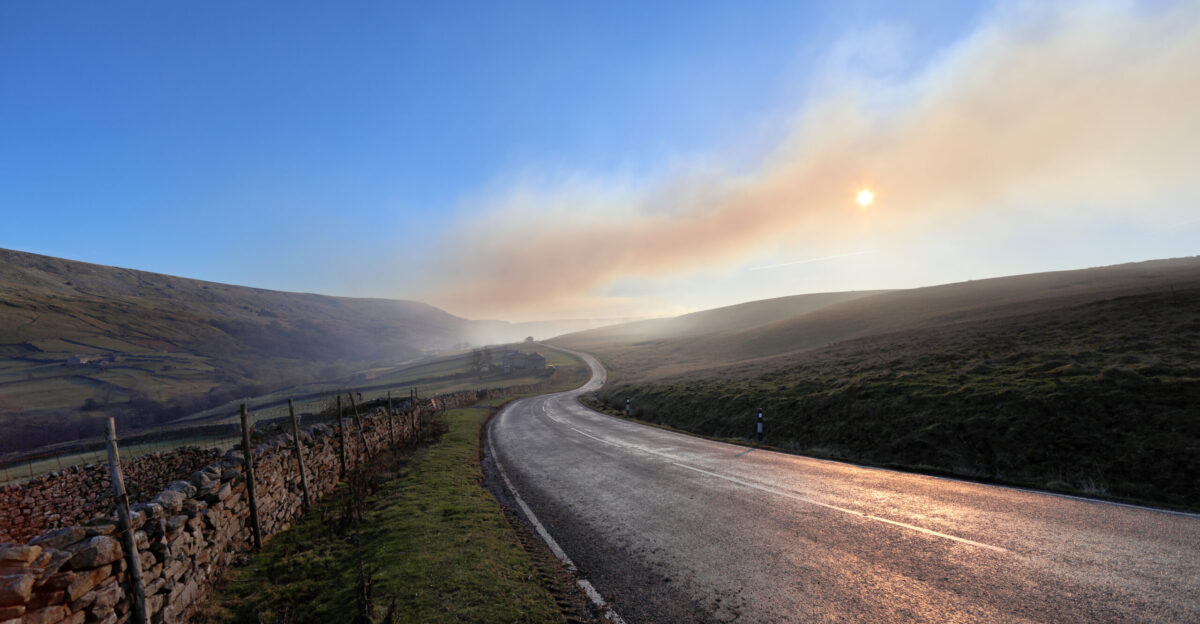
The November air quality crisis highlighted the far-reaching effects of wildfires, which have become more frequent and severe in recent years. The movement of smoke across international borders underscored the interconnectedness of environmental challenges and the need for coordinated monitoring and response.
Communities across the Midwest remained vigilant, relying on air quality forecasts and public advisories to guide their actions. Awareness campaigns helped residents understand the risks and adopt protective measures. Businesses in sectors such as indoor fitness and air quality monitoring saw increased demand, while outdoor industries adjusted operations to prioritize safety.
Looking ahead, experts warn that as climate conditions continue to favor longer and more intense fire seasons, similar air quality events may become more common. Ongoing environmental monitoring and public preparedness will be essential to protect health and maintain resilience in the face of recurring smoke events. The experience of November 2025 serves as a reminder of the importance of vigilance, adaptation, and community support as the region confronts evolving environmental threats.