
The announcement hit like a storm: 15,000 Verizon employees, 15% of its workforce, would be laid off in a move that shook the telecom industry to its core. In mid-November, Verizon revealed its decision, the biggest workforce reduction in its history.
The layoffs are set to take effect within the coming weeks, leaving families and communities scrambling for answers.
Why Now? Unrelenting Competition Drives Action

Verizon’s decision to slash jobs comes as a result of fierce competition within the telecom market. After losing postpaid phone subscribers for three consecutive quarters, the company has been under increasing pressure.
Rivals are offering cheaper plans, and cable companies are now entering the wireless market. To stay afloat, Verizon is focusing on cost reductions, with CEO Daniel Schulman indicating that such measures are now a “way of life” for the company.
CEO’s Perspective on Cost-Cutting

Daniel Schulman, who became CEO in October 2025, has made clear that aggressive cost management is central to Verizon’s future strategy.
His statement that cost reductions are a “way of life” signals a fundamental shift in how the company will operate going forward. This marks a departure from previous approaches and sets the tone for continued efficiency measures.
Immediate Impact – Service Changes Are on the Horizon
As 15,000 employees are let go, customers across the U.S. may notice disruptions in Verizon’s customer service and retail experience.
With 200 stores converting to franchise operations, Verizon will be able to reduce costs—but it also means fewer employees directly employed by the company. As a result, service quality and response times could take a hit, creating uncertainty for millions of consumers.
Corporate Response – Franchise Model Gains Momentum

A major part of Verizon’s restructuring involves transitioning 200 company-owned stores into franchises. This shift not only reduces Verizon’s payroll but also transfers the operational risk and cost to franchisees.
While the company claims this will make it more agile, there are concerns about how this could affect customer service, with the risk of inconsistent experiences across the network.
The Competitive Landscape – Rivals Gaining Ground

Verizon faces intensifying competition from multiple fronts. T-Mobile has reported record customer growth with strong postpaid subscriber additions. AT&T continues to compete aggressively for market share.
Meanwhile, cable giants Comcast and Charter have entered the wireless market, leveraging partnerships with T-Mobile to offer bundled services that challenge traditional telecom players.
Competitors Eyeing Opportunities as Verizon Restructures

With Verizon’s restructuring, competitors like AT&T, T-Mobile, and even cable companies such as Comcast and Charter could see this as a prime opportunity to capitalize.
Verizon’s job cuts and restructuring may open doors for talent migration and customer shifts. Companies looking to fill the gap left by Verizon’s diminished workforce could intensify competition within the telecom and broadband industries.
Market Dynamics – Three Quarters of Subscriber Losses
The numbers tell a stark story: Verizon has lost postpaid phone subscribers for three consecutive quarters. This metric is critical in the telecom industry, as postpaid customers represent the most valuable and stable revenue source.
The sustained losses indicate structural challenges beyond short-term market fluctuations and help explain the drastic nature of the company’s response.
Human Toll – Impact on Workers and Their Families
For the 15,000 employees affected by the layoffs, the toll is immediate. These workers and their families face an uncertain future as they navigate the job market.
Many store employees transitioning to franchises will lose their job security, while others must adjust to an uncertain economic landscape. The emotional and financial strain is widespread.
Workforce Reduction Scale – From 100,000 to 85,000

Verizon’s workforce will shrink from approximately 100,000 employees to 85,000, representing a 15% reduction.
This dramatic downsizing makes it the largest layoff in company history, surpassing the 10,400 employees who left in 2018. The scale of the cuts reflects the severity of the competitive and financial pressures the company faces.
Historical Context – Largest Ever for Verizon
This restructuring represents the biggest workforce reduction in Verizon’s history. The previous record was set in 2018 when 10,400 employees departed through a voluntary separation program.
The current 15,000-person reduction—occurring through layoffs rather than voluntary departures—marks an unprecedented and more abrupt adjustment for the telecommunications giant.
Market Speculation – Investor Reactions to Verizon’s Cuts

Initially, Verizon’s restructuring was met with optimism on Wall Street, with shares rising as investors anticipated a leaner, more efficient company.
However, analysts warn of potential long-term risks if service quality deteriorates or if Verizon’s restructuring is seen as a sign of broader industry challenges. Investors are closely monitoring Verizon’s next moves.
Store Transition Strategy – Company to Franchise

The conversion of 200 company-owned stores to franchise operations represents a significant shift in Verizon’s retail strategy. Franchisees will assume the costs and risks of store operations, while Verizon reduces its direct employee count and fixed overhead.
This model offers flexibility but may result in varied customer experiences depending on individual franchise operator priorities and capabilities.
Cable Companies Enter the Wireless Arena
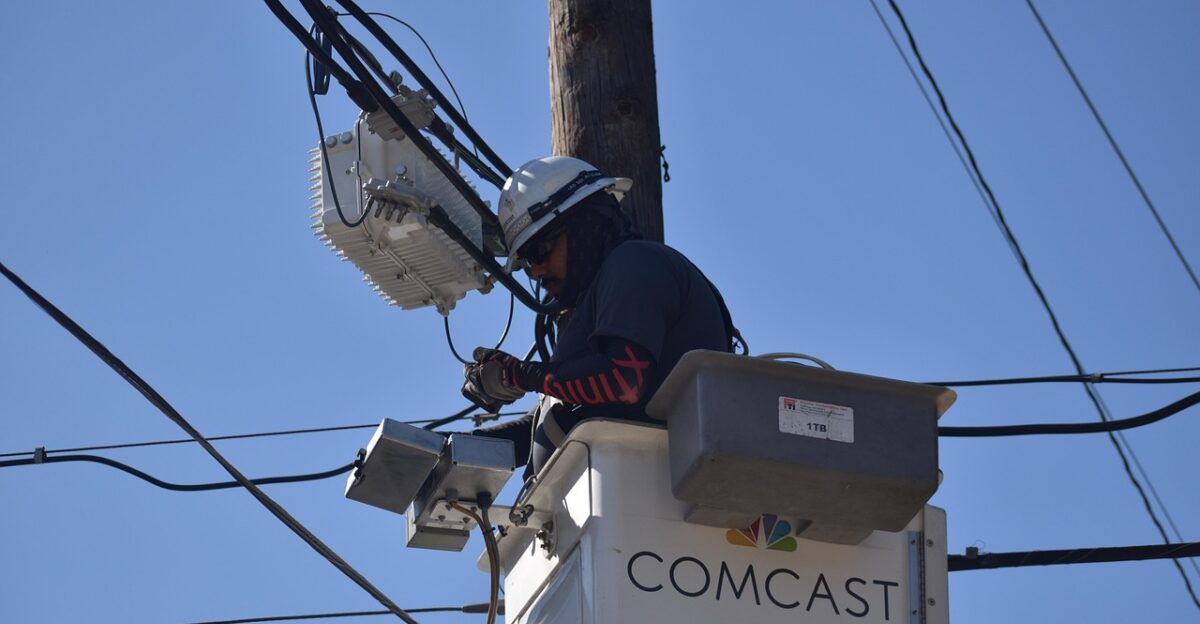
Comcast and Charter’s expansion into wireless services represents a major competitive threat to traditional carriers. These cable giants can leverage their existing broadband customer relationships to offer bundled packages, creating compelling value propositions.
Their entry into the market has intensified price competition and contributed to subscriber losses at established carriers like Verizon.
Consumer Advice – What to Expect During the Transition

Verizon customers should stay informed about changes to service quality and account options.
As stores transition to franchises and service models shift, customers may experience delays or disruptions. It’s recommended that customers monitor their accounts and consider alternative providers if they notice a decline in service.
Industry Pressures – Automation and Efficiency
The telecom industry faces mounting pressure to automate operations and improve efficiency. As price competition intensifies and profit margins compress, companies must find ways to deliver services with fewer human resources.
This trend extends beyond Verizon, with the entire sector grappling with how to maintain quality while reducing costs through technological solutions.
Timeline of Events

In October 2025, Daniel Schulman was appointed as the new CEO of Verizon. Within weeks of his arrival, the company announced its decision to lay off 15,000 employees in mid-November, marking the largest workforce reduction in Verizon’s history.
The cuts are set to begin in the coming weeks, leaving thousands of employees uncertain about their futures. At the same time, the company is transitioning 200 of its stores to a franchise model, significantly altering its retail landscape. The impacts of these changes will be felt across the industry, as the company continues to adapt to the challenges of an increasingly competitive market.
What’s Next? The Future of the Telecom Industry
Verizon’s drastic restructuring marks a significant moment for the U.S. telecom sector, but it likely won’t be the last.
Analysts predict continued industry pressures, more automation, and cost-cutting measures as companies grapple with competition and shifting consumer preferences. The future trajectory of the telecom sector remains uncertain.
Customer Service Implications
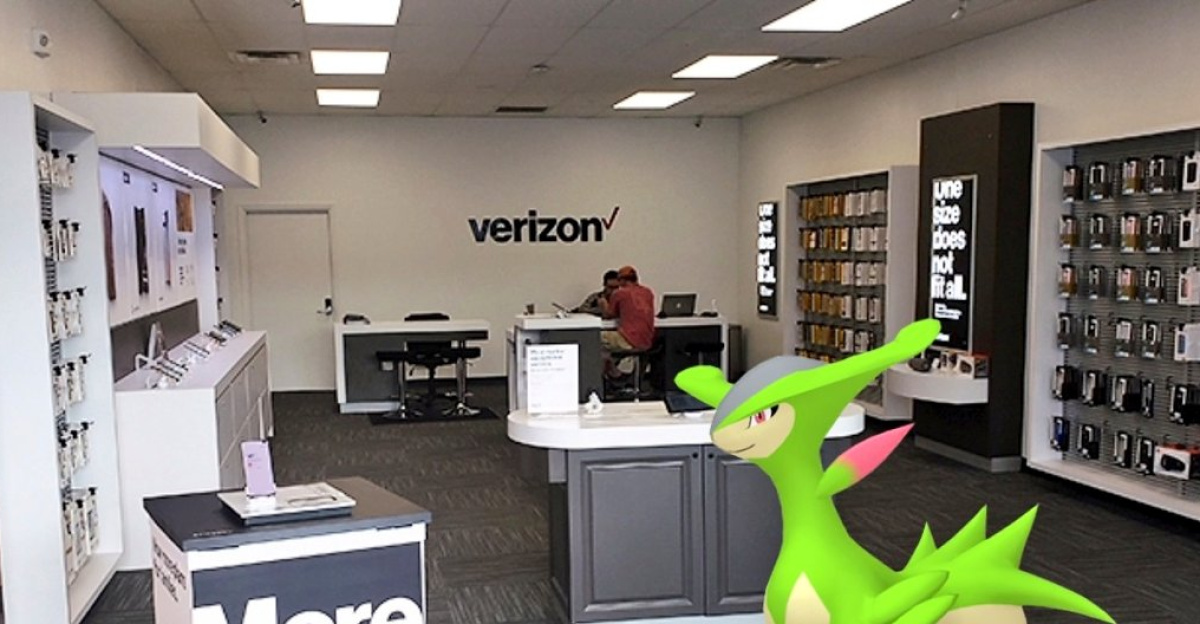
With significant workforce reductions and the transition to franchise-operated stores, customers may experience changes in service delivery.
Wait times for customer support could increase. In-store experiences may vary more widely depending on franchise operator training and standards. Technical support capabilities may be affected as the company operates with a leaner staff structure.
Final Reflection – A Crossroads for Workers, Consumers, and Telecom
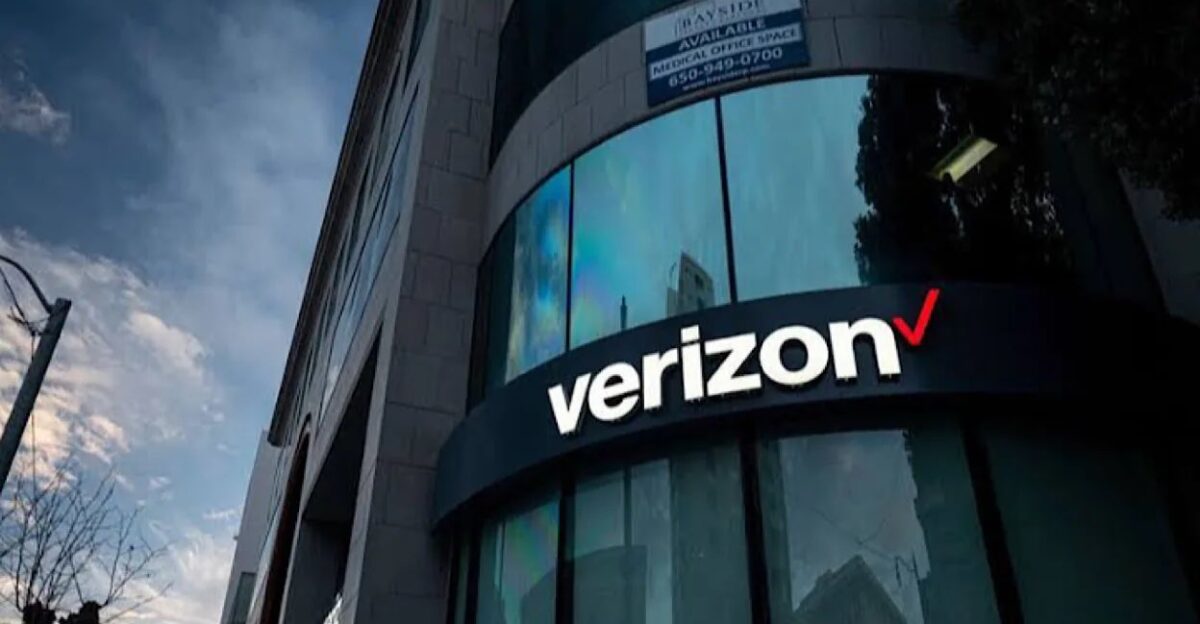
Verizon’s restructuring is a transformative moment for both employees and consumers. The changes, which affect customer service and competitive dynamics, reflect the evolving dynamics between companies, workers, and customer expectations in an increasingly competitive telecom industry.
As the market shifts, it’s unclear what the future holds for workers, consumers, and the broader industry.