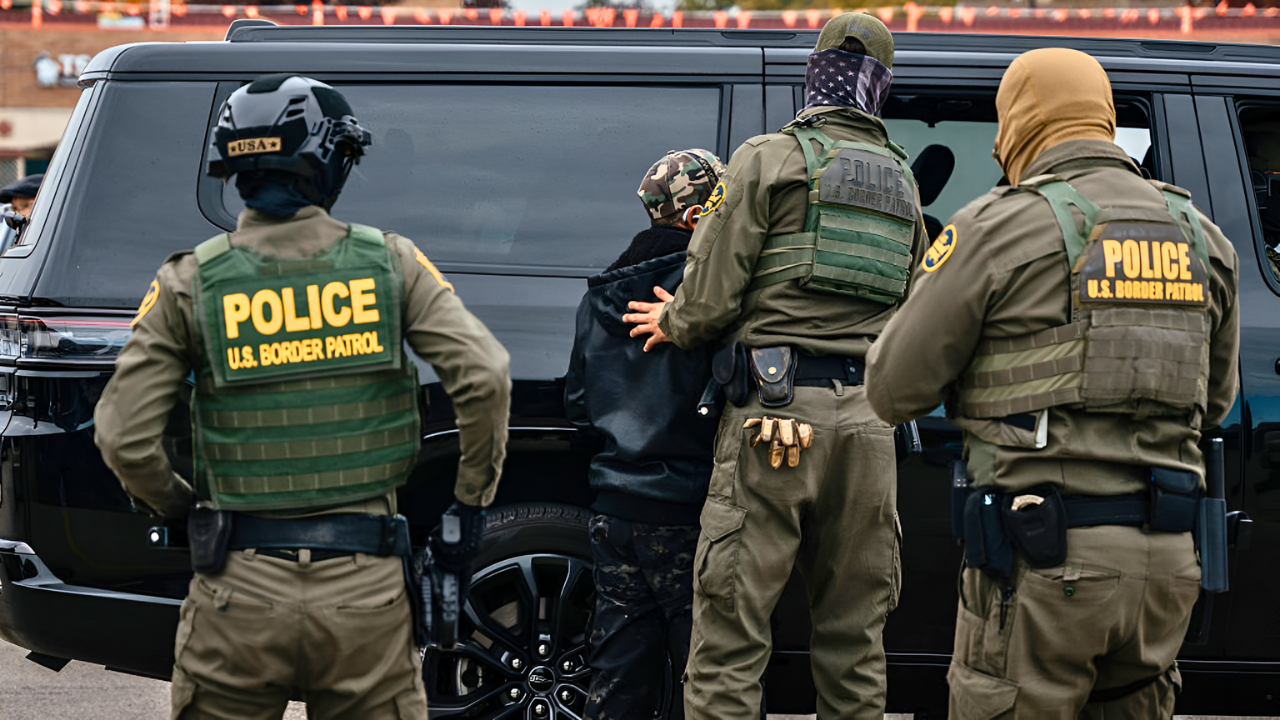
On November 12, 2025, a federal courtroom in Chicago became the unlikely battleground for one of the Trump administration’s most aggressive immigration operations. U.S. District Judge Jeffrey Cummings delivered a stunning rebuke: the government had systematically broken the law.
Over 3,300 people were arrested in just ten weeks. Now, 615 could be freed. The question haunting lawyers and families alike: how did immigration agents arrest so many with so little legal justification?
The Most Aggressive Immigration Sweep in Years
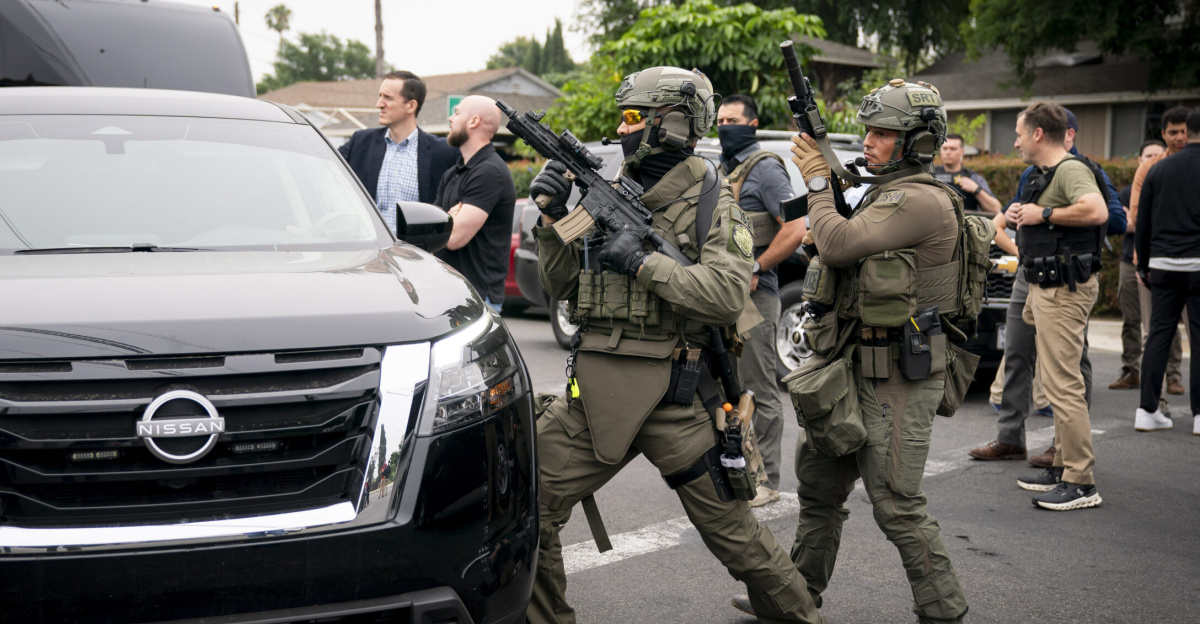
It began quietly in September 2025—federal agents fanning across Chicago’s neighborhoods, parking lots, and workplaces. Operation Midway Blitz promised to target “the worst of the worst” criminals hiding in immigrant communities.
By October, the numbers were staggering: over 3,300 arrests in just ten weeks, roughly 330 per week. But behind those statistics lay a troubling pattern that would soon unravel in court.
Almost Everyone Was Arrested Illegally
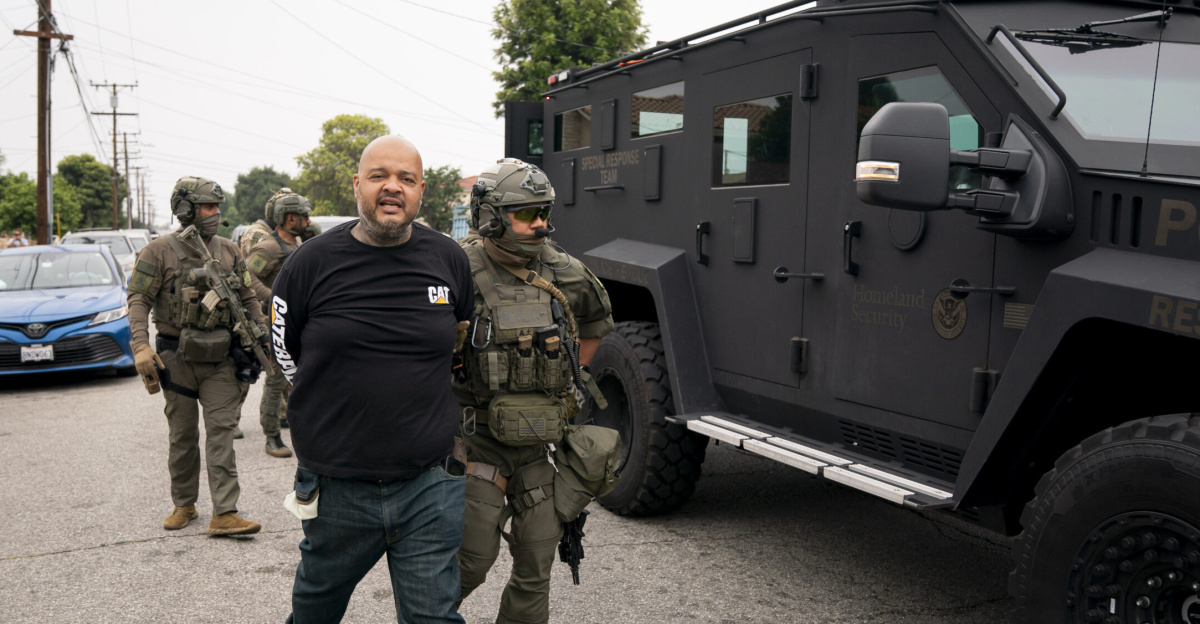
As Judge Cummings reviewed the cases, he uncovered a pattern so systemic it shocked even seasoned immigration attorneys. The 2022 consent decree—a binding legal agreement—required ICE to document probable cause before each warrantless arrest. Court records show agents simply didn’t.
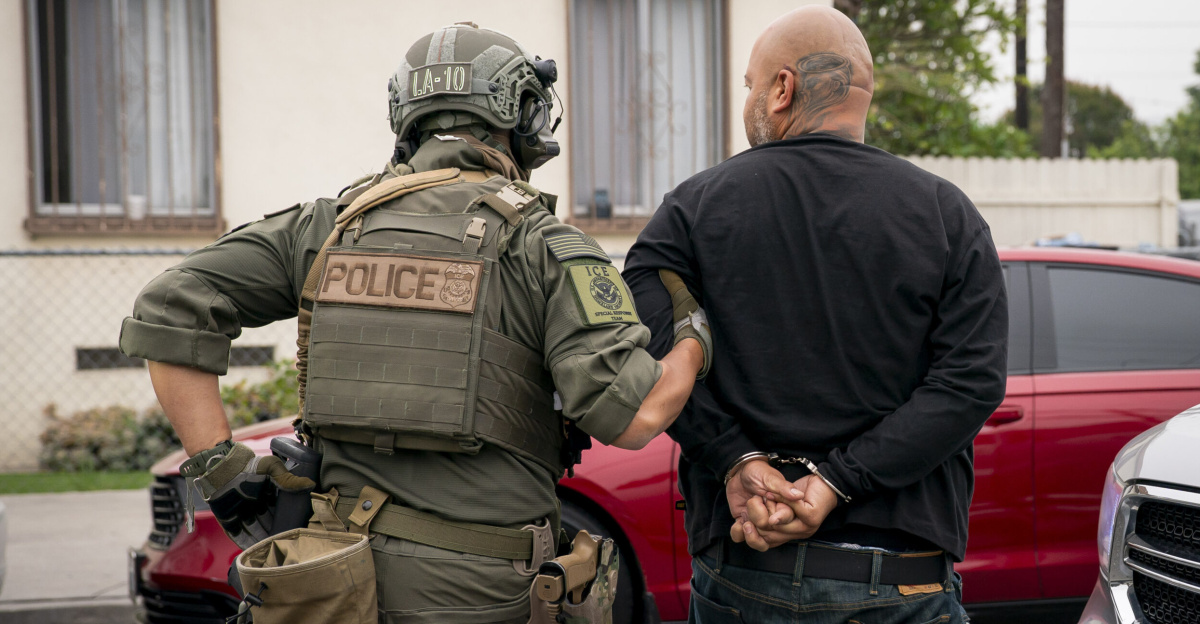
They arrested people at drive-thrus, while walking down streets, and while leaving their jobs. The judge concluded that “the vast majority” of arrests violated federal law, setting the stage for mass releases.
Unlawful Tactics
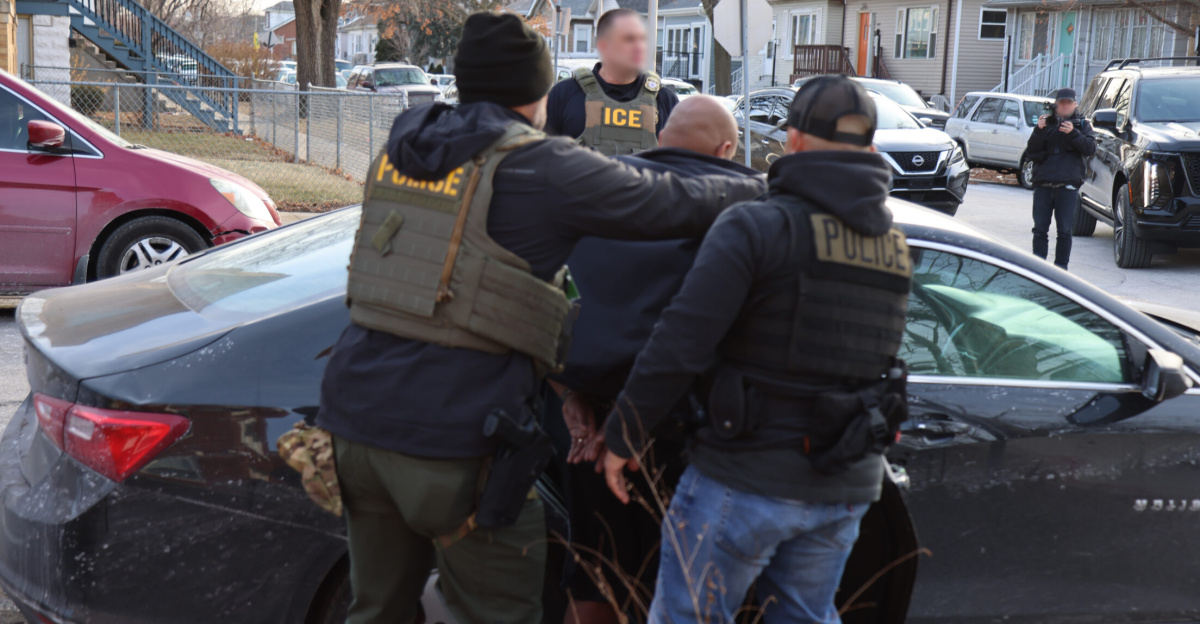
Mark Fleming, a lawyer with the National Immigrant Justice Center, made a stunning declaration during the November 12 hearing: “All of the tactics of ICE have been unlawful in the vast majority of arrests.” His words hung in the courtroom as prosecutors scrambled to defend the operation.
The evidence was damning: 97 percent of detainees had no criminal record. The government’s own data demolished its “worst of the worst” narrative.
Only 16 Out of 614 Had Any Criminal History
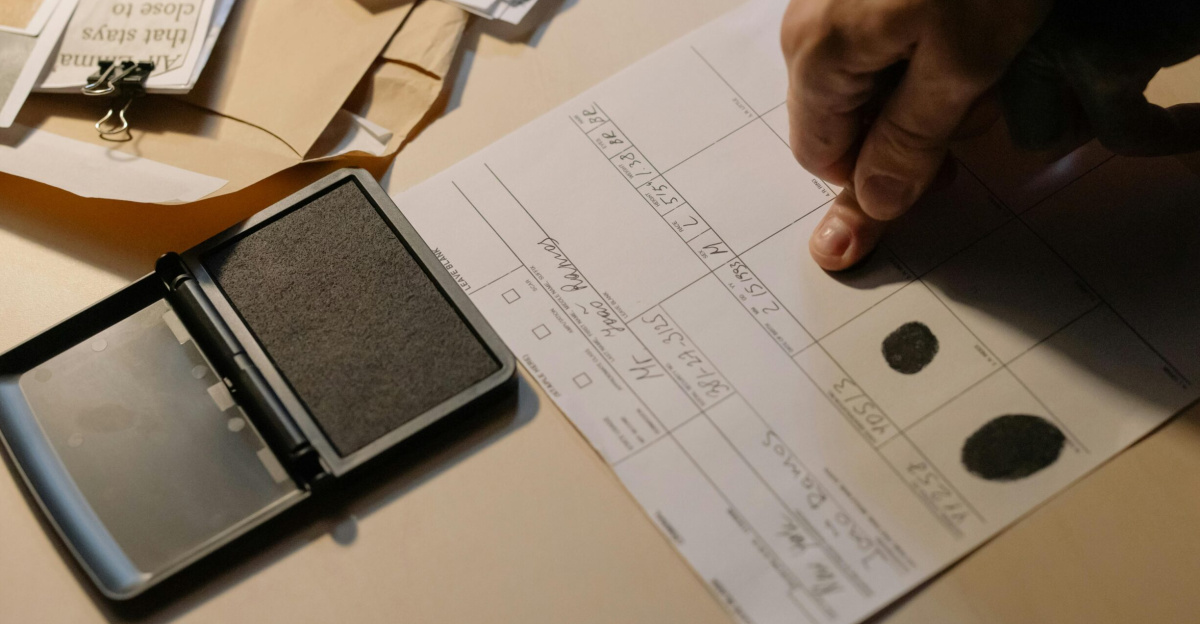
Department of Justice records painted a picture far removed from public claims. Of 614 detained individuals reviewed by the court, only 16 had any criminal record whatsoever—2.6 percent. Among those 16, charges included drunk driving and domestic battery, not the gang violence or cartel connections repeatedly cited by the administration.
The disconnect between rhetoric and reality left judges, lawyers, and immigrant families reeling.
Thirteen People Ordered Released Immediately
Judge Cummings ordered the immediate release of 13 people, deeming their arrests entirely unlawful. But the real bombshell came next: 615 others currently detained across county jails and federal facilities nationwide would get their cases reviewed.
Bond hearings loomed. Deportations were paused. Families who’d been torn apart had a glimmer of hope. The government faced a Friday deadline to justify each detention or watch hundreds walk free.
How a 2022 Settlement Became Immigration’s Legal Weapon
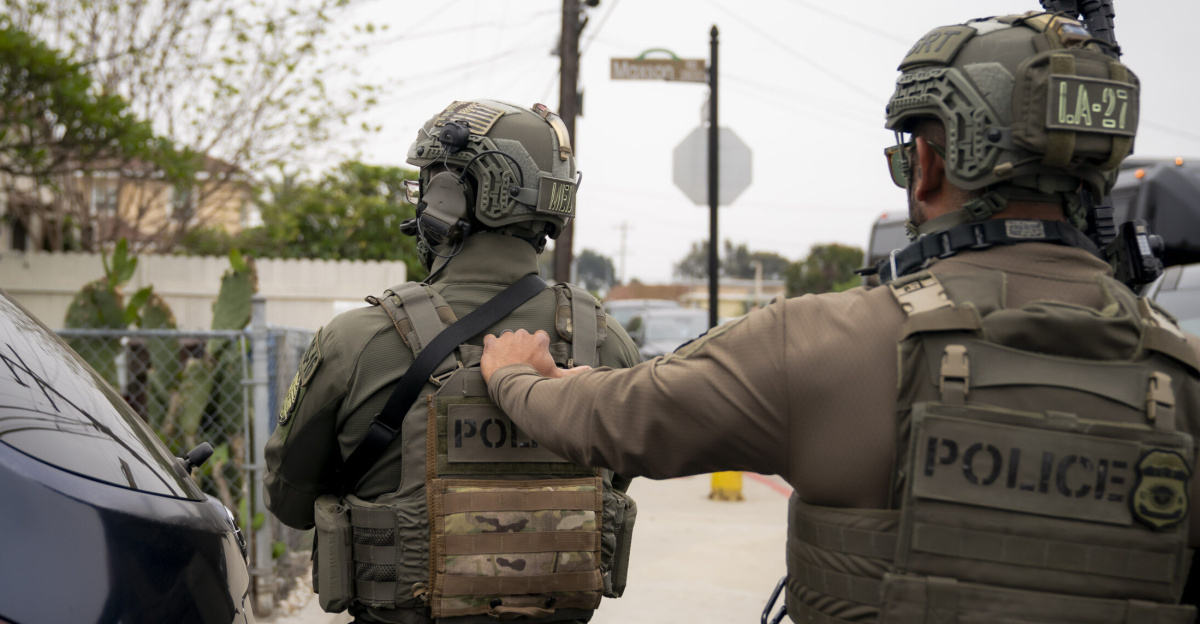
Years earlier, a federal settlement had been forged—the Castañon Nava consent decree—restricting how ICE could conduct warrantless arrests in six Midwest states. ICE was supposed to document probable cause, assess flight risk, and follow strict protocols.
During Operation Midway Blitz, investigators discovered agents carrying blank warrants, which they would fill out only after arrests were made. Judge Cummings extended the decree through February 2026, ensuring ongoing accountability for every arrest.
Over 2,685 People Deported
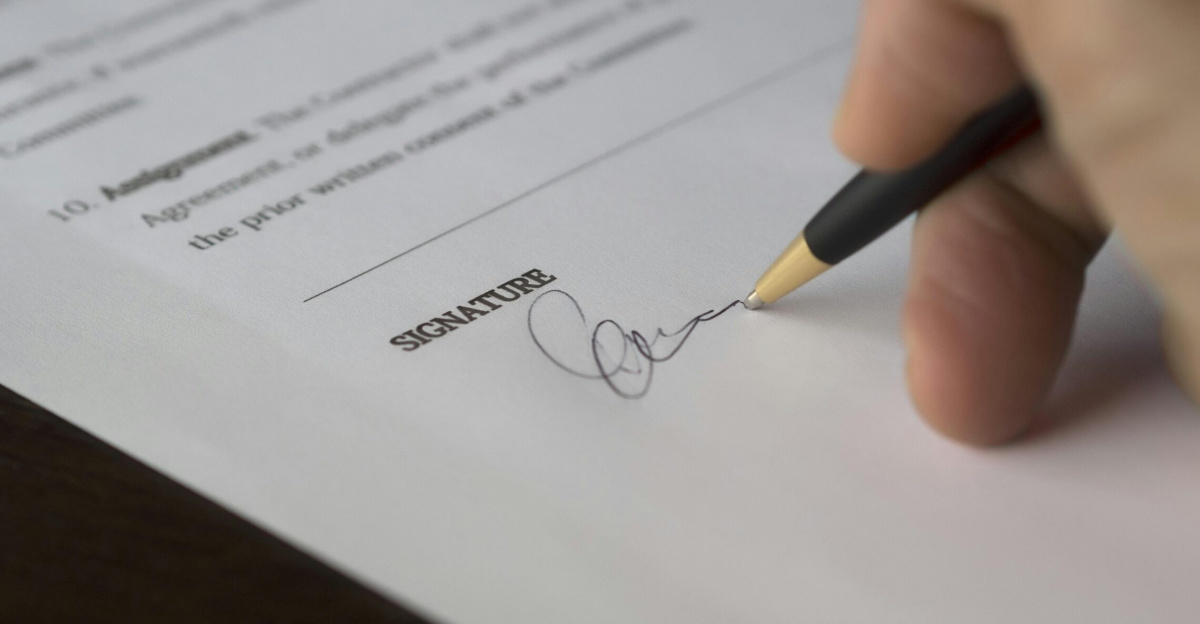
The human cost of the operation’s speed became clear: of the 3,300 arrested, roughly 2,685 had already been deported or voluntarily removed by the time litigation began. Many signed deportation papers while detained without access to lawyers, with no understanding of their rights.
They were gone before the judge could even examine whether their arrests were legal. For advocates, it raised a chilling question: how many were wrongfully removed?
Lawsuit Unfolding
Immigration attorneys paint a picture of a race against time. Even as lawyers filed motions and gathered evidence, ICE continued deportations and “voluntary removals.” Mark Fleming described detainees with “no access to counsel and no understanding of what their situation is.”
The Friday deadline wasn’t just bureaucratic—it was a life-or-death timeline for 615 people still in custody, whose futures depended on whether the government could justify keeping them locked up.
The Six-State Consent Decree Zone

Judge Cummings’ ruling didn’t just affect Chicago; it also impacted the broader community. The consent decree spans six states—Illinois, Indiana, Kansas, Missouri, Kentucky, and Wisconsin—an expanse representing roughly 60 million Americans. The judge’s extension through February 2026 meant that ongoing federal oversight of immigration enforcement would continue across the entire Midwest.
Immigration policy in the region suddenly hinged on judicial accountability rather than executive discretion.
Inside ICE’s Overcrowded Detention Center
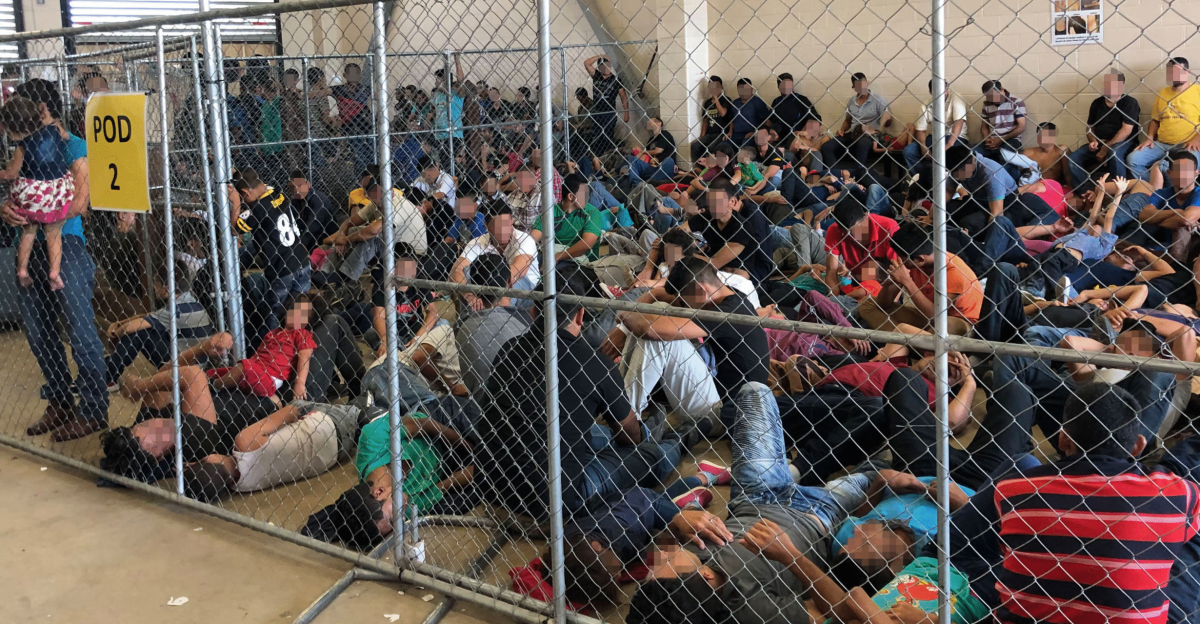
Behind the legal arguments lay a human emergency. The Broadview ICE facility outside Chicago, where many detainees were held, operated in conditions described as inhumane.
Witnesses testified that as many as 150 people were crammed into single-occupancy holding cells, which were designed for a few hours of processing—concrete floors, overflowing toilets, no shower access for days. “The conditions are basically a concentration camp,” one attorney reported after an inspection.
No Beds, No Hygiene, No Dignity
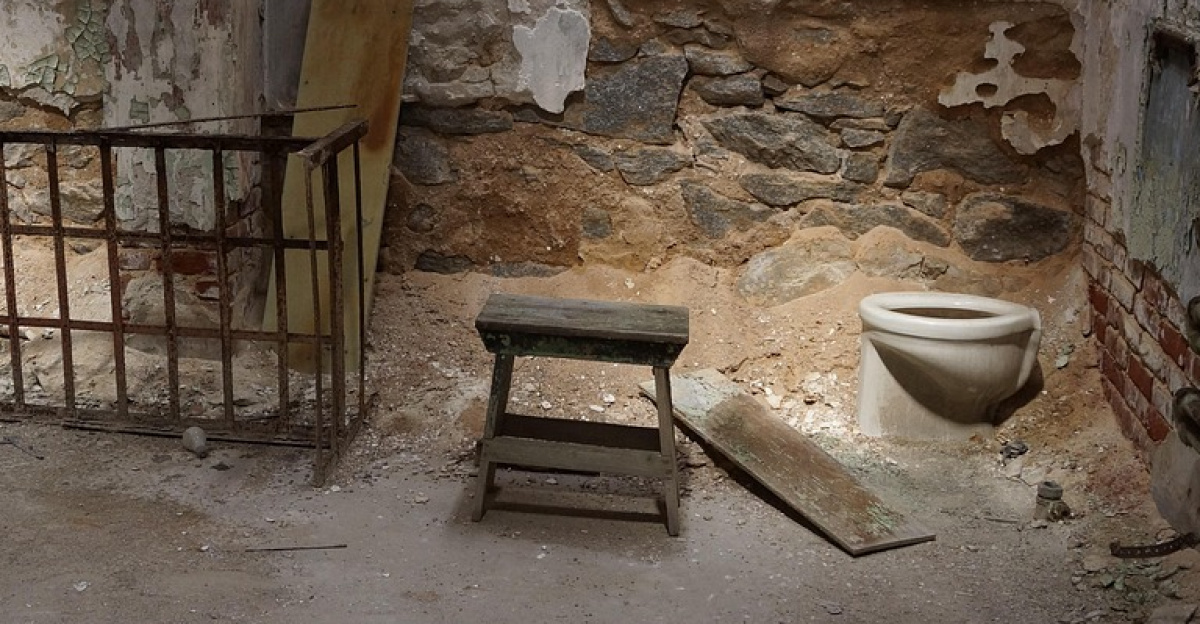
Detainees slept on concrete, shared single toilets among dozens, and received cold sandwiches instead of meals. Phone calls to lawyers were denied. Hygiene products were unavailable. The judge ordered immediate reforms, including mats, clean bedding, regular cleaning, three nutritious meals daily, and access to showers every other day.
For those who had already been deported, the order came too late. Their only remedy was the possibility that those still detained might finally get their day in court.
The Government Claims Only 12 Out of 615 Are “High Risk”
During the hearing, the Department of Justice argued that at least 12 of the 615 should remain detained for public safety. Judge Cummings raised his eyebrows. Only 12? Out of 615?
If these individuals truly were the “worst of the worst,” why did prosecutors themselves deem 603 of them safe enough to release potentially? The tiny number undercut the entire justification for the operation’s scope and aggression.
A Teacher, a Day-Care Worker, Day Laborers

Court testimony revealed the human faces behind statistics. A day-care worker was arrested in front of the children she cared for. Teachers were pulled from classrooms. Day laborers disappeared from street corners where they sought work. School employees with decades of community roots were swept into detention.
These weren’t criminal masterminds or gang members. They were neighbors, coworkers, and family members caught in a dragnet of enforcement.
Why the Massive Crackdown?
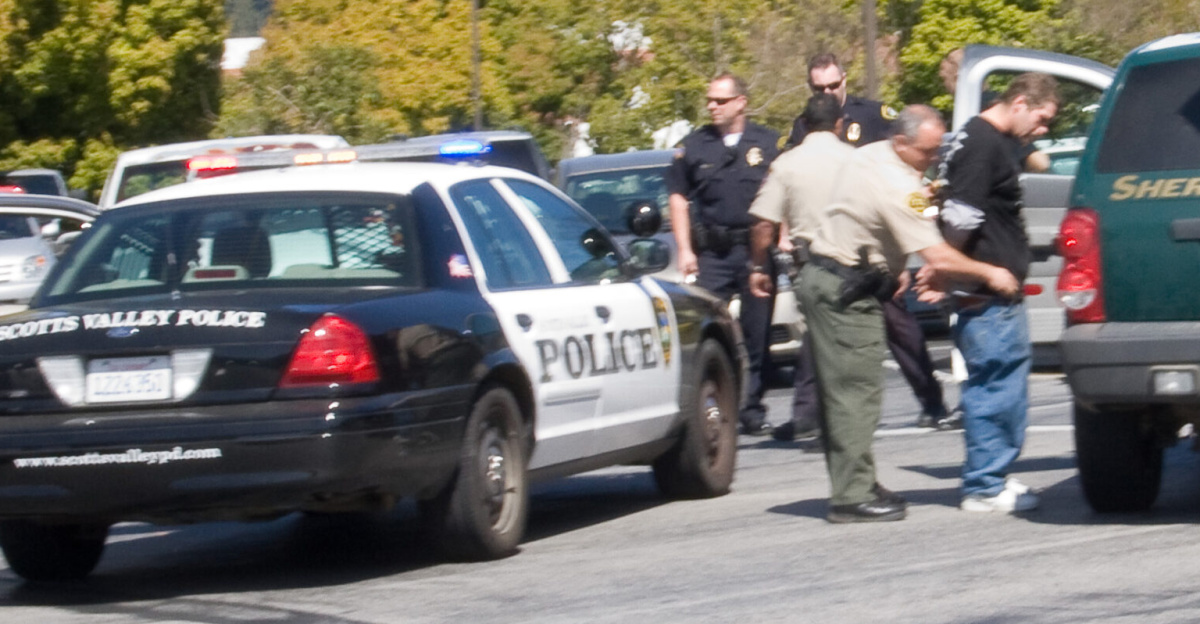
Federal officials justified Operation Midway Blitz as essential for public safety. But the numbers told a different story. Chicago’s violent crime had been trending downward even before the operation began. Local officials noted the city’s improving statistics, which undermined the urgency the administration had invoked.
The crackdown, it seemed, was less about crime-fighting and more about enforcement volume—an aggressive display of immigration authority.
Friday’s Deadline Could Free Hundreds
As of November 15, a crucial deadline loomed. The government had 48 hours to identify the 615 eligible detainees and begin transitioning them to alternatives, such as bond, electronic monitoring, or release. If prosecutors couldn’t justify each detention, the court would order mass releases.
Immigration lawyers scrambled, families held their breath, and the Midwest braced for what could be the largest single reversal of immigration enforcement in recent memory.
Nearly 1 in 5 Arrests From the Blitz Will Be Reversed
The scale of potential undoing is staggering. A release of 615 would represent 18.6 percent of the total Operation Midway Blitz arrests reversed by judicial order. Combined with the 2,685 individuals already deported, it raises questions about systemic violations that span the entire operation.
Legal experts call it the largest single judicial intervention against Trump-era immigration enforcement—a watershed moment for immigrant rights.
Civil Rights Groups Celebrate
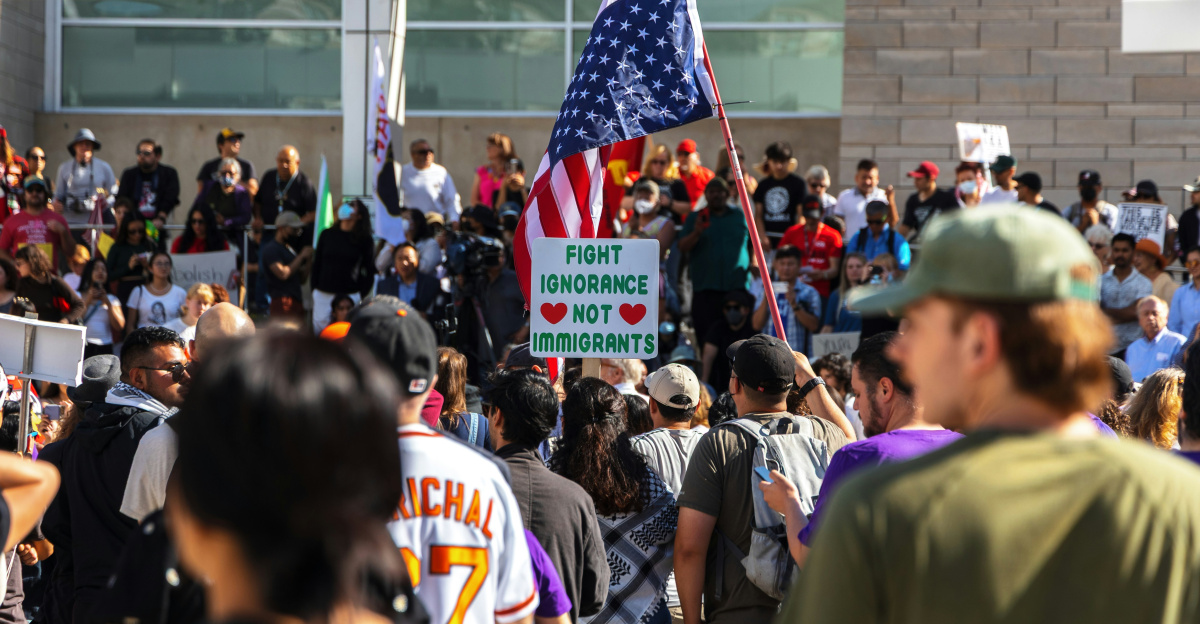
Michelle Garcia of the ACLU Illinois described the ruling as “a good day for the law.” Immigrant advocates pledged to keep fighting, signaling this decision is just the beginning. Additional cases challenging the legality of arrests are already being prepared.
The message was clear: federal courts would hold immigration authorities accountable for violations, setting precedents that could reshape immigration enforcement nationwide.
The Consent Decree Extended to February 2026
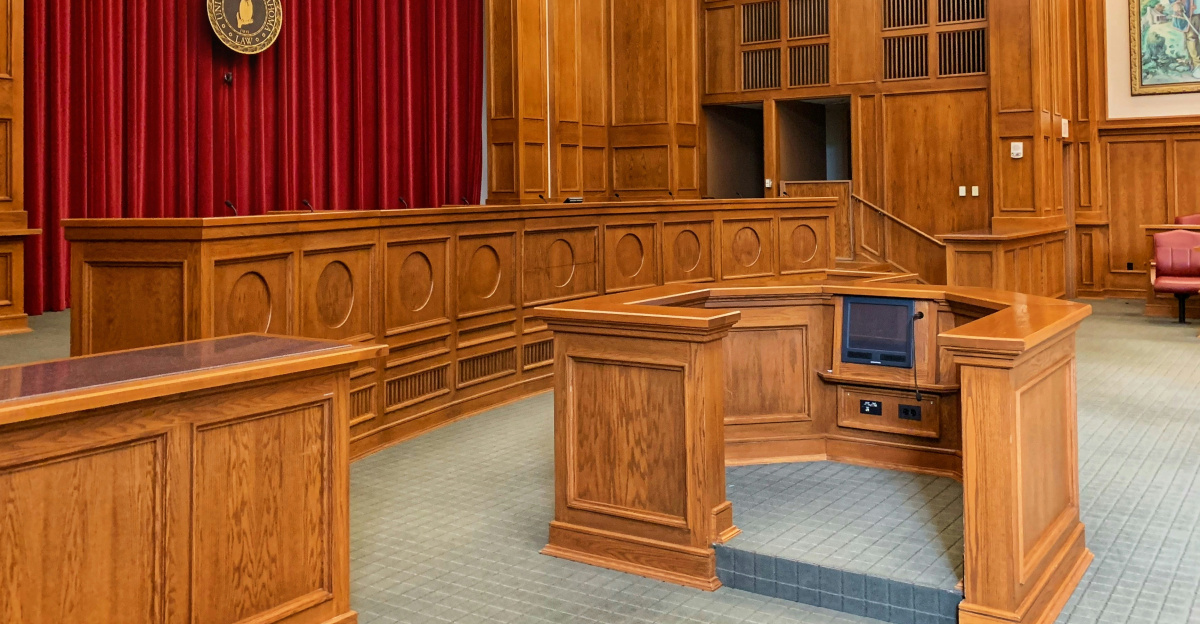
Judge Cummings didn’t just rule on current cases—he extended federal oversight through February 2026. This means ICE remains under court scrutiny, its warrantless arrests subject to continuous review. The extension signals the judge’s determination to enforce the settlement agreement even as the Trump administration pursues an aggressive immigration policy.
Further litigation is inevitable, and Chicago’s federal courthouse has become a focal point for testing the limits of executive immigration power.
615 Lives in the Balance, a Nation Watching
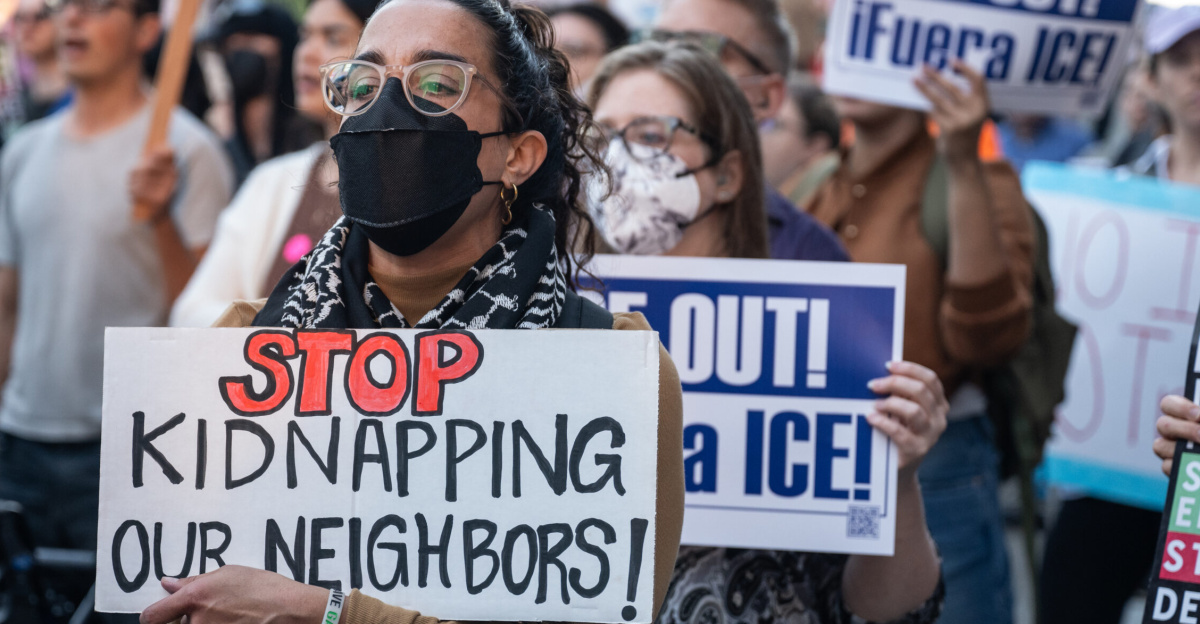
As the deadline passes and government officials scramble to justify detentions, 615 families await word: will their loved ones come home? Will those who have already been deported have any recourse? Will Judge Cummings’ ruling reshape immigration enforcement nationwide?
The coming weeks will determine whether this court order becomes a precedent-setting victory for immigrant rights or merely a reprieve in an ongoing battle over who gets detained and why.