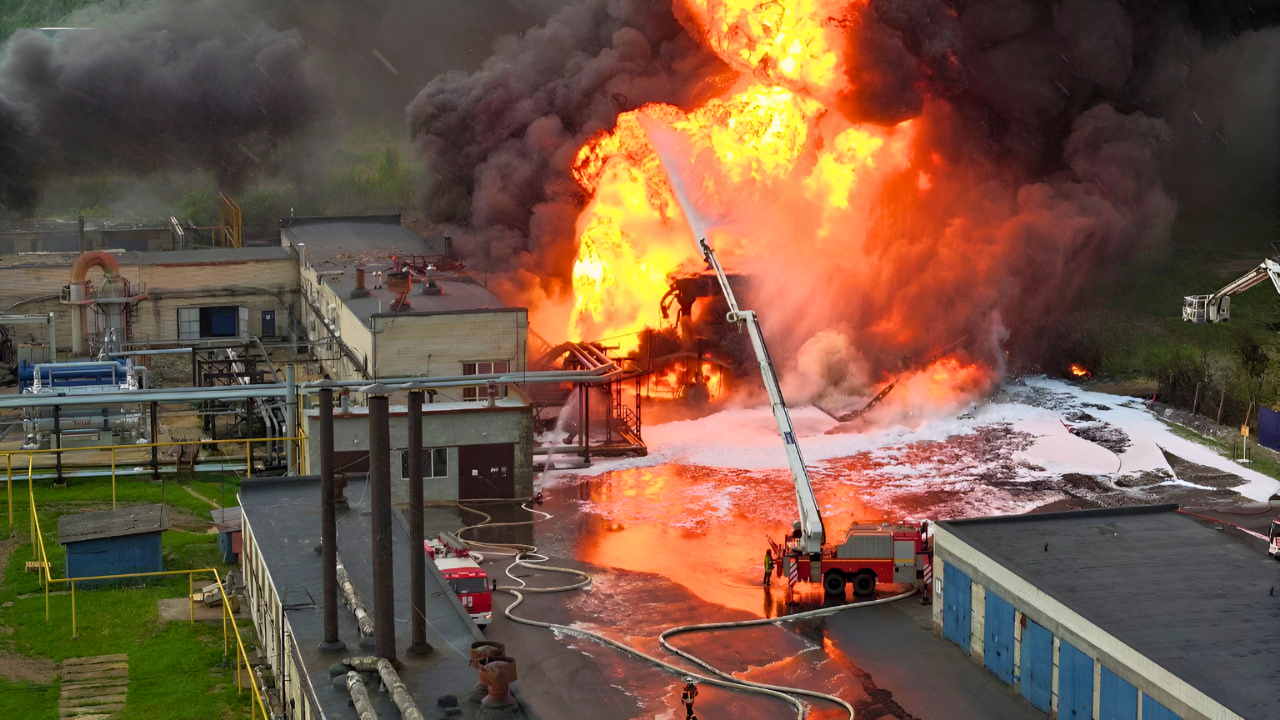
Alarms pierced the night in Novorossiysk at 2 a.m. on November 14, jolting residents from sleep as a massive explosion lit up the Black Sea port. Flames shot skyward from the Sheskharis oil terminal, one of Russia’s most vital energy hubs. As the fire raged, it became clear that Ukraine had launched a new phase in its campaign against Russian infrastructure—one that would reverberate far beyond the city’s harbor.
Unveiling Ukraine’s Homegrown Arsenal
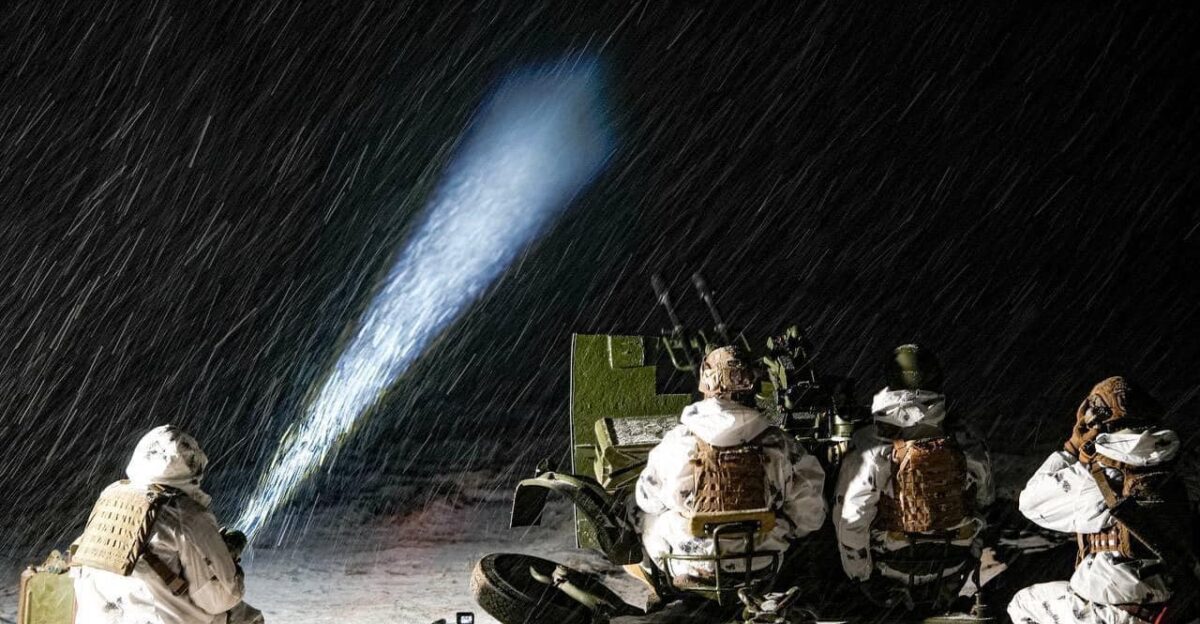
For months, Ukraine had kept its latest weapons under wraps. That night, the world saw them in action for the first time. The Neptune missile, capable of carrying over 260kg of explosives and reaching targets up to 1,000 kilometers away, struck the terminal with devastating force. Alongside it, the Bars drone-missile and Liutyi drones added precision and complexity to the attack. These systems, designed and built in Ukraine, marked a turning point: the country was no longer reliant on foreign-supplied long-range weapons. Instead, it had developed its own arsenal, capable of striking deep into Russian territory and reshaping the battlefield.
The attack on Sheskharis was not just a demonstration of new technology. The terminal handles about 20% of Russia’s maritime crude oil exports—roughly 2.2 million barrels per day, or 2% of global maritime oil supply. When Ukrainian missiles hit, pipelines ruptured and storage tanks ignited, forcing Russia’s Transneft pipeline operator to halt deliveries. By dawn, satellite images showed the terminal crippled and tanker traffic at a standstill. The economic shock was immediate and severe.
Russia’s Air Defenses Exposed
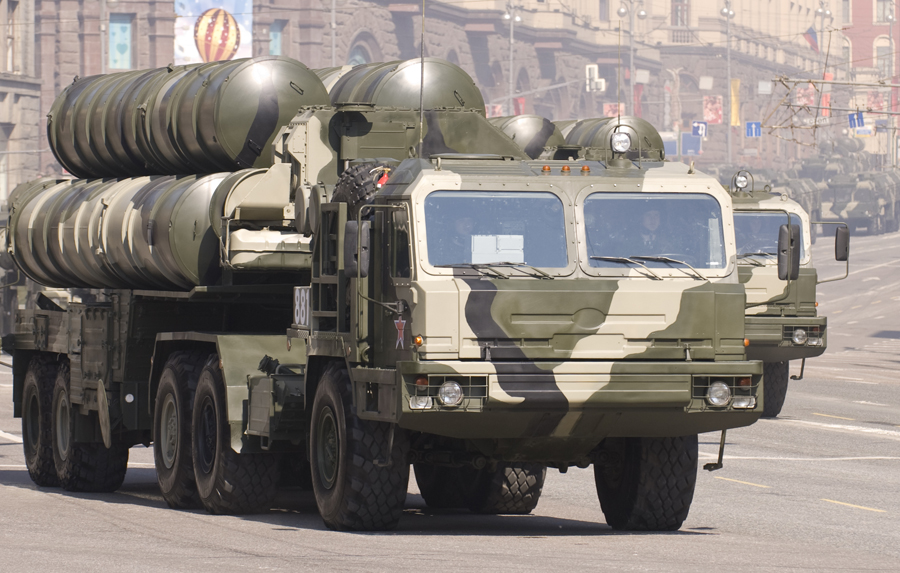
While the oil terminal burned, another blow landed 30 kilometers away. A Russian military base housing S-400 Triumph air defense systems—touted as among the world’s most advanced—was struck. Four launchers and two critical radars were destroyed, leaving the battery inoperable. The S-400, designed to shield Russian command centers and strategic sites, failed to intercept the incoming missiles and drones. Ukrainian sources reported that twelve S-400 systems were deployed at the base, with multiple units likely damaged.
The vulnerability of the S-400 system raised urgent questions for Russian military planners. Analysts suggested that poor positioning, inadequate maintenance, or Ukraine’s use of electronic countermeasures and drone swarms may have overwhelmed the defenses. Regardless of the cause, the attack demonstrated that even Russia’s most sophisticated systems could be breached, undermining a key pillar of its military strategy.
Economic and Civilian Fallout
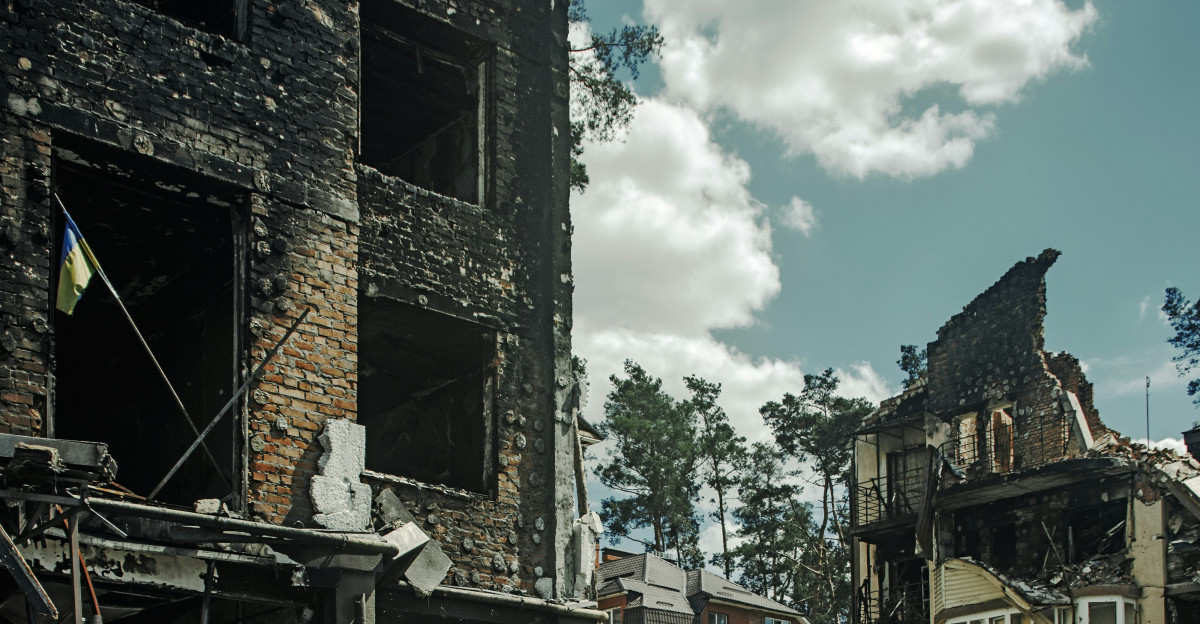
The strikes triggered a cascade of disruptions across southern Russia. Airports in Krasnodar, Gelendzhik, and other cities were temporarily closed as Ukrainian drones and missiles filled the skies. Passengers faced cancellations and delays, a stark reminder that the conflict’s reach now extended deep into Russian territory. Meanwhile, a container ship in Novorossiysk harbor was hit by shrapnel, injuring three crew members. Apartment buildings suffered damage from falling debris, forcing residents to seek shelter and prompting local authorities to declare a state of emergency.
The economic consequences for Moscow were immediate and compounding. The attack on Sheskharis added to an estimated $37 billion in lost oil and gas revenues projected for 2025, the result of previous Ukrainian strikes and international sanctions. Each damaged terminal or refinery meant less funding for Russia’s military operations—a deliberate strategy by Ukraine to erode the Kremlin’s war budget and limit its ability to sustain the conflict.
A New Phase in Ukraine’s Campaign
Ukrainian officials confirmed the use of Neptune missiles and the targeting of the oil terminal, framing the operation as a direct response to Russian attacks on Ukrainian cities. Just hours before the Novorossiysk strike, Russia had launched hundreds of drones and missiles at civilian areas, causing deaths and widespread destruction. Ukraine’s message was clear: it would target military and economic infrastructure in retaliation for attacks on its own population.
The Neptune and Bars platforms, now being produced in Ukraine, enable complex, multi-vector strikes without reliance on foreign approval or supply chains. This newfound independence enabled Ukraine to plan and execute operations on its own terms, thereby accelerating the pace and expanding the scope of its campaign.
Looking Ahead: Shifting the War’s Balance
The events of November 14 signaled a pivotal shift in the conflict. Ukraine demonstrated not only the ability to strike deep into Russian territory but also the operational sophistication to coordinate attacks across multiple domains. Russia’s most advanced defenses were shown to be vulnerable, and its economic lifelines were exposed to sustained disruption.
As both sides absorb the psychological and material impacts, the stakes have risen. For Ukraine, homegrown weapons offer new hope and strategic flexibility. For Russia, the attacks raise difficult questions about military preparedness and economic resilience. Whether this marks a turning point or the beginning of a new phase, the war’s character has changed—its outcome now shaped as much by technological innovation and economic pressure as by events on the battlefield.