
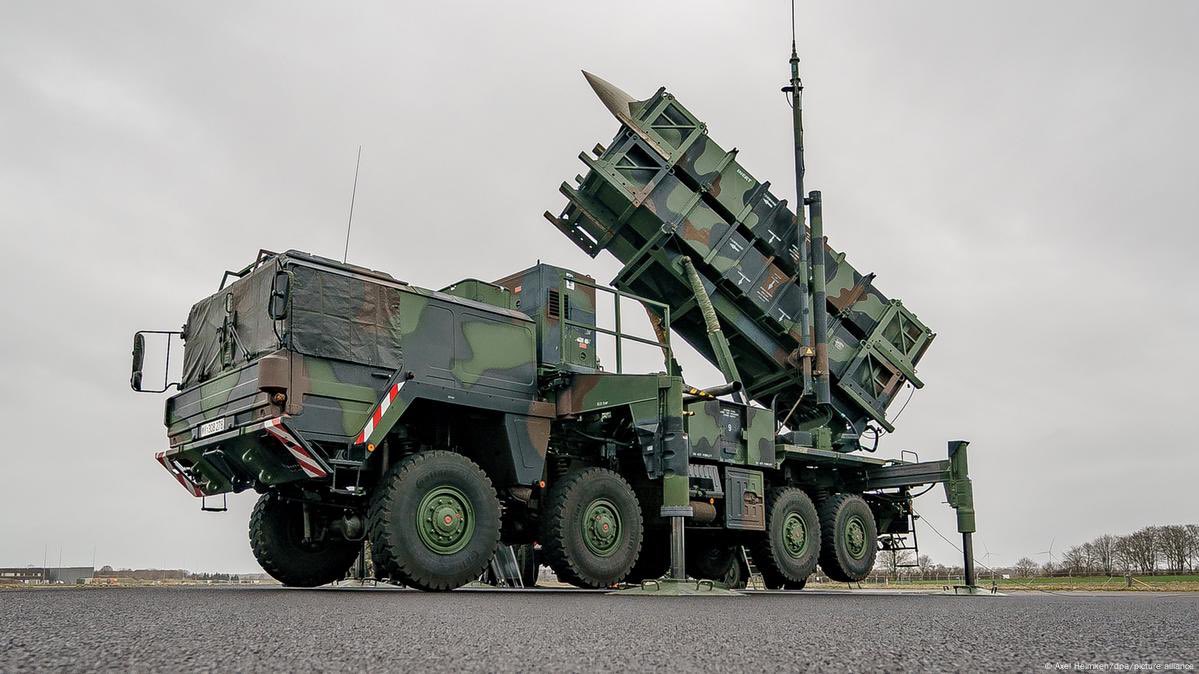
On May 16, 2023, Ukraine delivered one of the most consequential air-defense victories of the war: the downing of six Russian Kh-47M2 Kinzhal hypersonic missiles in a single coordinated barrage. Shot down by U.S.-supplied MIM-104 Patriot batteries, the interceptions directly contradicted Moscow’s claims that the Kinzhal was “unstoppable.”
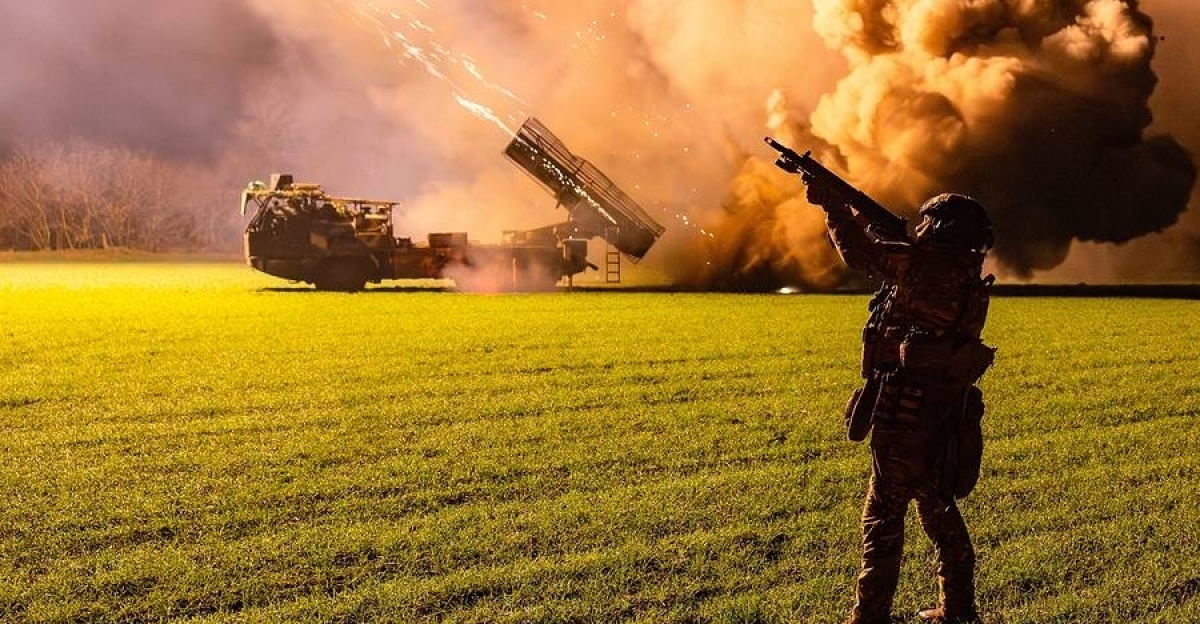
Raw footage from Kyiv showed bright streaks intercepting the incoming missiles—an event that immediately reshaped global perceptions of modern missile warfare.
Patriots vs. Kinzhals: A First in Military History
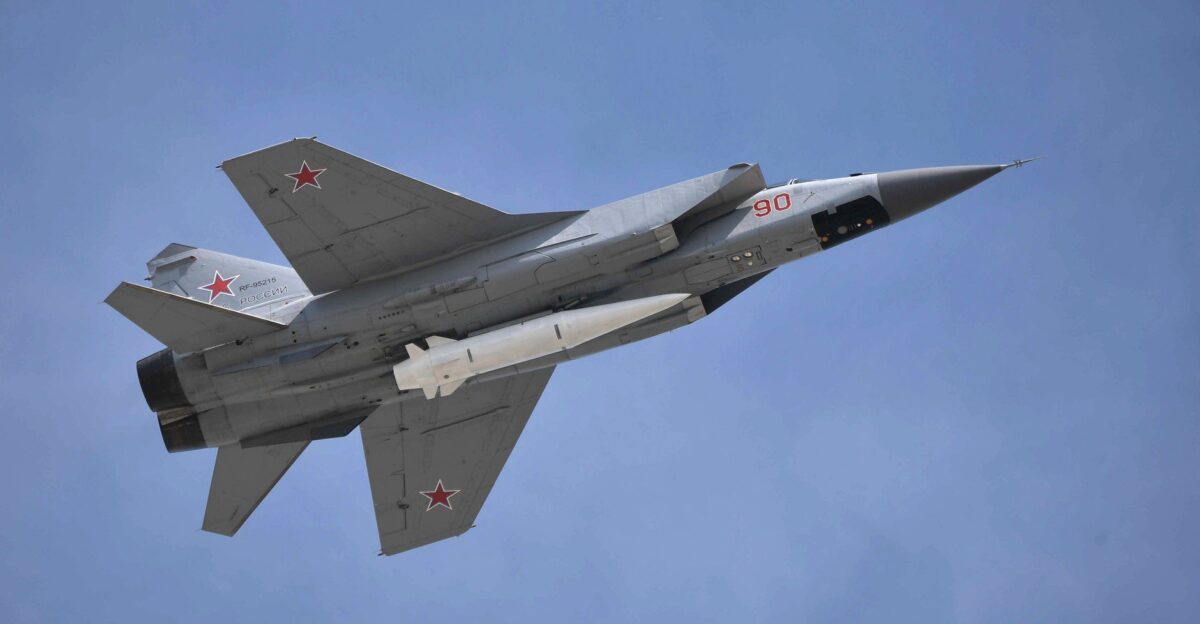
Ukraine’s interception of Mach-10-class Kinzhal missiles marked the first confirmed combat shootdown of operational hypersonic weapons. For years, analysts questioned whether legacy platforms like the Patriot could handle weapons traveling at more than 7,600 mph.
On May 16, Ukrainian operators proved it. By synchronizing radar tracking, software upgrades, and rapid-fire interceptors, Patriot crews demonstrated that hypersonic defense—previously believed nearly impossible—was achievable with optimized systems and experienced personnel.
Russia’s “Unbeatable” Missile Myth Collapses
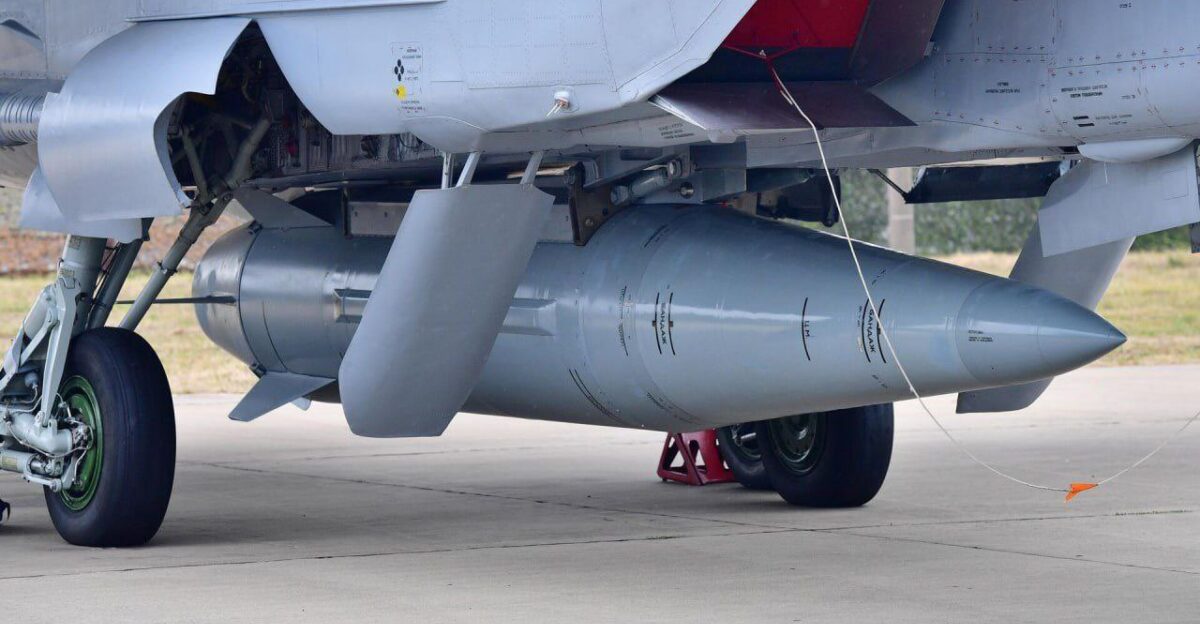
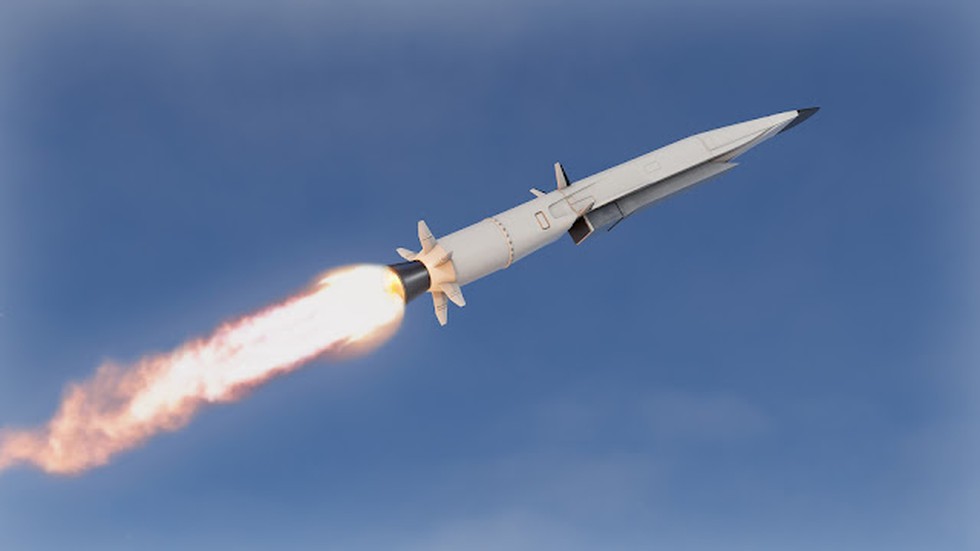
Since its 2018 unveiling, Russia marketed the Kinzhal as invincible, claiming it could reach Mach 10–12 and maneuver unpredictably to defeat any Western defense system. Its repeated use in Ukraine was intended to project technological dominance and fear.
But the May 16 interceptions undermined that narrative. If the Kinzhal—Russia’s flagship “next-generation” missile—could be intercepted, then its value as a strategic deterrent and political messaging tool would need to be reevaluated globally.
How the Kinzhal Was Supposed to Work
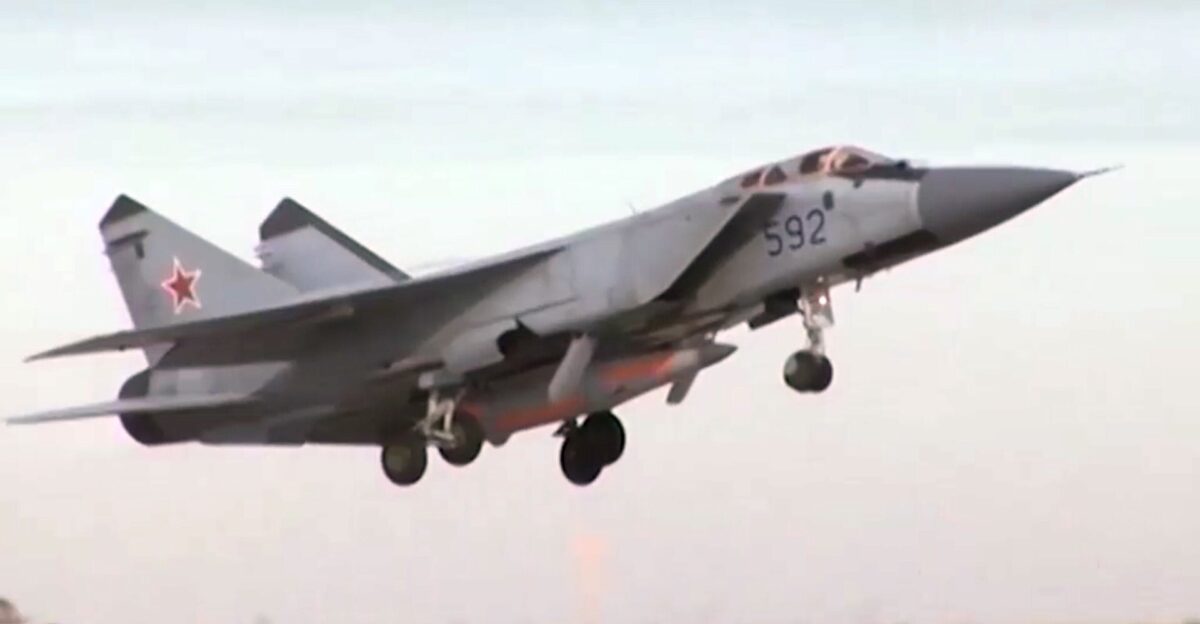
The Kinzhal, launched from MiG-31K aircraft, is designed for rapid acceleration, high-altitude flight, and terminal-phase maneuvering.
Russia has long claimed its extreme speed and unpredictable descent path make it impossible to track or intercept. With an advertised range of roughly 2,000 km and the ability to deliver conventional or nuclear payloads, it was intended to bypass NATO air defenses entirely. The successful Patriot shootdowns challenged the core assumptions behind this strategy.
Kyiv’s Defenders Rise to the Moment
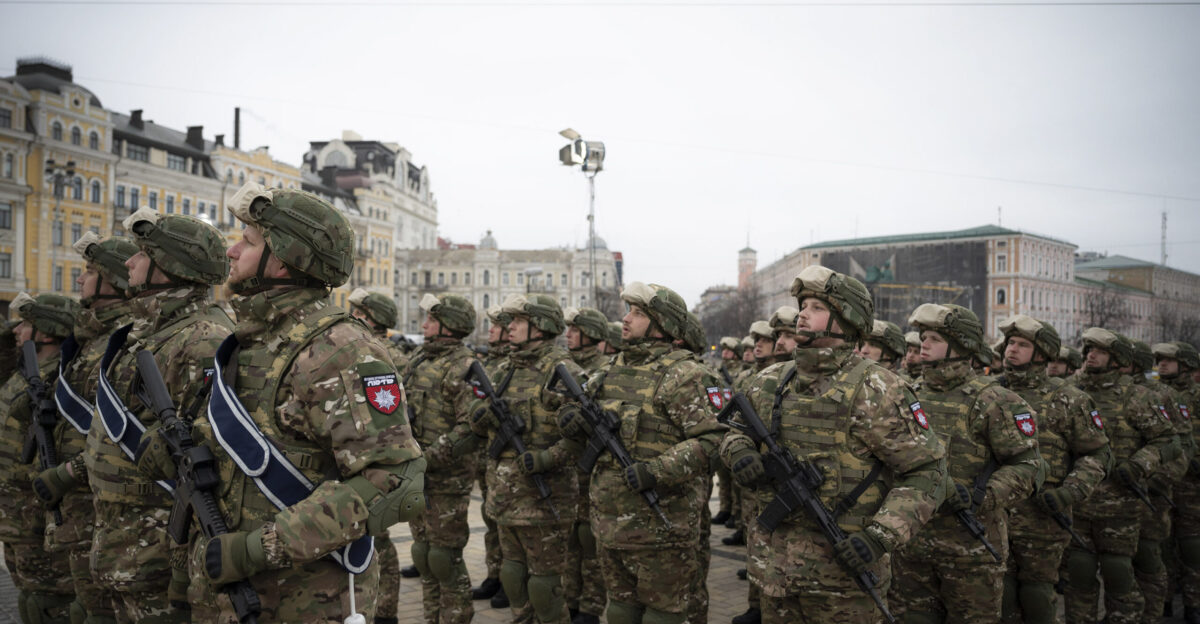
For months, Kyiv residents endured escalating missile attacks, including waves of drones, cruise missiles, and ballistic weapons.
But the May 16 event brought a rare sense of triumph. As the explosions lit the night sky, air-defense crews confirmed successful intercepts, sparing the capital from what could have been catastrophic damage. Civilians who once doubted Ukraine’s defensive shield expressed renewed confidence that even Russia’s most advanced threats could now be countered.
A Psychological Turning Point for Civilians
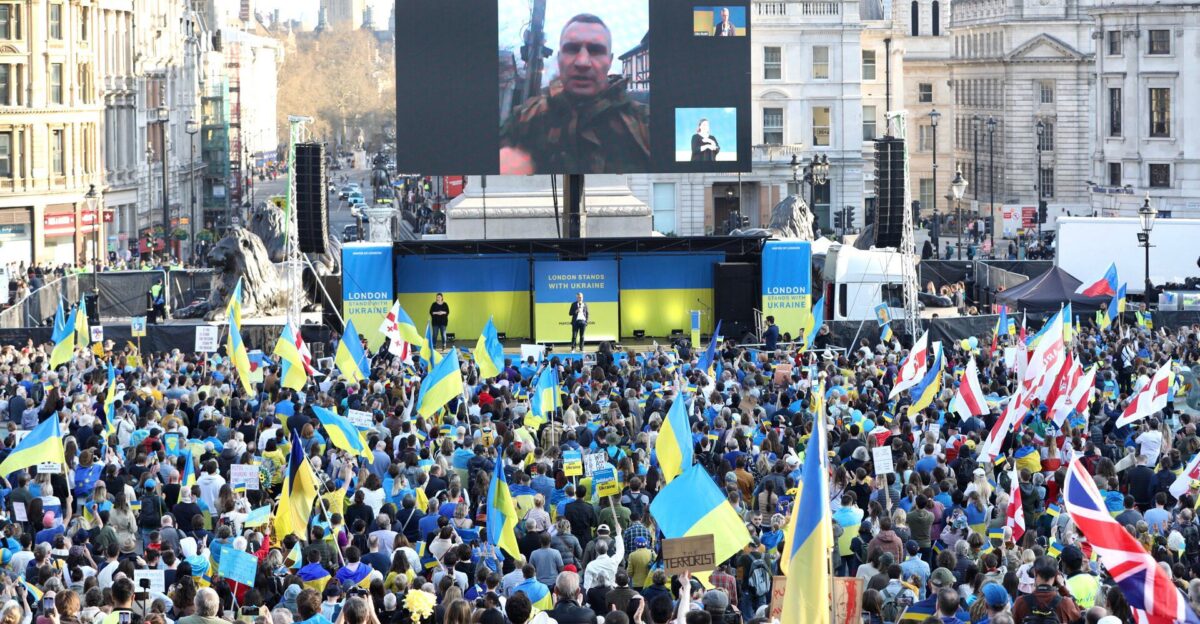
Kyiv’s population, accustomed to frequent air-raid alerts, described the shootdowns as a powerful morale boost.
Social media filled with messages of relief and pride in the air-defense crews. Mental-health experts noted that the knowledge of reliable defenses reduces trauma and anxiety associated with repeated missile threats. The event became a symbol of resilience, illustrating that safety in wartime is not solely physical—it is also psychological and deeply tied to confidence in national defense.
Western Air Defenses Prove Their Value
The Patriot’s performance triggered immediate reactions across NATO and the broader defense community. Military analysts noted that the system—originally developed in the Cold War—remained effective after decades of upgrades.
The shootdowns validated investments in layered air defense and demonstrated that older platforms, when paired with modern software and highly trained operators, can handle even next-generation threats. This success significantly increased trust in Western missile-defense technologies.
The Patriot System Gains Global Attention
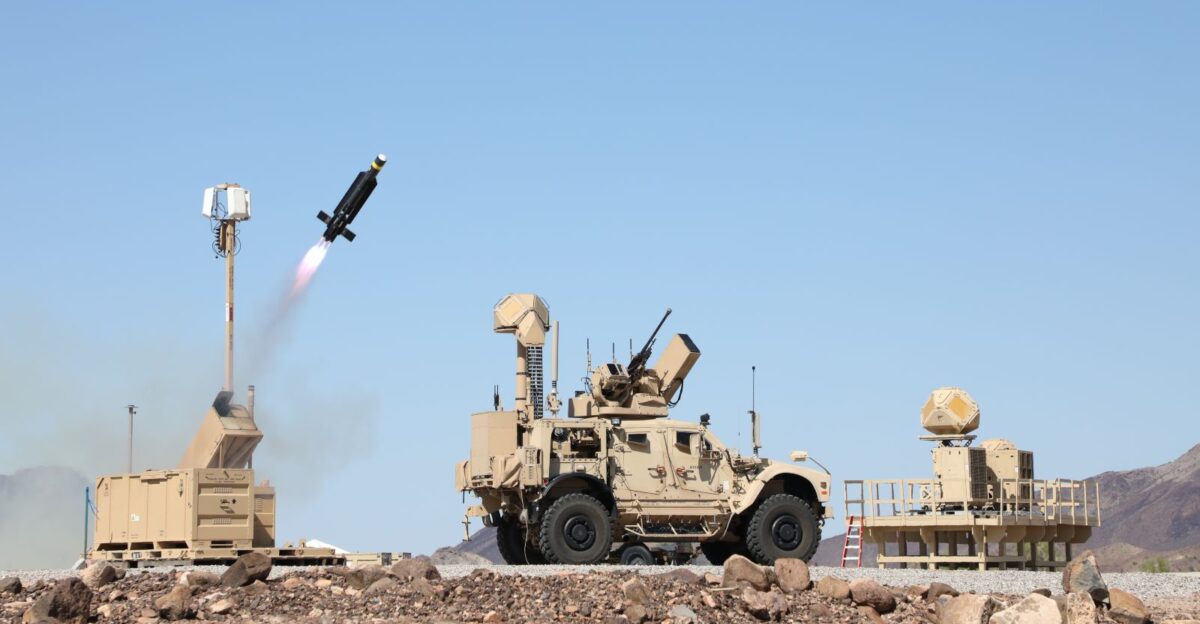
Defense contractors, particularly Raytheon, saw renewed interest in Patriot batteries following the Kyiv operation. NATO allies accelerated procurement discussions, seeking the same capability demonstrated in Ukraine.
Suddenly, the Patriot was not just a missile-defense asset; it was the world’s first proven hypersonic interceptor. Countries evaluating their air-defense needs saw real battlefield evidence that the system could reliably counter high-speed, high-complexity threats.
Other Air Defense Systems Enter the Conversation
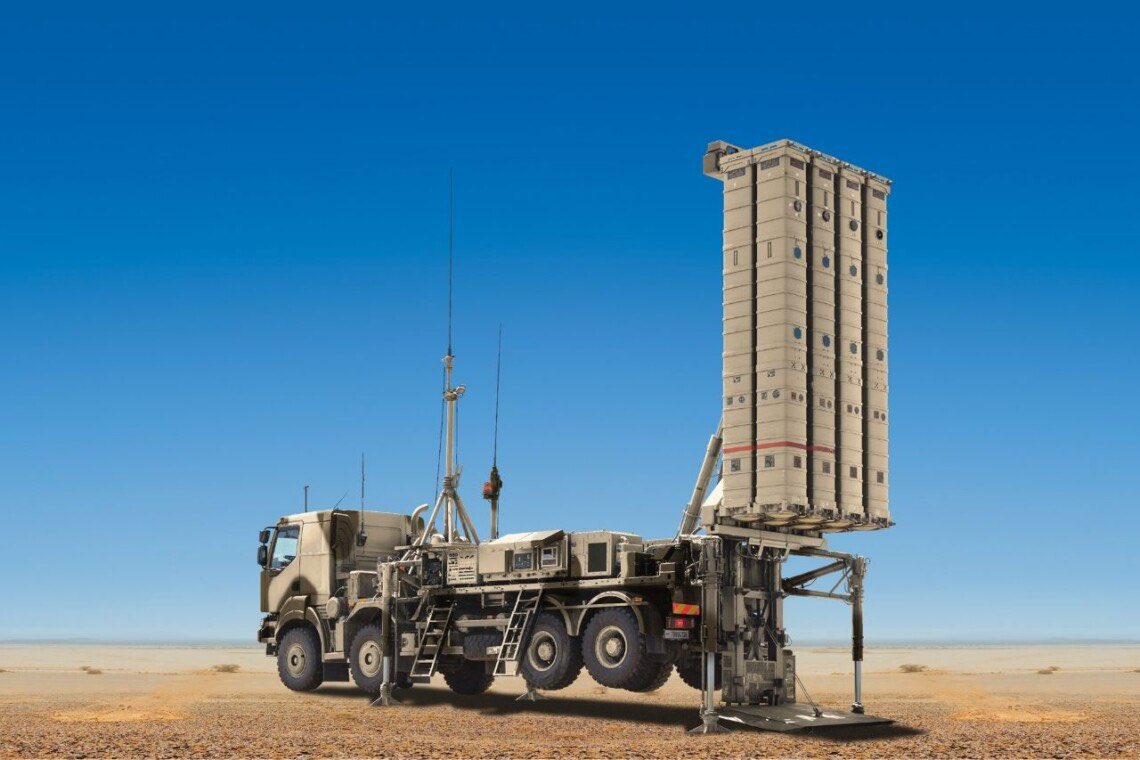
Ukraine’s success also redirected attention toward complementary systems like the SAMP/T (France–Italy) and NASAMS (U.S.–Norway). While both are effective against cruise missiles and drones, they lack the volume of interceptors and proven hypersonic capability of the Patriot.
Military planners emphasized the need for multi-layered air defenses, but acknowledged that, for now, the Patriot remains the premier system capable of intercepting weapons in the Kinzhal’s performance class.
NATO’s $500 Million Acceleration Plan
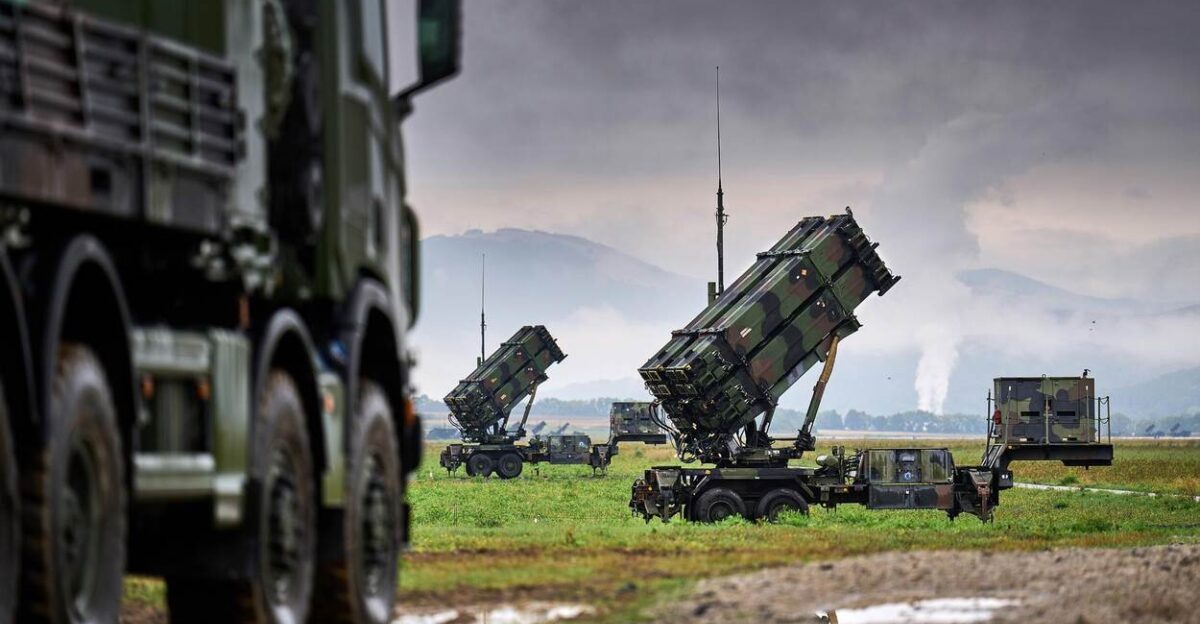
In response to the successful interceptions, NATO countries including Sweden, Norway, and Denmark moved to accelerate Patriot deliveries to Ukraine. Negotiations for a collective package reportedly valued at around $500 million gained momentum, focusing on both batteries and replenishing interceptor stockpiles.
These commitments highlighted a broader strategic recognition: hypersonic defense is no longer theoretical. It is a rapidly evolving requirement for modern battlefields and national security infrastructures.
Inside the Ukrainian Air Force’s Reaction
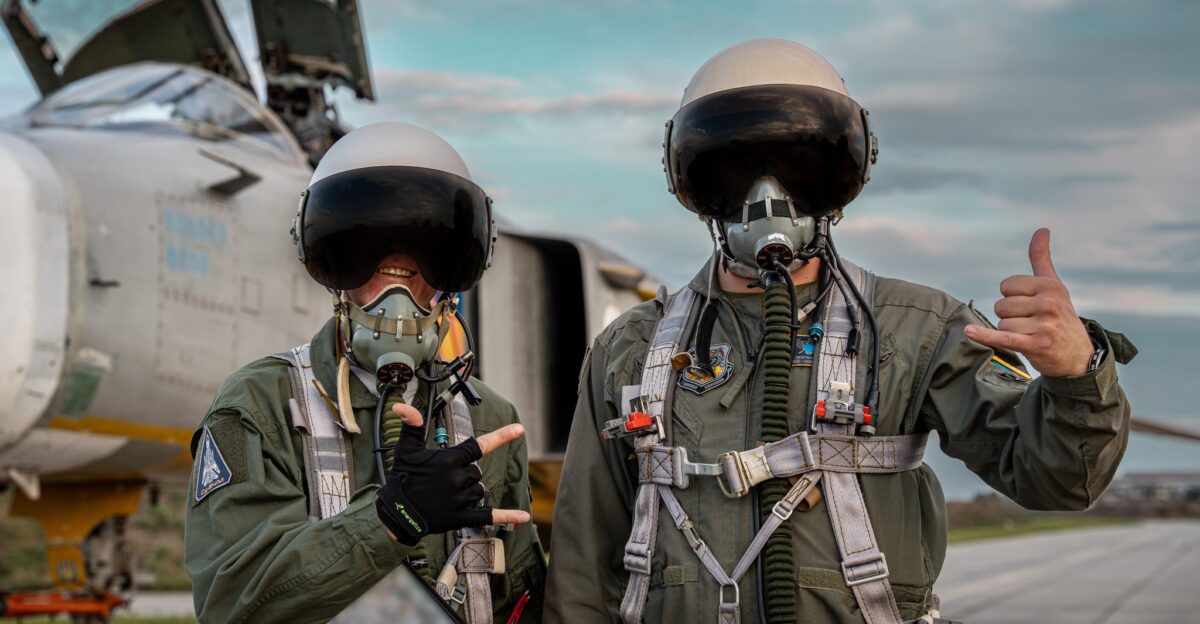
For Ukrainian Air Force crews, the May 16 interceptions were a transformational moment. Operators described the engagement as the ultimate validation of months of training with U.S. instructors and allied specialists.
They emphasized that mastery of Patriot systems requires precise timing, data interpretation, and fast decision-making under pressure. The success strengthened cooperation between Ukrainian forces and Western partners, reinforcing the value of joint instruction and technology transfers.
Zelenskyy’s Diplomatic Messaging

President Volodymyr Zelenskyy used the interceptions to amplify messaging about global unity against Russian aggression.
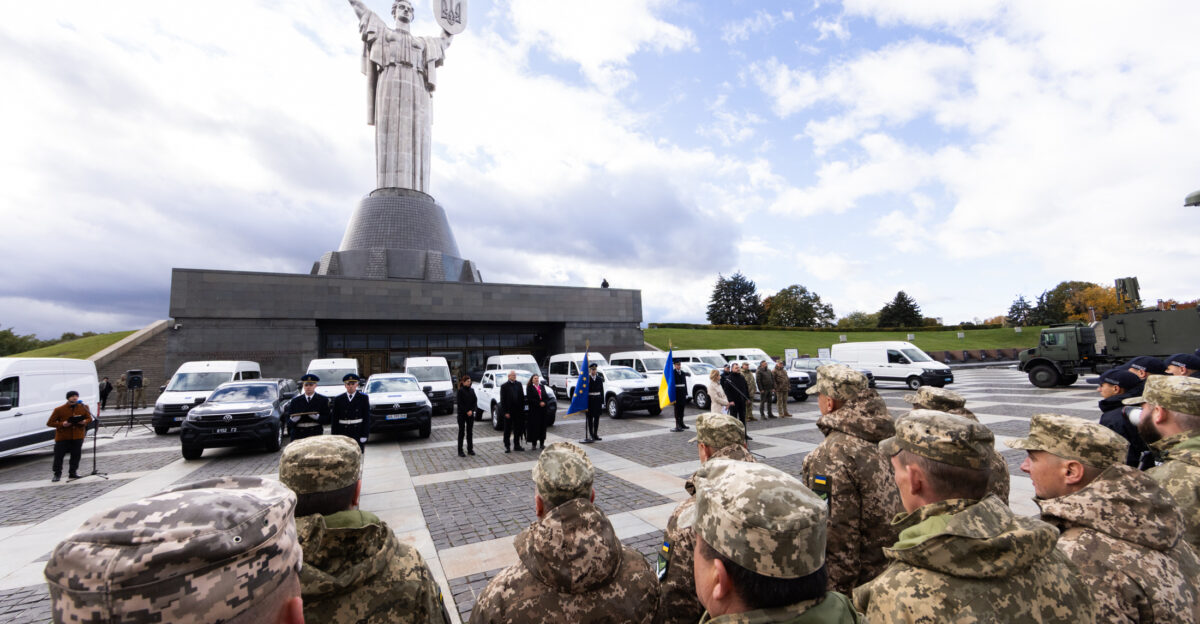
He thanked the U.S. and European partners for their continued support and stressed that the Patriot’s performance was evidence of what international cooperation could achieve. In diplomatic channels, the event reinforced arguments for supplying Ukraine with additional air-defense capabilities, emphasizing that advanced Western equipment directly protects civilian lives.
Policy Shifts in Washington and Europe
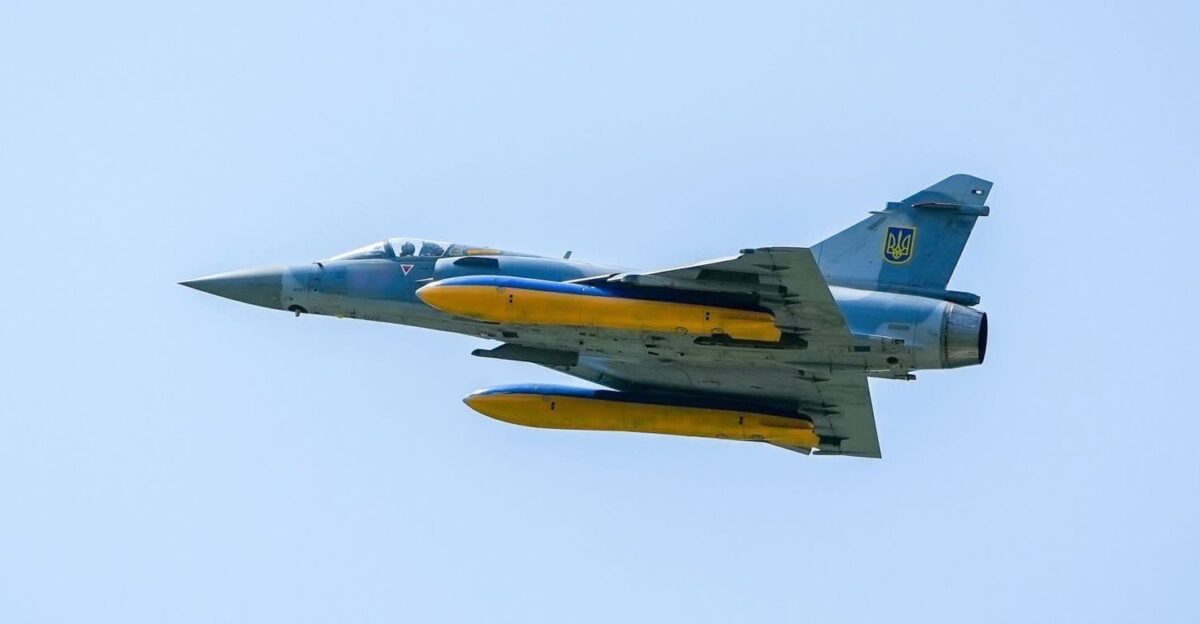
The shootdowns prompted fresh debate within Western governments regarding long-term commitments to Ukrainian air defense. U.S. lawmakers cited the intercepts as justification for expanding military assistance packages, while European defense ministers reassessed the urgency of replenishing their own limited air-defense inventories.
The event became a case study in the importance of sustaining high-tech defensive systems not only for Ukraine’s security, but for NATO’s broader deterrence posture.
Economic Ripple Effects Across the Defense Sector
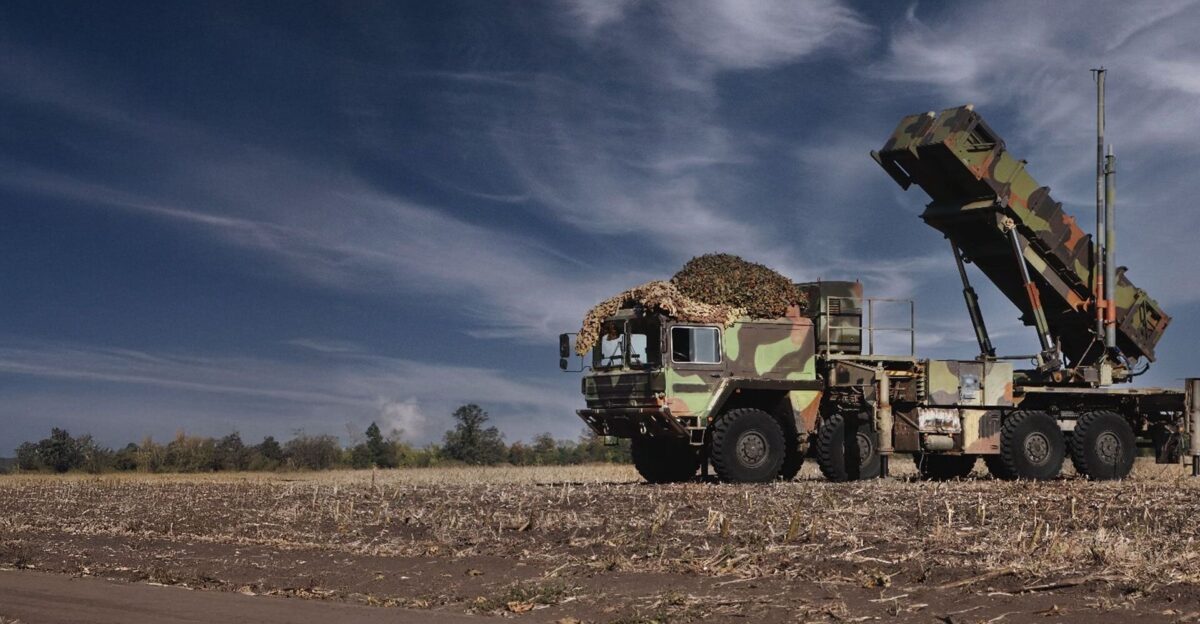
Demand for Patriot batteries and interceptor missiles surged after the Kyiv event, increasing pressure on manufacturing lines. Raytheon and subcontractors faced longer order queues, rising material costs, and requests for expedited production.
Smaller countries expressed concern over affordability and delivery delays, highlighting persistent challenges within global supply chains. Nevertheless, analysts projected strong long-term growth for air-defense manufacturers as militaries adapt to the hypersonic era.
The Civilian Economy Inside Kyiv

Kyiv’s daily economy—ranging from small businesses to essential services—experienced subtle but meaningful changes after the shootdowns. Residents reported reduced fear of traveling during air-raid alerts and increased confidence in staying within the city.
Public-health officials noted that functioning air defenses help stabilize urban life by lowering stress levels associated with constant bombardment threats. The event reinforced the interplay between military stability and civilian economic resilience.
Understanding the Health Effects of Missile Warfare
Continuous missile threats have measurable psychological impacts, including heightened anxiety, sleep disruption, and chronic stress. After the successful Kinzhal interceptions, mental-health professionals reported slight improvements in community sentiment.
While the threat of attacks remains, effective air-defense systems reduce the perceived randomness of danger. This demonstrates how technological capabilities directly influence population-level mental health in conflict zones.
Environmental and Ethical Dimensions of Hypersonic Warfare
The interception of six hypersonic missiles reignited discussions about the environmental and ethical costs of high-tech warfare. Hypersonic weapons require significant energy to produce, and intercepted missiles scatter debris over large areas, raising cleanup and contamination concerns.
Ethically, some questioned whether arms spending on expensive systems like the Patriot is sustainable long-term. Yet others argued that defensive systems are essential for protecting civilian populations from indiscriminate strikes.
How Global Consumers Perceive Missile Defense Now
Public opinion across allied nations shifted after the Kyiv shootdowns. Citizens previously skeptical of large military expenditures began viewing advanced air-defense systems as essential to national security. The Patriot’s performance strengthened the belief that Western defense technologies can safely counter modern threats.
This changing perception influences political support, budget decisions, and ultimately the global arms market, where missile-defense capability is increasingly valued.
Winners and Losers in the Defense Industry
Raytheon and Western partners emerged as clear beneficiaries of the Patriot’s success, with increased orders and heightened international credibility. Conversely, Russia’s defense industry faced reputational damage as footage of failed Kinzhal strikes circulated online.
The missile once branded “invincible” now appeared vulnerable, undermining years of marketing and raising doubts about other advertised advanced Russian weapons. The event reshaped competitive dynamics within the global arms market.
Looking Forward: The Future of Hypersonic Defense
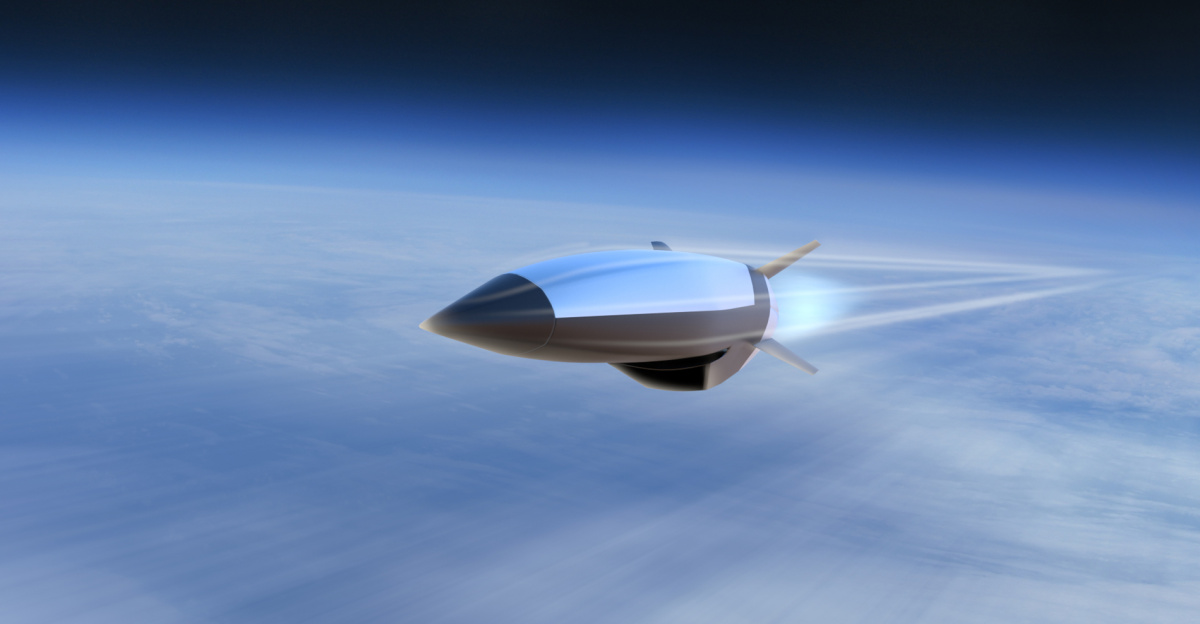
The May 16 interceptions represent a turning point in modern warfare. They prove that even hypersonic weapons—once considered undefendable—can be countered with advanced, well-integrated air-defense systems. Military planners worldwide now anticipate expanded investments in radar upgrades, missile interceptors, and international cooperation.
For Ukraine, the event reinforces the strategic importance of continued Western support. For the world, it signals a new phase in the race to defend against next-generation threats.