
Every day, millions of Americans depend on prescription drugs for conditions ranging from infections to cancer. Yet, the steady supply of these life-saving medications is under threat, as the United States finds itself deeply reliant on a global pharmaceutical supply chain dominated by China. This dependency has left the nation vulnerable to disruptions that could have far-reaching consequences for public health and the economy.
China’s Rise as the World’s Medicine Cabinet
In 2008, China set out to become the world’s leading supplier of pharmaceutical ingredients. Through generous government subsidies and relaxed environmental regulations, the country quickly attracted pharmaceutical manufacturing from the U.S. and Europe. Over time, American and European companies shifted production of key starting materials—essential chemicals used to make active pharmaceutical ingredients (APIs)—to China, drawn by lower costs and fewer regulatory hurdles.
Today, China produces nearly half of the world’s key pharmaceutical materials. This dominance means that many common drugs, including antibiotics like amoxicillin and penicillin, as well as painkillers and cancer treatments, are made possible only through Chinese-supplied chemicals. What once seemed like a cost-saving strategy has become a strategic vulnerability, with the U.S. now dependent on a single foreign source for much of its medicine.
Mounting Pressure on Drug Prices and Supply
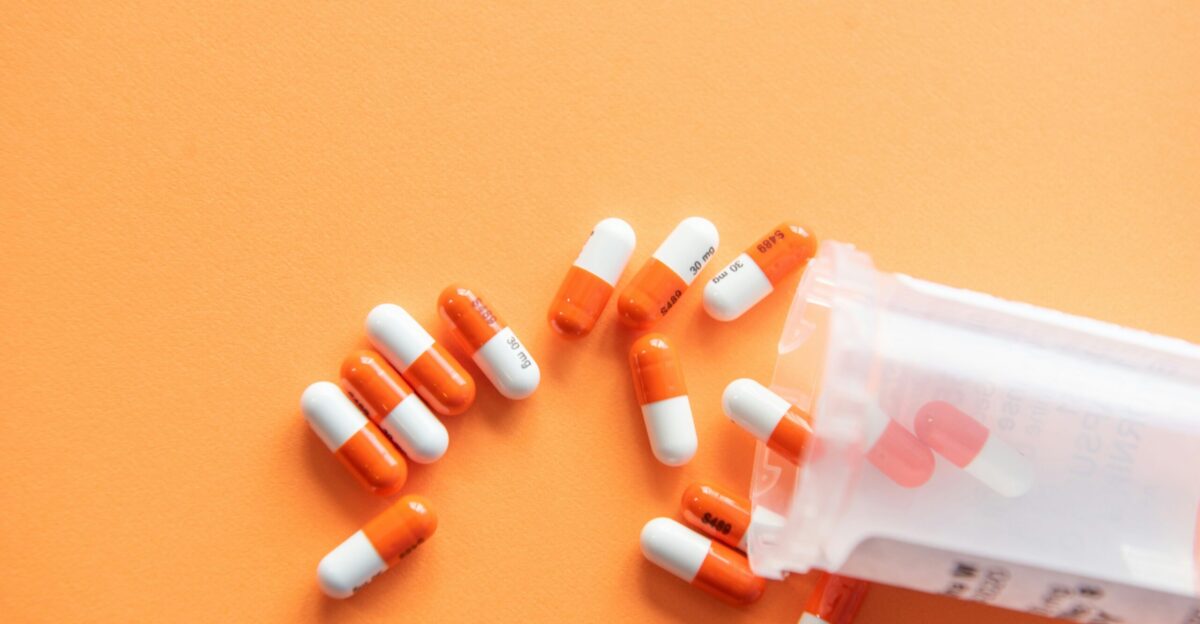
The U.S. pharmaceutical industry faces mounting pressure as trade tensions with China escalate. Proposed tariffs on Chinese-made APIs could reach as high as 245%, threatening to drive up drug prices across the board. Industry analysts estimate that a 25% tariff on pharmaceutical imports would add nearly $51 billion to annual U.S. drug costs, with price hikes ranging from 13% to 18% depending on how much of the cost is passed to consumers. Generic drugs, which account for 90% of U.S. prescriptions, are especially at risk due to their heavy reliance on Chinese ingredients.
Relocating production to other countries, such as India or Mexico, is not a quick or easy solution. Building new manufacturing capacity would require years of investment and billions of dollars. In the meantime, American pharmaceutical companies are caught in a bind: unable to quickly sever ties with China without risking shortages and price spikes.
The Domino Effect: Shortages and Global Vulnerability

The threat of drug shortages is no longer hypothetical. Many generic medications, including IV fluids, epinephrine, and heparin, depend on a single Chinese supplier. If supply is disrupted—by trade disputes, natural disasters, or political decisions—hospitals and pharmacies across the U.S. could face critical shortages, forcing rationing and jeopardizing patient care.
The problem extends beyond U.S. borders. India, the world’s largest producer of generic medicines, imports nearly 70% of its APIs from China. If China were to halt exports, India’s pharmaceutical industry would be paralyzed, triggering a global health crisis. Developing countries in Africa, Southeast Asia, and Latin America, which rely on affordable medicines from India and China, would be hit hardest by any prolonged disruption.
Human and Economic Costs

The human cost of this fragile supply chain is significant. In China’s pharmaceutical manufacturing hubs, workers are exposed to hazardous chemicals with minimal oversight, while in the U.S., domestic production has dwindled, leaving abandoned factories and a workforce in need of retraining. Even if the U.S. were to invest heavily in rebuilding its pharmaceutical industry, it would take years to restore capacity and expertise.
For American consumers, rising drug prices and potential shortages could be devastating, especially for the uninsured and underinsured. Higher costs would also strain government programs like Medicare and Medicaid, putting additional pressure on the federal budget. Pharmacies and hospitals are already bracing for impact, negotiating long-term contracts and seeking alternative suppliers, but these measures come at a cost that will ultimately be borne by patients.
Searching for Solutions Amid Uncertainty

In response to these challenges, the U.S. government has begun taking steps to promote domestic pharmaceutical production. Recent executive orders aim to streamline regulations and encourage investment in critical medicine manufacturing. However, reshoring production is a complex and costly process that cannot be accomplished overnight.
As policymakers weigh options, the stakes are clear: without a more resilient and diversified supply chain, the U.S. risks ongoing shortages, rising costs, and diminished access to essential medicines. The crisis has exposed the dangers of overreliance on a single foreign supplier and underscored the need for international cooperation, strategic stockpiles, and investment in domestic capacity. The future of global health may depend on how quickly and effectively these lessons are put into action.