
The auction floor buzzed with anticipation as a Chevrolet Corvair, once a symbol of American innovation, rolled onto the stage. But as the gavel fell, it sold for a fraction of its former glory. Collectors stared, unsure of what had gone wrong.
In 2025, the classic car market is in turmoil. Legends like the Impala SS and Pontiac Tempest are struggling to find buyers, as tastes shift and values plummet. The questions flood in: Why is nobody buying these once-coveted vehicles? What’s behind the decline? And will the market ever recover?
1. Chevrolet Corvair: A Falling Star
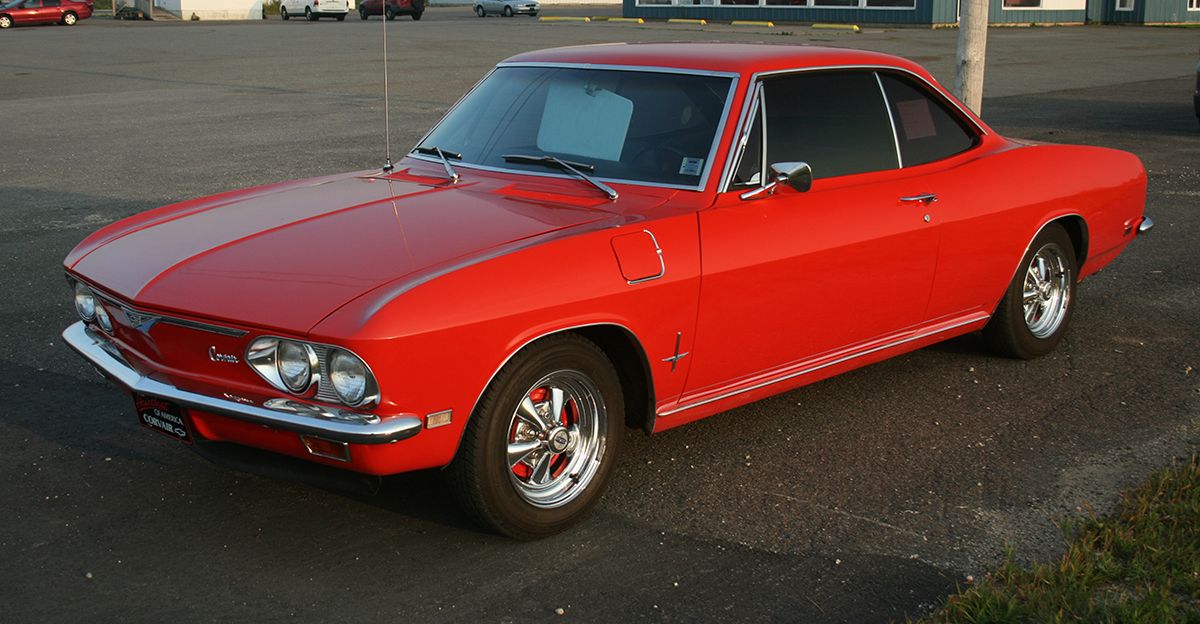
The Chevrolet Corvair once stood out for its unique air-cooled, rear-mounted engine—a feature that made it a symbol of American innovation. However, despite its bold design, the Corvair is no longer attracting collectors’ interest.
Its market value has been under pressure due to safety concerns and competition from other vintage models. Once an American icon, the Corvair’s appeal has faded, proving that even rare designs can lose their charm over time.
Corvair’s Struggling Market
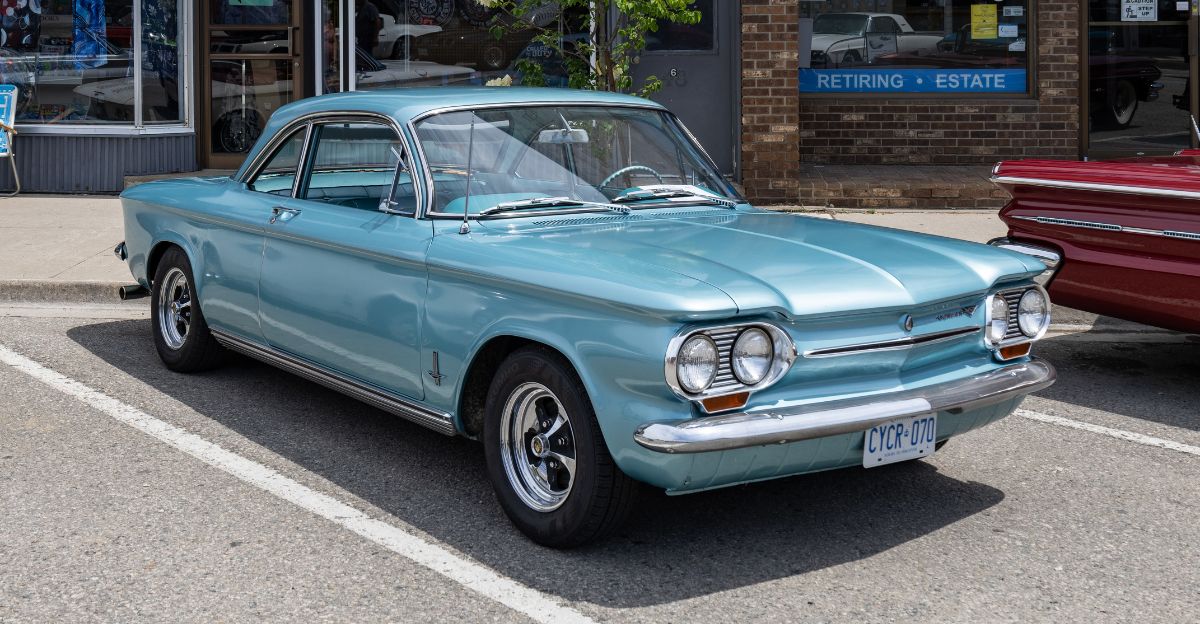
In 2025, the Chevrolet Corvair’s average market value hovered around $15,780, a significant dip from its heyday. While some restoration enthusiasts still seek out these cars, the demand has slowed considerably.
The Corvair’s legacy now faces stiff competition from other, more desirable vehicles in the collector market. Even well-maintained models are struggling to sell, highlighting how quickly tastes can change in the world of classic cars.
2. Buick Wildcat: Once a Muscle Car Favorite
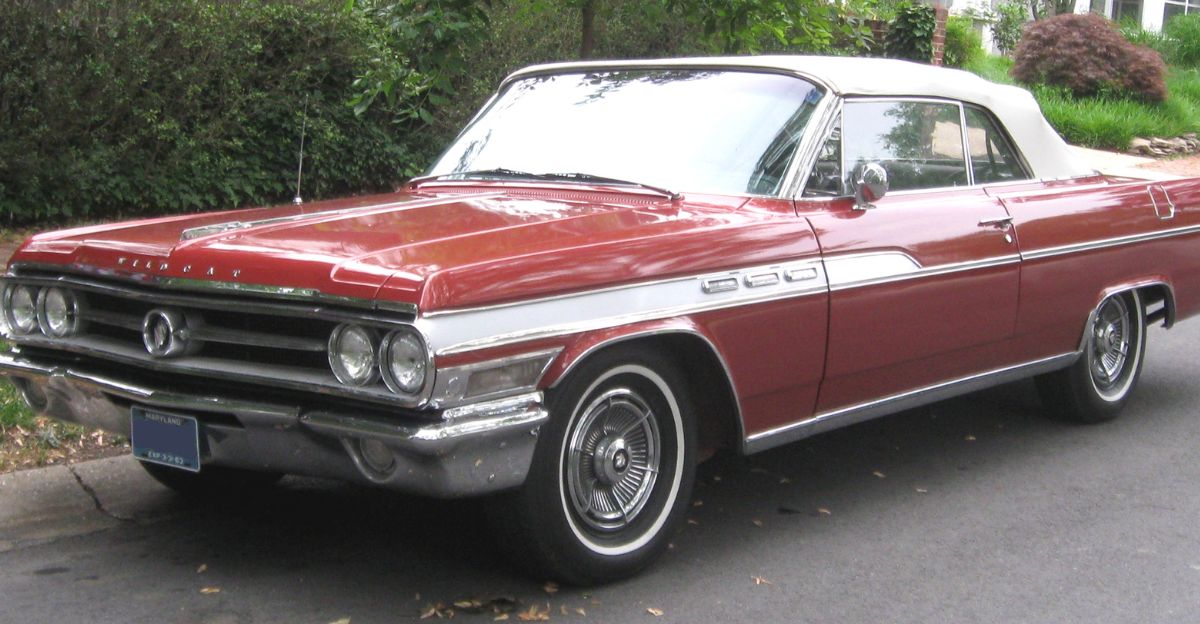
The Buick Wildcat, known for its blend of luxury and power, was once a darling of the American muscle car era. However, it has found itself struggling in today’s market.
As collectors shift towards more compact and recognizable vehicles, the Wildcat’s large size and high restoration costs are working against it. The once-prized Wildcat has become a tough sell, especially as the new generation of collectors gravitates toward more iconic models.
Wildcat Market Shift
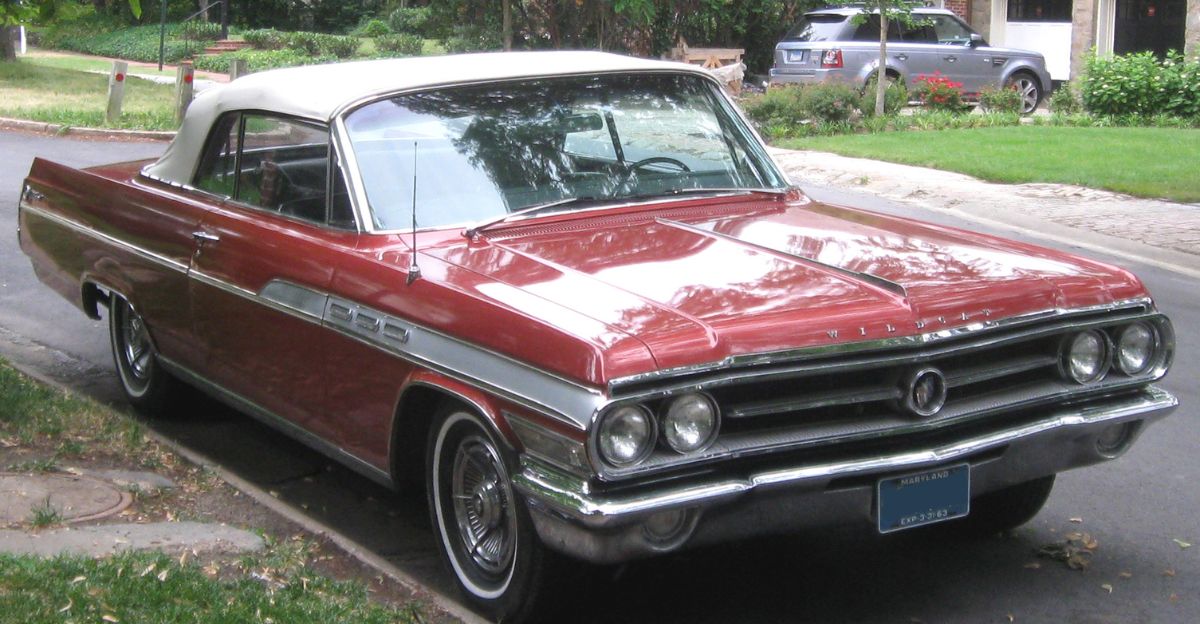
Today, Buick Wildcats are typically sold for between $14,500 and $32,900, depending on condition and originality. Restoration costs, combined with the model’s less competitive standing in the market, make it harder for owners to get top dollar.
The Wildcat’s fall from grace reflects a broader trend where buyers now favor limited-edition models with exclusive histories, leaving this once-revered muscle car behind in the dust.
3. Pontiac Tempest: A Quirky Classic with Limited Appeal
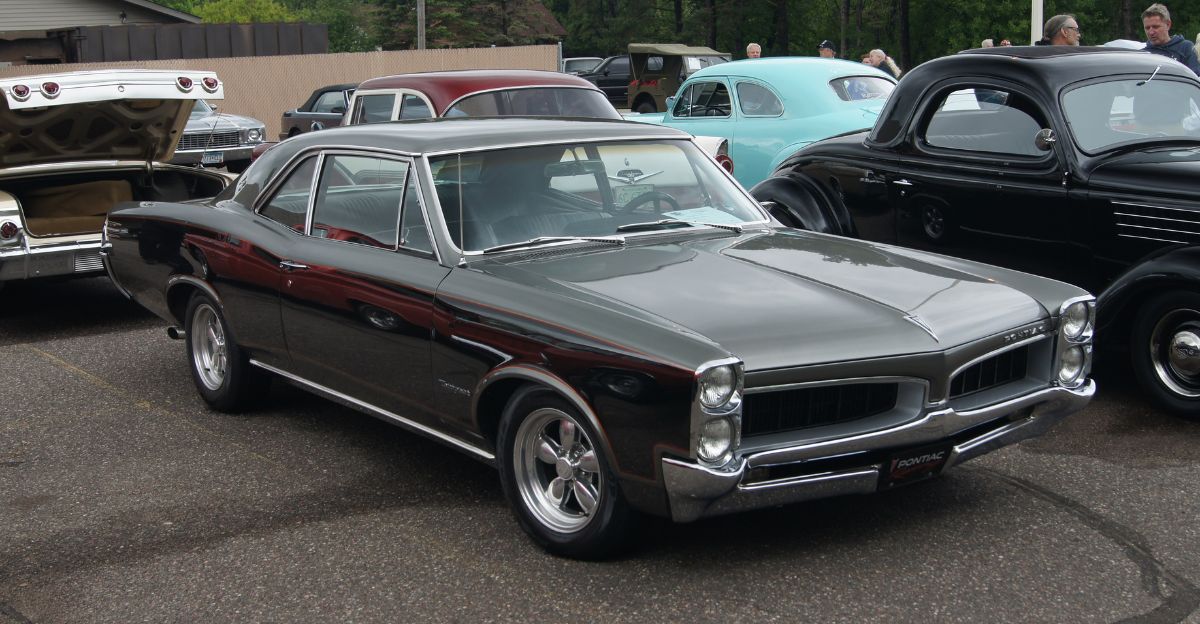
Once celebrated for its innovative engineering, the Pontiac Tempest was ahead of its time. Known for its unique design and engineering feats, it was a standout in the early 1960s.
However, in 2025, its value has softened considerably. Buyers are now seeking classics with stronger nostalgia and status, leaving the Tempest to struggle. While its quirky design once made it a favorite, today’s market demands more than just innovation—it requires timeless appeal.
Tempest’s Decline
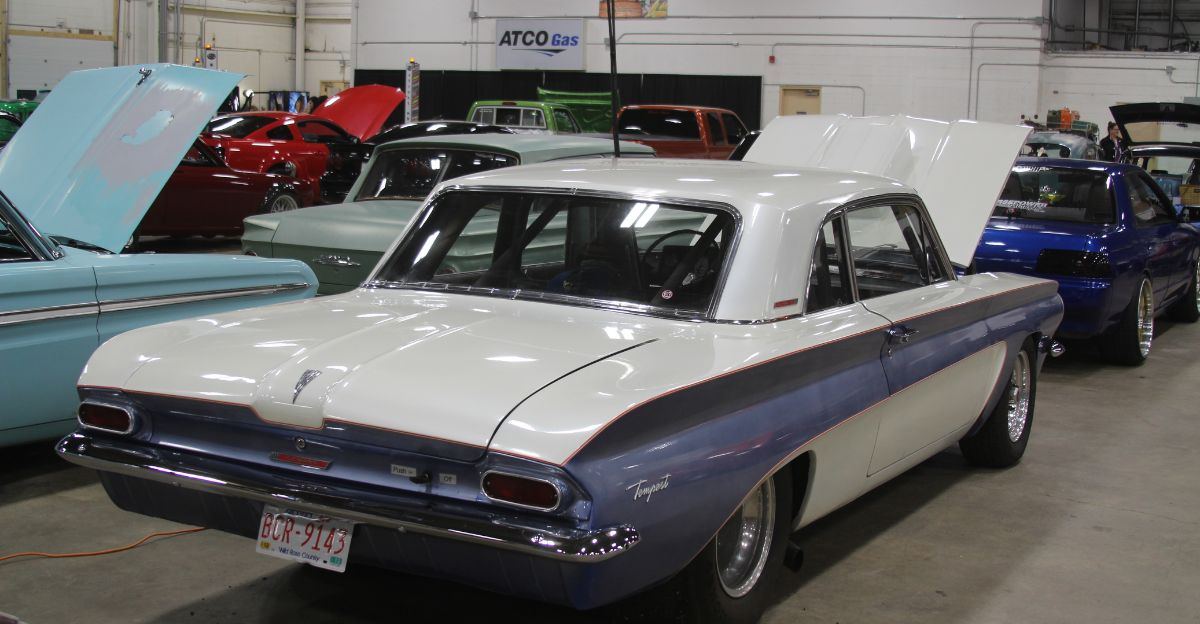
With prices hovering around $26,000 to $31,000, the Pontiac Tempest is not attracting the same attention it once did. The market has become increasingly competitive, and buyers now have a wider selection of vintage models to choose from.
While the Tempest’s eccentricities once made it a collector’s dream, its marketability has diminished in favor of more mainstream, collectible cars. The Tempest’s decline underscores the changing tastes in the classic car market.
4. AMC Rebel SST: A Forgotten Icon
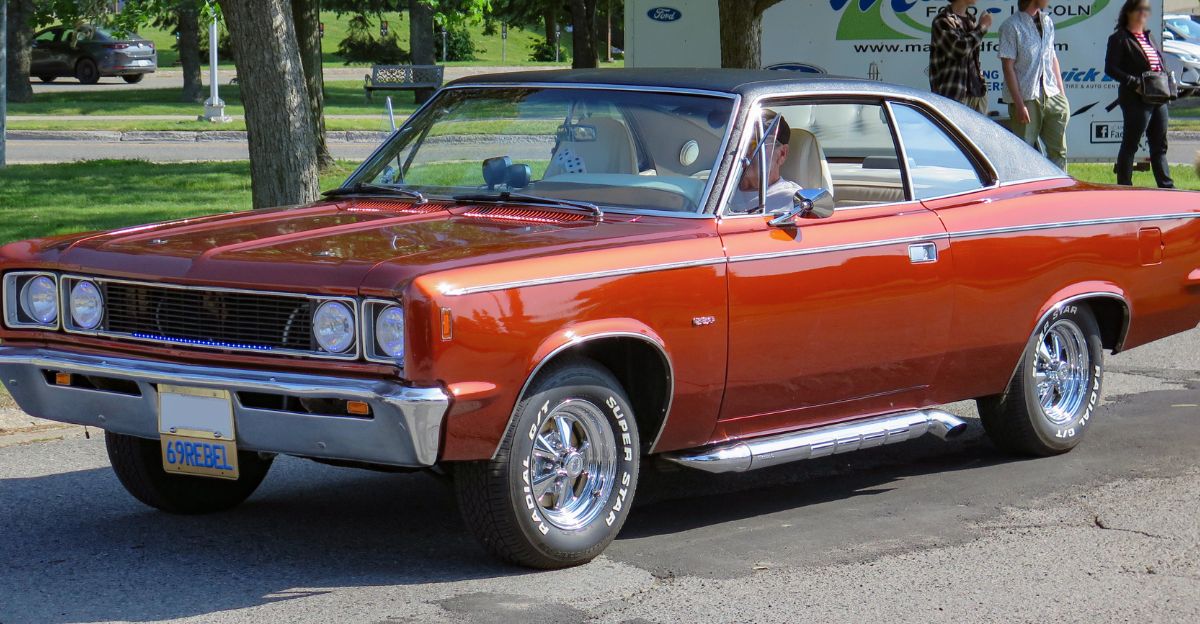
The AMC Rebel SST was known for its rebellious spirit and unique appeal. In its heyday, it captured the imagination of those seeking a car that stood apart from the mainstream. Yet, by 2025, the Rebel SST has become an afterthought in the collector world.
Its lack of aftermarket support and modest auction performance have made it harder for sellers to fetch a competitive price. Nostalgia alone isn’t enough to secure high value anymore.
Rebel SST’s Struggle to Find Value
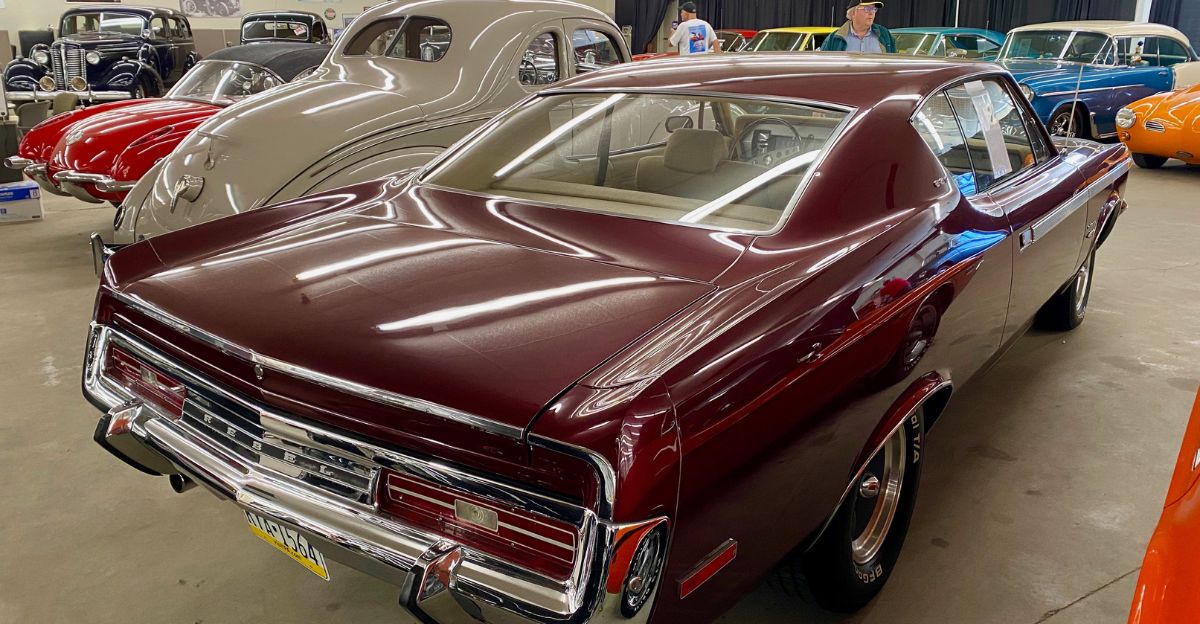
Restored AMC Rebel SSTs are seeing modest sales, with values trailing far behind those of other iconic muscle cars. Even with a loyal fanbase, the Rebel SST faces dwindling interest.
Listings linger on the market for extended periods, and despite its place in automotive history, it remains an affordable alternative for collectors rather than a high-value investment. The Rebel SST’s fading glory mirrors the volatility of the current collector car market.
5. Mercury Montego MX: A Niche Classic
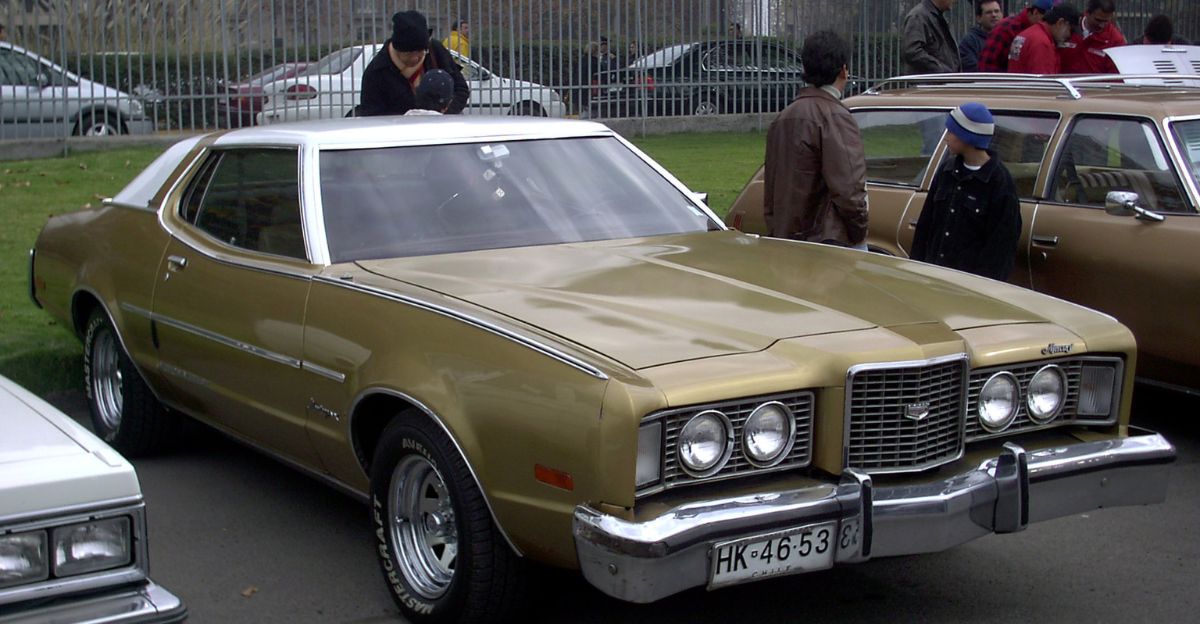
The Mercury Montego MX, designed as a family-friendly vehicle, was once a popular choice among American motorists. However, it has failed to make a significant impact in the collector car market.
Today, Montego MX values are modest, with many buyers opting for more iconic or rare models. Despite its solid design and place in American automotive history, the Montego MX remains a niche vehicle, appealing only to a small group of dedicated enthusiasts.
Why Montego MX Struggles in the Market
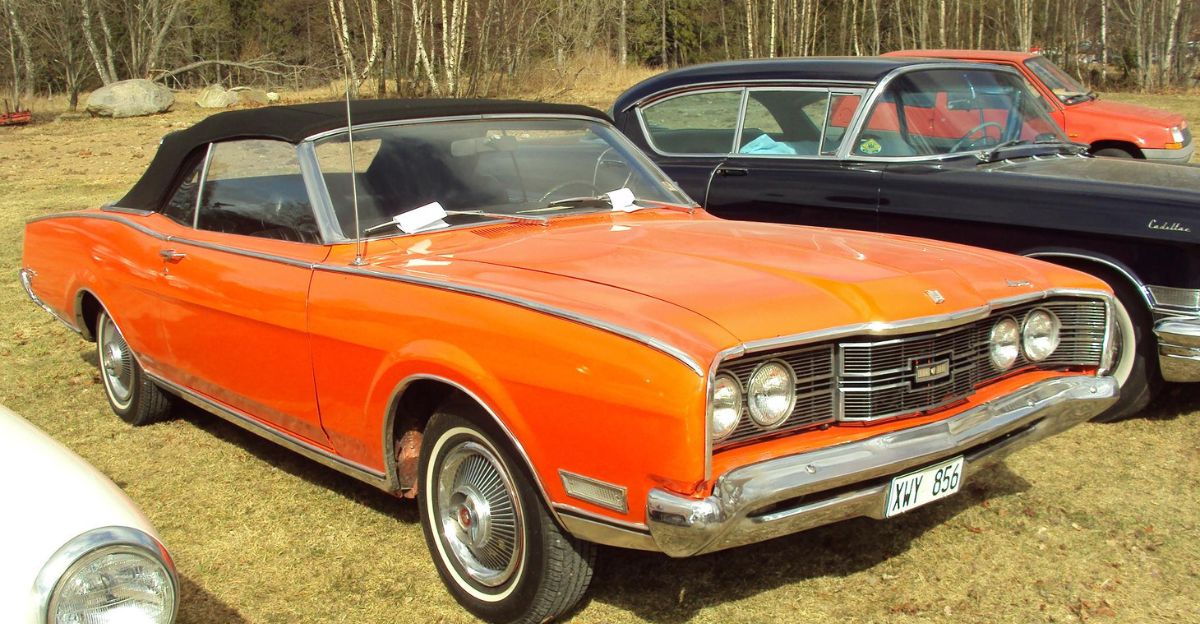
Restoration of the Mercury Montego MX remains costly and time-consuming, as parts are difficult to find, and the market for these cars remains limited.
While there are some dedicated collectors, the Montego MX has not seen the same level of demand as more iconic classics. Its status as a family car, rather than a performance vehicle, keeps it in a niche category. Without a broader appeal, the Montego MX struggles to attract premium pricing.
6. Volvo 122: The Reliable, Yet Overlooked Classic
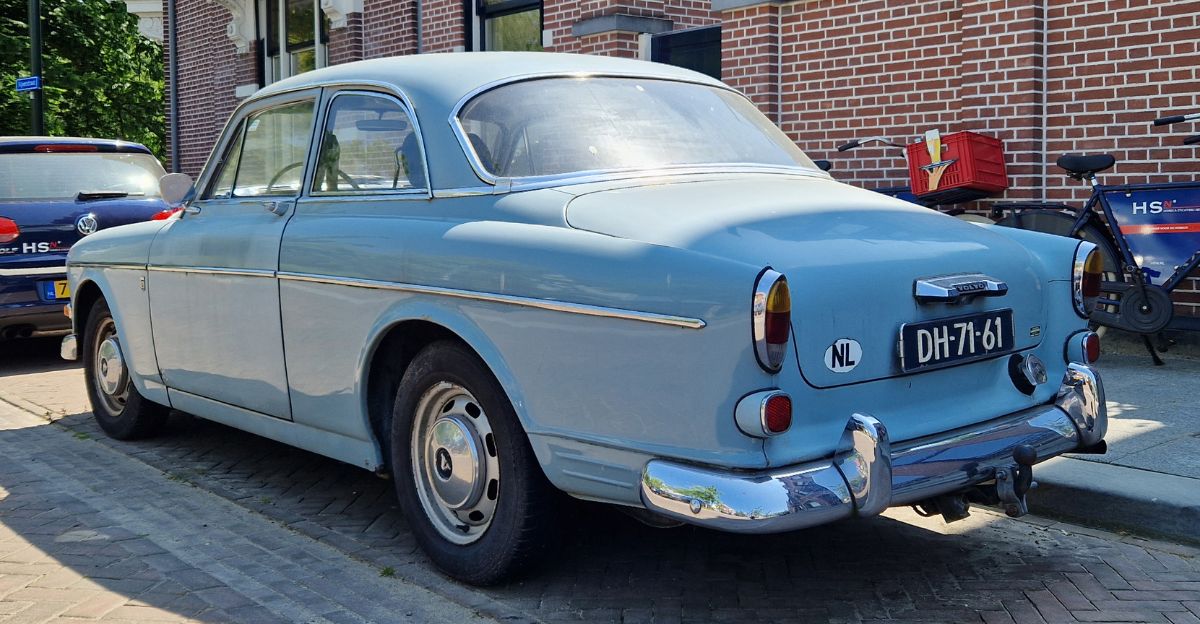
Known for its rugged reliability and Scandinavian charm, the Volvo 122 once had a strong following among European collectors. However, in 2025, its market value has seen a significant decline.
Once priced in the low $40,000s, these cars are now struggling to fetch even $30,000. The market for the Volvo 122 has softened due to shifting tastes, with larger, flashier classics gaining more attention from buyers.
Volvo 122’s Declining Appeal
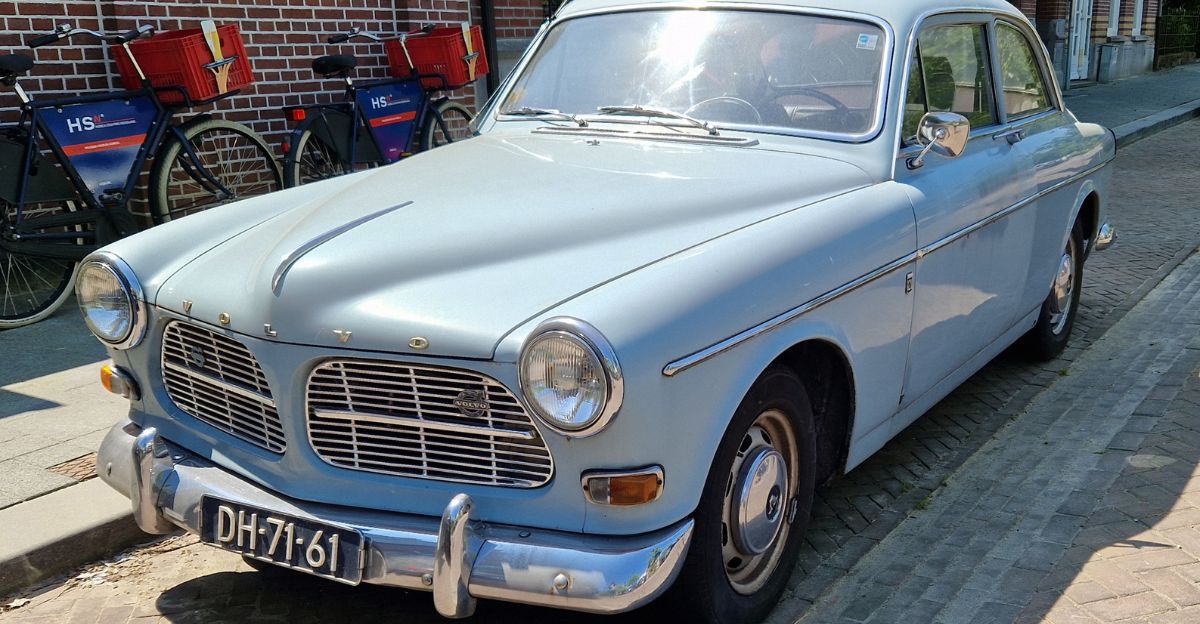
Despite its reputation for dependability, the Volvo 122 is not commanding the prices it once did. Auction prices have dropped significantly in recent years, as collectors turn to more visually striking and rare vehicles.
The Volvo’s utilitarian appeal, while still valued by a dedicated group of enthusiasts, simply doesn’t match the current collector demand for more prestigious or high-performance models.
7. Chevrolet Impala SS: A Legendary Muscle Car Faces Challenges
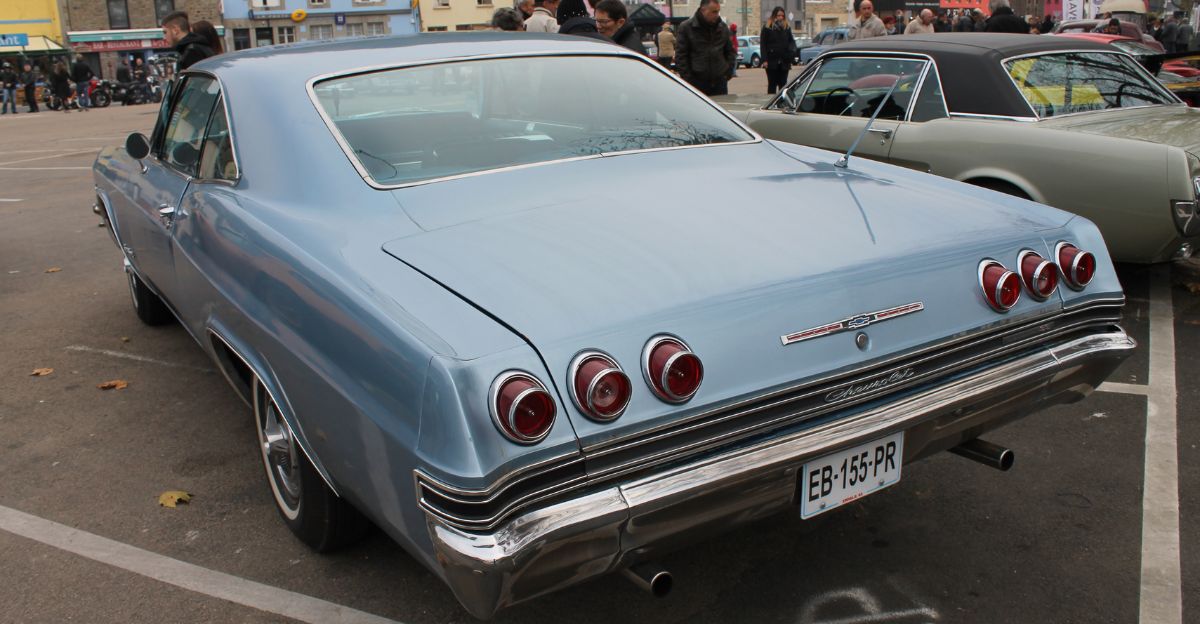
The Chevrolet Impala SS is a true American muscle car legend. Once the pinnacle of performance and style, it has now entered a more competitive market. While it remains a popular model, its mass availability has led to moderate prices.
Today’s collectors are looking for rarity and exclusivity, which the Impala SS can no longer provide. Once a prized possession, the Impala SS now faces market realities that reflect the shifting tides of collector car preferences.
Impala SS’s Market Saturation
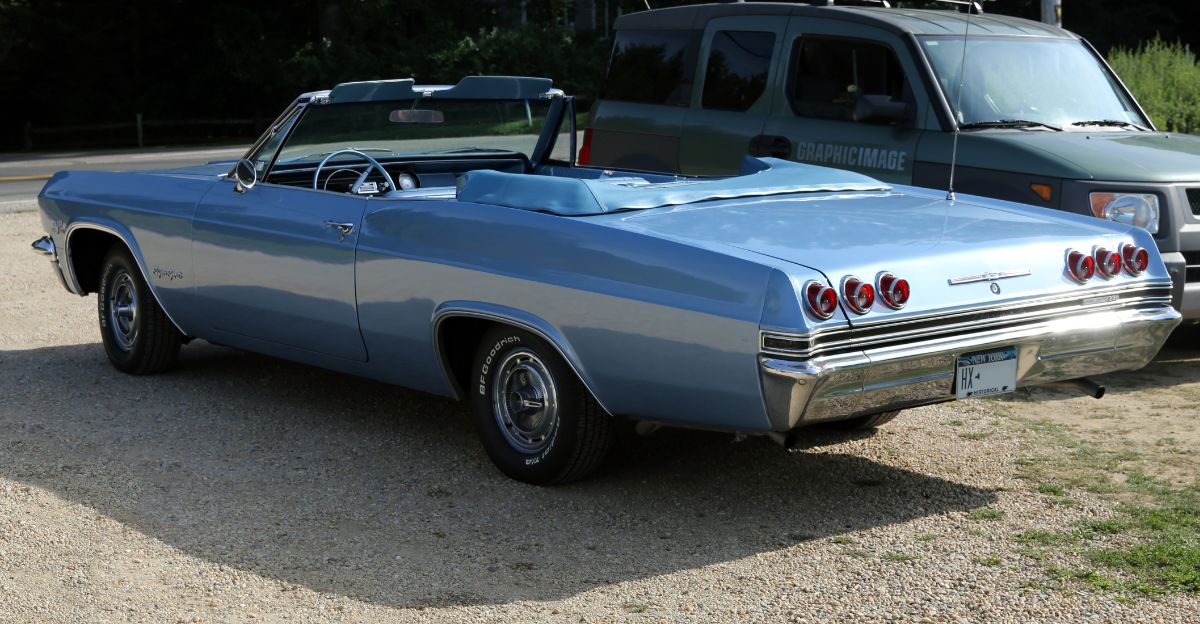
The Chevrolet Impala SS is a symbol of American muscle, but its widespread availability has hindered its collector value. With supply outpacing demand, prices have remained moderate, and sellers often face long timelines before finding the right buyer.
The Impala SS serves as a reminder that even the most iconic vehicles can be overshadowed by market saturation, leaving collectors to rethink their investments.
8. Dodge Dart GT: A Muscle Car with Modest Value
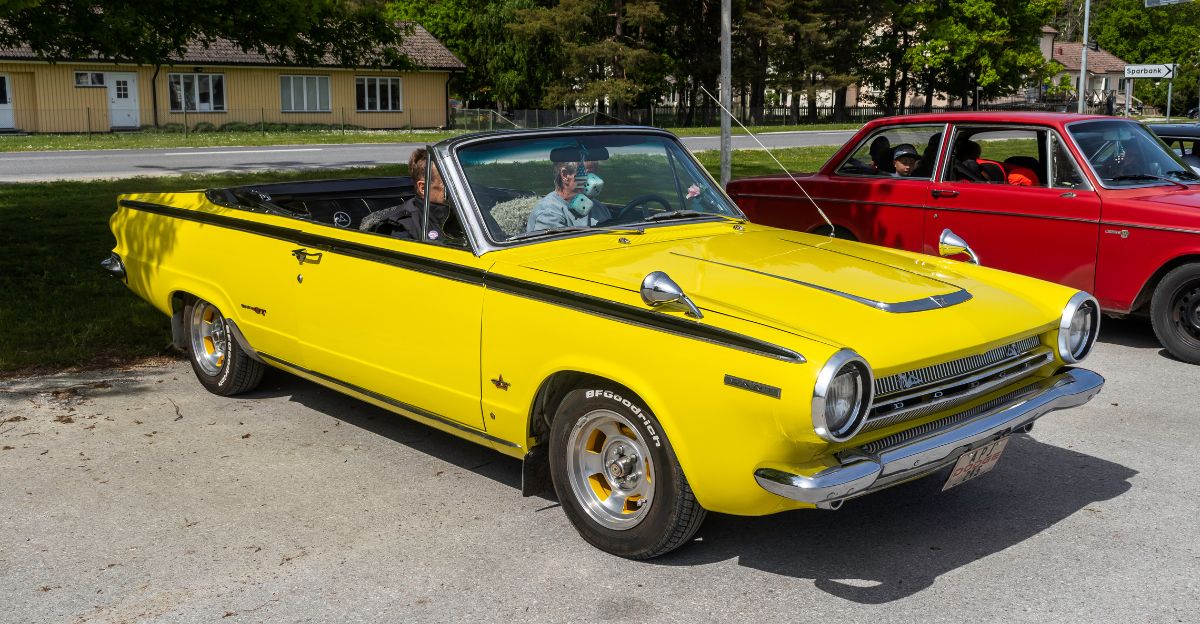
The Dodge Dart GT was once celebrated for its stylish design and sporty performance. However, in 2025, it struggles to attract the same level of enthusiasm as its muscle car counterparts.
Once a favorite of performance car lovers, the Dart GT now faces limited appeal in the market. Despite its strong restoration potential, the Dart GT competes with more desirable Mopar models, which now command higher prices.
Dart GT’s Modest Resale Value
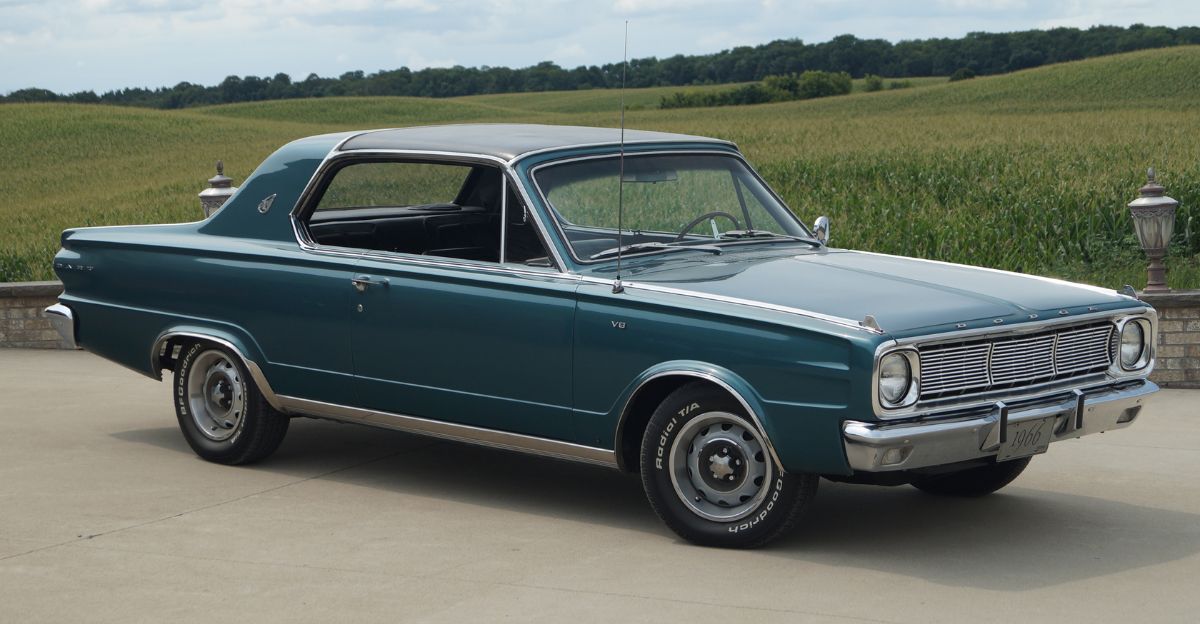
Despite its historical significance, the Dodge Dart GT no longer enjoys the market clout it once had. Restored examples still sell, but they are not fetching premium prices.
As muscle car enthusiasts flock to more iconic models like the Charger or Barracuda, the Dart GT occupies a mid-range market position. While still collectible, its appeal has diminished in comparison to the more sought-after models.
9. Plymouth Fury 3: Road Trip Nostalgia
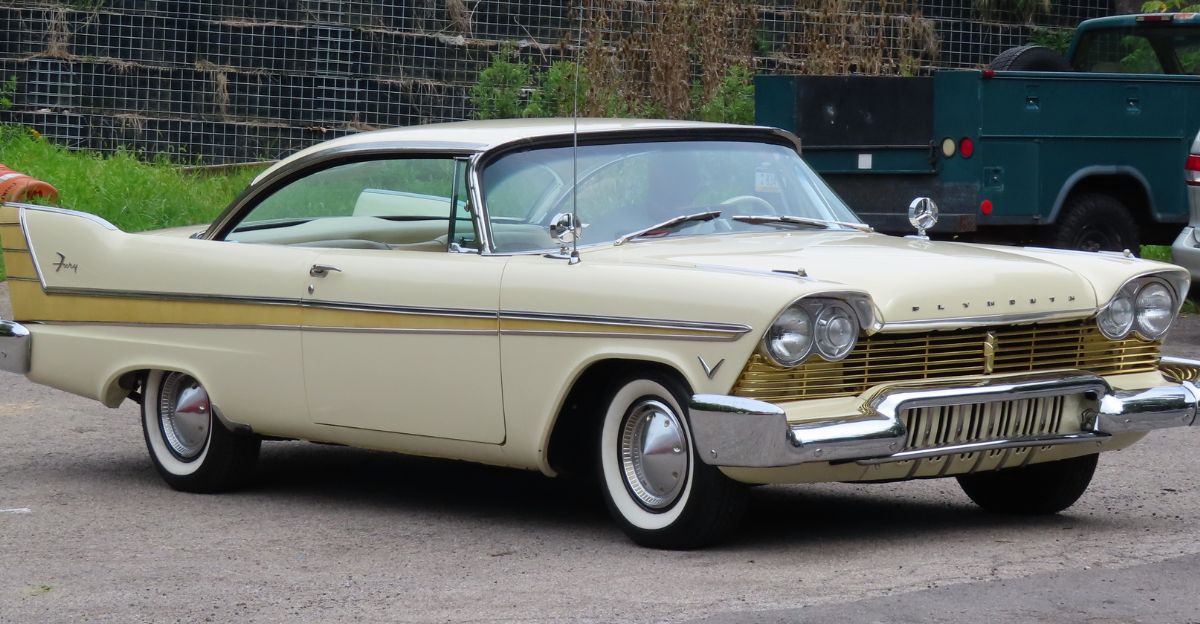
The Plymouth Fury 3 is a classic American car that evokes memories of long road trips and wide-open highways. While it remains a cherished vehicle for some, its market position has weakened over the years.
The Fury 3, once a standout in the full-size classic car category, now faces stiff competition from newer, more desirable models. Despite its classic appeal, its value has not kept pace with the changing dynamics of the collector car market.
Fury 3’s Market Struggles
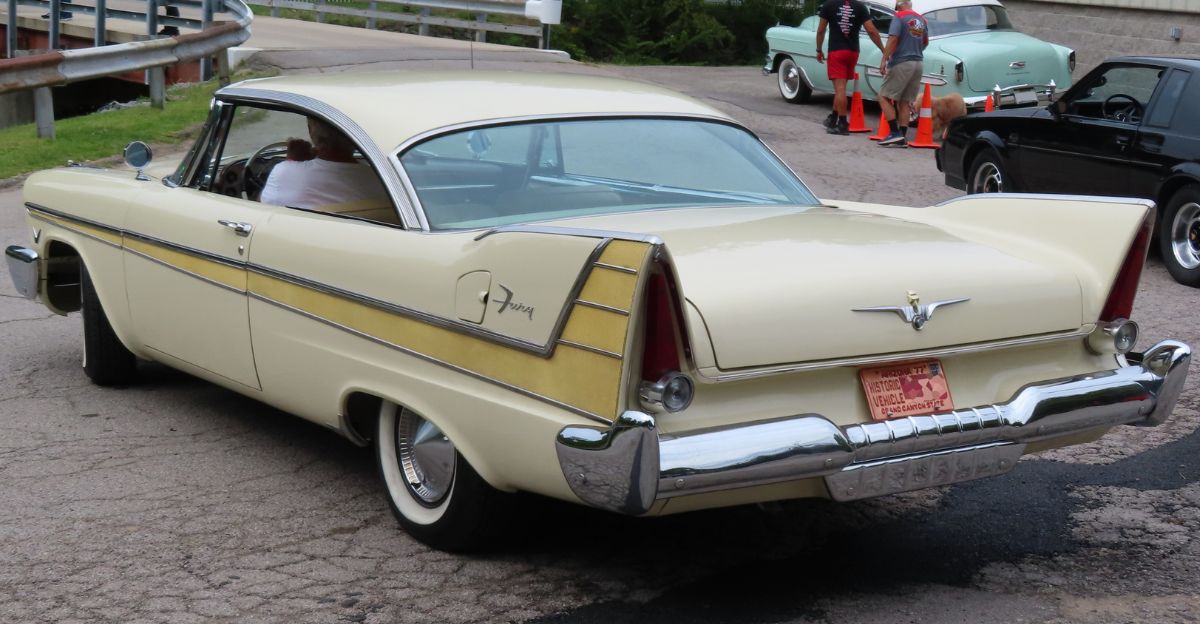
The Plymouth Fury 3’s market struggles are emblematic of the broader shift in classic car tastes. Once a symbol of American road trips, the Fury 3 is now a niche model, attracting only a specific segment of collectors.
While its prices remain steady at around $32,654 for the full fourth-generation model line, they are far from the premium values seen in previous decades. The Fury 3’s journey reflects the changing tides in the collector car market.
Shifting Tastes and Declining Values
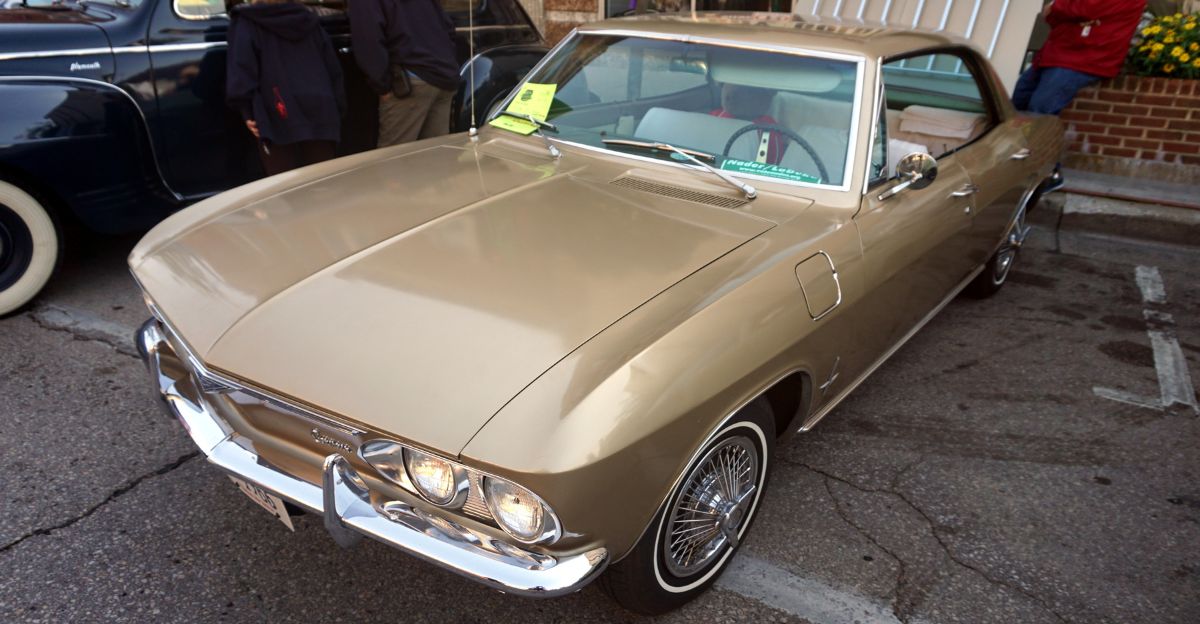
The classic car market has seen significant shifts, with many once-popular vehicles struggling to maintain their value. As collector preferences change, iconic models like the Chevrolet Corvair, Buick Wildcat, and others are finding fewer buyers.
The decline in market value for these classics serves as a reminder of how quickly trends can change in the automotive world. For collectors, it’s a wake-up call to reassess their investments and expectations.