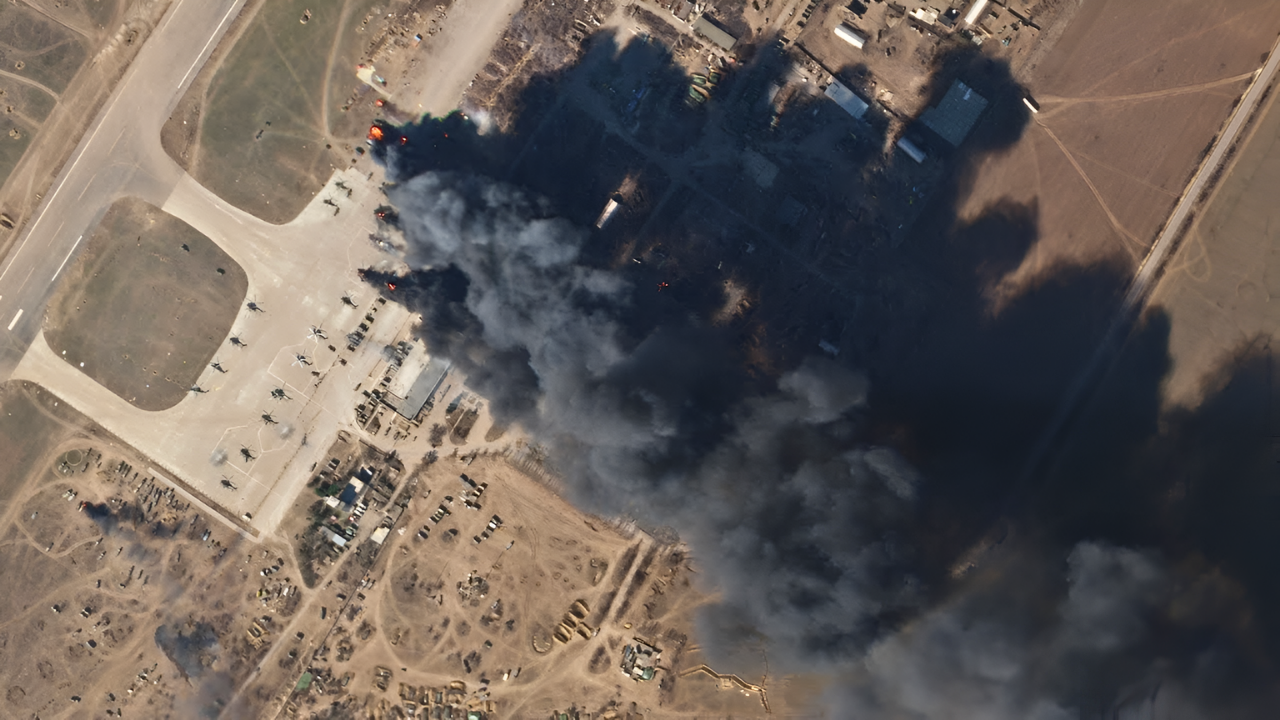
On October 17, 2023, Ukraine unleashed American-made ATACMS missiles in coordinated strikes against Russian airbases at Berdyansk and Luhansk in occupied territory.
Ukraine’s Special Operations Forces confirmed destroying nine helicopters, with additional open-source analysis indicating 15 additional helicopters sustained damage. The precision assault destroyed air defense systems, ammunition depots, and damaged runway infrastructure at both locations.
What Are ATACMS?
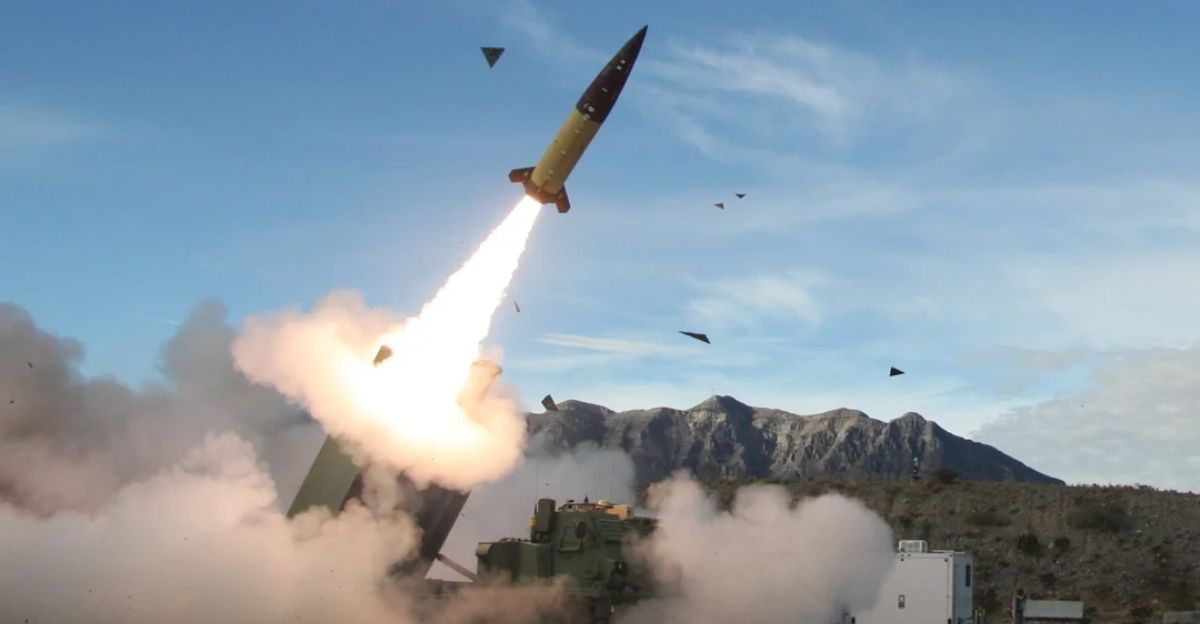
Army Tactical Missile Systems represent America’s premier long-range strike capability, manufactured by Lockheed Martin.
The Block 1 variant used in October 2023 carried a maximum range of 100 miles (165 kilometers), while newer Block 1A variants deployed later reach 190 miles (300 kilometers). Both carry either 950 M74 cluster submunitions or single 500-pound unitary warheads with GPS-guided precision.
The Deadly Payload
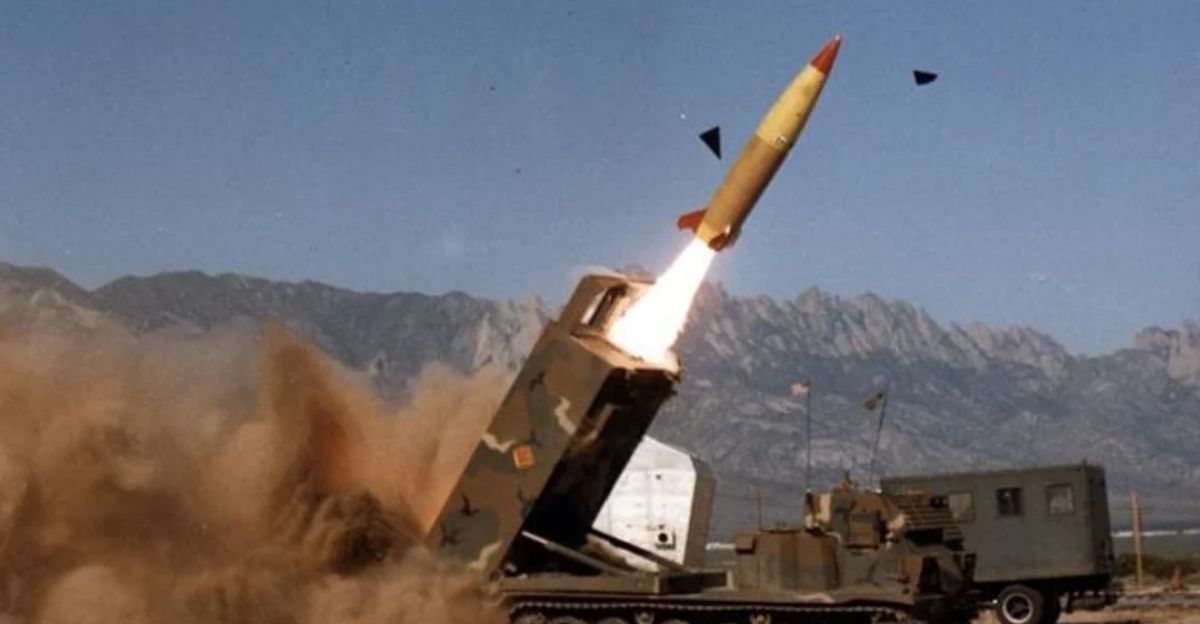
The M39 ATACMS variant deployed over occupied Ukraine released 950 M74 bomblets mid-flight, saturating target areas with devastating effect. Each submunition creates lethal fragmentation patterns ideal for destroying parked aircraft, vehicles, and personnel.
The cluster warhead’s wide dispersal pattern proved especially effective against concentrated helicopter formations on airfield tarmacs without protective shelters.
Target Berdyansk
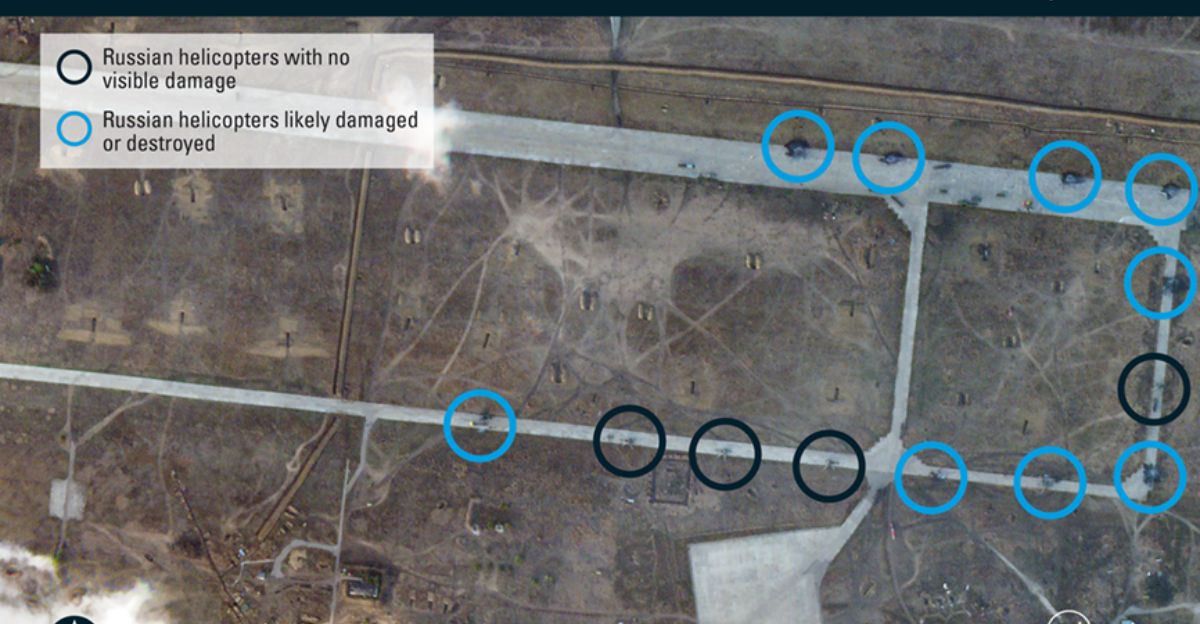
Berdyansk airbase, strategically positioned near the Azov Sea, housed critical Russian combat helicopter assets supporting front-line operations approximately 70 miles from Ukrainian positions.
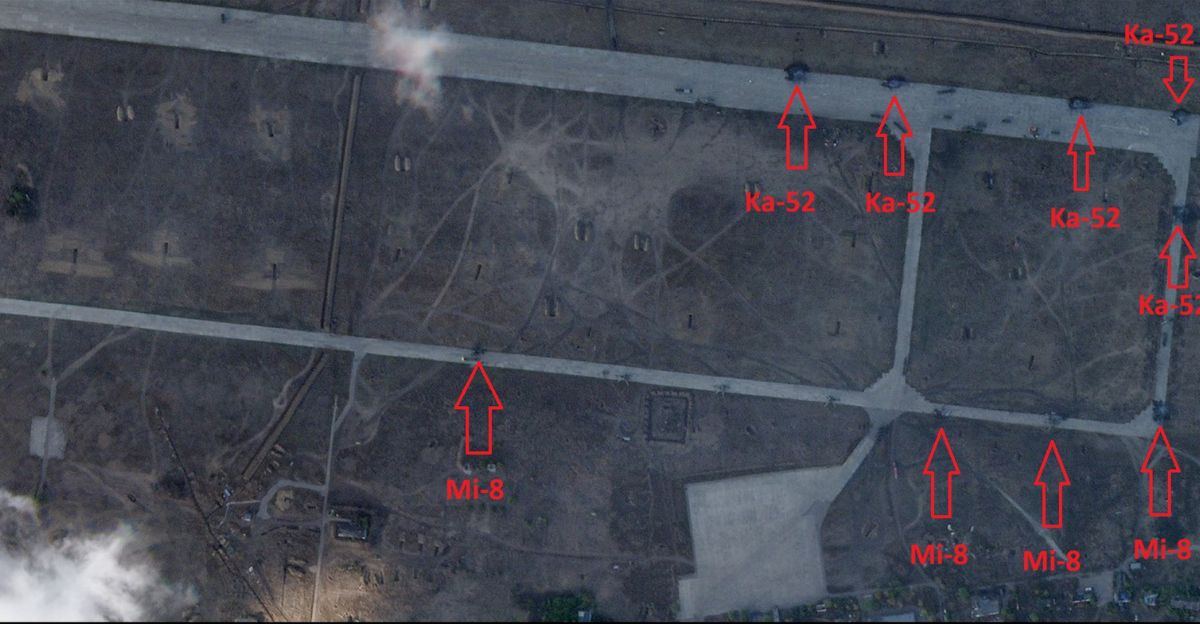
The ATACMS strike destroyed or damaged multiple helicopter variants at this location, with satellite imagery and Ukrainian SOF reports confirming direct hits on parked aircraft and subsequent secondary explosions from ammunition detonations.
Luhansk Devastation
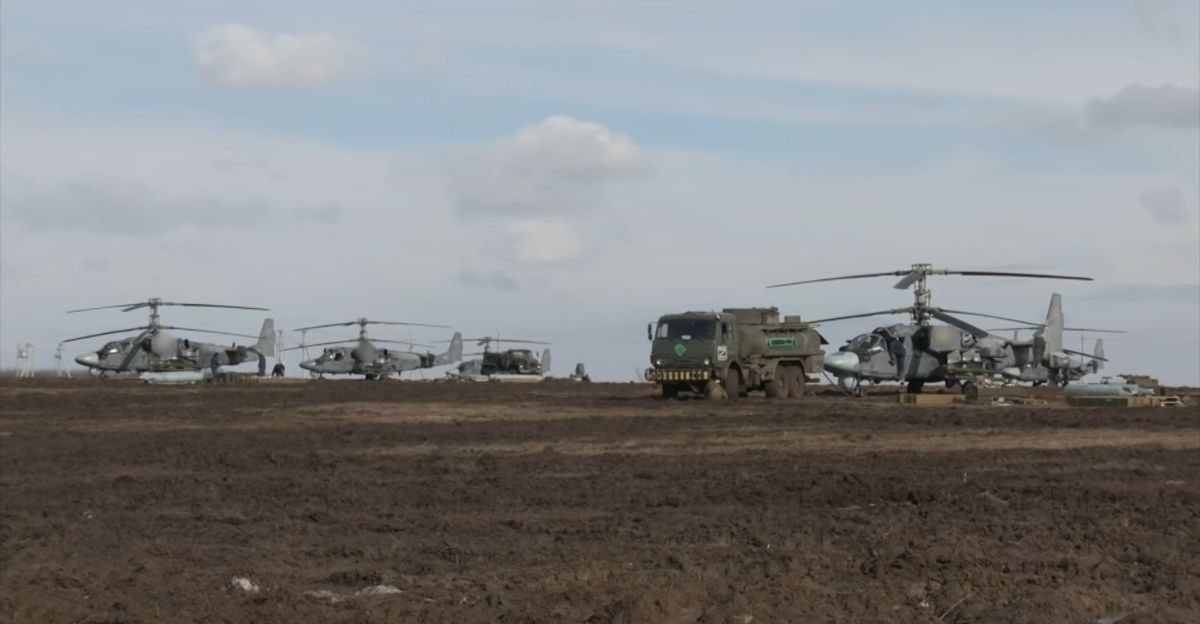
The simultaneous strike on Luhansk airfield in eastern Ukraine destroyed or damaged additional Russian helicopter assets.
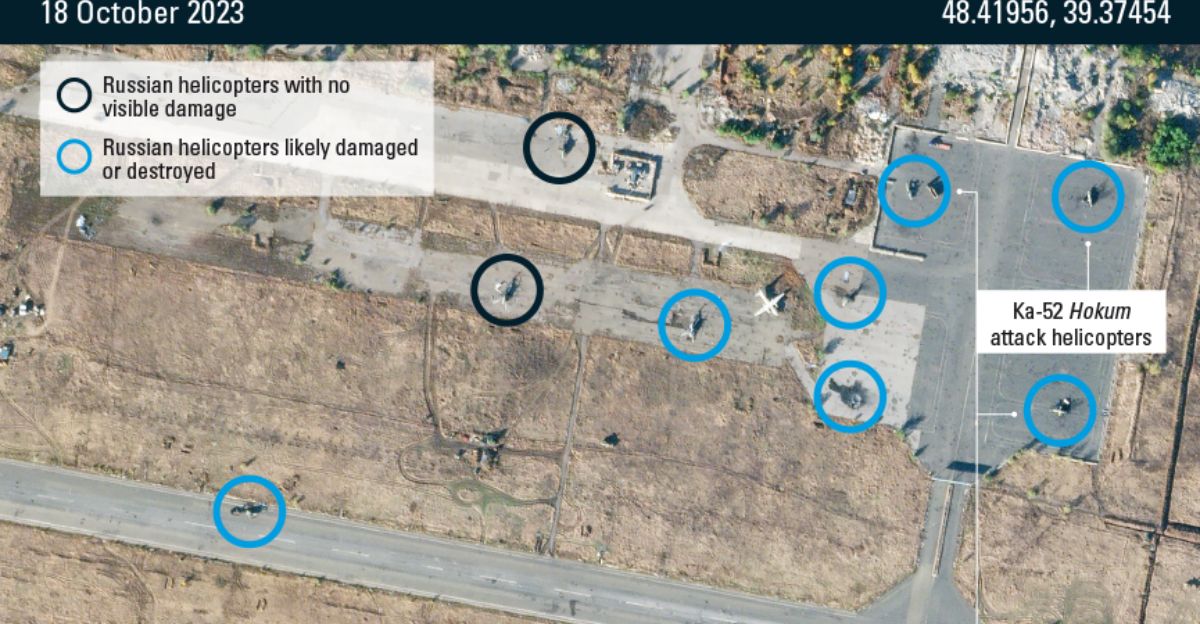
Ukrainian Special Operations Forces confirmed successful targeting of helicopter staging areas used for launching attacks against Ukrainian positions. Satellite imagery revealed cluster munition impact craters, scorch marks on tarmacs, and destroyed aircraft wreckage scattered across the apron.
Helicopter Losses—Confirmed Destruction
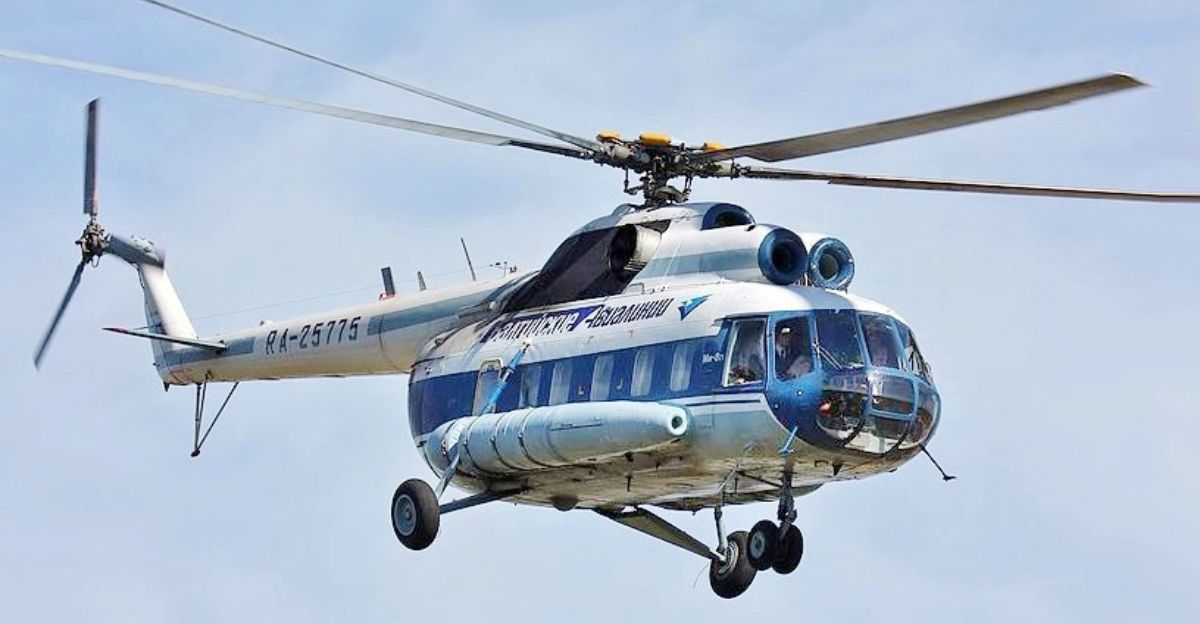
Open-source verification by Oryx, using photographic standards, confirmed nine helicopters destroyed: seven Ka-52 “Alligator” attack helicopters and two Mi-8 transport helicopters.
An additional 15 helicopters sustained damage, with many analysts assessing sustained damage as likely permanent due to structural compromise. Ukraine’s military initially reported nine destroyed; U.S. assessments suggested 14 total destroyed across both airbases.
Beyond Aircraft Losses
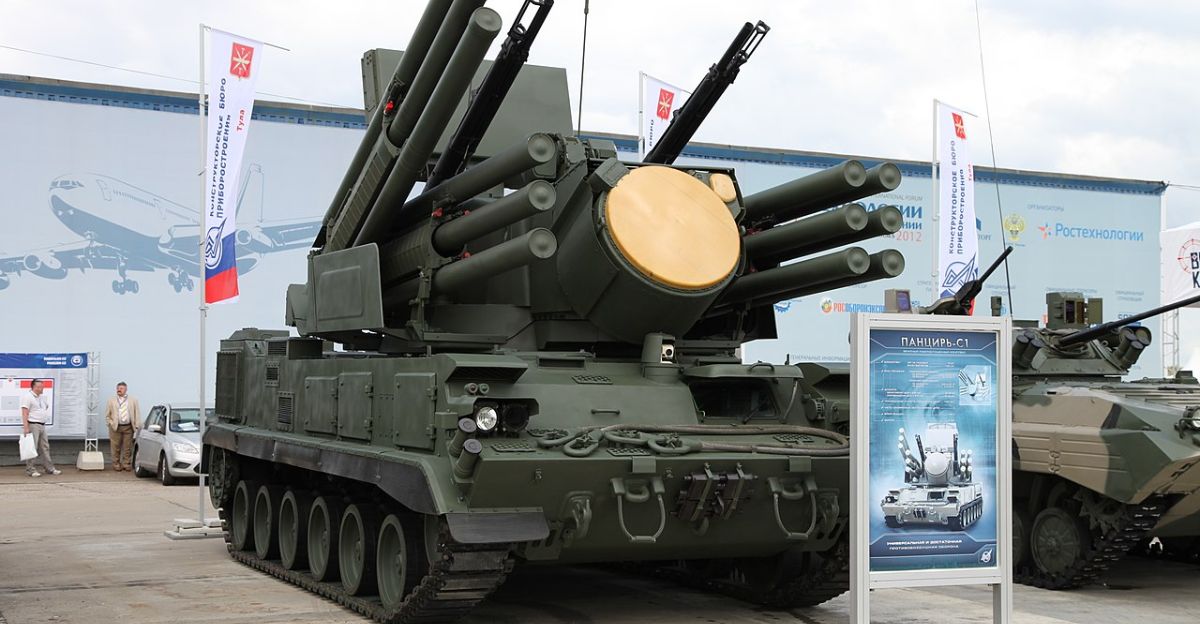
The strikes destroyed a Pantsir-S1 short-range air defense system, critical for protecting Russian aviation assets. Ammunition depots erupted in secondary explosions visible for miles.
Runway infrastructure sustained significant damage at both airbases, impairing Russian operational capability for weeks. Support vehicles, fuel storage, maintenance facilities, and personnel casualties resulted from cluster munition dispersal patterns.
Strategic Game Changer
ATACMS strikes fundamentally altered Ukraine’s strike capabilities by reaching previously unreachable targets deep in occupied territory. Russian helicopter bases could no longer operate safely beyond Ukrainian artillery range.
The successful October 2023 operation demonstrated both ATACMS effectiveness and vulnerabilities in Russian air defense systems, forcing tactical reassessment of aviation base locations, dispersal patterns, and operational procedures.
Ka-52 “Alligator” Specifications
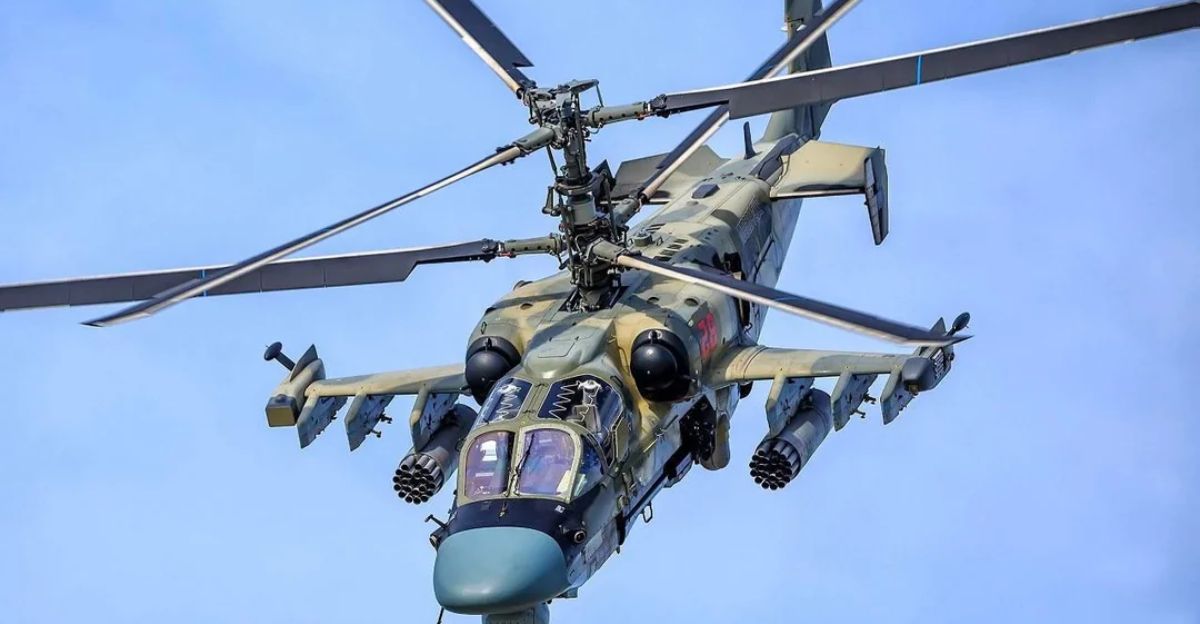
Ka-52 “Alligator” helicopters represent Russia’s most advanced attack helicopter technology, equipped with precision-guided missiles, advanced targeting systems, and tandem-seat configuration.
According to 2023 defense assessments, the Ka-52’s unit cost is approximately $15-16 million. Before the October strikes, Russia had already lost 40 Ka-52s in combat; this strike destroyed 7 additional aircraft, representing 17.5% loss of surviving pre-October fleet.
Losses in Strategic Context
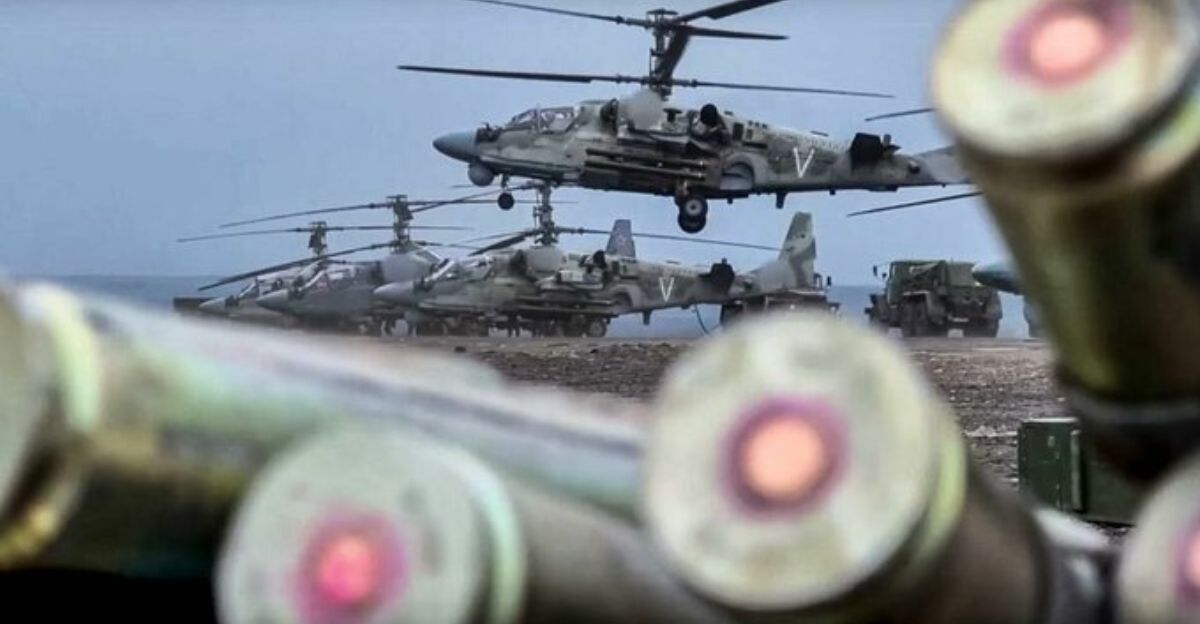
Russia’s pre-war Ka-52 fleet totaled approximately 130 aircraft. Losses in October 2023 represented destruction of nearly 11.5% of the surviving attack helicopter fleet in a single coordinated strike. These losses severely degraded Russia’s close air support capabilities for ground forces.
Russia’s production constraints meant it could not quickly replace such specialized losses given complex manufacturing and Western sanctions limiting electronics access.
Targeting Methodology

Ukrainian intelligence utilized satellite imagery, drone reconnaissance, and human intelligence to identify helicopter concentrations at both airbases.
Special Operations Forces coordinated strike timing with missile units to ensure precise targeting data and synchronized attacks. The nighttime operation exploited gaps in Russian surveillance capabilities and air defense reaction times, maximizing destruction before Russia could respond with defensive measures.
Operational Impact on Russian Aviation
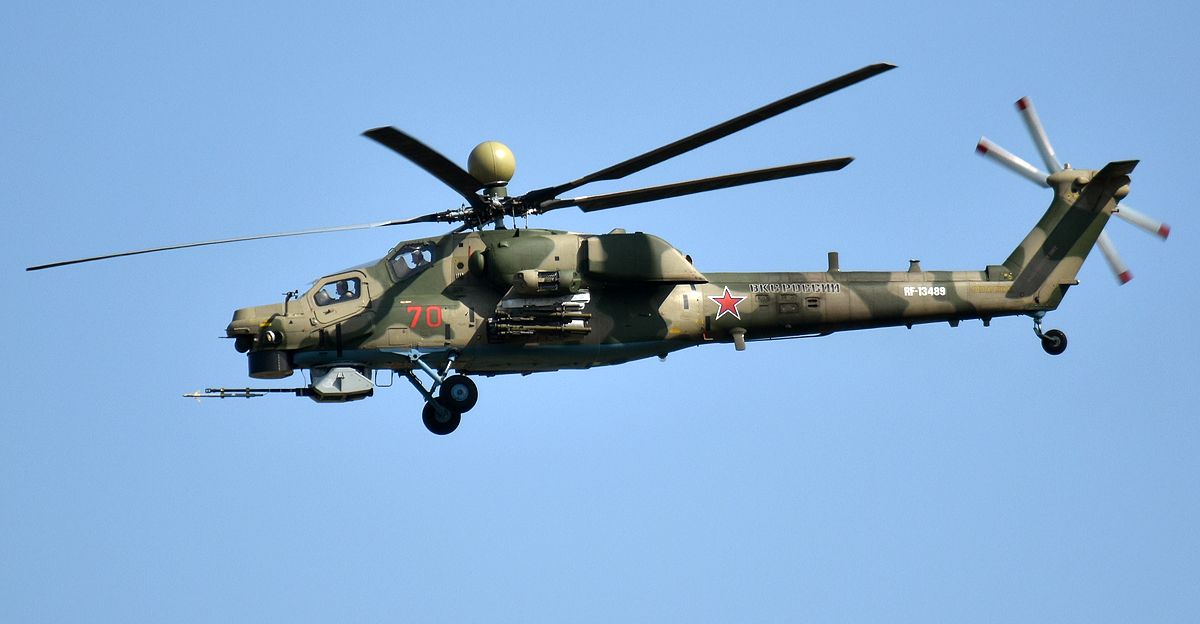
Russian attack helicopter losses severely degraded close air support capabilities for ground forces engaged with Ukrainian positions. Helicopters previously provided critical firepower against Ukrainian armor and troop concentrations.
The October losses compounded ongoing attrition, forcing temporary reductions in helicopter sortie generation rates and combat operations tempo. Russia was forced to relocate remaining high-value aviation assets to bases deeper in occupied territory or Russian territory.
Operation Codename DRAGONFLY
Ukraine designated the October 17, 2023 strike “Operation DRAGONFLY.” This coordinated Special Operations Forces attack marked the first confirmed combat use of American ATACMS missiles supplied to Ukraine.
The successful operation vindicated Ukrainian requests for long-range precision strike capabilities and prompted Western policy discussions regarding expanded ATACMS deployments to allied nations.
Biden Authorization—One Year Later

President Biden did not authorize ATACMS employment inside Russian territory until November 17, 2024—over one year after the October 2023 strikes.
Ukraine’s October 2023 operation used previously supplied ATACMS without explicit authorization for strikes in occupied territory. Biden’s November 2024 authorization represented significant policy escalation, explicitly permitting strikes inside Russian borders for the first time.
October 2023 Legacy
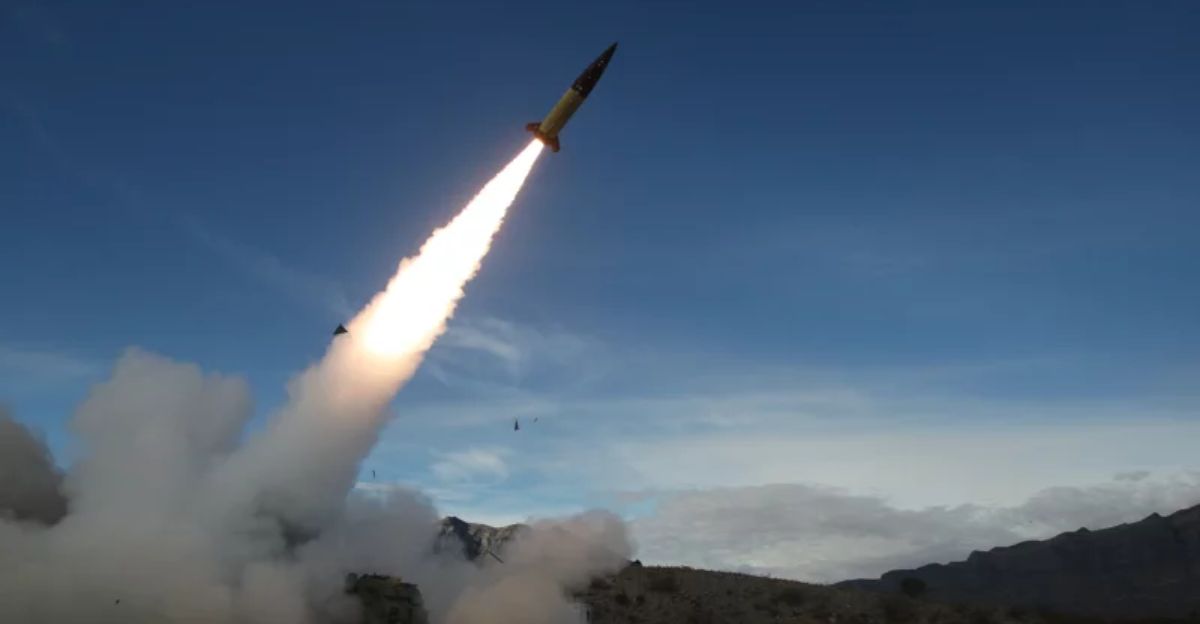
Operation DRAGONFLY demonstrated that ATACMS could deliver precise strikes against hardened military targets despite active air defense systems and unfavorable odds.
The Berdyansk and Luhansk attacks shifted Western and international perceptions of Ukraine’s strike capabilities and Russian air defense vulnerabilities. One year later, Biden’s authorization to strike targets inside Russia extended the operational framework established in October 2023, demonstrating tactical and strategic doctrine evolution throughout the conflict.