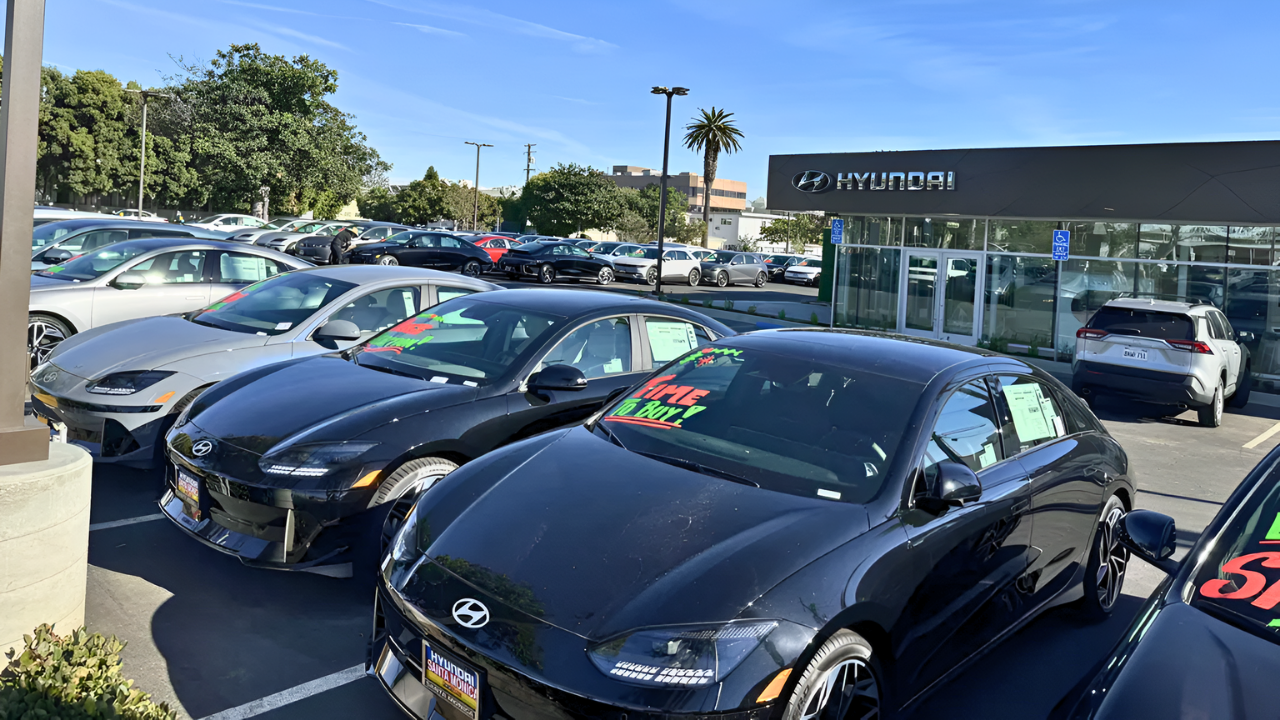
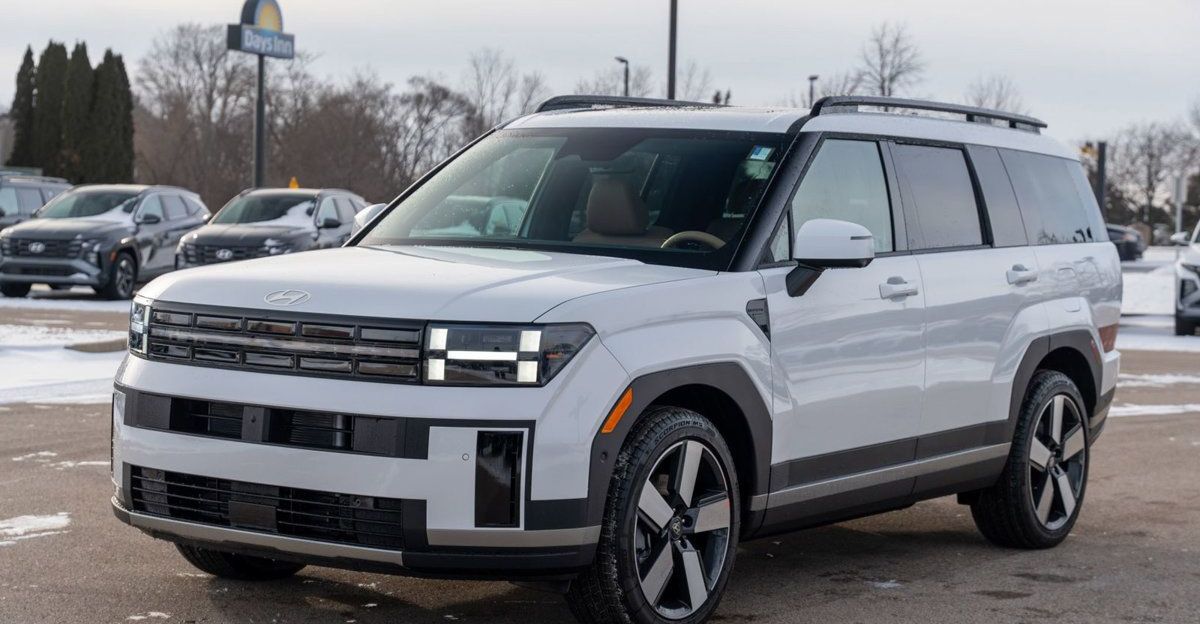
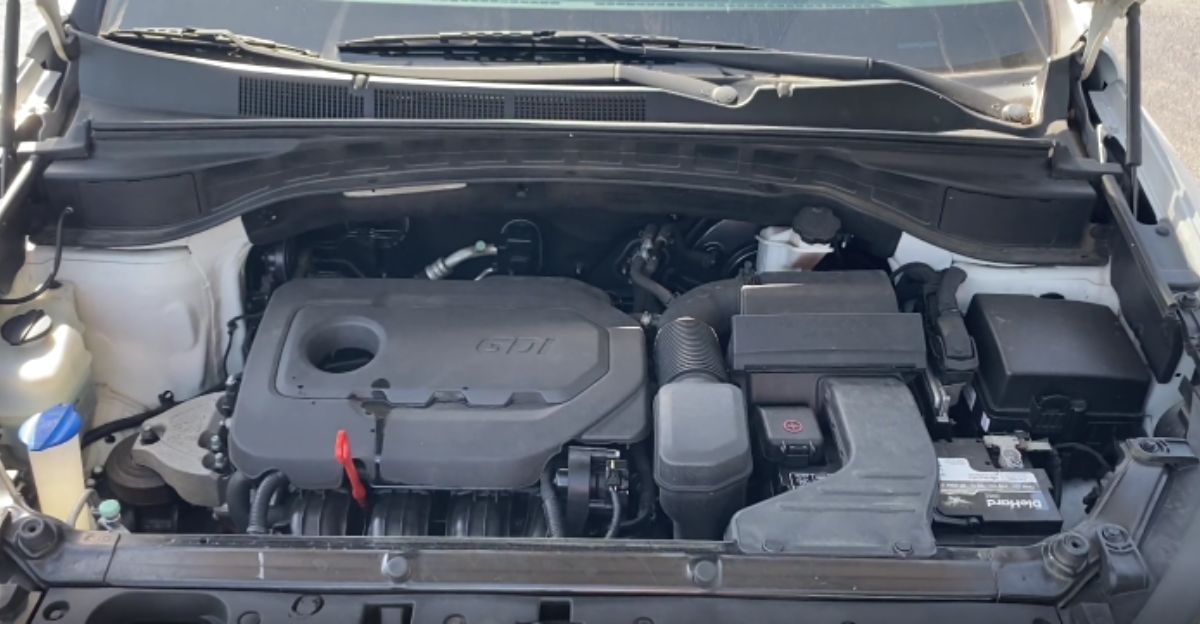
A November 2025 class action lawsuit accuses Hyundai of selling 2013–2019 Santa Fe SUVs with 3.3-liter Lambda II GDI engines that can catastrophically self-destruct—sometimes well before 80,000 miles. Plaintiffs say metal debris in the oil causes internal destruction, breaching engine blocks and creating potential fire risks.
The suit alleges Hyundai “fraudulently concealed” a new 15-year/150,000-mile warranty, igniting a nationwide debate over consumer safety, transparency, and corporate accountability.
Why These Hyundai Engines Failed
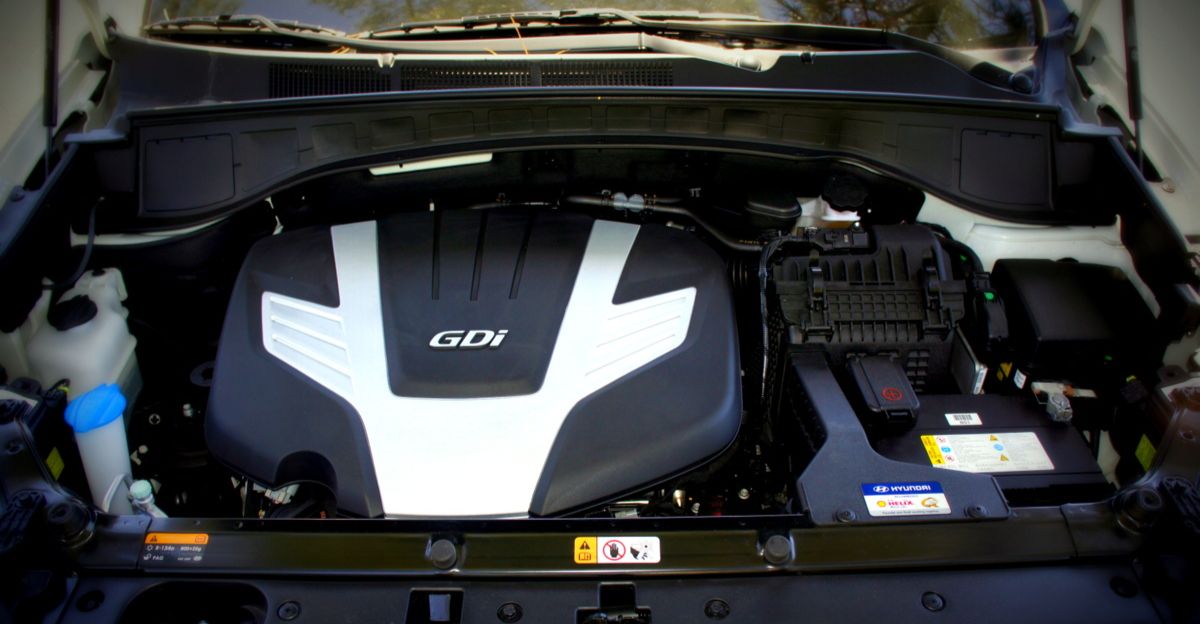
According to the lawsuit, the Lambda II GDI engines contain internal metal debris that circulates through the oil system, triggering abnormal wear, fractured rotating assemblies, and broken connecting rods. Plaintiffs argue Hyundai knew about this defect for years yet withheld warnings, full recalls, or adequate disclosures.
The design flaw allegedly turns routine driving into a mechanical gamble, with failures occurring unpredictably—sometimes punching holes through the engine block and causing sudden, total engine destruction.
Consumers Facing Sudden Breakdowns
Owners describe terrifying, instantaneous breakdowns with no warning lights or symptoms. Lead plaintiffs Jason and Allison Burns experienced complete engine failure at just 79,966 miles—far below the extended warranty threshold Hyundai never told them existed.
Many drivers report engines seizing at highway speeds, losing power, or ejecting internal components, leaving them stranded and facing repair bills that can reach $8,000–$12,000 when warranty coverage is denied or undisclosed.
Hyundai’s Corporate Response Under Fire
Hyundai issued Technical Service Bulletin 24-EM-003H, extending engine coverage to 15 years or 150,000 miles. But the lawsuit says Hyundai and its dealerships concealed this extension for six to eight months, during which many owners paid out-of-pocket or sold disabled vehicles at steep losses.
Plaintiffs argue the hidden warranty allowed Hyundai to avoid a federal investigation while consumers remained unaware of free repairs they were legally entitled to.
Adjacent Markets: Kia and Other Models Affected

The 3.3-liter Lambda II engine is widely shared across Hyundai and Kia’s V6 platforms, and similar lawsuits have targeted both brands for nearly identical failures.
Past settlements addressed millions of vehicles with metal-debris-related engine issues. While the current case focuses on the Santa Fe, the mechanical similarities have raised concerns about additional models potentially carrying comparable risks—keeping both consumer advocates and automakers on high alert.
International Trade and Regulatory Ripples
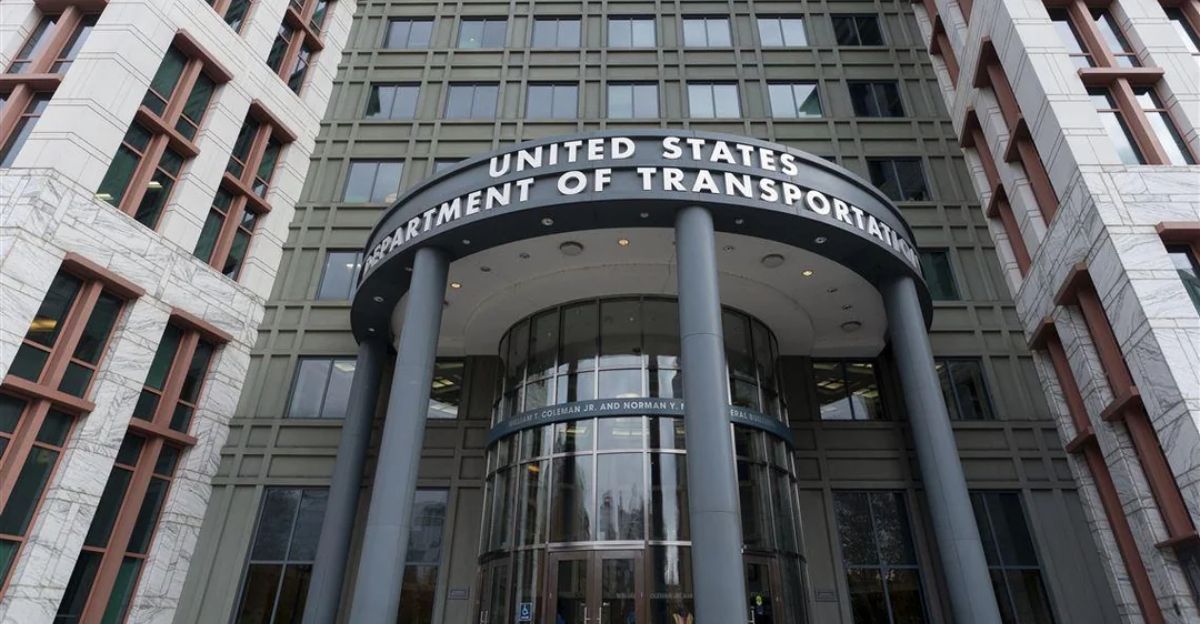
Despite a February 2024 petition, NHTSA declined a broader federal investigation in May 2024, citing limited confirmed complaints.
Yet the quiet warranty extension and catastrophic nature of failures have attracted attention from regulators abroad. International markets are reevaluating Hyundai’s quality claims, and some trade analysts warn the controversy could affect export trust, dealership operations in foreign markets, and future regulatory obligations across multiple regions.
Human Toll: Stories Behind the Failures
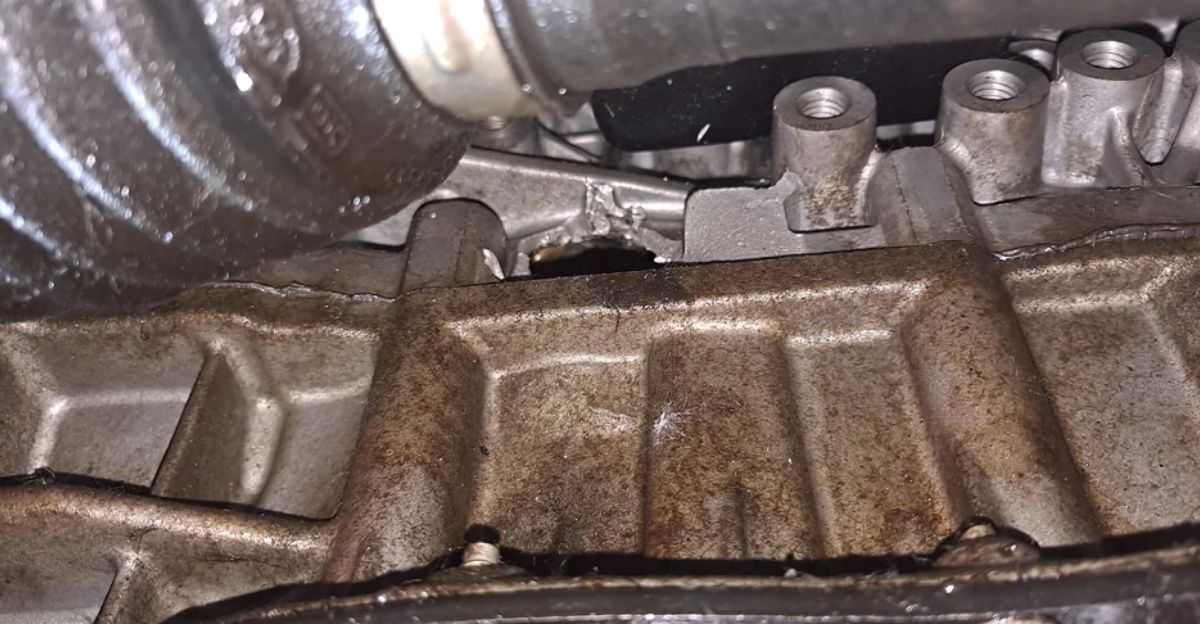
Jason and Allison Burns, the lawsuit’s lead plaintiffs, lost thousands after their Santa Fe’s engine exploded internally. Other owners recount harrowing breakdowns on busy highways, financial stress from unexpected repairs, and anxiety about long-term vehicle safety.
Some were stranded in dangerous locations or forced into emergency vehicle purchases. The cumulative emotional and financial burden has become a central driver of the class action’s urgency.
Policy and Political Response
The controversy has drawn attention from U.S. lawmakers, who have previously questioned Hyundai and Kia executives about engine-related defects.
With allegations of concealed warranties and widespread failures, legislators are revisiting proposals for stricter disclosure rules, mandatory public reporting on safety-related service bulletins, and heavier penalties for automakers that delay informing consumers. The case is now part of a broader debate over regulatory gaps in auto-defect oversight.
Economic Ripples: Repair Costs and Resale Value
Owners of affected Santa Fes often face devastating financial losses. Engine replacements can cost $8,000–$12,000 when warranty coverage is denied, while damaged vehicles sometimes sell for pennies on the dollar.
Used-car values for 2013–2019 Santa Fe models have dropped sharply, reflecting buyer uncertainty and the long-term stigma of catastrophic engine failures. Dealerships and consumers report steep declines in resale potential, even for running vehicles.
Retailer Strategies: Dealership Dilemmas
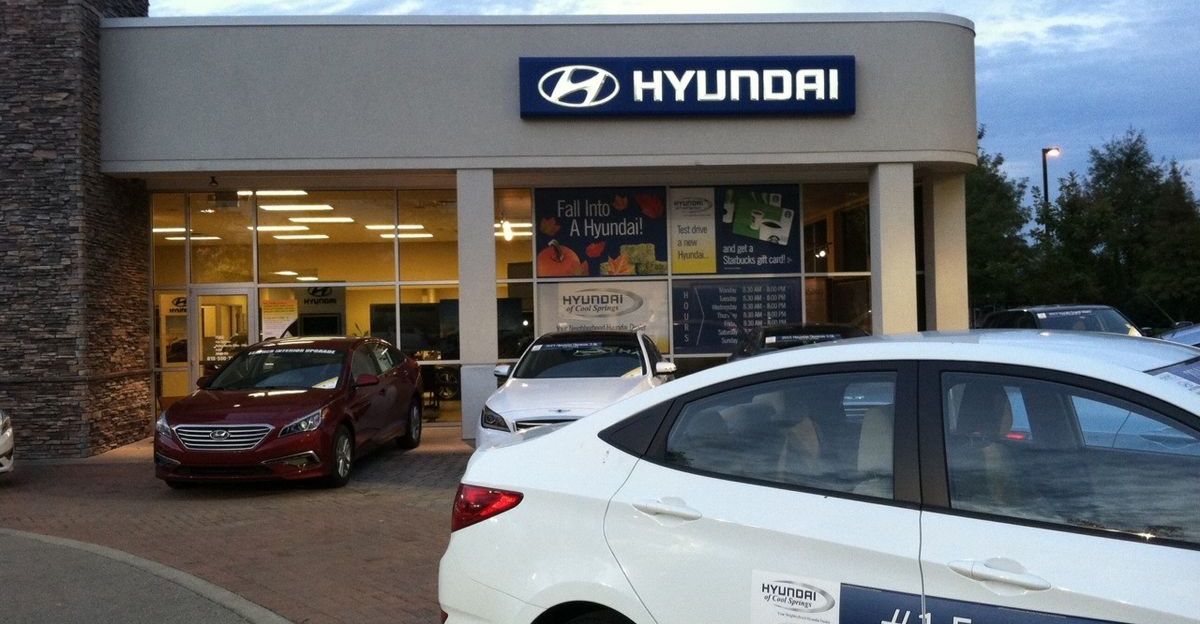
Dealerships are under scrutiny for allegedly failing to inform customers about the extended warranty and, in some cases, refusing valid repairs. Some stores offered low-value buybacks for broken engines—potentially profiting once the concealed warranty became known.
Others struggled with parts shortages and inconsistent communication from corporate. The lawsuit claims these practices deepened consumer losses and eroded trust between owners and the Hyundai dealership network.
Hospitality and Rental Car Impacts

With many Santa Fe drivers suddenly immobilized, rental car companies and hospitality providers report increased demand from owners awaiting engine replacements or inspections. Some affected consumers have sought reimbursement for rental costs, lodging, and incidental expenses.
The extended downtime for engine repairs—particularly when warranty coverage was initially hidden—created logistical burdens that spilled beyond the automotive sector and into travel and service industries.
Knock-On Effects: Parts, Insurance, and Supply Chains
Engine failures on this scale have ripple effects far outside dealerships. Suppliers producing new or remanufactured Lambda II engines have seen elevated demand, insurers have fielded costly mechanical-breakdown claims, and tow operators report increased call volumes.
Auto recyclers and salvage yards have absorbed a wave of prematurely scrapped Santa Fe vehicles. The mechanical failure of a single engine platform has thus reverberated across multiple interconnected industries.
Global Consumer Impact
An estimated 420,000–700,000 U.S. Santa Fe vehicles from 2013–2019 may be affected, and the Lambda II platform appears in international markets as well. As the lawsuit gains attention, consumers worldwide are scrutinizing Hyundai’s warranty policies and defect reporting practices.
Buyers in overseas markets increasingly demand transparent maintenance histories and evidence of completed technical bulletins—signaling a long-term reputational challenge for the automaker.
Health and Lifestyle Consequences
Sudden engine destruction can put drivers at immediate risk, especially when failures occur on highways or in isolated areas.
Metal-debris-driven blowouts that breach engine blocks may cause oil to spray onto hot surfaces, creating fire hazards. Many owners report ongoing anxiety, limiting long-distance travel or replacing their Santa Fe prematurely to avoid safety uncertainties. The issue extends far beyond inconvenience, touching personal wellbeing and daily routines.
Cultural and Environmental Debate
A surge in prematurely scrapped Santa Fe vehicles has intensified discussions on environmental waste and sustainability. Critics argue that preventable engine failures undermine automakers’ claims of eco-friendly practices.
Combined with allegations of concealed warranties, the controversy fuels broader cultural debates about consumer rights, corporate responsibility, and whether major automakers are willing to sacrifice transparency to protect profits—at the expense of both owners and the environment.
Unexpected Winners and Losers

While Hyundai faces legal, financial, and brand challenges, some independent repair shops and used-car dealers have seen increased business replacing engines or reselling damaged vehicles.
Conversely, long-time Hyundai customers feel betrayed, and dealership reputations have suffered due to allegations of withheld warranty information. The uneven impact highlights how a single engineering flaw can create winners in repair markets while inflicting steep losses on loyal consumers.
Financial Market Speculation

Hyundai’s stock has experienced turbulence as investors evaluate the lawsuit, potential recalls, and long-term warranty-related expenses. Analysts warn that hidden-warranty allegations could increase regulatory risk and settlement exposure.
Markets are also watching for international repercussions, given global use of the Lambda II platform. The outcome of the case may influence investor confidence and shape future assessments of Hyundai’s governance and risk-management practices.
Consumer Advice: What Owners Should Do Now
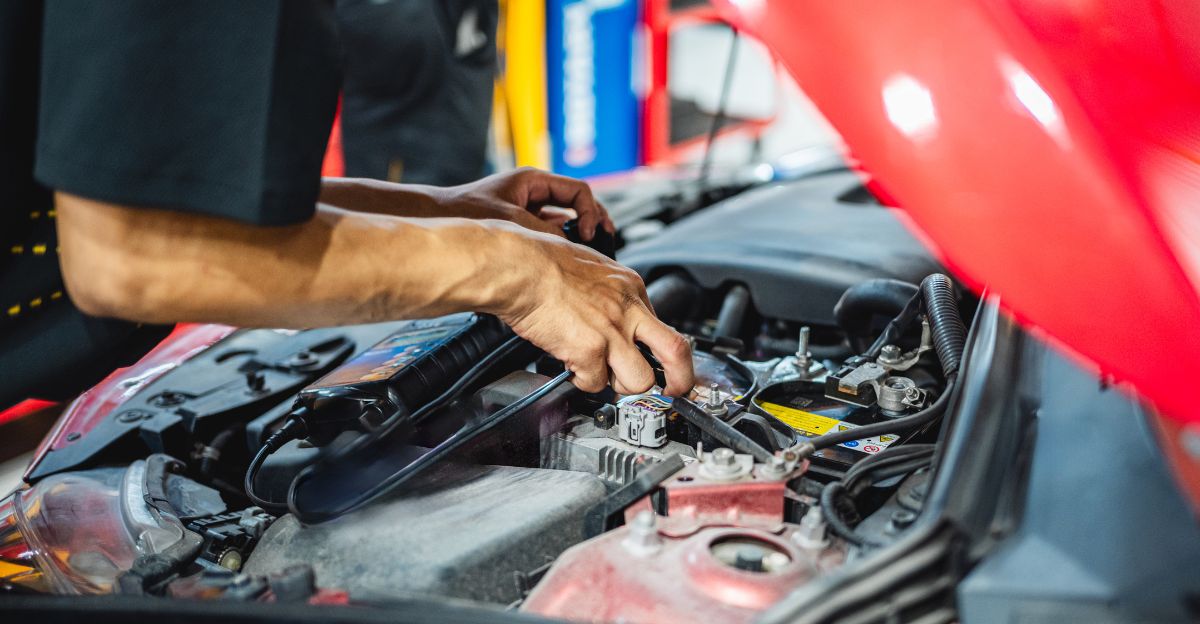
Owners of 2013–2019 Santa Fe models equipped with 3.3-liter Lambda II engines should gather repair invoices, maintenance records, and any dealership communication.
They should check eligibility under the 15-year/150,000-mile extended warranty and confirm whether Technical Service Bulletin 24-EM-003H applies to their vehicle. Plaintiffs recommend seeking legal guidance if warranty claims are denied or if owners previously paid for repairs without knowing coverage existed.
What’s Next for Hyundai and Consumers?
The lawsuit seeks damages, class certification, and a court-ordered recall for all affected engines. Additional plaintiffs may join as more failures emerge, and regulatory bodies could revisit earlier decisions in light of new allegations.
If Hyundai’s warranty concealment is proven, the outcome could reshape expectations for defect reporting and transparency. The case may become a defining moment for how automakers handle safety-critical engine flaws.
The Broader Lesson: Trust, Safety, and Accountability
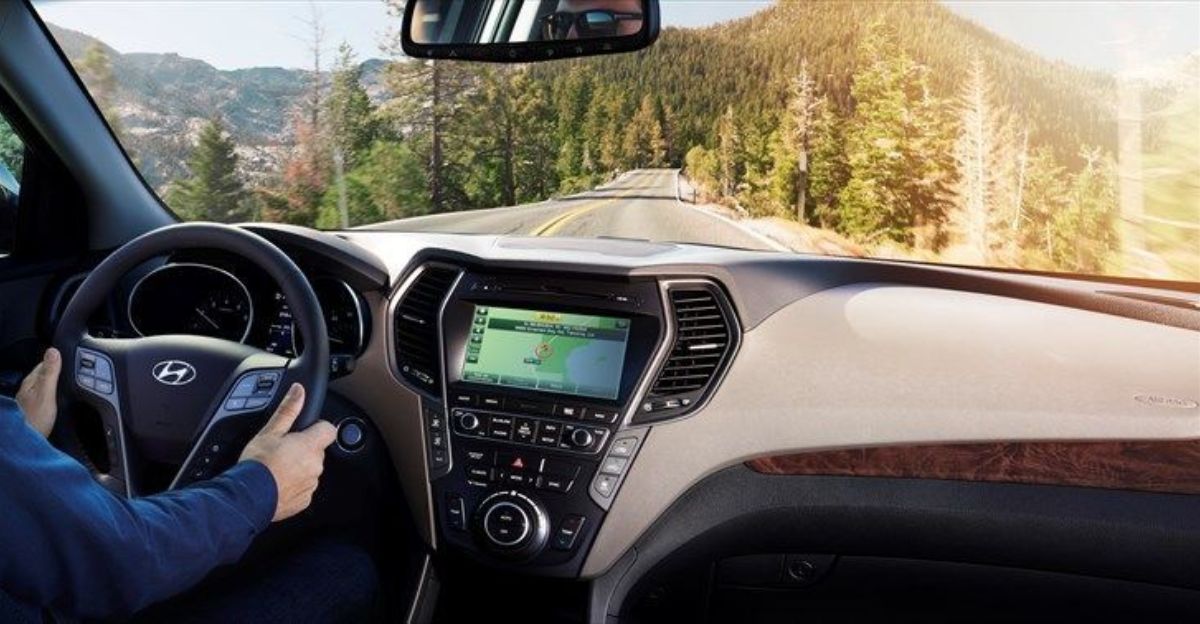
The Hyundai Lambda II engine crisis shows how a single design flaw can disrupt households, industries, and regulatory systems. Catastrophic failures, concealed warranties, and widespread financial strain highlight the fragile relationship between consumers and automakers.
As consequences continue unfolding, the case underscores the need for stronger transparency standards, proactive safety communication, and robust consumer protections to ensure trust in the vehicles millions rely on every day.