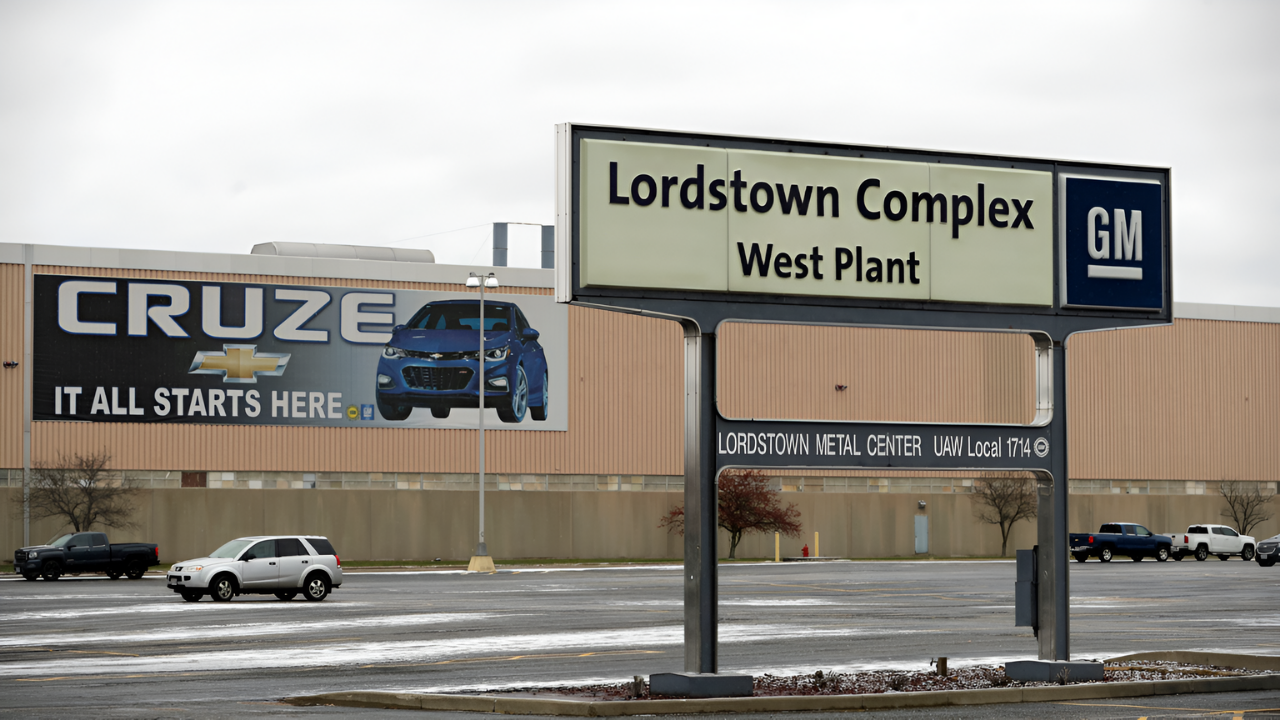
On October 29, 2025, General Motors (GM) revealed plans to pause production at three major facilities in Michigan, Ohio, and Tennessee. The announcement, which included cutting approximately 1,700 jobs, triggered significant challenges for the electric vehicle (EV) sector, as a shift in consumer demand and federal policy prompted the production halt.
Why GM Halted EV Production
GM cited “slower near-term EV adoption and an evolving regulatory environment” as the primary reasons for halting production. The expiration of federal EV tax credits on September 30, 2025, drastically reduced consumer incentives, forcing the company to re-evaluate its electric vehicle strategy.
Automakers now navigate a landscape of reduced government support, fundamentally reshaping EV investment and production timelines across the industry.
Job Losses and Economic Uncertainty

The production pause leads to nearly 1,200 permanent layoffs at GM’s Factory Zero in Detroit, while 550 more positions are cut at the Ultium Cells battery plant in Warren, Ohio. Additionally, 850 temporary layoffs at the Warren plant and 700 in Tennessee create widespread economic hardship for workers and local communities.
Communities rely heavily on GM and its suppliers for economic stability, and local businesses face difficult months ahead as consumer spending declines. The ripple effects extend beyond direct GM employees to contractors, suppliers, and service workers throughout these regions.
Corporate Response: Adjustments in Manufacturing
GM’s joint venture with LG Energy Solution, Ultium Cells, will temporarily close plants in Ohio and Tennessee starting January 5, 2026, with production expected to resume mid-2026 with a reduced workforce. Factory Zero in Detroit will reopen in late November 2025 with diminished capacity, reflecting the company’s pullback from its previous aggressive expansion plans for EV production.
These timeline adjustments reveal GM’s strategic recalibration in response to market conditions and regulatory changes. The company is prioritizing financial stability over aggressive EV market expansion, signaling a broader industry shift toward cautious investment.
Supply Chain Strain
The production halt creates disruption throughout the automotive supply chain. Dana Thermal Products, a key supplier of EV battery cooling plates, is closing its plant in Auburn Hills, Michigan, and eliminating 200 jobs.
Other suppliers and contractors are bracing for similar cuts as automakers scale back EV production to manage reduced demand, while many face severe financial pressure and difficult decisions to reduce operations or delay investments in new technologies. This cascading effect threatens the viability of numerous EV component manufacturers.
Global EV Slowdown
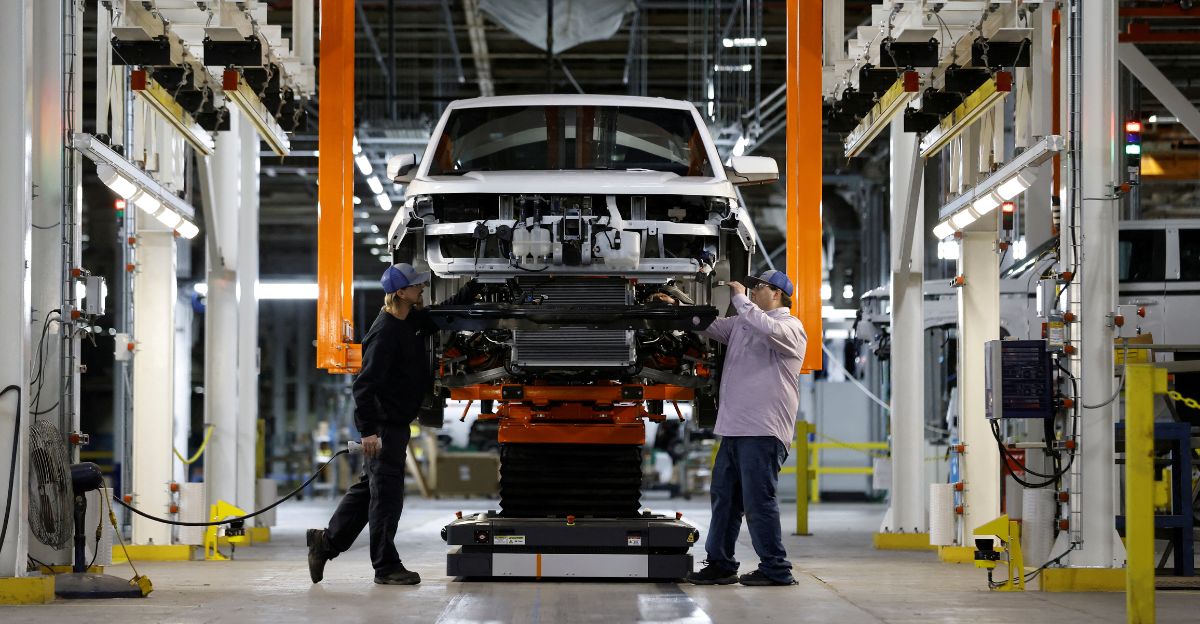
GM’s decision is part of a larger global slowdown in EV production. Rivian and Volkswagen have also made similar announcements, cutting jobs and adjusting production targets in response to declining demand and regulatory uncertainty.
This marks a significant shift in the global automotive industry, with implications for supply chain dynamics, consumer behavior, and government policy. International manufacturers are recalibrating EV strategies, signaling a market-wide reassessment of electric vehicle viability and profitability.
Legal Challenges for Laid-Off Workers

Workers affected by the layoffs at Ultium Cells may be entitled to severance pay under the WARN Act, which mandates a 60-day notice for mass layoffs. Legal investigations are ongoing to determine whether GM complied with the law.
Employees are seeking clarity on their rights and potential compensation, with some filing for legal recourse. This uncertainty leaves many workers anxious about their future and unsure of the financial support they will receive during the transition.
Political Response: Policy Debate Intensifies

The expiration of federal EV tax credits and shifting emissions regulations have sparked heated debates in Washington. Lawmakers and industry groups are divided, with some blaming government policies for the layoffs while others push for new incentives.
The challenge is balancing environmental goals with job preservation as the political landscape evolves. Policymakers face mounting pressure to address both worker displacement and long-term climate commitments in their regulatory decisions.
Local Economies Brace for Impact

The layoffs threaten to destabilize the local economies of Michigan, Ohio, and Tennessee, where auto jobs are a cornerstone of the workforce. Workers’ reduced spending will affect retail, housing, and services throughout these regions.
Industry experts predict higher prices for new cars due to supply chain disruptions and tariff impacts, with long-lasting consequences for communities dependent on the auto sector. Housing markets, small businesses, and local tax bases will face significant pressure as the economic slowdown accelerates.
Shifting Consumer Preferences

With production paused and tax credits eliminated, consumers are rethinking electric vehicle purchases. Used cars and hybrids are seeing increased interest as buyers seek more affordable alternatives.
Dealerships report a shift in demand, with buyers increasingly opting for cost-effective and accessible options over new EVs. This market recalibration reflects changing consumer priorities in response to reduced incentives and economic uncertainty.
Sustainability vs. Economic Security
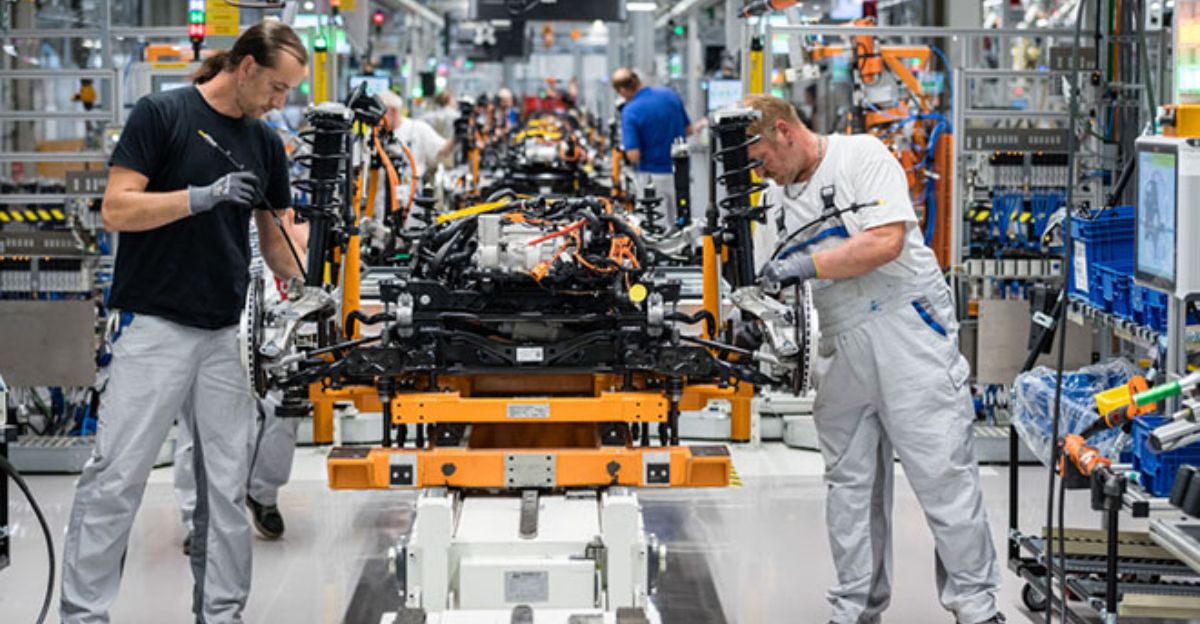
The pause in EV production has reignited the debate over the industry’s future. Advocates argue that EVs are essential for achieving climate goals, while critics point to the negative economic impact on workers and communities.
Policymakers and industry leaders must balance sustainability efforts with economic security for the affected workforce. Finding solutions that address both environmental imperatives and worker wellbeing remains a central challenge moving forward.
Global Implications for U.S. EV Leadership

International observers are closely watching as the U.S. faces setbacks in its EV ambitions. GM’s production pause raises concerns about America’s leadership in the global transition to electric vehicles, with European and Asian competitors potentially gaining ground while U.S. manufacturers scale back.
Significant domestic investments will be needed to maintain competitive advantage and reinvigorate production and innovation. Without strategic intervention, the U.S. risks ceding market leadership in one of the fastest-growing automotive sectors globally.
Who Benefits? Fossil Fuels and Traditional Auto
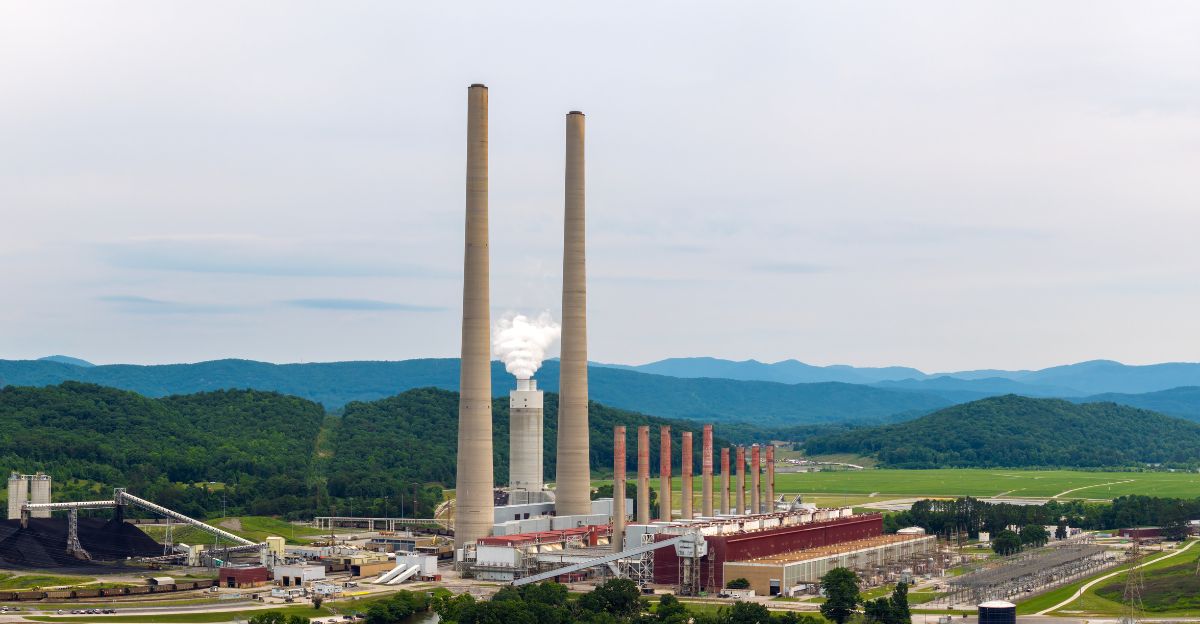
While auto workers and EV suppliers struggle, traditional fossil fuel producers and conventional auto manufacturers may benefit from the slowdown in electric vehicle production. Market dynamics increasingly favor traditional automotive segments over emerging EV technologies.
Tech companies and green energy startups face reduced demand as the industry recalibrates, potentially creating a market imbalance favoring older industries over newer green energy sectors. This shift represents a temporary setback for the energy transition agenda.
Financial Markets React to Uncertainty

GM’s stock has experienced volatility following the announcement, with analysts warning of continued sector disruption. Consumers should be cautious when considering major vehicle purchases, as policy shifts and production changes could lead to further market disruptions.
Market volatility is expected to persist through 2026 as the industry stabilizes and new policies take shape. Investors and consumers alike should monitor regulatory developments and production schedules closely.
Looking Ahead: What’s Next for EV Manufacturing?
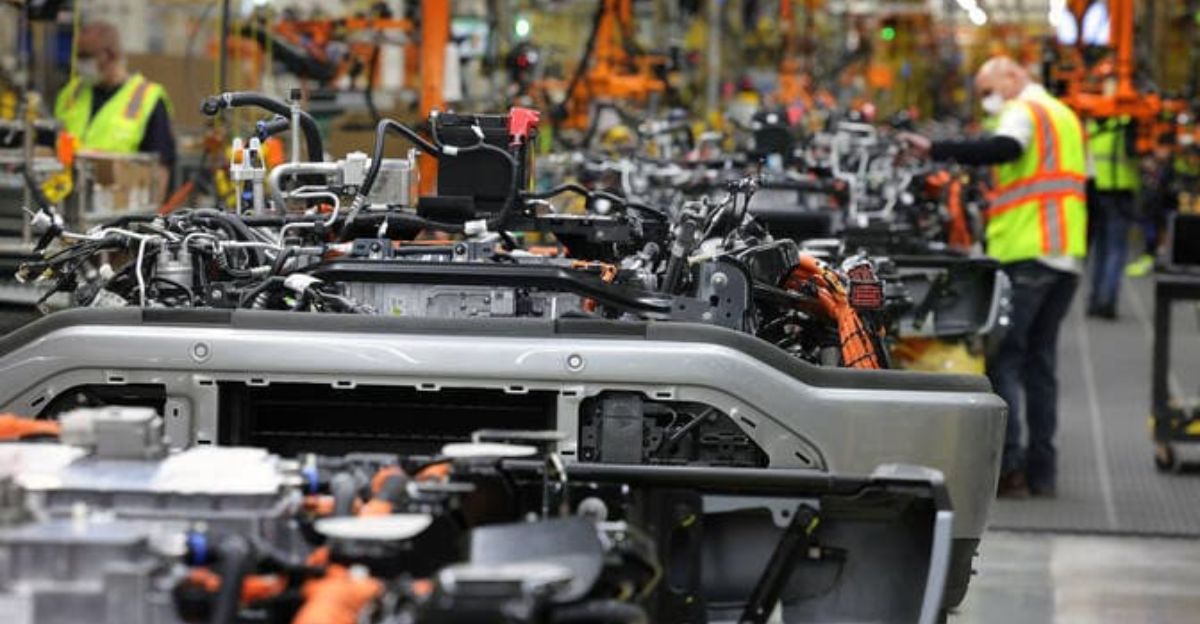
The future of the U.S. auto industry hinges on GM and other automakers’ strategic adjustments. All eyes are on 2026, as the industry looks to recover from this critical juncture.
The decisions made in the coming months will have far-reaching effects on workers, manufacturers, and the broader economy. Industry recovery and eventual EV market stabilization depend on coordinated action from policymakers, manufacturers, and market participants.