In early October 2025, just a month after Sycamore Partners’ $10 billion buyout of Walgreens, workers were stunned by an unexpected announcement. The company revealed it would eliminate six paid holidays for its hourly employees—Thanksgiving, Christmas, New Year’s, Memorial Day, July 4th, and Labor Day. This dramatic shift meant that workers, who once enjoyed these days off with pay, now faced the harsh reality of having to work to earn their holiday compensation.
But why was this sudden change made? What was behind a decision that would affect hundreds of thousands of workers, many already struggling to make ends meet?
Sycamore Partners’ Acquisition Strategy
Sycamore Partners, known for its retail-focused acquisitions, aimed to stabilize Walgreens by restructuring the company. The deal, approved by shareholders in July 2025, was a response to Walgreens’ financial struggles, including losses from its healthcare ventures.
Sycamore’s plan focused on refocusing the company on core pharmacy services, hoping to restore profitability.
Immediate Changes to Worker Benefits
Within a month of the acquisition, Walgreens eliminated six paid holidays for hourly store workers, cutting Thanksgiving, Christmas, New Year’s, Memorial Day, July 4th, and Labor Day.
This change left workers without automatic holiday pay, meaning they now needed to work the holidays to earn compensation, significantly impacting their annual wages.
Wage Impact for Workers
The wage cuts amounted to significant losses for many workers. Managers reported a loss of over $1,000 in annual wages due to the change.
With the elimination of six paid holidays annually, workers across Walgreens faced reduced compensation, as they lost critical paid time off.
Corporate Restructuring and Store Closures
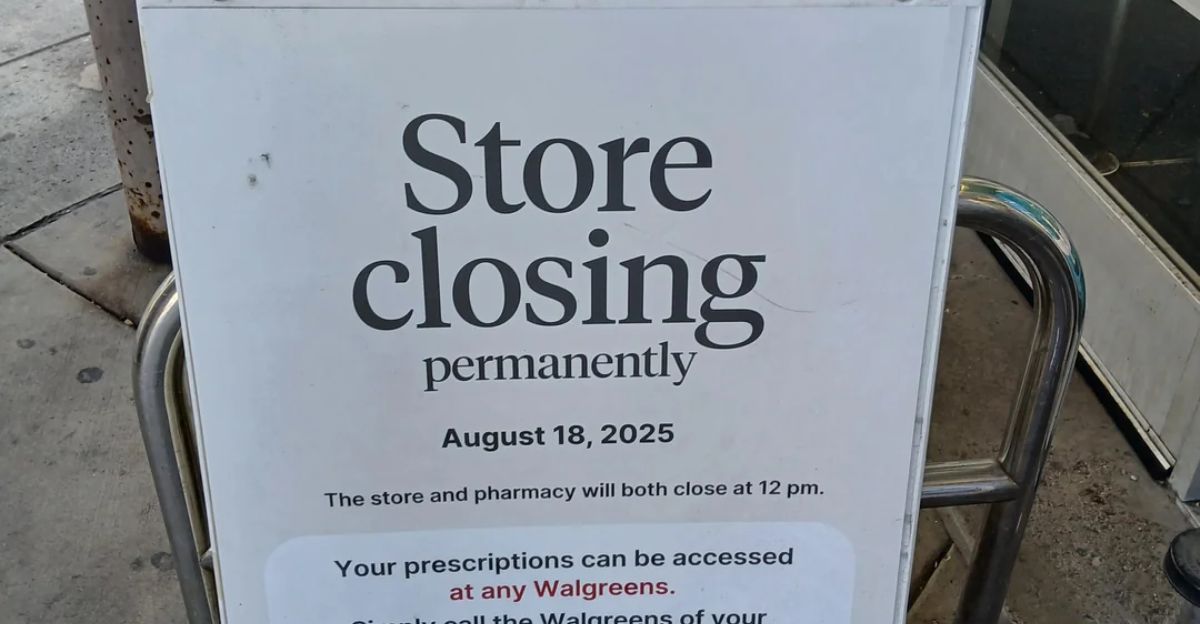
Sycamore Partners also initiated a corporate restructuring of Walgreens, splitting it into five independent companies.
The company announced the closure of 1,200 stores over three years, focusing on profitable locations and creating concerns about access to pharmacy services in underserved areas.
CVS vs. Walgreens: A Growing Divide

As Walgreens slashed worker benefits, CVS maintained paid holidays for full-time employees.
This highlighted a sharp divide between the two major pharmacy chains and their approaches to employee compensation. While CVS continued its employee-friendly policies, Walgreens cut costs, likely to boost investor returns.
Layoffs and Office Closures

In addition to the holiday cuts, Walgreens also laid off about 80 corporate employees, including most of its communications team, and closed its downtown Chicago office.
These changes reflected the company’s new profit-driven focus under Sycamore’s management, significantly impacting corporate staff morale.
Political and Public Scrutiny
The buyout and subsequent changes attracted political scrutiny. Policymakers and watchdog groups raised concerns over private equity’s growing role in essential services, with many questioning whether the quick cuts in worker benefits would harm Walgreens’ reputation and future growth.
Legislators began investigating the broader implications of such acquisitions on public welfare.
The Toll on Local Economies

Local economies, particularly in areas heavily dependent on Walgreens stores, saw the effects of these changes.
Wage cuts, store closures, and layoffs all contributed to increased financial strain in communities where Walgreens was a key employer, potentially leading to reduced consumer spending in these regions.
The Global Impact of the Buyout
The Walgreens buyout had international implications as well. The company’s overseas division, Boots Group, was spun off as a separate entity.
This restructuring raised concerns about global pharmacy services and consumer access, with countries served by Boots facing potential service changes.
Health Access at Risk
The restructuring led to concerns about reduced access to healthcare services.
With Walgreens closing stores and potentially cutting worker hours, the ability for patients to easily access pharmacists and receive personalized healthcare services was affected, potentially impacting the quality of care Walgreens had once been known for.
Competition Heats Up

With Walgreens scaling back, CVS positioned itself as a key competitor in the pharmacy market, maintaining its employee benefits and expanding its footprint.
This shift could lead to further consolidation in the industry, as rival chains compete for both talent and market share in the wake of Walgreens’ changes.
The Supply Chain and Supplier Strain

The restructuring of Walgreens also affected its suppliers.
From pharmaceutical distributors to logistics firms, the company’s scaled-back operations placed added pressure on the supply chain, leading to uncertainty about future orders, pricing, and availability of key medications.
Patient Trust at Risk
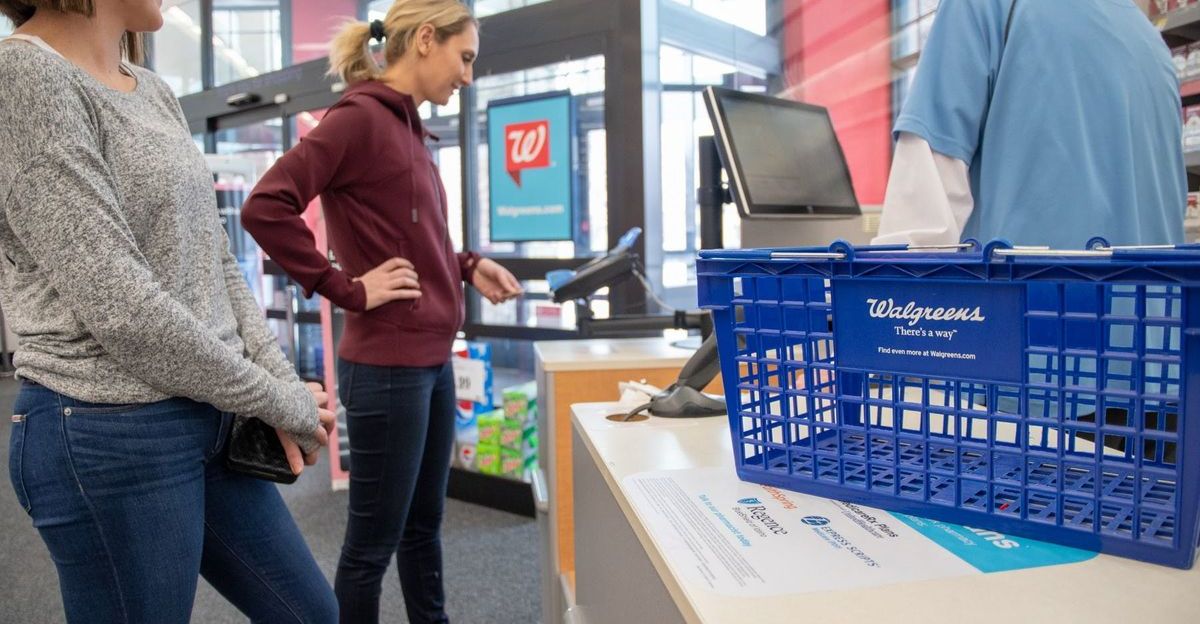
Experts warned that the focus on profit over people could damage patient trust in Walgreens.
As more services were centralized, patients faced the risk of diminished personal care and a loss of the community relationships that many valued in their local pharmacies.
Private Equity and Healthcare: A Cultural Shift
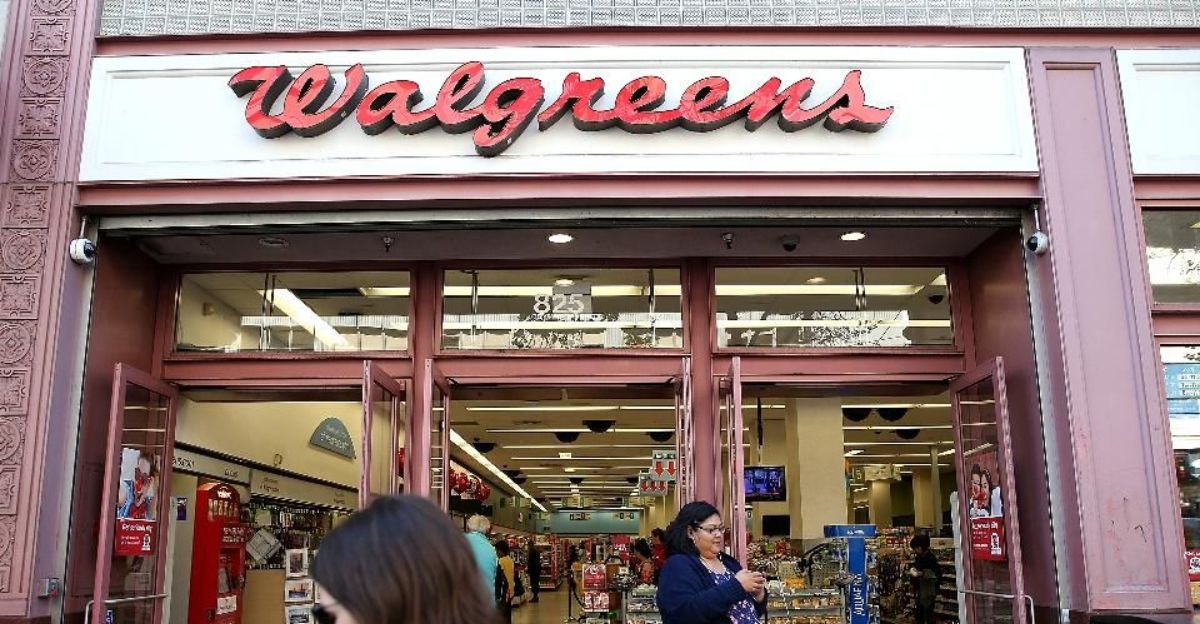
The Walgreens buyout underscored the rising influence of private equity in healthcare.
Critics argued that such acquisitions prioritize profits at the expense of workers and consumers, while supporters claimed it would lead to necessary efficiencies and a more streamlined operation. This debate about private equity’s role in healthcare continues to grow.
The Fallout for Walgreens Workers

For Walgreens employees, the buyout was not just a corporate change—it was a personal loss.
Workers who relied on paid holidays for their income found themselves adjusting to the new system. The shift jeopardized their financial stability and raised concerns about wage security.
CVS Emerges as a Beneficiary

While Walgreens workers faced benefit cuts, CVS became a potential beneficiary of Walgreens’ struggles.
By keeping its employee benefits intact, CVS could attract disaffected workers looking for more stability and better pay. This shift in workforce dynamics could have long-term consequences for Walgreens’ market share.
The Bigger Picture: Impact on Pharmacy Workers

The wage cuts and benefit losses at Walgreens raised broader concerns about the future of pharmacy workers across the U.S.
Hourly employees in the healthcare sector, already facing financial pressures, now faced further instability as private equity firms prioritized profits over employee welfare.
Looking Ahead: Industry Watchpoints

The pharmacy industry is at a crossroads. With Walgreens now under the control of private equity, industry observers are keenly watching Sycamore’s next moves.
Further store closures, layoffs, and cost reductions are all potential outcomes, with major implications for pharmacy workers and consumers alike.
The New Reality for Retail Healthcare
The Walgreens buyout and its aftermath mark a significant shift in the retail healthcare industry.
As private equity increasingly influences corporate decisions, workers are left to bear the brunt of cost-cutting measures, while consumers face uncertain access to essential services. This new reality raises critical questions about the balance between profit and public service.