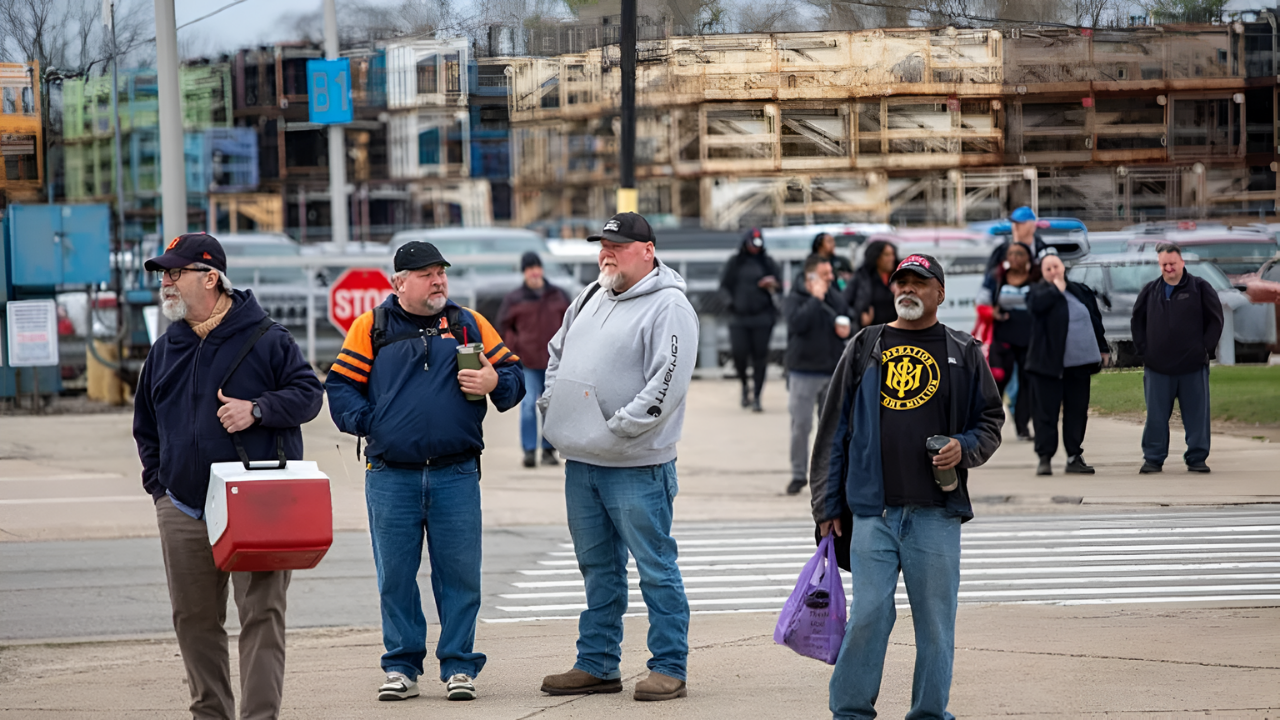
Just two days after Christmas, Renfro Brands will close its Fort Payne, Alabama manufacturing plant, eliminating 455 jobs. For workers, it’s a devastating blow, stripping away steady income during the holiday season. The company, citing “efficiency gains,” will consolidate operations to Cleveland, Tennessee.
Only 75 positions are offered as replacements, leaving the majority of workers without a clear path forward. Fort Payne, once the “Sock Capital of the World,” now faces its biggest closure in years. The loss is not just economic—it’s a blow to the town’s identity and its future.
What Happens When the Holiday Season Is Marked by Job Losses?
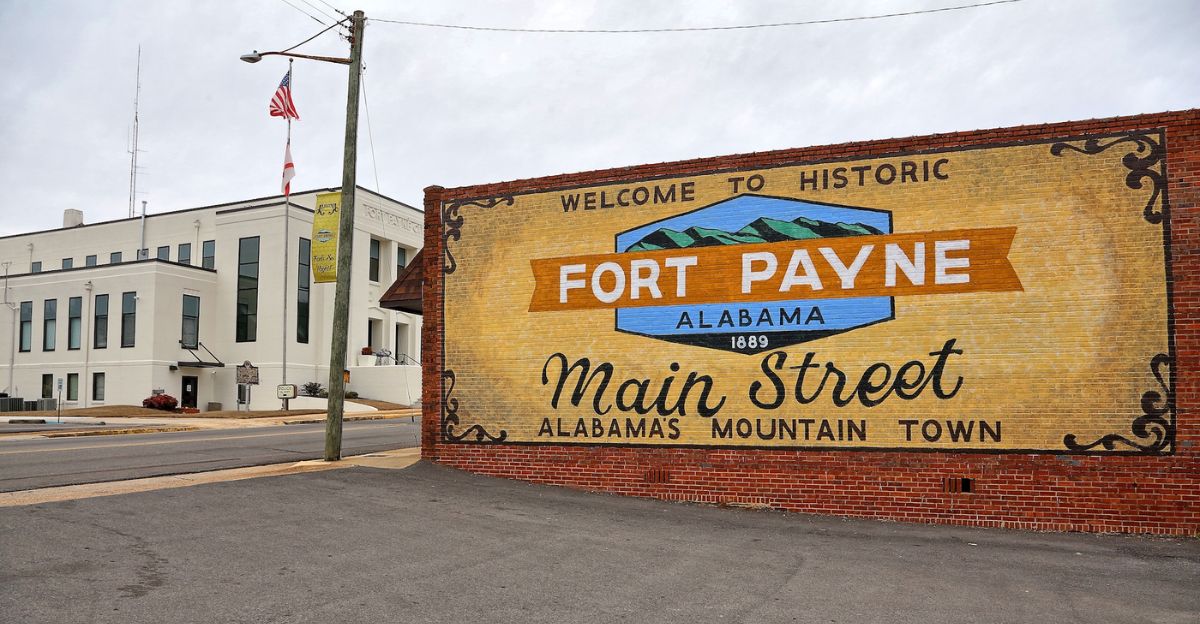
This closure will affect not only the workers but the community as a whole. With the loss of steady income, the entire local economy could face significant challenges. What does this mean for Fort Payne’s future? The community’s reliance on textile manufacturing leaves little room for diversification.
The strain will be felt across local businesses, schools, and social services, as this massive job loss ripples through every sector. The closure marks a painful chapter in the ongoing decline of Alabama’s textile industry.
Why Now? Global Pressures and Automation

The U.S. textile industry has been on a downward spiral for decades. From 850,000 jobs in 2000 to just 350,000 by 2010, the job losses are staggering. Renfro’s closure reflects this larger trend. With fierce competition from countries like China, India, and Bangladesh, automation is taking the place of human labor.
Globalization and fast fashion demand cheaper, quicker production, leaving Alabama’s textile industry struggling to compete. These global pressures are not just about tariffs but also the shift toward more efficient, automated facilities in countries with lower labor costs. This trend is not isolated, but part of an industry-wide shift that will continue.
Will More Closures Follow?

As the textile industry continues to consolidate, more communities may face similar losses. Renfro’s decision is part of a broader industry-wide trend. What will it mean for other manufacturing towns if these closures become the norm? Many cities once known for their textile production may find themselves left behind in the global race for cheaper manufacturing.
This shift is likely to continue, as automation and overseas competition create fewer opportunities for local manufacturing. The industry is changing, but what will replace it remains unclear.
Hard Times Ahead for Fort Payne Workers

For the 455 workers laid off, the impact is immediate and harsh. Just before Christmas, many face an uncertain future. With few transferable skills, they may struggle to find new jobs. The median household income in Fort Payne will take a hit, and unemployment benefits are only a temporary fix.
Alabama’s retraining programs are underfunded, leaving workers with limited options. The toll isn’t just financial – it’s emotional too. Losing jobs in a community that has relied on manufacturing for generations will leave scars that take years to heal.
As the Community Loses Its Backbone Employer, the Social and Economic Challenges Will Be Felt for Years

These challenges won’t just vanish with a few months of unemployment benefits. Workers face a future where their skills may no longer be in demand, and their community’s fabric will be irreparably affected by the loss of this long-time employer.
The psychological impact will be severe, and future prospects for many remain uncertain.
Renfro’s Efficiency Push: The New Reality
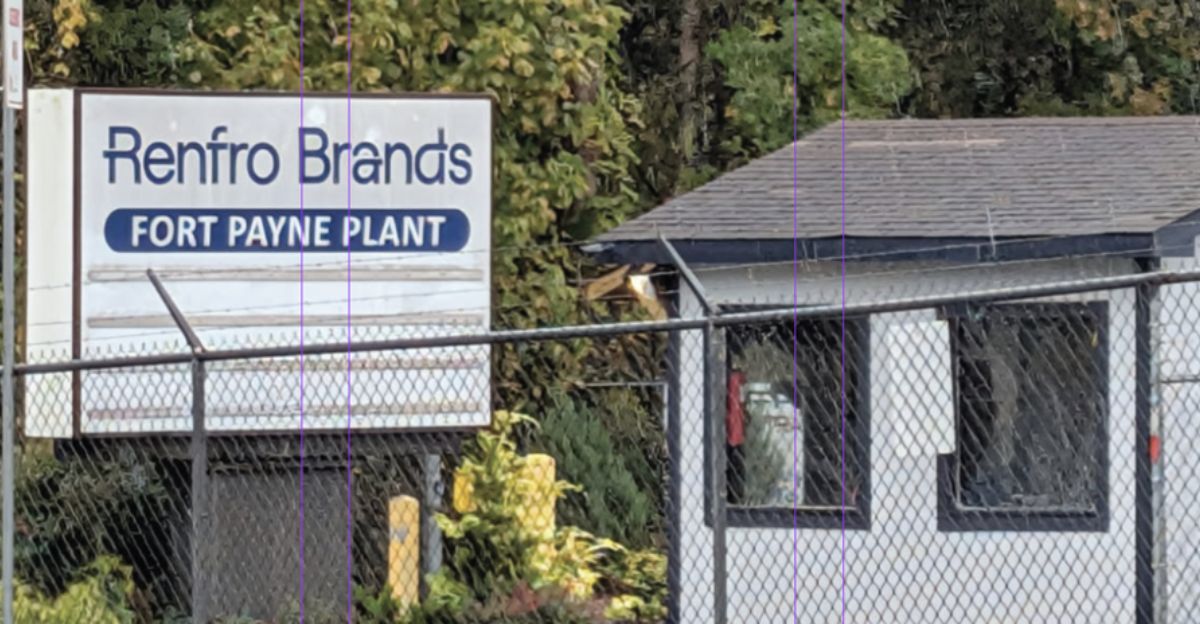
Renfro Brands’ closure is part of a broader strategy to consolidate operations and increase flexibility. By shifting production to Tennessee, the company aims for “more efficient” operations. But what’s the cost of efficiency? While shareholders benefit, 455 workers lose their jobs.
This move highlights a broader trend in the textile industry: consolidation, automation, and fewer jobs. In the pursuit of profit, who really wins? The workers, the community, and the local economy all bear the brunt of these decisions, while corporate owners see only the gains.
As the Company Looks to Streamline, It’s Clear That the Human Cost Is High

With fewer jobs and a reliance on automation, what does the future hold for workers in industries like this? Renfro’s decision to move to Tennessee is only one example of a much larger problem facing the U.S. textile sector.
The question is whether these communities can adapt to a future where fewer people are needed to keep operations running.
The Rise of Synthetic Fibers: A Market Shift
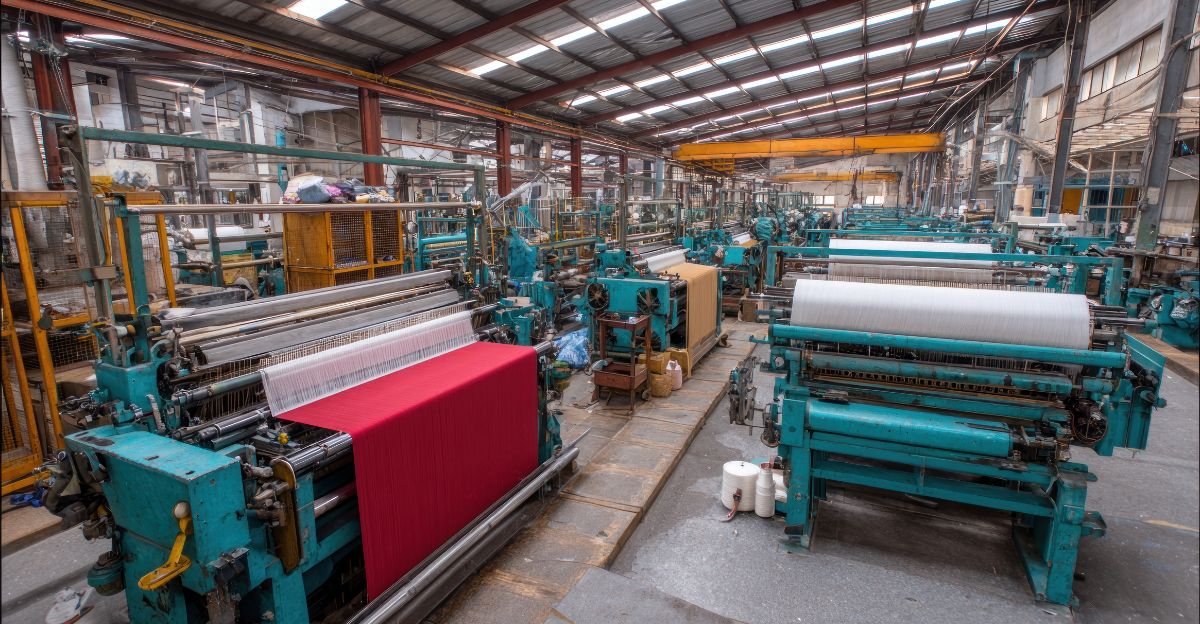
As the textile industry shrinks in the U.S., synthetic fibers like polyester, nylon, and acrylic are taking over. These materials are cheaper to produce and more appealing to fast-fashion brands. Cotton, a historical staple in Alabama, is in decline.
As synthetic alternatives continue to grow, the demand for labor-intensive cotton production wanes. Fort Payne’s closure accelerates this shift, making it harder for traditional textile hubs to survive. The decline of cotton-based apparel and the rise of synthetics is reshaping the entire industry.
The Shift Away from Cotton and Toward Synthetic Fibers Isn’t Just Economic – It’s Environmental
While synthetics may be cheaper, they come with their own set of environmental issues. This shift is contributing to a broader problem: what happens to local economies, and the planet, as demand for cotton declines?
The environmental cost of synthetic fibers continues to grow, but the industry’s focus remains on cost-cutting.
Tariffs and Trade: The China Factor

Recent trade deals, like the U.S.-EU agreement that imposed 15% tariffs on European textiles, are reshaping global competition. However, China and other Asian countries still dominate the textile industry, driving down costs and outpacing U.S. production.
Renfro’s decision to move to Tennessee isn’t just about tariffs – it’s about keeping costs low. Global supply chains remain focused on the lowest cost producers, and this decision is a direct result of that relentless pressure. These international dynamics are a significant factor in the shift away from traditional manufacturing in the U.S.
Even with Tariffs, International Competition Remains the Driving Force

Trade deals may impact the future of U.S. manufacturing, but at the end of the day, global competition – especially from countries like China – is what’s pushing American companies to shift operations and consolidate.
Renfro’s move to Tennessee is just one example of this broader trend.
Workers Face a Tough Choice

Many workers in Fort Payne, some with decades of experience, are left with few options. Renfro’s offer of “priority consideration” for 75 positions in Tennessee is cold comfort, as relocating is financially impossible for many.
Retraining programs are underfunded, leaving workers to consider lower-wage service jobs or face a future of unemployment. It’s a brutal decision for those who’ve spent their careers in textile production. The emotional toll is heavy, and the choices are grim for many.
What Are Their Options When Relocation Isn’t an Option and Retraining Resources Are Insufficient?

The workers face a harsh reality: either accept a much lower-paying job, stay unemployed, or try to retrain for a completely different career.
The emotional strain this places on families is hard to quantify, but it’s an ongoing crisis in many textile communities. The available solutions are insufficient to meet the growing need.
State-Level Response: Limited Options for Alabama

Alabama lawmakers, like Senator Katie Britt, have pushed for policies to boost American-made cotton, but these efforts struggle to change the larger trend. The state can offer unemployment benefits, but federal trade policies, not local legislation, are shaping outcomes.
While some new investments are being made in Alabama, they focus on other industries, not textiles. As the textile sector continues to decline, the state’s options remain limited. Without federal support or a shift in trade policy, Alabama’s manufacturing future remains uncertain.
State Action Is Reactive, and the Root Causes Lie Beyond Its Borders

Alabama’s policymakers can only do so much. Without federal intervention or a major shift in trade policy, the state’s efforts to reinvigorate its textile industry will continue to fall short.
The issue is systemic, and it requires more than local solutions.
Economic Impact: Local Business Losses Mount

The closure of Renfro’s Fort Payne plant will have a domino effect on the local economy. As 455 workers lose their jobs, the local economy loses millions in wages.
Consumer spending at local businesses will drop, schools will face reduced tax revenue, and property values may fall. The ripple effect will be felt far beyond the plant, as each manufacturing job supports additional jobs in services and retail. The town will experience a significant economic contraction.
The Multiplier Effect Makes the Closure Even More Devastating

With each manufacturing job lost, multiple other jobs are impacted. From restaurants to schools to real estate, this single closure could have lasting, widespread economic consequences for the community.
The full impact may take years to fully realize, but the losses will be deep and enduring.
Social Fabric Frays: Health, Stress, and Migration

The emotional toll of job loss will be profound in Fort Payne. Increased unemployment often leads to mental health issues, including depression and substance abuse. Younger workers may migrate to urban areas for better opportunities, further depleting the town.
Schools, churches, and local businesses will feel the strain. The social fabric that once held the community together is at risk of unraveling. The long-term health impact extends far beyond the immediate economic loss, leaving deep scars on the community.
The Community May Face an Identity Crisis as It Struggles to Adapt
Fort Payne’s loss of its primary employer, combined with the mental health challenges faced by displaced workers, signals a slow unraveling of the town’s social structure.
The emotional toll will likely last long after the economic impacts. The town will need years to rebuild both economically and socially.