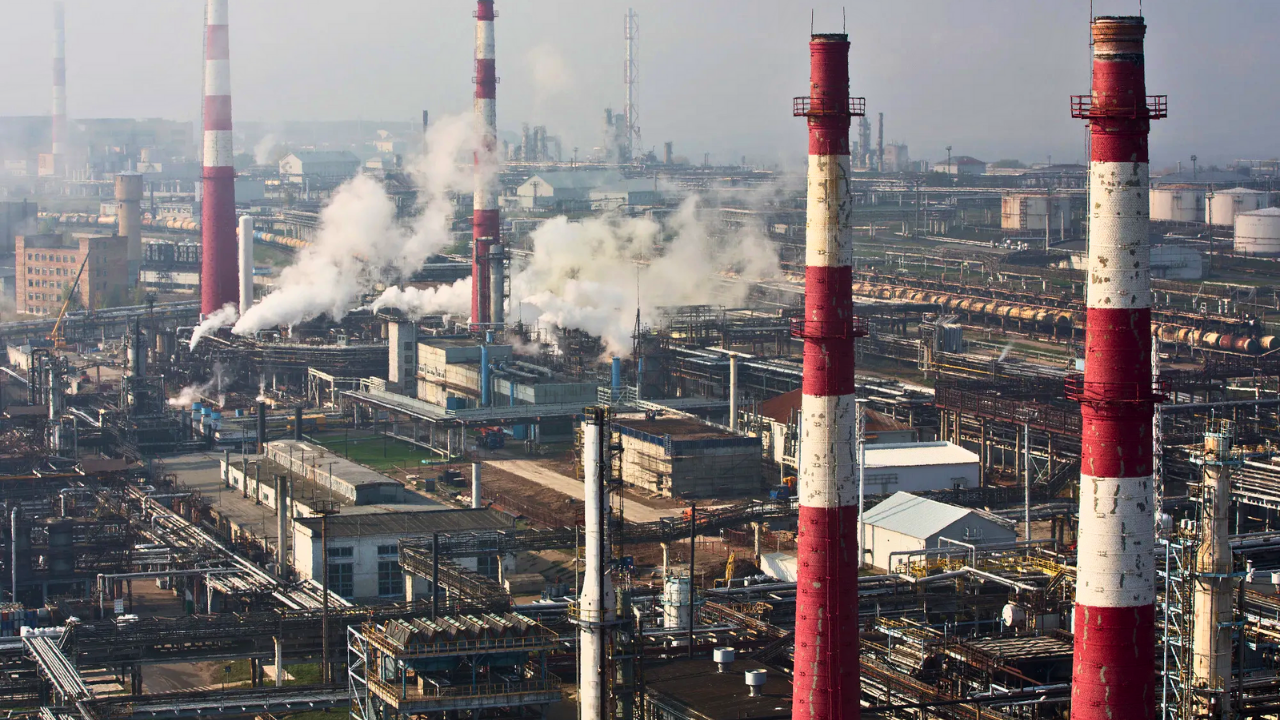
Imagine a drone piercing 370 miles into enemy territory and torching a facility that fuels an entire war machine. That’s November 11, 2025. Ukrainian drones struck the Saratov refinery, forcing a near-total shutdown of this complex that processes 20,000 metric tons of crude daily. The facility handles over 20 fuel products—gasoline, diesel, heating oil, and bitumen—everything Russia’s military depends on.
Reuters reports the plant may stay offline until month’s end. Here’s what should terrify Moscow: this wasn’t a fluke. It was the seventh time in eleven months the same target has burned.
The November 11 Strike Confirms Pattern
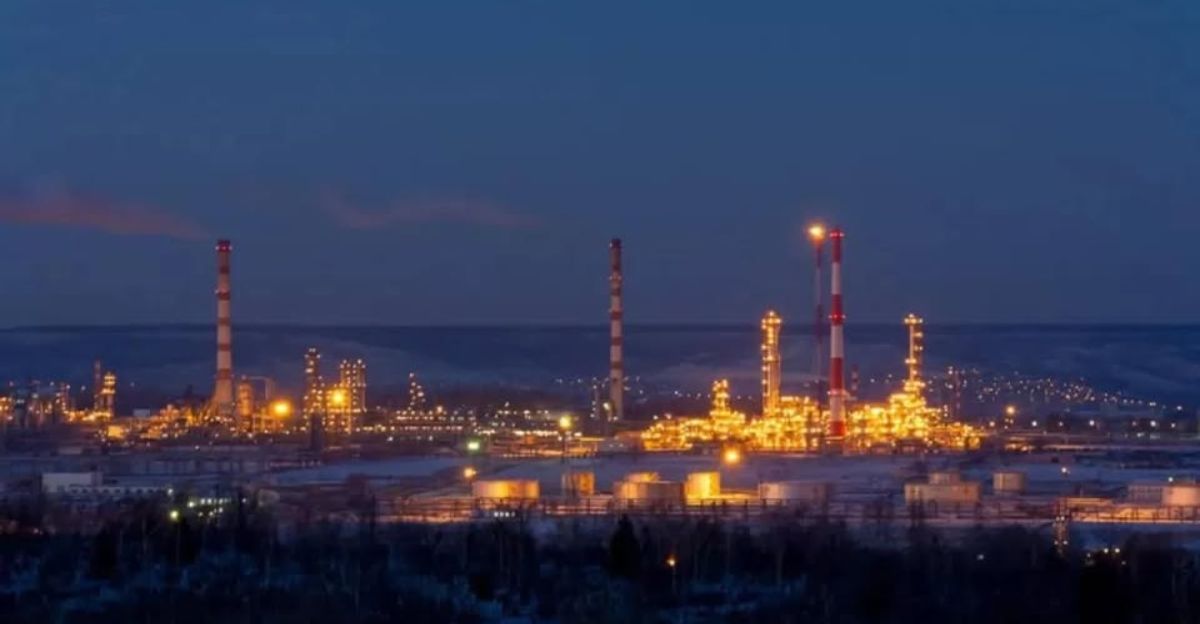
Fire erupted across Saratov after Ukrainian drones breached Russian air defenses on November 11. Ukraine’s General Staff confirmed: “Explosions and fire recorded.” The cold mathematics matter: Saratov has been hit seven times since January, each strike targeting Russia’s fuel supply heart. Russia’s Defense Ministry claimed it destroyed 37 drones overnight, including eight over Saratov Oblast.
Here’s the twist: Russia intercepted drones, and the refinery caught fire anyway. Aviation authorities shut down Saratov Airport at 1:39 a.m.—a practical admission the strike got through.
A Refinery Made for War
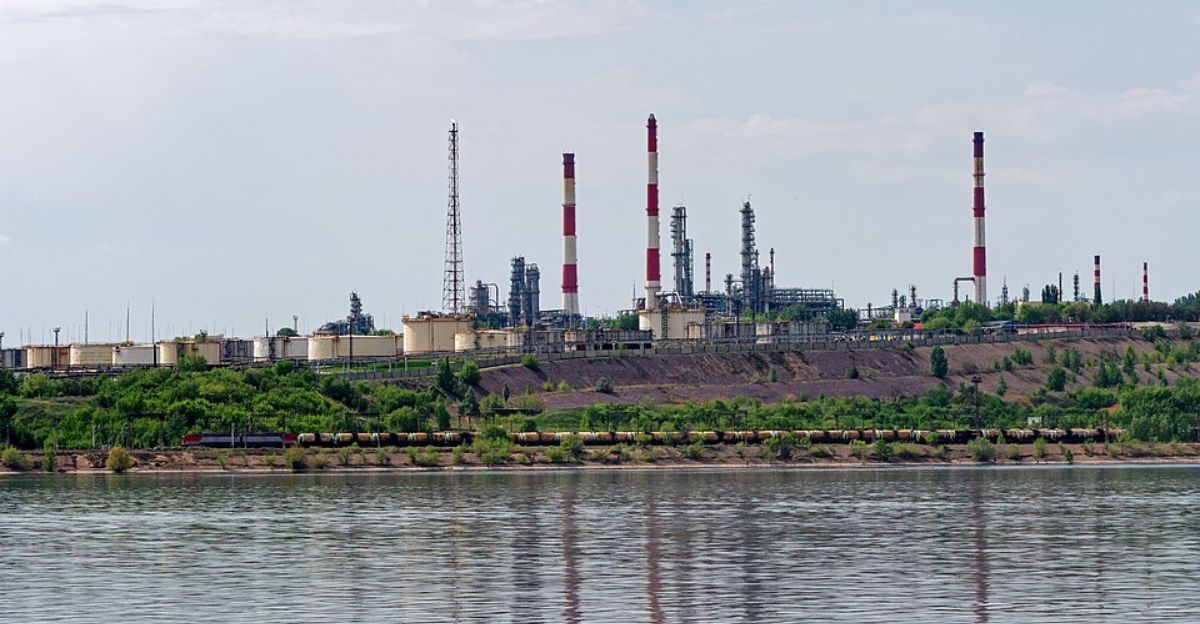
The Saratov refinery processes 4.8 million metric tons of crude annually—the backbone of Russia’s energy machine. Ukraine targets it deliberately: the facility explicitly supplies fuel to the Russian Armed Forces, making it a legitimate military objective. Rosneft, a state-controlled Russian energy giant, runs operations.
Saratov sits 150 kilometers from Kazakhstan’s border and 600 kilometers east of the front lines. A distance that once meant safety. Not anymore.
The Coordinated Onslaught
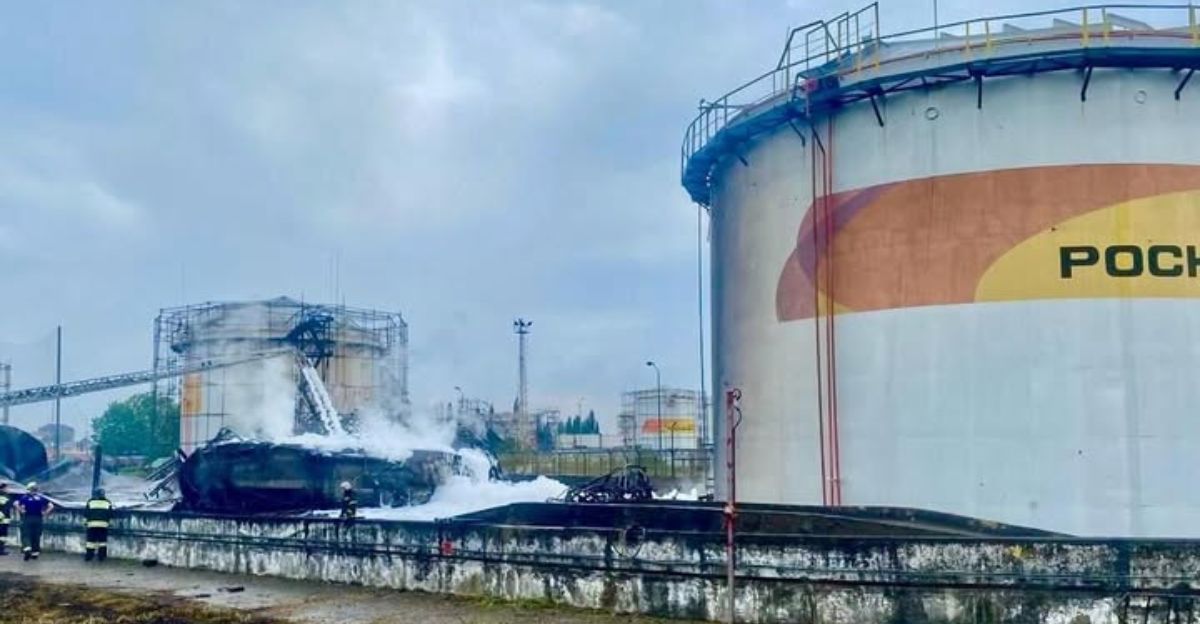
November 11 showcased Ukraine’s capability to conduct simultaneous strikes. While drones devastated Saratov, other forces struck Crimea’s Sea Oil Terminal, ripping through fuel tanks supplying the entire peninsula. Simultaneously, attacks hammered Russian military warehouses and troop concentrations near Ocheretyne in occupied Donetsk.
This wasn’t just one drone targeting one target. This was a coordinated multi-domain assault across 600 kilometers of hostile airspace—a strategic punch designed to fracture Russia’s fuel network everywhere at once.
Damage Assessment Still Unfolding
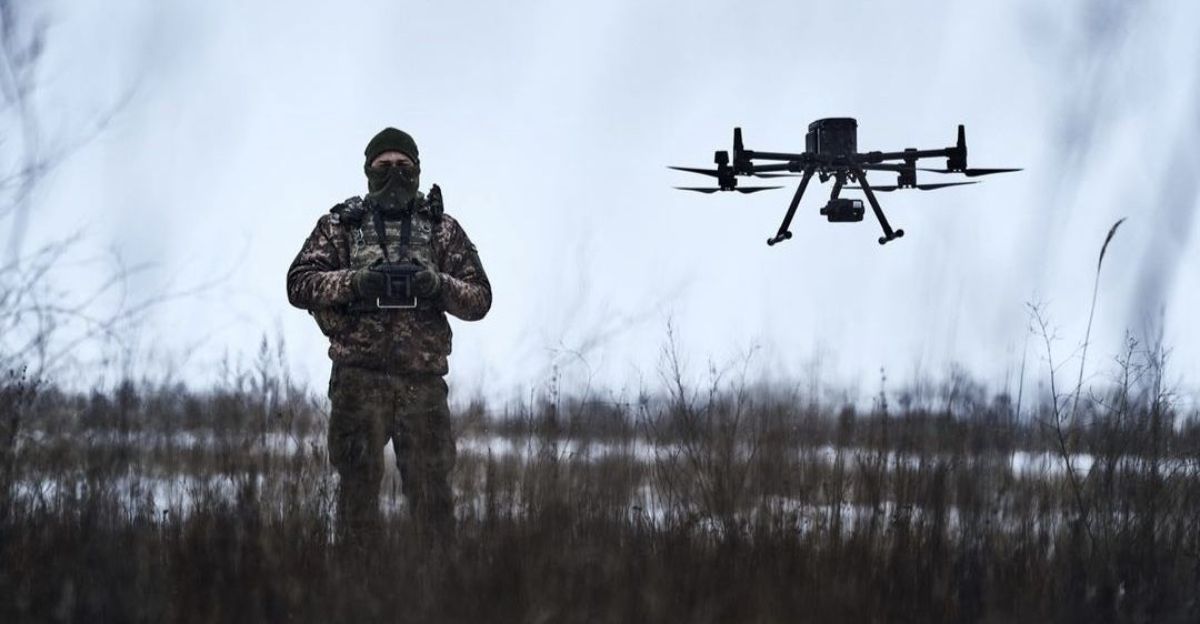
The strike targeted Saratov’s CDU-6 crude distillation unit—the primary processing engine keeping operations running. One massive storage tank caught fire, confirmed by satellite data. Preliminary reports suggested that full operations might not resume until the end of the month, resulting in weeks of lost production and fuel shortages rippling through Russia’s military supply chain.
Rosneft offered no public statements about damage or timelines. The silence itself was deafening.
Autumn of Relentless Strikes

Ukraine has systematically stalked this refinery like a predator knowing its prey’s schedule. November 3, October 16, September 20, September 16—each date marks another strike, another fire, another shutdown. Five times since the fall began, totaling seven times in 2025.
The attack pattern is deliberate: roughly every 45 days, the same target is burned. This is a degradation strategy. Each strike chips away at capacity, prevents full recovery, and forces Moscow to choose between repair and military priorities.
Russia Claims Air Defense Victory

Russia’s Defense Ministry claimed victory, stating that 37 drones were intercepted overnight, including 8 over Saratov Oblast. Technically accurate. Strategically irrelevant. Yes, Russia shot down drones. And yes, the refinery still caught fire and required an emergency shutdown anyway.
Geolocated footage from November 11 showed flames—proof that no spin can erase. The uncomfortable truth: interception numbers don’t matter when the drones you miss are the ones that matter. It’s like a goalie making 37 saves but letting in the winning goal.
Economic Toll Mounting
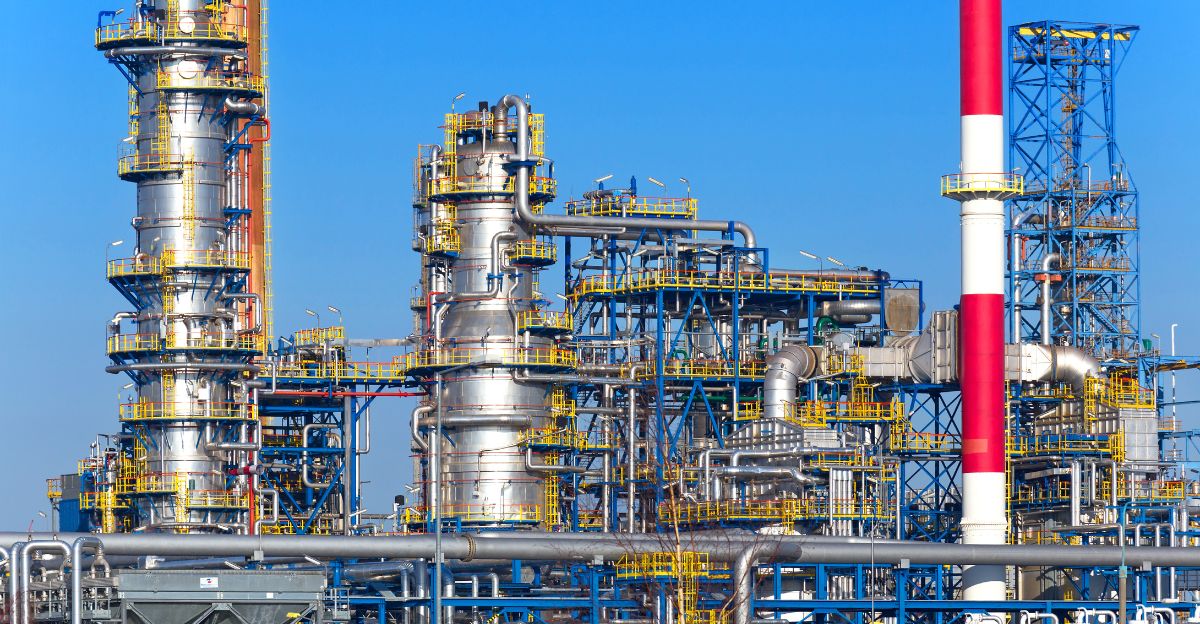
The brutal calculus: 4.8 million metric tons annually equals 13,150 metric tons processed daily. Each offline day, Russia hemorrhages millions. Reuters estimates potential monthly revenue loss at $65–130 million, depending on margins and pricing. But revenue loss misses the real damage.
Without fuel, military logistics freeze. Tanks don’t run. Supply trucks can’t reach the front. Economic damage becomes military damage, which in turn becomes operational failure, ultimately resulting in lost territory.
A Campaign Against Russia’s Energy Backbone
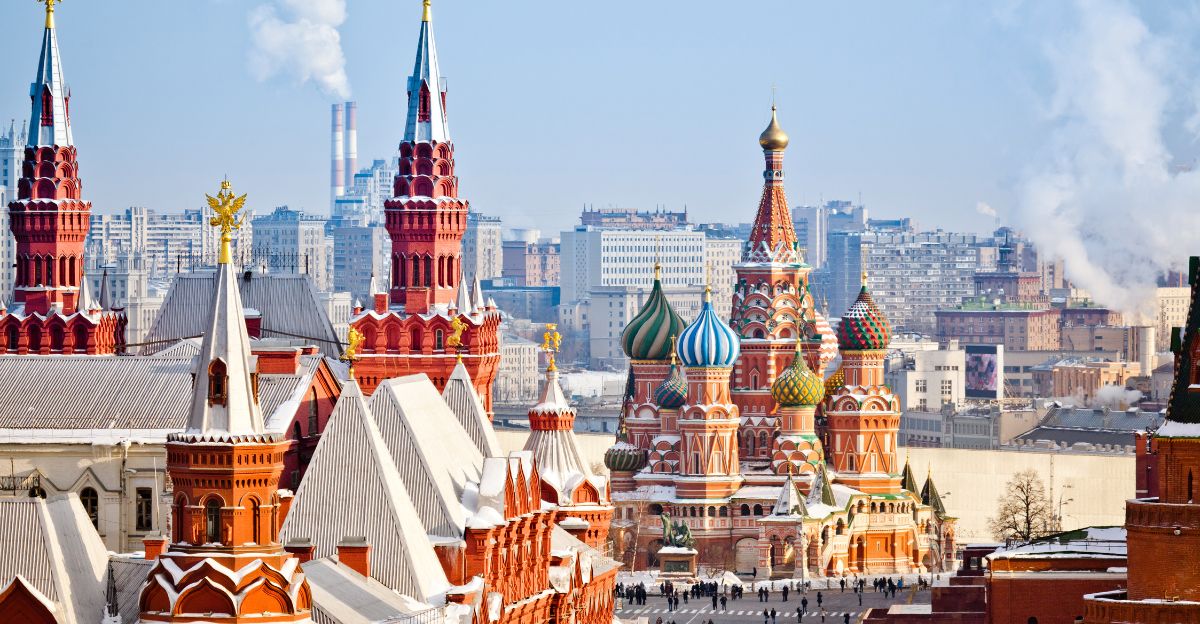
Zoom out, and it darkens for Moscow. August through November 2025: Ukraine executed 58+ attacks on Russian energy infrastructure, 29 targeting refineries. August alone saw 14 refinery strikes; September added 8 more. Peak disruption knocked out 17–21 percent of Russia’s refining capacity—approximately 1.2–1.4 million barrels per day—simultaneously.
The International Energy Agency estimates Ukraine’s campaign sustains a daily loss of roughly 500,000 barrels. That’s not economic damage. That’s slow-motion strangulation of an entire war economy.
What Saratov’s Shutdown Means for Russian Strategy
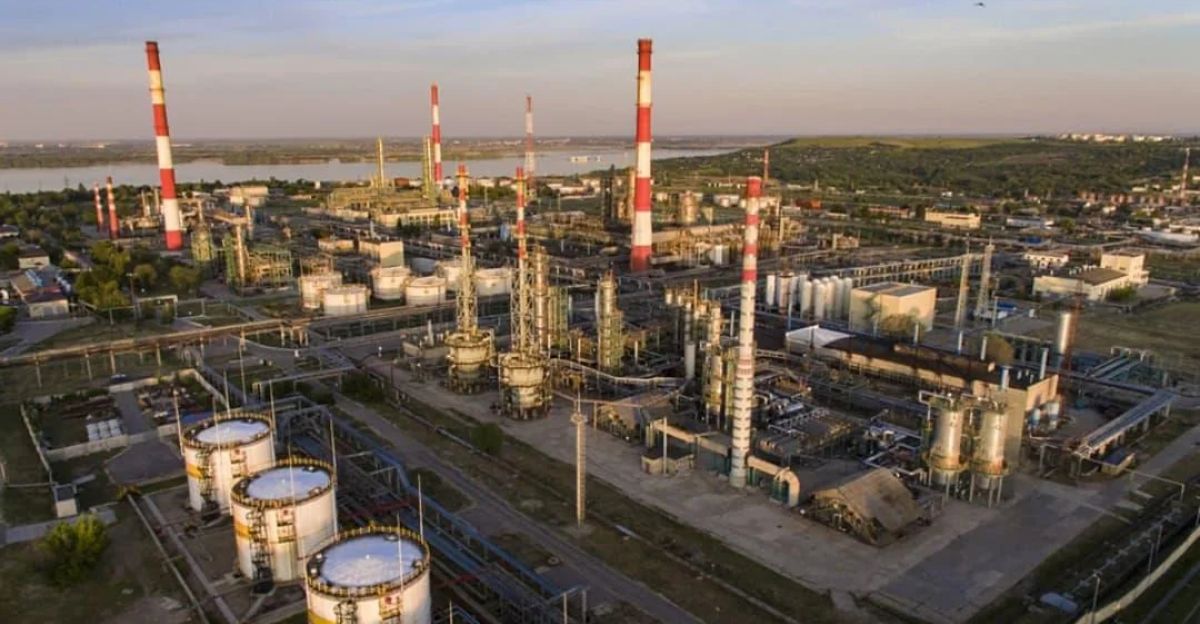
When a refinery closes, consequences cascade through the entire logistics network. Helicopter flights are grounded. Tank columns move more slowly. Supply lines stretch thinner.
Oil analyst Boris Aronstein called strikes “the most severe crisis in recent years,” adding bluntly that Moscow’s repair speed lags Ukraine’s destruction speed. That gap between how fast they break things and how fast Russia fixes them is the fault line where Russia’s war economy cracks.
Civilians Pay the Price

Russian consumers queue for hours at gas stations, watching pump prices spike 10 percent since the attacks intensified. In some regions, diesel shortages exacerbate the hardship faced by farmers and transport companies that rely on fuel.
Saratov’s governor reported that the attack damaged civilian infrastructure, shattered windows in homes, and injured one resident. He mentioned collateral damage, but not the refinery strike itself. War is no longer confined to battlefields. It bleeds into civilian life.
The Distance Problem
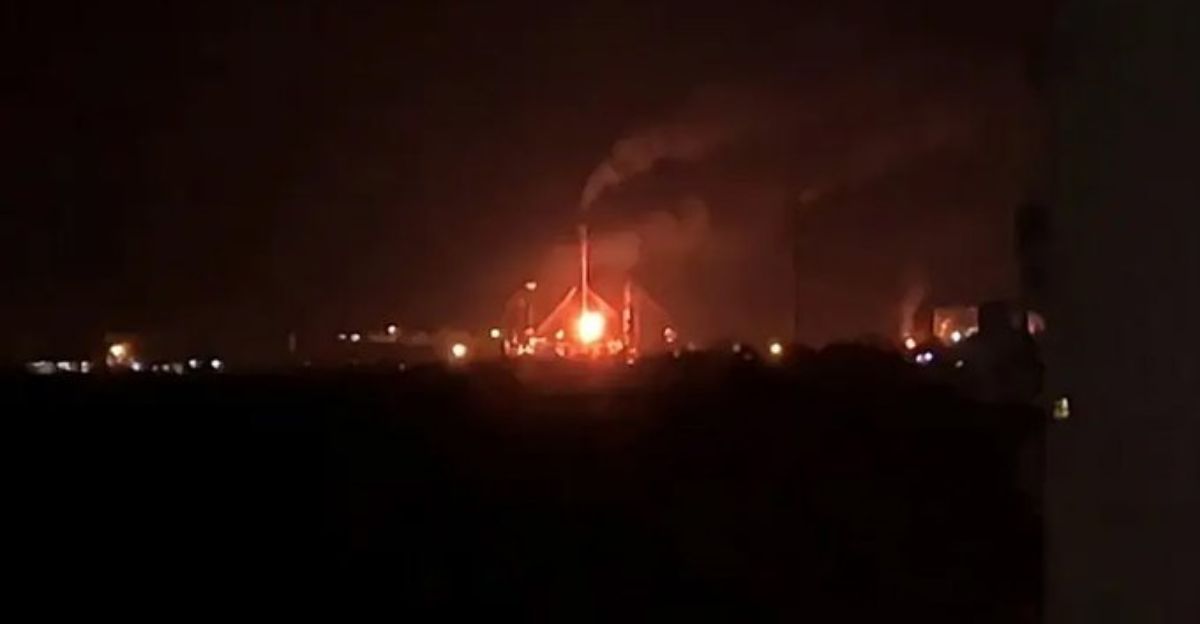
Saratov sits 370 miles behind Russian lines—farther than New York to Washington, D.C. Yet Ukrainian drones regularly penetrate 600 kilometers into Russian territory to strike strategic targets. Under traditional military doctrine, this shouldn’t happen. And yet, night after night, it does. These aren’t stealth fighters costing millions. They’re drones built for $500–$1,000, destroying infrastructure worth $100 million.
The mathematics of asymmetric warfare shifted catastrophically. Russia cannot build refineries faster than Ukraine destroys them.
Winter Timing Adds Urgency
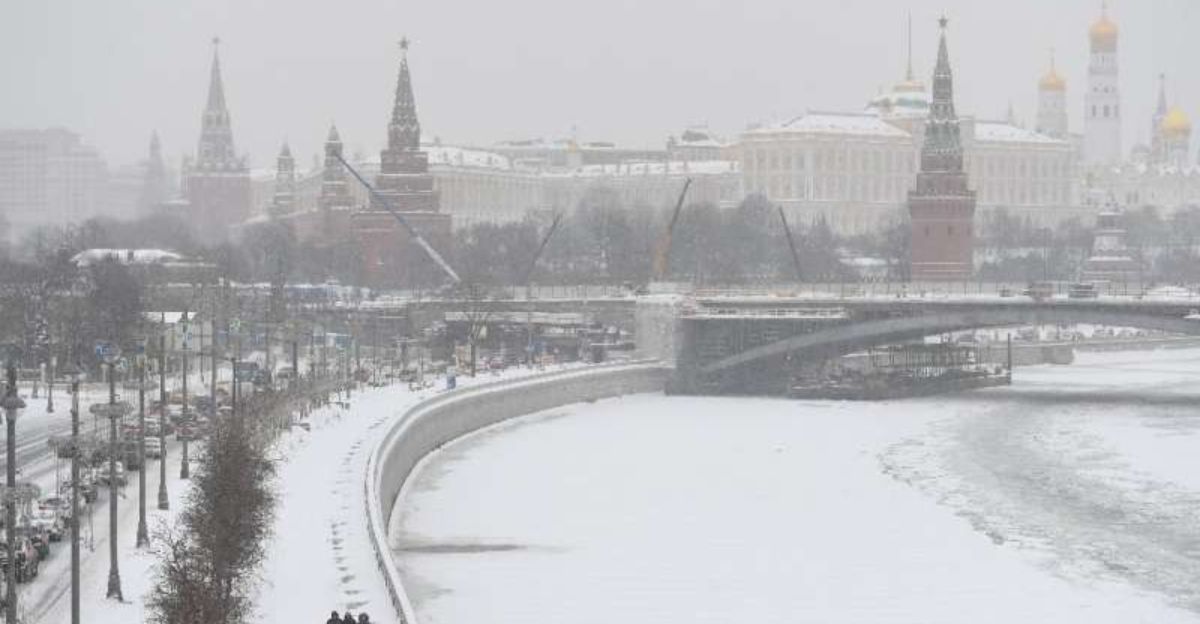
As snow falls and temperatures plummet, fuel shortages bite harder. Heating oil becomes survival. Diesel for generators becomes essential. Russia’s fuel crisis forces agonizing choice: divert military allocations to prevent civilian suffering, or let people freeze while keeping tanks filled.
Ukraine races against the calendar, trying to cripple Russia’s energy infrastructure before winter weather shifts military dynamics or diplomatic pressure forces a ceasefire. Time is the real weapon. Drones are just the delivery mechanism.
Global Energy Markets Feel the Tremors

This story doesn’t stop at Russia’s border. Oil prices spiked 2 percent after the November strikes on disruption fears alone. Russia’s oil exports declined 17.1 percent during peak disruption. Energy markets from Europe to Asia feel tremors. Prices shift. Supply chains recalculate.
The shift in Russian fuel production reshapes global energy equations. Saratov burning isn’t just a Ukrainian victory. It’s a warning: critical infrastructure can’t be taken for granted as safely distant from conflict.
A New Paradigm for Industrial Warfare
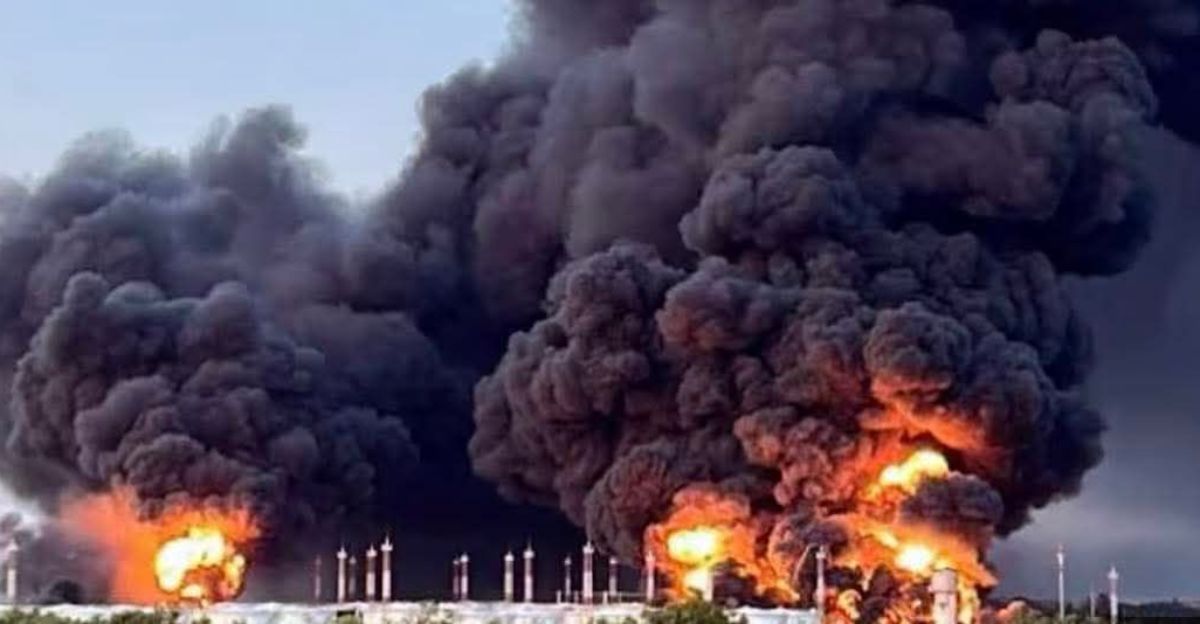
The Saratov refinery burned seven times in eleven months. Seven times. Ukraine proved something that changes everything: you cannot protect critical infrastructure 370 miles behind your lines if your opponent has will, drones, and coordination to find it. Whether this war ends through diplomacy or fighting, Moscow’s calculation shifted fundamentally.
Refineries, once thought to be invulnerable, now burn regularly. Fuel, once secure, now runs short. Ukraine didn’t just strike a refinery. It rewrote how industrial warfare works in the modern era.