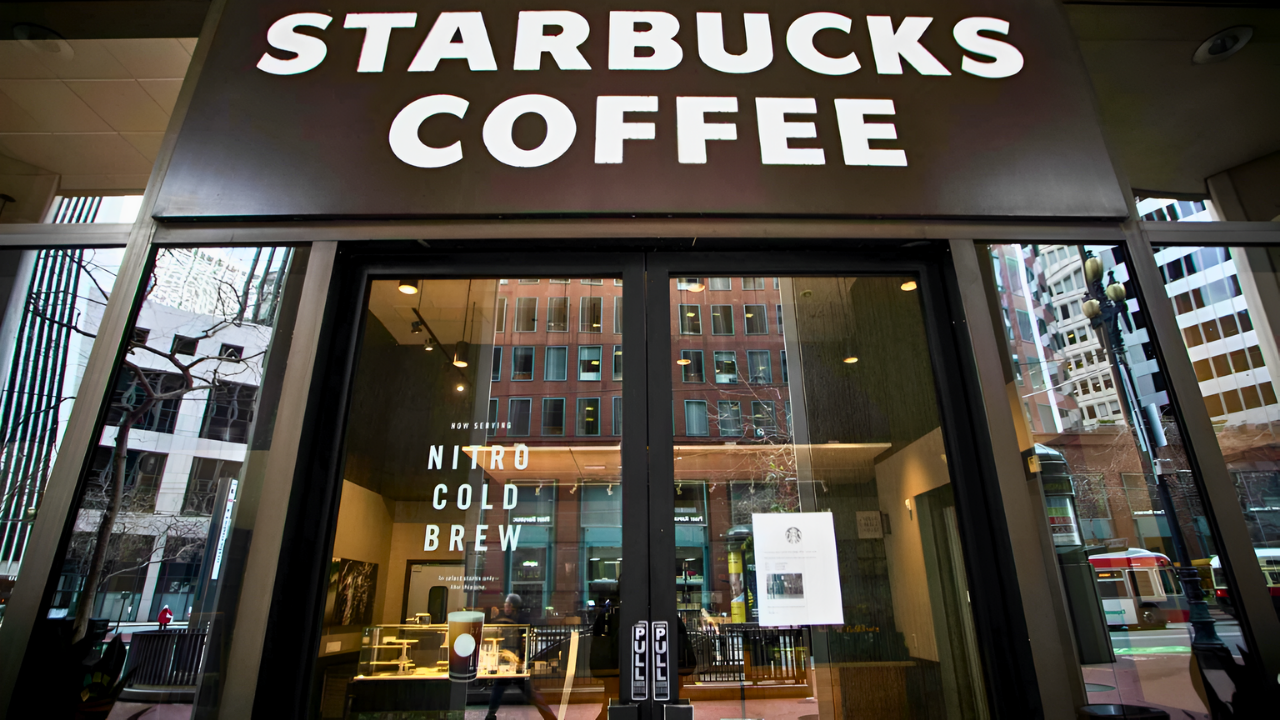
Over 1,000 Starbucks workers walked off the job on November 14, 2025, at 4 p.m. local time on Red Cup Day, a major promotional day. The coordinated strike halted operations at 65 stores across 40+ U.S. cities. The timing, announced after a 92% union authorization vote, transformed what Starbucks expected to be a high-sales day into a battle over wages, staffing, and labor practices.
But what triggered this high-stakes showdown? Why did the union pick this day? And how did the strike unfold in the middle of one of the busiest shopping days of the season?
Why Did Starbucks Workers Walk Out?
The strike was driven by stalled contract negotiations between Starbucks and its unionized employees. Workers cited unresolved issues with pay, staffing levels, and allegations of unfair labor practices.
Despite months of discussions, the union’s demands for a fair contract remained unmet, prompting action on Red Cup Day.
Customers Face Store Closures and Delays
At striking locations, customers experienced service disruptions as stores either closed or faced operational delays. The Red Cup Day promotions were halted at the 65 affected stores, with customers redirected to nearby cafés or non-striking Starbucks locations.
Starbucks’ Corporate Response: Minimal Impact Claims
Starbucks downplayed the impact of the strike, claiming that less than 1% of stores were affected.
Despite this, the union contended that the disruption was far more significant, affecting store operations across several high-traffic locations, including major cities like New York and Seattle.
Competitors See Opportunity Amid the Disruption
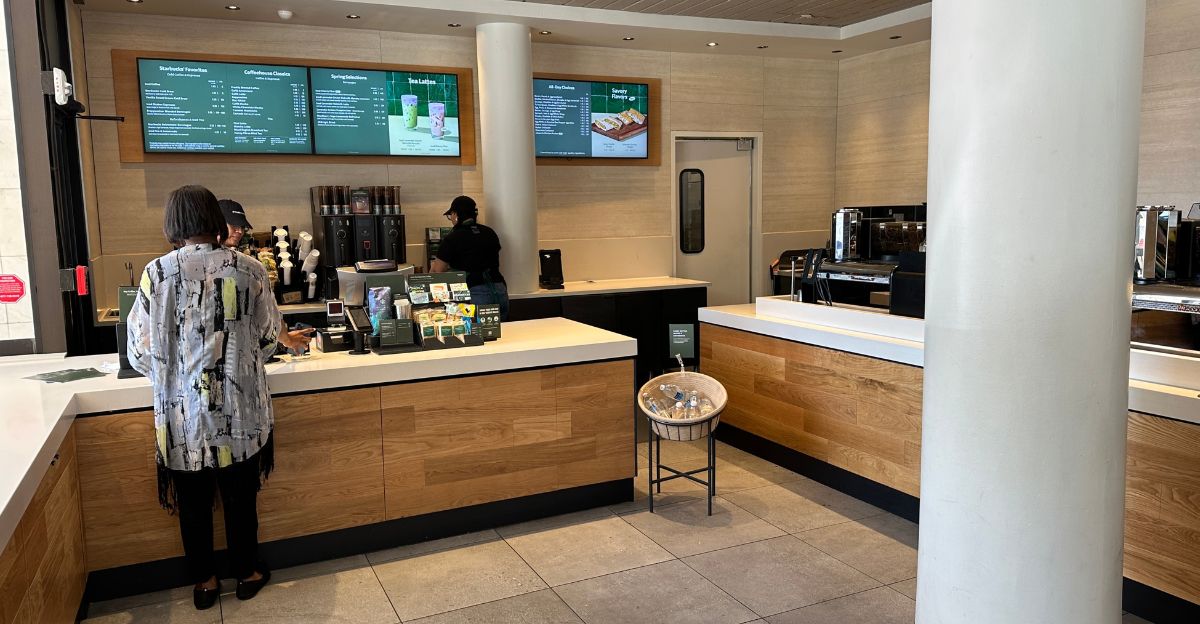
Rival coffee shops and local cafés seized the opportunity as Starbucks locations closed or experienced longer service times.
Many customers turned to independent coffee shops, potentially increasing their foot traffic on an otherwise busy day for the coffee industry.
Strike Impact on Operations
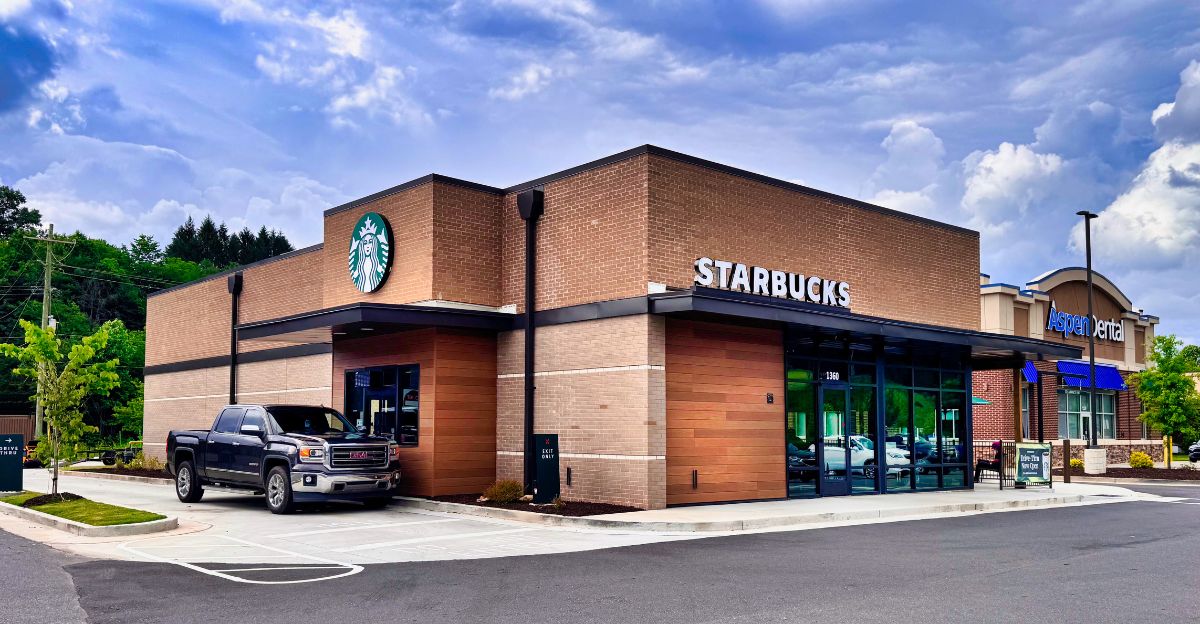
While the strike affected only a small fraction of Starbucks’ workforce—unionized workers represent approximately 5.5% of the company’s 10,000 company-operated U.S. stores and roughly 4% of Starbucks’ 240,000+ total U.S. employees—the timing of the strike on Red Cup Day amplified its symbolic and operational impact.
With Red Cup Day typically driving significant sales, even a partial disruption sent ripples throughout the company’s operations.
Workers’ Voices: “We’re Striking for a Better Future”
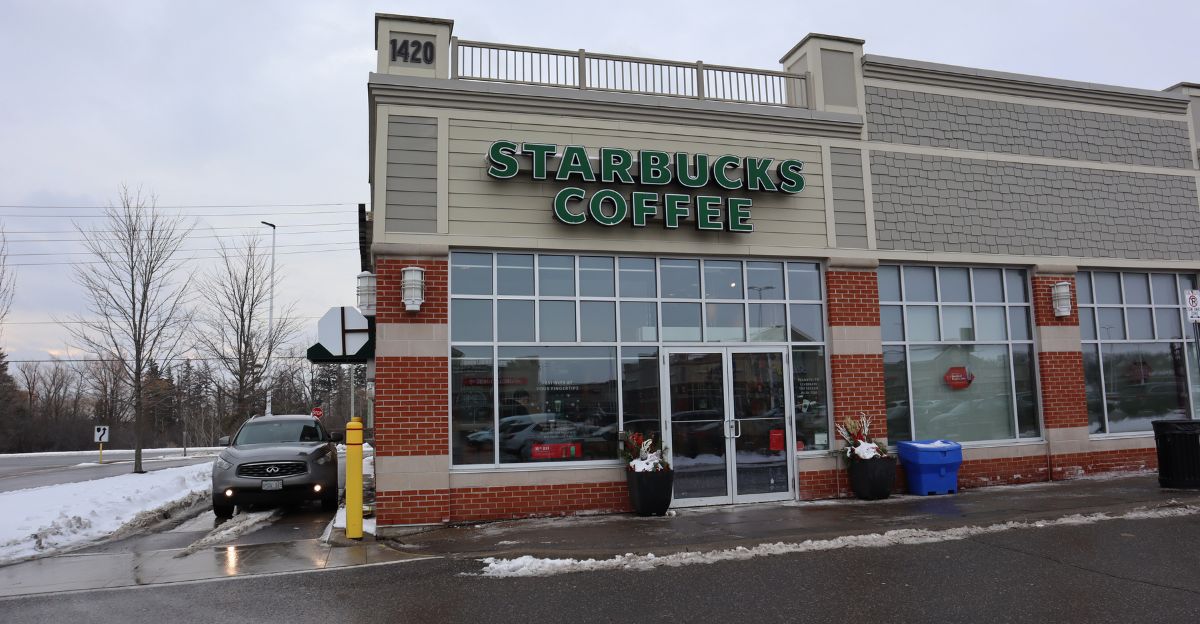
Barista Dachi Spoltore from Pittsburgh emphasized the union’s position, stating the strike aims to secure a fair contract and resolve unfair labor practices.
This walkout provided an avenue for workers to voice their concerns about wage disparities and labor practices at one of the world’s most recognizable coffee chains.
Union Representation and Scale
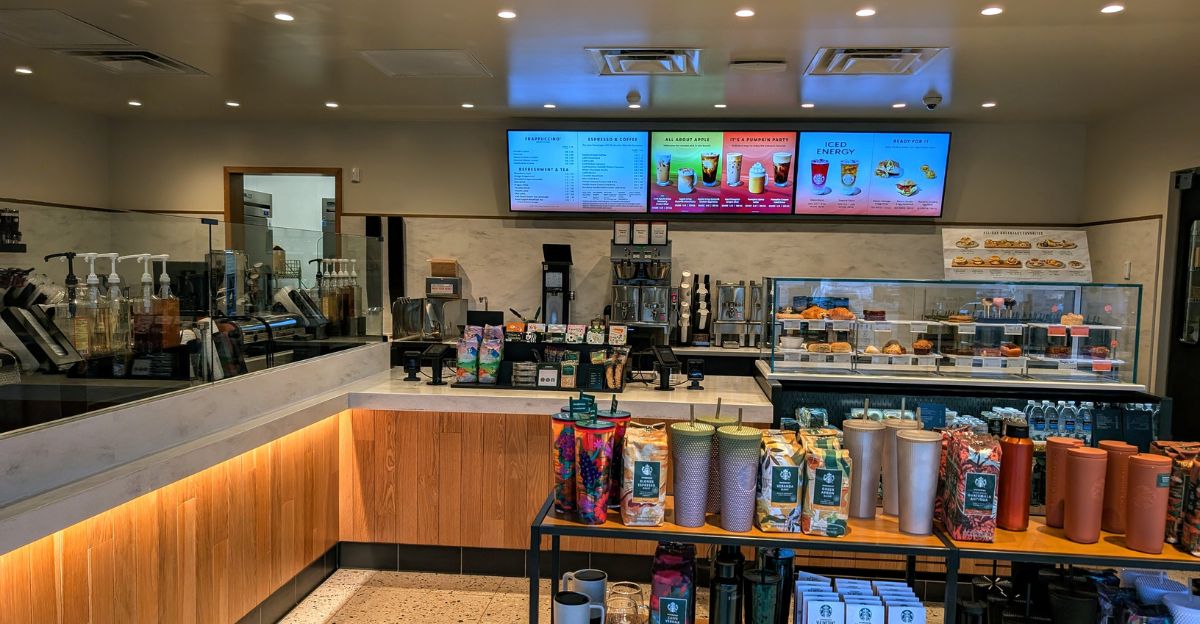
The strike was organized by Starbucks Workers United, which represents roughly 12,000 workers across 550 stores.
While this represents a minority of Starbucks’ 10,000 U.S. company-operated stores, the union’s reach and the timing of the strike drew significant attention to the company’s labor practices.
Red Cup Day Sales Performance
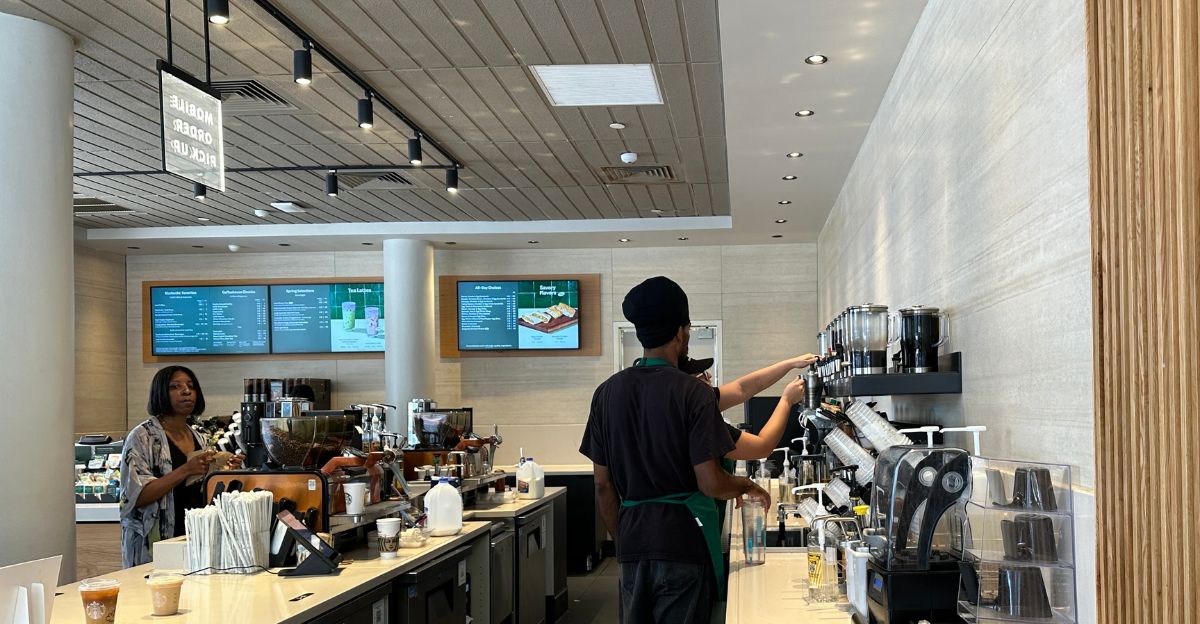
Despite the strike at 65 locations, Starbucks reported that Red Cup Day 2025 sales at non-striking stores exceeded expectations. However, November 6—the launch of the holiday menu—marked the company’s biggest sales day ever in North America, indicating that Red Cup Day’s prominence as Starbucks’ top-performing day has diminished.
Historical Context of Labor Action
The November 2025 strike was not the first of its kind. Previous labor actions during Red Cup Day in 2022 and 2023 indicated growing tension between Starbucks management and unionized workers.
These ongoing disputes reflect broader concerns over corporate practices in the retail sector.
Restaurant and Hospitality Sector Interest

Industry observers and labor advocates watched closely as the strike unfolded, aware that its outcome could set a precedent for unionization efforts in the wider food service and hospitality industries.
The level of coordination seen in the strike signaled the increasing mobilization of workers in the retail food sector.
Supply Chain Considerations
Although the strike affected only 65 locations, Starbucks’ extensive supply chain and store network meant that the broader national impact was minimal.
The strike’s effects were mainly localized, disrupting operations in specific cities rather than causing a nationwide supply chain breakdown.
Global Labor Movement Attention
The strike resonated globally, with labor organizations from around the world paying attention.
Similar unionization efforts were underway at Starbucks locations in Canada, the UK, and other regions, as global labor movements sought to build solidarity with U.S. workers.
Customer Adaptation and Alternatives
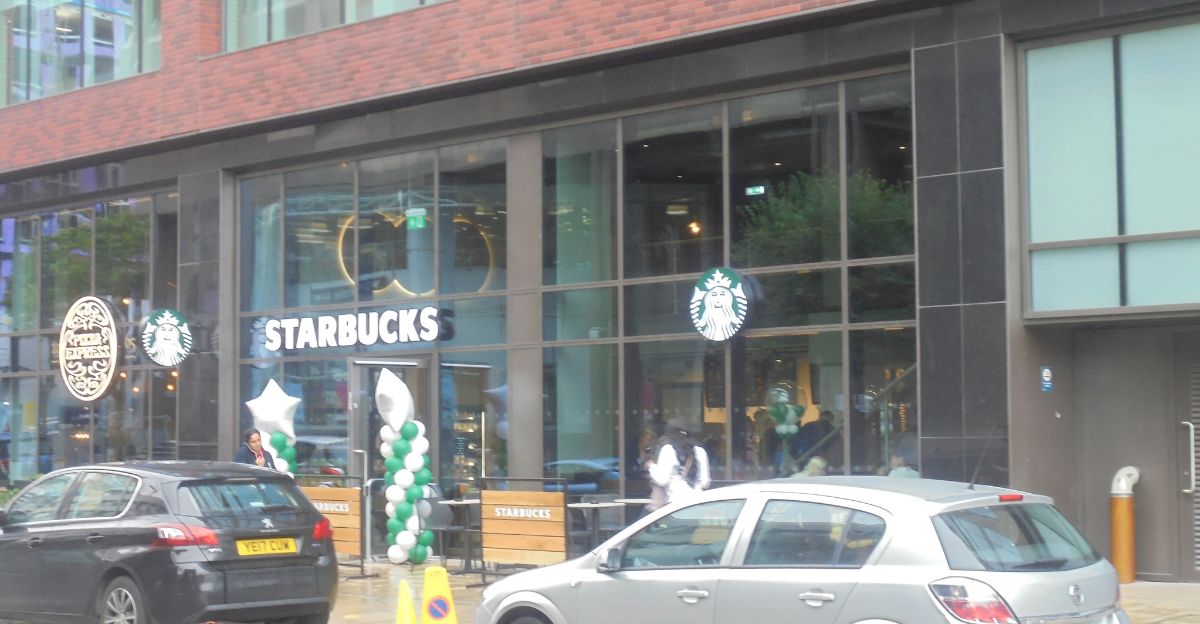
In response to store closures, many Starbucks patrons in affected cities turned to other local cafés or even resorted to home brewing.
The strike had a temporary but noticeable impact on consumer habits, with people seeking alternatives during the disruption.
Cultural Debate: Unions and Corporate Image
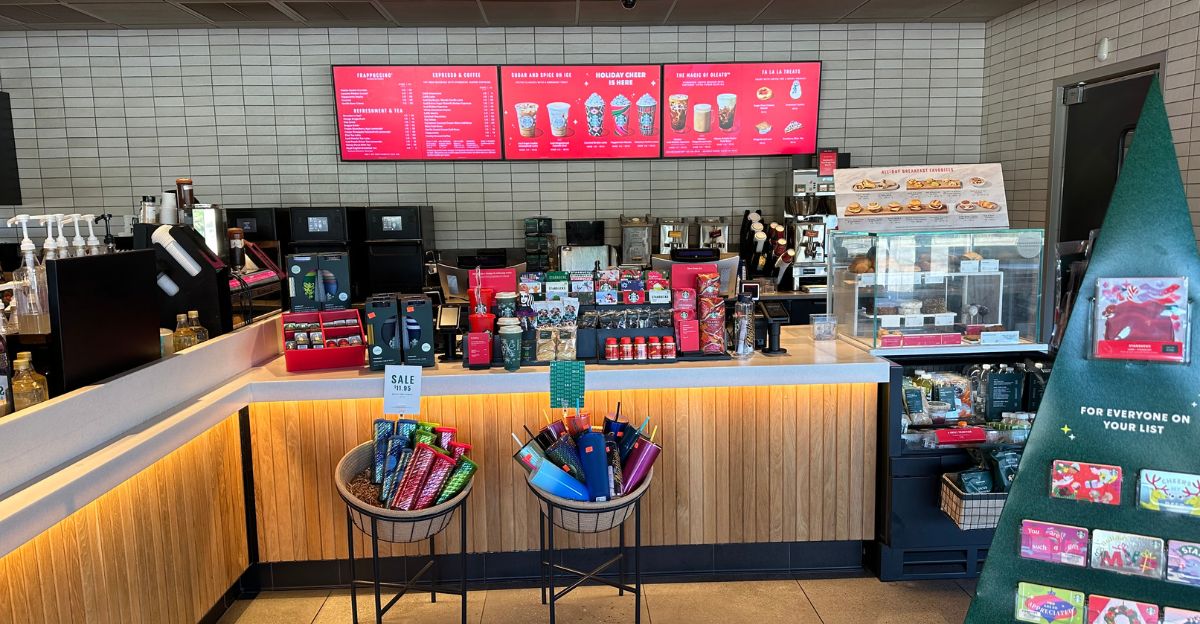
The strike rekindled debates about unionization and worker rights, especially given Starbucks’ progressive public image.
The contrast between the company’s values and the reality of its labor practices became a focal point in the ongoing discussion about corporate responsibility and fairness in the workplace.
Winners and Losers: Competitive Dynamics

While Starbucks faced challenges at affected locations, rival coffee shops saw increased foot traffic.
However, the unionized workers who participated in the strike faced lost wages, highlighting the economic cost of labor actions.
Financial Markets React Cautiously
On the day of the strike, Starbucks’ stock fell slightly, signaling that investors were not overly concerned about the immediate impact of the labor action.
Despite the strike’s visibility, Wall Street showed confidence in Starbucks’ ability to manage the situation, as evidenced by earlier stock gains in November.
Consumer Advice: Navigating Disruptions
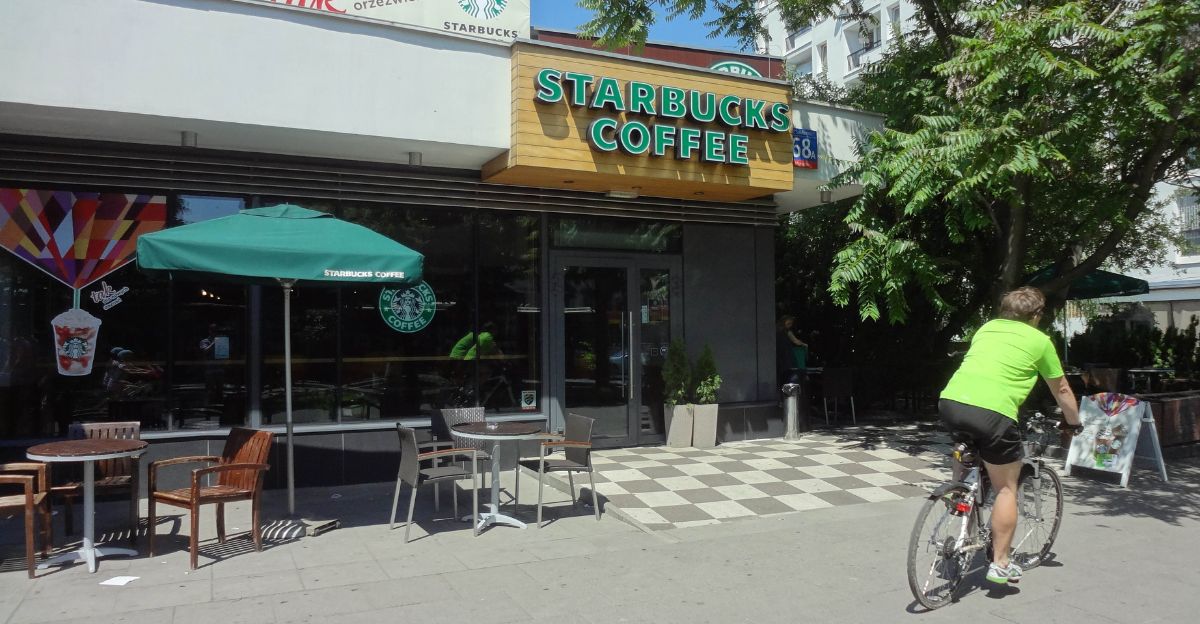
Customers in impacted cities were advised to check the status of their local Starbucks stores online before visiting. For those seeking coffee alternatives, local cafés or home brewing were recommended.
At the same time, some customers chose to voice their support for workers by supporting fair labor practices.
What’s Next? Union Commitment to Negotiations
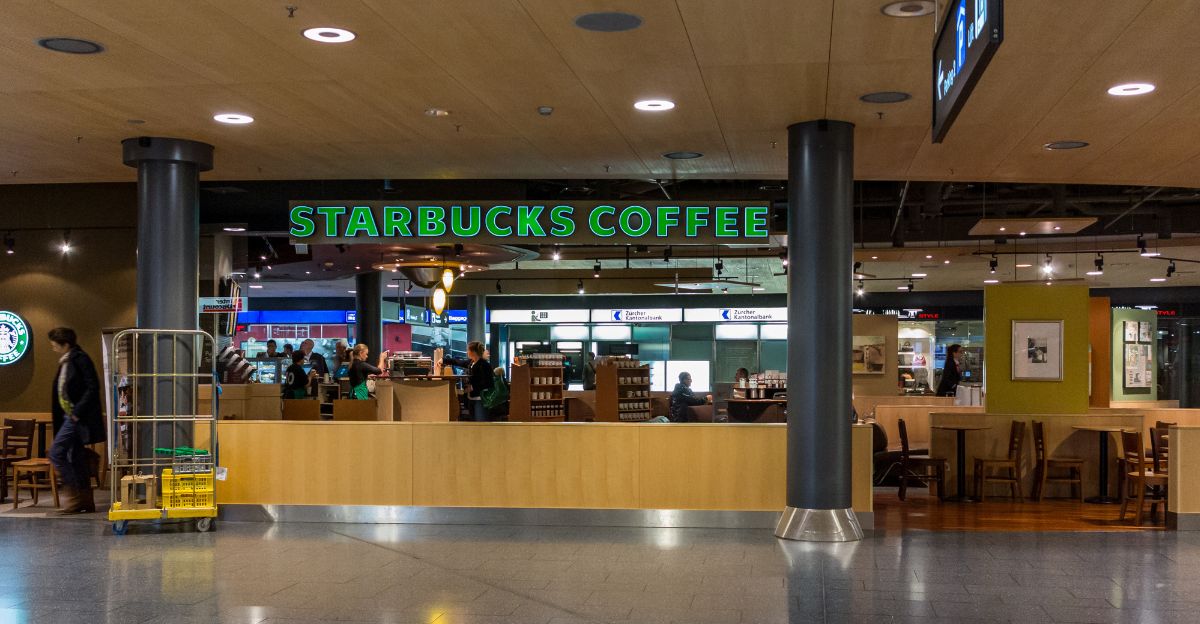
The union signaled that it would continue to negotiate for a fair contract covering wages, staffing, and working conditions.
Starbucks, under increasing pressure from the union and its workers, was expected to return to the bargaining table in the coming weeks.
The Broader Picture: Labor Activism at Starbucks
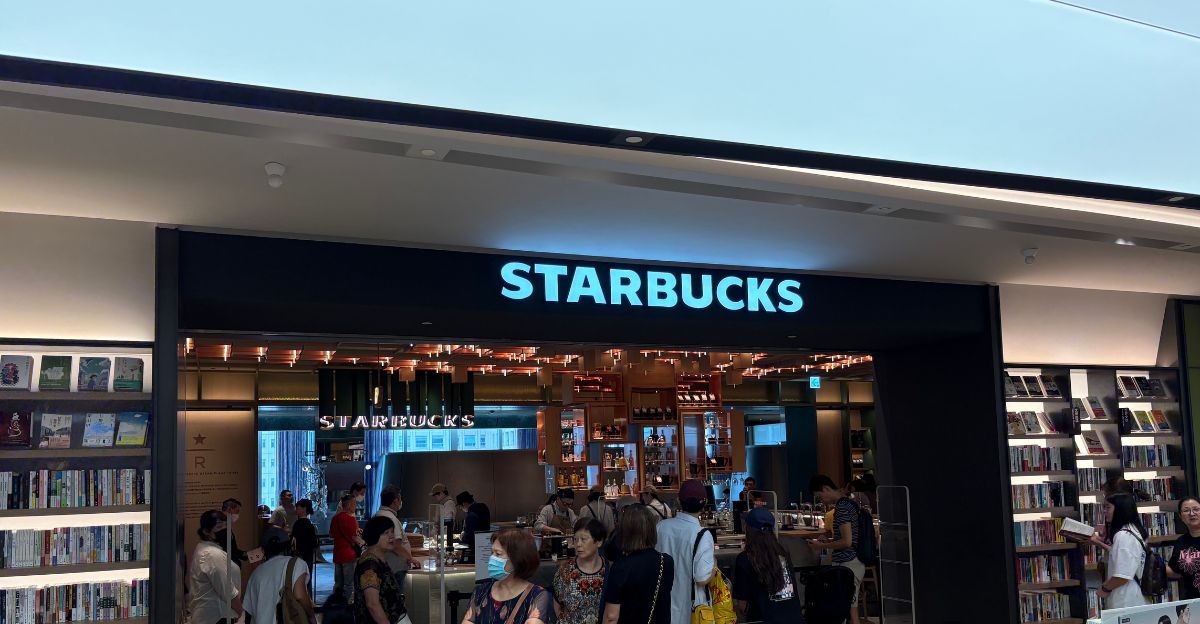
The Red Cup Day strike underscored the growing power of organized labor within the company.
The action not only affected Starbucks’ bottom line but also placed a spotlight on the ongoing tension between corporate management and the workforce, setting the stage for future labor negotiations.