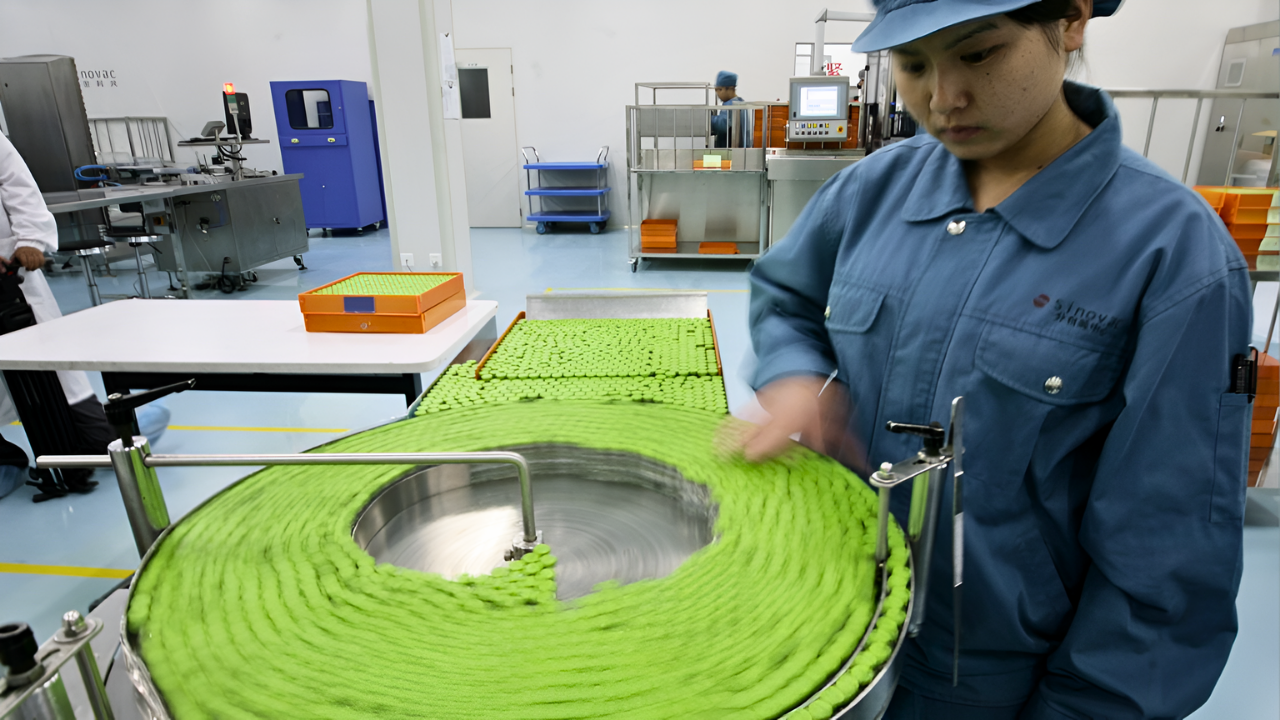
Imagine this: every day, millions of Americans rely on medications for life-saving conditions—antibiotics, blood pressure medications, cancer treatments—all made possible by a fragile global supply chain. That chain is breaking. China controls nearly half of the key materials that make these drugs possible, leaving the U.S. vulnerable to any disruption.
This dependency means a single crisis could disrupt the flow of essential medications nationwide.
China’s Strategic Pharma Monopoly
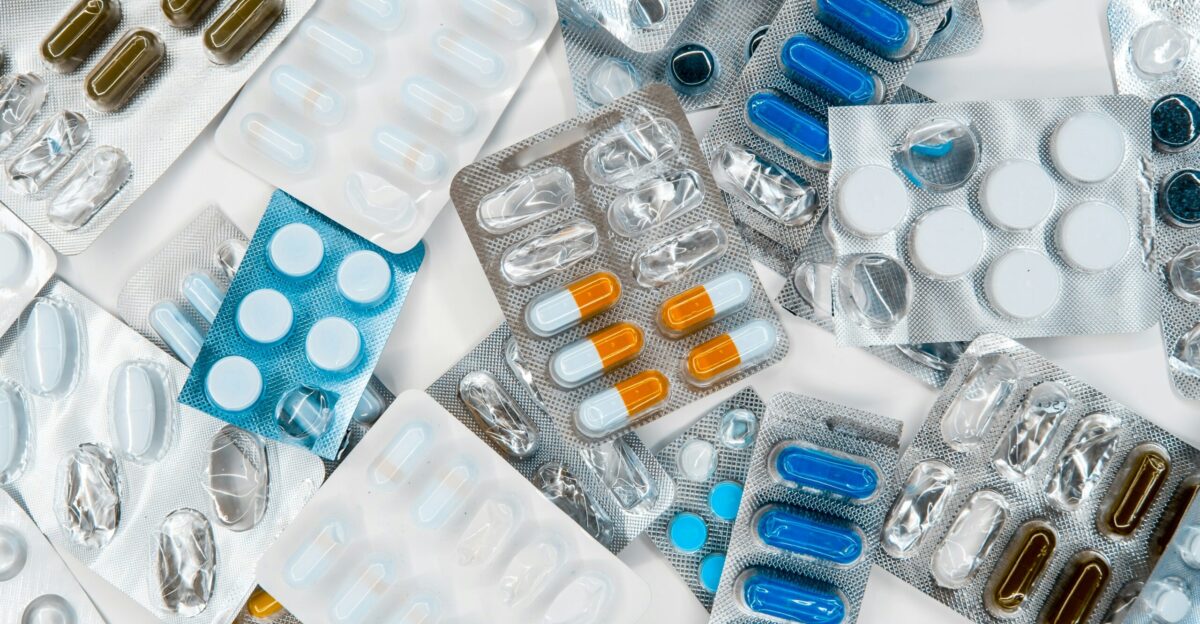
In 2008, China made a calculated decision to dominate the pharmaceutical supply chain. By offering massive subsidies and lax environmental controls, China became the primary global supplier of key starting materials (KSMs), the backbone of active pharmaceutical ingredients (APIs).
As the years went on, U.S. and European companies shifted production to China, relying on its low-cost manufacturing for essential chemicals. What was once a competitive advantage has now become a strategic liability.
The Real Impact on American Health

A daily dose of amoxicillin, the second-most prescribed antibiotic in the U.S., depends almost entirely on Chinese chemicals. The same is true for other crucial medications, including penicillin, ibuprofen, and even cancer drugs.
Many critical anti-inflammatory medications and other essential drugs are heavily imported from China. Any disruption in this supply would leave hospitals scrambling to fill prescriptions, creating chaos in pharmacies across the nation.
Pharma Giants Face Unthinkable Choices
The pharmaceutical industry is at a crossroads. With tariffs on Chinese-made APIs potentially reaching 245%, American drug prices are expected to rise significantly. Industry analysis suggests that a 25% tariff on pharmaceutical imports would increase U.S. drug costs by nearly $51 billion annually, with price increases ranging from 12.9% to 17.5% depending on how costs are passed to consumers. Generic medications face the steepest price pressure due to their reliance on imported APIs. But relocating production to other countries like India or Mexico isn’t a quick fix—it would take years and billions of dollars.
This leaves U.S. pharmaceutical companies stuck between a rock and a hard place, unable to sever their dependence on China without serious consequences.
Generic Drug Shortages on the Horizon
Generics, which make up 90 percent of U.S. prescriptions, are particularly vulnerable. A third of these drugs rely on a single Chinese supplier, with no competition to drive prices down. As tariffs and supply issues mount, drugs like IV fluids, epinephrine, and heparin may become scarce, leaving hospitals to cope with life-threatening shortages.
If the trade war escalates, these shortages could become a permanent fixture in the U.S. healthcare system.
India’s Dependency Exposes a Global Weakness
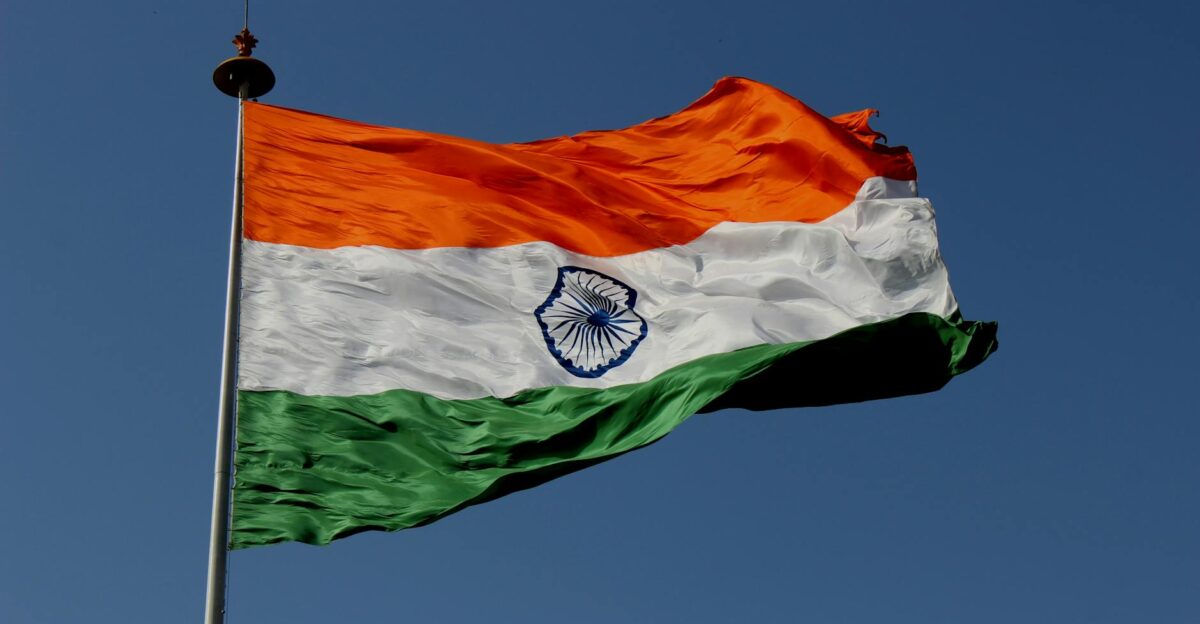
India, the world’s largest producer of generic medicines, also relies heavily on China for critical ingredients. In fact, nearly 70 percent of the APIs India imports come from China.
So, while the U.S. may try to shift sourcing to India, the underlying dependency on Chinese chemicals remains. If China were to stop exports, it wouldn’t just affect the U.S.; India’s pharmaceutical market would be paralyzed too, creating a global health crisis.
The Hidden Human Cost
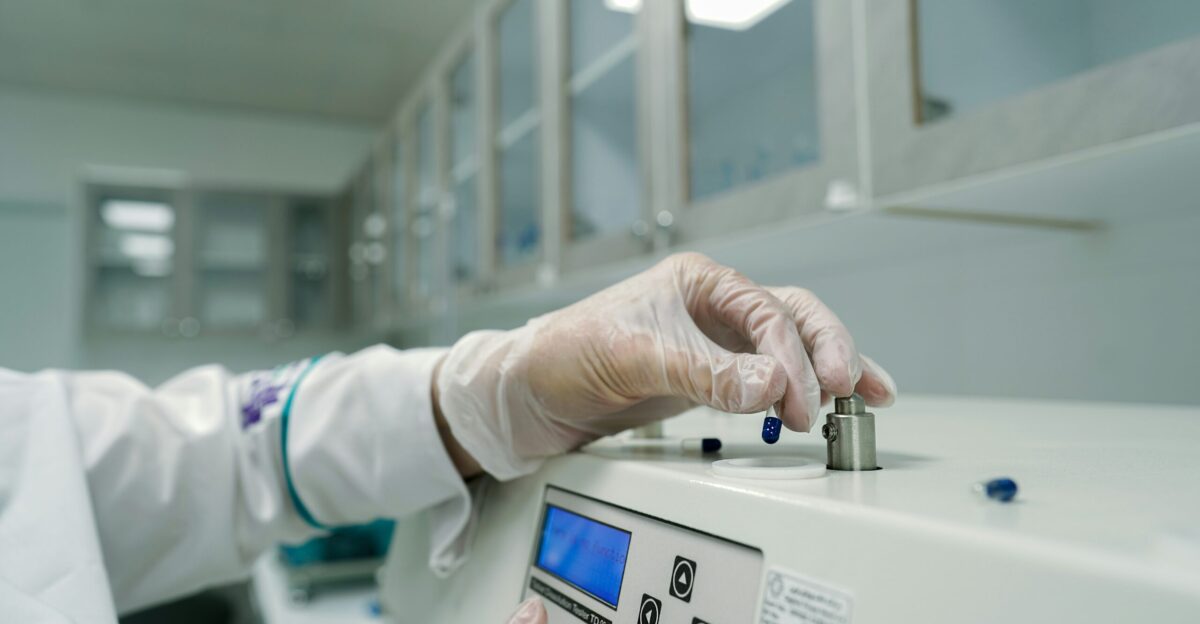
In China’s pharmaceutical hubs, workers labor under hazardous conditions, exposed to toxic chemicals with minimal oversight. Meanwhile, the U.S. has seen domestic production dwindle, with former API plants left abandoned.
Even if production were to return to the U.S., it would take years of investment and retraining, leaving workers in both countries struggling to adapt. The human cost of this broken supply chain is profound—and it will be the public that pays the price.
Political Action: A Turning Point?
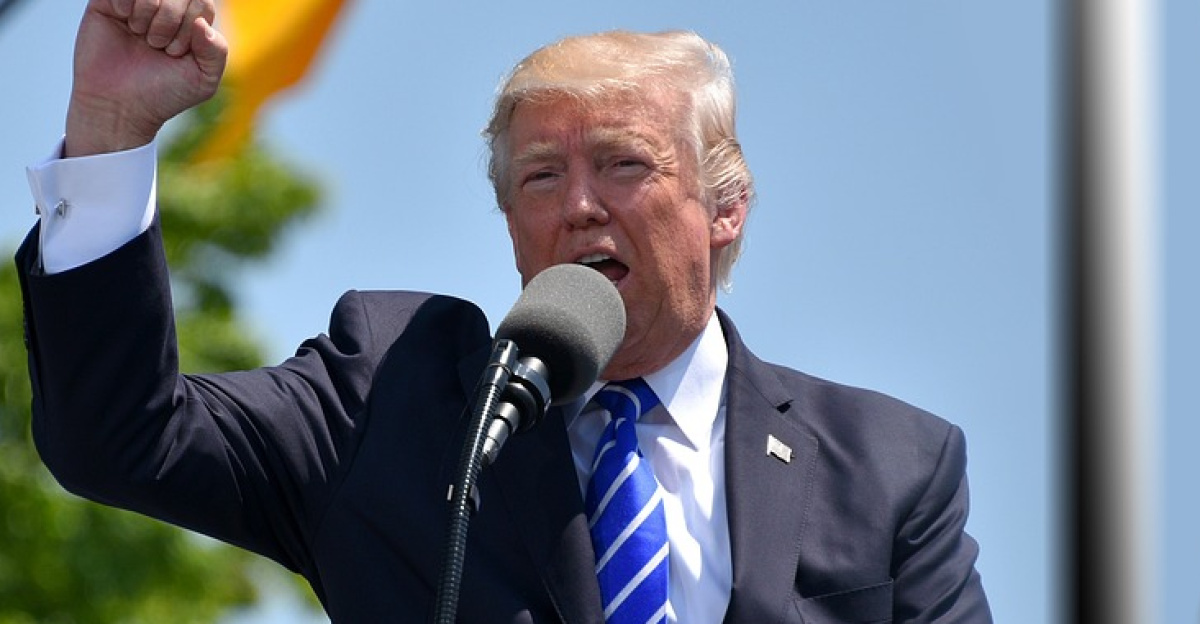
In response to this growing crisis, the Trump administration launched bold measures in May 2025. The executive order “Regulatory Relief to Promote Domestic Production of Critical Medicines” aims to streamline U.S. pharmaceutical production.
Yet, even as political momentum grows, the path to reshoring is complicated and costly. The question remains: can the U.S. disentangle itself from China’s pharmaceutical grip before it’s too late?
Inflation and Rising Drug Costs

As supply chains buckle, the cost of drugs is set to soar. Industry experts predict that without intervention, pharmaceutical prices could increase substantially, with some forecasts suggesting at least a 10% overall increase in drug costs. This spells disaster for the uninsured and underinsured—millions of Americans who already struggle to afford medications.
For the government, these price hikes could lead to skyrocketing Medicare and Medicaid costs, placing further strain on the federal budget.
Pharmacies Brace for Impact

Major pharmacies are preparing for the fallout. Healthcare distributors and major pharmacy chains are negotiating long-term supply contracts and exploring non-Chinese manufacturers to secure critical medications. But these measures are costly, and the burden will ultimately fall on consumers.
Higher copays and insurance premiums are expected as pharmacies struggle to keep shelves stocked in the face of this growing crisis.
Hospitals at Breaking Point

Hospitals across the U.S. rely on just-in-time inventory for essential medications. A significant reduction in supply would lead to rationing of crucial drugs like epinephrine, heparin, and contrast media for imaging.
During past supply disruptions, such as the COVID-19 pandemic, the impact was felt globally. A pharmaceutical supply shock would create a serious situation for emergency departments and critical care units.
Fertilizer, Pet Food, and More
China’s dominance in pharmaceutical supply chains extends beyond medicine. The same chemicals used to create APIs are also vital for industries like fertilizer and pet food. If the U.S. faces a major pharmaceutical shortage, farmers and pet owners could find themselves caught in the crossfire.
Fertilizer prices could rise, leading to higher food costs, while pet medications could become scarce. The effects will be felt across multiple sectors of the economy.
Global Health at Risk

Countries around the world rely on China and India for affordable medicines. A U.S.-China trade war that disrupts the pharmaceutical supply chain could devastate developing nations with limited domestic production.
Sub-Saharan Africa, Southeast Asia, and Latin America would face severe shortages of life-saving drugs, exacerbating health crises and creating a global public health emergency.
Patient Behavior Shifts: A New Normal?

As the supply chain crisis deepens, many patients may adjust their medication-seeking behavior in anticipation of potential shortages. Some may turn to over-the-counter alternatives, while others may delay non-urgent treatments.
This shift in behavior could have unintended consequences, masking emerging health crises and making it harder for healthcare providers to manage long-term conditions.
Reversing the Trend: “Made in America” Pharma

As U.S. dependence on foreign pharmaceutical production becomes increasingly untenable, a shift toward “reshoring” is gaining traction. Politicians and consumers alike are calling for a return to domestic manufacturing, but this solution is easier said than done.
Without significant investment in infrastructure and retraining, reshoring could lead to higher prices and longer wait times for essential medications.
Winners and Losers: Who Benefits, Who Pays?

Some sectors are poised to benefit from this crisis, including European API manufacturers and biotech firms developing alternative synthesis methods. However, U.S. generic drug manufacturers—already working with thin margins—face serious challenges during this transition.
Meanwhile, the most vulnerable groups—the uninsured and those in developing nations—will bear the brunt of rising costs and shortages.
Investors Hedge Against Pharma Risk
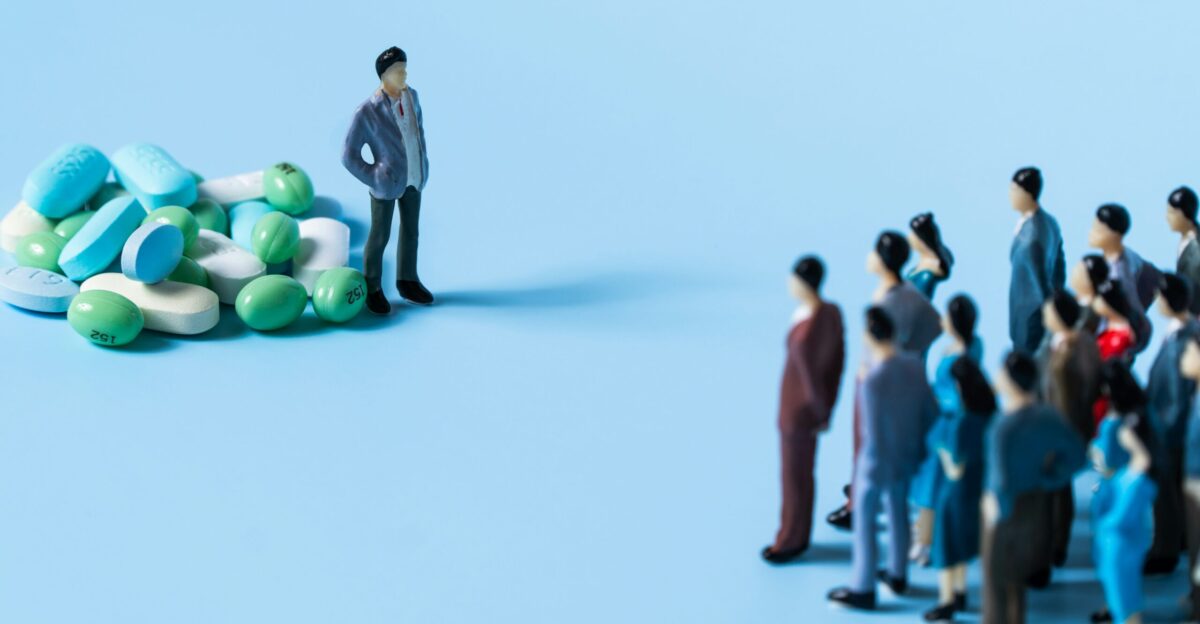
As the pharmaceutical industry faces mounting uncertainty, investors are adjusting their portfolios. Stocks of biotech companies exploring alternative manufacturing methods are attracting investment, while traditional generic drug makers face declining valuations.
The increased volatility in pharmaceutical equities is a reflection of the looming crisis in the global supply chain.
What Can You Do? Practical Advice for Consumers

If you’re a patient, talk to your doctor about 90-day prescriptions before potential supply disruptions worsen. Ask about alternative medications or generics. For employers, review your pharmacy benefit plans to avoid unexpected price hikes.
For investors, diversify your portfolio to include companies outside the pharmaceutical supply chain. And for everyone, support policies that strengthen global supply chain resilience.
The Road Ahead: A Delicate Balance
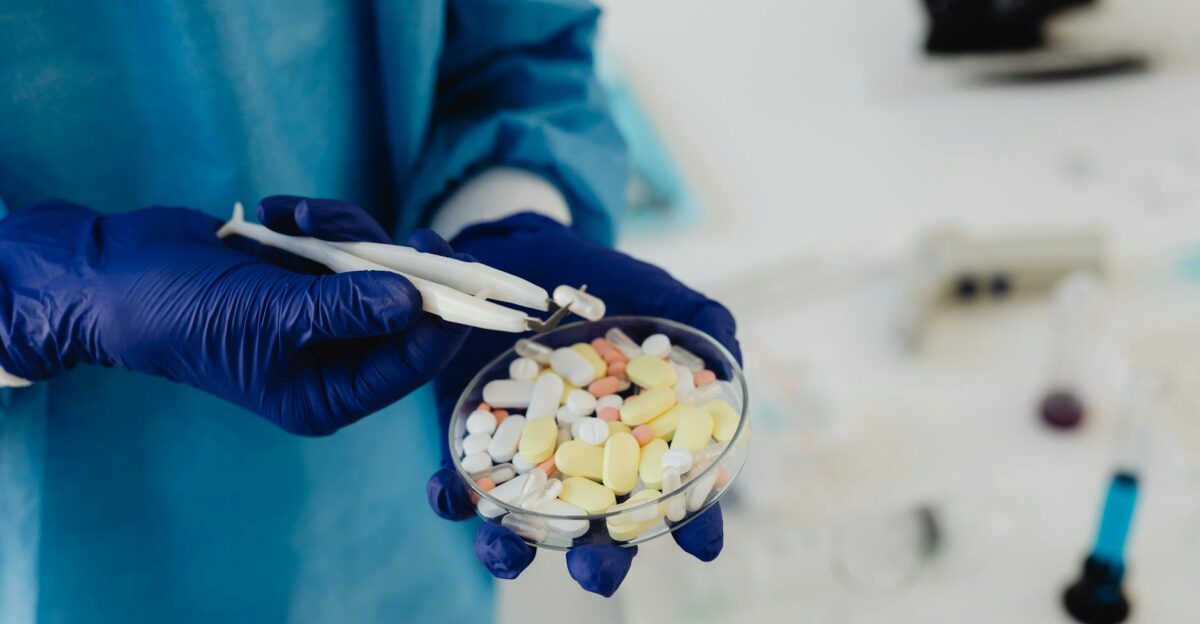
The U.S. government is making moves to rebuild domestic pharmaceutical capacity, but reshoring will take years. In the meantime, a more strategic approach is needed: targeted tariffs, international partnerships, and joint stockpiles of critical drugs.
Only through careful planning and cooperation can the U.S. avoid a full-scale pharmaceutical crisis.
A Global Reckoning: Interdependence and Rivalry
The pharmaceutical supply crisis is a microcosm of a larger geopolitical reality: the U.S. is deeply intertwined with China across critical supply chains. Decoupling is not feasible; instead, the solution lies in building resilient, diversified networks with trusted allies.
The future of medicine depends on our ability to work together, across borders, to ensure the security of our most vital resources.