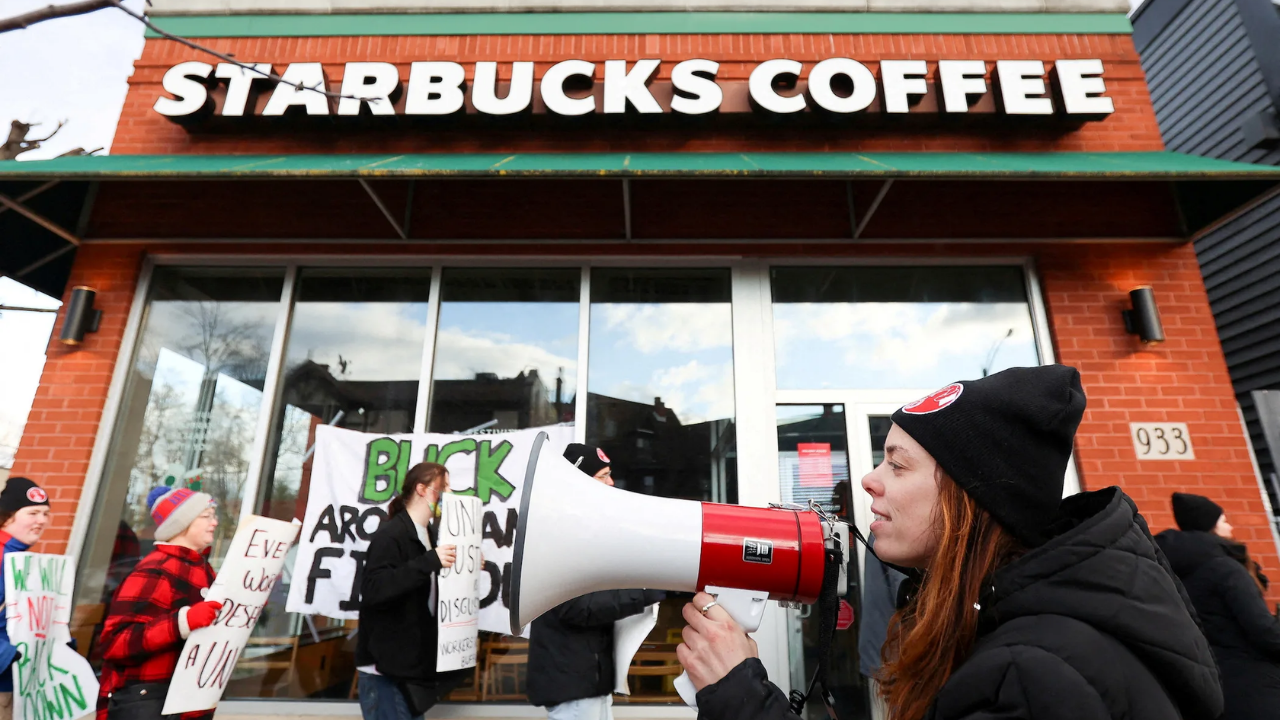
On December 20, 2024, Starbucks Workers United initiated what would become the largest strike in company history, beginning in Los Angeles, Chicago, and Seattle before rapidly expanding across the nation. By December 23, the walkout had spread to 11 states, forcing the closure of nearly 50 stores nationwide. The timing was deliberately strategic: the union chose to escalate during one of the retail industry’s most profitable periods, with Christmas Eve marking one of Starbucks’ traditionally busiest shopping days. This wasn’t a spontaneous action—it represented the culmination of a three-year organizing campaign that had successfully unionized over 500 Starbucks locations, representing 10,500+ workers across the United States.
The strike was framed as an unfair labor practice action, meaning workers had exhausted negotiations and saw direct action as their only remaining option. According to Fatmeh Alhadjaboodi, a bargaining delegate and five-year barista, “Nobody wants to strike. It’s a last resort, but Starbucks has broken its promise to thousands of baristas and left us with no choice.” This sentiment underscored a fundamental breakdown in labor negotiations between the company and the union representing approximately 5% of Starbucks’ total U.S. workforce.
The Pay Gap: $96 Million vs. 1.5%
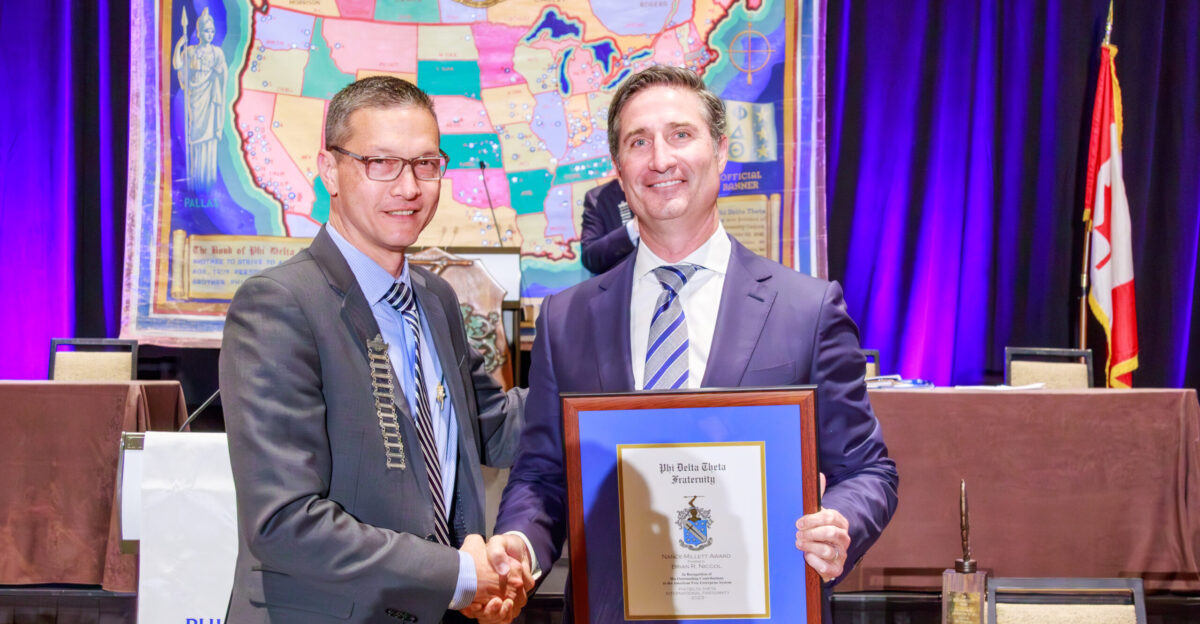
At the heart of the strike lay a stark contradiction in compensation philosophy. New CEO Brian Niccol, who had been in the role for just four months (September through December 2024), received a total compensation package worth $95.8 million. Breaking this down further reveals the scale of inequality: Niccol earned approximately $24 million per month, or roughly $800,000 per day during this period. In other words, the CEO accumulated more wealth in four months than the median Starbucks barista would earn in 6,666 years of work at their current wage.
Meanwhile, the company’s offer to unionized workers was substantially different. Starbucks proposed only a 1.5% guaranteed annual wage increase—a figure the union characterized as fundamentally inadequate given inflation, rising cost of living, and worker burnout. In stark contrast, the union demanded an immediate 64% minimum wage increase, with a total of 77% in wage increases over a proposed three-year contract. This 63-percentage-point gap between what workers demanded and what the company offered became the primary sticking point in negotiations, illustrating a fundamental disagreement about worker compensation in an era of record corporate profits.
Record Sales Meet Record Labor Crisis
The timing of the strike highlighted another layer of irony. On Red Cup Day 2024 (November 14), Starbucks achieved what the company called its best U.S. sales day ever, with customer visits surging 42.4% above an average Thursday. This unprecedented sales performance generated an estimated $100+ million in single-day revenue, suggesting daily drink sales of approximately 7 million across U.S. stores—compared to the typical 5 million drinks sold daily. The strike, therefore, represented workers rejecting the narrative that record profits justified penny-pinching wage offers.
For context, Starbucks operates over 10,000 company-owned U.S. stores with more than 200,000 employees, generating approximately $27.4 billion in North American annual revenue. The company’s ability to achieve record-breaking sales days while claiming wage increases were “not sustainable” became a central grievance fueling worker anger and resolve to strike during the most profitable retail season of the year.
The Scope and Scale of Union Power
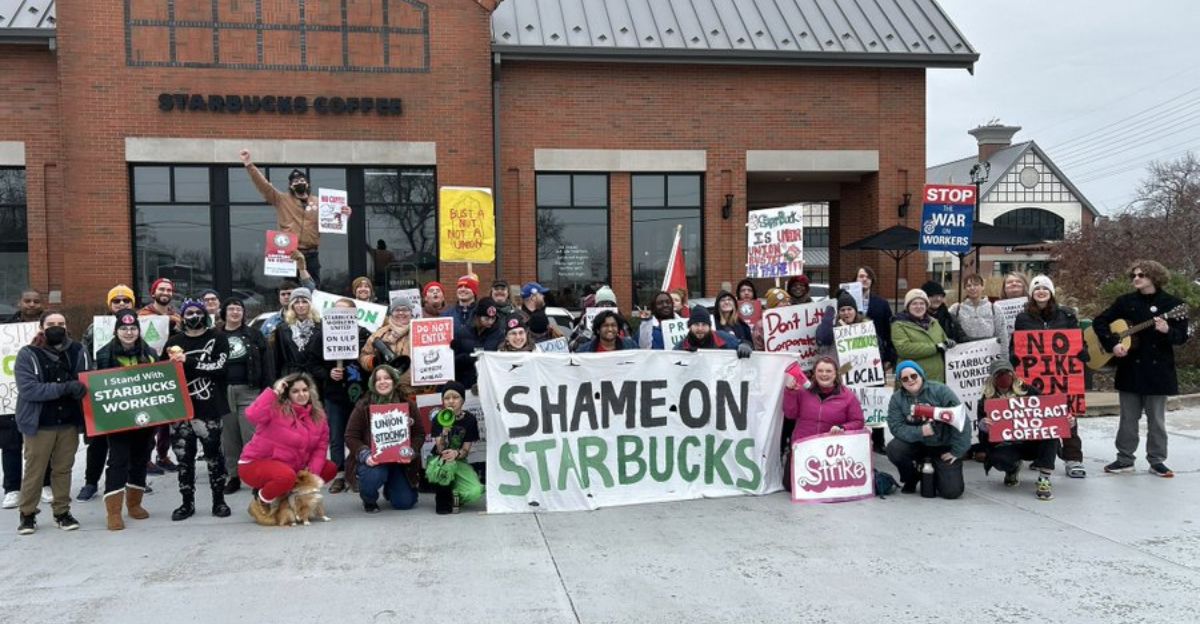
The 10,500 unionized workers represented by Starbucks Workers United comprise just 5% of the company’s total U.S. workforce, yet their strategic strike action across 11 states and nearly 50 locations demonstrated the power of organized labor to disrupt operations during critical business periods. The union had achieved this membership through a sustained three-year organizing campaign beginning in 2021, steadily converting store after store to union representation. By December 2024, over 500 Starbucks locations had voted to unionize, establishing a substantial foothold within the company.
The December strike represented the first major test of new CEO Brian Niccol’s turnaround strategy. Niccol, who had been brought in to revitalize the company, faced an immediate labor crisis just four months into his tenure—hardly the smooth leadership transition shareholders might have envisioned.
What Comes Next
The strike’s escalation to Christmas Eve represented a calculated gamble by workers. By targeting the company’s peak revenue period, the union aimed to maximize economic pressure on management to return to the negotiating table with more serious wage proposals. Whether the company would cave to demands or double down on its position remained uncertain, but one thing was clear: the largest strike in Starbucks history had fundamentally altered the labor landscape for the coffee giant.