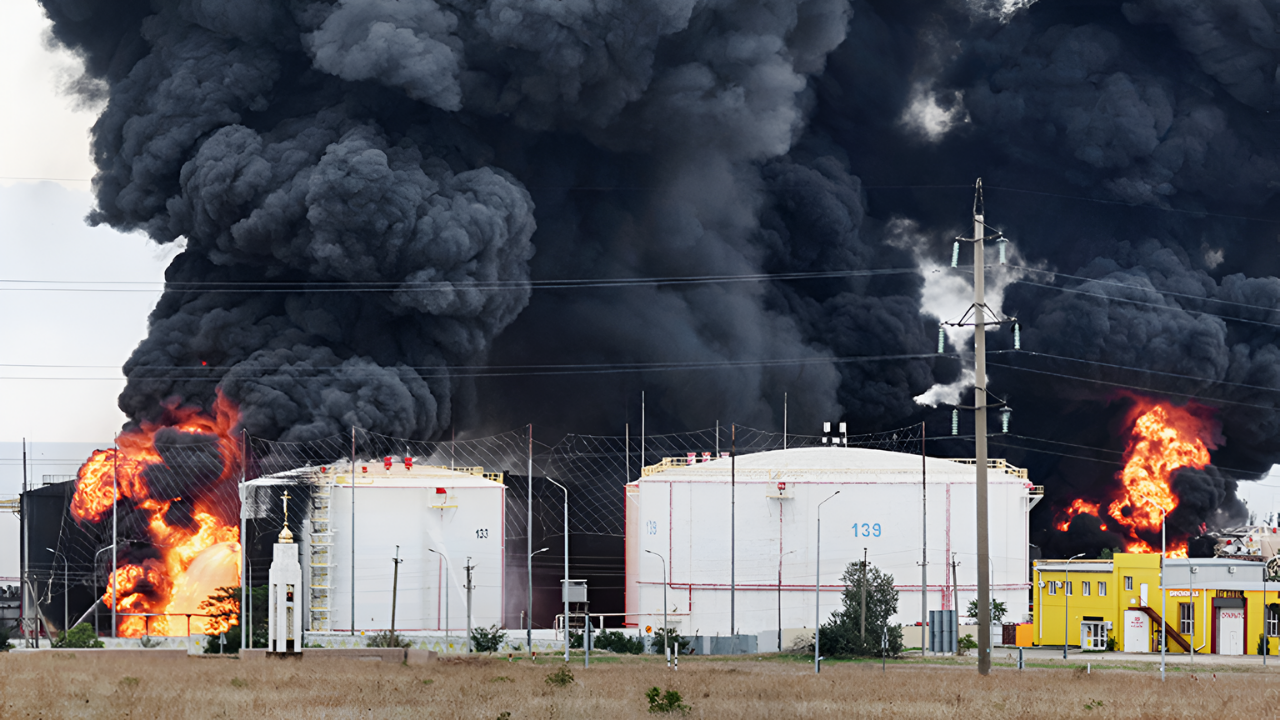
On November 11, 2025, Ukrainian drones crossed 1,400 kilometers into Russian airspace, launching a daring attack on the Orsk oil refinery. Explosions rocked the site, leading to intense fires and an emergency shutdown, demonstrating Ukraine’s growing capability to target vital Russian infrastructure far from the frontlines.
Ukraine’s long-range offensive represents a significant shift in the conflict, with Kyiv increasingly focusing on energy production and military logistics as strategic targets deep inside Russian territory.
Energy War Escalates: Ukraine’s Growing Threat to Russian Fuel Production
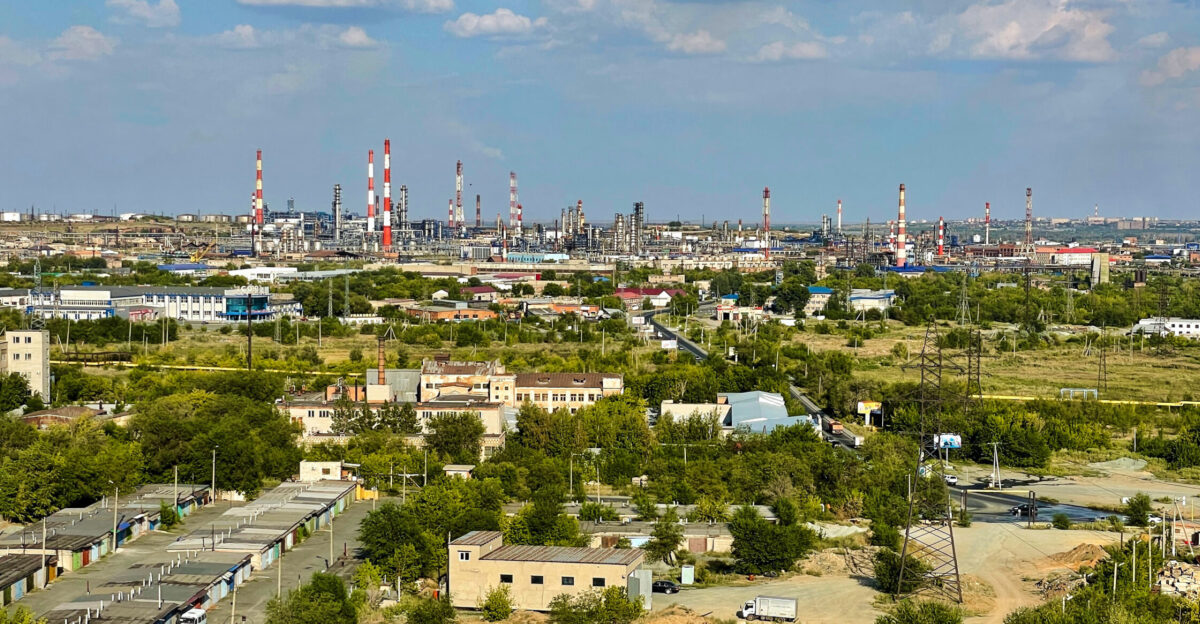
The Orsk refinery strike is part of a broader Ukrainian strategy to cripple Russia’s fuel production and disrupt key supply lines. On the same night, Ukrainian drones also targeted the Saratov refinery and oil terminals in Crimea, intensifying pressure on Russia’s military logistics and disrupting energy supplies essential for both civilian and military needs.
Each successful attack forces Russia to manage disrupted fuel supplies and damaged infrastructure, significantly complicating its military operations and undermining its war economy across multiple fronts.
Strategic Infrastructure: The Orsk Refinery’s Importance
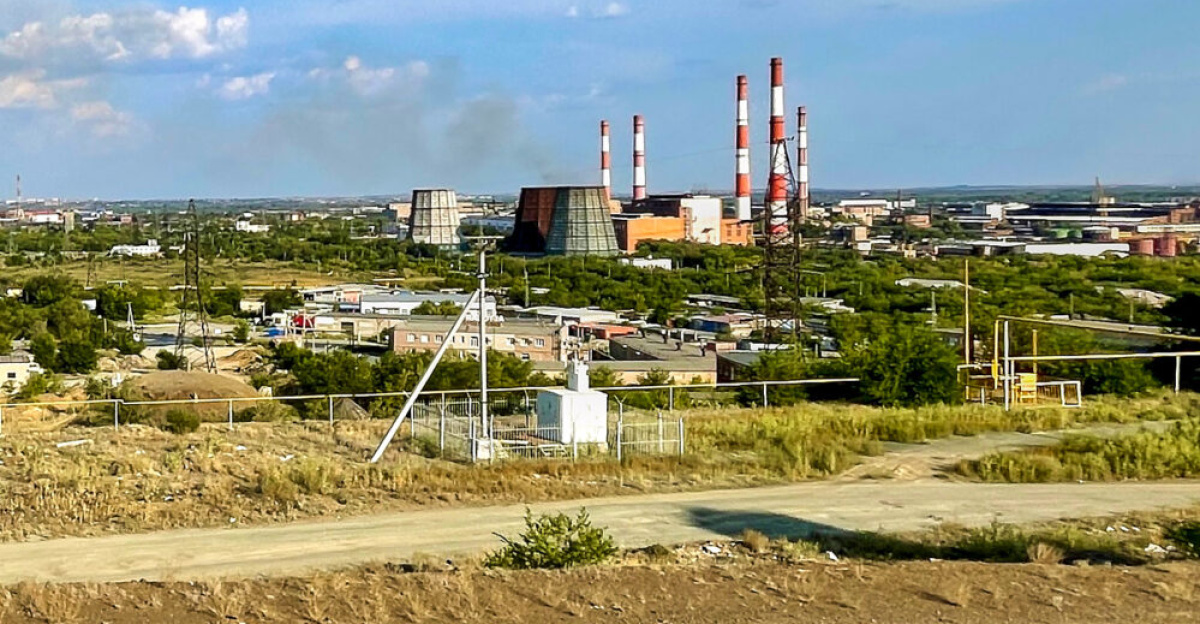
Orsk is one of Russia’s largest refineries, processing 6.6 million tonnes of oil annually and producing over 30 types of petroleum products, including gasoline, diesel, and jet fuel. These products are crucial for both domestic consumption and military operations, making Orsk a strategic high-value target in the ongoing conflict.
The refinery’s role in supporting both civilian and military fuel needs made it a prime target for Ukrainian drones, whose strike sent a strong message about Kyiv’s growing operational reach and ability to disrupt Russia’s vital energy infrastructure.
Mounting Pressure: Ukraine’s Expanding Drone Operations

Ukraine’s drone campaign has intensified over recent months, with strategic strikes deep within Russian territory targeting critical refineries like Orsk and Saratov. By targeting vital energy infrastructure, Ukraine seeks to disrupt Russia’s ability to sustain its military operations, weaken its war economy, and reduce its military capabilities across multiple fronts.
This increased pressure on Russian energy infrastructure represents a significant shift in Ukraine’s military strategy, highlighting its growing technical capabilities and intent to cripple Russia’s logistical capabilities through targeted strikes on energy hubs essential to the war machine.
A New Milestone in Long-Range Drone Warfare

On November 11, Ukrainian drones hit the Orsk refinery 1,400 kilometers behind Russian lines, causing massive explosions and fires that crippled key processing units. Ukrainian General Staff confirmed the successful operation, demonstrating Ukraine’s growing capability to strike deep within Russia’s borders and marking a significant moment in the energy war.
This attack signals a new phase in the conflict where Ukrainian forces are increasingly able to target critical infrastructure far behind Russian lines, demonstrating both advanced operational planning and the evolving capabilities of Ukraine’s drone technology.
The Immediate Aftermath of the Orsk Strike
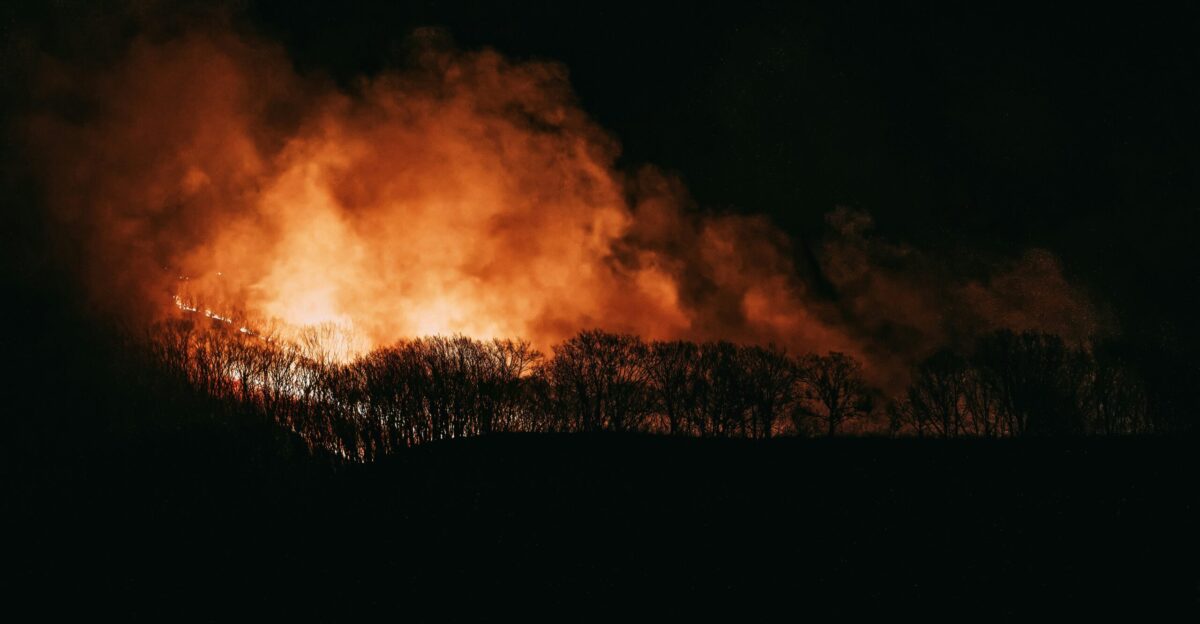
The attack on Orsk led to air raid alerts and airport closures in both Orsk and nearby Orenburg as local authorities rushed to implement emergency measures. The refinery shutdown caused major fuel shortages in the Urals and Volga regions, directly affecting the local population and industries reliant on the refinery’s output while forcing authorities to divert resources toward managing the crisis.
This strike demonstrates the vulnerability of Russia’s internal infrastructure and its inability to protect vital energy resources, with consequences reaching far beyond the immediate impact zone.
Explosion Shocks and Evacuations in Orsk

Residents of Orsk reported hearing loud explosions that shattered windows in nearby buildings as evacuations were ordered and emergency services worked to contain the fires and assess damage. The community was shaken, with many families forced to shelter indoors as authorities scrambled to manage the aftermath of this unprecedented attack.
The strike not only disrupted the daily lives of residents and kept emergency services working around the clock, but also demonstrated how energy infrastructure targeting has severe social consequences beyond military and economic impacts.
Disruptions in Russian Fuel Distribution

The Orsk refinery’s shutdown sent shockwaves through Russia’s fuel distribution network, leading to fuel rerouting and sharp price increases in the Urals and Volga regions. As a key supplier for these critical regions, the refinery’s loss also affected Russian occupation forces, further complicating Russia’s military logistics across several fronts.
This strike highlights how a single strategic strike can impact the broader logistical network during wartime, disrupting both regional fuel supplies and complicating the movement of fuel and essential supplies to Russian forces.
The Ongoing Energy War Between Ukraine and Russia
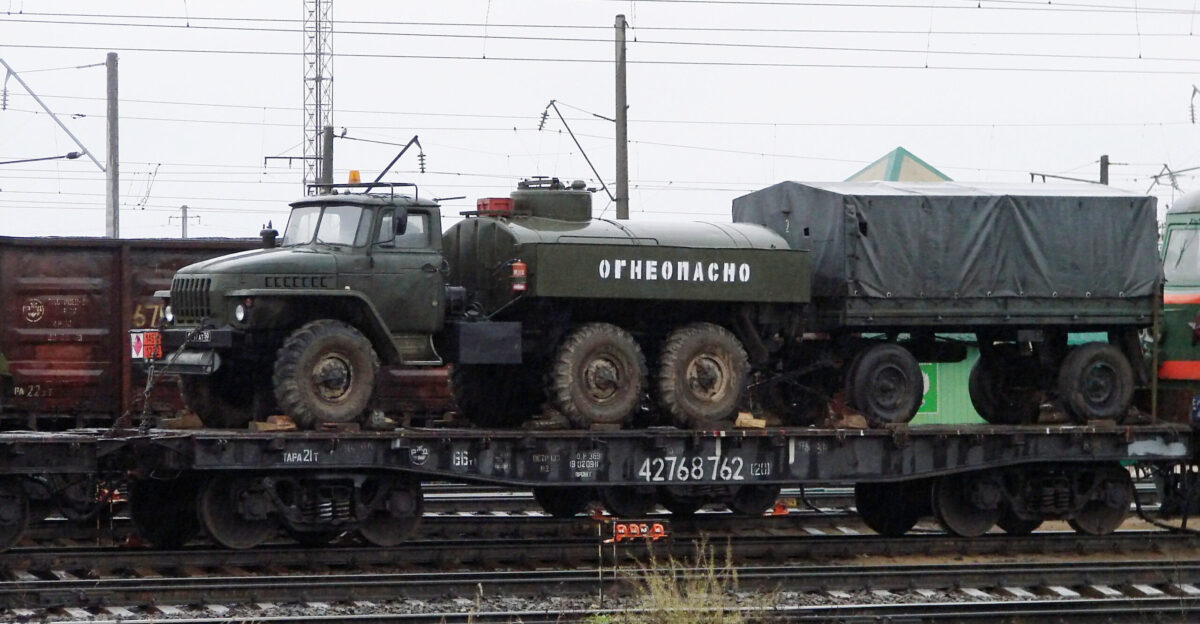
Ukraine’s attacks on Russian energy infrastructure have become a defining feature of the conflict, with regular strikes on refineries such as Orsk and Saratov targeting Russia’s oil production capabilities. These operations are severely impacting Russia’s ability to maintain its military operations, with experts warning of long-term damage to its war effort.
Analysts predict that if Ukraine continues to escalate its energy strikes, Russia could struggle to sustain its military operations, thus changing the course of the war as fuel production becomes increasingly crucial to the conflict’s outcome.
The Ongoing Threat to Orsk
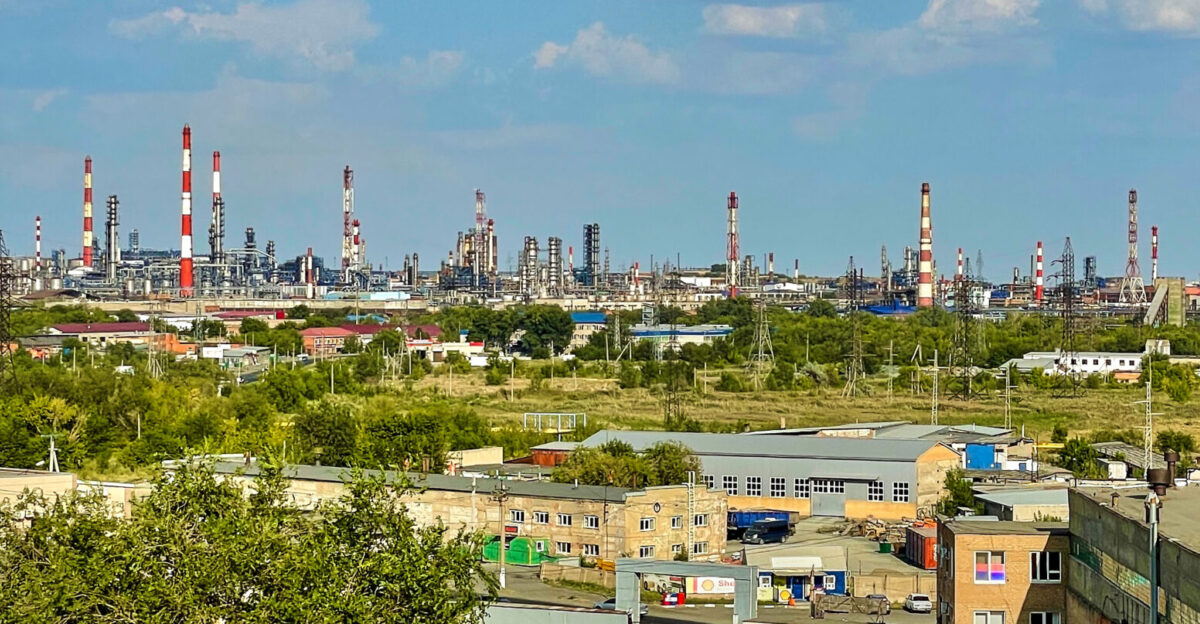
The Orsk refinery has already been struck before. On October 3, 2025, Ukrainian drones first hit the facility, causing significant damage, while the November 11 strike marked a second attack on this critical infrastructure. Ukraine’s repeated targeting demonstrates operational sophistication and signals that no Russian energy infrastructure is beyond its reach.
This pattern of repeated attacks on the same facility reflects Ukraine’s strategic commitment to degrading Russia’s energy capabilities and undermines the viability of continued heavy investment in these vulnerable assets.
Ownership Under Scrutiny: Orsk’s Vulnerability

The Orsk refinery is owned by Safmar Group through its subsidiary ForteInvest, led by Mikhail Gutseriev. With two major drone strikes in quick succession, the refinery faces significant operational challenges that highlight the vulnerability of Russia’s strategic energy infrastructure in the face of Ukraine’s expanding drone campaign.
The damage inflicted by these strikes could significantly disrupt operations at other similar sites across Russia, raising questions about the long-term security and viability of centralized energy infrastructure in contested regions.
Recovery Efforts: Struggling to Restore Operations
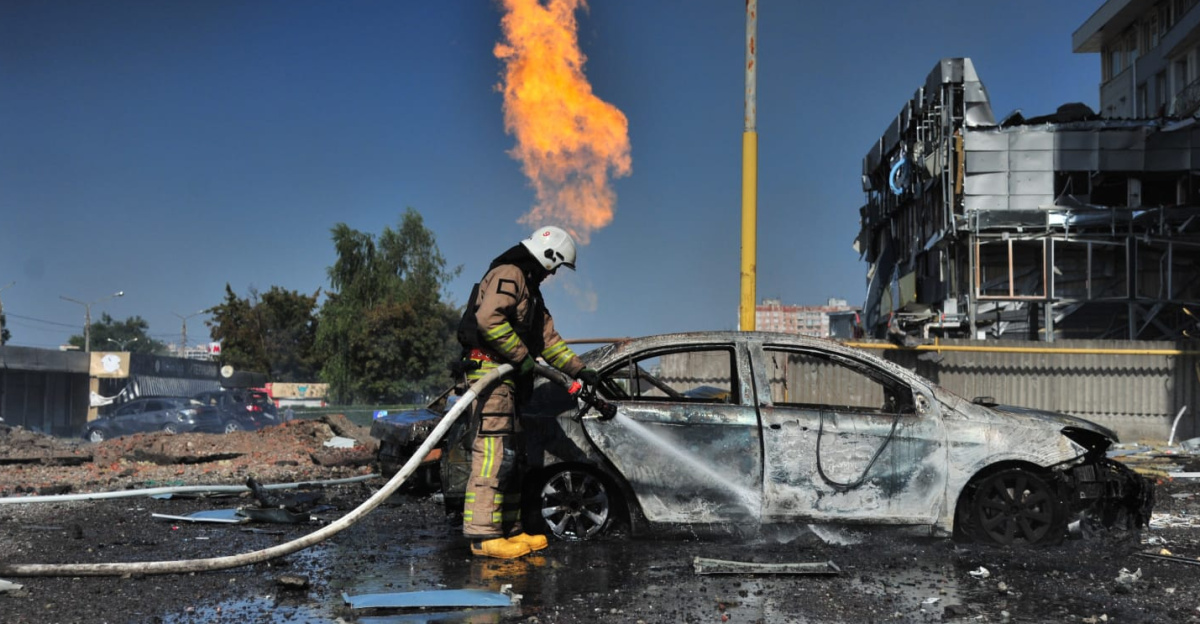
Repair crews are now working to assess and repair the damage caused by the strikes, but full restoration of operations at the Orsk refinery could take weeks or even months. The ongoing threat of further attacks raises serious concerns about the long-term viability of such critical infrastructure, especially as Ukraine’s drone capabilities continue to evolve.
As crews work to repair the refinery, they face the constant threat of additional strikes, forcing Russia to reconsider its approach to protecting vital energy resources from Ukraine’s growing drone capabilities.
Expert Analysis: The Growing Threat to Russia’s Energy Sector

Energy analysts warn that Ukraine’s expanding strike capabilities represent a persistent threat to Russia’s energy sector. With each successful attack, Ukraine demonstrates its technical prowess and undermines Russia’s confidence in its ability to protect vital infrastructure, affecting Russia’s energy investment and planning for the foreseeable future.
The growing sophistication of Ukraine’s drone strikes signals that Russia’s energy infrastructure is no longer safe, and experts predict significant financial and logistical challenges ahead as Russia attempts to defend its energy assets from ongoing attacks.
Strategic Implications: Ukraine’s Long-Range Drone Capabilities

The Orsk strike at 1,400 kilometers inside Russian territory showcases Ukraine’s growing ability to conduct long-range strikes with advanced operational planning and evolving drone technology. This represents a significant shift in drone warfare, emphasizing the vulnerability of Russian infrastructure and complicating Russia’s military operations and logistical support across multiple regions.
This capability demonstrates that the battlefield has expanded beyond traditional frontline engagement, with Ukraine’s ability to disrupt critical infrastructure reshaping the conflict’s dynamics and military balance.
What Comes Next? The Future of the Energy War
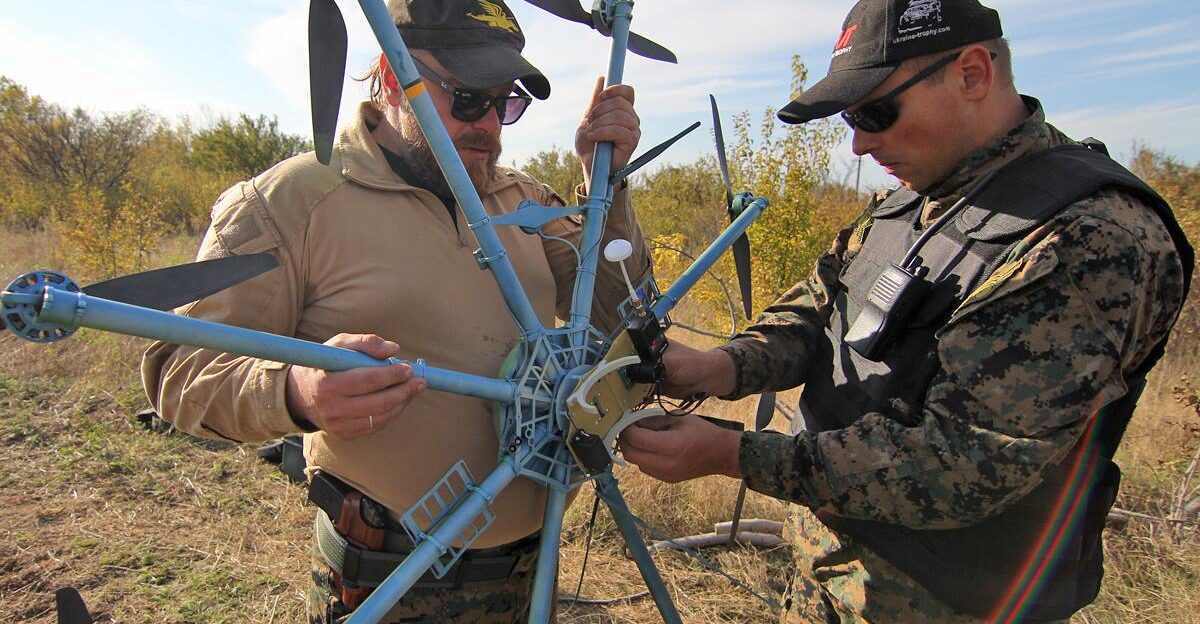
With Ukraine now capable of striking targets 1,400 kilometers into Russia, the conflict’s energy war has entered a new phase where Russia must scramble to defend its energy infrastructure. Ukraine’s drone operations could continue to reshape the military dynamics of the war, with both sides likely preparing for further escalation as energy infrastructure remains a focal point of strategic competition.
How Russia adapts to this new reality—developing better defenses, dispersing production, or other strategic responses—could significantly impact the war’s outcome and the sustainability of its military operations going forward.