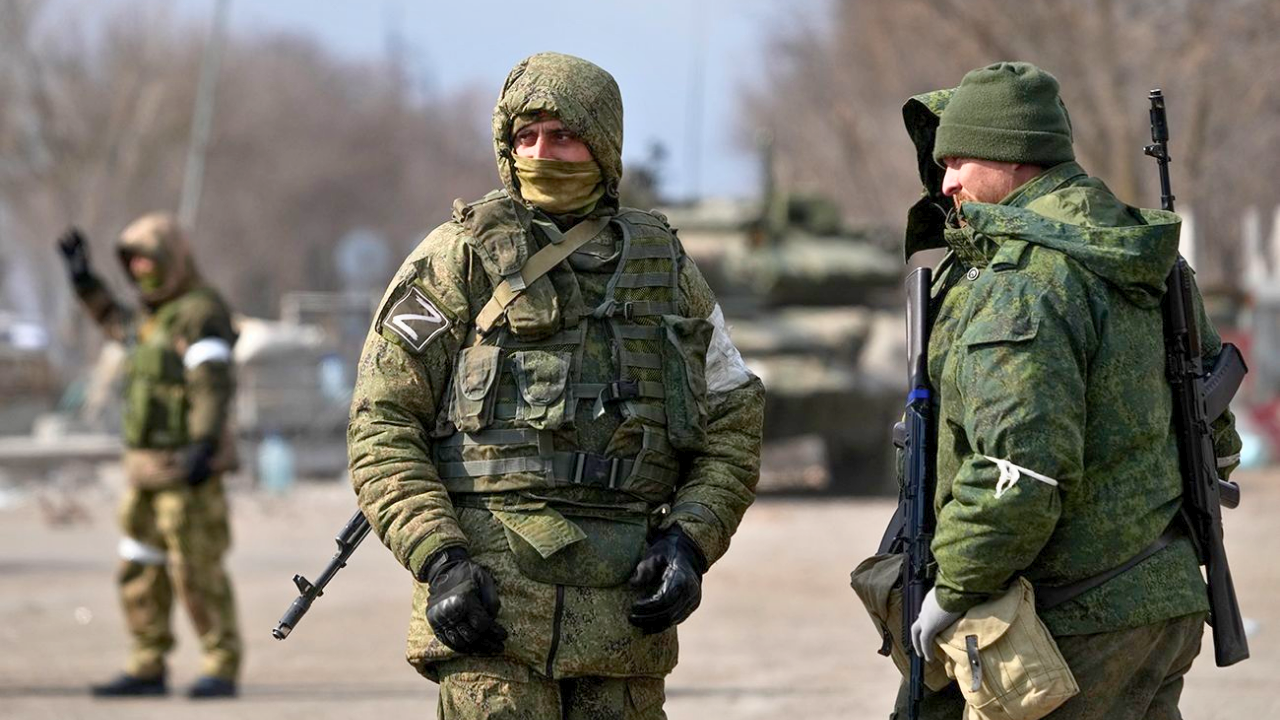
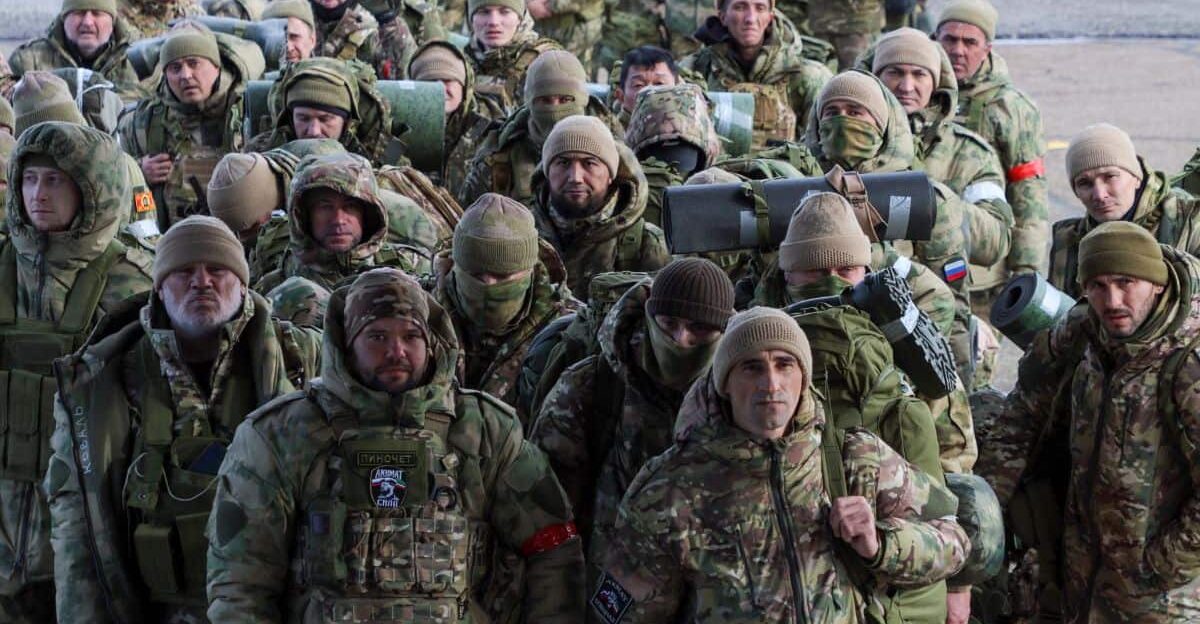
More than 600 Russian soldiers from the Central Military District have died from non-combat causes across 2024–2025, according to Ukrainian military intelligence. The spike reflects serious internal breakdowns inside Russia’s armed forces as its invasion of Ukraine drags on.
Drug abuse, acute food poisoning, and suicide are the leading causes. Together, they expose deepening morale problems, poor oversight, and failing support systems for tens of thousands of troops deployed across frontline and rear-area positions.
Why Are Russian Troops Dying Off the Battlefield?
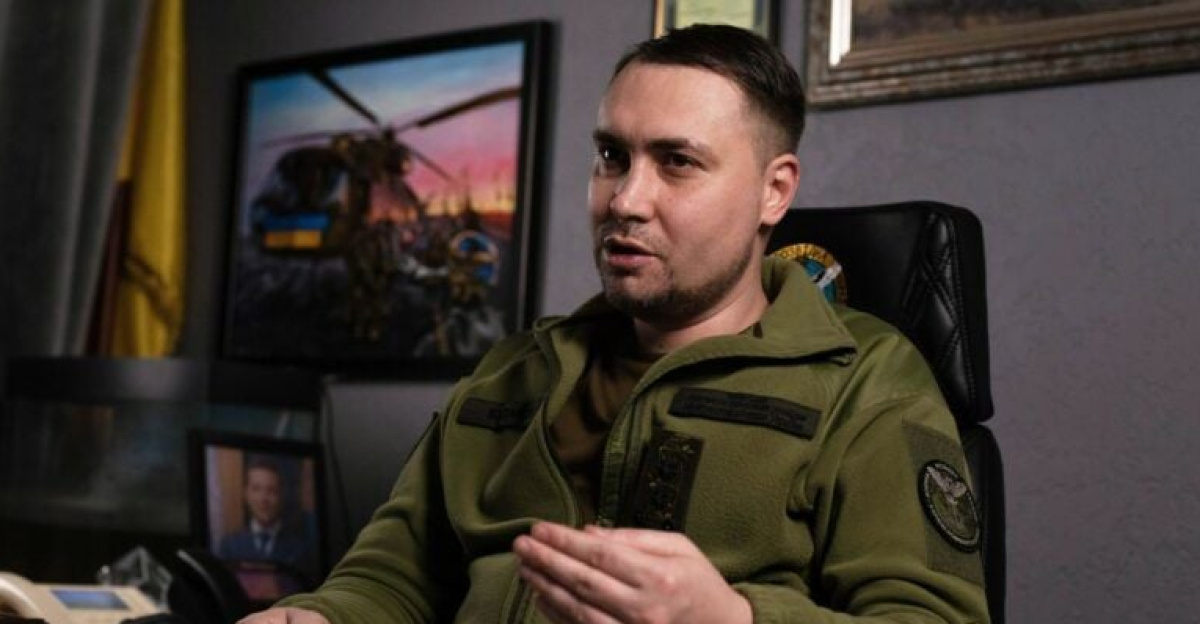
The reported causes paint a stark picture: 255 deaths from drug abuse, 32 from food poisoning, and 157 from suicide. Ukrainian intelligence links these patterns to exhaustion and a collapsing support structure inside the Russian military.
Long combat rotations, minimal rest periods, and inadequate supervision worsen mental health and increase risky behavior. Prolonged deployment without rotation further accelerates deterioration, turning non-combat environments into life-threatening spaces for many Russian soldiers.
Direct Impact: Russian Military Families Face Uncertainty
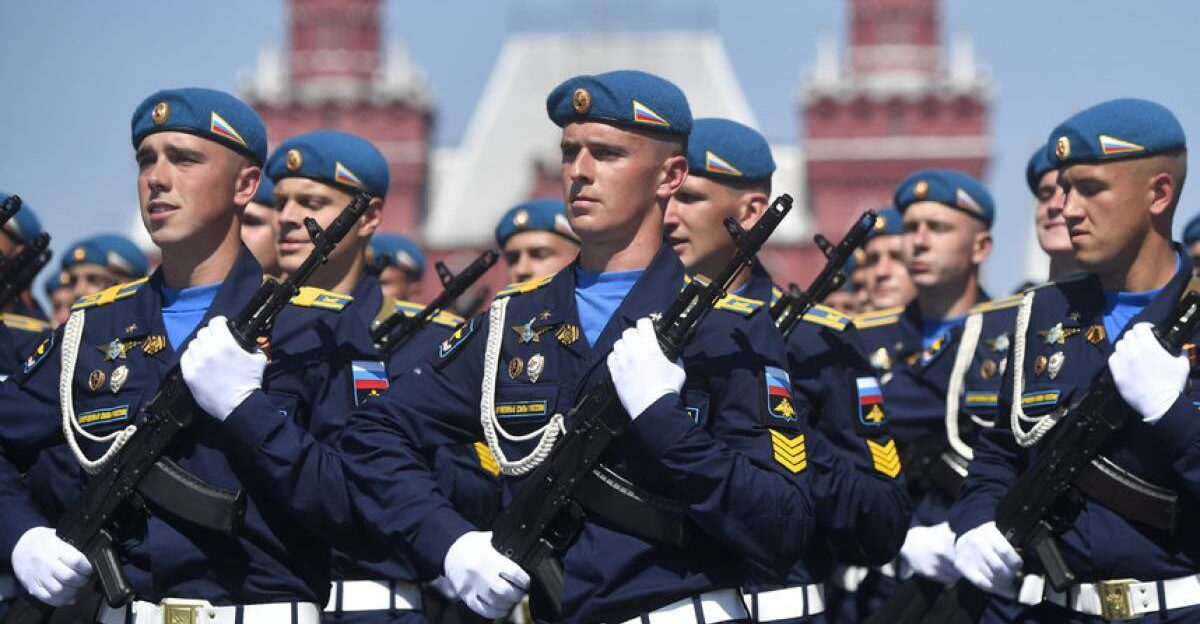
Families of Russian troops often learn little about the true circumstances surrounding non-combat deaths. Many receive vague or misleading explanations, complicating efforts to pursue compensation or understand what happened. Relatives left without clarity must navigate a system that offers limited information and minimal transparency.
This growing communication gap between the military and families intensifies mistrust, leaving many to rely on independent media and social channels for insight into their loved ones’ final days.
Military Command Scrambles to Respond
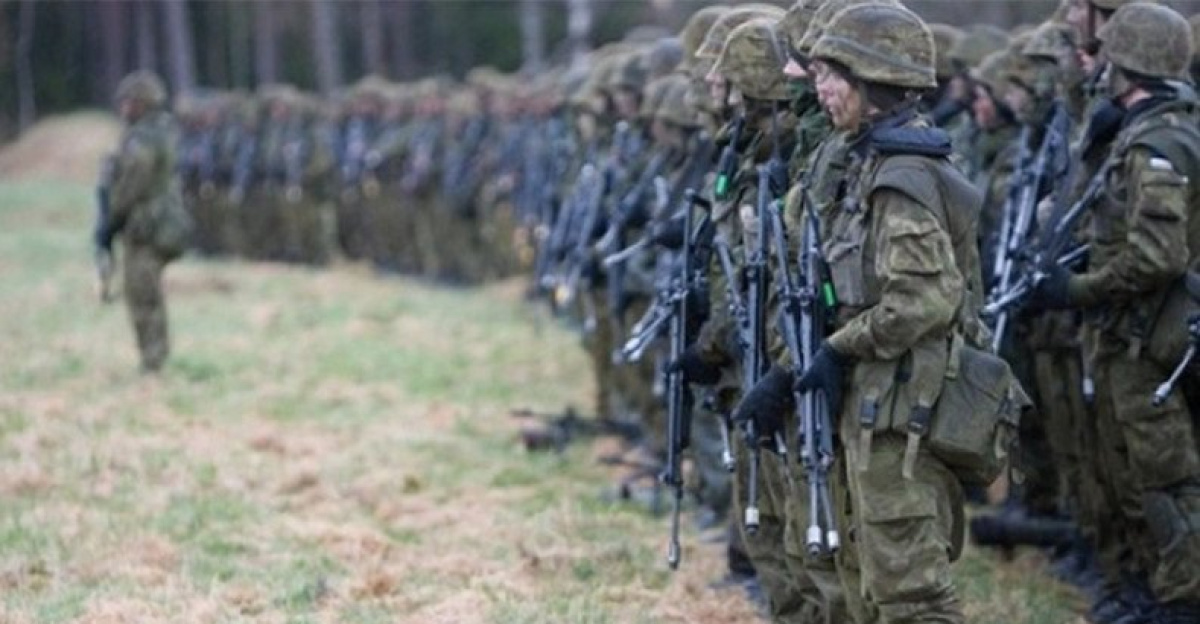
Despite the soaring death toll, Russian military leadership has not publicly acknowledged the crisis. Internal measures designed to curb drug use have shown little effect.
In fact, drug-related fatalities in the first half of 2025—112 deaths—nearly matched the total number from all of 2024, which stood at 143. These figures highlight the widening gap between command directives and real conditions on the ground, raising concerns about discipline, morale, and basic troop welfare.
Drug Markets Thrive Near the Frontlines

As drug-related deaths rise, illicit drug markets around Russian military positions are expanding. Suppliers target the steady demand from exhausted, demoralized troops.
Substances such as mephedrone and amphetamines have become more common, with independent assessments suggesting up to 15% of Russian soldiers in some combat zones were using drugs. The accessibility of narcotics near frontlines further enables addiction, heightens risk-taking behavior, and contributes directly to the surge in non-combat fatalities.
International Scrutiny Intensifies
Foreign governments, security analysts, and human rights observers are increasingly focused on the Russian military’s internal struggles.
The wave of non-combat deaths has become a key indicator of systemic dysfunction, drawing questions about the military’s ability to maintain discipline and safeguard troop well-being. As these issues gain wider attention, they add pressure on Russian authorities to confront failures that have so far been ignored or actively concealed from public view.
Human Toll: Soldiers and Medics Speak Out
Anonymous testimonies from Russian soldiers and medical personnel describe a bleak environment marked by fear, boredom, and constant psychological strain. Many recount widespread drug use as a coping mechanism amid inadequate mental health support.
Lack of predictable rotations leaves soldiers feeling trapped. One account described drugs as a way to escape monotony, noting that “boredom is much worse” than bad drug experiences. These firsthand perspectives reveal the human cost behind the statistics.
Policy Response: Calls for Reform Remain Limited

Although a handful of Russian lawmakers have raised concerns, meaningful reform remains absent. Investigations into non-combat deaths are scarce, and policy responses often focus on punishment rather than support.
According to assessments, commanders frequently discipline drug-using soldiers by sending them to Storm-Z assault units—penal formations notorious for high-risk operations. Such approaches reinforce a cycle of trauma and attrition while failing to address the root causes behind widespread substance abuse.
Economic Impact: Strain on Military Resources
The surge in non-combat deaths creates financial burdens across Russia’s defense infrastructure. Funds must be diverted to treat overdoses, manage medical crises, and compensate families of deceased soldiers. These costs come as Russia’s overall war expenses continue climbing.
With military spending projected to reach 38% of the federal budget in 2026, the strain from preventable losses adds another layer of pressure to an already stretched wartime economy.
Health Crisis Extends Beyond Combat Zones
The crisis is not confined to military settings. Experts warn that soldiers returning home with untreated addictions are contributing to rising synthetic drug use in regions such as Krasnodar, Moscow, and Chelyabinsk.
This spillover effect suggests the military’s internal problems are feeding broader public health challenges. As addiction spreads beyond barracks and deployment zones, local authorities must now confront the civilian consequences of inadequately addressing troop welfare.
Cultural Debate: Stigma and Silence
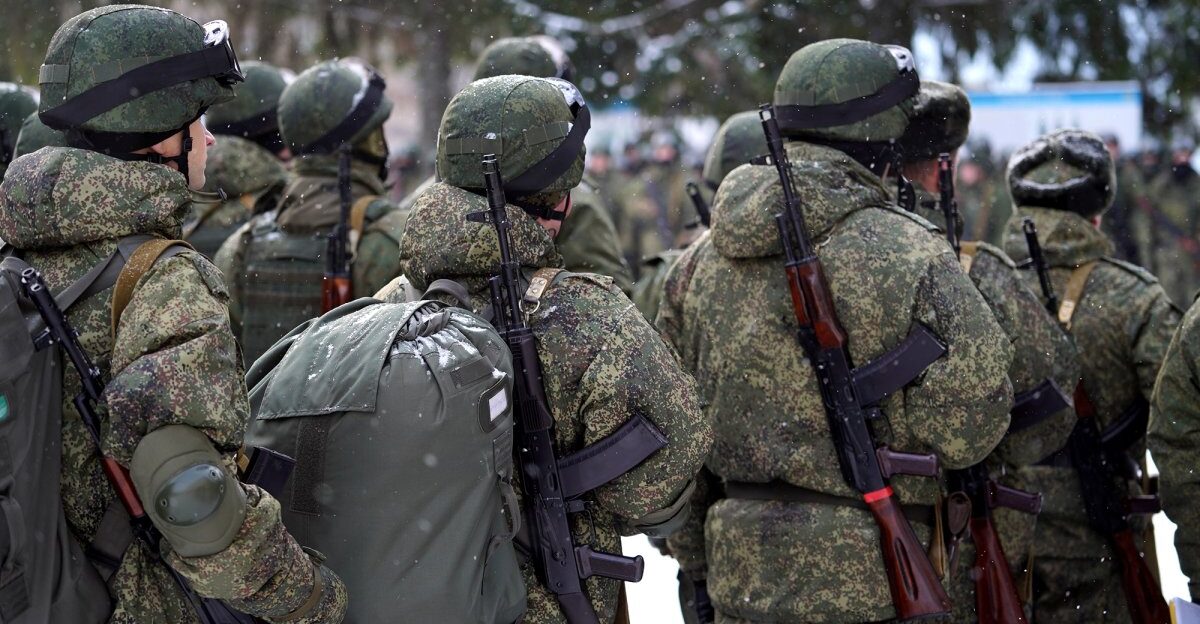
Although the crisis exposes critical issues around mental health and addiction, public discussion within Russia remains limited. Deep-seated stigma discourages soldiers from seeking psychological support or admitting to substance dependence.
Official silence further suppresses debate, leaving society with an incomplete understanding of the realities facing deployed troops. This cultural environment not only impedes effective intervention but also perpetuates misinformation and social isolation among affected families and communities.
Global Perception: Questions About Military Effectiveness
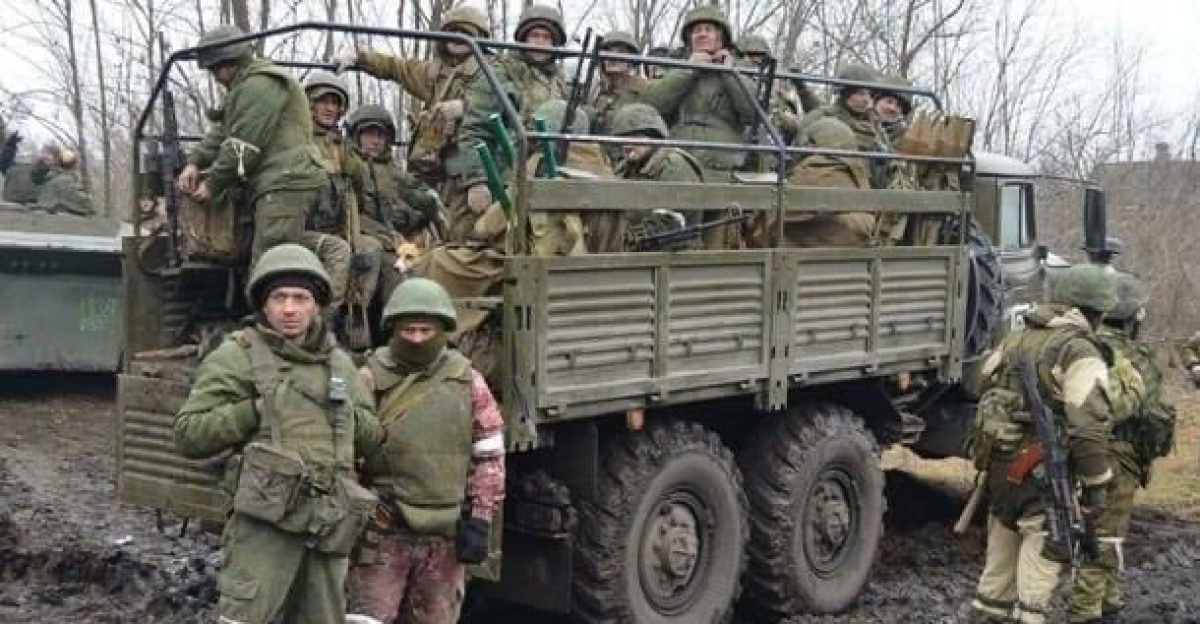
International coverage has amplified concerns about Russia’s military readiness. With an estimated 600,000–700,000 Russian troops deployed across Ukraine, the Central Military District represents just one of five districts—but its non-combat losses are significant.
Observers argue that these internal failures, alongside growing attrition, raise questions about the long-term sustainability of Russia’s military operations and its ability to maintain an effective, disciplined fighting force.
Impact Assessment: Drug Markets and Information Flow

As synthetic drug markets expand around military zones, traffickers profit from the growing dependence among Russian troops. At the same time, independent media outlets gain traction by reporting on the crisis, often becoming the only reliable information source for families seeking answers.
This dynamic deepens the divide between official narratives and lived experiences. Meanwhile, military families and frontline communities continue to endure the emotional and economic fallout of preventable non-combat deaths.
Economic Outlook: Military Spending Pressures
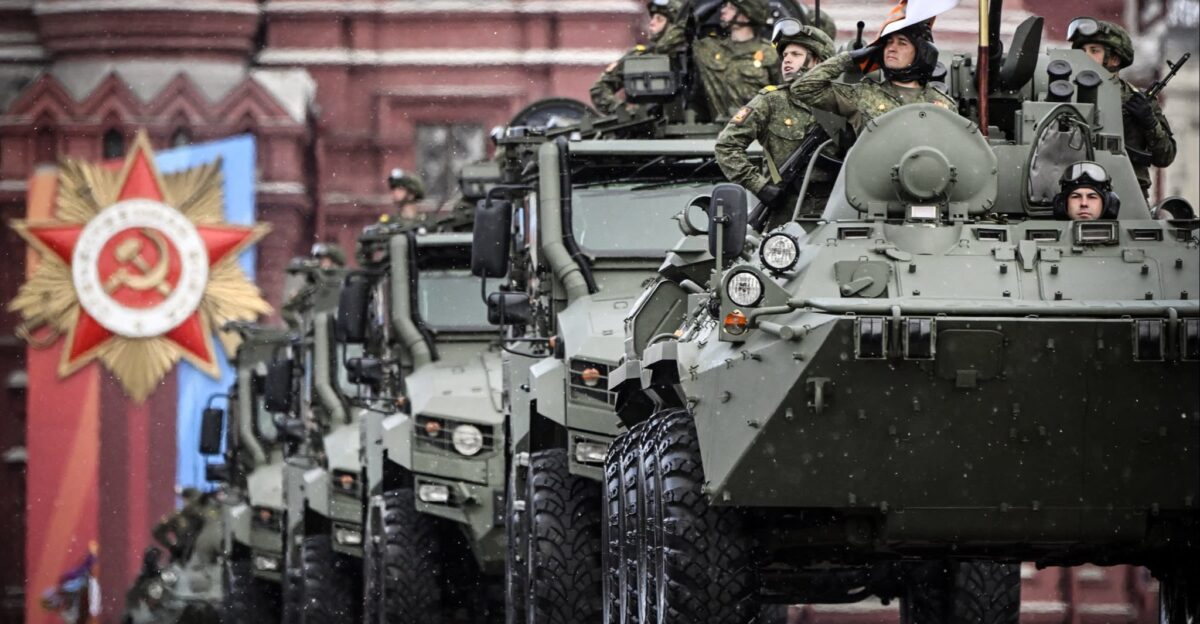
Russia’s defense budget is set to rise sharply, with spending projected to reach 16.84 trillion rubles in 2026—about 38% of total federal expenditures. Nearly one-third of these expenses fall under “undisclosed items,” reflecting a growing emphasis on secrecy during wartime.
These budgetary trends highlight both the scale of Russia’s military ambitions and the long-term fiscal pressures created by ongoing operations, internal crises, and expanding security demands.
What’s Next? Monitoring the Crisis
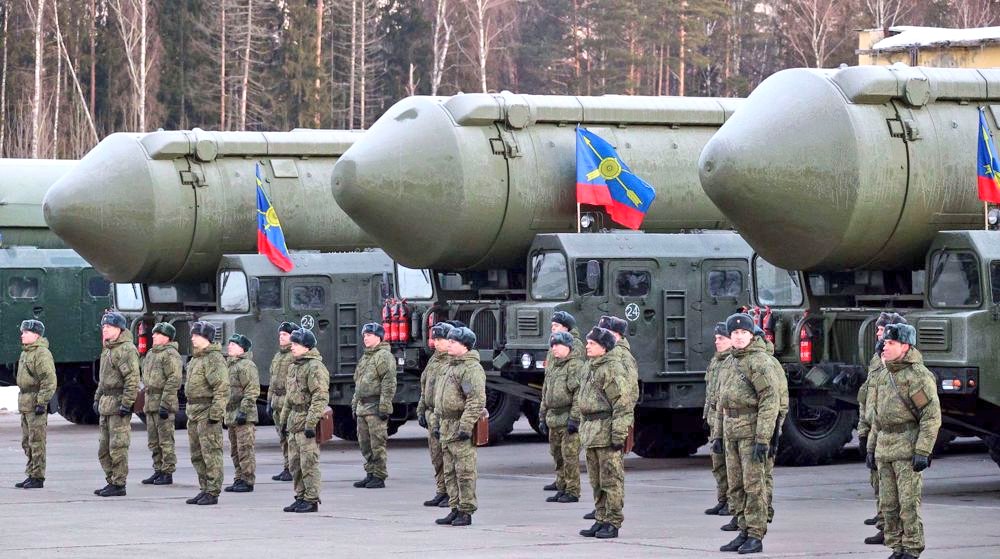
With drug-related deaths accelerating—112 fatalities recorded in the first half of 2025 alone—the Russian military faces mounting pressure to confront systemic weaknesses.
The Central Military District’s more than 600 non-combat deaths underscore failures in troop care, rotation planning, and substance abuse prevention. As the conflict continues, analysts will closely monitor whether Russian authorities address these underlying issues or allow the crisis to expand further across the armed forces.