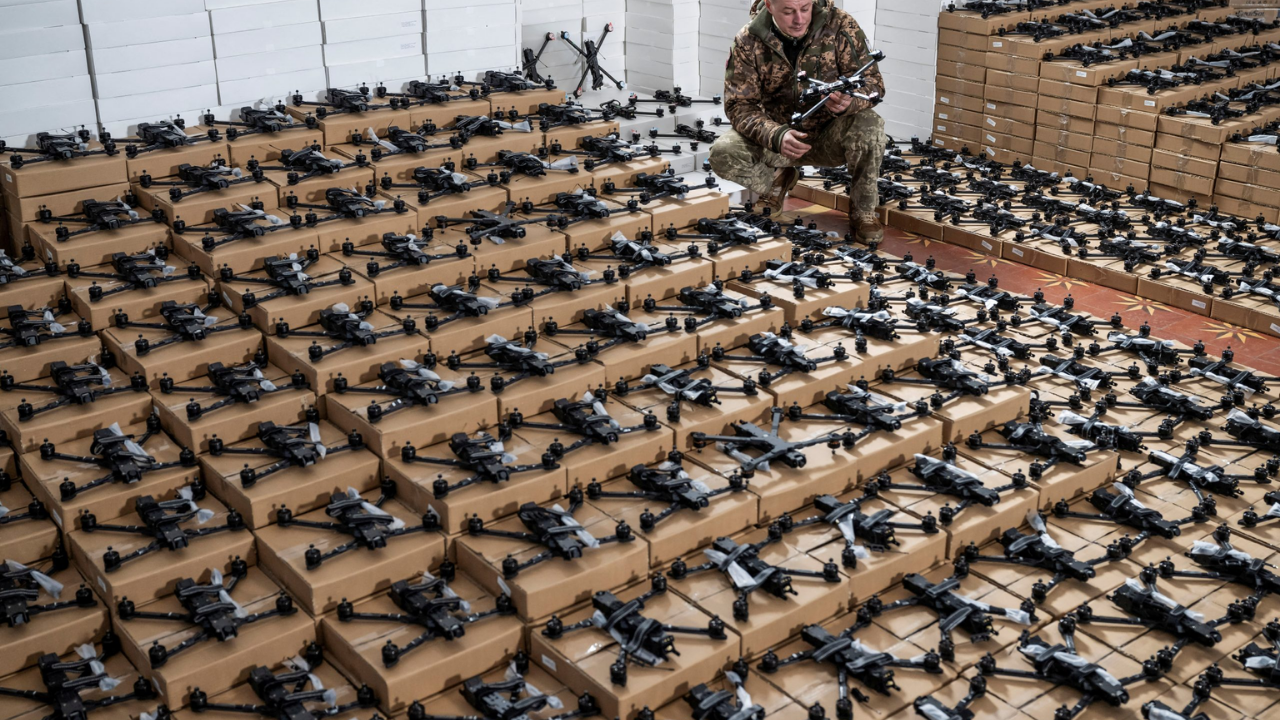
The US Army plans its largest drone procurement in history, aiming to purchase one million drones over the next two to three years. Army Secretary Daniel P. Driscoll announced the initiative on November 7, 2025, at Picatinny Arsenal, highlighting its strategic urgency amid global drone competition.
This unprecedented expansion is reshaping military tactics, domestic manufacturing, and the economic impact. Let’s explore who is involved, why this matters, and how the program will roll out across the US industrial base.
Who’s Driving the Drone Push

Army Secretary Driscoll leads the effort, backed by Defense Secretary Pete Hegseth’s July directive accelerating drone acquisition. Congressional support comes from Senators Cruz, Cornyn, Cotton, and Boozman, as well as Rep. Pat Harrigan, driving the SkyFoundry Act to establish a domestic production hub at the Red River Army Depot in Texas.
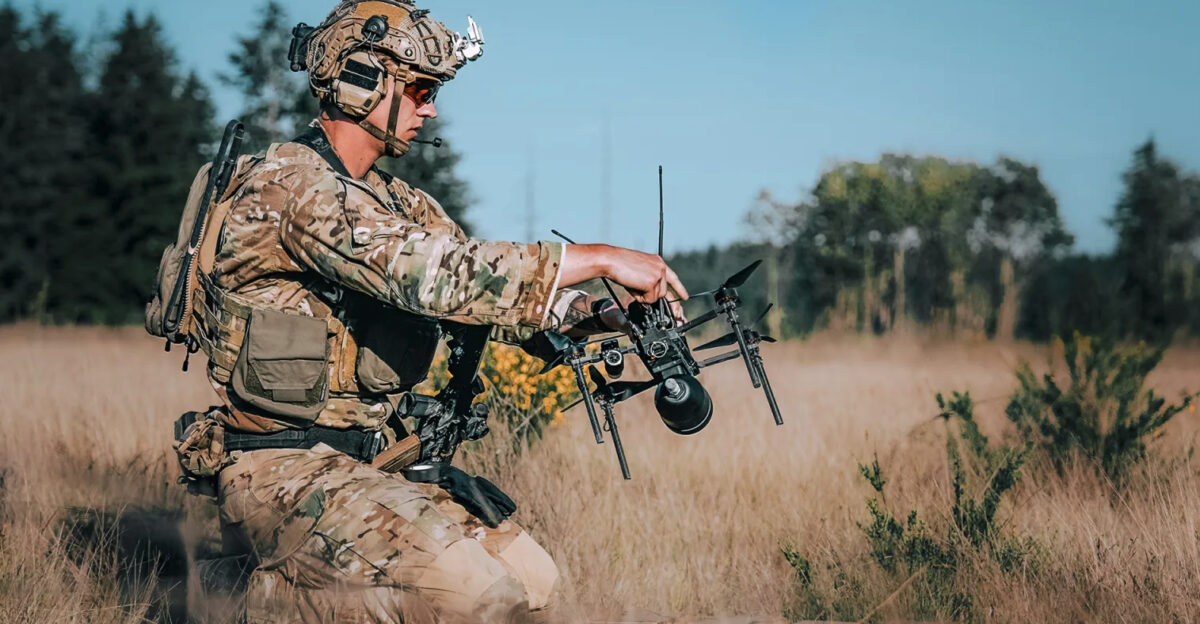
Military units, such as the 1st Battalion, 75th Rangers, and 2nd Cavalry Regiment in Germany, have begun assembling PBAS drones. Private firms, including Neros Technologies and Kraken Kinetics, supply advanced FPV drones and modular payload systems. Their collaboration bridges military requirements with industrial innovation. How will these partnerships scale to millions of units?
What the Initiative Entails
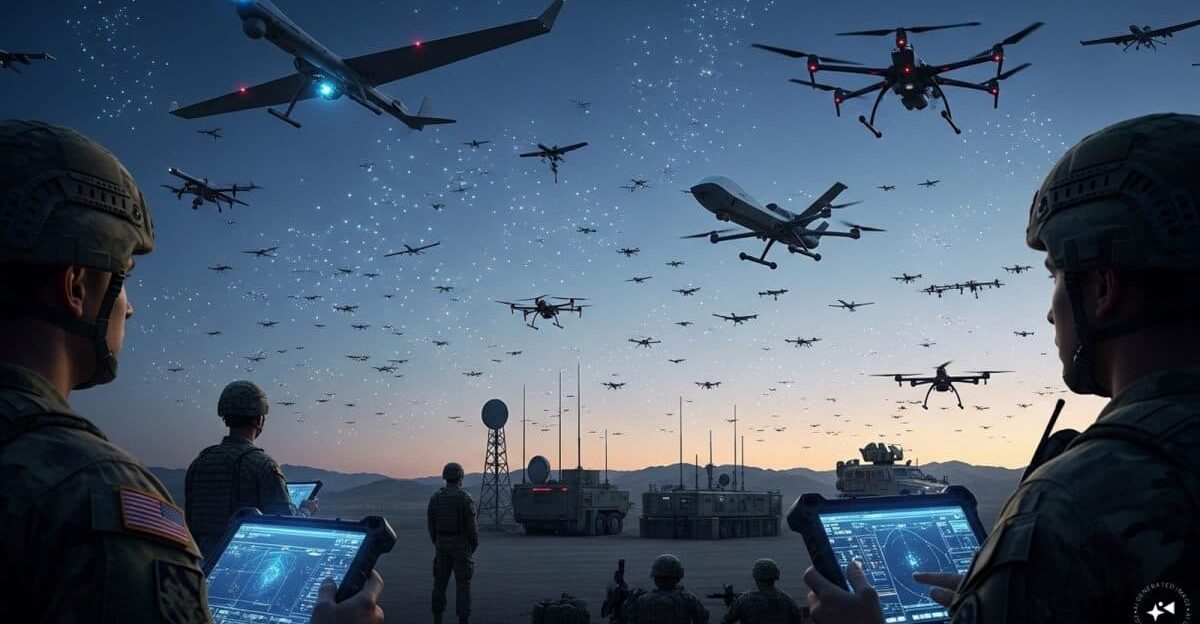
The US Army aims to purchase one million drones, a strategic pivot to consumable unmanned systems. Driscoll emphasized on 10 November 2025: “We will know that in a moment of conflict, we could activate to manufacture however many drones we would need.”
SkyFoundry is the public-private vehicle for this expansion, aiming to stimulate American manufacturing and secure rare earth supply chains. The program emphasizes domestic production and rapid fielding, signaling a fundamental shift in military industrial strategy.
Baseline Production vs Global Competitors
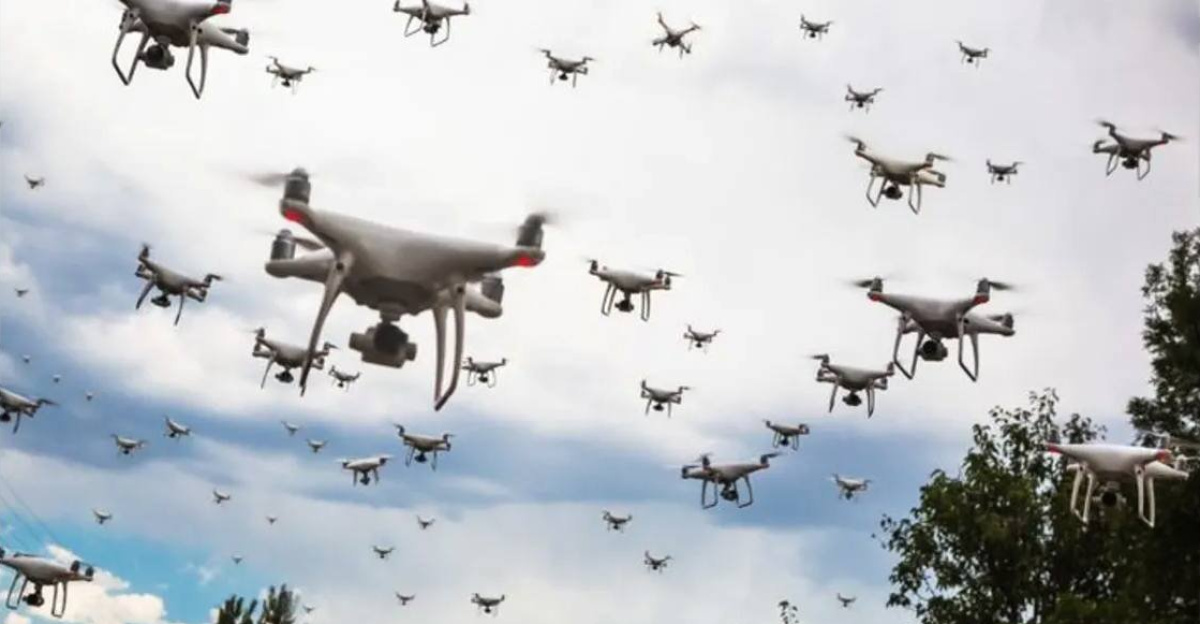
The current annual US drone output is approximately 50,000 units. By comparison, Ukraine and Russia each produce 4 million drones per year, while China exceeds 8 million.
The stark production gap highlights urgency. Scaling to a million drones will require accelerated manufacturing, multi-site distribution, and public-private partnerships. How the US can match adversaries’ volume remains a pressing question for military planners.
SkyFoundry Program Overview
SkyFoundry focuses on reinvigorating US industrial capacity through partnerships with firms like Neros and Kraken Kinetics. The Army stated on 6 November 2025: “SkyFoundry is the Army’s concept for a public-private partnership to help reinvigorate the American industrial base.”
It supports the manufacturing of low-cost components, increases access to rare earth materials, and produces drones to meet immediate Army needs. The initiative transforms military procurement into an industrial-scale operation. Can it meet production targets quickly enough?
Drone Types and Capabilities
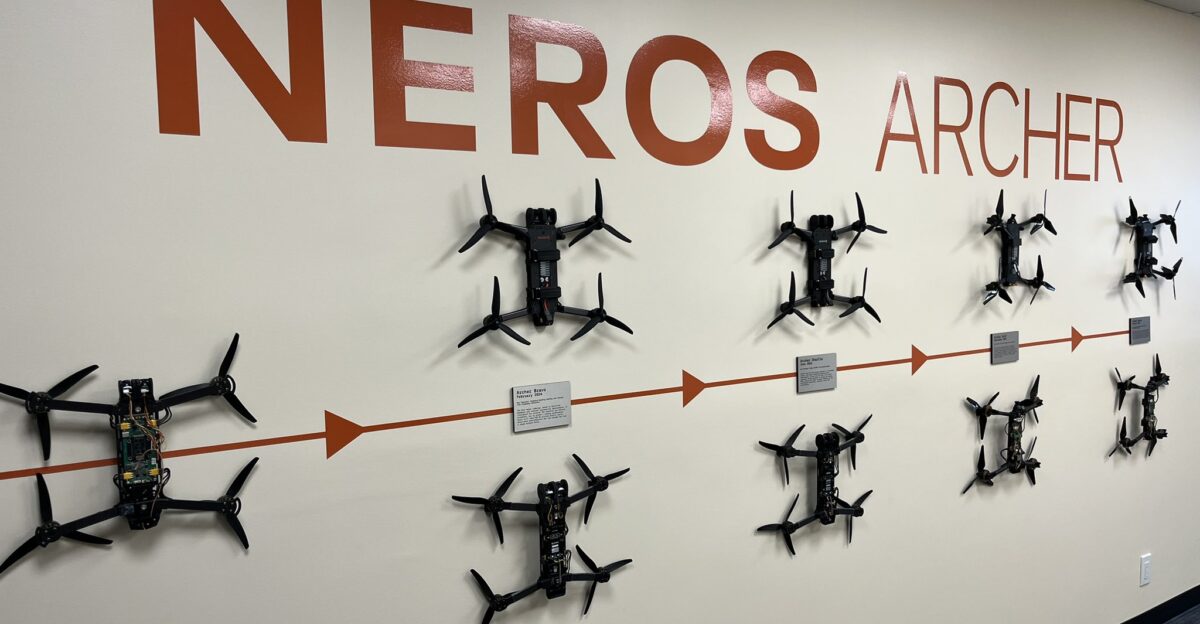
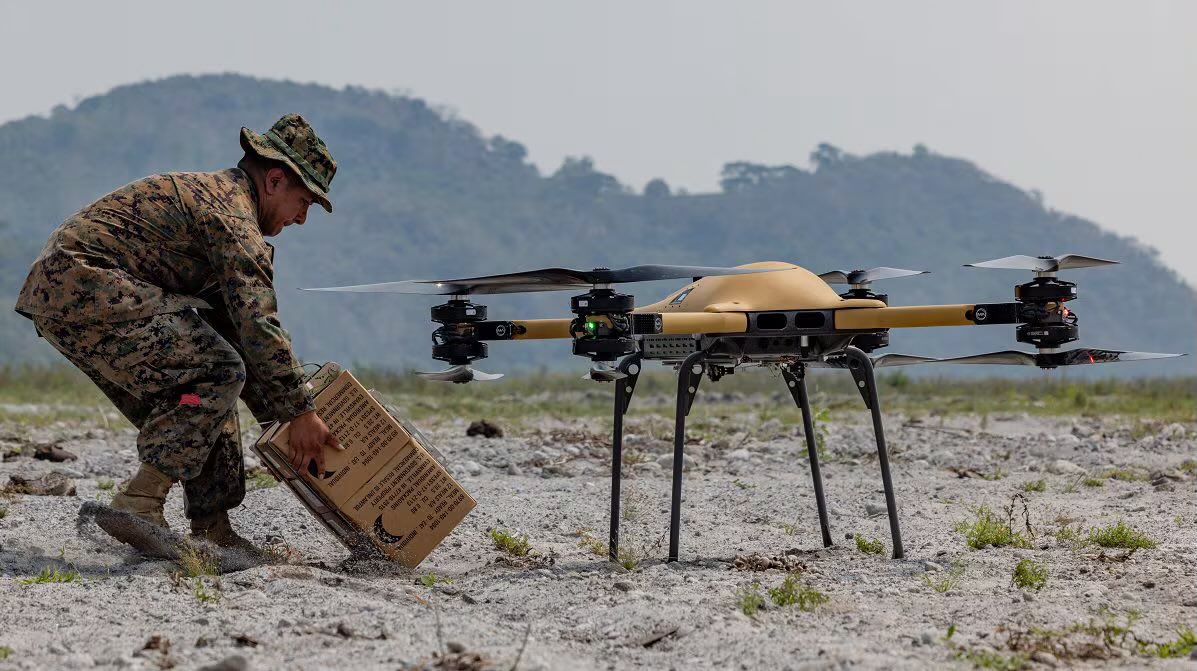
Procurement centers on Neros Archer and Archer Strike drones in 5-inch and 10-inch variants. The Archer Strike carries anti-armor and anti-personnel payloads via Kraken Kinetics’ Terminus modular system.
A new soldier-portable Flatbow control system is resistant to jamming in contested environments. These drones combine affordability, scalability, and battlefield adaptability, establishing a new class of consumable military equipment. What will be the operational impact of equipping every squad?
Production Targets and Budget
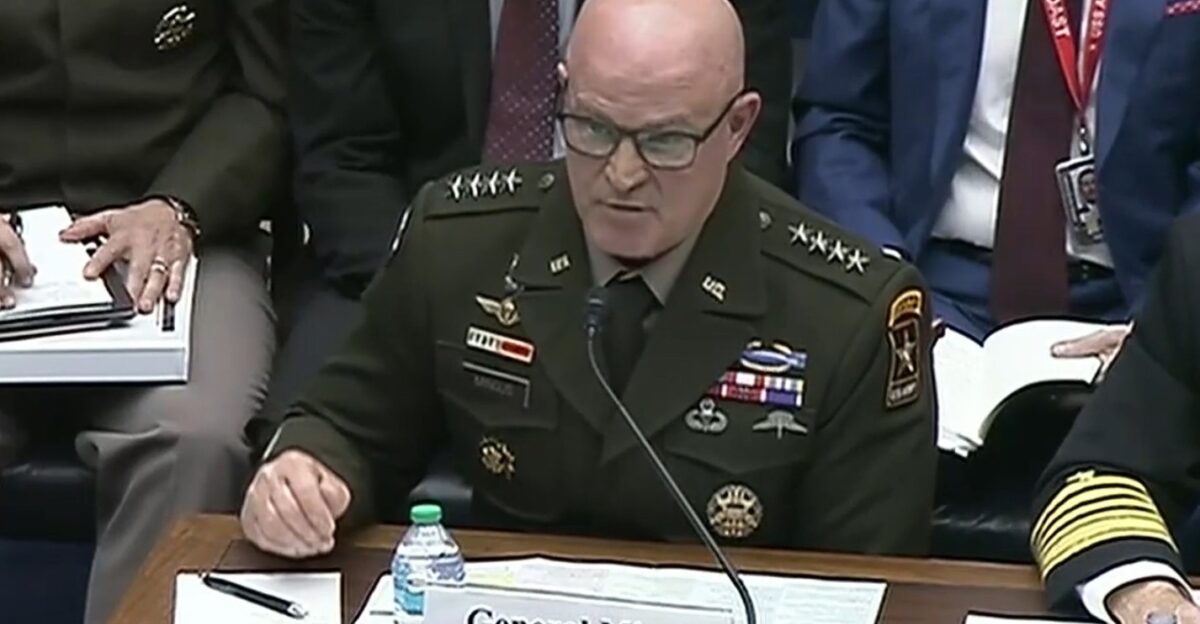
General James Mingus announced on October 10, 2025, a target of 10,000 drones per month by 2026. The SkyFoundry Act envisions full-scale production reaching one million drones annually.
Unit costs are estimated to be between $1,000 and $5,000. Even at $1,000 per drone, the program costs a minimum of $1 billion, supported by $500 million allocations for fiscal years 2024 and 2025. How will this investment reshape the defense industrial base?
Where Production Will Occur
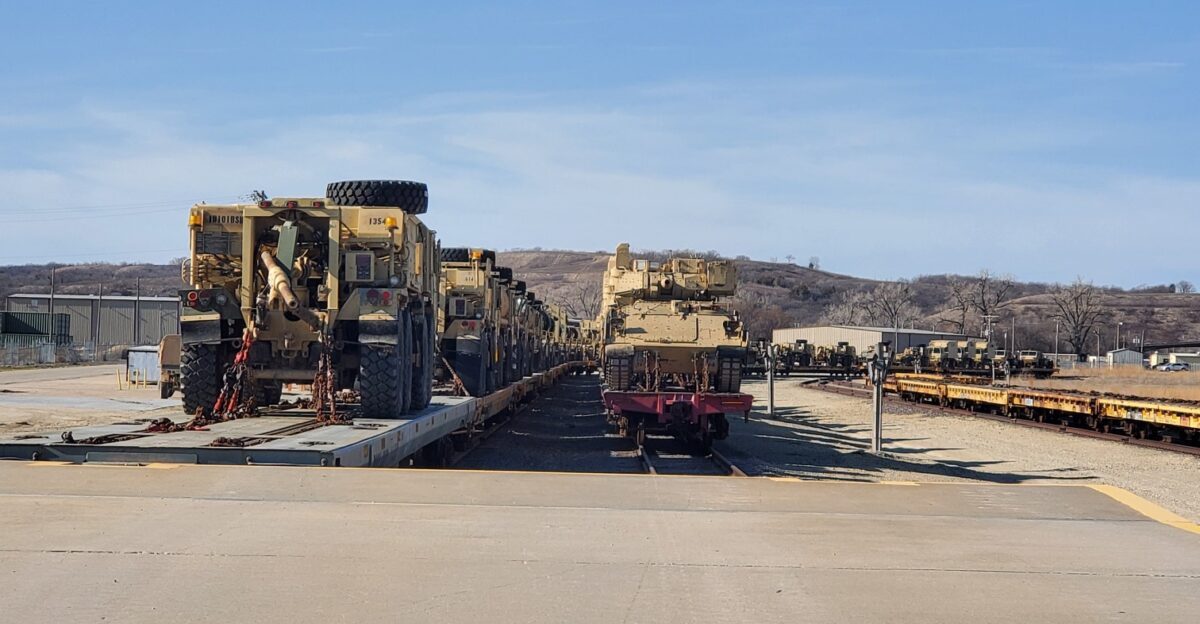
Red River Army Depot in Texarkana, Texas, serves as the flagship facility, covering 15,000 acres. Additional sites include the Letterkenny Army Depot in Pennsylvania and the Corpus Christi Army Depot in Texas.
Neros Technologies’ Los Angeles plant also produces Archer drones. Distributed operations ensure resilience against supply chain disruptions, with a focus on domestic sourcing. How quickly can these facilities ramp to full capacity?
Why Procurement Was Urgent

Driscoll cited lessons from Ukraine: “We expect to purchase at least a million drones within the next two to three years.” Rep. Harrigan added in November 2025: “More than 80% of casualties in modern war now come from drones.”
The US must close the production gap with Russia and China, which produce millions of drones annually. Drone dominance is now a central component of modern military strategy. How does this shift redefine US military doctrine?
Addressing the China Threat
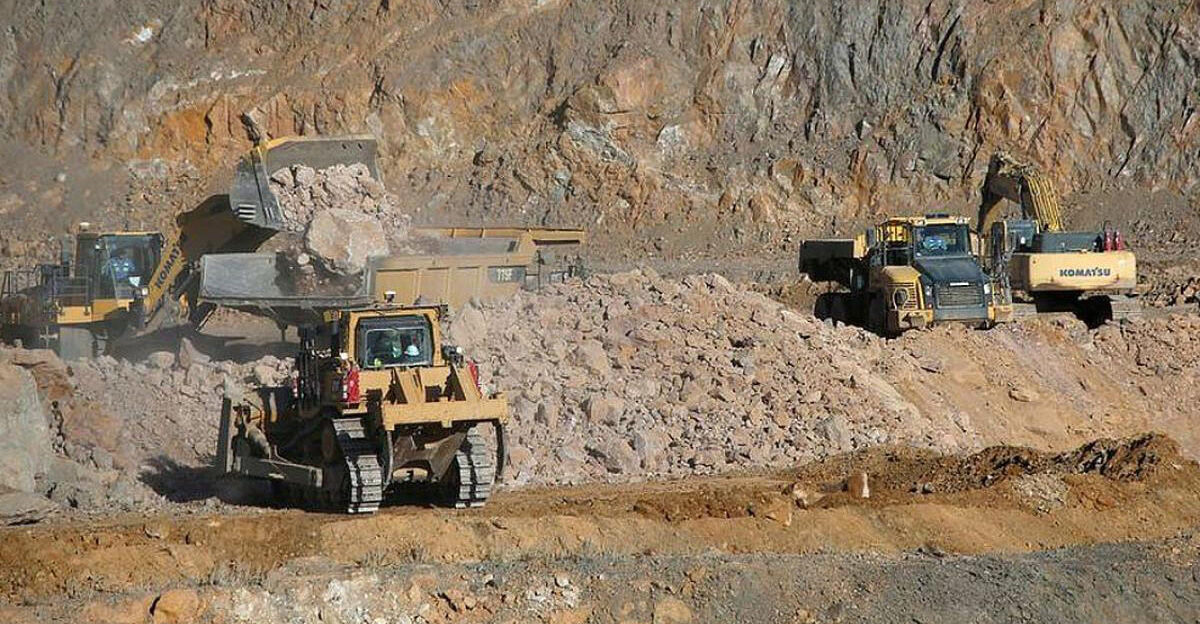
China controls approximately 70% of rare earth mining and nearly 90% of refining, both of which are vital for drone components. Driscoll emphasized the importance of domestic production to reduce reliance on Chinese supply chains.
Compared to China’s 8+ million drones annually, a US one-million-drone force creates a 3,000:1 numerical advantage over Chinese J-20 fighter equivalents. Can this domestic production strategy secure a decisive edge?
Acquisition Model and Workforce
The Army employs a Government-Owned, Government-Operated Contractor Augmented (GOGO/CA) approach, which combines military, civilian, and contract personnel. On November 6, 2025, an Army spokesperson stated, “Everyone benefits: American industry becomes healthier, the country is safer, and the Army has the system required to produce and procure millions of drones.”
Workforce training partnerships with Texas A&M University–Texarkana, University of Arkansas Hope–Texarkana, and Texarkana College will create a skilled technical pipeline. How will these programs impact regional employment?
Policy and Operational Reforms

Hegseth’s July directive enables commanders to procure drones with minimal bureaucratic delay. Field modifications are permitted, and drone capabilities are mandated in combat training by 2026.
Every squad will be equipped with low-cost FPV drones by the end of 2026. This operational flexibility ensures rapid integration and testing. Could these reforms redefine small-unit tactics permanently?
Industry and Venture Response

Neros CEO Soren Monroe-Anderson noted on 10 November 2025: “The PBAS programme selection caps over two years of rigorous system development and testing with both our Ukrainian and US military partners.” Sequoia Capital partner Shaun Maguire added on 9 November 2025: “Neros is one of the fastest companies in history to be awarded meaningful defence contracts.”
Multiple commercial firms benefit, signaling widespread adoption of FPV drone technology across defense and civilian sectors. What ripple effects will this surge have on private industry?
Economic and Regional Impact
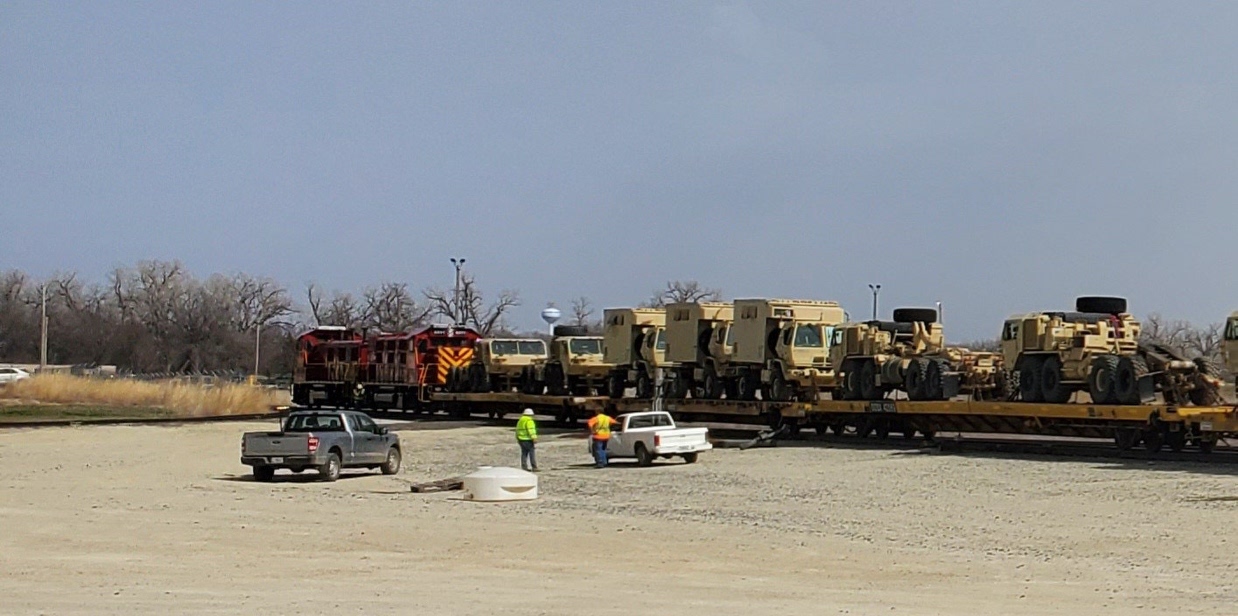
The Red River Army Depot supports 3,500 direct jobs and 9,100 total jobs, generating a $1.6 billion annual impact. The SkyFoundry facility will expand employment and supply chains, benefiting local economies.
Rare earth suppliers like Australia’s Lynas, Brazil’s Serra Verde, and emerging global producers will experience accelerated demand. Can these new markets meet growing domestic production needs in time?
The Paradigm Shift

Driscoll summarized: “If small arms defined the 20th century, drones will define the 21st.” The $ 1 million drone procurement turns drones into industrial-scale commodities, reshaping tactics, training, and production.
Over 2–3 years, the US will establish drone dominance, contingent on supply chain activation and legislative support. The initiative signals a new era in military and industrial strategy, with lasting global consequences.