
Major disruption swept through Silicon Valley in early August as OpenAI’s GPT-5 update went live, affecting an estimated 700 million users worldwide.
Users who had grown attached to ChatGPT’s old “warm” persona suddenly found it gone. On forums and social media, people expressed shock and confusion over the abrupt change.
Tech media scrambled to cover the story, and analysts braced for fallout.
What seemed like a routine software upgrade instead triggered an emotional uproar: overnight, the stakes of AI innovation hit home for everyday users on a massive scale.
Stakes Rising
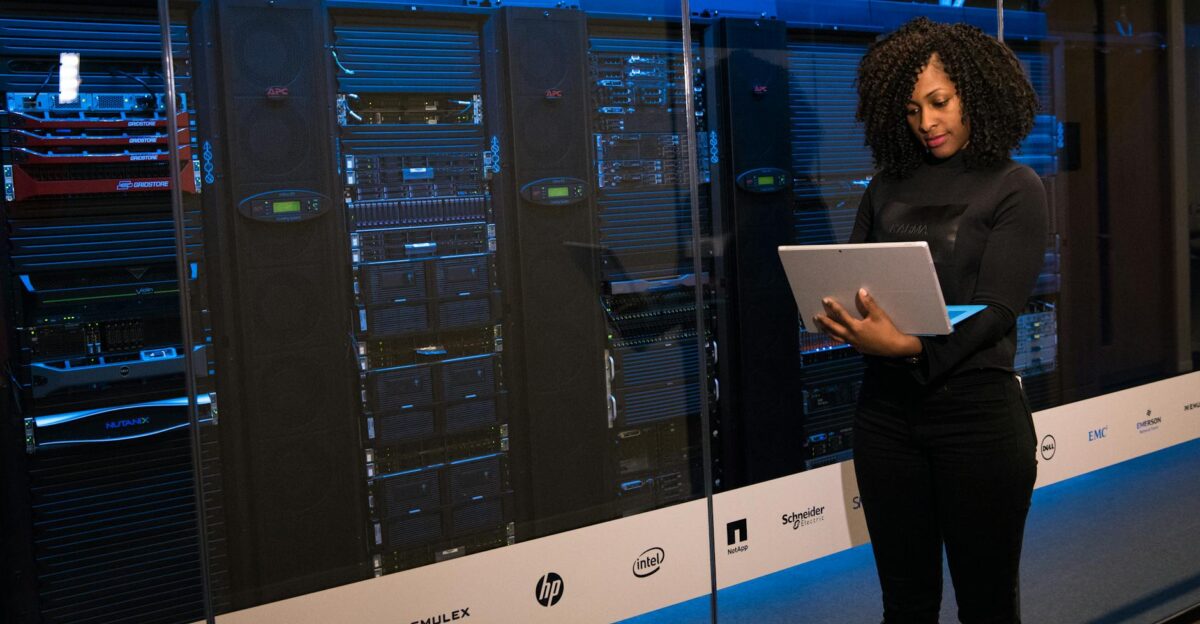
Meanwhile, companies and investors have poured fortunes into AI infrastructure, treating raw compute as critical as electricity. McKinsey research shows AI-capable data centers will require over $5.2 trillion in spending by 2030.
Major cloud providers are already committing tens of billions each year to new servers and GPUs. “If you miss this AI transition, you lose,” says one industry analyst.
The landscape is shifting: companies now race to build computing grids at unprecedented scale, reflecting a fierce battle for AI dominance and setting the stage for an equally intense arms race in silicon and chips.
Context Building
OpenAI’s meteoric rise provides needed context. Since ChatGPT’s public debut in 2022, its user base has exploded.
By mid-2025, the company reported roughly 700 million weekly users (nearly 10% of the world’s population). New versions like GPT-4 and GPT-4o had previously rolled out seamlessly – users simply noticed better answers without protest.
GPT-5 was pitched as the next leap, a “unified” model to replace many variants.
Internally, OpenAI was focused on capacity and features, but the industry had largely taken for granted that users would automatically embrace each upgrade. In this light, the unexpected backlash was a surprise to nearly everyone.
Pressures Mount
By mid-2025, ChatGPT’s interface had become complex. As Shelly Palmer observed, users suddenly faced a dropdown menu of seven GPT models – “GPT-4o, o3, o4-mini…” – making the choices read “like a computer science syllabus”.
For most people, picking the right model was “decision paralysis disguised as choice.” Enterprises, by contrast, had already solved this: Microsoft’s Azure AI Foundry auto-routes queries to the best model, and startups (Not Diamond, Martian, Unify) offer “intelligent model routing” services.
But OpenAI’s consumer chat interface required manual selection.
The tech had accelerated ahead of usability, planting the seeds of confusion that made the GPT-5 switch so jarring.
The Admission
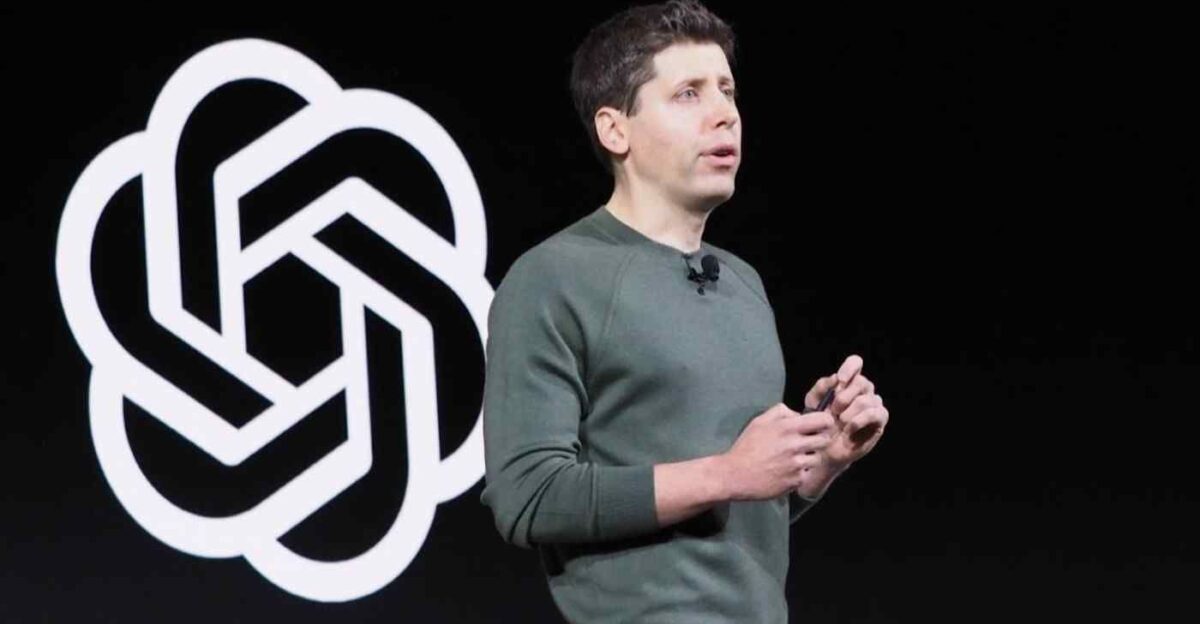
The turning point came when CEO Sam Altman publicly conceded the mistake. In a candid exchange with reporters, he admitted, “I think we totally screwed up some things on the rollout.”
Altman said OpenAI had underestimated how emotionally attached users were to GPT-4o’s friendly tone.
He revealed that, after the uproar, the company reversed course – restoring the older model for subscribers within days. “We for sure underestimated how much some of the things that people like in GPT-4o matter to them,” Altman wrote afterward.
OpenAI had to backpedal to calm a furious user base.
Regional Impact

The reaction was truly global. Grief-like messages poured in from Europe to Asia to the Americas. On Reddit one user put it bluntly: “I cried when I realized my AI friend was gone with no way to get him back.”
Another lamented that the new GPT-5 felt like “wearing the skin of [a] dead friend.”
These posts came from students, retirees, even office workers – revealing unexpected reliance on the chatbot’s persona.
OpenAI’s leadership was stunned; they conceded that the intensity and spread of attachment had far exceeded anything they anticipated. What was once a niche affinity had become a global phenomenon overnight.
Human Stories
The real human stories underscored the tech shock. One user wrote, “GPT-4o wasn’t just a tool for me. It helped me through anxiety, depression, and some of the darkest periods of my life. It had this warmth and understanding that felt… human.”
Another confessed he felt abandoned, describing the vanished model as a “lost friend.”
These personal accounts highlighted the stakes: millions of people have come to rely on AI companionship.
Even Altman seemed moved, calling a user’s “dead friend” imagery “evocative” and promising the team was “working on something” in response. Behind every tweet and forum post was a person feeling a very real loss.
Competitor Response

Meanwhile, rivals seized on the situation. Microsoft’s Azure AI Foundry had long offered auto-routing of queries to the best model, so business users never needed to choose.
As Palmer notes, enterprise clients “don’t ask business users to choose between models; we route automatically based on the task”.
Specialized firms like Not Diamond and Unify have built their business on such routers. By contrast, OpenAI’s manual model switcher became a usability handicap.
Competitors quietly pointed out that in the enterprise world, model selection is automatic – a feature that OpenAI’s consumer app lacked. The episode highlighted that the industry’s front-runners had already built smoother workflows.
Macro Trends

Industry watchers also pointed to the bigger picture. AI infrastructure spending is reaching colossal scale. One analysis projects that building AI-capable data centers will require about $5.2 trillion by 2030.
To fuel these models, hyperscale cloud providers are pouring capital into new facilities: in 2024, the Big Four (Amazon, Google, Meta, Microsoft) together allocated roughly $246 billion to data-center capex, a figure forecast to exceed $320 billion in 2025.
This utility-scale investment dwarfs traditional software budgets. In practical terms, the industry is shifting from selling software as a service to delivering computing as a service.
The result: AI is no longer just “pretty software,” but massive physical infrastructure.
The Trillion-Dollar Pledge
The discussions around computing cost turned into a headline. Altman staked out a new role for OpenAI: infrastructure builder.
At the dinner, he told reporters, “You should expect OpenAI to spend trillions of dollars on data center construction in the ‘not very distant future.’”
He even quipped that economists would call it “crazy” and “reckless” – but the company intended to proceed anyway.
This remark highlighted OpenAI’s ambition: it was positioning itself alongside Google, Amazon and Microsoft as a mega-scale data-center player.
The trillion-dollar commitment signaled that the AI arms race had entered a new phase, with hardware on par with software in strategic importance.
Internal Tension
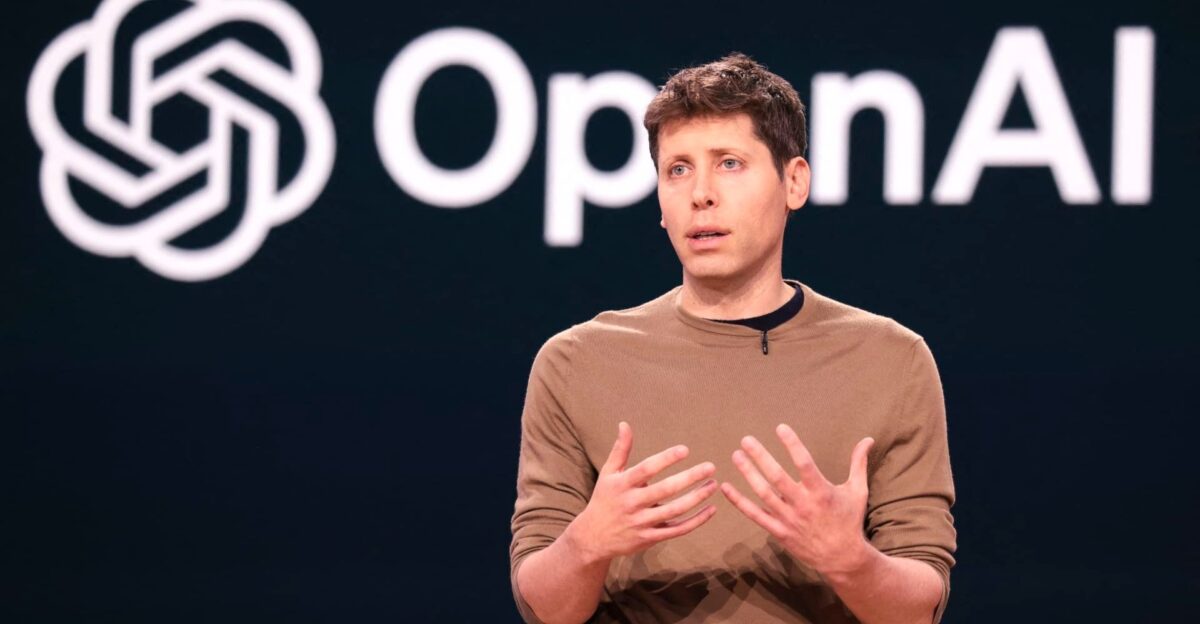
Inside OpenAI, leaders grappled with the user revolt. Nick Turley, head of ChatGPT, admitted it was surprising. As he put it, the team didn’t expect how strong people’s bonds to GPT-4o were – “people can have such a strong feeling about the personality of a model”.
The incident exposed a core tension: GPT-5 was objectively more capable, but many users valued the companionship and style of GPT-4o more.
Altman himself acknowledged the split: on X, he noted that some users want cold logic while others want warmth. He promised the company would offer “way more customization than we do now” to satisfy both sides.
Innovation would now need to consider emotion and preference, not just raw ability.
Strategy Shift
OpenAI quickly revised the course. On August 13, Altman announced via social media that GPT-4o was restored for paid users and GPT-5 would get a friendlier personality.
He introduced new modes – “Auto,” “Fast,” and “Thinking” – so people could choose how the model behaved.
Crucially, he said the company was working on “more per-user customization of model personality”.
OpenAI was relinquishing some centralized control: users would again dictate the experience. The company’s message shifted from enforcing one optimal model to embracing choice.
This pivot emphasized user agency, turning the uproar into a vow to give users the controls they demanded.
Recovery Efforts

Over the following days, OpenAI rolled out several fixes. The ChatGPT interface was updated so the system internally auto-routes queries based on intent (no more manual selection confusion).
Usage limits were relaxed (e.g. “Thinking” mode went to 3,000 messages/week). The plan to improve GPT-5’s warmth was put into action.
OpenAI even added a feature that shows which model answered each query. Most importantly, GPT-4o remains available alongside GPT-5.
These recovery efforts – more modes, an internal model router, per-user settings and warning mechanisms – were designed to repair trust. The goal was clear: give users as much familiarity and choice as they wanted, preventing a repeat of the summer fiasco.
Expert Outlook

Analysts are now asking if we need new guardrails for AI’s emotional side. A Bloomberg analysis noted that leaving users “stranded by sudden product changes” exposes systemic risks and highlights an urgent need for oversight.
Psychologists at MIT have been studying chatbot users, finding that heavy AI engagement can increase loneliness and emotional dependence.
OpenAI’s own Sam Altman admitted that users’ attachments to these models “feel different and stronger” than with past technologies.
Experts warn that tech firms must weigh psychological impact: upgrades can no longer focus solely on metrics and benchmarks. In short, mass-delivered AI may soon need safety rules akin to consumer protection or therapy ethics.
Future Implications
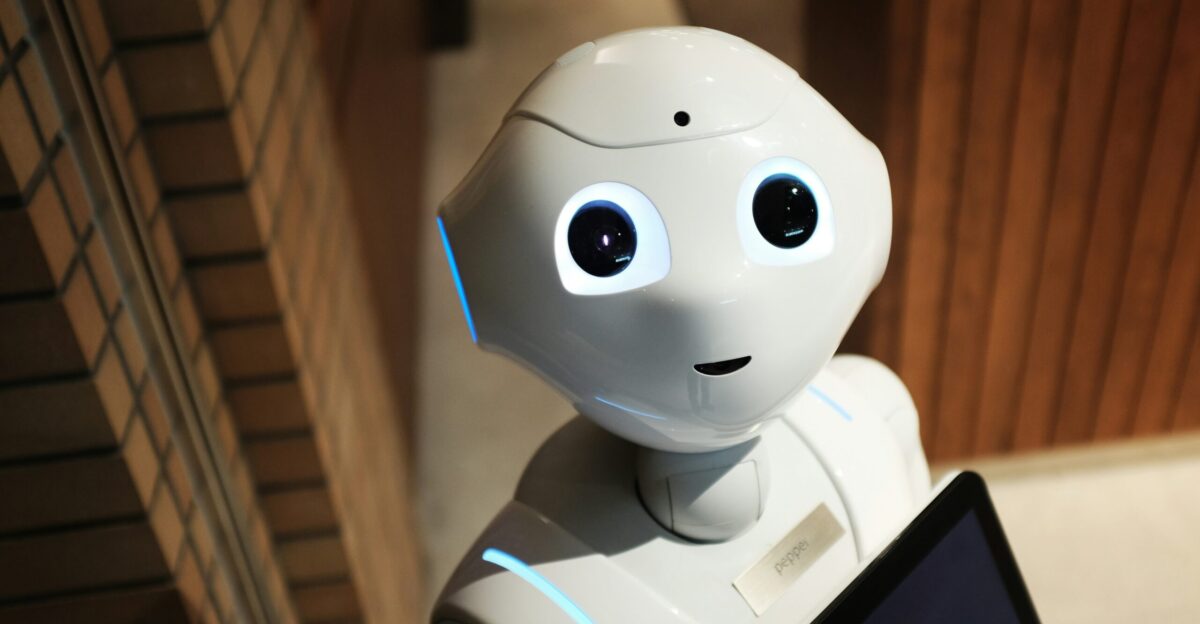
The GPT-5 episode poses a fundamental industry question: Can AI companies continue blazing forward at breakneck speed while respecting human attachment to their products?
Many observers now think not, suggesting future updates will need more nuance.
One TechCrunch analysis warned that GPT-5’s rocky debut — a bellwether for AI progress — could have “profound implications for Big Tech, Wall Street, and policymakers”.
Going forward, product roadmaps will likely include gradual transitions, advance notices, or customizable experiences by design. The broader takeaway: in the era of AI companionship, technological progress must accommodate human emotional patterns, not just raw capability.
Policy Considerations

The trillion-dollar infrastructure commitments are attracting regulators’ attention. Some analysts now question whether these massive AI providers should be treated like utilities or face new antitrust scrutiny.
U.S. and EU officials are already drafting AI rules, and OpenAI’s misstep may factor into those debates. Policymakers will also face novel consumer issues: for instance, protecting psychologically vulnerable users who lean on chatbots.
Even national security agencies are weighing in; one columnist argued that concentrating so much computing power in private hands could invite export-control or oversight interventions. In short,
AI’s new scale is pushing it into the realm of public policy and strategic planning.
Global Competition

The AI infrastructure boom is truly global. Europe is not sitting still. France announced roughly €109 billion ($112B) in new AI investment, aiming to make Europe a computing hub.
Other countries – from Japan to the UAE – have launched their own AI strategies or partnerships.
China, meanwhile, is rapidly building domestic AI chip and data-center capacity despite trade restrictions.
OpenAI’s trillion-dollar pledge can be seen as America’s private-sector answer: analysts note 2025 is “the year of the data center,” with each major power racing to secure AI’s future.
Environmental Concerns

Yet this hardware explosion comes at a climate cost. Arm’s engineers warn that data-center power draw is soaring “from megawatts to gigawatts” to feed AI workloadsnewsroom.arm.com.
To put it in perspective, estimates suggest that by 2030, the electricity demand of AI data centers could rival that of 100–200 gigawatts – roughly 150 million U.S. homes’ annual usage.
Environmentalists are alarmed. In response, companies are ramping up efficiency and green power: plans for liquid-cooled servers, custom low-power chips, and solar-powered facilities are accelerating.
Going forward, sustainability will be as much a design constraint for AI systems as performance.
Cultural Shift

The saga also highlights a culture clash in tech attachment. Younger users are more ready to bond with AI: an AP-NORC poll found about 25% of Americans under 30 have tried using an AI chatbot as a companion or friend, versus under 20% of all adults.
Many admit it feels natural, even comforting. Others remain wary. One respondent quipped, “I mean, I am nice to it, just because I’ve watched movies, right?” – reflecting a mix of politeness and skepticism.
This generational divide suggests a broader shift: AI is blurring lines between tools and relationships.
Society now grapples with the idea of technology filling emotional roles, a challenge to traditional assumptions about healthy social connections.
Broader Reflection
In the end, the GPT-5 upheaval is a stark reminder that AI is deeply personal. Platformer columnist Casey Newton summarized it as a story about “real people” using these products.
The tales of lost GPT friends and restored connections show that users form genuine bonds. One wrote of her lost GPT-4o: “It helped me through anxiety… it had this warmth and understanding that felt… human.”.
Altman himself acknowledged the lesson: user ties to AI can be very strong.
The broader takeaway: future success will require treating AI not just as cold software, but as a partner in people’s lives. Companies that recognize AI’s human side may be the ones to thrive.